How Can I Get Rid of Dry Flaky Scalp? 8 Effective Steps That Work
How can I get rid of dry flaky scalp? Start by gently cleansing your scalp with a shampoo made for dry scalp.
Let the shampoo lather sit for about five minutes to help loosen flakes and soothe irritation. Avoid harsh shampoos with strong chemicals; they can make dryness worse.
Next, use a scalp treatment that moisturizes and exfoliates gently. Apply it directly on your scalp and leave it for 10 minutes before washing it out. This helps remove dead skin and restores your scalp’s natural balance quickly.
Watch out for over-washing your hair. Washing too often strips the scalp of its natural oils, which increases dryness. Shampoo your hair two to three times each week only.
Always use a good conditioner after shampooing your hair. This helps keep your scalp hydrated and healthy.
Key Takeaways
- Use gentle, hydrating shampoos designed for dry scalp relief.
- Let shampoo lather sit on your scalp for five minutes before rinsing.
- Apply moisturizing scalp treatments and leave them on for around ten minutes.
- Wash hair two to three times weekly to avoid stripping natural oils.
- Massage scalp treatments in sections to reach all dry, flaky areas.
- Follow up shampooing with conditioner for moisture and scalp protection.
1. Effective Ways to Get Rid of Dry Flaky Scalp Quickly
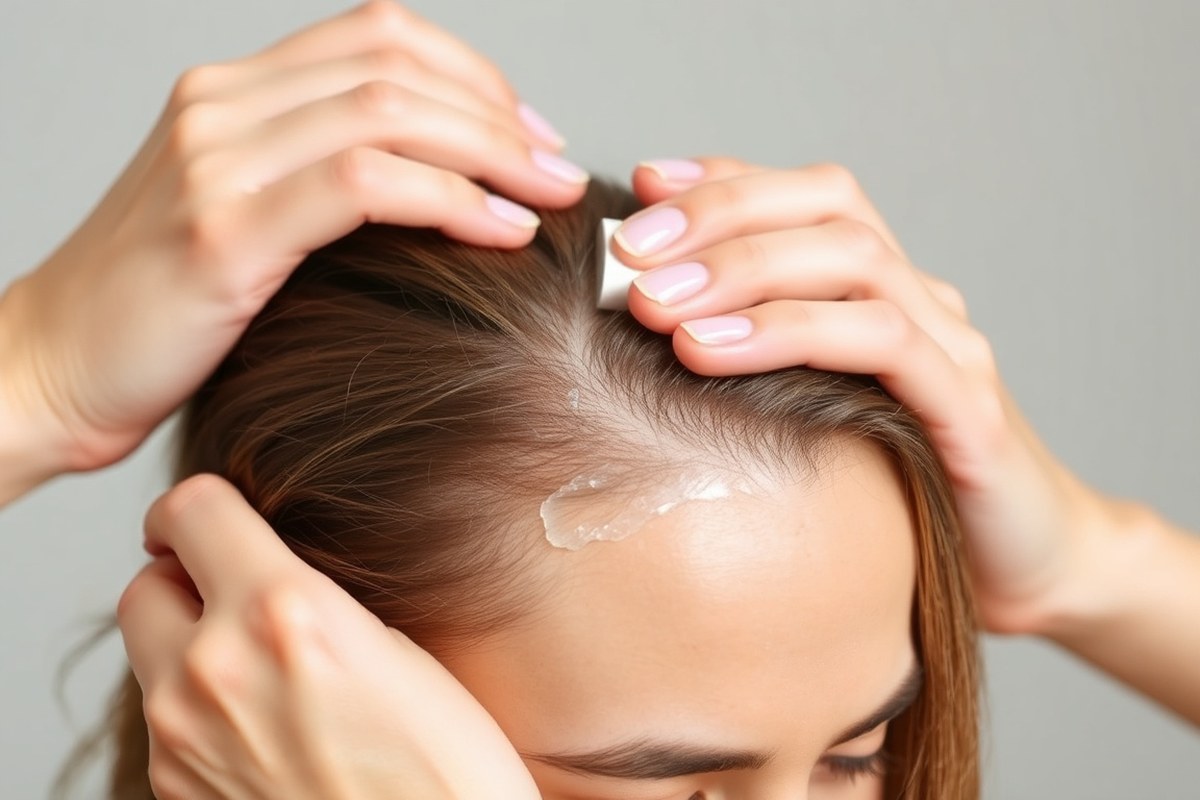
Dry flaky scalp comes with tightness, itchiness, and small white flakes. Quick relief means soothing irritation and stopping flakes from building up. You can take simple steps at home to soften your scalp and calm the itch fast.
Try these actions to ease dryness and flakiness. Some work right away, others improve your scalp health within days. Use gentle treatments and moisturize often to avoid worsening the dryness.
- Use a gentle exfoliating treatment. Apply a salicylic acid scalp treatment before washing. It softens and lifts flakes so shampoo can rinse them away. Do this once or twice a week to clear buildup fast.
- Switch to a moisturizing shampoo. Use formulas made for dry scalp without harsh sulfates. They clean without stripping natural oils that protect your skin. Look for mild, fragrance-free shampoos or those with soothing oils.
- Massage jojoba oil into your scalp. Warm 1 to 2 teaspoons of jojoba oil and rub gently on your dry spots. It moisturizes skin deeply and eases flakes quickly. Leave it on for at least 30 minutes or overnight before washing.
- Rinse hair with cool water. Hot water dries out your scalp and increases itching. Use cool or lukewarm water when washing. It keeps your scalp’s natural moisture barrier intact.
- Limit heat styling while healing. Straighteners and blow dryers dry your scalp more. Skip them for a few days or keep the heat low. This prevents extra irritation and helps your scalp heal faster.
- Apply a soothing scalp serum daily. Find products with ingredients like panthenol or aloe vera. They calm redness and hydrate the skin. Use a small amount after towel drying your hair.
- Keep your scalp clean but not overwashed. Washing hair every 2 to 3 days is ideal. This routine removes flakes but doesn’t dry out your scalp overly. Overwashing leads to more dryness and itching.
By following these steps, most people notice less flakiness and reduced itchiness within a week. If your scalp stays red, tight, or flaky after two weeks, checking with a doctor is a good idea. Some conditions need stronger treatments your doctor can provide.
2. How to Identify Dry Flaky Scalp vs. Dandruff

Dry flaky scalp and dandruff both cause flakes, but their causes differ. Dry scalp usually comes from a lack of moisture. Dandruff is a skin condition caused by a scalp imbalance.
Knowing your scalp type helps you find the right treatment. It saves money and time by avoiding wrong products.
Symptoms Unique to Dry Scalp
Dry scalp flakes tend to be small, white, and scattered lightly over your hair and shoulders. You may notice dryness or tightness on your scalp without much redness. Often, dry scalp happens with dry skin on other body parts like arms or legs.
Common signs include:
- Small, dry white flakes that easily brush off
- Scalp feels tight, itchy, or sensitive from dryness
- Skin on your scalp may feel rough or flaky
- Dry patches on other skin areas like hands or arms
- No strong odor coming from the scalp
- No oily or yellowish scales
These signs often show up after cold weather or using harsh shampoos that strip oils. Moisturizing your scalp usually helps reduce flakiness from dryness.
Symptoms Unique to Dandruff
Dandruff flakes are larger, often oily or greasy, and tend to look yellowish or gray. Your scalp may itch with red or inflamed patches. Sometimes, dandruff causes thick white scales that stick tightly to hair roots.
You might also notice:
- Itchy, irritated scalp with occasional redness
- Greasy or oily scalp flakes
- Flakes that clump together and don’t brush off easily
- Scalp patches with silvery scales called plaques
- Possible hair shedding or thinning in affected spots
Dandruff often comes when your scalp’s natural balance changes due to yeast or fungus overgrowth. It needs specific antifungal or medicated shampoos for best results.
Why Treatments Differ Between the Two
Dry scalp mostly needs moisture and gentler hair care products to restore balance. Using rich conditioners and avoiding harsh shampoo ingredients helps your scalp heal. Massaging your scalp with oils can boost hydration and reduce flakes.
Dandruff treatment targets the underlying scalp imbalance and fungal presence. You’ll want shampoos with antifungal agents like ketoconazole or zinc pyrithione. Sometimes, you need to exfoliate scalp buildup to improve results.
Using dandruff shampoos for dry scalp might irritate instead of helping. Likewise, only moisturizing dandruff sufferers won’t fully fix the problem or stop flakes.
Don’t mix treatments without knowing your scalp type. Check symptoms carefully before buying products.
3. Common Causes and Triggers of Dry Scalp
Dry scalp often starts when the skin on your head loses too much moisture. Dryness can come from many things. Weather and products are common causes.
Your health can also affect dryness. Cold, dry climates pull moisture from your skin, making the scalp tight and flaky.
Using hot water or harsh hair products can strip your scalp’s natural oils. Some shampoos and styling products have chemicals that irritate your skin.
Over time, this irritation causes flaking and itchiness. Even hard water, which contains minerals, may lead to dryness by leaving deposits on your scalp.
Health conditions also play a part. Hormonal changes, stress, or poor diet often affect scalp health.
Some medical issues, like eczema or psoriasis, cause dry, itchy patches on your scalp. You may also have a fungal problem that looks like flakes but needs different care.
- Exposure to cold, dry air or indoor heating
- Washing hair with hot water frequently
- Using shampoos or products with sulfates and alcohol
- Hard water minerals building up on the scalp
- Poor nutrition, especially low omega-3 fatty acids
- Stress and hormonal changes impacting skin health
- Skin conditions such as eczema or psoriasis
Checking your hair and skincare products’ ingredients helps. Look out for sulfates, alcohol, and strong fragrances.
These can cause contact dermatitis, making your scalp drier and itchy. Switching to gentle, hydrating formulas might improve your condition faster.
Nutrition and hydration matter too. Your body needs water and fats like omega-3s to keep skin healthy.
Eating too little fish, nuts, or oily seeds can dry your scalp more. Drinking water regularly, about 8 cups a day, also supports scalp moisture levels well.
4. Best Practices for Shampooing and Hair Care to Prevent Dry Scalp
Washing your hair the right way helps stop dryness and flakes. Use lukewarm water, gentle shampoo, and careful rinsing. Adjust how often you wash based on your scalp’s needs to keep it healthy.
Choose Gentle, Hydrating Shampoos
Pick a shampoo made for dry scalps or sensitive skin. Avoid products with alcohol or harsh detergents because they strip natural oils. Look for ingredients like aloe vera or zinc pyrithione that soothe and protect your scalp.
Hydrating shampoos help retain moisture and cut flakiness. They clean without causing irritation or drying your scalp out more. Using a scalp-focused shampoo balances oil and hydration for longer comfort.
Wash Hair with Lukewarm Water, Not Hot
Hot water removes too much oil and dries the scalp quickly. Lukewarm water opens pores gently and rinses oil and dirt without stripping oils. This temperature helps maintain your scalp’s natural moisture barrier.
Try to keep water between 90°F and 105°F (32°C to 40°C). That range is warm enough to clean but not hot enough to cause irritation. Cooler water helps close hair cuticles, making hair look shinier and healthier.
Limit Shampoo Frequency According to Hair Type
Washing too often or too rarely can worsen dryness. For most dry scalps, washing 2 to 3 times per week works well. This routine lets natural oils hydrate without building up dirt or flakes.
Fine or oily hair might need shampooing more often. Thick or curly hair usually stays hydrated longer, so you can wash less. Notice how your scalp feels to adjust the frequency for best comfort.
Rinse Completely to Remove Residues
Leftover shampoo or conditioner causes buildup that irritates dryness and flakes. Always rinse until the water runs clear to remove all product. Be gentle when rinsing your scalp to avoid scratching or irritation.
Rinse most of the conditioner off your hair. You can leave some on the ends. This helps keep them soft and moisturized.
Avoid putting conditioner directly on your scalp, as this can clog pores and worsen dryness. Thorough rinsing helps keep your scalp balanced and healthy.
Follow these steps to shampoo your hair without drying your scalp further:
- Wet your hair with lukewarm water, resting between 90°F and 105°F.
- Apply a gentle, hydrating shampoo designed for dry scalp.
- Massage shampoo into your scalp with fingertips, not nails, for about 1-2 minutes.
- Let the shampoo sit for 3-5 minutes to allow the ingredients to work.
- Rinse thoroughly, ensuring no shampoo residue remains.
- Apply conditioner mainly to the ends, avoiding the scalp area.
- Rinse conditioner with lukewarm water, leaving a little in the hair ends if desired.
- Pat hair gently with a towel instead of rubbing to reduce irritation.
5. Natural and Home Remedies That Help Soothe Dry, Flaky Scalp
Natural remedies can soothe dry, flaky scalp by moisturizing and calming irritation. Oils like coconut and aloe vera hydrate, while apple cider vinegar helps exfoliate gently. Homemade masks with honey or banana lock in moisture and reduce flakes effectively.
Coconut Oil for Hydration
Coconut oil moisturizes the scalp by replacing natural oils that dry skin lacks. It also has antifungal properties that prevent scalp infections. Use melted coconut oil to revive dry patches and relieve itchiness.
Here’s how to apply coconut oil for the best hydration:
- Melt 2 tablespoons of coconut oil until it’s liquid but not hot.
- Part your hair in sections to expose the scalp.
- Use your fingertips to gently massage the coconut oil onto the scalp.
- Focus on dry or flaky areas, covering them evenly.
- Wrap your head in a warm towel to help the oil absorb.
- Leave the oil on for 30 to 60 minutes before washing out.
- Wash with a gentle shampoo to remove excess oil without drying scalp.
Coconut oil can leave hair greasy if you use too much. Start with small amounts.
Apple Cider Vinegar Rinse for Exfoliation
Apple cider vinegar (ACV) removes dead skin gently and balances scalp pH. Its low pH stops itchiness and reduces flakes caused by dryness. ACV also fights bacteria and fungi that worsen scalp irritation.
Follow these steps to prepare and apply an ACV rinse safely:
- Mix 2 tablespoons of apple cider vinegar with 1 cup of warm water.
- After shampooing, pour the rinse slowly over your scalp.
- Massage the scalp lightly for about 2 minutes to exfoliate.
- Let it sit for 5 minutes to work on flakes and dryness.
- Rinse your hair thoroughly with cool water to avoid scalp irritation.
- Use this rinse 1 to 2 times a week depending on your scalp’s reaction.
Avoid using ACV rinse daily; it can dry out the scalp more over time.
Aloe Vera Gel for Soothing Irritation
Aloe vera gel cools and soothes an itchy, irritated scalp. It contains vitamins and enzymes that moisturize and calm redness.
You can use pure aloe gel right from the plant. Store-bought gel works too, as long as it has no added alcohol.
Use aloe vera like this for quick scalp relief:
- Extract fresh aloe vera gel from a leaf or choose pure aloe product.
- Apply the gel directly onto dry or itchy parts of your scalp.
- Massage gently for about 5 minutes to spread it evenly.
- Leave it on without rinsing for 20 to 30 minutes to absorb fully.
- Repeat this treatment 3 times a week for best results.
Check for skin sensitivity before full application to avoid allergic reactions.
Honey and Banana Moisturizing Masks
Honey and banana masks hydrate deeply and soothe dry scalp flakes. Honey is a natural humectant that locks in moisture.
Banana softens skin and reduces itch. Blending these ingredients creates a nourishing mask you can make at home.
Make and apply this mask with these steps:
- Mash one ripe banana in a bowl until smooth.
- Add 2 tablespoons of raw honey and mix well into a paste.
- Apply the mask onto your scalp and hair evenly.
- Cover your head with a shower cap to keep moisture in.
- Let it sit for 20 to 40 minutes to soak into the scalp.
- Rinse thoroughly with lukewarm water, then shampoo as usual.
- Use this mask once or twice a week to improve scalp moisture.
Rinse carefully; leftover mask can make hair sticky or attract dirt.
6. How to Massage Your Scalp to Reduce Flakiness and Boost Health
Massaging your scalp can ease dry flakes and improve scalp health. It helps loosen flakes and boosts blood flow to hair follicles.
This increased circulation supports natural oil production, which moisturizes your scalp over time. The massage also removes buildup that causes itchiness and irritation.
Massage your scalp two to three times a week for best results. Do this for about five to ten minutes each time. This helps improve scalp health and reduce dryness.
You can do this during shampooing or on dry hair using oils. Products like jojoba or coconut oil work well because they hydrate without clogging pores. Avoid harsh products that strip natural oils, as they can worsen dryness.
- Choose a gentle oil or scalp treatment if your scalp feels very dry.
- Use your fingertips, not nails, to avoid scratching or irritating skin.
- Start at your hairline and move toward the back, applying light pressure.
- Use small circular motions covering your entire scalp.
- Focus on areas with the most flakes or dryness but be gentle with sensitive spots.
- Massage for 5 to 10 minutes to encourage oil flow and remove dry skin.
- When using oil, leave it on your scalp for 30 minutes or more. Then wash your hair as usual with shampoo.
- Rinse thoroughly with a mild shampoo that supports scalp hydration.
Massaging too hard can irritate your scalp and make flakes worse. Avoid frequency beyond three times weekly to prevent overstimulation or excess oiliness. Redness or severe itchiness on your scalp needs medical attention.
Talk to a dermatologist for treatment advice. Scalp massage supports healthy skin but won’t fix serious scalp conditions alone.
7. Common Mistakes That Worsen Dry Flaky Scalp and How to Fix Them
Washing your hair too often strips natural oils, which dry your scalp. Use a gentle shampoo meant for dry scalp, not harsh, strong detergents. Avoid hot water; lukewarm is better to keep the scalp’s moisture balanced.
Scratching your scalp might seem to ease itching. But it damages skin and worsens flakes.
To break this habit, try pressing your fingertips gently on itchy spots without scratching. Applying a moisturizing scalp treatment can help reduce the urge within days.
Some styling products contain alcohol or strong chemicals that dry the scalp further. Heavy gels, hairsprays, or frequent use of blow dryers can make flakes worse. Switching to mild, alcohol-free products and letting hair air-dry when possible helps.
- Don’t over-wash hair; aim for 2 to 3 times per week
- Use shampoos labeled for dry scalp or sensitive skin
- Stop scratching by gently pressing itchy spots instead
- Limit use of styling products containing alcohol or sulfates
- Avoid blow dryers on high heat; dry hair naturally if you can
- Keep nails trimmed short to reduce skin damage if you do scratch
It takes about a week to notice less flaking after you stop harsh habits. If dryness stays or worsens, products or habits might still be causing irritation.
Adjusting your routine or switching products again may be needed. Avoid scratching even if itching comes back as it prolongs healing.
8. When to See a Dermatologist for Persistent Dry Scalp Issues
You should try home treatments for dry, flaky scalp for at least two to four weeks. When your scalp condition gets worse or shows no signs of change, visit a dermatologist. Waiting too long may allow underlying issues to get worse.
Serious scalp symptoms include thick, scaly patches, redness, swelling, or bleeding. Intense itching that disrupts sleep also signals a need for professional care. These signs might mean you have psoriasis or another chronic scalp condition.
Psoriasis causes skin cells to grow too fast, leading to thick flakes and dryness. Your doctor can confirm this with a scalp exam and sometimes a skin biopsy. Treatment differs from regular dry scalp care.
Prescription options include medicated shampoos with coal tar, salicylic acid, or corticosteroids. These reduce inflammation and slow skin growth. For severe psoriasis, your doctor may suggest light therapy or systemic medications.
Other conditions like scalp eczema also need specific prescription creams or ointments. A dermatologist can diagnose your exact problem and give a treatment plan that fits. This helps avoid trial and error with home remedies.
Costs vary depending on treatment complexity and insurance coverage. Basic topical prescriptions often cost $20 to $100, while advanced therapies are pricier. Early diagnosis usually means easier and cheaper treatment.
Thick, red, or bleeding patches on your scalp need a doctor’s check. Don’t just rely on home remedies.
Step-by-Step Action Plan to Clear Dry, Flaky Scalp
Follow these steps to ease your dry scalp quickly. Watch for less itchiness and fewer flakes as signs of success.
- Day 1: Start with a gentle scalp massage using warm coconut oil. Leave it on for 30 minutes to soften flakes and boost circulation.
- Day 2: Wash your hair with a mild, sulfate-free shampoo. Check that your scalp feels less tight after rinsing.
- Week 1: Use a moisturizing conditioner only on your hair ends, not the scalp. Notice if your scalp stops feeling dry and flaky.
- Week 2: Apply aloe vera gel to your scalp daily before bed. See if redness and dryness decrease.
- Week 3: Reduce shampooing to two or three times per week. Your scalp should feel less irritated and flaky.
- After 3 weeks: Avoid harsh hair products and hot water. Your scalp health should steadily improve with less flaking.
- After 4 weeks: If flakes persist or worsen, book an appointment with a dermatologist. They can check for underlying skin issues.
Frequently Asked Questions
How to Get Rid of a Flaky Scalp Fast?
Use a gentle, moisturizing shampoo and avoid harsh styling products. Apply a soothing scalp treatment daily for quick relief.
What Triggers a Flaky Scalp?
Dry air, harsh hair products, and skin conditions like eczema often cause a flaky scalp. Stress and weather changes can make it worse.
What Deficiency Causes Dry, Flaky Scalp?
A lack of omega-3 fatty acids and vitamin D can cause dry, flaky scalp symptoms. Balanced nutrition helps improve scalp health.
Why Is My Scalp Flaking but Not Dandruff?
Flaking without dandruff usually means dry scalp, not fungal infection. It feels tight or itchy without oily flakes.
Can Medication Cause a Dry Scalp?
Yes, some medications like acne treatments can dry out your scalp. If new meds coincide with symptoms, talk to your doctor.
Does Washing Hair Less Prevent a Flaky Scalp?
Washing less can help if shampoos dry your scalp out. But too little washing may cause oil buildup, worsening flakes.
Wrapping Up
Your dry, flaky scalp can improve with simple, steady care. Try the first step today and notice how softer your scalp feels. Getting started is the hardest part, and it really makes a difference.