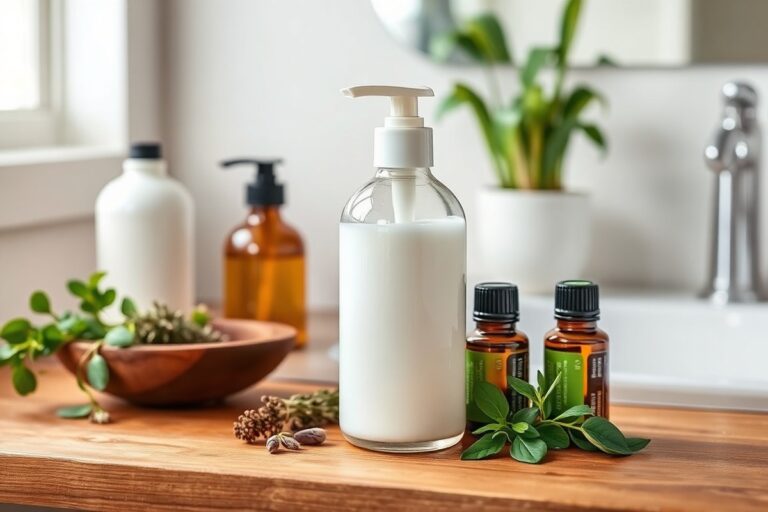
How Can I Get Silky Hair: 8 Practical Steps for Soft, Shiny Hair
How can I get silky hair? The answer starts with building good habits.
You want soft, smooth strands that reflect light and feel healthy. Achieving shiny hair often comes down to daily care and the right products for your type.
Begin by using conditioner every time after shampooing and never skip it. If your hair is dry, oil it for at least an hour before washing. This keeps moisture locked in and prevents strands from drying out.
Another first step is protecting your hair from heat damage. Let your hair dry about 80% before using any heat tools and keep temperatures below 180°C. These small moves make a big difference in keeping hair silky over time.
Key Takeaways
- Always apply conditioner for 2 to 5 minutes after shampooing.
- Oil dry hair for at least one hour before washing to nourish it.
- Use hair masks weekly on damp mid-lengths and ends for extra softness.
- Let hair dry 80% before using heat styling tools to reduce damage.
- Keep heat styling temperatures below 180°C to protect hair fibers.
- Consistent care shows noticeable softness improvements within 2 to 3 weeks.
1. What Actually Makes Hair Silky and Soft?
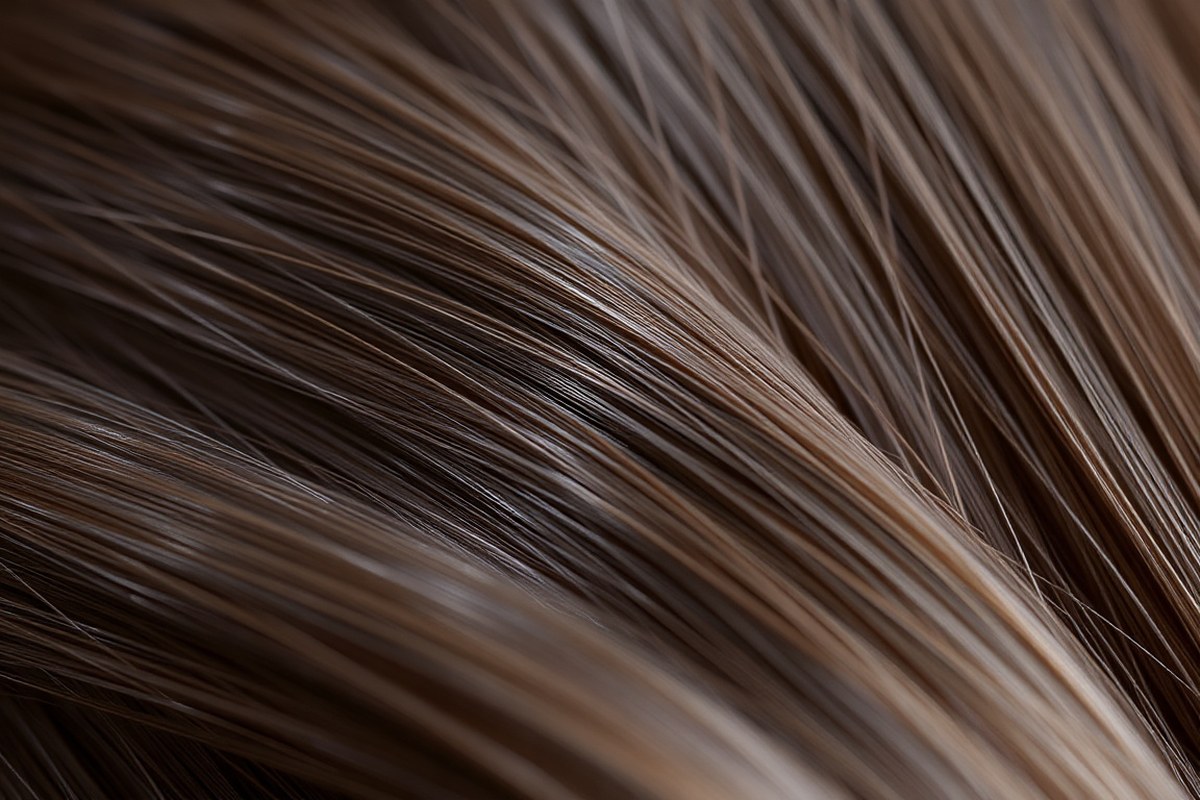
Your hair’s outer layer is called the cuticle. It looks like tiny, overlapping scales. When these scales lie flat, they reflect light evenly, making hair look shiny and silky.
The cuticle protects the inside layers of the hair and keeps moisture in. The cuticle lifts or cracks when it gets damaged. This lets moisture escape, causing dry, rough hair that feels coarse and frizzy.
Moisture balance matters because hydrated hair cuticles stay smooth and sealed. Dry hair cuticles become rough and damaged from friction or heat styling. To keep hair soft, you need to keep it hydrated and avoid stripping natural oils.
Proteins inside hair help maintain strength and smoothness. When hair loses protein, it weakens and becomes more prone to breakage. Balancing moisture and protein is key to having silky hair that’s both soft and strong.
After washing, rinsing hair with cool water helps close the cuticle. Closed cuticles lock in moisture and create a smooth surface for shine.
Use a gentle shampoo without sulfates. Harsh cleansers strip oils and roughen the cuticle.
Heat styling above 450°F (230°C) can damage cuticles by causing lifting and cracks. This reduces shine and smoothness. Protect hair with heat protectants and keep temperatures moderate to preserve cuticle health.
Healthy hair looks smooth, shiny, and feels silky because of flat cuticles and good hydration. Damaged hair looks dull, feels dry, and tangles easily.
Take care of the cuticle and keep hair moist. This helps hair feel soft and shiny.
2. Key Daily Habits to Promote Silky Hair
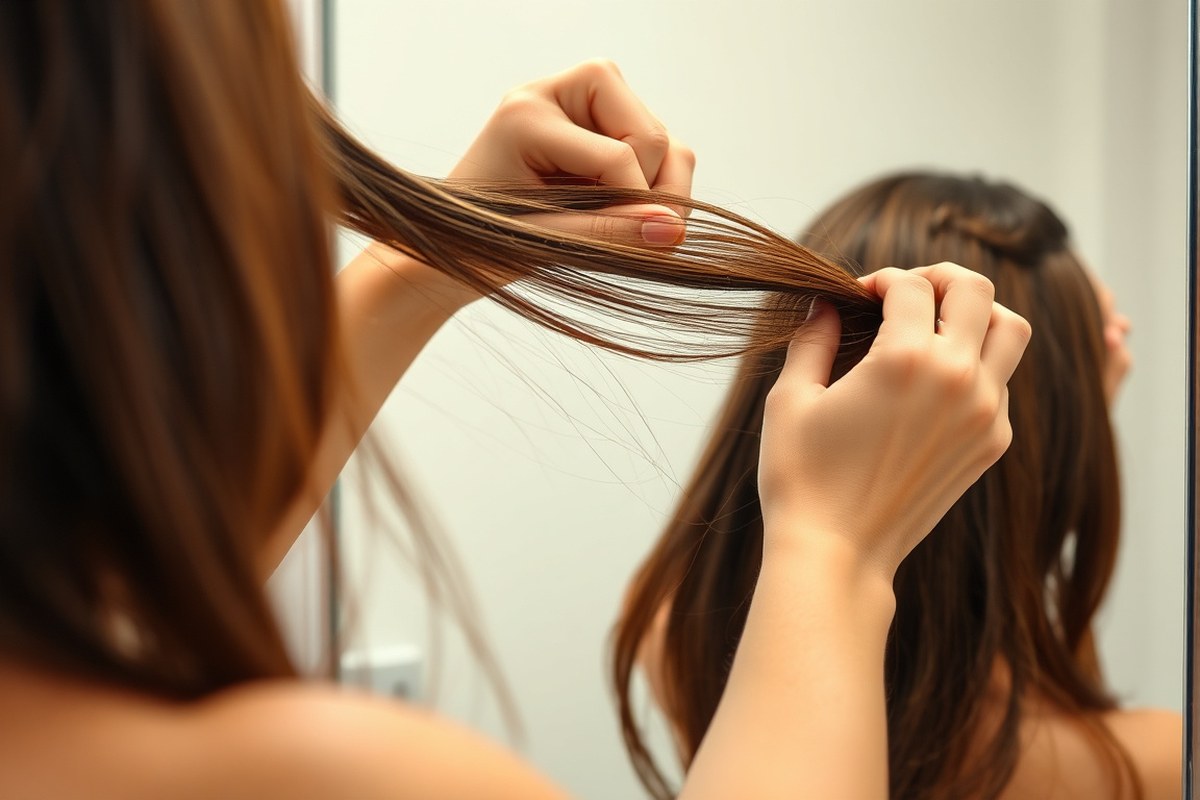
Daily habits shape how smooth and silky your hair feels. Washing too often strips your hair of natural oils. So shampoo two to three times a week is usually enough.
Use a gentle shampoo and conditioner meant for your hair type. After rinsing conditioner, switch to cold water for 30 seconds. Cold water helps close the hair cuticles, which keeps strands smooth and shiny.
Brushing spreads your scalp’s natural oils evenly. Use a boar-bristle brush or a wide-tooth comb to avoid breakage. Start gently detangling from the ends, moving upwards.
Brush at least once a day to keep your hair soft. Do this especially after putting on oil or leave-in conditioner. It helps keep hair silky and smooth.
- Shampoo 2, 3 times weekly with gentle products.
- Condition every wash, rinsing with cool water.
- Brush daily with a boar-bristle or wide-tooth comb.
- Start brushing at the ends, work toward roots.
- Apply light oils before brushing to spread oils.
- Don’t wash with hot water; use lukewarm or cool.
- Avoid harsh brushing on dry, curly, or damaged hair.
Hair type matters when choosing washing frequency and brushing style. Dry or damaged hair benefits from less brushing and rich conditioners.
Fine or oily hair may need more frequent shampooing but gentle brushing. Curly hair should be brushed sparingly and only when wet to reduce frizz.
Cold water rinsing seals your hair cuticles better, locking in moisture and silkiness.
Maintaining silky hair means steady care. Avoid hot water to prevent dryness. Give your hair about 10 minutes with a hair mask once a week for extra hydration.
Small daily grooming changes take a little effort. Over time, they make your hair softer and smoother. You’ll see the difference every day.
3. Choosing the Right Oils and Masks for Your Hair Type
Choosing the right oils and masks depends a lot on your hair texture and condition. Oils like coconut or argan work differently on dry or oily hair. Using deep conditioning masks once a week helps keep frizz away and softness locked in.
Best Oils for Dry and Damaged Hair
Dry and damaged hair needs oils that deeply nourish without feeling heavy. Coconut oil penetrates well to soften coarse strands and reduce breakage. Argan oil adds shine and tames frizz, great for rough, brittle hair.
Apply a small amount of warm oil to your scalp and ends before bed. Cover your hair for several hours or overnight to let it absorb fully. Avoid heavy oils like castor if your hair is prone to weighing down.
Deep Conditioning Masks for Frizzy or Curly Hair
Curly and frizzy hair calls for rich, moisturizing masks to keep curls defined and smooth. Masks with shea butter and aloe vera provide moisture without leaving heavy residue. Use a deep conditioner once a week or more if your hair feels very dry.
Follow these steps to apply your mask: first wash hair with gentle sulfate-free shampoo. Spread the mask evenly from mid-lengths to ends. Leave it on for 30 to 60 minutes, then rinse with cool water to seal moisture.
Natural Ingredients to Boost Softness
Natural things like aloe vera, shea butter, and coconut oil help your hair. They add vitamins and fatty acids your hair needs. These ingredients support hair health naturally.
These nutrients help repair damage and add silkiness. Mixing these in a homemade hair mask can improve softness without chemicals.
For example, blend two tablespoons of aloe vera gel with one tablespoon of coconut oil. Put the mix on damp hair. Then cover it with a warm towel.
Wait an hour before washing it out. Regular use gives lasting softness and shine.
Here is a simple table comparing oils and masks suited to different hair types and textures:
| Hair Type | Best Oils | Recommended Masks | Frequency |
|---|---|---|---|
| Dry, Damaged | Coconut, Argan | Tresemme Pro Pure Moisture Boost (aloe vera, coconut, sunflower seed oil) | Once per week |
| Frizzy, Curly | Shea Butter, Olive Oil | Shea butter or aloe vera based masks | Once per week or more |
| Straight, Oily | Light oils like grapeseed or jojoba | Lightweight hydrating masks | Every 2 weeks |
| Color-Treated | Argan, Marula Oil | Color Fresh Mask or repairing masks | Weekly or before styling |
Keeping your hands gentle while rubbing oils or masks preserves their benefits longer. Avoid harsh scrubbing that strips your hair’s natural oils. This care routine takes 30 to 60 minutes but can dramatically improve softness after several weeks.
4. Safe Heat Styling Practices to Avoid Hair Damage
Use heat tools carefully by setting temperatures below 180°C. Always dry hair until it’s about 80% dry before styling. Protect your hair with a heat protectant to avoid damage.
Preparing Hair Before Heat Styling
Never use hot tools on wet hair. Styling wet hair with heat can cause serious damage, making hair dry and brittle. Towel-dry your hair gently.
Then let it air dry. Or use a hairdryer until it is about 80% dry.
Start with clean, moisturized hair. Dry hair still needs hydration before heat styling. Using a leave-in conditioner or a lightweight oil helps maintain moisture and reduces heat damage risks.
Choosing and Using Heat Protectant Products
Heat protectants form a shield between your hair and styling tools. Look for sprays, serums, or creams labeled “heat protectant” that suit your hair type. They reduce cuticle damage and prevent moisture loss during heat styling.
Apply protectant evenly on your hair. Spray or rub the product from roots to ends before using any heat tools. Waiting a minute for it to set helps maximize protection.
Avoid using heat styling products with harsh chemicals too often. Frequent exposure can weaken hair and cause split ends over time.
Post-Heat Styling Care Tips
Heat styling can dry out your hair and roughen the cuticles. After styling, gently run your fingers or a wide-tooth comb through your hair to avoid breakage. Avoid repeated passes with flat irons over 175°C.
Look out for signs of heat damage. Dry hair, split ends, or frizz need less heat and more deep conditioning. Regularly nourishing your hair brings back smoothness.
Keep hydration levels up after heat styling. Use a light hair oil or a moisturizing serum to restore shine and softness. This care prevents the brittle, damaged look caused by excess heat.
- Make sure your hair is mostly dry, about 80% moisture removed.
- Apply a heat protectant evenly over damp hair.
- Preheat your styling tool but set limits below 180°C.
- Use the tool with smooth, quick passes, avoid holding in one spot.
- Limit passes with flat irons to avoid overheating the same section.
- Finish styling, then untangle gently with fingers or a wide-tooth comb.
- Apply a light oil or serum afterward to restore moisture and shine.
5. How Diet and Supplements Influence Hair Silkiness
Your diet can change how soft and shiny your hair looks and feels. Foods like salmon, spinach, eggs, and nuts are rich in vitamins. They help build strong and smooth hair.
These minerals support healthy hair growth too. These foods give you protein and omega-3 fats. They also have iron and vitamins A and C. These nutrients feed your hair from inside your body.
Vitamins B7 (biotin), B-complex, and vitamin D also support healthy hair texture. Biotin strengthens hair strands and prevents breakage. Vitamin D helps keep your scalp healthy, reducing flakes and promoting hair growth.
You can find these vitamins in foods like eggs, leafy greens, and yogurts. Supplements may help if your diet lacks these nutrients. But be sure to check with a healthcare provider first.
Changing your diet takes some patience. Hair grows about half an inch per month. So you might see softer, shinier hair after 2 to 3 months of eating well.
Improvements include fewer split ends and smoother strands. Lack of key nutrients can lead to dull or brittle hair. So sticking to nutrient-rich foods matters for lasting results.
Don’t hurry with supplements. They work best if you keep eating whole foods. Stay with a balanced diet you like for best results.
6. Maintaining Silkiness for Colored or Chemically Treated Hair
Chemically treated hair needs extra care to stay silky and smooth. Color, bleach, and relaxers strip moisture and roughen the strands. You should use products made for damaged or color-treated hair to restore hydration and reduce breakage.
Look for shampoos and conditioners that are sulfate-free and gentle. These protect your hair color from fading and keep it from getting dry. Deep conditioning treatments that fix damage work in 90 seconds.
Use them once a week to keep hair healthy. They help restore softness and shine quickly.
Refresh color-treated hair every 4 to 8 weeks. The timing depends on your hair color and growth. This keeps your color looking fresh longer.
Frequent touch-ups help maintain vibrancy without harsh damage. Between salon visits, at-home masks with ingredients like keratin and argan oil support smoothness and shine.
- Use sulfate-free shampoo and conditioner designed for color-treated hair
- Apply a protein-rich deep conditioner weekly for repair
- Protect hair from heat above 350°F by using a thermal protectant spray
- Sleep on silk or satin pillowcases to reduce friction and frizz
- Limit washing to 2-3 times a week to preserve natural oils and color
- Use leave-in serums with argan or jojoba oil for extra moisture
- Air dry hair or use cool heat settings to avoid damage
This routine helps maintain the hair’s smooth cuticle layer, which gives it shine. Overwashing or using harsh products causes dryness and dullness. Keeping consistent with these specialized practices prevents split ends and keeps your color fresh longer.
7. Correct Brushing, Drying, and Overnight Care Methods
Reducing friction and breakage starts with the right care during brushing, drying, and overnight protection. You want tools and routines that protect hair cuticles and keep strands smooth. This includes choosing soft brushes, gentle drying methods, and using silk or satin overnight.
Choosing the Right Brush for Your Hair
Brushing your hair properly helps reduce tangles and prevents damage. Soft bristles, like boar or mixed natural-synthetic, smooth the hair cuticle. Avoid stiff or plastic bristles that can pull and break strands.
The type of brush depends on your hair texture. For fine or straight hair, choose a paddle brush with soft bristles. Curly or thick hair benefits from a wide-tooth comb or a detangling brush.
Effective Air-Drying and Blow-Drying Techniques
Start drying your hair gently to avoid frizz and breakage. Use a microfiber towel or an old cotton T-shirt to blot out excess water. Avoid twisting or rubbing your hair harshly with a regular towel to protect your cuticles.
When blow-drying, set your dryer on a medium heat and use a nozzle attachment. Keep the dryer moving to avoid overheating any spot. Partially air-drying your hair first reduces blow-dryer time and heat damage.
- Use a microfiber towel or cotton T-shirt to softly pat your hair dry. Avoid rubbing your hair to keep it smooth and reduce breakage.
- Detangle hair softly using a wide-tooth comb or soft brush.
- Apply leave-in conditioner for extra smoothness if needed.
- Set blow-dryer to medium heat with a nozzle attachment.
- Keep the dryer 6, 8 inches away and keep it moving.
- Dry hair 70% before using your hands to style the rest.
- Finish with a cool air blast to seal cuticles and add shine.
Using Silk and Satin for Overnight Protection
Sleeping on silk pillowcases or wearing silk bonnets helps avoid friction that roughens hair cuticles. Silk lets hair glide smoothly, reducing breaks and tangles. This keeps hair soft and shiny in the morning.
Silk wraps and bonnets help curly or coarse hair stay neat. They hold hair without pulling or damage. These work best for those hair types.
Those with fine hair can just switch pillowcases to silk to prevent flattening and frizz. Avoid cotton pillowcases, which cause breakage and dryness overnight.
8. When to Use Professional Treatments or Consult Experts
When deep conditioning and oils don’t soften your hair, try something else. Professional treatments can help when home care isn’t enough. Your hair might stay dry or frizzy after weeks of care.
Salon treatments often give longer-lasting smoothness and softness. These treatments can make your hair smoother and shinier for up to 3 to 4 months.
Before trying a salon treatment, check your hair’s condition. Avoid these treatments with very fine or fragile hair. They sometimes use heat or chemicals.
These can cause damage easily. Thick or curly hair can benefit from smoothing treatments. These reduce frizz and make hair easier to style.
| Treatment | What It Is | Pros | Cons |
|---|---|---|---|
| Keratin Treatment | Smooths hair by coating each strand with keratin protein | Lasts 3-4 months, reduces frizz, adds shine | Can be pricey ($150-$300), heat can cause damage, not for fine hair |
| Brazilian Blowout | Uses a liquid keratin formula and heat to smooth hair | Softens hair, manageable for weeks, quick results | May have chemicals affecting sensitive scalps, costs $200+, needs 6-week wait between treatments |
| Protein Treatments | Rebuilds damaged hair structure with natural protein ingredients | Improves strength and silkiness, good for damaged hair | Temporary, needs regular monthly upkeep, less smoothing effect |
| Deep Conditioning Salons Sessions | Intense moisture and nourishment treatments applied professionally | Softens very dry hair, boosts moisture quickly | Short-term effect, costs vary ($30-$70), requires ongoing visits |
Salon treatments shouldn’t be rushed or used too often. Wait at least six weeks between treatments to avoid hair damage.
Many pros suggest two or three treatments per year. This avoids causing too much stress to your hair.
No treatment keeps hair silky forever. New hair grows, and daily life changes your hair’s feel.
Good salon care works as a boost after you’ve tried home methods for a while. Then you can enjoy that smooth, sleek feel longer.
Don’t overdo smoothing treatments; your hair needs breaks to stay healthy and avoid damage.
Step-by-Step Action Plan for Silky Hair
Start with simple steps you can do right now. Track your hair’s softness and shine as you go.
- Day 1: Pick a gentle shampoo and conditioner that suit your hair type. Notice how your hair feels after washing.
- Week 1: Add a hair oil or mask twice this week. Check if your hair feels smoother and less dry.
- Week 2: Switch to using a wide-tooth comb on damp hair. Watch for fewer tangles and less breakage.
- Week 3: Use heat styling tools on a low setting and always apply heat protectant. Your hair should feel less brittle after blow drying.
- Week 4: Adjust your diet by adding more protein and omega-3 rich foods. Look for shinier, stronger hair strands.
- Week 5: Try sleeping on a silk pillowcase or cover hair at night. Notice less frizz and breakage in the morning.
- Week 6: Book a consultation with a hair expert now. They can help if your hair still feels rough. Don’t wait if it still feels damaged. Follow their personalized care advice.
Frequently Asked Questions
Can Using Cold Water After Shampooing Make Hair Silkier?
Yes, rinsing hair with cold water helps seal the cuticle, making hair smoother. It also locks in moisture, which reduces frizz and boosts shine.
Does Sleeping on a Silk Pillowcase Improve Hair Silkiness?
Sleeping on silk pillowcases reduces friction that can frizz hair while you sleep. This helps keep hair strands smooth and less tangled.
How Often Should I Trim My Hair to Keep It Silky?
Trim your hair every 6 to 8 weeks to prevent split ends. Healthy ends reduce breakage and help maintain silky texture.
Can Scalp Massages Help Make Hair Silky?
Scalp massages increase blood flow, which can improve hair health. Using oils during a massage adds moisture and softness to hair strands.
Is Using a Leave-In Conditioner Good for Silky Hair?
Yes, leave-in conditioners add extra moisture and create a protective layer. This keeps hair soft and helps control frizz throughout the day.
Will Regularly Brushing Hair Improve Its Silky Texture?
Brushing distributes natural oils from your scalp down the hair strands. This natural oil adds shine and helps keep hair smooth and silky.
Key Points to Remember
Silky hair comes from regular care with the right products and habits. Start by testing one change today and watch your hair improve. Take the first step toward softer, shinier hair now.