What Color Hair Should I Have? A Complete Guide to Find Your Best Shade
What color hair should I have? The best shade matches your skin tone and personality.
Choosing a color that suits you brightens your face and boosts your confidence. Start by identifying your skin’s undertone, warm, cool, or neutral, to narrow down flattering colors quickly.
Your natural hair color helps decide how much you can change your look without damage. Dark hair might need extra steps to get lighter shades.
Light hair offers more flexibility. Consider your lifestyle and how much time you want to spend on upkeep before deciding.
Picking the right hair color also depends on your eye color and hair texture. Hair tones that complement your eyes create a balanced look.
For example, warm blondes pair well with green eyes. Cool brunettes highlight blue eyes beautifully.
Key Takeaways
- Match hair color with your skin undertone for natural-looking results.
- Use your natural hair color to gauge how intense a color change is safe.
- Consider eye color to choose shades that improve your overall look.
- Check your hair texture to pick a color that will shine and hold well.
- Permanent dyes last longer but can damage your hair if overused.
- Semi-permanent and demi-permanent colors are gentler and fade gradually.
Which Hair Color Best Suits Your Skin Tone and Undertone?
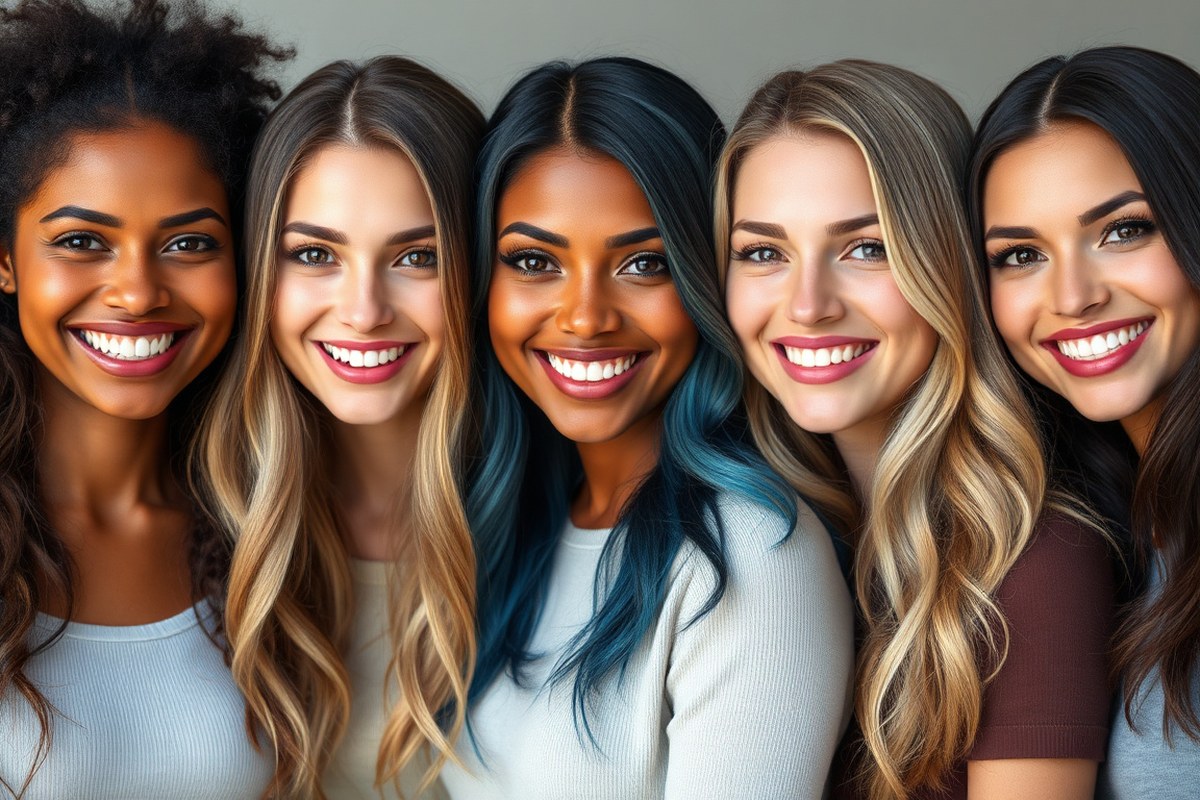
Your skin tone is the surface color of your skin. Undertone is a subtle hue under your skin surface. It stays the same no matter how tanned you get.
You need to identify both. The best hair color matches your undertone, not just skin tone.
To find your undertone, check the veins on your wrist in natural light. They look green; your undertone is warm.
They look blue or purple; you have a cool undertone. You might have neutral undertones if you can’t tell or see a mix.
Another quick test is how your skin reacts to the sun. Warm undertones tend to tan easily and rarely burn.
Cool undertones usually burn first and then gradually tan. Neutral undertones can tan but may burn sometimes.
Warm undertones work well with golden blondes, honey browns, and copper shades. These colors add a natural glow and make your skin look alive. Avoid ashy shades because they may wash you out.
Cool undertones are complimented by ash blonde, icy shades, and berry colors like burgundy. Deep espresso and blue-black also look great. Stay away from too much gold or orange because these colors can clash.
Neutral undertones can try a wider range of colors, including warm and cool shades. Dimensional colors, like soft highlights and grown-out shades, suit you well. This balance lets you switch up your style without worrying much.
Olive skin is a warm undertone. It suits hair colors in the warm family. Rich caramel, burnt copper, or golden blondes provide a nice contrast and brighten the complexion.
For those with lighter skin and cool undertones, you can also try warm hair colors. Gold and honey may improve your look if you want a warmer, softer style. Always test a strand first to see how the color works with your skin.
The key to good results is picking shades that highlight your natural undertone. Avoid colors far on the color wheel. They make your skin look dull or uneven.
Testing semi-permanent dyes costs $10 to $20. It helps you try before you commit.
How Your Natural Hair Color Influences Your Dye Options

Your natural hair color sets limits on what shades you can pick. Very dark hair can only be lightened gradually. Very light hair can show color changes more easily.
Staying within two shades of your natural color helps the dye look natural. This also helps avoid harsh damage to your hair.
Going lighter than your base tone takes extra sessions and upkeep time. Dark hair usually needs bleaching, which risks dryness and breakage when done too fast.
Conversely, darkening light hair is simpler and causes less damage. Choosing colors close to your natural shade means less risk and fewer touch-ups.
| Natural Hair Color | Easy Color Options | Challenging Color Options | Damage Risk |
|---|---|---|---|
| Very Dark (Black, Deep Brown) | One or two shades lighter brown or black, natural reds | Blond, pastel shades | Higher with bleach; needs gradual lightening |
| Medium Brown | Close browns, warm reds, soft blondes | Platinum blonde, vivid pastels | Moderate, watch for over-processing |
| Light Brown to Dark Blonde | Blonde shades, soft reds, low-maintenance naturals | Very light platinum, extreme pastels | Lower, but still careful with lighteners |
| Light Blonde to Platinum | Soft pastels, ash blondes, light browns | Going much darker without banding | Low damage if avoiding too dark shades |
Dyeing your hair a very different color may cause uneven shades or chemical damage. Going from jet black to platinum blonde takes time and money.
It often needs more than one visit to the salon. Maintaining vibrant reds also means more frequent touch-ups because red fades faster than other shades.
Staying close to your natural color for your first dye helps avoid damage. This makes your first experience safer for your hair.
Gradual changes are kinder to your hair. You also get a natural look that suits your skin better and costs less in upkeep.
Always do a strand test before the full dye job. This checks your hair’s reaction and helps prevent damage.
Choosing Hair Color by Eye Color for a Harmonious Look
Blue eyes stand out with lighter hair shades like blonde, light brown, or soft red. These colors create contrast that highlights your eye color naturally. Try a honey blonde or strawberry red for subtle warmth that makes blue eyes pop.
Green eyes also benefit from light shades but with warmer tones like golden blonde or auburn. Chestnut or rich copper adds depth and makes green eyes more noticeable. Avoid cool ash tones as they may dull your eye color and skin’s natural hints.
Brown eyes look best with deeper shades such as dark brown, black, or rich auburn. These dark colors improve the warmth and sparkle in brown or hazel eyes. For a dramatic look, try glossy black or chestnut shades.
These colors highlight the natural flecks in your eyes. They make your eyes stand out more.
Hazel eyes hold flecks of green, brown, and gold. They suit both warm and neutral hair tones well. This gives you many color choices.
Chocolate brown, caramel, or auburn create a balanced, natural look. Use color depth depending on if you want subtle or bold looks.
Darker shades make your eye color deeper. Lighter shades create a nice contrast.
Eye color and skin undertones should both influence your hair choice. But eye color can sometimes guide you beyond skin tone rules. Your olive skin looks better with cooler or darker hair colors.
These colors avoid making your skin look ashen. They improve your eyes instead. This balancing act is key for a harmonious overall look.
To balance hair and eye color for different effects, think about your goal. Choose hair shades close to your natural color for subtle looks. These shades gently improve your eye color without drastic change.
They blend softly with your features. Pick contrasting hair colors for dramatic changes, like dark brown with blue eyes.
Or try vibrant red hair with green eyes. These make your features pop.
Start with a color checklist: note your eye shade and flecks. Check your skin undertone too. Decide if you want warm or cool hair color.
Use this checklist to narrow hair colors to a few picks. Then try them on with a virtual color changer app. You can also use temporary dye.
Test your favorite colors with semi-permanent dye that lasts weeks. This lets you see how your hair color works with your eyes. You avoid surprises this way.
This prevents costly mistakes and gives you confidence in your final look. Healthy hair holds color better, so keep your hair in good condition before dyeing.
Hair Texture and Type: What Colors Work Best and Why
Hair texture changes how hair color looks and lasts. Curly, thick, or fine hair soak up dye differently. You must pick the right shade for your hair type.
This helps your hair stay healthy. It also keeps your hair vibrant.
Color Effects on Curly Hair
Curly hair is usually drier and coarser, making color absorb unevenly. Darker or richer tones, like deep reds and chocolate brown, add shine and depth to curls. Lighter shades might look patchy if curls don’t hold color evenly.
Curly hair needs gentle color formulas with moisturizing ingredients. Use a colour designed for dry or damaged hair to keep curls soft. Applying color slowly and avoiding strong bleach helps prevent breakage and frizz after dyeing.
Adjusting Color Brightness for Fine Hair
Fine hair is more fragile and color can wash out quickly. Avoid overly bright or platinum shades, which make thin hair look see-through. Soft, medium tones like warm blondes or light browns add fuller appearance.
Lighter tints or highlights work well by adding dimension without damage. Avoid heavy bleaching that can weaken fine strands. To keep colors vibrant, try semi-permanent dyes with conditioning formulas that don’t strip natural oils.
Preserving Moisture and Color Retention
Keeping colored hair moisturized depends on your texture and wash routine. Curly or thick hair needs more hydrating shampoos and conditioners to prevent dryness. Choose sulfate-free products to protect color on all hair types.
Limit washing to two or three times a week to help color last longer. After coloring, use cool water to rinse, which seals the hair cuticle and locks in color. Applying a weekly deep conditioning mask keeps hair strong and reduces fading.
Understanding Hair Color Types: Permanent, Semi-Permanent, and Demi-Permanent
Choose permanent dye if you want a long-lasting color change. It lasts up to 12 weeks and covers gray hair well. However, it uses harsher chemicals that can weaken your hair strands and open the cuticle.
Semi-permanent dye fades in about six weeks. It’s great for trying new looks or subtle changes without damage. This type only coats the hair surface without affecting the cuticle deeply.
Demi-permanent dye sits between these two. It lasts longer than semi-permanent but is less harsh than permanent dyes. It gently deposits color and blends grays but won’t lighten your hair.
| Hair Dye Type | Longevity | Chemical Impact | Best Uses | Maintenance |
|---|---|---|---|---|
| Permanent | Up to 12 weeks | Strong chemicals; can damage hair cuticle | Full color change, gray coverage | Touch-up roots about every 4, 6 weeks |
| Demi-Permanent | 4, 6 weeks | Mild chemicals; less damaging than permanent | Subtle color changes, gray blending | Low upkeep; color fades evenly |
| Semi-Permanent | Up to 6 weeks | No harsh chemicals; gentle on hair | Experimenting with color, improving natural shade | Easy to maintain; fades gradually |
Permanent dye requires root touch-ups every 4 to 6 weeks. This helps avoid obvious regrowth lines. Semi and demi-permanent dyes fade smoothly, so less frequent upkeep is needed.
Damage from permanent dyes comes from opening the hair cuticle. It weakens strands and may cause dryness or breakage. Semi and demi-permanent options don’t penetrate as deeply and keep hair healthier.
Test a strand before full dyeing to check for damage or unwanted results.
Step-by-Step Guide to Testing Hair Color Before Full Dyeing
Test your new hair color on a small strand first. This avoids surprises when applying it fully.
You see how the color turns out and how your hair handles the dye. This step makes picking your perfect shade way easier and safer.
Preparing the Test Strand
Find a small section of hair where you won’t notice it if the color looks off. The back of your head near the nape works best. Pick about a half-inch wide strand that’s easy to handle with clips or a hair tie.
Gather gloves, your chosen hair dye, a mixing bowl, and an applicator brush. Use old towels or clothes to avoid stains.
Make sure hair is dry and unwashed for accurate testing. Wait 24 to 48 hours after washing.
Applying Dye and Timing It
Mix the dye exactly as the instructions say for your chosen brand. Apply it thoroughly to the strand using the applicator brush. Cover the entire section evenly so you get a true color result.
Leave the dye on for the time recommended in the directions. This typically ranges between 20 and 45 minutes, depending on the product. Keep a timer handy to check the time precisely.
Assessing Color and Hair Condition
Rinse the strand with cool water and gently towel dry it. Look at the strand in different lights, natural daylight and indoor lighting give the best views. Check if the color suits your skin tone and seems natural with your overall look.
Touch the strand to feel the texture and check for dryness or damage. A healthy strand stays soft and smooth.
Hair feeling brittle or breaking means it might not handle full dyeing. It may need extra care first.
Deciding Next Steps After Test
The color looks right and hair feels healthy. You can dye your full head safely. The shade is too dark or light.
Try mixing a different level or tone for a better match. A muddy or uneven color means you should try another product or consult a professional.
For dryness or damage signs, plan deep conditioning treatments before full dyeing. Avoid rushing into full coloring if your test strand reacts badly. That waiting helps protect your hair’s strength and shine in the long run.
- Choose an inconspicuous strand of hair at the nape of your neck.
- Mix the hair dye according to the package instructions.
- Apply the dye evenly on the test strand using a brush.
- Set a timer for the recommended processing time (usually 20-45 minutes).
- Rinse the hair with cool water and gently towel dry.
- Check the color in natural and indoor light for accuracy.
- Feel the strand for texture and signs of damage.
- Decide if you want to change the color or focus on hair care. Do this before full dyeing.
Balancing Hair Color Choice with Your Lifestyle and Maintenance Ability
Your daily routine and time availability play a big role in your hair color choice. Some colors need frequent touch-ups every 4 to 6 weeks to look fresh. Others, like natural shades or “lived-in” styles, need less care.
They can last 8 weeks or more between visits. This means fewer salon trips and less effort.
Bolder colors, such as bright reds or pastels, fade faster and demand more upkeep. You’ll spend more time and money on color-protecting shampoos and regular salon visits. Busy schedules or low interest in frequent care cause frustration.
Those colors might feel like too much work. They need regular upkeep to stay fresh.
On the other hand, natural and darker tones usually hold up better over time. They don’t show roots as obviously and can look good even as they grow out. These colors fit well if your lifestyle limits how often you can dye your hair.
- Light shades need touch-ups every 4 to 6 weeks to avoid brassiness.
- Dark and natural colors can last 6 to 8 weeks with minimal fading.
- Vivid colors require weekly care with color-safe products and heat protection.
- Lived-in or balayage styles stretch touch-up time to 8+ weeks.
- Use sulfate-free shampoos to keep color vibrant and extend time between dyes.
- Quick fixes like colored powders can refresh roots without dyeing.
Think about your hair care habits before choosing a color. Shampoo daily? Choose shades that fade nicely or use dry shampoo.
This helps your color last longer without washing it out. Your work environment also matters. Need a professional look?
Pick softer tones that require less work. These shades look polished and need fewer touch-ups.
At home, keep vibrant colors by using cool water under 85°F. Skip heat styling to protect your dyed hair. This helps maintain your color longer. Bold colors usually cost more, about $50 to $150 per salon visit.
You’ll also need premium shampoos to keep the color fresh. Budget for these extra expenses. For low upkeep, natural tones cost less and need fewer products.
Common Hair Color Mistakes and How to Fix Them at Home
Undesired shades, uneven color, and brassiness are common hair dye problems. Many result from improper application or the hair’s reaction to dye.
You can fix most at home with simple treatments. But know when to get professional help.
Dealing with Brassiness
Brassiness happens when hair develops orange or yellow tones after dyeing blonde or light shades. It occurs because the dye fades and underlying warm pigments show through. Sun exposure, heat styling, and hard water speed this process up.
Using purple shampoo helps cancel yellow or orange tones in light hair. It neutralizes warm colors you don’t want. Use it to keep cool shades fresh.
Use purple shampoo once or twice a week. Leave it on for 3 to 5 minutes.
Then rinse your hair well to remove it. You can also try a blue shampoo if your brassiness leans more orange.
For stubborn brassiness, an at-home toning treatment works. Follow the package directions carefully and test on a small section first. Avoid overusing toners; too much can turn hair grey or dull.
Correcting Uneven Dye Jobs
Uneven color happens when dye isn’t applied evenly or hair absorbs color differently in spots. Roots may look darker while ends fade or have patchy spots. This is common with DIY dye or on hair with old color layers.
To fix uneven color, gently blend it at home. Use a semi-permanent dye close to your current shade. Apply it evenly for best results.
Use a color brush for targeted areas. Leave the dye on for half the recommended time for all-over application to avoid over-processing.
Wash with cool water to keep the color uniform. Try a color-depositing conditioner or mask to even out patches. Use it gradually to balance your hair tones over time.
- Section hair before applying dye for even coverage
- Use a wide-tooth comb to distribute dye thoroughly
- Avoid overlapping dye on previously dyed hair
- Time your application according to product instructions
- Do a strand test to check the colour payoff
- Consider semi-permanent dyes for blending fixes
- Consult a professional for large corrections or lightening
Overapplying dye in one spot leads to patchy color and damage. Avoid rushing the process.
Recognizing Damage and When to Call a Pro
Hair that feels dry, brittle, or breaks easily often needs more than a home fix. Over-processing or incorrect lightening levels cause serious damage and uneven color.
See a professional if you want to go over two shades lighter. Also visit one to fix serious color mistakes.
They have tools you don’t at home. Pros use techniques customized to your hair’s condition, protecting it while making color corrections.
Professional colorists match your natural hair depth perfectly. They blend tones to hide coloring errors you can’t fix yourself. Trust their experience for best results.
Stop home treatments if your hair feels stretchy or swells when wet. These are signs of damage. Seek expert care to avoid worse problems.
Your First Week: A Quick-Start Plan to Choose and Test Hair Color
This plan helps you pick the right hair color and test it safely before full dyeing.
- Day 1: Identify your skin tone, undertone, and eye color using simple online guides or apps.
- Day 2: Check your natural hair color and texture to narrow down your dye options.
- Day 3: Choose a semi-permanent or demi-permanent color for testing based on your maintenance level.
- Day 4: Do a patch test on a small hair piece. Check how the color reacts and if your skin feels sensitive.
- Day 5: Evaluate the test color under natural light to see if it suits you.
- Day 6: Change the color’s shade or tone if it isn’t what you want. Adjust until it fits your preference.
- Day 7: Pick the permanent dye after the test color suits your skin. Make sure it fits your lifestyle too.
Frequently Asked Questions
Can I Choose a Hair Color That Suits My Personality?
Yes, your personality can guide your choice. Vibrant colors show creativity; natural shades suggest classic style. Think about what hair color feels true to you and fits your daily mood.
How Often Should I Change My Hair Color to Keep It Fresh?
Changing your hair color every 6 to 8 weeks keeps it vibrant. Frequent dyeing risks damage, so wait to let hair recover. Use conditioners to protect your hair between color sessions.
Is It Better to Dye My Hair at Home or in a Salon?
Salons usually offer safer, longer-lasting results with expert care. At-home kits work for small changes or maintenance but require caution. When unsure, booking a professional consultation is the safest bet.
Can Hair Color Affect How My Hair Feels or Behaves?
Yes, fresher dye can feel drier or fragile at first. Color treatments may change texture or volume slightly. Using hydrating treatments can help keep hair soft after coloring.
Do Certain Hair Colors Require More Upkeep Than Others?
Bright vivid colors need more frequent touch-ups to avoid fading. Darker natural shades often require less maintenance. Consider your schedule and willingness to spend time on upkeep.
Will Dyeing My Hair a Lot Cause Long-Term Damage?
Repeated chemical dyeing can weaken and dry out hair over time. Healthy hair starts with less frequent dyeing and good conditioning. When damage shows, give your hair breaks and use nourishing masks.
The Bottom Line
Picking hair color that fits your skin tone and lifestyle simplifies your choice. Start with a small test and adjust as needed.
Now, get your test strand ready. So you can see your new look before the full change.