How to Protect Hair from Heat Damage: A Complete Guide with Proven Tips
Knowing how to protect hair from heat damage starts with using heat tools wisely. Heat above 360°F can break down your hair’s proteins, causing dry, weak strands. You can protect your hair by air-drying it most of the way.
Use the right heat protectant before styling. Also, keep the temperature on your styling tool low.
Always dry your hair 70 to 80 percent before styling with heat. This cuts down damage risk because less heat directly hits wet hair. Another key trick is to divide your hair into small sections.
Make each section 1 to 2 inches wide. This helps avoid too much heat exposure.
Start with the lowest temperature for your hair type and increase only if needed. Fine hair needs 250 to 300°F. Thicker hair tolerates up to 400°F. Using the right temperature keeps your hair healthy and strong longer.
Key Takeaways
- Let hair air-dry up to 80% before using heat styling tools.
- Use a silicone-based heat protectant on damp hair before styling.
- Keep styling temperatures between 250°F and 400°F based on hair type.
- Work with small 1-2 inch sections to reduce overall heat exposure.
- Use the lowest effective heat setting to avoid protein damage.
- Schedule trims every 8-12 weeks to stop split ends from worsening.
How to Protect Hair from Heat Damage Before Styling
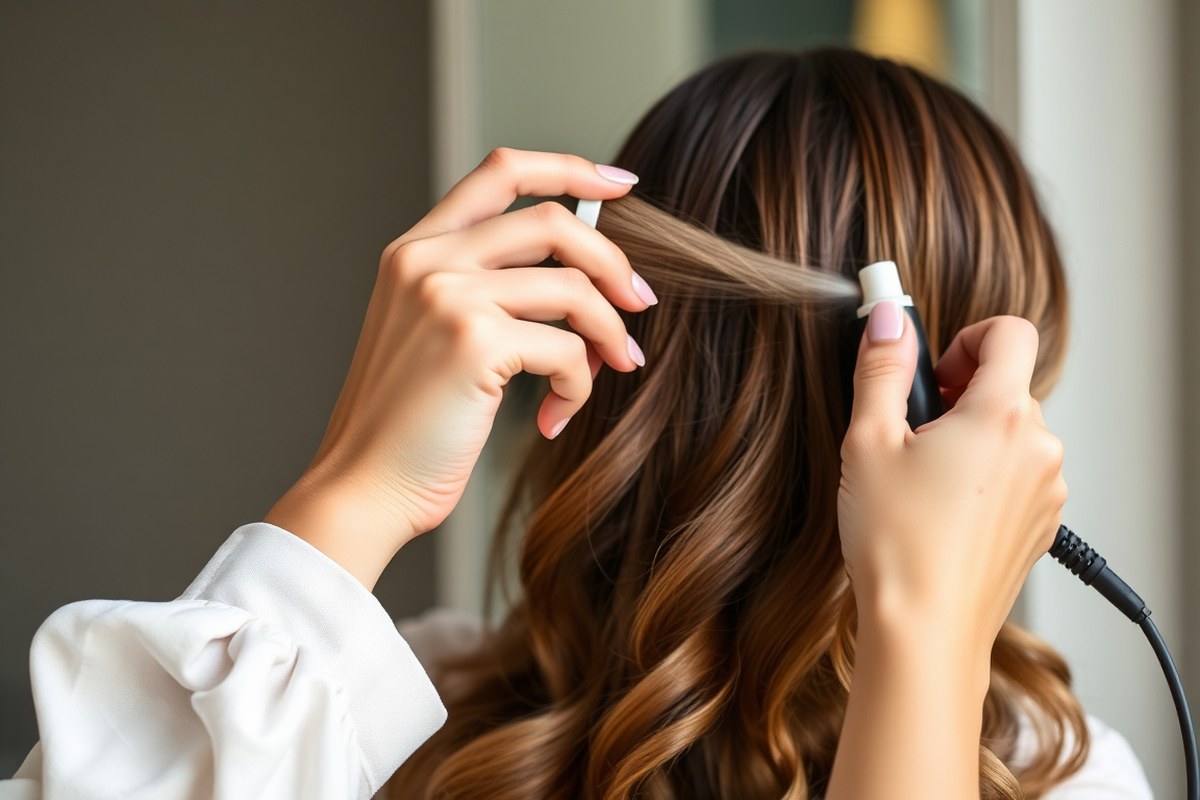
Preparing your hair before using heat styling tools helps cut down damage. Air drying your hair to about 70 to 80 percent dry is key. This reduces the time your hair spends under hot tools and lowers damage risk.
Applying heat protectant evenly is another essential step. Use the right amount so every strand is coated but not weighed down. Apply lighter sprays or leave-in conditioners first.
Then add heat protectants. This creates a good base without buildup.
Avoid common mistakes like using heat on soaking wet hair or skipping product entirely. Wet hair is more fragile and prone to breaking.
Skipping protectants leaves your hair unshielded from high heat. Heat above 180°C can crack and weaken strands.
- Blot your hair gently with a towel to remove excess water after washing.
- Let your hair air dry until 70 to 80 percent dry. Avoid drying when your scalp is still damp.
- Apply a leave-in conditioner or light moisturizer to nourish your hair without heaviness.
- Spray or spread heat protectant evenly through damp hair, focusing on mid-lengths and ends.
- Use your fingers or a wide-tooth comb to distribute the product without pulling or tangling.
- Wait a minute or two to let the protectant absorb before using any heat tools.
- Set your styling device to the lowest effective heat setting, typically below 180 to 200°C.
This routine helps keep the hair’s cuticle intact and prevents moisture loss. You’ll notice smoother strands that feel stronger after styling. Missing steps or rushing means heat hits unprotected, wet strands, causing split ends and dullness faster.
Choosing the Right Heat Protectant for Your Hair

Choosing the right heat protectant means looking at your hair type, styling needs, and key ingredients. Pick products designed to shield hair from heat damage while matching your texture. The choice equals better hair health and styling results.
Key Ingredients for Thermal Defense
Heat protectants often rely on silicone-based ingredients like dimethicone and cyclopentasiloxane. These create a barrier that blocks heat from penetrating the hair’s cortex. Without them, heat can cause breakage and dryness.
Look for products that contain these silicones to get real protection. Oils like argan and grapeseed help with shine but don’t block heat well. They’re best used alongside dedicated heat protectants.
Heat Protectant Types Explained
Sprays, serums, and creams each have strengths based on how you style. Sprays work well for even coverage on damp hair before blow-drying. Serums often smooth frizz on dry hair after styling.
Creams provide moisture and protection, especially in thick or curly hair. Sprays are quick and light, serums seal and add shine, and creams nourish and shield. Choose based on your hair’s needs and styling tool.
Matching Protectants to Hair Texture and Condition
Fine hair needs low-weight products and lower heat settings around 365°F or less. They weigh hair down less and avoid extra damage. Thick hair or coarse textures tolerate slightly higher heat, sometimes up to 400°F when protected well.
Chemically treated hair is fragile and needs gentle, moisturizing protectants with hydrating ingredients. Curly hair also benefits from creams that lock in moisture and prevent frizz. Adjust protectants to your hair’s strength and damage level.
Natural Oils vs. Synthetic Protectants
Natural oils like argan and grapeseed add shine but don’t block heat inside the hair. They mainly cover hair surface and help seal moisture afterward. Don’t rely on oils alone for heat protection, you need product formulas with silicones or polymers.
Add oils after styling or mix with your heat protectant to boost moisture. This pairing gives you both surface softness and actual thermal defense. Pure oils won’t stop heat from breaking down hair structure.
Timing: Wet vs. Dry Application Products
Apply heat protectants on damp hair within two to three minutes of washing. This timing locks in moisture and shields hair as it dries during styling. Products for wet hair create a barrier against heat from hot tools.
Wait until hair is fully dry before using irons or curling wands. Wet hair is fragile and more prone to snapping under heat. Some sprays protect dry hair from heat.
Use just before styling. They add extra defense.
| Heat Protectant Type | Best For | Key Ingredients | Application | Hair Type Suitability |
|---|---|---|---|---|
| Spray | Even coverage on damp hair | Silicones like dimethicone, cyclopentasiloxane | Apply on towel-dried hair before blow-drying | Fine to thick hair |
| Serum | Smoothing and shine on dry hair | Silicone blends, oils (argan, coconut) | Apply after styling or on dry hair | Thick, curly, chemically treated |
| Cream | Moisture and heat barrier | Oils, silicones, conditioning agents | Apply on damp hair before styling | Curly, dry, thick hair |
| Natural oils | Moisture and shine boost | Argan, grapeseed, coconut | Apply after styling or mixed in | All, but not primary protectants |
| Dry-Use Heat Spray | Added protection on dry hair | Silicone-Free options available | Spray on dry hair before hot tools | Fine or sensitive hair |
Choosing the right type helps protect your hair during every step. Match it to how and when you use heat tools for better results. Using the wrong product or timing can leave your hair weak or prone to breakage.
Always apply heat protectant to towel-dried hair before styling to lock in moisture and minimize damage.
Safe Heat Styling Techniques to Minimize Damage
Using heat styling tools carefully keeps your hair healthier and less dry. Pick the right heat setting. Style in small sections only.
Don’t use hot tools on wet or dirty hair. These habits cut down heat damage and keep your hair looking smooth and shiny.
Setting the Right Temperature Safely
Different hair types need different heat levels to avoid damage. Thin hair should stay under 300°F. Thick hair can take up to 400°F for styling. Using the lowest heat helps keep hair moist and strong.
Adjust your tool temperature based on your hair condition and texture each session. Start low, then raise the temperature only if the style doesn’t hold. Keeping heat under control means less breakage and frizz.
Sectioning Hair for Even Styling
Style your hair in 1 to 2-inch sections. This cuts down heat exposure to each part. It protects your hair better from damage.
Smaller sections let you style faster and more evenly, cutting unnecessary heat exposure. This technique lowers damage risk by up to 40 percent.
Separate clean, dry hair with clips or hair ties before you start. Style one section fully before moving to the next. This makes heat distribution smoother and your style last longer.
Avoiding Heat on Wet or Dirty Hair
Heat applied to wet hair causes more damage because wet strands break 1.5 times easier. Always dry your hair completely before styling. Using a fast-drying primer spray can help speed this up.
Dirty hair has buildup that traps heat unevenly and can make styling less effective. Wash hair regularly and gently remove product residues before heating it. This prevents hotspots that cause breakage.
Choosing Tools with Temperature Control
Tools with adjustable temperature settings give you more control to protect your hair. Avoid fixed heat tools because they often use too much heat. Adjustable tools let you pick the safest temperature for your hair type.
Look for digital displays or dials to change heat precisely. Quality tools usually cost $30 to $150 but save your hair from damage and costly repairs. Investing in the right tool pays off in healthier hair.
Daily Habits to Reduce Heat Exposure
Use heat styling tools only two or three times a week. Give your hair a chance to rest and recover. This helps prevent long-term heat damage.
Try heat-free styling methods like braids, buns, or diffusing with low heat. These reduce overall damage and keep hair resilient.
Use deep conditioning treatments weekly to restore moisture and strengthen your hair. Hydrated hair handles heat better and looks smoother. Consistent care between heat sessions makes a big difference.
- Start with clean, dry hair by washing and gently drying it.
- Apply a heat protectant spray evenly throughout your hair.
- Divide hair into 1 to 2-inch sections using clips.
- Set your styling tool to the lowest heat that works for your hair type.
- Style one small section at a time to avoid overexposing any part.
- Finish all sections before checking for needed touchups.
- Limit styling sessions to a few times weekly and deep condition regularly.
Identifying and Treating Heat-Damaged Hair
Heat damage makes hair feel rough, brittle, and straw-like. You’ll notice split ends that keep coming back and frizz that won’t smooth down. Hair might break easily when you comb or style it, even when handled gently.
To treat heat-damaged hair at home, start by cutting back on heat styling. Use rich moisture masks focused on strengthening and hydration about once or twice a week. Avoid DIY hair masks as a long-term fix since they mainly improve appearance temporarily.
- Use shampoo and conditioners with protein and moisture
- Apply a weekly deep conditioner or moisture mask for 20, 30 minutes
- Trim split ends every 6 to 8 weeks to prevent worsening damage
- Switch to silk pillowcases to reduce friction while sleeping
- Avoid styling damp hair with a straightener
- Apply heat protectant correctly before any heat styling
You need professional help if your hair breaks in clumps. It also helps if your hair looks very dry and tangled. Don’t ignore these signs.
A stylist can give protein treatments to strengthen your hair. They can trim off the worst damage.
They also offer advice for your hair type. These treatments often cost between $30 and $100 depending on the salon.
While hair can’t fully “heal” damage already done, it can grow out strong and healthy. Managing damage means keeping it moisturized, trimmed, and protecting new growth from heat. Trim your hair every 6 to 8 weeks to stop damage spreading.
Regular trims improve your hair’s look and feel. This habit helps damaged ends.
Damaged hair often means lowering heat styling temperatures or taking breaks from heat tools. For example, set flat irons below 350°F for fine hair.
Color-treated hair might need even less. Using heat protectants and avoiding styling damp hair is key to preventing further damage.
Adapting Heat Protection for Different Hair Types
Heat affects different hair types in unique ways. So adjusting your heat protection is key.
Fine, thick, curly, straight, and chemically treated hair all need tailored care to avoid damage. Knowing the right settings and products for your hair type helps keep it healthy and strong.
Heat Damage Impact on Curly vs Straight Hair
Curly hair tends to be drier and more fragile. So heat damage shows up as frizz and breakage faster. Straight hair may look dry and brittle when damaged.
But it’s often more resilient at first. Both hair types lose moisture with heat. But curly hair needs gentler heat and richer protection.
Curly hair benefits from lower heat settings and thicker creams that lock moisture. Straight hair can handle higher heat but still gets damaged. Always use a barrier spray.
This helps stop split ends from forming. Overheating any hair texture speeds up damage and dullness.
Temperature Guidelines by Hair Thickness
The thickness of your hair affects how much heat it can handle. Fine hair is delicate and should stay under 300°F to avoid burning the strands. Thick hair can take heat up to 400°F safely.
Still, handle it gently to avoid stress. Avoid leaving heat on too long.
Applying heat in shorter bursts works well for thicker hair to avoid deep damage. Fine hair needs slower, lower-heat styling and more frequent rests with heatless days to recover. Adjusting heat to your hair’s thickness protects it from breaking and drying out.
| Hair Type | Preferred Maximum Heat | Common Heat Damage Signs |
|---|---|---|
| Fine | Below 300°F | Breakage, limpness, dryness |
| Thick | Up to 400°F | Brittleness, rough texture |
| Curly | Below 350°F | Frizz, split ends, loss of curl |
| Straight | Below 375°F | Dryness, dullness, split ends |
| Chemically Treated | Below 300°F | Breakage, fading, roughness |
Matching your heat settings to these guidelines reduces unnecessary strain. Overusing heat beyond these levels leads to faster buildup of damage, regardless of hair type.
Protecting Chemically Treated Hair
Color-treated, bleached, or relaxed hair is extra sensitive to heat. The chemical process weakens the hair’s structure, making it prone to breakage and moisture loss. Heat protectants for treated hair rebuild protein slowly.
They also lock in moisture to keep hair healthy. Use them before applying heat.
Lower your temperature to around 300°F and avoid using hot tools on wet hair. Weekly protein treatments and deep conditioning masks restore strength between styling. Those steps make heat styling safer and slow color fading or dryness.
Heatless Styling Alternatives by Hair Type
Heatless styling is best for fragile or fine hair. It stops damage from constant heat use. Save heat tools for special occasions.
Styles like flexi rods, braids, or twist-outs shape curly hair without heat, preserving natural texture. Straight or thick hair might use wrap styles or foam rollers to reduce heat exposure.
Heatless styling gives your hair recovery time between heat sessions. It’s a simple way to keep hair healthy and hydrated without changing your routine too much. Experiment with different options to find what works best for your hair type and lifestyle.
Product Application Tips for Varied Hair
Tailor your heat protection product use by hair condition and texture. Fine hair needs a light spray or serum to avoid weighing it down. Thick or curly hair does better with creams or oils that seal moisture and smooth cuticles.
Apply heat protectant evenly on chemically treated hair. Cover roots to ends thoroughly for best effect. Add a leave-in conditioner if needed.
Always distribute product on damp hair before blow-drying or flat ironing. Overapplying can cause buildup, while too little leaves hair exposed.
Always use heat protectant when styling hair. It shields your hair even on low heat. This prevents damage that builds over time.
Daily and Weekly Habits to Strengthen Hair Between Heat Styling
Building resilience to heat damage means feeding your hair nourishment it can’t get from styling alone. Weekly deep conditioning floods the hair shaft with moisture and repairs damage that daily shampoos miss. Use a rich hair mask once a week.
Leave it on for 15 to 30 minutes. This helps your hair soak in the moisture.
Trimming your hair regularly helps stop splits from traveling up. Get a trim every 6 to 8 weeks. It keeps your ends looking fresh.
Trimming stops damage from getting worse. This keeps your hair looking healthier and stronger between heat styling sessions.
Oils and serums work by sealing in moisture and smoothing the hair cuticle. Apply a few drops of lightweight oil, like argan or jojoba, on damp hair after washing.
This adds shine and reduces breakage before you style. Serums can be applied on dry hair to tame frizz and protect against environmental stress.
Taking breaks from heat styling allows your hair to recover naturally. Aim for at least one or two heatless styling days each week.
On these days, try braids, buns, or twists to keep hair looking good without heat. This routine reduces overall stress on your strands.
- Use a deep conditioning mask for 15-30 minutes once a week
- Trim hair every 6-8 weeks to prevent split ends
- Apply 2-3 drops of lightweight oil on damp hair post-wash
- Use a smoothing serum on dry hair to prevent frizz
- Schedule 1-2 heat-free days weekly with heatless styles
- Protect hair overnight with a silk or satin pillowcase
- Gently detangle hair with a wide-tooth comb to reduce breakage
Consistency is key for these habits to strengthen internal hair health. Avoid skipping deep conditioning or trims, since damage builds up slowly. Using oils and serums regularly seals moisture in, helping hair stay flexible.
Heatless styling days let your hair regenerate without extra drying. Over time, these routines keep your hair smooth, shiny, and better able to resist heat stress.
Common Heat Styling Mistakes That Cause Damage
Using heat tools on wet hair damages your strands by causing the water inside to boil. This turns hair brittle and prone to breakage. Always dry your hair fully before styling to avoid this.
Setting your heat tool too high burns your hair’s cuticle. Temperatures above 350°F risk burning, especially with fine or damaged hair.
Keep your tool between 300°F and 350°F to style safely. Lower heat takes longer but saves your hair.
Skipping a heat protectant leaves your hair exposed to direct heat. This removes natural oils and weakens the strands quickly. Apply a protectant spray or cream evenly through damp or dry hair before styling.
Washing your hair too often strips away natural oils. Oils shield your hair from heat and friction. Washing 2 to 3 times a week is enough to preserve oils and reduce damage.
- Dry hair completely before applying heat tools
- Use a heat protectant every time, spray or cream form
- Set styling tools to the lowest effective heat, around 300°F, 350°F
- Limit hair washing to a few times weekly to keep natural oils
- Avoid repeated passes with flat irons or curling wands in one session
- Use a wide-tooth comb to detangle hair gently before styling
If your hair feels dry or looks dull after heat styling, cut back on heat frequency. Deep condition weekly to restore moisture. Trim off split ends every 6 to 8 weeks to avoid breakage spreading.
Recovering from damage also means switching tools or lowering the temperature. Try styling on cool or medium heat first.
You may need some patience. But your hair will strengthen with proper care and less heat exposure.
Environmental and Lifestyle Factors Affecting Heat Damage
Sun exposure breaks down the hair proteins that keep strands strong. This damage makes hair weak, limp, and more prone to breakage. Wearing a hat or using UV protectant sprays can shield your hair during long outdoor sessions.
Humidity after heat styling often makes hair frizzier and harder to manage. It causes moisture to swell the hair shaft, disrupting sleek styles. Using an anti-frizz serum helps keep your hair smooth.
Choose a light hairspray made to block moisture. These products work well in humid weather.
Pollution adds grime and chemicals that dry out hair and damage the cuticle. This makes hair dull and rough, which worsens heat damage effects. Wash your hair gently but often.
Use a detoxifying hair mask once a week. This will improve both shine and texture.
Stress from noise or light pollution raises hormones that thin hair over time. This natural thinning combines poorly with heat damage, causing fragile strands. Creating calm, low-light sleep environments can reduce stress hormones and help hair stay healthier.
Your diet strongly affects hair strength and recovery after heat damage. Protein-rich foods like eggs and nuts rebuild hair’s keratin.
Vitamins A, C, and E also support healthy hair growth and shine. Drinking enough water keeps hair hydrated from the inside out.
Sleeping on silk pillowcases cuts down friction and prevents breakage during sleep. Silk keeps hair smooth and reduces frizz compared to cotton cases. Protective hairstyles like loose braids also limit tangling and damage overnight.
Switching habits can stop damage before it builds. Avoid heat styling on days with extreme sun or pollution when hair is most vulnerable. Plan deep conditioning treatments on low-humidity days to maximize absorption and repair.
Use a silk pillowcase and tie your hair loosely at night to lower breakage rates.
Step-by-Step Action Plan to Protect Hair from Heat Damage
Start with these simple, daily steps to keep your hair safe from heat damage.
- Before You Style: Always apply a heat protectant spray that suits your hair type. Your hair should feel lightly coated, not sticky or heavy.
- Day 1: Set your styling tool to the lowest heat setting that still works. Check if your hair styles well without excess heat.
- Week 1: Limit heat styling to two or three times. Notice if your hair stays smooth and doesn’t feel dry or brittle.
- Week 2: Use a deep conditioning treatment once a week. Your hair should feel softer and look shinier after rinsing.
- Week 3: Try air-drying hair before styling to reduce heat use. Your hair should dry without frizz or stiffness.
- After 4 Weeks: Trim damaged or split ends to prevent breakage. You’ll see fewer frays and less breakage during styling.
Frequently Asked Questions
How Often Should I Replace My Heat Protectant Products?
Replace heat protectant products every 6 to 12 months for best results. Old products can lose effectiveness and might not shield your hair well from heat damage.
Can Using Lower Heat Settings Really Save My Hair?
Yes, using lower heat settings reduces the risk of lifting cuticles and protein breakdown. Keeping heat under 350°F helps prevent permanent damage and keeps your strands stronger.
Is It Safe to Use Heat Tools on Wet Hair?
Avoid using heat tools on wet or damp hair as it causes more damage. Hair is most vulnerable when wet and heat can cause steam burns inside the strands.
How Does Hair Porosity Affect Heat Damage Risk?
Hair with high porosity absorbs moisture quickly but dries out fast and breaks easier. Adjust heat protectants and styling frequency according to hair porosity to better protect it.
Do Certain Hair Accessories Increase Heat Damage?
Metal clips or hair ties near hot tools can conduct heat and burn your strands. Use heat-resistant or fabric-covered accessories to avoid extra damage during styling.
Is Applying Oil Before Heat Styling Helpful or Harmful?
Applying a light oil before heat styling can add shine and reduce moisture loss. However, avoid heavy oils since they may attract heat and cause frying or uneven heating.
Final Thoughts
Heat damage isn’t instant and you can prevent it with small, steady changes. Start with a good heat protectant and turn down your tool’s heat. Take it slow and watch your hair improve day by day.