Does Purple Shampoo Work on Natural Blondes? A Complete Guide with Tips
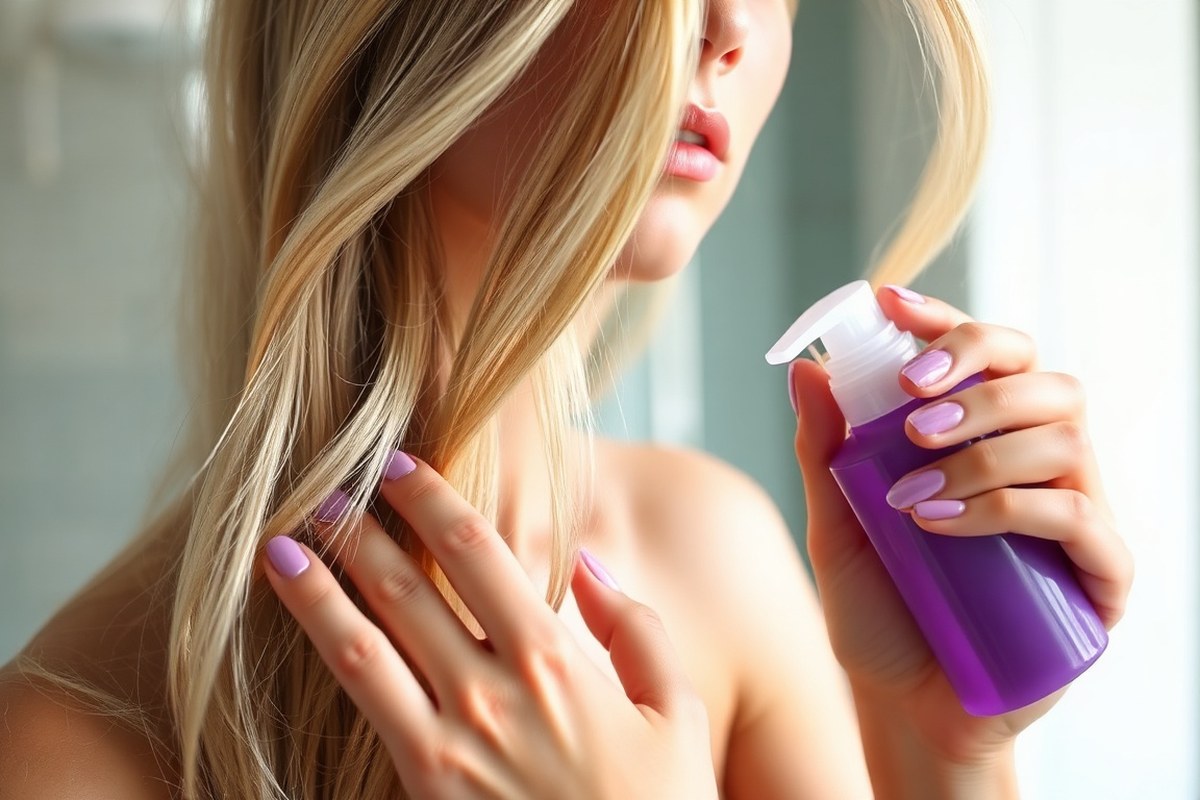
Does purple shampoo work on natural blondes? Yes, it does, but the effect is gentler than on dyed hair. Natural blondes can see a nice toning effect without risking over-brightening or graying.
Purple shampoo cancels out yellow and brassiness by adding violet pigments to the hair shaft. It neutralizes warm tones, keeping your blonde fresh and bright longer. You only need to leave it on your wet hair 2 to 5 minutes.
That short time can show results. Rinse it out after to finish.
For natural blondes, it’s best to use purple shampoo once every week or so. Watch out for overuse, which can lead to subtle purple hues or dryness. Adjust based on how porous and dry your hair feels after shampooing.
Key Takeaways
- Use purple shampoo 2-5 minutes per wash for best toning results on natural blonde hair.
- Natural blondes can safely use purple shampoo about once a week without over-toning.
- Highly porous or dry hair needs purple shampoo less often, every 1, 2 weeks.
- Stop using purple shampoo if hair feels dry or slightly purple after rinsing.
- Rinse purple shampoo out with cool water to seal cuticles and lock color.
- Dilute stronger purple shampoos like Fanola No Yellow to avoid gray tones.
Does Purple Shampoo Actually Work on Natural Blonde Hair?

Purple shampoo definitely works on natural blonde hair. Purple shampoo fights yellow and brassy tones in your hair. Sometimes, these tones show up even if your hair isn’t dyed.
It helps cut down on those unwanted colors. Purple pigments balance the warm colors in your hair.
This makes your hair look cooler and fresher. The shampoo uses color science to get that effect.
This shampoo is not just for bleached or dyed blondes. Natural blondes can get brassy or yellow tones from sun exposure, hard water, or pollution.
Using purple shampoo regularly prevents these tones from making your hair look dull or orange. You can expect your natural blonde hair to stay brighter and more vibrant with occasional use.
The purple shampoo works by depositing violet pigment onto your hair strands. Purple cancels out yellow and orange tones on your hair. This happens because purple and yellow are opposite on the color wheel.
The pigment works by neutralizing those warm tones. Purple shampoos like Joico cost between $20 and $25. It only takes a few minutes to use during each wash.
This is an easy way to fight brassiness. Your hair won’t lighten, but it will appear cooler and cleaner.
Good results show as your natural blonde looking shiny and fresh, not dull or yellow. Sometimes using purple shampoo too often can make your hair look a bit gray or violet. So sticking to a wash every one or two weeks is easier to manage.
Also, purple shampoo works best after regular shampoo clears away buildup. So your hair can absorb the toner evenly.
How Purple Shampoo Neutralizes Yellow and Brassiness in Natural Blonde Hair

Purple shampoo works by using violet pigments to balance yellow and brassy tones in blonde hair. Yellow and orange colors appear when hair oxidizes from sun exposure, heat styling, or water minerals.
Purple sits opposite yellow on the color wheel. So it cancels these warm tones out, making hair look cooler and fresher.
Natural blonde hair can develop these unwanted tones without any dye or bleach involved. UV rays break down natural melanin over time. This causes yellow or orange hues.
The brassiness can increase by up to 40%. Purple shampoo adds violet pigment to your hair strands.
This pigment neutralizes brassiness colors. It does not change your hair’s base shade.
Applying purple shampoo is easy. Work it through your hair. Leave it on for two to five minutes.
This allows the violet pigment to counteract yellow tones. Leaving purple shampoo on too long can cause a purple tint. This happens more on paler blondes.
Keeping the right timing is important. After rinsing, your hair looks cooler and brighter.
It helps your natural blonde shine. You avoid extra chemicals this way.
This toning method helps maintain a fresh blonde look and reduces dull yellow gloss. You don’t need to use purple shampoo every wash. This prevents buildup or dryness from the pigment.
Used correctly, purple shampoo refreshes your natural color. It reduces brassiness from sun exposure or water. It works gently without harsh effects.
Keep purple shampoo on your hair for no more than five minutes. Doing this prevents unwanted purple tones. Timing matters for the best results.
How to Use Purple Shampoo on Natural Blonde Hair for Best Results
Use purple shampoo on wet hair and leave it on for 3 to 5 minutes. This lets the purple pigments neutralize yellow tones without overloading your natural blonde color. Mixing it with conditioner is optional but can soften the effect for less brassiness.
Preparation Before Application
Start with thoroughly rinsed hair. Make sure your hair is clean enough for the shampoo to work well. Avoid applying purple shampoo on dry hair because it won’t spread evenly and can stain.
Wear gloves to keep your hands from picking up purple dye. Keep a towel nearby for your shoulders to catch drips. Using an old shirt cuts down on staining risk too.
Ideal Timing for Different Blonde Tones
For natural blondes, leave the purple shampoo on hair for 3 to 5 minutes. Shorter times like 3 minutes suit warmer blondes to avoid a purple hue. Cooler or ash blondes can handle 4 to 5 minutes for better brassiness control.
Highly porous or damaged blondes should rinse at 3 minutes to prevent excessive pigment absorption. People with very light blonde hair should watch timing closely to avoid a blue-purple tint. Adjust the time gradually as you see how your hair reacts.
Post-Shampoo Care Tips
Rinse your hair thoroughly with cool water to lock in moisture and rinse out excess pigment. Follow with your regular conditioner or a deep conditioner if your hair feels dry. This helps keep hair soft and smooth after purple shampoo use.
Use purple shampoo once or twice a week. This keeps your tone fresh. It also stops your hair from drying out.
On non-wash days, avoid heavy styling products that can dull your blonde shine. Keep monitoring your hair’s color and condition to tweak your routine.
Follow these steps to apply purple shampoo correctly:
- Wet your hair thoroughly with warm water.
- Squeeze out excess water for even application.
- Put a quarter-sized amount of purple shampoo in your palm.
- Apply shampoo evenly starting at roots, then work to the ends.
- Massage gently for full coverage, focusing on yellow areas.
- Leave shampoo on for 3 to 5 minutes, based on your blonde tone.
- Rinse thoroughly with cool water until water runs clear.
- Apply conditioner or a nourishing mask after rinsing purple shampoo.
How Often Should Natural Blondes Use Purple Shampoo?
Natural blondes should use purple shampoo about once a week or every other week. The right choice depends on your hair type and how often you wash your hair. Using it too often can cause a dull, grayish look or dry your hair.
Hair porosity plays a big role in deciding the frequency. Your hair is highly porous, so use purple shampoo every 1 to 2 weeks. For low-porosity hair, once a week is safe and effective without risking over-toning.
Let purple shampoo sit for 2 to 5 minutes. This helps avoid staining.
Watch the time closely. Leaving it on too long can make your hair look cool-toned but also dry or ashy.
- Use purple shampoo once a week with low porosity hair
- Use purple shampoo every 1 to 2 weeks if hair is highly porous
- Let the shampoo sit 2 to 5 minutes per wash
- Do not use purple shampoo every time you wash hair
- Watch for signs of dryness or a grayish cast on hair
Overuse causes a dull or purple-stained effect on natural blonde hair. You want to avoid daily use. Follow this routine to keep your natural blonde tone bright and fresh.
Best Purple Shampoos for Natural Blonde Hair Compared
Several purple shampoos work well for natural blondes to reduce brassiness and brighten hair. Some formulas are stronger, better for highlights, while others suit subtle toning needs.
Price, ingredients, and usage vary. So choosing the right one depends on your hair’s tone and how you use it.
Joico Color Balance Purple Shampoo
Joico Color Balance is known for its strong toning power that cools yellow brassiness. It works well on natural blondes but can be intense if used too long. You should rinse it out after 3 to 5 minutes.
This gives subtle brightening. It won’t make your hair turn gray.
This shampoo uses violet pigments to target warmth and brighten blonde hair instantly. Its moderate price, about $18 for 10 ounces, fits many budgets. It’s best if you follow with a moisturizing conditioner to avoid dryness.
Davines Heart of Glass Shampoo
Davines Heart of Glass is gentle and great for natural blondes who want light toning. It includes natural ingredients like camomile extract to brighten hair softly. The shampoo costs around $28 for 8.5 ounces, leaning toward the higher end of the price range.
This formula suits those who prefer milder toning and softness over dramatic results. Use it 2 to 3 times a week to keep your natural blonde looking fresh. It often pairs well with its matching conditioner to lock in shine.
Matrix so Silver Purple Shampoo
Matrix So Silver is a popular choice recommended by salon pros for cool blonde tones. It works to stop yellow tones. Leave it on for 3 to 5 minutes.
It won’t turn hair purple this way. The price is mid-range, roughly $15 for 10.1 ounces.
This shampoo works well on natural blondes who want to fight brassiness regularly. It’s thick with concentrated pigment, so diluting with water helps control the intensity. Keep hair hydrated, as it can dry hair with frequent use.
Fanola No Yellow Shampoo
Fanola No Yellow is very strong and favored for blondes with highlights. Natural blondes can use it by diluting 50/50 with water to avoid an overly gray tone. The cost is budget-friendly, about $12 for 8.45 ounces, which makes it easy to try out.
The shampoo’s potent pigment fights yellow like few others. So rinse quickly if your hair lightens too much.
It’s not made from 100% natural ingredients but offers powerful toning that natural formulas can’t match. Use once or twice a week for best results.
| Product | Price (Approx.) | Best Use | Main Ingredient Type | Recommended Time On Hair |
|---|---|---|---|---|
| Joico Color Balance | $18 / 10 oz | Strong toning for natural blondes | Violet pigments | 3-5 minutes |
| Davines Heart of Glass | $28 / 8.5 oz | Gentle toning with natural extracts | Camomile extract & gentle pigments | Use 2-3 times weekly |
| Matrix So Silver | $15 / 10.1 oz | Regular toning for brassiness | Concentrated purple pigment | 3-5 minutes |
| Fanola No Yellow | $12 / 8.45 oz | Strong toning for mixed blonde types, diluted for natural blondes | Intense violet pigment | Dilute 50/50, rinse ASAP |
The price range spans from budget to premium, reflecting ingredients and pigment strength. Stronger formulas like Fanola suit highlighted blondes but require dilution for natural blondes. Natural ingredient formulas like Davines tend to tone gently but cost more.
Don’t leave strong purple shampoos on too long. This can make your blonde look gray or dull.
Factors Affecting Purple Shampoo Results on Natural Blonde Hair
Your hair’s porosity changes how purple shampoo works on natural blondes. Porosity means how much your hair shaft soaks up water and products. Your hair soaks up purple shampoo quickly if it’s highly porous.
Leaving it on too long could give your hair a purple tint. For low-porosity hair, the shampoo might not absorb enough pigment to fight yellowness well.
To find your hair porosity, try the float test: drop a strand in water. It sinks fast if porous, stays on top if low.
Adjust the shampoo time to 1-3 minutes for high porosity. Low-porosity hair may need 3-5 minutes for good toning results.
Sun exposure plays a big role in causing brassiness in natural blonde hair. UV rays break down hair’s natural melanin, making yellow and orange tones pop out. Studies show using a UV filter spray can cut yellowing by 33% after 4 weeks outside.
You can protect your hair by wearing a hat outdoors. Also, try using leave-in products with UV filters. These help keep your hair safe from sun damage.
Using purple shampoo helps fix brassiness. But sun protection reduces how much toning you’ll need over time.
Water hardness also affects purple shampoo’s success. Hard water has minerals like calcium that build up on your hair, blocking pigment absorption. It makes toners less effective and can dry out blonde hair, adding to brassy tones.
To fight hard water, rinse with filtered or distilled water after shampooing. Clarifying shampoos once a week can remove mineral buildup too. This helps purple shampoo reach your hair better and keeps the tone even.
Brassiness often comes from a mix of factors like sun, water, and hair health. Adjust how long you leave purple shampoo in based on porosity and water quality. For example, soak porous hair for just a minute or two to avoid dryness.
But let low-porosity hair sit longer. Protecting your hair from the sun and minerals keeps brassiness down and your blonde color bright.
Common Mistakes Natural Blondes Make When Using Purple Shampoo and How to Fix Them
Purple shampoo can leave uneven color if left on too long or applied unevenly. Over-toning happens when the purple pigment builds up in patches, giving a gray or purple tint. Rinsing quickly and spreading the shampoo evenly helps avoid this problem.
Using purple shampoo too often can dry out your hair. This happens because the shampoo’s pigments strip natural oils along with yellow tones. Use purple shampoo once or twice a week only.
Always follow with a good conditioner. This helps keep your hair soft and smooth.
Purple residue buildup shows as a dull or ashy look over time. This occurs if you don’t rinse well or use too much shampoo per wash. Rinse your hair well after using purple shampoo.
Switch to a moisturizing shampoo sometimes. This stops buildup and keeps your blonde bright.
- Use a small amount (about a quarter size) of purple shampoo each time.
- Apply it evenly from roots to ends with your fingers or a brush.
- Leave it on for 1 to 3 minutes only, depending on your hair’s brassiness.
- Rinse thoroughly with lukewarm water to remove all pigment.
- Follow with conditioner to restore moisture.
- Use once or twice weekly, not daily.
- Alternate with a gentle moisturizing shampoo to reduce pigment buildup.
People with very fine or porous hair should test purple shampoo on a small section first. Some hair absorbs the pigment faster, which increases the risk of over-toning. Adjust how long you leave it in based on your hair’s reaction.
Eco-friendly options, like those using beetroot dye instead of synthetic pigments, may tone more gently. They often cost a bit more but lower the chance of harsh buildup or dryness. Checking product labels helps you pick one that suits your scalp sensitivity and hair needs.
When to Seek Professional Help for Brassiness in Natural Blonde Hair
Purple shampoo helps most natural blondes cut down brassiness at home. But it sometimes can’t fix stubborn yellow tones or uneven fading. That’s when you should visit a stylist to get professional treatment and advice.
Signs Purple Shampoo Isn’t Working
Your hair still looks yellow or brassy after several uses of purple shampoo. This happens if the brassiness is very deep or caused by sun damage or minerals. Another sign is when purple shampoo dries your hair out but doesn’t change the color much.
Purple shampoo is gentle, so it might take weeks to show effects. You’ve used it regularly for a month with no change.
It’s time to get expert help. Also, hair that feels rough or looks dull might need a repair treatment, not just toning.
Professional Toning Treatments Available
Salons offer stronger toners that can neutralize tough brassiness in one visit. These treatments use direct dyes or glosses that cover yellow tones much better than purple shampoo. They can adjust the shade precisely to suit your natural blonde.
Besides toning, stylists can do protein or moisture treatments to fix damage and dryness. These cost between $50 and $150, depending on your salon and hair length. Ask for a consultation to get a treatment plan tailored to your hair’s needs.
Maintaining Color After Salon Toning
Use purple shampoo once or twice a week at home. This helps keep your salon results longer.
Choose formulas with moisturizing ingredients like coconut oil or vitamin C. They help avoid drying out your hair. These shampoos help extend toning effects and keep your blonde shiny and fresh.
Also, avoid chlorine, saltwater, and excessive sun exposure, which cause brassiness to return fast. Wearing a hat or rinsing hair immediately after swimming can protect your color. Regular trims and deep conditioning treatments keep your hair healthy after salon visits.
Ask your stylist for a home routine that fits your hair type and lifestyle.
Step-by-Step Action Plan
This plan helps you start using purple shampoo on your natural blonde hair. Follow it closely to see real results without overdoing it.
- Before you start: Check your hair type and existing brassiness. Your hair feels dry, so prep with a deep conditioner first.
- Day 1: Use purple shampoo for 2 minutes. Rinse and compare your hair tone to how it looked before.
- Day 3: Apply purple shampoo again, this time leaving it on for 3 minutes. Check if yellow tones lessen.
- Week 1: Use purple shampoo twice during the week. See if brassiness is fading and hair feels soft.
- Week 2: Adjust time and frequency depending on your hair’s reaction. Purple casts appear, so rinse your hair sooner.
- Week 3: Add a moisturizing conditioner after purple shampoo to keep hair healthy. Watch for balanced tone.
- After 4 weeks: Evaluate your hair color. Stop or reduce purple shampoo if you notice dullness or dryness.
- Ongoing: Use purple shampoo once every 1-2 weeks to maintain tone without damage. Always follow with conditioner.
Frequently Asked Questions
Why Do Hairdressers Say Not to Use Purple Shampoo?
Hairdressers warn purple shampoo can dry hair if overused. Use it sparingly to avoid dryness and damage.
When Should You Not Use Purple Shampoo?
Avoid purple shampoo on very dry or damaged hair. It can make hair feel brittle or increase dryness.
How Do I Keep My Natural Blonde Hair Blonde?
Use purple shampoo one or two times monthly. It fights brass tones and keeps your blonde lively and glowing.
What to Use Instead of Purple Shampoo?
You can use blue shampoo for brunettes or color-depositing conditioners. They help balance unwanted tones without harsh effects.
Does Purple Shampoo Work on Natural Blondes?
Yes, it works to neutralize yellow and brassiness in natural blonde hair. Use it regularly to maintain a cooler blonde shade.
Can Purple Shampoo Lighten Natural Blonde Hair over Time?
Purple shampoo doesn’t lighten hair but tones down warmth gently. It won’t bleach or lighten natural blonde strands.
Final Thoughts
Purple shampoo can help your natural blonde hair stay bright and free of brassiness. Start with short uses and adjust based on how your hair reacts. Try your first wash today and watch for a cleaner, cooler blonde tone.