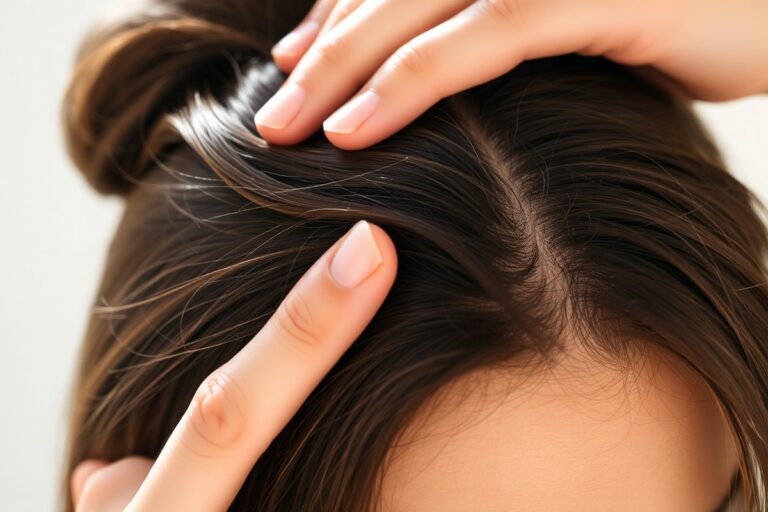
Do Dry Shampoos Work? A Complete Guide on How to Use Them Effectively
Do dry shampoos work to clean your hair? They don’t actually wash your hair but soak up oil and sweat at the roots.
This gives hair a fresher look without water. Dry shampoo is a time saver when you can’t wash your hair fully.
The key is applying dry shampoo right at the roots, where oil builds up most. Hold the canister about 6 to 10 inches away while spraying to avoid white residue. After spraying, massage and brush through your hair to spread the product evenly.
Dry shampoo works best as a between-wash hack, not a full replacement for shampooing. Overusing can lead to scalp buildup or irritation. Use it wisely to refresh hair without damaging it.
Key Takeaways
- Hold dry shampoo 6 to 10 inches from your scalp during application.
- Spray mostly at the roots where hair tends to get oily fastest.
- Massage and brush out product to remove any white leftover powder.
- Limit use to 1 or 2 days in a row before washing with shampoo.
- Using dry shampoo for longer than 3 months straight may cause damage.
- Dry shampoo hides oil but does not clean dirt or sweat completely.
Do Dry Shampoos Really Work to Clean Hair?

Dry shampoo does not actually clean your hair. It works by absorbing surface oil on your scalp and roots. This reduces grease and makes hair look less oily without water or shampooing.
The main ingredient in dry shampoo is usually a starch, like rice or aluminum starch. These powders soak up the oil much like a sponge. You spray or dust the dry shampoo from six to ten inches away.
Focus on your oily spots first. This helps the dry shampoo work better.
After applying, you softly massage or brush the powder in to spread it evenly. This helps remove excess oil and adds some texture. The powder can also add fragrance, which makes hair seem fresher.
Dry shampoo’s job is mostly cosmetic. Dry shampoo hides oily roots and adds volume. It does not remove dirt or sweat.
It also can’t clean buildup deep in your scalp. So it’s not a real substitute for wet shampoo and water.
You can use dry shampoo on clean hair as a guard against oil developing later. On dirty hair, it creates a cleaner look until your next wash. Skipping washing too long makes dry shampoo just mask grime and buildup.
It won’t really clean your hair or scalp. You still need to wash regularly.
Different types of dry shampoo suit various hair needs. For example, rice starch types work well on oily hair.
Coconut oil versions help dry, damaged hair look better. Applying the product correctly affects how well it hides oil and refreshes your look.
How to Apply Dry Shampoo Correctly for Best Results

Applying dry shampoo the right way makes your hair look cleaner and fresher. You want to spread it evenly without leaving white patches or stiff spots. How you spray, section, and brush out the product really matters.
Sectioning Hair for Even Coverage
Start by dividing your hair into four sections: two on top and two at the back. This helps you reach the scalp evenly everywhere. Focus on your roots since dry shampoo targets oil buildup there.
Sectioning lets you spray in smaller amounts, which avoids using too much at once. It also stops the powder or spray from clumping in one area and missing others.
Proper Spraying Distance and Amount
Hold the spray bottle at least 10 centimeters (about 4 inches) from your scalp. This distance spreads the product evenly and prevents heavy patches. Spraying too close bundles up product and looks chalky.
Use a light, even mist instead of a direct blast. Spraying a small amount into each section keeps buildup low and hair feeling soft. Powder dry shampoos work similarly by tapping a bit onto roots.
Waiting Time and Brushing Out Residue
After spraying or dusting dry shampoo, wait 2 to 5 minutes. It needs time to absorb oil before you brush it out. Brushing removes any visible powder and adds volume.
Use your fingers or a brush to massage the scalp gently and spread the product. For best results, blast your hair with a cold air hairdryer. Hot air can melt oils back into hair, making it look greasy again.
Tips to Avoid White or Chalky Residue
Choose tinted dry shampoos if you have dark hair. They prevent white or dusty residue on roots. If you see chalkiness, brushing longer or using a cold blast from the hairdryer helps.
Don’t spray too much at once; light layers work better than one thick coat. After brushing, add a pea-sized drop of coconut oil or conditioner to dry tips if needed. This stops your ends from feeling rough.
- Section your hair into four parts for even product spread.
- Hold the spray bottle about 10 cm from the scalp.
- Apply a light, even layer of dry shampoo to each section.
- Wait 2 to 5 minutes for oil absorption.
- Massage your scalp or run fingers through hair to disperse product.
- Brush out excess powder to avoid residue.
- Use a cold air hairdryer to fully remove leftover product.
- Add a small amount of oil or conditioner if tips feel dry.
Don’t spray dry shampoo on wet hair. Always wait for it to dry completely first.
Different Types of Dry Shampoo and Which Suits You
Dry shampoos come in various types tailored for different hair needs and concerns. Aerosol sprays are popular and easy to use, offering quick oil absorption and a fresh scent. Non-aerosol dry shampoos use plant starches or clays, no propellants.
This may be gentler on your scalp. They can be better for scalp health.
Hair type matters when choosing dry shampoo. Fine or thin hair benefits from volumizing formulas to add body without weight.
Curly or dry hair needs moisturizing dry shampoos that refresh without causing dryness or brittleness. Tinted dry shampoos help dark or colored hair avoid visible white residue, improving natural color instead.
| Type of Dry Shampoo | Main Ingredient | Best For | Packaging | Price Estimate |
|---|---|---|---|---|
| Aerosol Spray | Alcohol, starch, clay | Oily to normal hair | Single-use aluminum can | $8 – $15 per can |
| Non-Aerosol Powder | Plant starches, clays | All hair types, especially sensitive scalps | Plastic-free, refillable bottle | $10 – $20 per container |
| Tinted Dry Shampoo | Colored powders with starch/clay | Dark, colored, or brunette hair | Varies, usually aerosol or powder | $9 – $18 per can or jar |
| Volumizing Formula | Starch, volumizing agents | Fine or thin hair | Usually aerosol | $8 – $16 per can |
| Moisturizing Dry Shampoo | Hydrating ingredients + starch | Dry, curly, or sensitive scalp | Usually aerosol or non-aerosol | $12 – $20 per bottle |
Using the right type means your hair feels soft, refreshed, and matches your color naturally. Powder-based or non-aerosol options reduce scalp dryness and brittleness that alcohol sprays might cause over time.
Tinted powders stop dry shampoo from leaving white patches on dark hair. This makes quick fixes less visible.
Natural or plant-based dry shampoos are safer if you want fewer chemicals. They also avoid aluminum cans. They typically use starches like rice or tapioca to absorb oils and add volume.
These powders suit many hair types. They take longer to apply than sprays.
How Often Can You Use Dry Shampoo Without Damaging Hair?
You should use dry shampoo only once or twice a week to avoid damage. Using it more often than that can cause buildup on your scalp and hair. This buildup clogs your hair follicles.
It also dries out your scalp. This can cause dandruff or irritation.
Dry shampoo stays in your hair about a day. After that, you need to freshen up again.
Avoid applying it on back-to-back days without washing. Your scalp needs a real wash at least every two days to stay healthy and clean.
To decide when to use dry shampoo, check your hair’s oiliness and scalp feel. Your hair feels heavy or looks greasy.
Using a spray will help refresh it. But when your scalp feels itchy or flaky, it’s time for a proper shampoo.
Dry shampoo doesn’t expire quickly but should be stored in a cool, dry place. Keep the container closed when not in use to preserve its effectiveness. Avoid leaving it in hot spots like the bathroom shelf near a shower.
Mix dry shampoo use with regular washing for best results. Use it on day two or three between washes to save time and keep hair lively. Choose a light, volumizing dry shampoo to avoid weighing your hair down or looking dull.
Using dry shampoo smartly means you avoid scalp problems and keep your hair looking fresh. Remember, it only masks oil and dirt temporarily but doesn’t clean like traditional shampoo. Washing your hair regularly remains key to healthy scalp and hair care.
Benefits of Dry Shampoo Beyond Oil Absorption
Dry shampoo offers more than just oil absorption. It can add volume and texture to your hair. This helps when styling updos or braids.
Powders like rice starch or silica soak up oil. They add body and make hair look fuller.
Many people use dry shampoo to refresh clean hair and boost its natural texture. Spray about 6 inches from your scalp. Wait 30 seconds for it to absorb oil.
Then brush to avoid white patches. This quick process can save time on washing and make your hair easier to style.
Besides volume, dry shampoo often contains fragrance that adds a fresh scent. This means your hair can smell nicer between washes.
Be aware, though, that some contain alcohol which dries out hair if used too often. Use it thoughtfully to enjoy the benefits without damage.
Spray dry shampoo from six inches away. Wait at least 30 seconds. Then brush out the extra powder.
Common Mistakes People Make with Dry Shampoo and How to Fix Them
Common mistakes with dry shampoo can cause residue, scalp buildup, and greasy hair. Fixing these involves correct amounts, proper application distance, and careful massaging or brushing. Paying attention to your hair type also helps avoid problems.
Using Too Much Product
Applying too much dry shampoo is a top error. Overuse can lead to heavy white residue and clogged hair follicles. This buildup may irritate your scalp and make hair look greasy instead of fresh.
Spray lightly, starting with 3 to 4 short bursts. Wait a minute, then add more only if needed. This prevents excess product that’s hard to remove and reduces scalp issues.
Applying Too Close to Scalp
Spraying dry shampoo too close leaves white flakes and powder patches on your hair. Aim to keep the spray about 6 inches from your scalp. This distance lets the product spread evenly without clumping.
Hold the can at arm’s length and move it side to side while applying. This technique covers more scalp surface and avoids buildup in one spot.
Not Brushing or Massaging Properly
Failing to brush or massage the dry shampoo in is a common problem. The powder needs to reach hair roots and absorb oil fully. Plus, brushing helps remove leftover residue for a natural look.
Gently massage your scalp with fingertips for 30 seconds. Then brush your hair from root to tip.
Use a natural bristle brush or wide-tooth comb. This helps blend and remove flakes.
- Spray from 6 inches away from scalp
- Use 3-4 short bursts per application
- Massage scalp gently after spray
- Brush hair thoroughly to remove residue
- Section thick hair before spraying
- Choose dry shampoo made for your hair color
Ignoring Hair Type Needs
Different hair types need tailored dry shampoo use. Thick hair benefits from sectioning first to reach all oily areas. Dark hair may show spray residue if the wrong product is used.
Pick a dry shampoo designed for your texture and color to reduce white or flaky buildup. Apply more sparingly if your hair is fine or delicate to avoid weighing it down.
Safety Concerns and Risks of Regular Dry Shampoo Use
Dry shampoo usually does not cause hair loss by itself. You might experience scalp irritation if you use it too much without washing your hair. This irritation can lead to dandruff or even hair shedding if the scalp becomes unhealthy.
Using dry shampoo daily can cause product buildup. This buildup clogs hair follicles and makes your scalp dry and itchy. Over time, these problems may affect hair strength and cause brittleness or breakage.
Some people notice dryness and flakes when they use dry shampoo regularly. Choosing a product made for your hair type helps avoid these issues. People with dry or textured hair should choose dry shampoos with moisture.
These formulas help avoid stripping natural oils from your hair. Pick ones that add hydration instead of taking it away.
There’s no solid proof that dry shampoo causes cancer. Still, some dry shampoos contain microplastics, which might harm the environment and scalp health. Picking microplastic-free options supports a healthier scalp and sustainable style.
Watch for warning signs from dry shampoo use. These include persistent scalp redness, itching, and flakes. Your hair might also feel brittle or dry.
You may also feel scalp tenderness or notice unusual hair shedding. Stop use if these appear and give your scalp a break with regular washing.
Allergic reactions can happen but are uncommon with dry shampoo. They usually show as scalp swelling, rash, or discomfort. Testing a new product on a small skin area first can help avoid surprises.
Using dry shampoo too often forces your scalp to work harder. It throws off your scalp’s natural oil balance and blocks pores. Wash your hair regularly with water and shampoo to clear buildup.
This helps keep the scalp clean and fresh. Don’t skip regular shampooing for healthy hair.
How to Choose the Right Dry Shampoo for Your Hair Type
Matching your dry shampoo to your hair type keeps your hair healthy and looking natural. Each formula targets different needs like oil control, moisture, color protection, or volume. Picking the right one means less buildup and better results every time.
Choosing for Oily Hair
Look for dry shampoos with strong oil-absorbing ingredients like rice starch or silica. These clear formulas soak up excess oil fast and help hair feel fresh longer. Spray types work well for quick coverage and easy application on oily roots.
Skip heavy powders that can leave white residue on oily hair. Instead, choose lightweight sprays labeled for oily or greasy hair.
You might need to reapply mid-day if your scalp gets very oily. But a proper dry shampoo can extend time between washes.
Formulas Suitable for Dry or Curly Hair
Pick gentle, moisturizing dry shampoos that avoid drying alcohols if your hair is dry or curly. Look for added oils like argan or coconut oil to keep curls soft and hydrated. Powders and mousses often add weight, so try sprays or light foams instead.
Curly hair tends to be drier. So don’t rely on dry shampoo every day as it may cause buildup and dullness. Use it occasionally to refresh curls without washing, focusing on the roots and scalp.
Options for Colored and Dark Hair
Colored hair needs protection from fading, so choose dry shampoos without harsh ingredients. Some brands offer tinted dry shampoos that blend with dark or vibrant hair shades. These prevent white residue and help maintain your hair color between washes.
Formula choices also matter; sprays work well for even coverage. Powders may sit on top and look chalky on dark hair. Check that your dry shampoo is free of talc for safety and gentle on treated hair.
Volume-Boosting and Fragrance Considerations
Volume-boosting dry shampoos often include texturizers to add body, perfect for fine or limp hair. These formulas lift roots without weighing hair down, usually in spray or powder form. Avoid extra-heavy textures if you want a natural look.
Most dry shampoos have fragrances to mask odors and provide freshness. Pick a dry shampoo with a scent you enjoy.
Avoid strong perfumes if your skin or scalp is sensitive. Fragrance-free options are also available for a milder experience.
Try a little dry shampoo first to test your hair reaction. This helps avoid buildup or residue showing later.
Step-by-Step Action Plan to Use Dry Shampoo Safely and Effectively
Follow these steps to get fresh, clean-feeling hair using dry shampoo without damage.
- Before applying: Shake the dry shampoo bottle well to mix the powder. This ensures even coverage when sprayed.
- Day 1: Spray the shampoo about 8 to 12 inches from your scalp. Use short bursts on oily spots to check if it soaks oil. See if it leaves any white residue behind. Apply only small amounts for best results.
- Day 1, after application: Wait 2 to 3 minutes to let powder soak up oils. Then gently massage and brush your hair to spread the product and remove flakes.
- Day 2-3: Reapply dry shampoo only if hair feels oily or smells. Overuse can cause buildup, so check scalp health and hair texture regularly.
- Weekly: Wash your hair with water and mild shampoo. Do this once or twice a week to remove buildup. Keep your scalp clean for healthy hair. Stop using dry shampoo if your scalp feels itchy or flaky.
- Monthly: Check if your dry shampoo suits your hair type. Oily scalps may need formulas with absorbent clays. Dry hair benefits from gentle powders without alcohol.
- Ongoing: Store your dry shampoo in a cool, dry place away from heat. Expired products may not work well and could irritate your scalp.
- When switching products: Test a small patch first. This helps avoid allergic reactions and unwanted color changes. Wait to see results before full use.
Frequently Asked Questions
Can Dry Shampoo Replace Washing My Hair Completely?
No, dry shampoo doesn’t clean hair like regular shampoo. It absorbs oil but doesn’t remove dirt or buildup. Use it only between washes to freshen hair.
Does Dry Shampoo Work on Colored or Treated Hair?
Yes, but choose one suited for colored hair. Some dry shampoos add shine and softness for dry, treated hair. This helps keep your hair healthy-looking between washes.
Can Dry Shampoo Cause Dandruff or Scalp Irritation?
It can if used too often or not brushed out well. Residue buildup may irritate your scalp and cause flakes. Clean your scalp regularly and wash as needed.
Will Dry Shampoo Make My Hair Feel Heavy or Sticky?
It can if you use too much or the wrong type. Powder-based dry shampoos tend to feel lighter than aerosol sprays. Apply in small amounts for best results.
Can I Use Dry Shampoo on Curly or Textured Hair?
Yes, but pick formulas for your hair type. Some dry shampoos add moisture and reduce frizz for curls. Spray lightly to avoid weighing curls down.
Does Dry Shampoo Help with Sweating After Exercise?
Yes, it can absorb sweat and oil quickly. But it won’t clean sweat odor fully. Use it as a quick fix before washing your hair.
Final Thoughts
Dry shampoos can work well to freshen hair between washes. Use them right and watch your scalp’s reaction. Pick a dry shampoo that matches your hair type.
Follow the application steps carefully. This gives you the best possible results.