What Does Keratin Do for Hair? A Complete Guide to Effects & Care
What does keratin do for hair? It smooths and strengthens hair by adding protein.
This helps reduce frizz, making hair look shinier and healthier. Keratin treatments make hair easier to style and last for weeks.
Keratin is a natural protein that forms about 95% of your hair. Adding more keratin fills in weak spots and repairs damage on the surface. This is why treatments both nourish and protect hair from daily wear.
Some keratin treatments just smooth hair temporarily. Others chemically relax curls for two to five months.
You should avoid washing or tying your hair for 48 to 72 hours after treatment. This lets the keratin bind fully, so you get better results.
Key Takeaways
- Keratin treatments strengthen hair by adding natural protein to the strands.
- They reduce frizz and can make hair shinier and easier to manage.
- Chemical keratin smoothing can relax curls for 2 to 5 months.
- Avoid washing hair for at least 48 hours after a keratin treatment.
- Don’t tie hair up for 72 hours post-treatment to prevent marks.
- Use sulfate-free shampoos and conditioners to protect keratin-treated hair.
What Does Keratin Do for Hair and How It Works
Keratin is a protein making up 90 to 95 percent of your hair. It builds each strand, giving strength and bounce. Good keratin levels keep hair strong and less likely to break.
When applied as a treatment, keratin works by filling gaps and cracks in the hair cuticle. These gaps often appear from damage caused by heat styling, coloring, or environmental factors. The treatment fills gaps in your hair with keratin.
It rebuilds hair and seals the surface. This helps reduce frizz and makes your hair shine.
Chemically, a keratin treatment uses heat to bond keratin proteins to your hair strands. Heat helps keratin stick well to your hair. This can straighten or loosen curls.
The exact change depends on the product used. The process changes your hair’s keratin fibers.
It makes hair look smooth and easier to handle. These effects last about 2 to 6 months.
Stronger hair means less breakage and split ends. Since keratin mirrors your hair’s natural protein, it fits in better than other treatments.
This compatibility helps your hair keep its strength and elasticity after treatment. People often notice their hair feels thicker and looks healthier for weeks.
Applying keratin treatments requires avoiding washing hair for at least 48 to 72 hours afterward. This waiting period lets the keratin fully bond with your hair fibers. Avoid tight hair ties or clips while keratin works.
These can cause creases in your hair. Keeping hair loose helps maintain smoothness longer.
Over time, natural hair shedding and washing remove the keratin layer. To keep results, most experts suggest repeating keratin treatments every 4 to 5 months. Using keratin-infused hair masks at home can also support hair strength and smoothness between salon visits.
Different Types of Keratin Treatments and Products Compared

Natural keratin is the protein that forms your hair’s structure. Salon keratin treatments change your hair’s texture significantly by adding protein and smoothing it. At-home keratin products help maintain hair condition without altering structure as much as professional treatments.
Natural Keratin in Hair Structure
Keratin is a fibrous protein your hair follicles produce naturally. It gives your hair strength, elasticity, and protection against damage. Low keratin levels or damage to keratin cause hair to become weak, frizzy, or brittle.
Natural keratin is different from keratin in many hair products. Your natural keratin forms strong bonds inside the hair. Products add keratin mainly to the surface.
This is why natural keratin keeps hair healthy. Products focus on improving appearance and feel.
Salon Keratin Treatments Explained
Salon keratin treatments use chemicals to alter how your hair bonds hold together. This changes hair texture, making it straighter and frizz-free for weeks or months. Treatments often include applying a keratin formula, then sealing it with heat from a flat iron.
The cost depends on your location and hair length. It usually ranges from $200 to $450. Some places might charge even more than that.
These treatments usually last 2 to 4 months with proper care. Some salon treatments include aldehydes.
These chemicals can be harmful to workers and people who use them often. Consider this risk before getting treated regularly.
Salon treatments are great for very frizzy or coarse hair still wanting a smooth look. They’re more effective than any shampoo or conditioner at changing hair texture. But they require salon visits and upfront costs much higher than at-home options.
At-Home Keratin Product Options
At-home keratin products include shampoos, conditioners, serums, and masks. They mostly help replenish surface keratin and add softness or shine but don’t change hair structure. Prices range from about $5 to $50, which is much cheaper than salon treatments.
While at-home keratin kits that claim to straighten hair exist, their effects are milder and temporary. They usually don’t offer the same smoothing power or longevity as salon treatments. At-home kits can be safe but must be used exactly as instructed to avoid damage.
Here’s a table comparing natural keratin, salon treatments, and at-home keratin products:
| Type | What It Is | Effect on Hair | Cost Range | Duration | Risks | Best For |
|---|---|---|---|---|---|---|
| Natural Keratin | Protein inside hair | Strengthens and protects* | N/A | Permanent (natural renewal) | Damage lowers keratin | All hair types |
| Salon Keratin Treatment | Professional smoothing service | Smooths, straightens, frizz-free | $200 to $450+ | 2 to 4 months | Chemical exposure, cost | Frizzy, coarse, curly hair |
| At-Home Keratin Products | Shampoos, conditioners, serums | Improve softness and shine | $5 to $50 | Until next wash | Less effective for smoothing | All hair types for maintenance |
Use sulfate-free shampoos after any keratin treatment to keep results longer.
You can try keratin shampoos and masks to boost hair’s surface protein. These improve shine and softness but won’t reduce curls or frizz like salon treatments do. Many people stick with these products to maintain hair between salon visits.
At-home kits that claim to straighten hair work mildly and for a short time. Avoid using them too frequently to prevent dryness or breakage. Always follow the instructions and test on a small hair section before full use.
How Salon Keratin Treatments Work: Process and Timeline
Salon keratin treatments smooth and strengthen your hair. They use a keratin formula that gets sealed in with heat. This helps your hair look healthier and less frizzy.
The process involves several careful steps to ensure the formula bonds well to each strand. Treatments usually last between 6 and 12 weeks, depending on your hair and routine.
Preparation and Application Steps
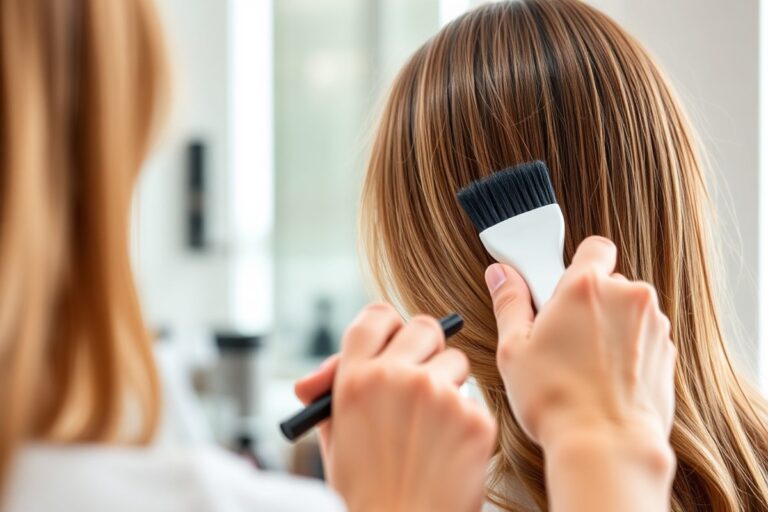
This treatment starts on clean, towel-dried hair to help the keratin formula absorb better. Your stylist will divide your hair into sections to apply the keratin evenly. Applying the product precisely makes sure every strand gets coated for a smooth result.
- Wash your hair with a clarifying shampoo to remove buildup.
- Towel-dry hair until damp but not dripping.
- Divide hair into sections for easier handling.
- Apply the keratin treatment product evenly to each section.
- Comb through hair to spread the product uniformly.
- Let the formula sit on your hair for 20 to 30 minutes.
Waiting allows the keratin to penetrate the hair shaft and start bonding. This step is important for smoothing and strengthening your hair.
Heat Sealing and Processing Time
After the formula sets, heat is applied to lock the keratin in place. A flat iron heats your hair to around 450°F, sealing the product into the cuticle. This step also straightens hair and reduces frizz.
The flat iron passes over your hair multiple times, depending on thickness and texture. Applying heat correctly is key; too little won’t bond well.
Too much can cause damage. You typically spend about 15 to 30 minutes on this step.
Typical Duration and Longevity
Results usually last 6 to 12 weeks, depending on how thick or damaged your hair is. Using sulfate-free shampoos and avoiding saltwater extends the life of your treatment. You also need to avoid washing your hair for 72 hours after treatment.
Dirty hair, heat styling, or harsh shampoos can shorten the effects. The treatment gradually washes out, so many clients return every 3 months or so. Keep in mind very fine or damaged hair may not hold the treatment well.
The effects might fade faster on this type of hair. You might need to repeat treatments more often.
Benefits and Effects of Keratin on Hair Health and Appearance
Keratin treatments help control frizz and add shine, especially in coarse or curly hair. They coat your hair strands, smoothing the cuticle and sealing split ends.
This helps make hair easier to manage and style. It can cut blow-drying time by more than half for some people.
These treatments also strengthen hair by filling in damage from heat or chemicals. They reduce breakage and improve hair elasticity, so curls can look healthier and softer. The effect also relaxes curls, making hair straighter but usually less dramatically than chemical relaxers.
Keratin treatments typically last three to five months, depending on hair type and care. You’ll need to use keratin-friendly shampoos and avoid washing too often to keep the effects longer. Prices usually range from $150 to $350, reflecting the quality and how much hair needs treatment.
Safety Considerations and Risks of Keratin Treatments
Keratin treatments often use chemicals to smooth hair, but some contain formaldehyde. This chemical helps open the hair cuticle for better keratin penetration. Formaldehyde can cause sore throat, nosebleeds, and eye irritation.
These issues happen more often during salon application. You should be careful around this chemical.
People sensitive to formaldehyde or those with respiratory problems should skip these treatments. Pregnant women should avoid keratin treatments. Exposure to chemicals could harm their health.
It’s safer to skip these treatments while pregnant. A damaged or sensitive scalp also raises risks of irritation or burns from these products.
Most side effects come from the chemicals, not the keratin itself. After a treatment, your scalp might feel dry or itchy. This is common if the hairstylist is inexperienced or doesn’t apply the product correctly.
To protect yourself, pick treatments that clearly avoid formaldehyde or related chemicals. Read product labels carefully and ask your stylist about the ingredients. Treatments without formaldehyde tend to be gentler but might not last as long.
Don’t wash your hair for two days after a keratin treatment. This helps the product set correctly. Waiting makes the treatment last longer.
Some shampoos and hair products can break down the keratin seal. Avoid shampoos with sodium lauryl sulfate or sodium chloride because they remove the treatment faster.
Chlorinated or salt water and direct sun exposure also reduce keratin’s effects. So protect your hair when swimming or outside.
Keratin treatments usually cost between $150 and $300. The price depends on the salon and product used. Some places charge more, others less.
The cost might not be worth it if you worry about health risks. Sensitive scalps can react badly to keratin treatments.
Think about these problems before paying. Always consult a professional stylist about your scalp condition before starting any treatment.
How to Maintain and Care for Keratin-Treated Hair
You need a careful aftercare routine to keep keratin-treated hair looking sleek. Avoid washing your hair for 48 to 72 hours after treatment. Use the right products and styling methods to protect your hair’s smooth finish.
Post-Treatment Washing and Styling Tips
Don’t wash your hair for at least two full days after a keratin treatment. This lets the treatment fully set in your hair strands. Washing too soon can wash away the keratin, cutting short the treatment’s benefits.
After the waiting period, avoid washing your hair too often. Frequent washing strips the keratin, causing frizz and fading. Try washing your hair no more than twice a week.
This helps keep the effect lasting several weeks. The treatment stays effective longer with less frequent washing.
When styling, use low heat settings on your tools. High heat can damage keratin-treated hair and reduce the shine. Also, avoid tying your hair tightly to prevent creases or breakage during the first few days.
Recommended Hair Products for Maintenance
Use sulfate-free and sodium chloride-free shampoos designed for keratin-treated hair. These ingredients can remove keratin prematurely. Special keratin-infused products help maintain smoothness between treatments.
Many salons offer keratin shampoos and conditioners. These keep your hair smooth and hydrated while protecting the keratin layer. You might also use leave-in conditioners that add moisture without weighing hair down.
- Sulfate-free shampoo and conditioner
- Keratin-infused hair products
- Light leave-in moisturizers or serums
- Heat protectant spray for styling
- Avoid clarifying shampoos unless noted by your stylist
Keratin supplements don’t have proven benefits for hair strength or growth. Rely on topical products and care routines instead of supplements to maintain your hair’s look.
Coloring and Chemical Treatment Timing
Wait at least two weeks before coloring your hair after a keratin treatment. Keratin can interfere with hair dye absorption, causing uneven color. Your stylist can guide the best timing to protect both treatments.
Never combine keratin treatments with relaxers or perms at the same time. The chemicals can react and severely damage your hair, leading to breakage or loss. Doing one treatment at a time is safer for your hair’s health.
Light coloring can sometimes be done with keratin. But avoid harsh chemical treatments during the first days after keratin.
Keratin-treated hair is more fragile at first. So give it time to regain strength before any chemical changes.
Cost and Frequency: When and How Often to Get Keratin Treatments
Keratin treatments typically cost between $150 and $400 in the US. Prices vary depending on salon location, hair length, and treatment type.
Big cities tend to charge more. Longer hair needs more product, pushing prices up.
How often you should get a keratin treatment depends on your hair. Your hair type and how long you want it to last matter. Different hair needs change the ideal treatment frequency.
Most people benefit from treating their hair every 3 to 6 months. Treatments usually last about 12 weeks. But frizz control may fade earlier if your hair is very porous.
Different hair types respond to keratin treatments differently. Fine or chemically treated hair often requires gentler formulas with lower formaldehyde levels. Coarser, curlier hair might need a stronger treatment for better smoothing results.
The table below shows average prices and recommended frequency based on hair type and treatment strength.
| Hair Type | Typical Cost Range | Recommended Frequency | Treatment Strength |
|---|---|---|---|
| Fine/Damaged Hair | $150 – $250 | Every 4 to 6 months | Light to Medium |
| Normal Hair | $200 – $350 | Every 3 to 4 months | Medium |
| Coarse/Curly Hair | $250 – $400 | Every 3 months | Medium to Strong |
Waiting three days before washing your hair keeps the keratin locked in. Avoid tying hair tightly to stop dents during this time. This step helps you get the full smoothing effect the treatment offers.
To decide on a keratin treatment, consider your hair’s thickness and how damaged it is. Your hair breaks easily or has been bleached.
Talk to a stylist about safer, gentler options. They can recommend the right frequency and products for your specific hair type.
Common Mistakes and Myths About Keratin Treatments
One common mistake with keratin treatments is getting them too often or using highly concentrated products. Protein overload makes hair stiff and brittle. It stops your hair from feeling soft.
It also stops your hair from feeling smooth. Space treatments at least three months apart.
Use products made for your hair type. This helps you avoid common problems.
Some people believe keratin treatments always harm hair, but that’s not true. Keratin is a natural protein your hair needs for strength and structure. Using it correctly can help make hair stronger and less frizzy.
Check if your keratin treatment is working by feeling your hair. Your hair should be smoother and shinier. It should also stay manageable longer.
Your hair might be dry or break easily. This may mean you use too much protein. You might also need different hair products.
- Don’t rush treatments, space them about three months apart.
- Use mild, sulfate-free shampoos to keep keratin effects longer.
- Avoid high heat styling above 400°F, which damages keratin-treated hair.
- Watch for stiffness as a sign of protein overload.
- Keep hair moisturized but avoid heavy oils that weigh it down.
- Ask your stylist about formaldehyde content in salon treatments.
- Follow all aftercare instructions for smooth results.
Protein overload happens when hair takes in too much keratin or other proteins. Your hair can feel hard and snap instead of soft. Avoid mixing keratin treatments with other protein-heavy fixes.
Deep conditioners can add extra protein. This combination can cause problems. Keep a balance by using hydrating conditioners between protein treatments.
Stop keratin treatments if your hair feels brittle and stiff. Switch to hydrating care for a few weeks before trying again.
Prices for keratin treatments can vary from $300 in smaller cities to $600 in large ones. High prices don’t always mean better results. Ask your stylist about the formula and their experience for the best fit for your hair.
Your First Month with Keratin-Treated Hair: A Step-by-Step Plan
Follow this plan to protect and enjoy your keratin-treated hair. It helps keep your hair smooth and healthy.
- Day 1 (Right After Treatment): Avoid washing your hair or tying it up. Your hair should feel smooth and look shiny.
- Day 3: Use a gentle, sulfate-free shampoo to wash your hair. Your hair stays soft and doesn’t frizz.
- Week 1: Avoid saltwater and chlorine. Notice your hair remains sleek without dryness or frizz.
- Week 2: Start using a deep conditioning treatment once a week. Your hair feels hydrated and strong.
- Week 3: Use a heat protectant spray before styling with hot tools. Check that your hair stays shiny and smooth.
- Week 4: Plan your next keratin treatment consultation. Choose when to refresh based on your hair condition. Your hair still holds its smooth texture and healthy look.
Frequently Asked Questions
How Long Does a Keratin Treatment Typically Last?
Keratin treatments usually last from 2 to 5 months. Factors like hair type and care habits can change the timing slightly.
Can Keratin Treatments Help Reduce Frizz in All Hair Types?
Yes, keratin treatments smooth hair cuticles to reduce frizz. They work best on wavy to curly hair but can benefit most types.
Is Keratin Safe for Colored or Chemically Treated Hair?
Keratin is generally safe but wait 2 weeks after coloring. This helps prevent damage and keeps color looking fresh longer.
What Happens If I Wash My Hair Too Soon After a Keratin Treatment?
Washing early can weaken the keratin bond and reduce effects. Avoid washing for at least 48 hours to let keratin fully set.
Can Keratin Treatments Permanently Straighten Hair?
No, keratin treatments relax curls temporarily and last months. Your natural hair will return once the treatment grows out.
What Maintenance Steps Help Keep Keratin-Treated Hair Smooth Longer?
Use sulfate-free shampoos and avoid tying hair tightly for days. Regular keratin masks also help maintain softness and shine.
Final Thoughts
Keratin smooths and strengthens hair for weeks with proper care. Start by following simple rules after treatment to keep your hair looking great. Try a gentle shampoo and skip harsh chemicals for the best results.