How Do I Get Rid of Flaky Scalp: 8 Proven Ways for Clear, Healthy Skin
How do I get rid of flaky scalp? Start by using a medicated shampoo with ingredients like selenium sulfide or zinc pyrithione. These help reduce flaking by targeting the scalp’s underlying causes.
Pick a product made for your hair type. Use it as the label says. Usually, leave it in for a few minutes before rinsing.
Next, avoid over-washing hair, which can dry out the scalp and worsen flakes. Aim to wash every two to three days to remove oils and dead skin gently. Also, be consistent with your routine and watch for improvement within a week.
Remember, giving your scalp some gentle massage while shampooing helps increase blood flow and remove build-up. Steer clear of harsh hair products and heat styling tools that can irritate your scalp further. These small changes often make a big difference fast.
Key Takeaways
- Use selenium sulfide shampoos to fight flakes effectively at the scalp.
- Wash your hair every two to three days to avoid dryness and build-up.
- Massage shampoo gently into your scalp for better treatment absorption.
- Leave scalp treatments on for at least 10 minutes before rinsing.
- Avoid harsh chemicals and heat styling that irritate and dry out skin.
- Look for expert-endorsed products with proven clinical results.
1. How to Effectively Get Rid of Flaky Scalp Fast

A flaky scalp can feel uncomfortable and look embarrassing. Using the right treatments quickly can reduce flakes and soothe itching. Focus on products that fight dryness and fungus.
These are the main causes of flaking. Use steps that treat both issues well.
Anti-dandruff shampoos with ingredients like pyrithione zinc, ketoconazole, or selenium sulfide reduce fungus and calm inflammation. Moisturizing shampoos help if your flakes come from dryness.
Use medicated scalp treatments only if a healthcare provider recommends them. Use products properly for the best effects.
Follow these steps to get rid of flaky scalp fast and safely:
- Choose an anti-dandruff shampoo. Select products with pyrithione zinc, ketoconazole, or selenium sulfide, such as Vichy Dercos or Nizoral. These ingredients fight flakes and infections.
- Wash your hair 2 to 3 times weekly. Avoid daily washing to prevent dryness. Use the shampoo on wet hair and scalp.
- Lather twice per wash. The first wash clears dirt and oil. The second wash delivers the active ingredients well.
- Leave the shampoo on your scalp for 5 minutes. This extra time lets ingredients work effectively to reduce flakes and irritation.
- Rinse hair thoroughly with lukewarm water. Avoid hot water which can dry the scalp more and worsen flakes.
- Moisturize as needed.Use a gentle conditioner or scalp serum. They restore hydration when your scalp feels dry or tight.
- Avoid harsh hair products. Fragrances and certain chemicals can cause irritation or allergic reactions that worsen flaking.
- Be patient with treatment. You may need consistent use for several weeks to see major improvement. Seeing a dermatologist helps when flakes won’t go away. They can offer better treatment options.
Testing a product carefully helps avoid reactions. Read labels and patch test if you have sensitive skin.
Prices vary, but expect to spend around $10 to $25 per anti-dandruff shampoo bottle. Using the shampoo as directed often reduces flakes by over 90%, based on user reports.
This routine helps most dry and dandruff-caused flaky scalps. Having redness or thick plaques means you need medical care.
A healthcare provider can give medicated treatments. Following these steps keeps your scalp healthier and reduces uncomfortable flakiness quickly.
2. What Causes Flaky Scalp and How to Identify Them
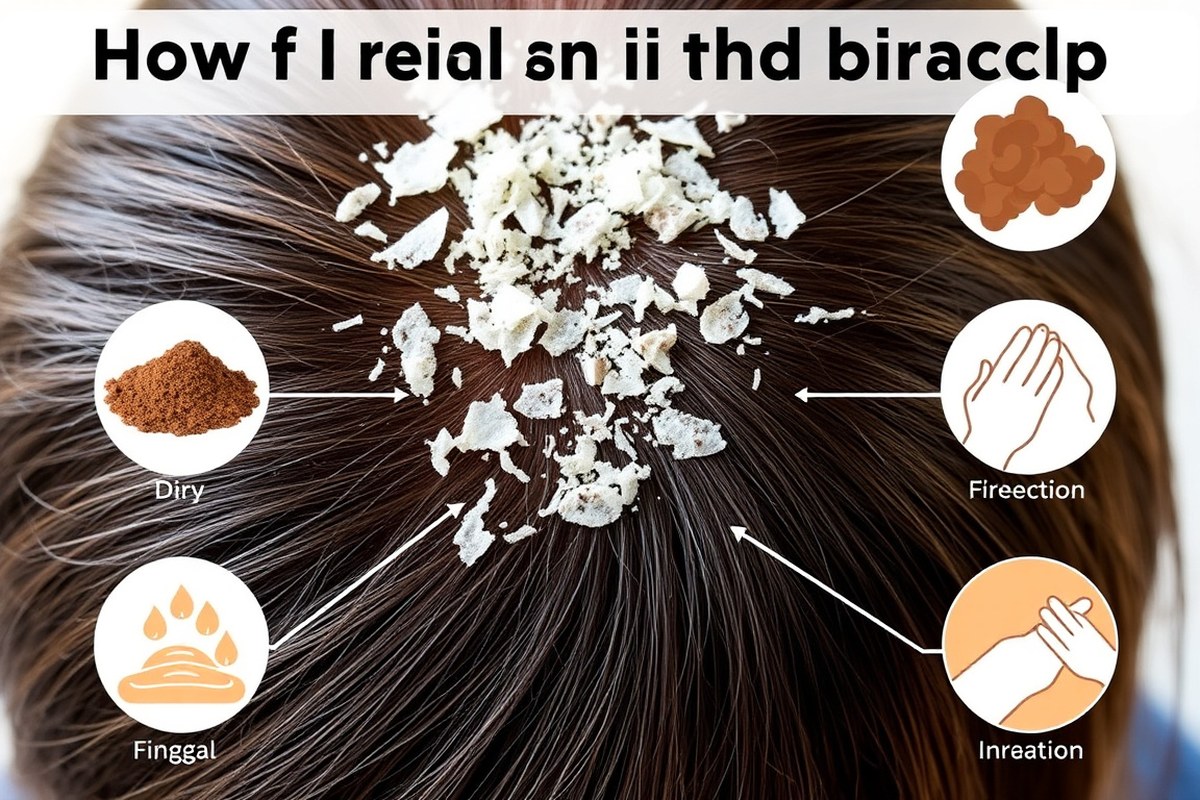
Flaky scalp has several common causes. Dry scalp usually causes small white flakes that look powdery. Your scalp may feel tight but not itchy.
This happens because your scalp lacks moisture, not oil. Many people mistake dry scalp for dandruff because both cause flakes. But the flakes with dry scalp are smaller and less oily.
Dandruff is linked to excess oil on your scalp and a yeast-like fungus called Malassezia. Its flakes tend to be larger, oily, and often yellowish. Along with flakes, dandruff causes noticeable itchiness and redness.
Your scalp is oily, flaky, and itchy. Dandruff is likely the cause. It usually needs special anti-fungal shampoos for treatment.
Scalp psoriasis and seborrheic dermatitis cause flakes, redness, and itching. These are serious skin conditions. Psoriasis flakes are thicker, silvery, and might crack or bleed.
Seborrheic dermatitis resembles dandruff but causes more inflammation and may extend beyond your scalp. Both often need prescription treatments from a doctor.
Fungal infections, such as tinea capitis, can also cause flaking and hair loss. These often come with redness, swelling, and sometimes pus. They require prescription antifungal treatments.
Your flakes persist with pain or swelling. You should see a dermatologist.
To figure out which type you have, pay attention to the flakes and scalp feel. Dry scalp makes your skin tight and flaky, but not red or oily. Dandruff shows oily flakes with itching and redness.
Psoriasis or infections cause thicker scales, redness, and sometimes swelling or bleeding. Adjust your hair care routine according to these clues to avoid making flakes worse.
Always test a new shampoo on a small area first to avoid worsening scalp irritation.
3. Comparison of Top Anti-Dandruff Shampoos and Scalp Treatments
Effective shampoos and treatments for flaky scalp target the root causes. These causes include fungus or excess shedding. Such products help reduce flakes and soothe your scalp.
Look for key ingredients such as ketoconazole, selenium sulfide, zinc pyrithione, or salicylic acid. Choosing the right product depends on whether your scalp is oily or dry because treatments vary.
Shampoos with Ketoconazole
Ketoconazole is a strong antifungal agent widely used to fight scalp flaking caused by yeast. Shampoos with ketoconazole, like Nizoral, help reduce itching and scaling effectively. They work well on dry, itchy scalps, calming inflammation while clearing flakes.
Using ketoconazole shampoo twice a week is enough for most people. Leave the shampoo on for 3 to 5 minutes before rinsing to let it work. Avoid daily use to prevent scalp irritation or overdrying.
Treatments with Selenium Sulfide
Selenium sulfide shampoos reduce yeast growth and control excess scalp oil, which can cause flaking. These shampoos work better for oily scalps with buildup and are often recommended for seborrheic dermatitis. They also help slow down the shedding of dead skin cells.
Use selenium sulfide shampoo two to three times weekly but not daily. Overuse can irritate or stain hair, so follow label instructions closely. Rinse thoroughly with lukewarm water to soothe the scalp without drying it out.
Zinc Pyrithione and Natural Ingredients
Zinc pyrithione is an effective ingredient to calm scalp irritation and control yeast growth. It’s milder than ketoconazole and selenium sulfide, making it good for sensitive or dry scalps. Many shampoos combine zinc pyrithione with natural elements like tea tree oil for added soothing effects.
Shampoos with zinc pyrithione can be used frequently, sometimes daily, depending on scalp sensitivity. They help maintain scalp balance and reduce flakiness without stripping natural oils. Make sure your shampoo also hydrates the scalp if dryness is an issue.
Here is a quick comparison table of these key ingredients and their uses:
| Ingredient | Primary Action | Best For | Use Frequency |
|---|---|---|---|
| Ketoconazole | Antifungal, reduces yeast | Dry, itchy flaky scalp | 2 times per week |
| Selenium Sulfide | Controls yeast, reduces oil | Oily scalp with flakes | 2-3 times per week |
| Zinc Pyrithione | Antifungal, soothes irritation | Sensitive or dry scalp | Daily or as needed |
| Salicylic Acid | Removes scalp buildup | Flaky scalp with buildup | Varies by product |
| Tar-Based Shampoos | Slows skin cell growth | Chronic scalp conditions | Usually less frequent |
Look at your scalp type to pick the best ingredient. Dry scalps benefit from gentler, hydrating shampoos with zinc pyrithione. Oilier scalps respond better to selenium sulfide that cuts oil and reduces flakes.
Keeping your shampoo schedule consistent helps you see improvements after about 2 to 4 weeks. Overdoing medicated shampoos often causes dryness or irritation. So follow the instructions closely for best results.
4. Safe and Effective Natural Remedies for Flaky Scalp
Natural remedies can effectively soothe and treat flaky scalp when used correctly. They add moisture, reduce inflammation, and balance scalp pH without harsh chemicals. Using safe home treatments regularly can improve scalp comfort and reduce flakes.
Aloe Vera and Tea Tree Oil Blend
Aloe vera calms inflammation and adds moisture to dry, itchy scalps. Tea tree oil fights scalp fungus and reduces flaking thanks to its antimicrobial properties. Mixing both creates a powerful but gentle natural remedy.
Use this blend as a pre-shampoo treatment to soothe scalp irritation. Diluted tea tree oil prevents skin irritation and makes the mixture safe for daily use. This treatment helps restore moisture and ease flaking over a few weeks.
Follow these steps to prepare and apply the blend:
- Mix equal parts aloe vera gel and aloe vera oil (about 2 tablespoons each).
- Add a few drops (4 to 6) of pure tea tree oil to the blend.
- Stir well to combine all ingredients evenly.
- Apply the mix directly to your scalp using your fingertips.
- Massage gently in circular motions for 3 to 5 minutes.
- Leave on your scalp for 30 minutes to an hour.
- Rinse and shampoo your hair as usual.
- Repeat this 2 to 3 times per week for best results.
Apple Cider Vinegar Rinse
Apple cider vinegar (ACV) balances the scalp’s pH and stops fungal growth. It also soothes itchiness and removes scalp buildup that worsens flakes. This inexpensive rinse fits well into your hair wash routine.
You only need a simple diluted ACV solution to use it safely. Applying ACV after shampooing helps clear away oils and dead skin. Avoid applying ACV to broken or highly irritated skin to prevent burning.
To use an apple cider vinegar rinse:
- Mix 1 to 2 tablespoons of ACV with 1 cup of water.
- Pour the solution slowly over your scalp after shampooing.
- Massage gently into your scalp for 1 to 2 minutes.
- Let it sit for 5 minutes without rinsing out.
- Optionally rinse lightly with water after if you dislike the scent.
- Use this rinse once or twice weekly.
Dietary Supplements for Scalp Health
Taking supplements can help your scalp from the inside out. Oily fish or fish oil capsules provide omega-3 fatty acids that reduce scalp dryness and inflammation. Vitamin B5 supports overall skin and hair health, aiding moisture retention.
These supplements work best as part of a balanced diet. They support skin hydration and repair but usually take several weeks to show effects. Doctors often recommend supplements alongside topical treatments for stubborn scalp issues.
Try adding these supplements to your routine for scalp relief:
- Eat fatty fish like salmon or mackerel twice per week.
- Consider daily fish oil supplements with at least 1000 mg omega-3.
- Include B-complex vitamins or specifically vitamin B5 as directed.
- Maintain good overall nutrition with plenty of water.
- Check with a healthcare provider before starting new supplements.
5. How to Adjust Your Hair Care Routine to Prevent Flakes
Wash your hair regularly but not too often. Aim for every 2 to 3 days using a mild, sulfate-free shampoo. This balance removes excess oils and dead skin without over-drying your scalp.
Choose products designed for sensitive scalps with hydration ingredients. Supportive conditioners and leave-in formulas calm irritation and prevent flakes from returning. They also help protect your scalp’s natural barrier and keep it healthy between washes.
Daily habits can make a big difference. Avoid harsh styling products. Don’t use hot tools like blow dryers.
They dry out and irritate your scalp. Wash your hair with lukewarm water.
Hot water strips oils quickly. It can also cause more flakes.
- Wash hair every 2, 3 days with gentle shampoo
- Use conditioner or leave-in treatments to soothe scalp
- Rinse with lukewarm water, avoid hot water
- Limit heat styling tools and harsh products
- Keep scalp moisturized with light, non-greasy serums
- Avoid scratching to prevent irritation and hair loss
- Reduce buildup by not overusing oils or heavy products
Hair product buildup clogs pores and causes irritation. Use light formulas that absorb well without leaving residue.
When applying anything, keep it on your hair strands, not directly on the scalp. A clean, moisturized scalp will reduce flakes and itchiness over time.
Scratching an itchy scalp can make flakes and irritation worse, causing damage and possible hair loss.
Stress and diet also influence scalp health. But simple daily care habits create a foundation for lasting relief. Watch how your scalp feels in the days after washing to adjust frequency and product choices.
Some people may need to wash daily. But for most, 2 to 3 times a week is enough.
6. How to Exfoliate Your Scalp Safely at Home
Exfoliating your scalp can clear away flakes and buildup that cause itching and irritation. Doing it safely helps you avoid damage or extra dryness. Here’s how to gently remove buildup at home and soothe your scalp.
Choosing the Right Exfoliant
Pick a gentle exfoliant designed for the scalp, not the face or body. Look for products with ingredients like glycolic acid or salicylic acid. These acids loosen dead skin without harsh scrubbing.
A tool can also help, such as a scalp brush with soft but firm bristles. Avoid anything too rough that can scratch or irritate your scalp. You want to clean without causing redness or pain.
How to Apply and Massage Exfoliant
Apply the exfoliant on damp scalp for easy spreading and absorption. Follow product instructions, often leaving it for about 15 minutes to work. Use fingertips or a soft scalp brush to massage gently.
Massage for 1 to 3 minutes in small circles to loosen flakes and buildup. Be calm and steady to avoid scratching or irritating the skin. This also boosts circulation and helps the scalp feel refreshed.
Post-Exfoliation Care
Rinse thoroughly with lukewarm water to remove exfoliant and loosened debris. Follow with a mild conditioner or scalp-soothing treatment. Ingredients like glycerin and niacinamide help calm and hydrate your scalp.
Limit exfoliation to once or twice a week to avoid over-drying or damage. Watch for signs of irritation such as redness or itchiness and stop if you see these. Keep using gentle shampoos and scalp care to maintain balance.
Here’s an easy step-by-step routine to exfoliate your scalp safely:
- Choose a gentle exfoliating product or scalp brush designed for sensitive skin.
- Dampen your scalp with warm water to soften flakes and buildup.
- Apply the exfoliant evenly across your scalp, focusing on flaky areas.
- Leave the product on for the recommended time, usually about 15 minutes.
- Gently massage your scalp using your fingertips or a soft brush in small circles.
- Rinse your scalp thoroughly with lukewarm water to remove all residue.
- Follow with a gentle conditioner or soothing scalp treatment for hydration.
- Repeat this routine once or twice weekly, watching for any signs of irritation.
7. Diet, Hydration, and Lifestyle Tips for Healthier Scalp
What you eat affects your scalp more than you might think. Eating foods rich in omega-3 helps keep your scalp healthy. Salmon and walnuts are good choices.
These fats stop your scalp from drying out and flaking. Vitamins A, B, and E also support healthy skin and hair.
Try adding leafy greens, eggs, and nuts to your meals. Avoid too much sugar because it can worsen skin dryness and flakes.
Drinking enough water plays a big role in stopping scalp dryness. Aim for about 8 cups a day to keep your skin and scalp hydrated. When your scalp stays moist, it reduces itching and white flakes.
Use moisturizing treatments to keep your scalp hydrated. Aloe vera gel and coconut oil work well.
They help lock moisture in your skin. Apply these after washing your hair or before bedtime for the best effect.
Environmental factors can make your scalp flakier or drier. Cold or dry weather pulls moisture away from your skin. Using a humidifier indoors during winter can help keep your scalp from drying out.
Sun exposure can irritate your scalp too. Protect your scalp with a hat when you go outside.
You can also use a light spray-on serum. For example, Jupiter Restoring Serum adds extra moisture.
Your lifestyle affects your scalp health as much as your diet. Stress can cause flare-ups of scalp dryness and itchiness. Try activities like walking, meditation, or yoga to manage stress.
Smoking and heavy drinking also worsen skin health and should be avoided for better scalp condition. Keeping good hygiene and washing your hair regularly with lukewarm water further prevents flakes.
8. When to See a Dermatologist and How to Decide
See a dermatologist if flakes don’t improve after 4 to 6 weeks. Use over-the-counter treatments during this time. Severe itching, thick scales, or hair thinning are also signs to get professional help.
Painful sores mean you should see a doctor right away. No change after daily care also needs a checkup.
Trying many new scalp products at once can cause irritation and worsen flakes. It’s better to test one new product at a time and watch how your skin reacts. Patch test on small areas before full use.
This helps avoid allergic reactions. It’s important for sensitive skin or scalp problems.
Professional advice is needed when your scalp problems are stubborn or complex. Dermatologists can prescribe stronger treatments to reduce seborrheic dermatitis or other scalp conditions. They help prevent complications while working to improve your scalp health effectively.
Avoid using multiple new scalp products at once to prevent irritation and worsening flakes.
Your Step-by-Step Plan to Clear a Flaky Scalp
Start with simple changes and treatment. Watch closely for signs of improvement.
- Day 1: Choose an anti-dandruff shampoo with active ingredients like zinc pyrithione or ketoconazole. Use it as directed. Look for reduced flaking by the end of the first week.
- Week 1: Add gentle scalp exfoliation once this week. Use a soft brush or mild scrub. You can do this twice if your scalp feels dry. Notice if flakes begin to loosen and wash away easier.
- Week 2: Apply coconut oil or tea tree oil to your scalp twice this week. These natural remedies can help with flakes. Use clean hands or a cotton ball. Check if scalp feels less itchy and dry.
- Week 3: Adjust your daily hair care routine to be gentle. Avoid hot water, harsh products, and vigorous scrubbing. Watch if irritation and flaking reduce over this period.
- Week 4: Review your diet and hydration. Add foods rich in omega-3s, vitamins, and drink more water. See if scalp health improves and flakes lessen.
- After 4 Weeks: If flakes persist, book a dermatologist visit. Share your care steps and ask for further treatment options.
Frequently Asked Questions
Can I Use Regular Shampoo to Treat a Flaky Scalp?
Regular shampoos often miss the key ingredients needed for flakes. Use shampoos with antifungal or moisturizing agents to see real improvements.
Does Stress Cause Flaky Scalp Flare-Ups?
Yes, stress can worsen scalp issues by increasing inflammation. Managing stress helps reduce flakes and supports overall scalp health.
Will Brushing My Hair More Often Help Reduce Flakes?
Brushing can remove loose flakes but won’t fix the root cause. Over-brushing may irritate your scalp, so be gentle and consistent with treatment.
Can Scalp Buildup Cause Hair Loss Along with Flakes?
Yes, buildup can block hair follicles and lead to shedding. Regular cleaning and exfoliating help keep follicles clear and healthy.
Is It Okay to Use Scalp Oils on a Flaky Scalp?
Oils can soothe dryness but may worsen flakes if hair is oily. Use light, non-comedogenic oils sparingly on dry scalp areas.
Can Changing Pillowcases Help with a Flaky Scalp?
Yes, dirty pillowcases may irritate your scalp and worsen flakes. Clean pillowcases weekly to reduce irritation and scalp buildup.
Final Thoughts
Getting rid of a flaky scalp takes time and steady care. Stick to effective treatments and gentle habits. Start today by choosing the right shampoo and track your progress closely.