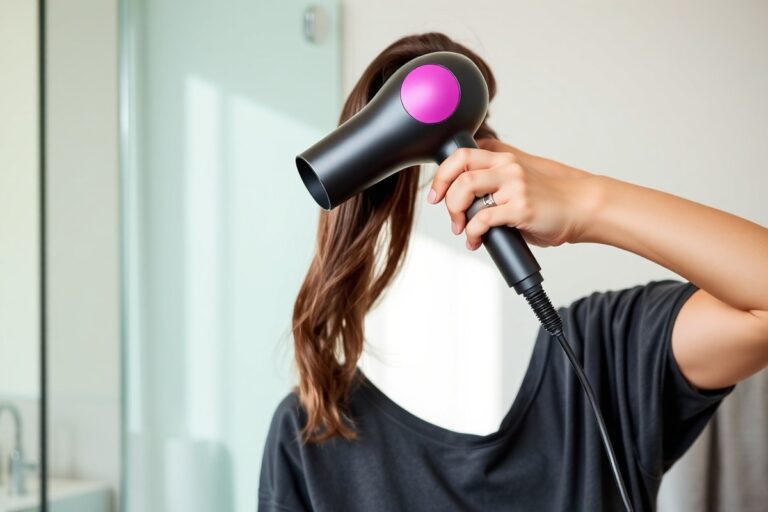
How to Repair Hair That Is Breaking: 8 Proven Steps for Stronger Hair
How to repair hair that is breaking starts with gentle care. Use a mild shampoo and conditioner designed to smooth and protect strands. Choose products with protein and moisture to strengthen hair from root to tip.
Next, add a deep conditioning mask once or twice a week to rebuild strength. These treatments fill gaps in the hair shaft and improve elasticity. Rinse with warm water and gently blot dry with a microfiber towel to reduce friction.
Trim split ends regularly to prevent damage from traveling up your hair. Cutting damaged ends every six to eight weeks keeps breakage from worsening. Keep styling tools on low heat and avoid tight hairstyles that pull on your strands.
Limit chemical treatments like coloring or perming until your hair feels stronger. Focus on nourishing your scalp through gentle massage to boost circulation. These small changes help hair stay healthier and stop breakage faster.
Key Takeaways
- Choose shampoos and conditioners made for repairing hair breakage.
- Deep condition your hair once or twice weekly for stronger strands.
- Always rinse with warm water and gently blot dry, never rub.
- Trim your hair every 3 to 6 months to stop split ends spreading.
- Use heat styling tools on low settings to avoid extra damage.
- Avoid tight hairstyles that pull on your hair and cause breakage.
1. What Is Hair Breakage and How to Recognize It

Hair breakage happens when individual strands weaken and snap along the shaft. It differs from shedding, where hair falls out from the root. Breakage shows up as jagged ends and splits in the middle.
It can also look like short broken hairs. These hairs often feel rough or brittle.
You can spot breakage by checking your hair after brushing or washing. Look for uneven, frayed ends and small pieces of hair shorter than the rest. Hair that tangles easily or feels coarse is often damaged and prone to breaking.
Run your fingers along strands to sense the difference. Healthy hair feels smooth and elastic, but breaking hair feels weak and rough. Breakage causes thin spots or cracks in hair strands.
You may see them or feel them when touching carefully. These weak areas make hair more fragile.
To confirm breakage versus shedding, note where the hair breaks. Hairs pulling out with a white bulb means shedding.
Hairs snapping in the middle without a bulb means breakage. This simple check will help you know exactly what’s happening.
2. Common Causes of Hair Breakage You Can Control

The biggest causes of hair breakage you can control are heat styling. Chemical treatments and tight hairstyles also cause hair to break. Environmental factors like sun and pollution also stress your hair.
Avoiding or cutting back on these helps your hair heal. It also makes your hair stronger and less likely to break.
Heat Styling and Its Effects on Hair
Heat from blow dryers, flat irons, and curling irons damages hair shafts by stripping moisture. This makes your strands dry and brittle, leading to breakage. Reducing the use of heat tools or lowering their temperature can prevent this damage.
A good rule is to keep hot tools below 350°F and use a heat protectant spray. Limit heat styling to two or three times a week.
Never style wet hair with heat tools. Hair that feels rough, looks dull, or splits at the ends probably suffers heat damage.
Chemical Treatments That Weaken Hair
Coloring, bleaching, perms, and relaxers weaken the protein bonds in hair strands. This causes weak spots where hair breaks easily. Avoid overlapping chemical treatments too close together to reduce damage.
Before bleaching or coloring, boost your hair’s moisture with deep conditioning. Wait several weeks between chemical treatments to let hair repair. Protein treatments can strengthen hair once damaged, but going easy on chemicals helps more.
Tight Hairstyles Causing Tension Damage
Pulling your hair into tight ponytails, buns, or braids puts tension on strands. This stress can cause breakage, especially near the hairline. Switching to looser hairstyles protects hair and reduces damage over time.
Soft updos or low ponytails stretch hair less. Wearing different styles daily also prevents constant tension in the same areas. Watch for little short hairs around your scalp that show signs of breakage from tight pulls.
Environmental and Weather Factors
Sun exposure, pollution, and harsh weather wear down hair protective layers. UV rays weaken protein bonds, making strands fragile. Dust and chemicals in the air stick to hair and dry it out.
Cover your hair with a hat or scarf on sunny or windy days to protect it. Using leave-in conditioners with UV filters helps block sun damage. Hair feels softer and stronger when it’s shielded from the environment.
Easy Ways to Avoid Hair Breakage
Controlling hair breakage means changing some habits and choosing gentle care methods.
- Lower heat tool use and set temperatures under 350°F
- Space out chemical treatments by several weeks
- Opt for looser hairstyles to reduce stress on strands
- Protect hair from sun and pollution with hats or UV sprays
- Use heat protectants before styling with hot tools
- Deep condition regularly to maintain moisture and strength
- Brush gently with a wide-tooth comb or detangling brush
Following these steps stops unnecessary damage and promotes hair recovery. Trying to fix hair when you keep stressing it only makes breakage worse.
Avoid styling wet hair with heat tools to prevent immediate strand damage.
3. Step-by-Step Routine to Repair Hair That Is Breaking at Home
To fix breaking hair, wash it gently once a week first. Use a deep conditioner after washing. Add a leave-in treatment and trim your hair regularly.
This routine helps restore strength, moisture, and shine while reducing breakage over time. Consistency is key for visible improvements in a few weeks.
Washing and Conditioning Techniques
Use a gentle shampoo that cleanses without stripping natural oils. Avoid hot water; lukewarm is best to prevent dryness and damage. Focus shampoo on your scalp, not hair ends, to reduce breakage risk.
Condition your hair after every wash, applying mainly from mid-lengths to ends. This helps seal the hair shaft and restores moisture to brittle strands. Rinse thoroughly but avoid over-rinsing, which can dry hair out.
Deep Conditioning and Repair Treatments
Once a week, squeeze out excess water after shampooing. Apply a deep conditioning mask rich in keratin, amino acids, and nourishing oils like rosehip oil. This combination hydrates and strengthens hair fibers simultaneously.
Leave the mask on for 20 to 30 minutes under a shower cap for best absorption. Rinse with cool water to seal the hair cuticle and improve shine. Repeat weekly for several weeks to rebuild hair health gradually.
Leave-In Products and Oils Application
Use a leave-in treatment every time you condition to maintain moisture longer. These products improve softness, manageability, and frizz control. Look for options with bond-repairing ingredients like those in K18 or Olaplex for extra repair.
Apply lightweight oils such as Olaplex Bonding Oil to mid-lengths and ends after styling. Oils help lock in moisture and protect hair from friction and environmental damage. Avoid applying oils too close to roots to prevent greasiness.
Trimming: When and How Often
Trim your hair every 3 to 6 months to remove split ends and reduce breakage. Removing damaged ends stops splits from traveling up the hair shaft. Even small trims improve the hair’s overall look and health.
Ask for a dusting if you want to keep length but cut off damaged tips. This quick trim removes the weakest hair without sacrificing growth. Regular trims make your hair look fuller and healthier.
- Wet hair with lukewarm water and apply a gentle shampoo to the scalp only.
- Rinse shampoo completely, then apply conditioner from mid-lengths to ends.
- Rinse conditioner with cool water, avoiding hot water to preserve moisture.
- Once a week, apply a deep conditioning mask after shampooing; leave for 20-30 minutes.
- Rinse mask with cool water; avoid overwashing your hair within 24 hours after treatment.
- After towel-drying hair, apply a leave-in repair treatment evenly on damp hair.
- Add a small amount of lightweight oil to the ends after styling.
- Schedule a trim every 3-6 months to remove damaged ends and prevent split ends.
4. Top Products That Actually Repair Hair Breakage
Products designed to repair hair breakage work best when they restore strength inside the hair shaft. Bond-building treatments fix broken links in hair structure.
Protein treatments fill in protein loss. Shampoos and conditioners for damaged hair add moisture and help stop future breakage.
Bond Repairs and Protein Treatments
Bond-building products focus on rebuilding the three main types of hair bonds, including disulfide bonds. Fixing these bonds gives hair more strength and resilience. They work by linking broken sulfur bonds inside the hair that happen from heat or chemicals.
Protein treatments add hydrolyzed proteins to hair, which fill gaps caused by damage. Using these once a week can help strengthen hair, especially if it feels weak or limp. Leave-in time matters; treatments need around 10 minutes to penetrate deeply.
Daily Shampoos and Conditioners
Shampoos and conditioners for damaged hair often have better ingredients. These ingredients penetrate hair more deeply than drugstore brands. They target damage to improve your hair’s condition.
These products help by restoring lost moisture and filling in the cuticle. They leave hair smoother, shinier, and less likely to break.
Look for products free of parabens, as they better support hydration. Using professional-grade formulas costs more but can make a visible difference in hair strength and manageability. Avoid harsh cleansers which can dry hair further and cause more breakage.
Leave-In Masks and Sprays
Leave-in masks and sprays sit on hair to provide extra moisture and protection from breakage. Masks add back lipids and proteins hair has lost. They help damaged hair feel stronger and softer.
However, masks don’t fully repair broken hair bonds. These products also smooth the hair surface to hide split ends temporarily.
Spend at least 10 minutes with masks for best results. Some sprays say they can cut breakage by 99%. They also claim to make hair up to 12 times smoother.
Results may vary depending on your hair type. Apply oils or serums through damp hair ends to lock in moisture and fortify strands.
Hair Oils and Serums
Oils like argan contain Omega-9 fatty acids. These oils help seal the hair cuticle to lock in moisture. They also add shine to dull hair.
Applying oil on damp ends stops dryness, making hair less prone to breakage. Oils don’t repair bonds but support the outer hair layers to prevent further damage.
Serums often combine oils with smoothing ingredients to control frizz and protect against styling stress. They are easy to use and can be part of your daily routine. Avoid heavy oils that weigh hair down or build up with repeated use.
Using the right products in combination can greatly improve your hair’s condition over time. Below is a table showing main types of hair repair products.
It helps you pick the best one for your hair needs. Use it to find what fits your hair type.
| Product Type | Key Ingredient | Action | Use Frequency | Cost Range |
|---|---|---|---|---|
| Bond-Building Treatments | Disulfide bond builders (e.g., Olaplex) | Repair broken internal hair bonds | Weekly to biweekly | $20 to $50 per treatment |
| Protein Treatments | Hydrolyzed proteins | Fill damaged areas, strengthen strands | Once a week | $10 to $30 per treatment |
| Shampoos/Conditioners | Smoothing oils, panthenol | Restore moisture, fill cuticle gaps | Daily or every wash | $10 to $40 per bottle |
| Leave-In Masks/Sprays | Moisturizers, lipids, proteins | Replenish lost nutrients, protect ends | 1-3 times weekly | $15 to $35 per product |
| Hair Oils/Serums | Argan oil, Omega-9 fatty acids | Seal cuticle, reduce dryness | Daily or as needed | $12 to $40 per bottle |
Try combining these products depending on your routine and hair type. For example, use bond-building weekly, protein treatments once a week, and gentle shampoo and conditioner daily. Add leave-in sprays or oils afterward to keep strands smooth and hydrated.
5. Nutrition and Vitamins That Support Hair Repair
Hair needs the right vitamins and nutrients to stop breaking and grow stronger. Biotin, also called vitamin B7, supports keratin production. Keratin is the main protein that keeps your hair thick and tough.
Besides biotin, vitamins A and C help your scalp build healthy hair cells. Iron and zinc play a big role too. Hair is mostly protein, so these nutrients rebuild its structure from inside out.
You can eat foods rich in these vitamins to repair hair naturally. Aim for eggs, nuts, leafy greens, and citrus fruits. They provide biotin, iron, vitamin C, and A all together.
Taking a hair vitamin supplement is another option if your diet lacks these nutrients. Choose one with a mix of biotin, iron, and vitamin C to cover your bases. These usually cost $20 to $30 for a month’s supply.
Supplements can speed repair if you have a real deficiency. But focusing on a balanced diet works well for mild breakage. Real change usually appears after 3 to 6 months of consistent intake.
Don’t expect instant fixes from vitamins; hair grows slowly, so patience matters.If breakage continues despite good nutrition, see a doctor to check for medical causes. Sometimes, hair issues stem from thyroid problems or other health issues that diet alone won’t fix.
6. How to Protect Hair from Further Breakage During Styling
Heat styling can cause or worsen hair breakage. Hot tools like flat irons and curling wands heat your hair’s inside. This heat makes strands dry.
It also makes hair brittle and easy to break. Use the lowest heat setting that still shapes your hair well to reduce this damage.
Applying a heat protectant spray before heat styling shields hair from direct heat. Products like Pantene Miracle Rescue 10-in-1 Spray add strengthening proteins and lipids. These ingredients fill in gaps in damaged strands, cutting down breakage.
Brushing wet hair increases breakage risk. Hair swells when wet and is more fragile. Use a wide-tooth comb or a brush with soft bristles.
Do this right after you put in leave-in conditioner or detangling spray. This helps the brush glide through without snagging.
- Use a microfiber towel or gently pat hair dry instead of rubbing
- Choose wide-tooth combs or soft-bristle brushes for wet hair
- Apply a heat protectant before any hot styling
- Style hair on the lowest effective heat settings (below 350°F)
- Switch to loose hairstyles like loose buns or braids that don’t pull
- Avoid tight ponytails or elastics that put tension on fragile hair
- Sleep on silk pillowcases to reduce friction and breakage overnight
Tying hair tight into ponytails, braids, or buns creates strain. This puts stress on your hairline and strands. It can lead to breakage.
Limit how often you wear tight styles, and try looser looks that don’t tug. Even slight tension repeated often makes hair weaker.
Dry hair too quickly with a microfiber towel or an old cotton T-shirt. Rubbing wet hair with a towel creates friction and roughs up the cuticle, leading to breakage. Air-drying partway before gently blow-drying on low heat also helps prevent damage.
7. Common Myths and Mistakes in Hair Breakage Repair
Brushing your hair 100 strokes is a myth that can cause damage. Over-brushing strips moisture and stresses strands, leading to more breakage. Instead, use a wide-tooth comb or brush gently when detangling, starting from the ends upward.
Hair damage can’t be fully repaired once it gets to the split end stage. The only way to fix split ends is by cutting them off.
This stops damage from moving up the hair strand. Regular trims every 6 to 8 weeks remove old splits and keep hair healthier.
Sealing split ends with products may smooth them temporarily but does not fix the damage. Trimming prevents split ends from worsening.
To make your hair look smooth, use heat protectant and moisturizing serum. Apply these after trimming.
Washing your hair less often helps keep moisture in. This can prevent breakage. It’s especially good for dry or chemically treated hair.
Wash your hair 2 to 3 times a week with sulfate-free shampoo. This cleans hair without removing natural oils. Over-washing might dry out hair and create more breakage.
Not all protein treatments work the same or suit all hair types. Some protein treatments can over-harden hair, making it stiff and prone to snapping.
Choose a treatment with hydrolyzed proteins for better absorption. Use protein treatments once every 2 weeks, then balance with deep moisturizing conditioners.
Many people miss the signs of UV damage that weakens hair proteins and causes splits. Protect hair from sun exposure by wearing hats or using hair products with UV filters. Damaged hair looks dull and frizzy even with good care.
Chemical treatments like coloring or relaxing strip moisture and protein. It takes time to rebuild strength with proper care and patience.
Avoid heavy styling and heat when your hair is broken. Give your hair time to heal and recover.
8. When to See a Professional for Hair Breakage Issues
See a professional when breakage keeps getting worse despite your home care. If your hair feels brittle, looks frizzy, or snaps off easily after weeks of repair, it’s time. A stylist can assess damage layers you can’t see and offer targeted treatments.
Salons provide deep conditioning masks and protein bond-building treatments not found in stores. These help rebuild your hair’s structure safely.
Expect to pay $50 to $150 depending on treatment type and salon. These treatments usually last 30 to 60 minutes.
Professional color or thermal treatments can worsen breakage if done too soon. Wait until your stylist says your hair is strong enough for coloring or heat styling. They’ll recommend gentle options and protect your strands during these services.
Getting trims every 6 to 8 weeks keeps damaged ends from traveling up the hair shaft. A small trim of ⅓ to ½ inch removes weakened tips without sacrificing length. Skipping trims lets split ends worsen, causing more breakage.
During a consultation, your stylist examines your hair texture, strength, and scalp health. They ask about your routine and past chemical treatments. This info helps create a precise plan to repair your breakage with the least risk.
Do not continue harsh heat or chemical styling if your hair breaks easily. Talk to a professional first.
Step-by-Step Action Plan to Repair Your Breaking Hair
Follow these steps to fix hair breakage and see real change in a month. Each step builds on the last to strengthen your hair safely.
- Day 1: Trim split ends to stop damage from spreading. You’ll notice your hair feels less rough.
- Week 1: Use a moisturizing shampoo and conditioner every other wash. Your hair should feel softer and less dry.
- Week 2: Add a deep conditioning mask once a week. Look for improved smoothness and fewer tangles.
- Week 3: Cut down heat styling to once a week. Your hair will start to feel stronger and less brittle.
- Week 4: Use a leave-in treatment before styling. You’ll see less hair breakage during brushing and combing.
- Ongoing: Take a biotin supplement daily and eat protein-rich meals. Watch your hair grow thicker and more resilient.
- Monthly: Book a professional hair trim and scalp check. A stylist will spot issues before they worsen.
Frequently Asked Questions
What Vitamin Am I Lacking If My Hair Is Breaking?
Low biotin (vitamin B7) levels might cause hair breaking. Biotin supports keratin, which makes hair thicker and stronger.
Does Breakage Hair Grow Back?
Broken hair itself can’t regrow because it’s already broken off. Your scalp still grows new hair from follicles. So new growth is possible with good care.
What Is the Biggest Cause of Hair Breakage?
The main cause is weakened hair strands from damage or lack of moisture. Overstyling, heat, chemicals, and poor nutrition all harm hair shaft strength.
What Does Hair Breakage Look Like?
Breakage shows up as short, uneven strands or split ends along the hair. You may see rough, frizzy patches where hair feels brittle or snaps easily.
How Long Does It Take to Repair Hair Breakage?
Repairing hair breakage usually takes several weeks to months with steady care. Using protein-rich products and avoiding heat can speed up recovery.
Can Hair Breakage Cause Permanent Hair Loss?
Hair breakage itself doesn’t cause permanent loss since follicles stay intact. But ongoing damage might harm follicles, so protect your scalp and hair gently.
Before You Go
Repairing breaking hair takes patience and the right steps. Start with small changes, like trimming and better care. Keep up the routine, and you’ll see stronger hair soon.