Is Tea Tree Shampoo Good for Hair? Benefits, Usage & Expert Tips
Is tea tree shampoo good for hair? Yes, it can help improve scalp health and reduce dandruff.
A shampoo with about 5% tea tree oil works best for these benefits. It fights fungi that cause flakes and itchiness effectively.
You should pick a shampoo with more tea tree oil. Aim for a 3% to 5% concentration. This range works best for most hair types.
Using it regularly. But not too often, keeps your scalp balanced without drying out your hair. People with normal to oily hair can use it two or three times a week.
Dry or damaged hair needs gentler care. Use tea tree shampoo once or twice per week. Follow up with a conditioner to add moisture.
This routine helps keep your hair hydrated. Pay attention to how your scalp feels, because tea tree oil can be strong for some.
Key Takeaways
- Choose tea tree shampoo with at least 3-5% oil concentration for best results.
- Using 5% tea tree shampoo can reduce dandruff by improving scalp health.
- Wash normal to oily hair 2-3 times weekly with tea tree shampoo.
- Limit use to 1-2 times weekly for dry or damaged hair.
- Follow tea tree shampoo with a rich conditioner if your hair feels dry.
- Watch for scalp dryness or irritation and adjust shampoo frequency if needed.
Is Tea Tree Shampoo Good for Hair and Scalp Health?
Tea tree shampoo is good for hair and scalp health because it tackles common scalp issues. It has antifungal and antibacterial properties that reduce dandruff and soothe itchiness. These effects improve scalp health.
They make tea tree shampoo a good choice. It helps if you have flaky or irritated skin.
This shampoo has about 5% tea tree oil. That amount cleans the scalp well. It does not cause dryness.
Using it daily or every other day works best. Regular use controls dandruff better. Skipping treatments may let dandruff return.
A healthy scalp gives hair follicles a better spot to grow. This helps hair get stronger. The scalp environment plays a key role.
Tea tree shampoo does not speed hair growth directly. It lowers scalp inflammation and fights fungi. This keeps the hair growth cycle steady.
Healthy follicles face less damage from oxidative stress, which harms hair strands over time. Shampoo with tea tree oil balances your scalp.
This can boost hair strength naturally. It may also reduce hair loss from scalp problems.
Many people choose tea tree shampoos with aloe vera or peppermint. These ingredients improve the shampoo’s effects. They add extra care for your scalp.
Aloe vera adds moisture to stop scalp dryness. Peppermint can stimulate the scalp and provide a fresh feeling. Choosing one right for your hair type and scalp condition matters for the best outcome.
Side effects are rare but can include irritation or allergic reactions if you have sensitive skin. It’s best to test a small patch before using tea tree shampoo all over your scalp. A bottle of quality tea tree shampoo costs about $8 to $15.
It usually lasts a month or more. Regular use stretches the supply longer.
How Does Tea Tree Oil Work in Shampoo for Your Hair?

Antimicrobial Action of Tea Tree Oil in Shampoo
Tea tree oil fights bacteria and fungi that cause scalp issues. This helps reduce dandruff, itchiness, and scalp buildup without harsh chemicals. Its natural compounds act as germ fighters to keep your scalp clean and healthy.
In shampoos, tea tree oil clears away residue that blocks hair follicles. This unclogs pores, allowing your hair to grow strong from a healthy base. The result is a scalp environment less prone to common problems like dryness or irritation.
Key Compounds Benefiting Hair and Scalp
Terpinen-4-ol is the main compound responsible for tea tree oil’s power. This molecule kills germs and reduces inflammation that causes redness and swelling. It works well in small amounts that shampoos typically contain.
Other compounds, like alpha-terpineol and 1,8-cineole, also help soothe the scalp. They promote circulation and calm irritation. Together, these ingredients protect scalp skin while supporting moisture balance.
How Tea Tree Oil Reduces Scalp Inflammation
The anti-inflammatory effects of tea tree oil calm irritated scalp skin. It lowers redness and stops itching caused by dryness or infection. This relief helps hair follicles stay healthy and encourages stronger hair growth.
Tea tree oil’s calming effect is why shampoos with around 5% concentration are popular. At this level, many experience less dandruff and a more comfortable scalp. Higher amounts need care to avoid irritation from overly strong formulas.
Stimulation of Scalp and Hair Growth
Tea tree oil also helps stimulate blood flow in the scalp. This circulation boost delivers nutrients to hair roots faster.
It helps your hair grow naturally. Over time, hair looks fuller and healthier.
This stimulation paired with scalp cleansing creates an ideal environment for hair to thrive. Shampoos that combine tea tree oil with peppermint often add to this invigorating effect. Together, they refresh your scalp without stripping oils.
Using Tea Tree Shampoo Properly for Best Effect
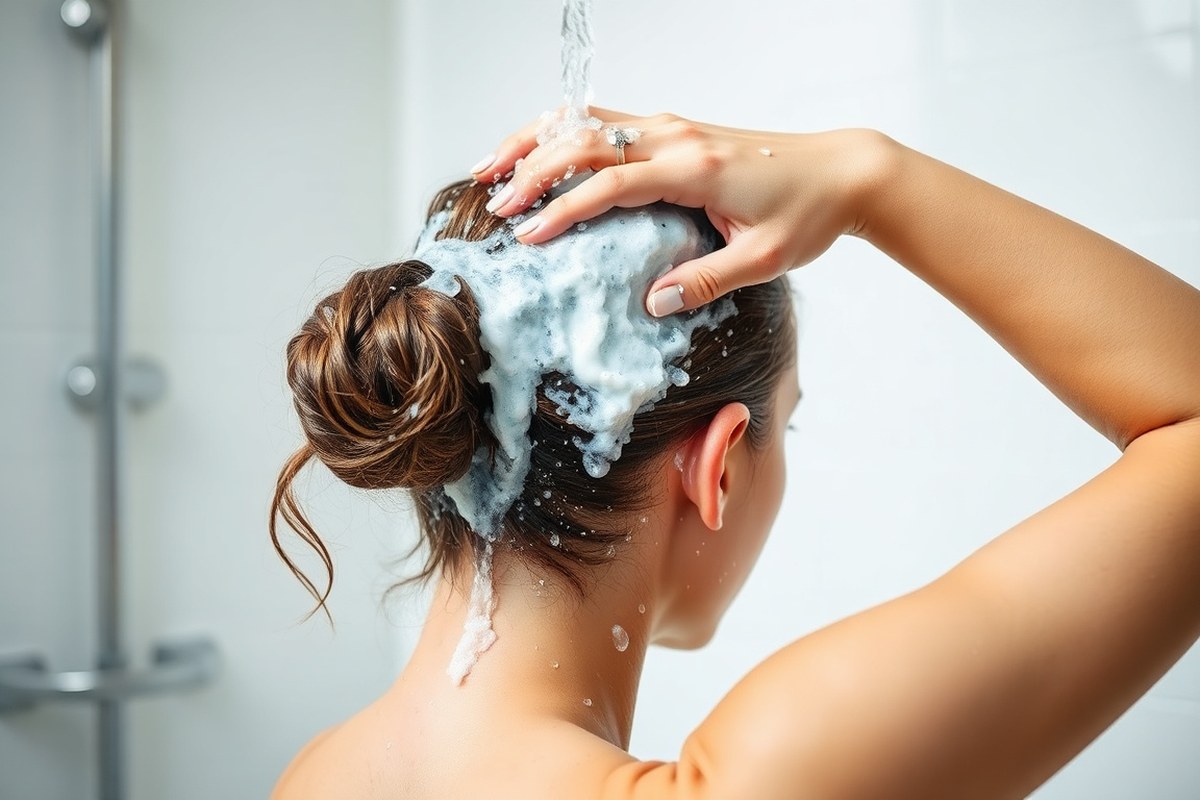
Wet your hair well first. Then gently massage tea tree shampoo into your scalp for 2 to 3 minutes.
This contact time lets the active compounds work on your skin and hair follicles. Rinse well to avoid residue buildup.
For stubborn scalp issues, use every other wash or 2 to 3 times weekly. Overuse may lead to dryness or irritation. Adjust frequency based on your scalp’s response and hair type for best results.
Try a small skin patch first. This checks for any sensitivity to tea tree oil.
What Tea Tree Oil Concentration Is Best in Shampoo?
Tea tree oil in shampoos usually ranges between 1% and 5%. The more significant effects on dandruff and scalp health occur within the 3% to 5% range. At these levels, the oil helps manage fungi and soothe irritation without causing sensitivity.
Lower concentrations might not work well for dandruff relief. Higher levels risk drying or irritating your scalp, especially if sensitive. Using around 5% tea tree oil can support healthy scalp balance and reduce flakes over time.
| Tea Tree Oil Concentration | Effectiveness | Best Use |
|---|---|---|
| 1% | Mild scalp soothing | Normal scalp, mild dandruff |
| 3% | Good antifungal action | Moderate dandruff and scalp irritation |
| 5% | Strong dandruff control and scalp relief | Severe dandruff, oily scalps |
| Above 5% | Risk of scalp dryness and irritation | Avoid unless directed by a dermatologist |
For persistent dandruff, shampoos with 3% to 5% tea tree oil are often most effective. Using a scalp treatment with tea tree oil before shampooing can help, too. It complements the shampoo’s effect and may speed up relief.
You can add 10 to 15 drops of pure tea tree oil to shampoo. Mix it well with your regular shampoo for best results. This makes a simple DIY option for your hair care.
Just be sure not to exceed 5% concentration overall to avoid scalp issues. Consistent use over several weeks usually shows the best results.
How Often Should You Use Tea Tree Shampoo Based on Hair Type?
How often you use tea tree shampoo depends mostly on your hair type. People with oily hair should use it 2 to 3 times weekly. This controls excess oil.
It keeps your scalp feeling fresh. Your hair is dry or damaged.
Use it only 1 or 2 times a week. Always apply a moisturizing conditioner afterward to lock hydration.
Tea tree shampoo is safe to use every day. This works best if your hair is normal or oily. For color-treated hair, use tea tree shampoo up to 3 times a week.
Combine it with a color-safe conditioner to protect your color. That protects your color while helping your scalp stay healthy.
You can safely mix tea tree shampoo with your regular conditioner or special treatments. But only put conditioner on your hair ends, not on the scalp.
- Oily hair: Use tea tree shampoo 2, 3 times weekly for scalp balance
- Dry or damaged hair: Use 1, 2 times weekly; follow with conditioner
- Color-treated hair: Use 2, 3 times weekly; use color-safe conditioner
- Normal hair: Use 2, 3 times weekly as scalp maintenance
- Daily use: OK for normal/oily hair, but monitor dryness
- Conditioner: Apply only to mid-lengths and ends, not scalp
- Patch test new products to check scalp sensitivity
Using tea tree shampoo right helps clear buildup and soothes your scalp. A good wash with it cleans hair roots without stripping moisture if you keep use moderate. Too much can cause dryness, especially if your hair is fragile or curly.
Adjust how often you shampoo based on your scalp’s reaction. Wait a few weeks before changing your routine.
How to Choose the Best Tea Tree Shampoo for Your Hair Needs
Choose a tea tree shampoo that fits your hair type and scalp needs. Look for key ingredients and avoid harsh chemicals to get the best results. Look at the label to find the right tea tree oil level.
Check if it has extra ingredients for your hair type. This helps keep your hair healthy and suited to your needs.
Essential Ingredients to Look For
Tea tree oil should be paired with soothing and nourishing ingredients. Aloe vera calms the scalp and peppermint adds a refreshing feel. Other botanicals like rosemary and eucalyptus boost scalp health and circulation.
These ingredients work together to control oil, reduce itching, and support hair strength. A shampoo with multiple botanical extracts can address dandruff while helping hair growth. Avoid products with only fragrance-grade tea tree oil which won’t provide real benefits.
Avoiding Harsh Surfactants and Irritants
Many shampoos include sulfates that foam well but strip natural oils. Avoid shampoos with sulfates if your hair is dry or damaged. Curly hair types like 3a to 4c need gentle care.
Sulfates can strip natural oils and make hair worse. Harsh surfactants can throw off your scalp’s pH and cause irritation.
Look for mild, natural surfactants designed for sensitive skin and a balanced pH. These will cleanse without overdrying or making your scalp itchy. Checking a surfactant list online helps identify gentle shampoos before you buy.
Matching Shampoo to Hair Texture and Scalp Condition
Oily scalps benefit from a higher concentration of tea tree oil to control excess oil. Dry or sensitive scalps need lower amounts to avoid irritation. For normal scalps, a moderate level of tea tree oil works well.
Thick or curly hair often needs sulfate-free formulas with moisturizing ingredients. Fine or thin hair might require lighter shampoos to avoid weighing strands down. Consider your scalp concerns, like dandruff or seborrheic dermatitis, when choosing the product.
Reading Labels for Concentration and Natural Claims
Tea tree oil content varies, so check where it ranks in the ingredients list. Higher concentrations appear towards the top and give more potency. Products often include “essential oil” instead of generic fragrance for real benefits.
Be cautious with vague claims like “natural” or “botanical” without ingredient details. Confirm the product is free from harsh chemicals if you have a sensitive scalp. Read reviews before you buy.
Look closely at the ingredients list. Some shampoos have too little tea tree oil to work well.
Choose sulfate-free tea tree shampoos if your hair feels dry or brittle after washing.
How to Use Tea Tree Shampoo Effectively for Best Results
Using tea tree shampoo correctly helps you get the best scalp and hair benefits. Prep your hair first and massage shampoo well into your scalp. Leave the shampoo on for a few minutes before rinsing it out.
Finish by applying conditioner for best results. Adjust how often you use it based on how your scalp feels.
Preparing Your Hair and Scalp
Start with wet hair and scalp to spread the shampoo easily. Use warm water around 90°F (32°C) to open the hair cuticles without irritating your scalp. Avoid hot water, which can dry out your skin and scalp.
Rinse your hair briefly before applying shampoo. This helps remove loose dirt and prepares your scalp for cleansing.
Massaging the Shampoo into the Scalp
Apply a quarter-sized amount of tea tree shampoo to your palm. Focus on the scalp, where the benefits are strongest, not the hair strands. Excess shampoo on hair can cause dryness.
Gently massage the shampoo using your fingertips in small circles. Avoid scratching with nails to prevent scalp irritation. Massaging boosts blood flow and helps the oil penetrate the scalp.
Optimal Duration to Leave Shampoo on Scalp
Leave the shampoo on your scalp for 3 to 5 minutes before rinsing. This timing allows the tea tree oil to work on scalp acne, flaking, and oiliness. Longer than 5 minutes may irritate sensitive scalps.
For scalp acne or dandruff, using two rounds of shampoo is helpful. The second round should also follow the same 3 to 5-minute wait for better cleansing.
Rinsing and Follow-Up Conditioning
Rinse the shampoo out with lukewarm water until no suds remain. Make sure no residue is left, as it can cause itching or build-up. Follow with a moisturizing conditioner to keep hair soft and hydrated.
Use conditioner only on the mid-lengths and ends if your hair is dry. Avoid the scalp area so you don’t block pores or weigh hair down.
Frequency Adjustment Based on Scalp Response
Use tea tree shampoo 2 to 3 times a week to start. Watch how your scalp reacts; too much use can dry your skin. On oily or acne-prone scalps, 3 times weekly works well.
For dry or sensitive scalps, use shampoo once a week only. You can also alternate with a gentle shampoo to avoid irritation. Always add a conditioner or a moisturizing mask if your scalp feels tight or flaky.
- Wet your hair and scalp with warm water around 90°F (32°C).
- Pour a quarter-sized amount of tea tree shampoo into your palm.
- Apply shampoo to your scalp, avoiding hair strands as much as possible.
- Use fingertips to massage gently in small circular motions, without scratching.
- Leave shampoo on your scalp for 3 to 5 minutes to let it work.
- Rinse thoroughly with lukewarm water until all shampoo is gone.
- Apply conditioner only to hair mid-lengths and ends, then rinse.
- Adjust shampoo frequency based on how your scalp feels and responds.
Mix one part tea tree oil with ten parts almond or jojoba oil first. Add this diluted blend safely to your regular shampoo.
Add a few drops of this mix to each shampoo use to avoid irritation. This works well if your scalp is sensitive or new to tea tree oil.
Are There Risks or Side Effects from Tea Tree Shampoo?
Tea tree shampoo can cause skin irritation or allergic reactions, especially if your skin is sensitive. Those with plant allergies may be more at risk. Test the shampoo on a small skin area first.
This helps avoid bad reactions. Wait a day to see if irritation happens before using it on your scalp.
Children generally have more delicate skin. You should consult a pediatrician before using tea tree shampoo on kids. Avoid applying the shampoo near the eyes to prevent irritation or contact dermatitis.
When the shampoo gets in your eyes, rinse them out quick. Use plenty of water until the burning stops.
To perform a patch test, apply a small amount of diluted shampoo on your inner arm. Wait 24 hours to check for redness, itching, or swelling. Do not wash the area during this time.
Stop using the shampoo once you spot irritation. Give your skin some time to calm down. This process takes about one minute plus waiting time but helps prevent worse reactions.
- Pick a small skin area on the inner arm.
- Apply diluted tea tree shampoo (1:10 with water).
- Leave the spot uncovered for airflow.
- Wait 24 hours without washing it.
- Look for redness, itching, or bumps.
- Stop using if any reaction occurs.
- Consult a doctor for severe reactions.
People with dry scalp should limit tea tree shampoo use to avoid extra dryness. Use a moisturizing conditioner along with the shampoo. Proper dilution and limited exposure reduce contact dermatitis risk.
When irritation or discomfort happens, stop using the shampoo right away. Rinse your scalp thoroughly with water to ease the feeling.
Even with careful patch testing, some users may still develop mild irritation later. Start by using tea tree shampoo once a week before increasing frequency. This cautious approach lets you see how your scalp reacts over time without overwhelming it.
Top Tea Tree Shampoos Compared for Different Hair Types
Tea tree shampoos often include ingredients that soothe and hydrate your scalp. These work well for dry or oily scalps without causing dryness like many medicated shampoos do. Tea tree shampoos work well for long-term use.
They suit scalps that react badly to harsh products. You can use them often without much worry.
Some brands are better suited for different hair types or concerns. For example, shampoos with added moisturizers help dry scalps.
Those with exfoliants can clear flakes on oily scalps. Pricing and tea tree oil concentration also vary, which affects how strong and fast-acting they feel.
| Brand | Tea Tree Oil Concentration | Price (per 8 oz) | Best For | Pros | Cons |
|---|---|---|---|---|---|
| Paul Mitchell Tea Tree Special | 1% – 2% | $15 – $20 | All hair types, especially oily scalp | Refreshing mint scent, helps scalp oil control | May not moisturize very dry scalp enough |
| Maple Holistics Tea Tree Shampoo | 2% | $12 – $15 | Dry, itchy scalp | Includes moisturizers and aloe, gentle on skin | Scent may be strong for sensitive noses |
| Jason Tea Tree Scalp Normalizing | 1.5% | $8 – $12 | Sensitive scalps with dandruff | No harsh chemicals, sulfate-free | Slower to reduce dandruff than medicated shampoos |
| Nizoral (medicated shampoo) | No tea tree oil, uses ketoconazole 1% | $15 – $25 | Dandruff and seborrheic dermatitis | Strong antifungal, faster dandruff control | Can dry out scalp with frequent use |
Tea tree shampoos can feel milder than medicated options like Nizoral. The natural oils calm your skin, lowering inflammation and scaling. You may not see fast results on dandruff.
But long-term use usually keeps symptoms manageable without dryness or irritation. This suits people with sensitive or dry scalps better than strong medicated shampoos.
Use tea tree shampoo twice or thrice a week to start. Oily hair benefits from washing more often. This helps reduce buildup.
It also eases itching. Dry scalps benefit most from formulas that add moisture too. Don’t use tea tree shampoo every day if your scalp is very dry.
It might cause some irritation. Sensitive scalps need extra care.
Test a small skin area before using tea tree shampoo on your scalp. This helps check for allergies. Avoid larger use until you’re sure it’s safe.
Step-by-Step Action Plan for Using Tea Tree Shampoo
Start using tea tree shampoo safely by following this plan. Watch how your hair and scalp react. This helps you see if it really benefits you.
- Before you start: Choose a tea tree shampoo with 5% or less tea tree oil concentration. Check for your hair type on the label.
- Day 1: Patch test a small scalp area to check for irritation. Wait 24 hours to ensure no reaction.
- Week 1: Use the shampoo twice a week. Notice if your scalp feels less itchy or flaky after washing.
- Week 2: If your skin feels fine, use more shampoo. Try three times a week if hair is oily. Use twice a week if hair is dry.
- Week 3: Observe hair feel and scalp condition. Look for reduced dandruff or less scalp tightness.
- Week 4: Adjust use frequency based on results. Cut back if scalp feels dry or hair brittle.
- After 1 month: Decide if tea tree shampoo suits your hair needs. Switch to a milder shampoo if problems persist.
Frequently Asked Questions
Can Tea Tree Shampoo Help with Hair Loss?
Tea tree shampoo can support hair growth by keeping the scalp healthy. Strong roots come from a clean, well-nourished scalp without buildup or irritation.
Is Tea Tree Shampoo Safe for Colored or Chemically Treated Hair?
Tea tree shampoo is usually gentle but may dry out treated hair. Use a moisturizing conditioner afterward to prevent dryness and maintain hair color.
Can Tea Tree Shampoo Reduce Scalp Acne or Folliculitis?
Yes, tea tree oil’s antibacterial properties help reduce scalp acne and folliculitis. Regular use calms irritation and fights bacteria that cause these issues.
Does Tea Tree Shampoo Strip Natural Oils from Your Hair?
It can remove excess oils, especially with frequent use. Those with dry hair should limit use to 1-2 times a week and condition well.
Will Tea Tree Shampoo Help with Dandruff Caused by Dry Scalp?
It can help by soothing the scalp and reducing flakes, especially dandruff from fungal causes. Use a shampoo with around 5% tea tree oil for best results.
Can Tea Tree Shampoo Improve Scalp Blood Circulation?
Some users report improved scalp circulation, which may promote hair health. Gentle massage during washing boosts the effect and helps remove buildup.
Wrapping Up
Tea tree shampoo can help improve your scalp health when used correctly. Start slow and watch how your hair reacts. Choose your product carefully to get the best results for your hair type.