What Are Hair Extensions: A Complete Guide to Types, Care & Costs
What are hair extensions? They are additional strands added to your natural hair for more length or volume.
Extensions can be attached in several ways, blending smooth with your own hair. They let you change your look right away without waiting for your hair to grow.
Extensions come in various types like clip-in, tape-in, sew-in, and fusion. Clip-ins are the easiest to use and remove, making them perfect for quick styling changes. Semi-permanent options like tape-ins stay in place for weeks and need a professional for safe installation.
Your choice depends on your hair type, budget, and lifestyle. Real human hair extensions look natural and let you use heat tools like curling irons. Synthetic extensions cost less but cannot handle heat styling and usually don’t last as long as human hair.
Key Takeaways
- Clip-in extensions offer quick, damage-free use and easy removal.
- Tape-in extensions last 6 to 8 weeks with professional application.
- Human hair extensions allow heat styling like curling or straightening.
- Synthetic hair extensions start around $50 but don’t handle heat well.
- Real human hair extensions cost over $100 and can last longer.
- Sourcing 100% Remy hair means cuticles stay intact for natural shine.
What Are Hair Extensions and How Do They Work?

Hair extensions are extra strands or wefts of hair added to your natural hair. They help you get more length, volume, color, or texture quickly. You can use them if your hair is short or thin.
They also work if you want a new look. This way, you don’t have to wait for your hair to grow.
Extensions work by attaching additional hair to your natural strands. This lifts and blends with your hair to add fullness or length.
Some extensions clip in temporarily. Others attach with tape, bonds, or tiny beads for longer-lasting results.
You can find extensions made from 100% natural human hair or synthetic fibers. Human hair extensions look and move just like your own hair. They also allow you to curl, straighten, or style with heat.
Synthetic hair usually costs less. It can’t handle heat styling or coloring. It also doesn’t last as long as real hair.
To get the most natural look, your extensions should match your hair color and texture. For example, if your hair is wavy, the extensions might be permed to match. Good preparation means washing your hair first.
Then dry it well before adding extensions. This helps the extensions blend smoothly.
Extensions come in different lengths, often ranging from 12 to 22 inches. Shorter lengths add volume, while longer ones give extra length and dramatic change.
Prices vary widely, starting from around $50 for synthetic types. Professional-grade human hair extensions cost more but last longer and style better.
Different Types of Hair Extensions and Attachment Methods
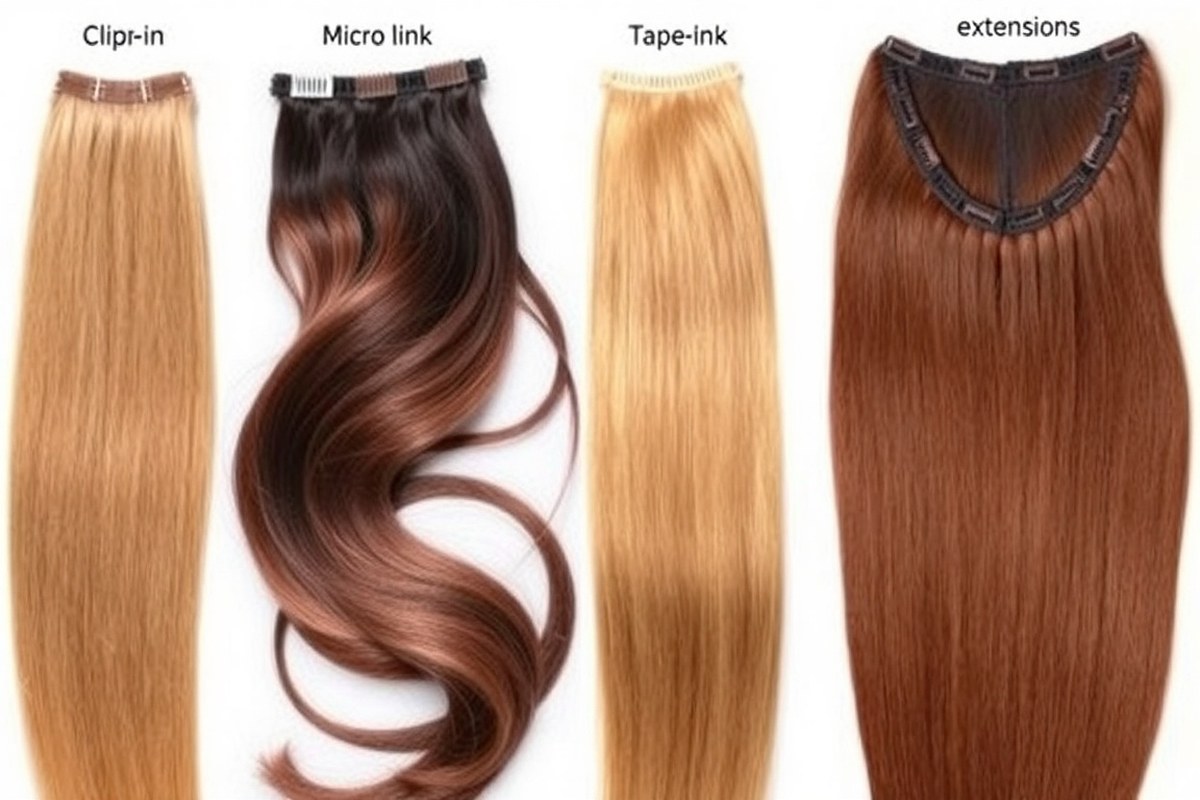
Hair extensions come in several types, each with unique ways to attach and wear. Some are temporary, like clip-in and halo.
Others last weeks or months, such as tape-in, sew-in, and fusion. Your choice depends on hair type, lifestyle, and how natural you want them to look.
Clip-In Extensions
Clip-in extensions use small clips sewn onto wefts of hair. You snap them onto your natural hair, then remove them daily or for special occasions. They work well for beginners and events because of their easy, instant application.
These extensions come in human or synthetic hair, with human hair offering the most natural look. Clip-ins don’t damage your hair and cost between $50 and $300, depending on quality and length. Wearing them all day every day can cause scalp discomfort or clip slippage.
Clip-ins let you try different styles quickly without long-term commitment. They are visible if you part your hair too widely. So blend carefully by matching your hair color and thickness.
Tape-In and Fusion Extensions
Tape-in extensions attach with thin adhesive strips that sandwich your natural hair. They usually stay in place for 6 to 8 weeks before needing to be moved up. Tape-ins suit fine to medium hair and offer flat, discreet volume without much bulk.
Fusion extensions, also called keratin bonds, attach small hair sections. Heat bonds them near your scalp.
They last from 3 to 6 months but need professional removal to avoid damage. Fusion is best for medium to thick hair and offers a very natural, long-lasting look.
Tape-ins cost roughly $150 to $400 for installation, with maintenance every 6 to 8 weeks. Fusion costs between $300 and $800. It needs careful upkeep to avoid damage.
Halo, Micro Link, and Ponytail Extensions
Halo extensions use a single weft attached to a clear wire that rests on your head. You remove them every day.
They quickly add length or volume without damaging hair. They work best for thin to medium hair but may be less secure in windy conditions.
Micro link extensions attach small strands to your hair with tiny metal rings, clamped shut. They last about 6 to 8 weeks and suit thick, textured hair but need regular adjustments. Improper installation or maintenance can cause hair breakage around the beads.
Ponytail extensions clip or tie around your natural ponytail for an instant upgrade to your style. You can get extensions in synthetic or human hair. They are easy to use.
They match your hair color. These are great when you want a quick look change without long wear.
Tightly clipped or bonded extensions worn too long cause tension. This can damage your hair.
Human Hair vs Synthetic Hair Extensions: Benefits and Drawbacks
Hair extensions come in two main types: human hair and synthetic fibers. Human hair can be Remy or non-Remy.
Synthetic hair is made from manufactured fibers. Each type has different styling options, costs, and lifespans.
What Is Remy Hair and Why It Matters
Remy hair means all the cuticles face the same way, keeping strands smooth and soft. It’s usually 100 percent human hair that hasn’t been chemically processed or dyed. This helps reduce tangling and keeps the extensions looking natural for a longer time.
Non-Remy hair may have cuticles facing different directions. This causes more frizz and tangling, shortening the extension’s life. Remy hair also blends better with your natural hair because it moves and shines naturally.
How Human Hair Extensions Behave
Human hair extensions can be styled with heat tools, just like your own hair. You can straighten, curl, or dye them after installation. This makes them more versatile if you want to change your look often.
The lifespan of human hair extensions ranges from six months to a year with proper care. Pricewise, clip-in extensions usually cost between $100 and $350. Permanently installed human hair extensions cost between $350 and $2,000.
The price depends on the installation method and hair quality. Higher quality and complex methods cost more.
Key Features of Synthetic Hair Extensions
Synthetic hair extensions are made from plastic fibers designed to look like human hair. They are generally less expensive, often priced between $50 and $100. However, they cannot handle heat styling beyond low temperatures or be dyed.
Synthetic hair usually lasts just a few months before needing replacement. It doesn’t blend as well with natural hair and feels stiffer when touched. Still, synthetic extensions work well if you want a short-term change or a specific style.
Comparing Styling, Cost, and Lifespan
| Feature | Remy Human Hair | Non-Remy Human Hair | Synthetic Hair |
|---|---|---|---|
| Material | 100% human hair, cuticles aligned | Human hair, cuticles misaligned | Plastic fibers |
| Styling | Heat safe, can be dyed | Can style but tangles more | Limited heat; no dyeing |
| Lifespan | 6 to 12 months | 3 to 6 months | 2 to 4 months |
| Cost | $100 to $2,000+ | Lower than Remy but varies | $50 to $100 |
| Texture & Blend | Natural, smooth, less tangling | More frizz, less smooth | Less natural, stiffer feel |
Choosing What Fits Your Needs
Choose Remy human hair for natural styling and long-lasting wear. It lets you style and color your extensions easily.
Remy hair keeps its smooth texture longer. These extensions work well for regular use.
Synthetic hair suits you if budget is a big concern or you want a temporary look. Avoid heat styling to prevent damage. Non-Remy human hair is less common but costs less than Remy.
How to Choose the Right Hair Extensions for Your Hair and Lifestyle
Choose hair extensions that match your natural texture closely. Straight hair pairs best with straight extensions, and curly hair with curly ones. This match helps your extensions blend smoothly and look natural.
Your hair thickness matters for the extension weight. Fine hair needs lighter, less dense extensions to avoid tension and damage. Thicker hair can hold medium-density extensions without discomfort.
Color matching goes beyond shade to include undertones. Check if your hair has warm, cool, or neutral undertones.
Extensions should share these undertones for smooth blending. You can pick a different shade for a highlight effect if you like.
- Match extension texture with your natural hair pattern
- Choose lighter density extensions for fine hair
- Pick medium density for thick or coarse hair
- Identify your hair’s color undertones before choosing shade
- Get a virtual color match from brands if unsure
- Estimate the number of packs by your hair length and volume
- Consider your daily activities and how much upkeep you want
Counting how many packs or strands to buy depends on your hair length and volume. For shoulder-length hair, two to three packs usually work well. Longer or very thick hair might need more packs.
Maintenance is key if you live an active lifestyle. Choose extensions that fit your skill level for easy at-home care. If you don’t want much maintenance, look for low-upkeep options or see a pro for installation.
Installation Time and Cost: What to Expect for Each Extension Type
Installation times and costs for hair extensions vary by type. Clip-in extensions are the fastest to install. They take about 5 to 10 minutes.
You clip them on yourself. Fusion extensions must be done by a professional.
It takes 3 to 4 hours. Each strand attaches individually.
Professional prices reflect the time and skill involved. Clip-ins cost less upfront, usually $100 or less, since you buy once and install at home. Fusion or sew-in extensions can cost $300 to $800 for installation.
Maintenance costs also vary: tape-ins and micro-ring extensions need appointments every 4 to 8 weeks. Clip-ins have no upkeep fees beyond care.
| Extension Type | Installation Time | Professional Cost Range | Maintenance Frequency | Maintenance Cost |
|---|---|---|---|---|
| Clip-in | 5, 10 minutes (DIY) | $50, $100 (purchase only) | None (remove daily) | None |
| Tape-in | 30, 60 minutes | $200, $600 | Every 4, 6 weeks | $100, $200 per touch-up |
| Fusion (hot or cold) | 3, 4 hours | $500, $800 | Every 3, 6 months | $300, $500 per reapplication |
| Sew-in Weave | 1.5, 3 hours | $200, $500 | Every 6, 8 weeks | $100, $200 per tightening |
| Micro Ring (I-tip) | 2, 3 hours | $300, $600 | Every 6, 8 weeks | $100, $200 per adjustment |
Clip-in extensions cost less because you do the work yourself. They offer flexibility to remove and style your hair daily without extra charges. Tape-ins stick with your hair longer but need costly professional re-taping often.
Sew-ins and micro rings need adjustments. The maintenance stops pulling on natural hair. It also prevents slipping.
Choosing lighter, shorter extensions lowers maintenance time and cost. Keeping your scalp clean and attending regular upkeep appointments reduces hair damage. Delay maintenance and you risk tangles, slippage, or uneven hair growth around extensions.
Remove clip-ins nightly and clean them regularly to keep hair and scalp healthy.
How to Care for Hair Extensions to Extend Their Lifespan
Washing your hair extensions depends on the type and how much product you use. Human hair clip-in extensions need washing every two to three wears.
This is true especially if you use hairspray or texturizers. Without products, clip-ins can go 15 to 20 wears before washing.
Use sulfate-free shampoo and conditioner to keep extensions soft and lasting longer. Apply leave-in conditioner to prevent dryness and aid in detangling. Avoid washing extensions too often, since frequent washing and heat styling shorten their lifespan.
Brushing regularly protects your extensions and natural hair. Use a soft-bristle brush or a special extension brush.
Start brushing at the ends and work your way up gently. Tangles will loosen more easily this way.
- Wash hair extensions with lukewarm water, not hot
- Brush extensions carefully before washing to remove knots
- Use dry shampoo between washes to reduce product build-up
- Protect extensions with a silk or satin pillowcase when sleeping
- Do not sleep with wet extensions to avoid tangling and damage
- Avoid swimming with extensions, especially in chlorinated or salt water
- Keep heat styling to a minimum, using a heat protectant spray
Sleeping with hair extensions needs care to avoid damage and tangling. Tie your hair in a loose braid or ponytail to keep extensions from twisting. Use a silk pillowcase to reduce friction and frizz overnight.
Swimming with extensions is generally not recommended. Chlorine and salt water can dry out the hair and weaken bonds or tape. Swimming means you should wear a swim cap or rinse extensions quickly with fresh water.
Maintenance depends on the type of extensions and growth rate. Salon-installed extensions like tape-ins usually require re-installation every 6 to 8 weeks. Clip-in extensions only need maintenance when you see tangles or wear damage.
Risks and Damage: How Hair Extensions Affect Natural Hair
Risks and Damage: How Hair Extensions Affect Natural Hair
Hair extensions can damage your natural hair if not applied or cared for properly. Extensions that are too heavy or tight pull on your roots, causing breakage or scalp pain. Watch for itching and redness on your scalp.
Also check for bumps and hair thinning near the attachment points. Frequent hair breakage is another sign to notice.
Extensions with small tubes or rings are usually gentler. They don’t add much weight or stress to your hair. This helps protect your natural hair.
Tape-in extensions, on the other hand, use medical-grade adhesive that sandwiches your hair. But if left on too long, they can dry out your strands.
Extensions lack the oils your scalp makes naturally. So your hair may get dry, frizzy, or damaged at the ends.
For thin or fragile hair, smooth clip-in extensions are safest. Their base is 50% thinner due to silicone, which lies flat and reduces pulling. These clip-ins are easy to remove and cause minimal strain.
- Remove extensions every 6 to 8 weeks to avoid scalp irritation
- Keep your hair and scalp clean and moisturized to prevent dryness
- Avoid heavy or overly tight extensions that pull on your roots
- Use gentle combing and detangling to reduce breakage
- Watch for itching, redness, bumps, or thinning hair and act fast
- Choose clip-in extensions with thin silicone bases for fragile hair
- Have a professional install or adjust extensions to reduce risks
You should remove or adjust extensions if itching or pain lasts more than a few days. Leaving damaged extensions on increases the risk of hair loss or scalp sores. Cutting your hair dry and blending layers helps hide the extension base and reduce tension.
Taking care of your hair properly is very important. It keeps your natural hair and extensions healthy. Good care will help them last longer.
When to Consult a Professional for Hair Extensions
Schedule a professional appointment before buying or applying hair extensions. A stylist helps you pick the right type and applies them safely. Professionals also maintain and remove extensions to protect your natural hair.
Signs You Need Professional Care
You should see a stylist if your extensions cause discomfort or damage your hair. Extensions that tangle, slip, or look unnatural may need adjustment. If you want a big change or are unsure about styles, a consultation is key.
Also, seek help for regular maintenance. Extensions require touch-ups every 6 to 8 weeks, roughly maintenance costs $100 to $200. Professionals ensure extensions stay secure and your own hair stays healthy.
Key Questions to Ask Your Stylist
Before getting extensions, ask how they match your hair type and lifestyle. Ask about the best attachment methods for your hair’s strength and texture. Check if the extensions need special care or restrict certain hair products.
- “How will you match the extension color and texture to my hair?”
- “What attachment method do you recommend and why?”
- “How often will I need maintenance appointments?”
- “What hair care products should I avoid while wearing extensions?”
- “Will the extensions affect my natural hair’s health?”
- “What is the total cost for installation and upkeep?”
- “How do you remove the extensions safely?”
This checklist prepares you for the consultation and ensures you get realistic results.
Professional Removal and Maintenance Services
Removing extensions the right way prevents hair breakage or scalp damage. Many stylists charge around $200 for removal, washing, and blow-drying.
Do not try to remove glued or sewn extensions yourself. Heat or solvents may be used professionally.
Maintenance includes checking for loosening, cleaning the extensions, and trimming any damage. Proper placement and adequate coverage near hairlines are important to protect fragile hair. Look for stylists with at least a few years of experience and positive reviews for extensions.
Always book maintenance appointments as soon as your stylist recommends them to avoid damage.
Your Hair Extensions Quick-Start Action Plan
Follow these steps to pick and care for your hair extensions right away. Each step helps you avoid damage and enjoy your new look longer.
- Before you buy: Check your hair type and lifestyle. Pick extensions that match your hair’s texture and your daily routine.
- Day 1: Have a professional install your extensions if possible. This lowers the risk of damage and ensures a good fit.
- Week 1: Use a gentle shampoo and conditioner for your extensions. Your hair feels dry or tangles easily? Try a moisturizing formula.
- Week 2: Brush your extensions daily with a soft brush. This keeps them smooth and stops knots from building up.
- After 1 month: Check for any loosening or damage. Tighten or fix loose pieces early to avoid hair pulling or breakage.
- After 6 weeks: Schedule a follow-up with your stylist for maintenance. They can remove, clean, and reapply or adjust extensions safely.
- Ongoing: Avoid heat directly on your extensions. Use a heat protectant if styling tools are necessary to prevent damage.
- When you notice problems: Pain, scalp irritation, or lots of shedding are warning signs. Stop using extensions right away. Talk to a professional as soon as possible.
Frequently Asked Questions
What Makes Remy Human Hair Extensions Special?
Remy hair extensions keep cuticles aligned. This prevents tangling and makes hair last longer. They feel natural and are easier to style compared to non-Remy hair.
Can Synthetic Hair Extensions Be Heat Styled Safely?
Most synthetic hair extensions cannot handle heat styling. Using a curling iron or straightener can melt the fibers. Only special heat-resistant synthetics allow low-heat styling.
How Do Clip-In Extensions Differ from Tape-In Extensions?
Clip-ins are temporary and easy to remove. Tape-ins stick to your hair for several weeks. Clip-ins are best for occasional use, tape-ins for longer wear.
Are Halo Hair Extensions Suitable for Thin Hair?
Halo extensions sit on your head with a wire, not glued or sewn. They work well on thin hair because they cause less strain. They add volume without damaging your natural hair.
What Length Range Do Hair Extensions Usually Come In?
Hair extensions commonly range from 14 to 24 inches long. Choose length based on your natural hair and desired style. Longer extensions often need more care.
Can Color-Treated Hair Wear Extensions Safely?
Yes, but choose high-quality human hair extensions. They blend best and withstand heat styling. Avoid synthetic types, they usually can’t handle dyes or bleach.
The Bottom Line
Hair extensions can change your style quickly when chosen and cared for right. Start with the right type for your hair and follow care advice closely. Schedule a consultation with a licensed stylist.
They will help you find the best fit. Get support for your new look.