

How to Get Tangles Out of Hair Fast: 8 Expert Tips That Protect Hair
Knowing how to get tangles out of hair fast helps keep your strands healthy. The best way is to work gently, using your fingers or a wide-tooth comb. Start detangling from the ends, slowly moving toward your scalp to avoid pulling or breaking hair.
Using conditioner or a detangling spray softens hair and smooths knots, making them easier to remove. You can apply conditioner in the shower or use a spray before brushing. Patience is key since severe tangles can take up to an hour to fully untangle.
Avoid harsh brushing or pulling on dry hair, as this causes damage and frizz. Regular trims every 8 to 10 weeks help prevent tangles by removing split ends. Begin detangling on freshly washed or conditioned hair for the best results.
Key Takeaways
- Start detangling from hair ends, moving slowly toward your scalp.
- Use conditioner or detangling spray to soften knots before brushing.
- Be patient; severe tangles may take 30 to 60 minutes to untangle.
- Avoid pulling or harsh brushing on dry hair to prevent damage.
- Get regular trims every 8 to 10 weeks to reduce tangling.
- Detangle hair when it’s wet or damp for easier knot removal.
1. How to Get Tangles Out of Hair Without Causing Damage
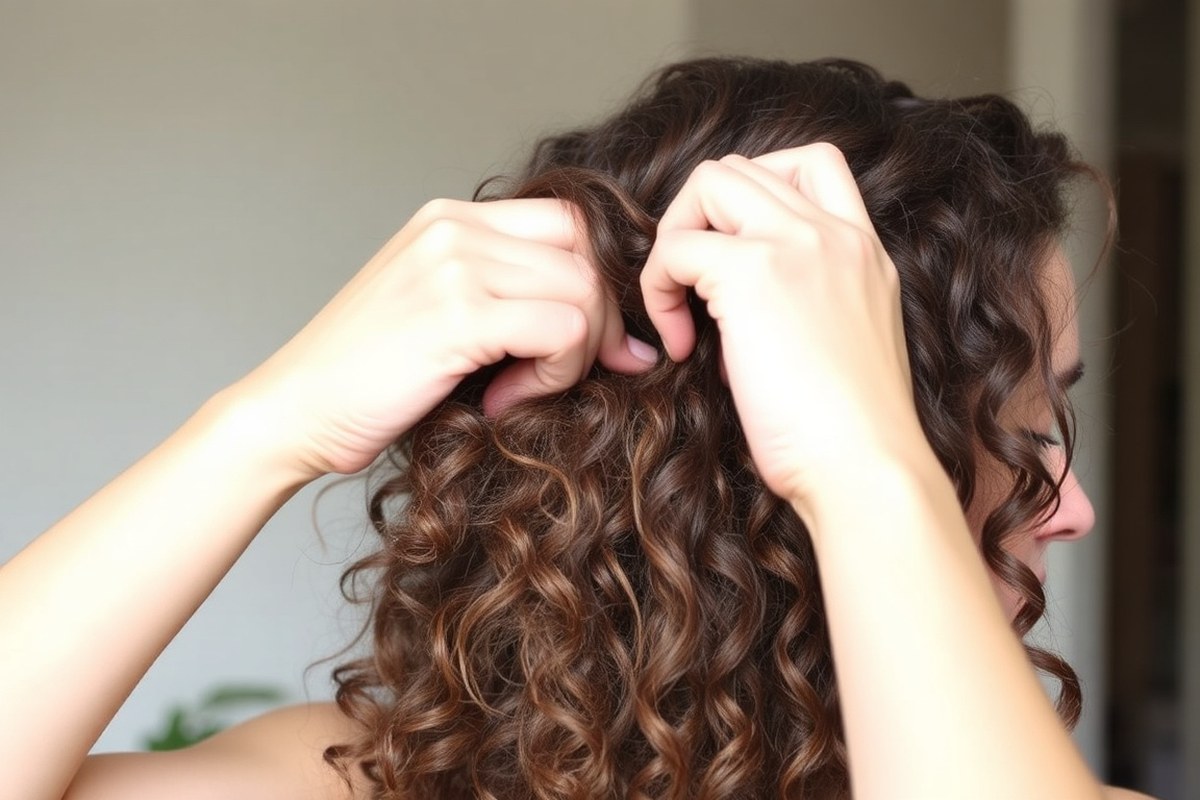
Getting tangles out without causing damage takes patience and the right steps. Start by using your fingers to loosen knots gently before using any tools. This avoids pulling hair and cutting down on breakage.
Begin at the ends, where most tangles start, and slowly work your way up. Avoid rushing or yanking hair, which can cause split ends and pain.
- Moisten hair slightly: Dry hair breaks less easily but a little moisture eases combing. Use a spray bottle with water or a lightweight leave-in conditioner.
- Separate hair into sections: Smaller parts let you focus on one tangle at a time. It’s easier and less painful this way.
- Use fingers to find and loosen knots: Run fingers through ends first. Carefully pull apart tangles by working the edges of knots.
- Apply a wide-tooth comb gently: Start combing from the tips upward. Don’t drag comb from roots; this causes damage.
- Work slowly and patiently: Pause when you hit a resisting knot. Finger-loosen it more before gently combing again.
- Rinse or re-wet hair as needed: Add moisture carefully when tangles tighten. This helps strands slip apart easier.
- Finish at the roots: After clearing ends and mid-lengths, comb from scalp downward if needed.
- Trim regularly to reduce tangles: Cut damaged ends every 8 to 10 weeks. Split ends often cause more knots.
Fingers work best first because they feel the tangles directly. Too much early combing pulls hair and causes tears. Wide-tooth combs gently detangle without yanking.
Patience is necessary: speeding through tangles almost always leads to breaking hair. Hair feeling dry or stiff?
Add a little conditioner to prevent friction. It helps strands separate smoothly.
Thicker hair tangles more due to texture but this method still applies. You might need more moisture or longer detangle time. Fine, straight hair tangles less but still needs careful finger work before combing.
Avoid detangling dry, damaged hair harshly since split ends snag and worsen tangles. Handling hair gently and section by section keeps pain low and reduces breakage risk.
2. How to Prepare Your Hair for Easier Detangling
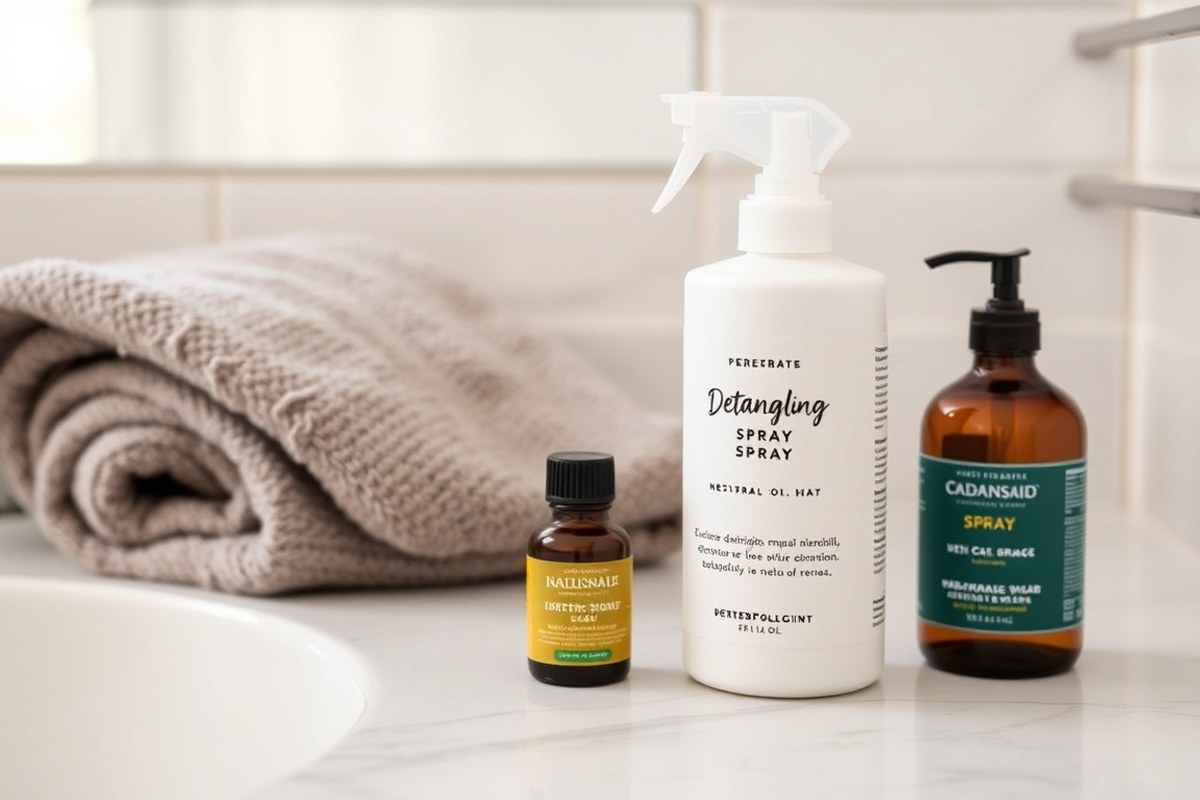
Detangling works best when your hair has some moisture and slip. Hair should feel damp, not soaking wet or dry.
Wet hair gets fragile and breaks easily. Dry hair is brittle and resists combing.
Spray your hair with water or use a spray bottle to reach the right dampness. Apply a leave-in conditioner next.
For example, L’Oréal Paris Elvive Dream Lengths Curls Leave-in Conditioner suits curly or wavy hair. It adds moisture and smooths out knots.
Using a detangling spray is another option, especially on dry hair. Products like Garnier Whole Blends Refreshing 5-in-1 Detangler Spray soften tangles well. They leave hair feeling easy to comb without residue.
| Product | Best For | Key Benefit | Usage | Approx. Cost |
|---|---|---|---|---|
| Cantu Coil Calm Detangler with Shea Butter | Natural, curly hair | Softens and frees tangles | Damp or dry hair, spray on | $7, $10 |
| Garnier Whole Blends Refreshing 5-in-1 Detangler Spray | Dry hair | Lightweight, smooths and softens | Spray on dry or damp hair | $5, $8 |
| L’Oréal Paris Elvive Dream Lengths Curls Leave-in Conditioner | Curly, wavy hair | Hydrates, defines curls, loosens tangles | Apply on damp hair | $6, $9 |
Applying hair oils like jojoba or coconut before combing helps add slip. Oils reduce friction and ease knots. Use just a few drops to avoid weighing hair down or creating greasiness.
Start detangling in small sections to avoid missing knots. Each part gets enough conditioner and slip to slide through. If your hair feels stiff or dry, add more product and hold off on combing until it softens.
Rub or scrub hair ends before detangling may cause dryness, more knots, and breakage.
3. Best Tools to Detangle Different Hair Types Safely
Choosing the right comb or brush depends on your hair texture. It also matters how thick your hair is. Finally, think about how tough the tangles are.
Straight hair usually needs a different tool than curly or thick hair. Use gentle tools that don’t pull or break your strands while working through knots.
Wide-toothed combs work best for most curly and thick hair. They help separate strands without ripping curls or causing damage.
On the other hand, detangling brushes are great for straight or wavy hair. These brushes slide through tangles while protecting hair from breakage.
Hair picks or specialized tools can help if you have very thick or coily hair. Picks lift and separate hair gently, making it easier to comb afterward. Detangling sprays help when you have tight, stubborn knot clumps.
Combs or brushes can’t handle these tangles alone. These sprays make the process easier.
| Hair Type | Best Tool | When to Use | Price Range |
|---|---|---|---|
| Straight or Wavy | Detangling brush | For wet or dry hair with mild to moderate tangles | $10 to $15 |
| Curly or Coily | Wide-toothed comb | While hair is wet and conditioned, for gentler untangling | $5 to $10 |
| Thick, Dense Hair | Hair pick or wide-toothed comb | To separate curls or thick sections before detailed detangling | $7 to $15 |
| Fine Hair | Detangling brush or fine-toothed comb | For light tangles, avoid rough pulling | $8 to $12 |
Start by dividing your hair into smaller sections, especially if thick or curly. Wet hair with conditioner helps soften tangles for easier combing. Work from ends upward gently, using small strokes or short brush strokes.
Use a wide-toothed comb or wet brush while conditioner is in your hair. This helps you work knots out smoothly. The conditioner helps protect your hair.
Detangling brushes perform better on straight hair. But they can’t handle very tight curls well. Tools that are rough or have fine teeth risk breaking hair and causing pain.
4. How Hair Type and Texture Affect Detangling Techniques
You need to adapt your detangling method depending on your hair’s type and texture. Straight, wavy, curly, coarse, and chemically treated hair differ in thickness, curl pattern, and damage level. These differences affect which products and steps will work best for your detangling routine.
Detangling Straight and Fine Hair
Straight and fine hair tangles easily because strands lie flat and can cling together. Slightly dampening your hair helps loosen tangles before you start combing. Use a light leave-in spray with hydration.
Choose a sulfate-free spray. It helps detangle smoother without weighing hair down.
Divide your hair into four sections to keep things manageable. Start combing gently at the tips first. Slowly work your way up to the roots.
This helps avoid hair breakage. Daily detangling is fine for this hair type because tangles don’t build up quickly.
Detangling Curly and Coarse Hair
Curly and coarse hair tangles more often due to its natural texture and bends. This hair type needs more moisture and careful handling to avoid damage. Detangle when your hair is wet.
Make sure conditioner or a thick leave-in product covers the hair. This softens knots and makes detangling easier.
Work in smaller sections, like eight or more, and finger detangle before using a wide-tooth comb. Avoid daily detangling to prevent stress on curls.
Aim for every two or three days. Using oils like coconut or avocado before washing can soften curls and reduce tangling.
Caring for Chemically Treated Hair
Chemically treated hair is more fragile because treatments open the hair cuticle and weaken fiber strength. Detangle with extra care to avoid breakage and split ends. Always detangle when hair is wet and conditioned, never dry.
Use gentle, hydrating detangling sprays that protect and seal moisture. Work slowly with fingers or a wide-tooth comb, starting from tips and moving upward.
Keep sessions short to reduce stress. Nourish hair regularly with deep conditioning treatments or hot oil wraps before washing.
5. How to Detangle Severely Matted or Knotted Hair Gently
Severely matted hair needs slow, gentle work with the right products. Use warm oil or conditioner to soften mats first.
Give yourself at least 30 to 60 minutes to detangle these knots carefully. Stop and get professional help if you feel pain or see damage.
Assessing the Severity of Mats
Start by checking how tightly your hair is knotted or compacted. Mats that form a hard lump and won’t loosen by finger pulling are severe. This usually happens after tangles sit untreated for days or weeks.
Also, see how much hair is involved. A big stuck chunk means detangling will need more time and care.
Severe mats usually need more time, plan at least 30 to 60 minutes. In most cases, begin detangling with wet or conditioned hair to protect strands from breakage.
Using Oil and Warm Compresses
Oils and conditioners can soften mats so you can detangle gently. Use a warm oil like coconut, olive, or argan that suits your hair type. Applying a warm towel or compress onto oiled hair helps the product sink in better.
Let the hair sit for 10 to 20 minutes. Then separate mats with fingers. Finally, try a comb gently through the hair.
Work slowly from the bottom up in small sections. Avoid pulling too hard, give time for the product to loosen the knot instead.
- Wash or dampen hair lightly to prepare it for detangling.
- Apply warm oil or rich conditioner generously on matted areas.
- Wrap a warm towel around your head or use a warm compress.
- Leave the towel in place for about 15 to 20 minutes to soften mats.
- Start finger detangling from the ends, working slowly upward.
- Use a wide-tooth comb gently to work out loosened knots.
- Repeat oiling and warm compress if mats remain tight after 30 minutes.
- Rinse hair and condition afterward to restore moisture.
Too much conditioner or oil can leave residue and cause more tangling.
When to Consult a Professional
Hair that stays tightly matted after gentle detangling means you should see a stylist. Professionals can trim damaged areas and safely untangle without causing hair loss. Seeking help also makes sense if you feel pain or scalp irritation during detangling.
Never rush through severely matted hair yourself if it’s causing discomfort or looks unhealthy. Stylists have tools designed for tough knots. They know how to protect your hair.
This keeps your hair healthy during detangling. Planning regular trims every 8 to 10 weeks can reduce future matting issues.
6. Common Detangling Mistakes and How to Fix Them
Detangling hair the wrong way can make tangles worse and cause breakage. Brushing hair too hard or too soon after washing often pulls and snaps strands.
Use gentle strokes, starting at the ends, then slowly work up to the roots. Rushing this process typically leads to more knots and damage.
Many people use too much product or the wrong kind, which stiffens hair and traps dirt. This buildup makes tangles tougher to remove and causes dryness over time.
Regularly clarifying shampoo once a week helps remove residue. Otherwise, rinse thoroughly and apply conditioner only where hair feels driest.
Heat styling also weakens hair and dries it out. Blowdrying with high heat or against the grain creates more knots.
Lower heat and directing airflow down the hair shaft smooth the cuticle and help prevent tangles. Setting your dryer to a cool or warm setting takes longer but protects your hair better.
- Avoid rubbing hair with a rough towel; gently squeeze or pat it dry instead.
- Brush hair before washing to remove loose strands and reduce tangling post-wash.
- Trim split ends every 6 to 8 weeks to stop tangles and breakage early.
- Keep hair braided or loosely tied while sleeping to prevent morning knots.
- Use wide-tooth combs or detangling brushes suited for your hair type.
- Limit heat styling to preserve hair strength and moisture.
Brushing wet hair with the wrong brush type or too quickly damages the cuticle. Curly and coily hair benefits from gentle detangling while wet using fingers or a wide-tooth comb. Let your hair air dry or use a soft microfiber towel.
These cut friction and prevent breakage. This helps keep your hair strong and healthy. Avoid aggressive handling to keep hair smooth and tangle-free longer.
7. Using Conditioner, Oils, and Sprays to Make Detangling Easier
Leave-in conditioners and detangling sprays work by adding slip to your hair. Slip means the hair strands slide past each other instead of locking together. This reduces tangling and makes combing easier without pulling or breaking strands.
Apply a leave-in conditioner through the mid-lengths and ends of damp hair. Avoid the roots to prevent oils from weighing hair down. Use about a quarter-sized amount for medium-length hair.
For thick or curly hair, use a little more. But not enough to feel greasy or heavy.
Detangling sprays work best when you spritz small sections of hair just before combing. This helps each knot loosen gradually. Spray evenly so the hair feels slippery but not soaked.
Test how much product you use. Too much can make hair stiff. It can also attract dirt and cause tangling.
Oils like argan, jojoba, or sweet almond oil can boost moisture and softness. Use a few drops on dry or damp hair, focusing on the ends.
Rub the oil between your palms to warm it before applying to avoid heavy spots. Heavy oils can cause buildup, so use sparingly, especially on fine hair.
For thick or curly hair, use deep conditioning shampoo and conditioner. Add leave-in products for the best slip.
Products designed for 3c, 4a, or 4b hair types usually have extra moisture to help detangle. After washing, work leave-in conditioner into sections before combing gently.
Good results feel like hair moving smoothly when you comb. Knots should loosen without much pull or snapping. Hair feeling sticky, heavy, or dull means you use too much product.
Use less product if buildup happens. Wash hair with gentle shampoo. Try sulfate-free shampoo every two weeks to clarify.
Start by shampooing and conditioning hair. Towel dry hair gently. Then use leave-in or detangling spray.
Section hair into manageable parts. Comb each section with a wide-tooth comb, starting from ends and moving upward. Follow with a light oil if needed to smooth flyaways and keep tangles away.
8. Preventing Hair Tangles: Daily Habits That Help
Good daily habits can stop tangles before they start by reducing hair friction and damage. Moisturizing, protective styles, and smooth sleeping setups all help keep your hair neat. Regular trims also keep hair ends healthy and less likely to knot.
Sleep Care: Pillowcases and Protective Styles
Sleeping on cotton pillowcases can cause tangles because hair rubs against the rough fabric overnight. Satin or silk pillowcases reduce friction, keeping hair smoother. You can also wrap your hair in a silk bonnet for extra protection.
Protective hairstyles like loose braids, buns, or twists hold your hair in place while you sleep. These styles cut down on movement that causes tangling and breakage. Your hair tangles a lot, so try these styles every night.
- Switch to satin or silk pillowcases
- Wear a silk or satin bonnet at night
- Use loose braids, buns, or twists while sleeping
- Avoid tight ponytails that cause breakage
- Keep hair moisturized before bed
Wrapping hair in silk or using satin pillowcases significantly cuts down morning tangles.
Daily Combing and Brushing Habits
Brushing your hair gently every day helps stop tangles from forming. Do this before bedtime to detangle and remove knots from the day. Brush slowly, starting from the ends and working up to avoid breakage.
Use wide-tooth combs or soft brushes depending on your hair type. Avoid brushing wet hair harshly; instead, detangle carefully with your fingers or a comb. Applying lightweight leave-in sprays or conditioners first can make daily combing easier.
Role of Regular Trims in Prevention
Trims matter because split ends cause hair to catch and form tangles. Cutting hair every 6 to 8 weeks keeps ends healthy and reduces knots. Even a small trim can improve how your hair looks and feels.
Skipping trims often leads to dry, damaged ends that tangle easily. Schedule trims regularly to reduce tangles, save time, and avoid pain. Healthy ends feel smoother and comb through easier.
Step-by-Step Action Plan for Detangling Your Hair Safely
Follow this plan to get started with easier, damage-free detangling. Take your time and check your progress at each step.
- Before You Start: Apply a generous amount of conditioner or detangling spray. Your hair should feel slippery, not dry. This makes combing easier.
- Day 1: Use a wide-tooth comb or detangling brush at the ends first. If it feels smooth, move closer to the scalp. Stop if you feel pulling.
- After Initial Detangling: Rinse hair gently to remove conditioner. Your hair should feel softer and less knotted to the touch.
- Day 2: Apply a lightweight oil or leave-in conditioner on dry areas prone to tangling. Check if hair stays smoother throughout the day.
- Week 1: Adopt protective hairstyles like braids or buns before sleeping. No tangles in the morning means success.
- Week 2: Use a silk or satin pillowcase to reduce friction overnight. Notice fewer stubborn knots when you wake up.
- Ongoing: Avoid harsh brushing or towel rubbing. Use fingers to detangle gently before using tools. Your hair will stay strong without breakage.
Frequently Asked Questions
How Often Should I Trim My Hair to Prevent Tangles?
You should trim your hair every 8 to 10 weeks to keep it tangle-free. Regular trims stop split ends that cause tangles and keep hair healthier overall.
Can Washing Frequency Affect How Often My Hair Tangles?
Yes, washing too seldom or too often can cause tangles. Clean hair with the right products is less prone to tangling. Adjust washing based on your hair type and scalp needs.
Should I Detangle My Hair Before or After Washing It?
You should detangle your hair before washing it. Brushing before washing removes loose knots and prevents tangling during shampooing.
Is It Okay to Use Just Any Brush for Detangling All Hair Types?
No, different hair types need specific brushes to prevent damage. Using the wrong brush can cause breakage or more tangles. Choose tools suited for your hair texture.
Does Sleeping with Braided Hair Help Prevent Tangles Effectively?
Yes, braiding hair before bed reduces friction and tangles overnight. It keeps hair more manageable and prevents knots from forming.
How Does Hair Dryness Influence Tangles?
Dry hair tangles more because its cuticle is rougher and open. Moisturized hair stays smooth and resists tangling. Use conditioners and oils suited for your hair.
Key Points to Remember
Getting tangles out safely takes the right tools and gentle methods. Start using conditioner and finger detangling today. Your hair will feel softer and easier to manage soon.


