How to Use a Flat Claw Clip: Complete Guide with Expert Tips and Styles
Want to style hair fast with a flat claw clip? First, pull your hair together, twist it gently, and then clip it flat.
This keeps your look tidy and adds a quick style boost. You can use it to create simple updos or secure loose sections neatly.
Start with dry or slightly damp hair to avoid slipping. Hold the clip flat and open wide before bringing it down on your twisted hair.
A flat claw clip grips better when its size matches your hair’s thickness. So choose one that feels snug but not too tight.
This clip works best for medium to thick hair with less volume. It can’t wrap fully around bulky buns but shines with half-up or twist looks. Using it right means your style stays put throughout the day without constant adjustment, saving you time and hassle.
Key Takeaways
- Choose a flat claw clip size that matches your hair’s volume and thickness.
- Prep hair by twisting sections before clipping to get a tighter hold.
- Secure the clip flat and open wide to avoid hair slipping out.
- Use smaller clips for fine hair and larger ones for thicker hair.
- The flat claw clip works best for half-up or loose twist styles.
- Don’t try to use flat clips for full, bulky buns. Choose a bigger claw clip instead.
How to Use a Flat Claw Clip Step-by-Step
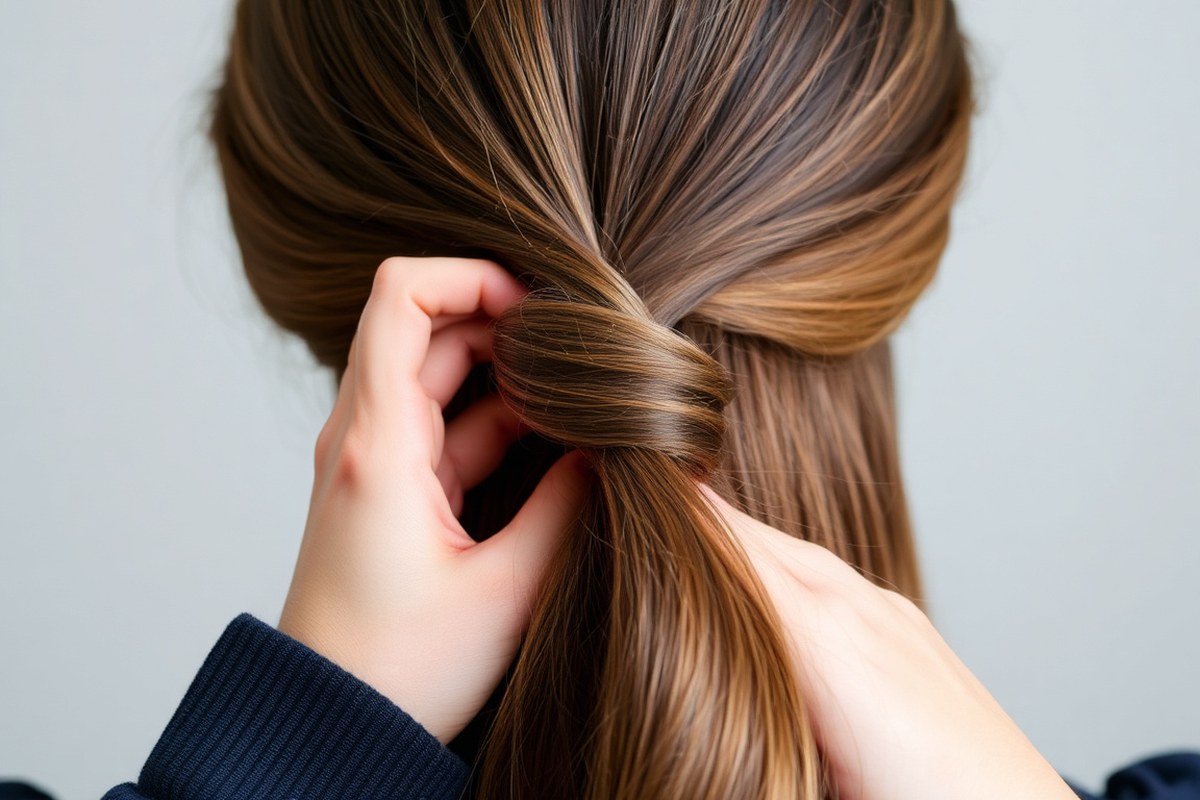
Using a flat claw clip is quick once you master gathering, twisting, and clipping your hair. Start by gathering your hair at the nape or crown.
Twist it with enough tension to hold firmly. Place the clip so it grips the twist securely without pulling your scalp.
Gathering Hair for Clipping
Gather your hair where you want the style to sit. This is usually at the nape or mid-back.
Use your hands, not a brush, especially if your hair is curly or coily. This keeps your hair’s natural texture intact and avoids frizz or flyaways.
For slippery or fine hair, adding a light texturizing spray before gathering helps. For thick hair, sectioning a smaller portion to start the twist makes it easier to manage.
Twisting and Positioning the Hair
Hold the gathered hair with one hand. Twist it upward or inward depending on your style. Don’t twist too tightly or too many times.
Too much bulk can stop the clip from closing well. A simple twist or one-and-a-half turns is usually enough to create tension and structure.
Place the twist at the spot for your clip. This is usually at the back or just above the nape. For loose or layered hair, first use mini clips on shorter strands.
Then add the main flat claw clip. This keeps everything neat and stable.
Securing the Clip and Final Adjustments
Open your flat claw clip wide enough to cover the center of the twist. Position it vertically so the teeth grasp the hair from root to tip evenly. Press the clip closed firmly but gently, avoiding over-tightening.
The clip should hold your hair comfortably without pulling on your scalp. Try repositioning the clip or twist hair tighter if it feels loose.
For thick or dense hair, use a bigger clip. You can also add a second clip for a better hold.
- Gather your hair at the nape or crown with your hands.
- Apply texturizing spray or powder if your hair is fine or freshly washed.
- Twist the hair upward once or one-and-a-half turns.
- Hold the twist firmly to maintain tension.
- Open the flat claw clip wide and place it over the twist.
- Position the clip vertically and snap it closed carefully.
- Adjust the clip or twist if the hold feels loose or causes discomfort.
Choosing the Right Flat Claw Clip Size and Material

Choose the right flat claw clip size based on your hair. Consider its thickness and length. Also think about the style you want.
Small clips fit fine or short hair well. Large clips work best for thick or long hair.
Material affects grip and comfort. So pick one that matches your daily hair texture and activities.
Small Clips for Fine and Short Hair
Small flat claw clips measure around 2 to 5 centimeters. They hold short hair or small sections tightly without slipping. These clips have closely spaced teeth for a secure grip on fine or slippery hair.
These clips work well for detailed styles. You can use them to pin hair at the temple.
They also suit half-up looks with little volume. The low profile keeps the clip close to your head and looks neat on fine strands.
Medium Clips for Moderate Thickness Hair
Medium clips range from 6 to 9 centimeters and suit shoulder-length or moderately thick hair. Their curved profile better matches your hair shape for fuller styles. These are great for half-up styles where you want a soft hold without bulk.
They provide moderate spring tension, enough to hold hair firmly but not cause scalp discomfort. You can use one or two clips to evenly distribute and secure your hair.
Large Clips for Thick or Long Hair
Large flat claw clips measure 10 to 13 centimeters. They handle thick or long hair easy. Use these for bigger hair styles.
Their deep jaw can hold large hair volumes well. This makes them perfect for full buns.
They’re also good for French pleats. The strong grip keeps hair secure without slipping or causing strain.
Large clips also suit voluminous styles that need extra hold. Your heavy or dense hair benefits from these clips.
They offer comfort and strength to hold your hair. Use them all day without trouble.
| Hair Length or Use | Suggested Clip Size | Useful Feature |
|---|---|---|
| Short or side sections | Mini (2, 5 cm) | Closely spaced teeth for grip |
| Shoulder-length hair | Medium (6, 9 cm) | Curved profile matches hair shape |
| Long or dense hair | Large (10, 13 cm) | Deep jaw capacity holds volume |
| Half-up styles | Small to medium | Moderate spring tension for stability |
| Fine, slippery hair | Lightweight clip | More contact points prevent slipping |
Match your clip size to your hair’s volume and your style’s needs. Using a clip too small can cause slippage.
A too-large clip may feel loose on fine hair. Adjust this balance for a secure but comfortable hold.
Material Options and Their Benefits
Flat claw clips come in plastic, metal, and hybrid materials. Plastic clips usually weigh less and suit fine hair for gentle grip. Metal clips offer stronger hold and last longer but can press harder on the scalp.
Look for clips with a smooth finish and no sharp edges to prevent hair breakage. Some brands add rubberized teeth or flexible hinges to boost grip and reduce damage. These options work well if your hair tends to slip or tangle.
Choose a clip that’s gentle on hair to avoid pulling or breakage during daily use.
Durability matters if you reuse clips often or have thick hair. Plastic clips might crack under strain. Metal and composite clips hold hair better with use.
Watch the clip’s weight to keep comfort. Heavy clips might feel uncomfortable all day.
Best Flat Claw Clip Hairstyles for Every Occasion
Flat claw clips make hairstyling quick and versatile for any occasion. You can create casual, professional, and formal looks that work with different hair textures. These styles require little effort and hold your hair securely all day.
Classic French Twist
This style works great for formal events and professional settings. It gives a smooth, polished look that keeps hair tidy and elegant. You start by gathering your hair low and twisting it upward against your head.
Roll your hair into a sleek twist. Make sure it is tight. Secure it with a medium flat claw clip.
The clip should lie flat against the head for comfort and hold. This look suits straight or wavy hair best but works with all textures when done loosely.
Messy Bun with Flat Claw Clip
Messy buns are perfect for casual days or relaxed office wear. They take just minutes to style and offer a stylish, easy vibe. Pull your hair into a loose bun.
You can do it at the back or top of your head. Fasten it with a strong flat claw clip.
For thick or curly hair, twist sections loosely before clipping to avoid tight knots. This keeps the style breathable and comfy. You can add texture by pulling out small strands for a soft, undone effect.
Simple Half-Up, Half-Down
This style is a go-to for everyday wear and quick touch-ups. It works well on all hair lengths and textures and gives a neat yet casual look. Section the top half of your hair.
Bring it to the back. Secure it with a small or medium flat claw clip.
Use a decorative clip with pearls or metal accents. It adds style for work or meetings. This dressy touch changes the look.
Use a smaller clip for thin hair to avoid slipping. It also works well on fine or thick hair, thanks to the clip’s strong grip.
- Lift hair from temples to crown and smooth it back.
- Secure the section with the clip horizontally.
- Leave the bottom hair loose or add soft waves.
- For thin hair, add a light texturizing spray.
- For thick hair, roughing up roots helps grip.
- Choose neutral clip colors for professional looks.
Low Chignon Style
The low chignon suits formal occasions and office presentations. It delivers a refined appearance with minimal fuss. Gather your hair at the nape and roll it into a loose coil or knot.
Hold your hair coil in place with a medium flat claw clip. Position the clip so it is partly hidden. This keeps the style neat.
This style suits thick and fine hair. The clip’s flat design stops extra bulk.
It holds hair comfortably. It looks especially polished on straight or slightly waved hair.
Side Sweep Variation
Sweeping hair to one side gives a fresh twist to your flat claw clip styling. You can wear this style casually or formally. Make it tight for formal events.
Looser styles fit casual looks. Pull your hair over one shoulder.
Secure the back or side with a medium claw clip. This creates a polished look.
For curly or textured hair, let some curls frame your face for softness. Straight hair can be sleek and tight for a cleaner look. Side sweeping complements many face shapes and adds variety without needing extra tools.
How to Secure Flat Claw Clips to Prevent Slipping
Some clips slip out fast when hair is too smooth. The clip might also be in the wrong spot. Adjusting placement helps keep clips secure longer.
Clips hold better when hair has some texture. You should also place clips near the roots. This grip helps the clip stay in place.
Loose or silky hair is harder to hold. So prepping your hair first helps a lot.
Before clipping, lightly backcomb or tease your hair at the roots to add texture. You can also use a bit of styling powder or dry shampoo to reduce slipperiness.
Spraying a little hairspray before clipping adds hold but don’t overdo it. Too much makes hair stiff and hard to style.
- Backcomb hair gently where the clip will sit
- Apply dry shampoo or styling powder for extra grip
- Use hairspray sparingly for hold without stiffness
- Place the clip horizontally near the roots for better anchoring
- Choose clip size to match the hair volume being held
- Secure roll or twist firmly before clipping
- Push hair back over the head to create tension
Place the flat claw clip horizontally, pressing it close to the scalp and roots. This position lets the clip’s grip work best against hair texture. When you roll or twist your hair, keep it tight to stop the clip from loosening.
Try these tricks to keep clips in place all day. They hold styles like French twists or half-ups tight. This way, your hair stays styled without constant fixing.
Slipping usually means the clip is too big for your hair. It can also happen if your hair is very smooth.
Choose a smaller clip or add texture to fix this. Adjust your prep or try a smaller clip to fix this.
Common Mistakes When Using Flat Claw Clips and How to Fix Them
Using the wrong flat claw clip size often causes slipping or discomfort. Your clip won’t hold hair well if it’s too small for your volume. Try choosing a larger clip that can grasp more hair without squeezing too tight.
Over-twisting your hair before clipping can make your hair tangled and weaken the clip’s grip. Twisting your hair gently just enough to lift it off your neck works better. Squeeze the clip open.
Place it over lifted hair. Release slowly to hold.
Clipping wet hair can lead to breakage and slippage because hair is more fragile when damp. Wait until your hair is mostly dry before using a flat claw clip.
Use a clip with wide teeth if you clip wet hair. It protects strands.
- Choose a clip wider than the bulk of your hair for a secure hold.
- Smooth hair gently before clipping, avoiding tight twists or knots.
- Don’t force too much hair into one clip to prevent breakage.
- Avoid using clips on wet hair unless it’s only slightly damp.
- Adjust clip position during the day if you feel discomfort or slipping.
- Check clip condition; broken teeth or weak springs reduce holding power.
Use gentle pressure when closing your clip to avoid snapping the teeth or damaging hair.
Checking these points helps your flat claw clip style last longer and feel more comfortable. Paying attention to comfort means fewer headaches and less hair damage.
Styling gets easier and faster when your clip fits properly. Handle hair gently.
Differences Between Flat Claw Clips and Other Hair Clips
Flat claw clips stand out because they sit flush against your head. This means they don’t stick out like traditional claw clips. That design makes them stylish and functional for everyday wear.
Traditional claw clips have a curved body with open space. They grip your hair in a scoop shape, holding a lot of hair at once. These work better for thick or long hair.
They grab more strands inside the claw jaws. This gives a stronger hold and extra grip.
Barrettes differ from claw clips since they use a snap or slide mechanism. They secure smaller sections of hair well. They also add decorative touches.
However, they don’t hold large amounts tightly. They suit fine or thin hair best or when you want a neat look.
A detailed table compares flat claw clips, traditional claw clips, and barrettes. It shows differences in features and usage. You can see which works best by hair type.
| Feature | Flat Claw Clip | Traditional Claw Clip | Barrette |
|---|---|---|---|
| Shape | Sits flat against head | Curved and raised | Flat, snap or slide closure |
| Hair volume held | Medium to large, but less bulky | Large, good for thick hair | Small to medium sections |
| Best hair type | Medium to long, any thickness | Thick and long hair | Fine to medium, shorter hair |
| Style | Modern, sleek, minimal | Casual, 90’s inspired look | Neat, decorative |
| Usage scenario | Secure ponytails, half-up styles | Hold large hair sections fast | Clip bangs, tidy small areas |
You’ll want a flat claw clip when you want a lower profile on your head. They hold hair firmly but keep your profile smooth. For thick hair, a bigger traditional claw clip fits better.
It has more space inside the jaws. This helps trap hair securely and comfortably.
Barrettes often let you tidy up strands or secure smaller sections. They don’t grab thick hair as well.
Pick a barrette if your hair is fine and you want a sleek, controlled style. The right clip depends on your hair’s volume and the look you want.
Adapting Flat Claw Clip Styles for Different Hair Types
Fine hair usually needs smaller flat claw clips. They avoid slipping by gripping gently but firmly. Try clipping your hair in two separate sections.
This helps if your hair feels too thin. It holds better this way.
For layered hair, twist or gather the top layers first. Pin them with a smaller clip before adding the flat claw clip to the rest. This technique stops the clip from sliding and keeps your style neat all day.
Thick or coarse hair calls for large flat claw clips. Bigger clips hold more volume and prevent the clip from bending or opening. Gather your hair low at the nape of your neck.
Twist it once. Then snap the clip tightly to hold thick strands.
Curly or textured hair needs the largest clips possible to hold curls without crushing them. Open the clip fully to spread curls evenly inside.
Avoid pressing curls flat; this keeps natural bounce and stops frizz. You can also partially twist the hair before clipping to control volume and shape.
Flat claw clips hold better on curly or thick hair. Use some texture spray or light cream first. This adds grip and control.
It improves grip and reduces slip. Using clips on freshly washed hair can cause slippage. So style when your hair is a bit dry or has a little product.
With fine or layered hair, use dry shampoo at roots to add grip before clipping. This prevents clips from sliding out by increasing texture.
For curly hair with many layers, clip hair in smaller sections. This avoids uneven volume and keeps styles balanced.
Adjust how much hair you gather in the clip depending on your hair type. Thick hair needs less hair twisted tightly for a secure hold. Fine hair often requires more gentle gathering and smaller clips to avoid flattening volume.
Playing with your hair’s natural shape makes flat claw clips look better. Let curls cascade around the clip or pull out a few face-framing pieces for layered hair. These small touches keep the style relaxed and attractive without extra effort.
Maintaining and Caring for Your Flat Claw Clip
Cleaning your flat claw clip keeps it looking new and working well. Use warm water and a mild soap to wash dirt and oils off the clip. Soak the clip in water for 5 minutes.
Use a soft toothbrush to scrub it gently. Focus on tight spots to clean well.
Rinse the clip under cool water and dry it completely with a soft cloth. Avoid harsh chemicals or soaking metal springs too long, as they may rust or weaken. Clean your clip once a month if you use it frequently, or anytime you notice buildup.
Proper storage prevents breakage and keeps your clips ready to style. Store the clip in a dry, cool spot, away from direct sunlight. Avoid tossing it in a crowded drawer where it can be crushed or snag your hair.
- Keep hair dry before clipping to avoid weakening the spring
- Store clips in a small pouch or on a separate tray
- Never force the clip open wide; use gentle pressure instead
- Check the spring’s tension regularly for signs of wear
- Avoid drops or impacts that can bend the teeth
Minor damage like a loose spring or bent teeth sometimes can be fixed. Tighten a loose spring gently with pliers, but don’t overdo it. Bent teeth can be carefully straightened, but the clip might get weaker and slip.
Replace a clip if the spring loses tension or teeth break off. Using a damaged clip can snag and pull your hair, causing breakage. Quality claw clips last several years with proper care, saving you money over time.
Store your flat claw clip separately and dry to keep its spring strong and teeth intact.
Step-by-Step Action Plan for Using Flat Claw Clips
Follow these steps to get comfortable using flat claw clips. You will learn how to pick, place, and style these clips well.
- Before styling: Choose a flat claw clip that fits your hair size and texture. It should grip securely without feeling too tight.
- Day 1: Practice sectioning your hair into manageable parts. Try clipping a small ponytail to check if the clip holds well and feels balanced.
- Day 2: Try styling with half-up looks. Secure your top hair using the clip. See if it stays tight. Check this for at least one hour without moving it.
- Week 1: Experiment with different clip positions, higher, lower, or sideways. Choose the spot that feels most comfortable and holds your hair best.
- Week 2: Try flat claw clips with your hair pulled back into buns or twists. Adjust your hair’s tightness or use a bigger clip if slipping happens.
- Week 3: Combine clips with other accessories like bobby pins for extra hold. You’ll know this works if your hairstyle lasts all day.
- Week 4: Practice quick clip removal and repositioning without tangling your hair. This helps you wear the clip confidently every day.
Frequently Asked Questions
How Do I Position a Flat Claw Clip for the Strongest Hold?
Place the clip at the base of your twist or bun, where hair gathers tightly. This helps the clip grip well and reduces slipping throughout the day.
Can a Flat Claw Clip Work on Very Short Hair?
Yes, but it’s trickier because the clip grabs less hair volume. Try using smaller clips or combining with bobby pins for extra hold.
What’s a Quick Way to Fix Slipping Flat Claw Clips?
Reposition the clip closer to your scalp and tighten your twist before clipping. Adding hairspray can also help the clip stay put longer.
Are Flat Claw Clips Safe to Wear While Exercising?
They’re not ideal for sweaty or vigorous workouts since they can slide out easily. Use elastic bands or sport-specific clips for better security.
How Do I Avoid Hair Creases from Flat Claw Clips?
Use clips with smooth edges and avoid clamping the same spot all day. Changing clip position between styles helps prevent dents.
Can Flat Claw Clips Damage Hair?
They’re gentler than elastic bands but can still cause breakage if clipped too tightly. Handle your hair softly when clipping or unclipping.
The Bottom Line
Flat claw clips are simple tools that add style and hold to your hair. Pick the right size and practice positioning to avoid slips. Try a half-up hairstyle today.
This helps you feel how the clip holds. Get used to wearing it this way first.