Can You Bleach Wet Hair? What Really Works and the Safest Methods
Yes, you can bleach wet hair, but it’s not usually the best choice. Wet hair changes how bleach works and speeds up the process more than you might expect. You need to watch the timing carefully to avoid damage.
When bleaching wet hair, keep the processing time short, about 15 to 30 minutes. Water conducts heat well, making bleach act faster.
So check your hair every 10 minutes. Washing hair a day or two before helps remove buildup and protects your scalp.
Bleaching wet hair usually lifts only 1 to 2 levels on the color chart. It’s safer and less damaging to start with clean, dry hair. Wait 24 to 48 hours after washing before applying bleach for a gentler lift.
Key Takeaways
- Bleach wet hair for no more than 15 to 30 minutes to avoid damage.
- Wait 24 to 48 hours after washing before applying bleach for safer results.
- Check your hair color every 10 minutes during bleaching to control lightness.
- Wet bleaching usually lifts your hair color by only 1 or 2 levels.
- Reduce processing time to 10, 15 minutes when touching up roots or ends.
- Wash hair before bleaching to remove oils, but don’t bleach right after washing.
Can You Safely Bleach Hair When It’s Wet?

Yes, you can bleach hair when it’s wet, but you need to be careful. Wet hair absorbs bleach differently, which usually means the lightening is milder. This makes it safer for certain styles like subtle ombres or small lifts.
Bleach reacts slower on wet hair. So you should leave it on for only 15 to 30 minutes.
Going beyond that increases the risk of damage and scalp irritation. Using a lower volume developer also helps reduce harsh effects when bleaching wet strands.
Applying bleach directly to wet hair can reduce the chance of over-processing. The moisture water provides acts as a buffer, making the process less aggressive. The downside is you might only get a one- or two-level lift.
This means less dramatic color change. Be ready for subtle results, not bold shifts.
The wetness means the bleach spreads differently, so precise application is important. Bleach pooling or dripping can cause uneven lightening. This leads to patchy spots on your hair.
Avoid letting bleach run during application. Avoid bleaching wet hair at home if you’re not experienced.
Timing and technique are very important for good results. Mistakes can cause uneven color and damage.
Colorists often apply bleach to wet hair to soften damage and control lift strength. This method can be helpful if you want a quick lightening job without going too bright. Still, for higher lifts or dramatic blonde tones, dry hair bleaching gives stronger results.
Before bleaching wet hair, always do a patch and strand test. These tests show how your hair and scalp react, preventing surprises. Professionals say leave bleach on wet hair for 15 to 30 minutes max.
Then rinse your hair thoroughly. Do not exceed this time to prevent damage.
How Water Affects Bleach Processing and Hair Health

Water dilutes bleach but increases the hair’s porosity. Wet hair swells, opening cuticles and letting bleach sink deeper and faster. This causes stronger chemical interactions that break down natural pigments quicker than on dry hair.
Because wet hair absorbs liquids more quickly, bleach enters the strands in minutes. The open cuticle creates weak bonds that speed up bleaching.
So the process usually takes 15 to 30 minutes on wet hair. Heat from water also conducts into the bleach, making it work faster than on dry strands.
Though the faster reaction might sound good, it also weakens your hair more. Wet hair is weaker and more elastic, so bleach can cause more breakage. You risk more damage by leaving bleach on too long.
Using a strong developer on wet hair also raises damage chances. Keep bleach time and developer strength in check.
Always use lower volume developer and watch timing closely when bleaching wet hair to avoid damage.
Apply bleach carefully to avoid scalp contact since wet skin can get irritated easier. Spray water evenly to dampen hair, never bleach right after washing, which may increase sensitivity. You want only a subtle color change.
Wet bleaching lifts hair 1 to 2 levels on the bleach chart. This brightens hair slightly, not a big lightening.
Bleaching wet hair might save time but sacrifices control. The bleach will work unpredictably fast, so you must watch carefully. For roots or small touch-ups, reduce bleach time to 10 to 15 minutes.
This helps protect your strands better during the process. Shorter timing lowers damage risk. For deeper lifts, dry bleaching is safer and more reliable.
Ideal Timing: How Long to Leave Bleach on Wet Hair
Bleach should stay on wet hair around 15 to 25 minutes. Wet hair makes bleach work faster because the cuticle swells and opens. Stop bleaching once your hair reaches the desired lightness to avoid extra damage.
Recommended Timing Ranges by Hair Porosity
Hair porosity affects how quickly bleach processes on wet strands. Low-porosity hair resists bleach, so it needs closer to 25 minutes. High-porosity hair fades faster, so limit bleach to 15 minutes or less.
This timing helps avoid over-processing that causes breakage or dryness. For medium-porosity hair, aim for 18 to 20 minutes and check frequently.
Signs Your Bleach Has Processed Enough on Wet Hair
Look for uniform lightening that’s even from root to tip. The hair usually turns a pale yellow shade on bleach.
Uneven patchiness or dark spots mean you need to mix and smooth the bleach. Wait longer only after this step.
Hair should feel slightly stiffer but not brittle. Any burning or itching means rinse immediately to prevent scalp damage.
Adjusting Time for Different Desired Lift Levels
For a subtle lift of 1 to 2 levels, stop bleach around 15 minutes. This keeps damage low and tone gentle. Leave bleach on wet hair for 3 to 4 levels of lift.
Wait up to 25 minutes. Keep a close eye on the process.
Higher lift needs stronger developers or dry hair application for best results. Wet hair dilutes the bleach. So it seldom lifts as much as dry hair bleaching.
- Check hair every 5 minutes after the first 10 minutes
- Use a bond reparative treatment before bleaching
- Apply bleach evenly on damp, towel-dried hair
- Rinse promptly once desired lightness appears
- Avoid exceeding 25 minutes to minimize damage
- Test a strand before full application
- Follow product instructions closely for timing
Following these timing rules reduces surprises and damage risks. Stick to lower limits if your hair is fragile or already lightened.
Wet Hair vs. Dry Hair Bleaching: Key Differences and Outcomes
Bleaching dry hair gives you more lift power than wet hair. Dry hair lets bleach sit on the surface longer and work deeper.
Wet hair tends to process faster but with a gentler lightening effect. You get less dramatic results when bleaching on wet hair, often a subtle change.
Choosing between wet and dry hair bleaching depends on your goals and hair health. Dry bleaching offers better application control. It reduces the risk of patchy spots if you apply carefully.
Wet hair lightening feels smoother. Wet hair stretches more easily. This may cause less breakage.
Here is a simple comparison of both methods to help you decide:
| Aspect | Wet Hair Bleaching | Dry Hair Bleaching |
|---|---|---|
| Lift Power | Lower lift, subtle color change | Higher lift, dramatic lightening |
| Damage Potential | Less damage, hair more flexible | More damage, can dry out hair |
| Application Control | Easier, but less precise | More precise, even saturation |
| Processing Time | Faster results | Slower, longer processing |
| Result Type | Subtle, gradual lighting | Bold, noticeable lift |
| Best Use | Mild lightening, less risky | Strong lightening, defined results |
Applying bleach to dry hair requires more patience but produces consistent results. You should section your hair and work carefully with a brush.
For wet hair bleaching, work on freshly washed or damp hair, avoid dripping water. Both techniques may need a professional if you’re aiming for major lift and even tone.
Wet bleaching can reduce dryness since water cushions your strands. Yet be cautious: water dilutes the bleach slightly, affecting the strength. Dry hair bleaching gives a more even fade.
It works best on thick or coarse hair. This method ensures complete lightening. It’s less forgiving but gives you more power over the final color.
Preparing Your Hair Properly Before Wet Bleaching
Properly preparing your hair before bleaching wet helps protect it from damage. You should clean your hair first. Wait a day or two before bleaching.
Use treatments that strengthen your strands during this time. Knowing how to dampen your hair the right way helps bleach work better. It also stops patchy spots from forming.
Waiting Period After Washing Hair
Wash your hair 24 to 48 hours before applying bleach to your wet hair. Wait a day or two after washing your hair. This lets your scalp’s natural oils come back.
These oils protect your hair from bleach. Jumping straight into bleaching right after washing increases the risk of dryness and breakage.
Waiting also reduces uneven bleaching. When hair is freshly washed, it can be too slippery for the bleach to hold evenly.
Dry hair tends to soak up bleach more consistently. But since you’ll bleach wet hair, the wait balances moisture for better results.
Protective Conditioning and Bond-Building Treatments
Use a deep conditioning treatment or a bond builder 1 to 2 days before bleaching. These products replenish moisture and repair weak spots in your hair cuticle. They help your hair stay stronger and resist damage during the bleaching process.
Here are some basics to add to your pre-bleach hair care:
- Use a gentle, sulfate-free shampoo during your last wash
- Apply a protein or bond-repair treatment 24-48 hours before bleaching
- Skip heavy styling products or oils before bleaching
- Avoid heat styling tools in the days before bleaching
- Keep hair lightly hydrated but not wet on bleach day
Skipping these steps can lead to brittle, overly porous hair that the bleach will damage faster. Treatments at drugstores usually cost from $10 to $30. This is cheaper than fixing hair damage later.
How to Dampen Hair Correctly Before Bleaching
On bleaching day, your hair should be damp, not dripping wet. Use a spray bottle with warm water to mist your hair.
Mist until hair feels moist but not wet. Too much water dilutes the bleach and causes uneven lightening or slipping.
Part your hair into sections and spray evenly to avoid clumps of wet hair. After misting, use your fingers or a wide-tooth comb to distribute moisture and remove knots. This method helps bleach apply smoothly and achieve the right lift.
Never bleach hair straight from the shower. Excess water lowers bleach strength and spreads it unevenly.
Professional Techniques and Tips for Bleaching Wet Hair
Professional colorists sometimes bleach wet hair to get softer, more natural highlights. Techniques like wet balayage and bleach baths rely on carefully controlled timing and application. These methods need skill to lift hair color without excessive damage.
Balayage and Creative Wet Hair Applications
Balyage involves painting bleach onto hair for blended, soft fades. Professionals often apply bleach to damp hair for a subtle lift and gentle color transitions. They use a lower volume developer to reduce damage while keeping the effect natural.
Bleach application on wet hair requires precision to avoid scalp irritation. Stylists usually section the hair and apply bleach sparingly, focusing on the mid-lengths and ends. This method helps the color melt smoothly into the hair.
Bleach Bath vs Traditional Wet Bleaching
A bleach bath mixes bleach with shampoo to gently lighten hair, often done on wet hair. It lifts hair less aggressively than straight bleach, allowing colorists to control intensity better. This technique is popular for correcting color or adding subtle brightness.
Traditional wet bleaching means applying bleach directly on damp strands, which professionals do cautiously. The water dilutes the bleach, making processing slower and less harsh. Colorists adjust bleach strength and timing depending on hair condition and desired results.
- Bleach baths soften lift for delicate hair
- Wet balayage uses low volume developer
- Dilution slows bleach processing on wet hair
- Both methods require careful application to avoid damage
- Lower risk of scalp burns compared to dry bleaching
Tips for Timing and Monitoring in Salon Settings
Pros check hair every 5 to 10 minutes during wet bleaching to avoid over-processing. They watch for even lightening and make adjustments by adding water or shampoo to slow lift. Timing varies, but they usually leave bleach on 15 to 30 minutes.
Colorists keep the scalp protected with barrier creams and avoid heavy bleach on roots. They rinse and neutralize bleach thoroughly once the desired lift appears. Proper timing and careful application produce consistent, healthy results.
Risks and Damage Control When Bleaching Wet Hair
Bleaching wet hair can increase the risk of damage compared to dry hair. Wet hair is weaker and stretches more easily. This makes it easier to break.
Bleach can stretch or damage your hair more on wet strands. The chemicals in bleach may be more intense on wet strands, causing extra dryness and fragility.
Skin irritation happens more when bleaching wet hair. The bleach can get to your scalp faster. This may cause a burning feeling.
Applying natural oils or a barrier like petroleum jelly around your hairline helps protect your skin. Also, using a hair protectant before bleaching reduces the chances of irritation.
Preventing breakage during bleaching means being gentle with wet hair. Avoid harsh scrubbing or pulling.
Use a wide-tooth comb if needed to detangle gently before applying bleach. Since wet hair is more delicate, rough handling will increase damage more than with dry hair.
- Apply hair protectant or oil around the scalp before bleach.
- Keep hair slightly damp, not dripping wet, to reduce chemical absorption.
- Use gloves and avoid scratching or rubbing your scalp during bleaching.
- Do not wash hair right before bleaching; natural oils protect hair.
- After bleaching, use a deep conditioner to restore moisture and strength.
- Limit heat styling and harsh shampoos post-bleaching to avoid extra damage.
After bleaching, treating dry and brittle hair quickly helps stop further breakage. A deep conditioning treatment encourages moisture and protein recovery. Don’t use harsh chemicals after bleaching.
Avoid hot tools too. This keeps hair healthy and color lasts longer.
Is Wet Hair Bleaching Suitable for DIY or Only Professionals?
Bleaching wet hair at home is generally not recommended due to safety concerns. The process is tricky and can lead to uneven color or scalp irritation. Professionals have the right tools and skills to control bleach strength and timing safely.
You might think wet hair helps bleach spread better. But it also slows the chemical reaction. Bleach can stay on your hair longer than planned.
This increases the chance of damage. You want to avoid that at all costs. Waiting for a professional is best when you are new to bleaching.
Common DIY mistakes include leaving bleach on too long, applying it unevenly, and underestimating scalp sensitivity. Without experience, it’s easy to miss these signs until damage occurs. A professional colorist adjusts the formula and timing to your hair type and condition.
You can try wet hair bleaching at home. Use a strict checklist to stay safe. First, do a patch test for allergies 48 hours before.
Next, use a lower volume developer (20 volume or less) to reduce scalp burns. Apply bleach evenly with gloves and avoid overlapping on previously bleached areas. Leave it on no longer than 20 to 30 minutes and rinse immediately with cool water.
Monitor your scalp irritation and smell during the process. Stop right away if you feel burning.
Always do a patch test and follow product instructions exactly to limit scalp irritation.
Choosing a professional might cost between $75 and $250 depending on your hair length and salon. This investment prevents costly damage that can take months or years to fix. Professionals can also guide you on maintaining hair health post-bleach.
Think about your hair’s health and your experience level. Also, consider how confident you feel using strong chemicals.
Getting help from a professional is safer if your hair is damaged or dyed. Wet hair bleaching at home suits only those with steady hands and thorough product knowledge.
Step-by-Step Action Plan for Bleaching Wet Hair Safely
Follow these steps carefully to bleach your hair when it’s wet without damaging it.
- Before You Start: Wash your hair using a gentle shampoo first. Then towel-dry it so hair stays damp, not dripping wet. Wet hair should feel cool and slightly moist.
- Mix the Bleach: Mix your bleach with the right developer strength. Usually, use 20 volume for damp hair. Check the instructions to match your hair type.
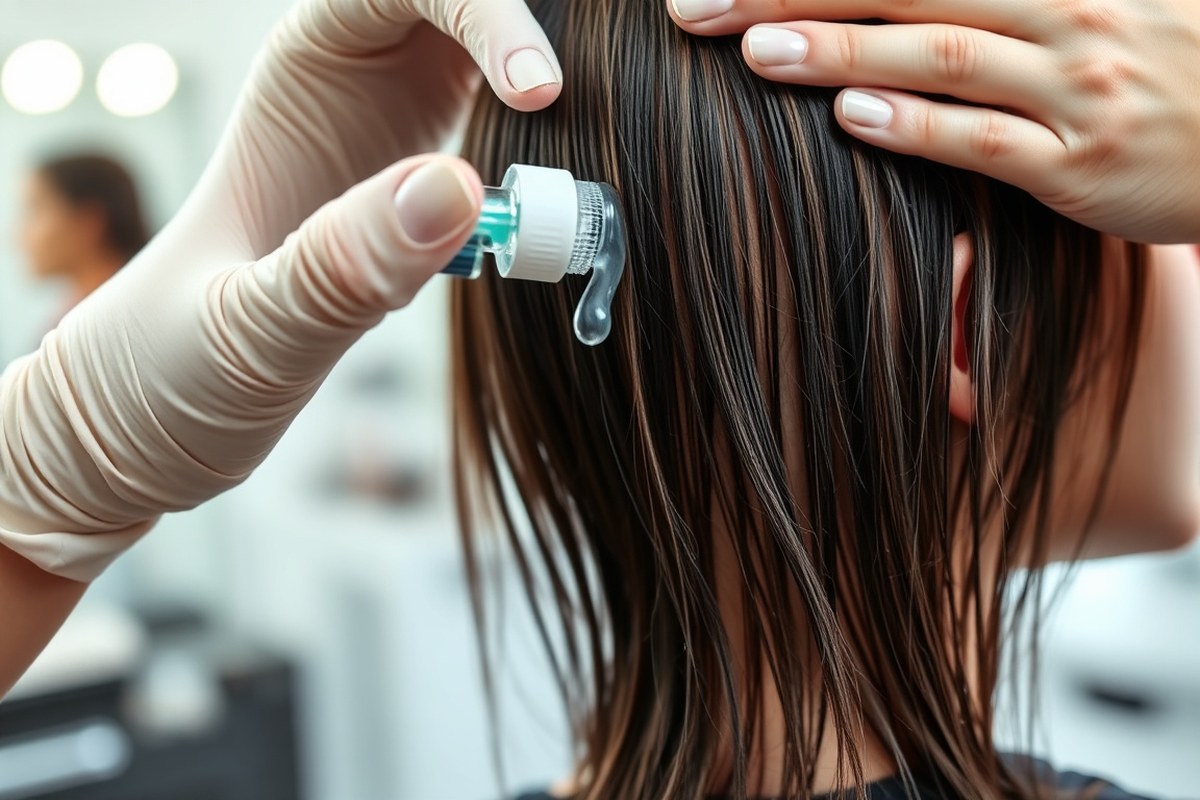
- Apply the Bleach: Use gloves and apply bleach evenly on your damp hair. Avoid applying on the scalp to lower irritation risk.
- Processing Time, First 10 Minutes: Keep your hair covered with a plastic cap to maintain moisture. Check hair every 5 minutes for lightening progress.
- Processing Time, Next 5 to 15 Minutes: Leave bleach on if hair lifts slowly. Watch for any pain or damage signs, though.
- Rinse Off: Rinse bleach out with lukewarm water. Stop when you reach the desired lift or max time. Hair should feel firm, not brittle.
- Aftercare: Apply a protein treatment or deep conditioner immediately. Repeat conditioner treatments weekly to keep hair healthy.
- Wait Before Next Bleach: Give your hair at least 2 weeks to recover before bleaching again. Healthy strands respond better next time.
Frequently Asked Questions
Can Wet Hair Bleach Cause Uneven Color?
Yes, wet hair bleaches faster and can lead to patchy color. Apply bleach evenly and test a small strand first for best results.
Is It Easier to Rinse Bleach Out of Wet Hair?
Yes, rinse time is usually quicker because bleach is diluted by water. Be gentle during rinsing to avoid extra damage or tangling.
How Does Humidity Affect Bleaching Wet Hair?
High humidity can speed up the bleach processing time on wet hair. It may increase damage risk, so watch the timing closely.
Can You Mix Bleach with Water to Bleach Wet Hair?
No, adding water weakens bleach strength and reduces lift power. Use bleach and developer as directed for best results.
Does Hair Type Matter When Bleaching Wet Hair?
Yes, fine and damaged hair needs more care when wet bleaching. Thick hair may handle it better but still requires careful monitoring.
Can You Tone Hair Immediately After Bleaching Wet Hair?
It’s best to wait 24-48 hours after bleaching wet hair before toning. This wait lets your hair recover slightly and helps tone last longer.
The Bottom Line
Bleaching wet hair is possible but you must handle it with care to avoid harm. Test how your hair reacts and adjust your steps if needed. Start now by prepping your hair gently and using the right bleach mix.