How to Detangle Hair Safely: 8 Expert Tips for Every Hair Type
How to detangle hair without causing breakage starts with knowing when to detangle. The best time is when your hair is damp and conditioned, not soaking wet or dry.
Wet hair stretches about 50% more. So you must be gentle and patient while combing through it.
Use a wide-tooth comb or a special detangling brush to ease through knots. Start detangling from your ends first, then work your way up to the roots. Avoid yanking or forceful pulling because that can snap your strands and cause damage.
Applying leave-in conditioner softens your hair. It also reduces friction between strands. Using detangling spray helps as well.
Let the product sit for a few minutes before carefully combing the tangles out. This simple step makes your hair smoother and easier to manage.
Key Takeaways
- Always detangle damp hair, not fully wet or completely dry hair.
- Start combing from the tips and slowly work up to the roots.
- Use a wide-tooth comb or a detangling brush designed for your hair type.
- Apply a leave-in conditioner or detangling spray before brushing.
- Avoid forceful pulling to prevent hair breakage and split ends.
- Let detangling products sit for 2 to 5 minutes before combing.
1. How to Detangle Hair Without Causing Breakage

Detangling hair without causing breakage means working with damp, conditioned hair. Dry hair is more fragile, especially with curls or waves. Hair feels slippery when wet and coated with conditioner.
This lets strands slide past each other easier. Detangling spray works the same way.
Start detangling at the ends, where knots often form, then work upward slowly. Rushing or forcing knots can snap and break strands. Use your fingers first to loosen tough tangles before using a comb or brush.
The right tools matter. Wide-tooth combs or brushes designed for your hair texture prevent unnecessary pulling.
Section hair during detangling to keep things manageable. Regular detangling helps avoid severe knots and tangled mats.
- Spray or apply a generous amount of conditioner or detangling product to damp hair.
- Divide your hair into small sections to focus on one area at a time.
- Gently separate large tangles with your fingers to reduce tugging.
- Use a wide-tooth comb to carefully detangle from the ends moving up to the roots.
- Work slowly, stopping at stubborn knots, and apply more slip if needed.
- Repeat for all sections, avoiding any forceful pulling or yanking.
- Finish by rinsing out the conditioner if you used a rinse-out formula.
Avoid detangling dry hair with a fine-tooth comb or stiff brush. For dry detangling, use a paddle brush with soft bristles designed to glide gently. This method suits straight hair better but still needs care to prevent damage.
Adding a detangling spray with high slip helps knots come apart faster. It especially helps curls and coils, where tangling is common. Gentle detangling protects your hair from breakage and keeps strands healthy over time.
2. Best Detangling Techniques for Different Hair Types
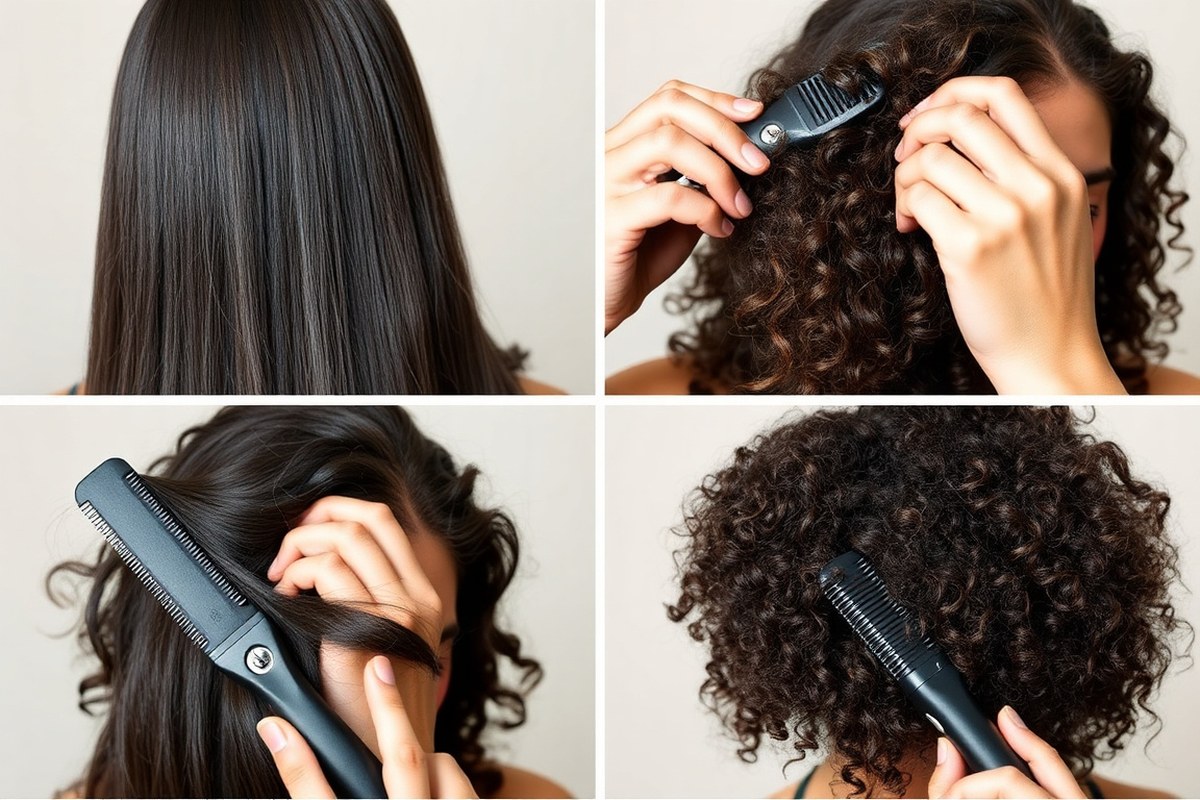
You need to change how you detangle based on your hair type. Straight hair is easier to comb dry or wet with conditioner. Curly and coily hair needs wet detangling with rich conditioners to avoid damage and breakage.
Here is a quick look at what tools and methods work best for different hair textures:
| Hair Type | Best Tool | How to Use |
|---|---|---|
| Straight (Type 1) | Natural bristle brush (dry) or wide-tooth comb (wet) | Brush roots to ends on dry hair; comb wet hair with conditioner |
| Wavy (Type 2) | Wide-tooth comb or wet brush | Detangle only on wet, conditioned hair; start at ends |
| Curly (Type 3) | Wide-tooth comb or fingers | Work through wet hair with conditioner; fingers for tough knots |
| Coily/Kinky (Type 4) | Fingers primarily; wide-tooth comb occasionally | Section hair into 8-12 parts; detangle wet with heavy conditioner |
Straight and wavy hair can be detangled every wash or when needed, mostly wet with conditioner. Curly hair benefits from detangling one to two times weekly, always wet. Coily hair often gets detangled just before washing, with heavy moisturizers applied for slip.
Hair tends to be delicate when wet. It stretches up to 50% more, making it break easier if you’re rough. Use caution and gentle strokes regardless of your hair texture.
Use your fingers first on curly or coily hair before tools to reduce breakage and pain.
Dry detangling works best for straight or wavy hair if it’s stretched or blow-dried first. Always add a slip product like a leave-in conditioner before trying this. You might avoid breakage and get through tangles faster.
3. The Role of Products and Tools in Detangling
Conditioners and detangling sprays make the process smoother and less painful. They add slip to your strands so hair can glide apart without pulling. Hydrating formulas soften hair, reduce friction, and improve elasticity to prevent breakage.
Choose a rich conditioner for wet detangling after shampooing. For dry hair, spray a detangling mist that hydrates and loosens knots before you comb. Use just enough product to coat the hair without making it heavy or greasy.
Tools matter a lot for pain-free detangling. Wide-tooth combs and paddle brushes designed for gentle detangling avoid damage.
Wooden combs reduce static and harsh tugging compared to plastic ones. Specialized brushes like the Tangle Teezer cost about $15 and cut down breakage when used right.
Working in small sections lets you focus and detangle without frustration. Start at the ends and slowly move up to avoid tightening knots. Comb or brush before and after applying products to spread them evenly on your hair.
| Product/Tool | Purpose | Use Tips | Typical Cost |
|---|---|---|---|
| Wide-Tooth Comb | Gentle detangling, reduces breakage | Use on wet or dry hair in sections | $5 – $15 |
| Detangling Brush (e.g., Tangle Teezer) | Prevents cuticle tearing on wet hair | Brush gently from ends to roots | About $15 |
| Detangling Spray | Loosens knots, adds slip | Apply to dry hair before combing | $5 – $20 |
| Conditioner | Softens and hydrates hair | Use after shampoo, detangle in shower | $4 – $30 |
| Wooden Comb | Reduces static, gentle grip on hair | Best for dry hair detangling | $10 – $25 |
Detangling sprays do speed up untangling by making hair slippery. They help you glide through knots faster with less effort. However, relying only on sprays without proper tools or sectioning won’t stop breakage.
People with curly or type 4 hair often need more hydrating products. Oils like coconut or avocado work well before washing to soften hair deeply. Wrapping oily hair in plastic boosts this effect.
Heat it for a few hours. This prepares strands for easier detangling.
4. Step-by-Step Routine for Efficient Detangling
Detangling hair works best with a clear plan. Prepare your hair first, then section it into manageable parts. Work gently from the ends up to the roots to avoid damage and save time.
Preparing Hair Before Detangling
Start with damp hair for easier detangling. Wet hair with water or a leave-in conditioner to soften and add slip.
Apply a gentle conditioner or detangling product. Let it sit for 30 to 60 seconds so the slip can build.
Sectioning Hair Correctly
Divide hair into 4 to 8 sections depending on thickness and length. Use clips or hair ties to keep sections separate.
Smaller sections help you focus on tangles without overwhelming your brush or comb. It’s easier to handle your hair this way.
Detangling from Ends to Roots
Always start detangling at the ends, where tangles form easily. Hold each section by the roots to reduce pulling on your scalp.
Use a wide-tooth comb or your fingers for gentle strokes. Slowly work your way up to the roots with downward motions.
- Wet your hair or spray it lightly with water.
- Apply conditioner or a detangling product evenly through your hair.
- Wait 30 to 60 seconds for the product to soften tangles.
- Divide hair into 4 to 8 small sections and secure them with clips.
- Hold the ends of a section gently with one hand.
- Use a wide-tooth comb or fingers to detangle from the ends upward.
- Repeat until the entire section is smooth and tangle-free.
- Move to the next section and repeat the process slowly and gently.
Detangling natural hair usually takes 15 to 20 minutes. Rushing can break hair or cause discomfort. Patience helps keep curls intact and healthy-looking.
5. Handling Severe Tangles and Matted Hair Safely
Severe tangles and mats need patient, gentle handling to avoid pain and hair damage. Use your fingers first to loosen knots carefully and avoid harsh pulling. Sometimes, cutting matted hair is the safest choice when detangling risks too much breakage or pain.
Assessing Severity of Tangles
Check the size and tightness of the knots before starting. Small, loose tangles can usually be detangled with care. Large, tight mats pull hard and don’t loosen easily.
They need extra patience to work through. Avoid pulling too hard to protect your hair.
Look for areas where hair clumps together densely or feels stiff and hard. Severe mats often won’t soften easily even after soaking or applying conditioner. This helps decide if cutting might be needed to protect your hair’s health.
Gentle Finger Detangling Method
Finger detangling gives you the most control over rough knots. This tool beats combs for tough tangles. You feel the knot and slow down.
That stops hair from breaking. Start by spraying a leave-in conditioner to wet and soften the hair.
Begin detangling from the ends, working toward the scalp slowly. This prevents tightening knots further up your hair. Take 5 to 10 minutes or longer for very tangled areas to avoid snap breaks.
- Spritz hair generously with leave-in detangler or conditioner.
- Part hair into sections to work in small, manageable parts.
- Use fingers to gently separate larger knots and rough sections.
- Work from ends upward, easing out tangles slowly and carefully.
- Rinse sections frequently with water or conditioner if needed.
- Apply extra conditioner to stubborn knots to soften them further.
- Repeat until all tangles loosen or can move freely.
Don’t rush through tough tangles; patience prevents breakage and pain.
Knowing When to Cut Knots
Stop working on knots if you feel pain or harsh pulling that doesn’t ease. Forcing through tight mats causes hair breakage and scalp discomfort. Cut knots when they won’t loosen even after repeated gentle attempts.
Use sharp hair scissors carefully to trim out mats close to the roots. Cutting is often the kindest option for matted hair that could otherwise lose too much length. This avoids damage and helps hair grow healthier in the long run.
Choose cutting when mats are too dense to separate without force or when your scalp hurts. Always aim to detangle as much as possible before deciding to cut the tangled parts.
6. Detangling Children’s and Chemically Treated Hair
Gentle care is essential for both children’s hair and chemically treated hair. These hair types need special tools, soft hands, and moisturizing products. Use slow detangling steps to avoid breakage and discomfort.
Protective Techniques for Kids’ Hair
Children’s hair is delicate and can get tangled fast. Use your fingers first to gently loosen knots before using any comb or brush. Always detangle hair when it is damp.
Coat hair with conditioner first. This softens strands and helps reduce pulling.
Let the child sit comfortably during detangling to keep them still. Use a wide-tooth comb or a special detangling brush made for kids.
Avoid harsh tugging. Work from the ends upward in small sections to ease out tangles without pain.
Detangling Chemically Processed Hair Safely
Chemically treated hair, like bleached or relaxed hair, is more fragile and prone to breakage. Treat it with extra moisture to prevent dryness and brittleness during detangling. Avoid detangling dry hair since it can cause more damage.
Apply a leave-in conditioner or a moisturizing detangler to soften treated hair well. Use a wide-tooth comb or fingers to detangle. Start at the tips.
Work your way up in small sections. This reduces snapping and hair loss better than brushes with hard bristles.
Recommended Products for Treated Hair
Using the right products helps protect and hydrate fragile strands while you detangle. Look for shampoos and conditioners that deeply moisturize and protect chemically treated or kids’ hair. Products with hydrating ingredients reduce friction for smoother detangling.
Consider adding a hair mask once a week to maintain softness and manageability. For example, IT’S A 10 Miracle Hair Mask supports easier detangling by adding slip and moisture. Use a gentle spray or leave-in conditioner specifically made for treated hair for best results.
- Moisturizing shampoo and conditioner to reduce dryness
- Leave-in detangler spray for added slip
- Wide-tooth comb or detangling brush for gentle combing
- Finger detangling to avoid painful tugging
- Hair mask treatments weekly for extra softness
- Avoid products with heavy silicones or sulfates that dry hair
7. Preventing Tangling Between Washes and Daily Care
How often you detangle depends on your hair type and daily habits. For fine, straight hair, daily brushing or detangling every wash helps prevent rough knots. Thicker or curlier hair needs detangling every few days.
This helps reduce breakage. It also stops overworking your hair strands.
Daily habits that cut down on tangles focus on reducing friction and dryness. Use a sulfate-free shampoo to keep your hair soft and less prone to knots. Avoid scrubbing the ends hard during washing, which causes dryness and leads to more tangling later.
- Wear protective hairstyles like twists or braids between washes
- Use a leave-in conditioner on the ends for extra hydration
- Sleep on a satin or silk pillowcase to reduce friction
- Put your hair in a sleek bun or low ponytail to minimize rubbing
- Brush gently from the tips upward, never yank knots aggressively
Choosing the right protective hairstyle depends on your hair’s length and texture. Braids suit most hair types and hold strands tightly, stopping them from rubbing together.
Short hair stays controlled with small buns or twists. These styles reduce tangles overnight or on windy days.
Consistently following these habits lets you stretch out the time between detangling sessions. Your hair stays healthier, has less breakage, and feels softer.
The key is to handle knots with care, not speed. So you protect your strands for the long run.
8. Common Detangling Mistakes and How to Fix Them
One common mistake is detangling hair when it’s dry. Dry strands break easily, especially if your hair is curly or fragile. Detangling on damp hair softens it and lowers the chance of snapping.
Using the wrong tools also causes problems. Brushing thick, tangled hair with a fine-tooth comb can pull too hard.
Instead, wide-tooth combs or fingers work better. They slide through knots gently.
Many rush through detangling, tugging knots aggressively. This can cause breakage and damage your hair over time. Work slowly, section by section, starting at the ends and moving up.
- Detangle after applying conditioner or a detangling spray
- Use a wide-tooth comb or your fingers for thick, curly hair
- Start detangling from hair ends, gently working up toward roots
- Avoid brushing wet hair violently; it is weaker then
- Don’t detangle hair when completely dry if it’s prone to breakage
- Give yourself enough time; rushed detangling increases damage risk
Hair heat damage from styling tools makes strands brittle and weak. Detangling such hair requires extra care, starting on damp hair with conditioning treatments. Skipping this can lead to more breakage.
Another key misstep is detangling too infrequently. Hair left tangled for days gets worse and harder to manage. Frequent gentle detangling during your washing routine helps keep knots from forming.
Work through tangles gently with your fingers before using a comb to reduce breakage.
Step-by-Step Action Plan to Detangle Hair Safely
Follow this plan to gently detangle your hair over time without causing damage. Each step builds on the last for better results.
- Before you start: Pick a wide-tooth comb or detangling brush. Use a conditioner that matches your hair type. This helps smooth hair easily.
- Day 1: Apply a generous amount of leave-in conditioner to damp hair. It should feel softer and less knotty when you touch it.
- Day 2: Begin detangling hair at the ends, using slow, gentle strokes upwards. You’ll see less pulling and fewer broken strands.
- Week 1: Add gentle finger detangling before combing. Your fingers will catch tough tangles early and reduce breakage.
- Week 2: Protect hair at night using a satin scarf or pillowcase. Reduced friction means fewer tangles in the morning.
- After 3 weeks: Assess your moisture routine. Well-moisturized hair detangles better and looks shinier.
- Every wash day: Use a detangling conditioner and comb hair while rinsing. This keeps knots from forming again.
- Ongoing: Avoid harsh shampoos and heat styling tools. Taking care daily helps keep hair smooth and tangle-free.
Frequently Asked Questions
Can I Detangle My Hair with Just Water?
Water alone won’t detangle hair well. Use conditioner or a detangling spray for better slip and less breakage.
Is It Better to Detangle Hair Before or After Shampooing?
Detangling after shampooing with conditioner in hair works best. Conditioner softens and helps slip out knots easily.
How Often Should I Replace My Detangling Brush?
Replace detangling brushes every 6-12 months or when bristles wear out. Worn brushes can snag and damage hair.
Can Heat Damage Hair During Detangling?
Yes, heat makes hair fragile and prone to breakage during detangling. Always detangle on damp, cool hair.
Does Hair Length Affect Detangling Method?
Longer hair usually needs sectioning and more gentle detangling. Break the hair into parts for easier, less painful detangling.
Can Scalp Massage Help with Detangling?
A scalp massage does not detangle hair, but it boosts scalp health. Healthy scalp supports stronger, less tangled hair.
Wrapping Up
Detangling hair takes patience and the right tools. Start gentle and stay consistent with your routine. Pick one step to try today, like using a wide-tooth comb after conditioning.