How to Apply Oil to Hair Properly: A Complete Guide with Expert Tips
How to apply oil to hair is a common question. The answer is simple. Start by applying the oil to dry hair, spreading it from your scalp to the ends.
Let the oil sit for 5 to 10 minutes. This helps it soak in better. Then, wash it out as usual.
Apply hair oil when your hair is clean and damp. This way, the oil soaks in well. Avoid leaving oil on too long to stop clogged pores.
A good rule of thumb is to keep the oil on for at least 30 minutes. This gives your scalp and strands time to soak up the nourishing benefits. Adjust the time based on your hair type and how oily your scalp feels afterward.
Key Takeaways
- Apply hair oil from scalp to ends on clean, towel-dried hair.
- Leave oil on for at least 30 minutes to nourish hair deeply.
- Don’t leave oil on your scalp for over 2 to 4 hours. This avoids blocking your pores. Wash it off within this time.
- Oil on dry hair allows better penetration before washing it out.
- Oil your hair 3 to 4 times a week for healthy scalp and growth.
- Massage your scalp gently to improve oil absorption and blood flow.
How to Apply Oil to Hair Step-By-Step

Applying hair oil the right way helps your hair soak up all the good stuff. Using the right amount and technique also prevents greasiness or residue. You want to start with clean, towel-dried hair that feels slightly damp for the best results.
Heating the oil can help it spread easier and penetrate your scalp better. Warm oil feels soothing and helps relaxation during application. For fine hair, use lighter oils and less product to avoid weighing your hair down.
- Warm the oil. Pour about 1-2 teaspoons of oil into a bowl. Microwave for 5-10 seconds or place the bowl in hot water to warm it slightly.
- Section your hair. Divide your hair into small sections. This helps you apply the oil evenly from root to tip.
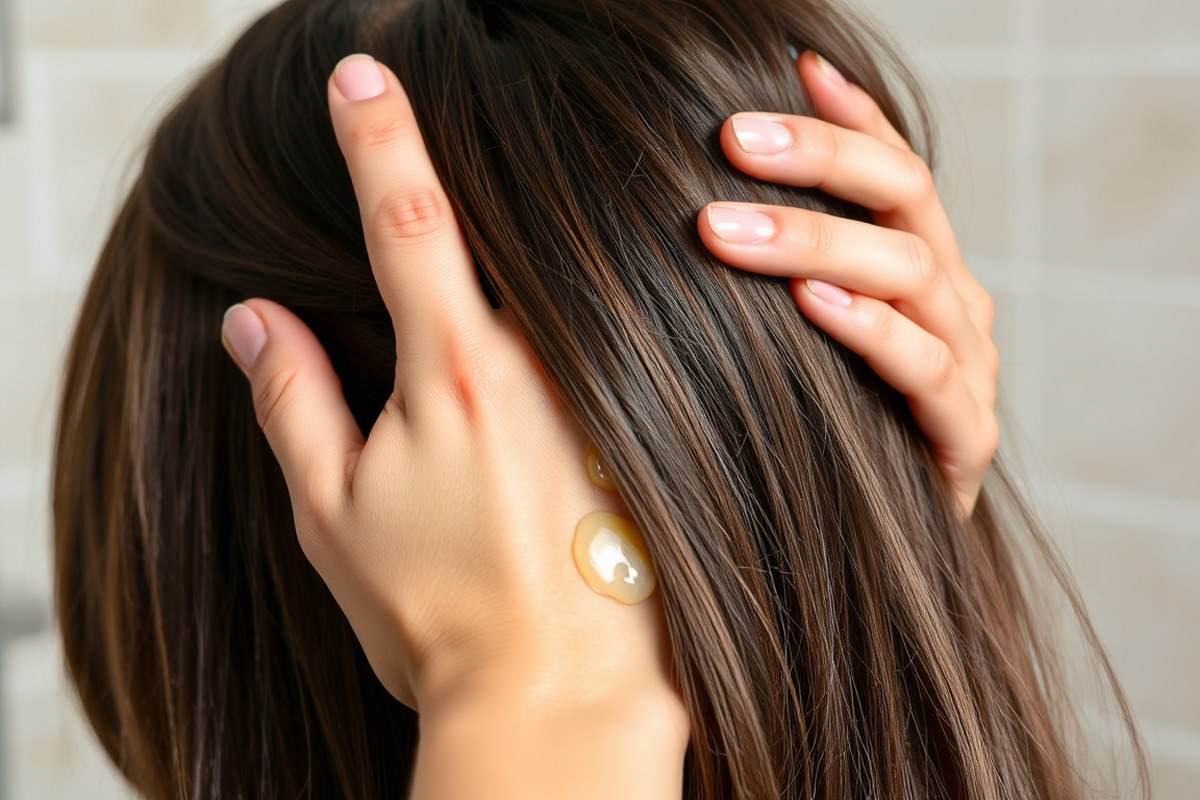
- Apply oil to your scalp. Use your fingertips to gently dab and spread oil. Focus on the scalp, especially if you want to boost growth or scalp health.
- Work oil through your hair.Use your fingers or a wide-tooth comb to spread the oil. Start at the roots. Work your way to the ends evenly. More oil is needed for thick or long hair; about 2-3 tablespoons.
- Massage gently. Massage your scalp softly for five minutes. This boosts blood flow and helps the oil absorb.
- Leave oil on your hair. Let the oil sit for 5-10 minutes if you plan to wash it off soon. For deeper nourishment, leave it longer or overnight.
- Rinse or style as usual.Wash off the oil if you don’t want sticky hair. Use a small amount on damp hair before heat styling. Then, style your hair as usual.
Fine or thin hair needs less oil. Use about a teaspoon for short hair, and up to two for medium length. Thick or long hair benefits from two to three tablespoons of oil to cover all strands.
Applying to slightly damp hair helps the oil absorb better than dry or soaking wet hair. Apply a few drops of oil on damp hair before heat styling.
This helps protect your hair from heat damage. On dry hair, oil acts as a sleek finishing touch.
Choosing the Right Oil for Your Hair Type

Choosing the right oil depends on your hair type and scalp needs. Some oils are lighter, while others deeply moisturize or promote growth. Mixing carrier oils with essential oils can target specific issues effectively.
Common Carrier Oils and Their Benefits
Carrier oils form the base for most hair oil routines. They moisturize and protect your hair without irritating your scalp. Each oil has a different texture and benefit tailored to hair types.
| Oil Type | Best For | Key Benefit |
|---|---|---|
| Argan Oil | Fine to medium hair | Lightweight shine and repair |
| Coconut Oil | Dry, thick hair | Deep moisture and protection |
| Castor Oil | Thinning hair | Growth stimulation |
| Jojoba Oil | Oily or sensitive scalp | Balances scalp oils and soothes irritation |
Coconut oil deeply moisturizes but can feel heavy on fine hair. Argan oil is lighter and works well for shine and damage repair.
Castor oil helps with thinning but needs mixing. So it doesn’t weigh your hair down.
Best Essential Oils for Scalp and Hair Health
Essential oils are powerful and target specific scalp or hair issues. They should be diluted in a carrier oil before applying to avoid irritation. Tea tree and rosemary oils are popular choices for scalp health.
Tea tree oil fights dandruff and cleans scalp buildup. Rosemary oil improves circulation and encourages hair growth. Rose oil soothes irritation and adds a pleasant scent.
Always mix 3 to 5 drops of essential oil into one ounce of carrier oil. Stir well before applying. Use this blend on your hair for best results.
Matching Oils to Hair Types and Concerns
Choose lightweight oils for fine or oily hair, like argan or grapeseed oil. These won’t weigh your hair down or make it greasy. For dry or thick hair, coconut or castor oil adds needed moisture and protection.
People with thinning hair can use castor oil mixed with rosemary oil. This mix helps stimulate hair growth. Apply it to your scalp regularly for results.
Avoid heavy oils on fine hair to prevent buildup. Try a lighter oil or use less if your scalp feels itchy or oily. Adjust the amount you apply to find what works best.
How Long to Leave Oil in Your Hair for Best Results
Leave hair oil in for at least 30 minutes before washing. This timing lets the oil soak into your hair shaft and scalp.
You want deeper care? Leave the oil on overnight for nourishment.
Apply oil to dry hair and scalp before bed. Leave it overnight. Wash it out in the morning.
Make sure to shampoo and condition well afterward. This stops buildup that can clog pores or attract dirt.
Don’t leave hair oil on longer than 2 to 4 hours. Especially if you won’t wash it soon. Too much time without rinsing can cause buildup and make your scalp greasy.
For daily use, shorter oiling time works better. This helps if your hair is fine or oily.
For scalp nourishment, leaving oil on for 30 minutes up to a few hours is enough. This lets nutrients like vitamins and minerals reach the skin.
For treating the hair shaft and ends, longer times or overnight works well. This nourishes dry or damaged strands deeply and improves shine.
A good routine is to apply the oil before shampooing on wash day. Massage it in, wait at least 30 minutes, then wash your hair. For oily scalp types, less time can help prevent clogging.
Hair is dirty or sweaty? Skip oiling until it’s clean. This stops grime from trapping.
Applying oil to wet hair isn’t ideal. Water will block oil penetration and reduce benefits.
Use it on dry hair for the best results. That way, the oil can absorb fully and protect your hair.
How Often Should You Apply Hair Oil for Healthy Hair
How often you apply hair oil depends mostly on your hair type and scalp condition. Your hair is dry? Do oiling two to three times weekly.
It adds moisture and cuts down frizz. For oily hair, oil once or twice weekly.
This avoids weighing hair down. It also stops buildup.
Seasonal changes affect how often you should oil your hair. Cold months or dry climates need more oiling. This keeps your scalp safe from dryness.
It also protects hair. Hot, humid weather needs less oiling.
You avoid your scalp feeling greasy. Adjust how often you oil.
Applying too much oil or oiling every day can lead to clogged pores or scalp irritation. This limits hair growth and may cause dandruff. It’s best to start with light application and increase only if your scalp tolerates it well.
- Apply oil once or twice a week if your hair is oily or normal.
- Use oil two to three times a week or more for dry hair requiring moisture.
- Adjust frequency up in cold, dry weather to prevent scalp dryness.
- Reduce frequency during hot, humid months to avoid greasy buildup.
- Choose oils suited to your hair type like coconut for dry, sesame for frizzy.
- Apply oil on clean, dry or damp hair for better absorption.
Massaging oil well into the scalp improves blood flow and can support hair growth. Focus on dry ends to avoid heavy, greasy roots. Clean your scalp well before oiling so the oil can soak in without trapping dirt.
How to Massage Your Scalp to Maximize Benefits
Massaging your scalp during oiling wakes up blood flow without hurting your skin. Use gentle, circular motions with your fingertips. Spend about 5 minutes massaging to help your scalp feel relaxed and nourished.
Preparing Your Scalp for Massage
Use clean fingers to avoid adding dirt to your scalp. Warm the oil slightly; it should feel comfortable but not hot. Apply oil with a dropper or your fingertips along part lines to reach the scalp easily.
A dry scalp or flaky skin may need extra care. Massage gently and avoid oiling if you have conditions like dandruff or psoriasis. Applying oil on irritated skin can make flakes worse and cause discomfort.
Step-By-Step Massage Technique
Start by placing your fingertips at the front hairline. Press lightly and move your fingers in small circles. Cover one square inch at a time, moving gradually toward the crown.
Use just enough pressure to feel the muscles under your scalp twitch. Avoid scratching or using your nails. Continue circular movements for about 5 minutes for best circulation without strain.
Here’s a simple script you can follow word for word: “Place fingertips on scalp. Move in small circles. Press gently.
Cover entire scalp evenly. Repeat for 5 minutes.”
Common Mistakes and How to Avoid Them
Pressing too hard can irritate your scalp and damage hair roots. Use gentle pressure to avoid pain or redness. Avoid rough motions or scratching, as they can cause hair breakage.
Don’t overdo oiling and massage. Heavy oil can clog pores and trap dirt, stopping hair growth. Stick to a few drops and regular, brief massages to keep your scalp clear and healthy.
Never use hot oil, it can burn your scalp and damage hair strands.
Rinsing and Washing Out Oil Without Residue
Rinsing oil from your hair starts with using a mild shampoo suited to your hair type. Lukewarm water helps loosen oil without stripping moisture.
Shampoo once to break down excess oil, then rinse thoroughly with water about 90°F (32°C). This step helps clear oil buildup that can weigh hair down or make it greasy.
For heavier oils or thicker hair, shampoo a second time. This ensures all oil residues rinse away, preventing scalp pore clogging.
Don’t skip the second shampoo if your hair feels slick after the first wash. Rinsing well also stops dirt and bacteria from sticking to leftover oil and causing scalp issues.
Use only as much shampoo as needed to create a light lather. Too much shampoo can dry your scalp and hair out.
Look for shampoos labeled gentle or moisturizing to protect your hair’s natural oils after oiling. A shampoo with cleansing but soft ingredients preserves the benefits of your oil treatment.
Start rinsing with wet hair. Use your fingertips to massage shampoo. Work gently on your scalp.
Avoid harsh scrubbing. After you rinse shampoo, rinse your hair again with cool water.
This seals cuticles and adds shine without adding heaviness. Your hair should feel clean but not stripped or rough.
Not rinsing oil well leads to buildup that weighs hair down and looks greasy. It can also clog follicles, causing dandruff or irritation. Rinse again using a bit more shampoo and lukewarm water.
This helps remove oily or sticky residue. Partial rinsing traps oil and dirt, undoing the benefits of oil treatments.
Fine hair needs less oil and lighter shampoos to avoid greasiness. Thick or curly hair can handle more oil but still requires thorough rinsing.
Adjust your shampoo amount and washing times based on your hair type and the oil used. This way, you keep hair healthy and residue-free with every oil treatment.
Avoiding Common Mistakes When Applying Hair Oil
Applying too much oil can leave your hair greasy and heavy. Use just a small amount, about a dime-sized drop, and spread it evenly. People with fine hair should put oil mainly on the scalp.
If you use it as a treatment, focus on the scalp. To avoid weighing hair down, apply oil just on the ends.
Putting oil straight on the scalp often only makes it look oily without helping the hair. Instead, put oil on the mid-lengths and ends of your hair. These parts dry out the most.
They are also the most prone to frizz. This approach nourishes your hair without clogging pores or causing buildup.
Combing your hair after oiling spreads the oil evenly. Use a wide-tooth comb gently to avoid pulling or breaking strands.
Combing helps prevent hair clumps and improves absorption. But don’t overdo it or you risk more hair fall while distributing oil.
- Start with a few drops of oil; add more only if needed
- Avoid applying oil directly to roots unless treating scalp
- Focus on mid-lengths and ends to prevent greasiness
- Comb gently with a wide-tooth comb to spread oil evenly
- Use the right oil for your hair type to avoid dryness or buildup
- Don’t apply too frequently; over-oiling disrupts your scalp’s natural cycle
Using the wrong oil can cause greasiness, dryness, or scalp irritation. Oils like coconut or castor suit certain hair types but may not work well for others. Check labels to pick oils suited for your scalp condition and hair texture.
Poor rinsing leaves residue that dulls your hair. After putting oil on your hair, wash it well. This helps stop buildup from forming.
Avoiding buildup keeps your hair healthy and clean. Thorough rinsing means your hair feels clean and light, not weighed down or greasy.
Adjusting Oiling Routines for Hair Treatments and Styling
Using hair oil as a treatment means applying it before shampooing to nourish and protect. As a styling aid, oil is added after washing to smooth and shine hair. Colored or chemically treated hair needs gentler, lighter oiling to avoid buildup or damage.
Pre-Shampoo Treatments and Protective Uses
Apply oil to dry hair before shampooing for a deep treatment. This helps protect strands from shampoo stripping natural oils. Work oil evenly through lengths, focusing on dry or damaged areas.
Leave oil on your hair for 15 to 30 minutes before washing it out. This gives nutrients time to soak in, reducing brittleness and dryness. Pre-shampoo oiling works well for dry, frizzy, or damaged hair that needs extra care.
Make sure hair is free of styling products before oiling. This prevents buildup and helps oil penetrate better into the hair. Avoid heavy oils if your hair is fine or oily to prevent weighing it down.
Post-Wash Styling and Shine Enhancement
After shampooing, apply a small amount of oil to damp hair to control frizz. This method adds shine and helps detangle without greasy residue. Use your fingertips to smooth oil along hair shafts, avoiding roots.
Applying oil to dry hair seals in moisture and adds extra shine. It also protects hair from UV rays and pollutants that cause damage. Keep the amount light to avoid heavy, oily looks, start with a pea-sized drop.
Use oil after heat styling for frizz control and shine. Stay away from heavy treatment oils at this point; they can weigh hair down. Instead, pick lighter oils or blends suited for finishing styling.
Special Considerations for Chemically Treated Hair
Chemically treated hair can be fragile and more prone to damage, so coat it gently. Choose oils rich in antioxidants and hydrating elements to rebuild and protect the hair fiber. Apply oil sparingly to avoid buildup that dulls color or irritates the scalp.
Oiling chemically treated hair before washing helps fill in gaps left from chemicals. This stops hair from becoming brittle and reduces breakage from styling. Use a moderate amount and avoid harsh or heavy oils that can weigh the hair down.
After washing, use oil mainly on ends to tame frizz and protect color. Avoid heavy oils on the scalp to prevent clogging and irritation. Lightweight oils work best for colored hair while boosting shine and softness.
Use only a small amount of oil on chemically treated hair to avoid buildup and dullness.
Step-by-Step Action Plan for Oiling Your Hair
Follow this simple plan to get healthy, shiny hair with regular oiling. Each step tells you what to do and how to check your progress.
- Before You Start: Choose an oil that suits your hair type. You’ll feel your hair softer after the first oiling.
- Week 1: Apply oil once, focusing on your scalp and tips. Notice if your scalp feels less dry and your hair smoother.
- Week 2: Massage the oil into your scalp for 5 minutes before bed. You should feel relaxed and your scalp more nourished.
- After Week 2: Leave the oil in your hair for 1 to 2 hours before washing. Your hair should feel less frizzy and more manageable.
- Week 3: Increase oiling to twice a week if hair still feels dry. See if hair looks shinier and stronger.
- Week 4: Rinse oil thoroughly using warm water and a gentle shampoo. No oily residue should remain.
- Ongoing: Adjust oil amount and frequency for styling or specific hair treatments. Your hair should stay healthy without weighing down.
Frequently Asked Questions
Can I Apply Hair Oil Before Shampooing?
Yes, applying oil before shampooing helps protect hair from drying out. Leave the oil in for 20-30 minutes to soften strands before washing.
Is It Better to Apply Hair Oil to Damp or Dry Hair?
Apply oil to clean, towel-dried hair for best absorption and less greasiness. Damp hair helps the oil spread evenly but avoid soaking wet hair.
How Much Hair Oil Should I Use Each Time?
Use a small amount, about a teaspoon, for medium-length hair. Too much oil can weigh hair down or leave residue.
Should I Avoid Applying Oil Directly to My Scalp?
Applying oil mainly to the scalp is good for massage and circulation. For hair strands, focus on mid-lengths and ends to avoid greasiness.
Can I Use Hair Oil Daily or Just Weekly?
Daily use suits dry or coarse hair types, while weekly works for oily hair. Adjust based on how your hair feels after oiling.
Does Applying Hair Oil Help with Dandruff?
Hair oil can soothe a dry scalp but won’t cure dandruff alone. Use with proper scalp treatments for better results.
Key Points to Remember
Oiling your hair the right way improves both scalp and hair health. Be consistent and pay attention to how your hair reacts. Start with a small amount of oil tonight for a quick boost.