How to Use a Straightening Comb Safely with Step-by-Step Tips and Heat Settings
How to use a straightening comb is easier than you think. You start by heating the comb to the right temperature for your hair type. Then, slowly comb through dry, sectioned hair for smooth results.
Always make sure your hair is dry before you start. Using a straightening comb on wet hair can cause damage and uneven straightening. Start with small sections to make the process manageable and to avoid missing strands.
Use heat settings wisely. Lower heat works best for fine or damaged hair.
Thicker and curlier hair can handle higher temperatures. Adjust heat according to your hair’s natural texture to protect it from damage.
Apply a heat protectant spray before you begin to guard against heat damage. Comb slowly and steadily to ensure each strand gets straightened evenly. After finishing, allow your hair to cool before styling to lock in the straight look.
Key Takeaways
- Dry hair completely before using a straightening comb to avoid damage.
- Divide your hair into small sections for effective straightening.
- Start at the lowest heat setting and increase as needed for your hair.
- Use heat levels between 150°F and 410°F depending on hair texture.
- Comb slowly and steadily to ensure even heat distribution.
- Avoid repeated passes on the same section to reduce heat damage.
How to Use a Straightening Comb Step-by-Step

Starting with the right prep can save your hair from damage and improve results. You need your hair completely clean, dry, and detangled. Use a wide-tooth comb or paddle brush to get rid of knots before applying any heat.
Divide your hair into sections for better control while straightening. This method helps you handle thick or curly hair more easily. Use clips or hair ties to keep the sections separate and manageable.
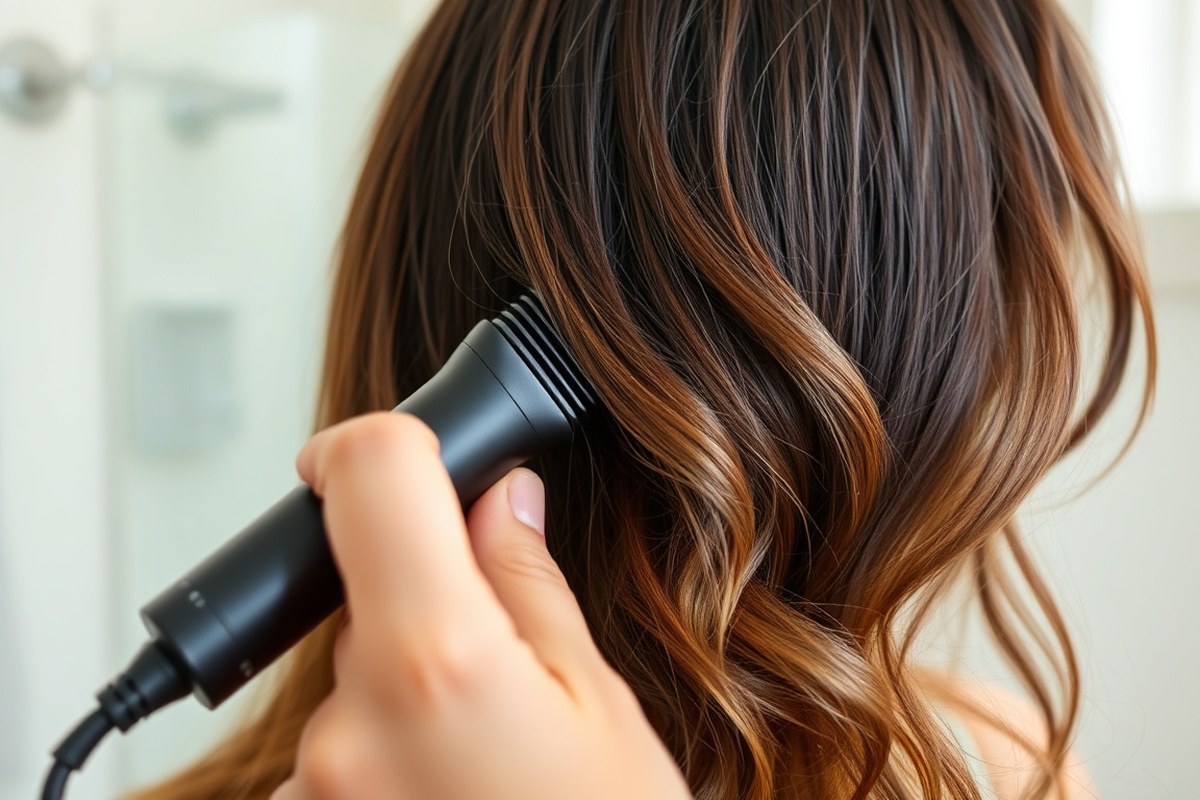
Hold the straightening comb so the heated teeth glide smoothly along the hair shaft. Move it slowly and steadily from roots to tips without stopping. Avoid pressing too hard; let the heat and comb do the work.
- Wash and dry your hair: Shampoo and condition your hair first. Then towel dry and blow-dry completely. Never use a straightening comb on damp hair to avoid burns or damage.
- Apply heat protectant: Spray or smooth a thermal protection product throughout your dry hair. This shields strands from heat and keeps hair healthier over time.
- Section your hair: Use a tail comb to create parts about 1 to 2 inches wide. Clip away the top layers so you can work with small, even sections.
- Pre-detangle each section: Brush the section with a wide-tooth comb before straightening. This prevents breakage and ensures smooth, even heat distribution.
- Heat the straightening comb: Turn it on to the right temperature. For thick or coily hair, you might need close to 450°F to 500°F. Let the tool reach the set temperature before use.
- Comb through slowly: Put the heated comb at your roots. Gently glide it down to the ends. Move at a steady pace without pausing to avoid overheating any spot.
- Repeat as needed: If any part isn’t smooth, repeat the process on that section. Usually, one or two passes are enough to get sleek hair without extra heat.
- Style and finish: Once all sections are straight, apply a light smoothing balm or shine serum. Use a cool setting or air dry for a moment before touching your hair.
Following these detailed steps helps you straighten your hair evenly and reduce heat damage. Slow movements and proper sectioning keep the comb’s heat consistent across strands. This way, your hair stays silky and healthy, not dry or unevenly straightened.
What Temperature Should I Use for My Hair Type?

Pick a straightening comb heat level based on your hair’s texture. Fine or damaged hair needs lower heat. Thick or coarse hair needs more heat to straighten well without extra passes.
Heat Settings Explained by Hair Texture
Different hair textures handle heat differently. Using the right temperature gets your hair straighter faster and avoids burns or damage.
| Hair Type | Recommended Heat (°F) | Notes |
|---|---|---|
| Fine, thin, or damaged | 300, 330 | Lower heat; test on a single strand first. |
| Medium or wavy | 330, 360 | Sweet spot for most hair types. |
| Thick, coarse, or curly | 360, 400 | May need a second pass on stubborn sections. |
| Very coarse or resistant | 400 (max) | Use only with heat protectant; do not exceed. |
Adjust heat starting on the lower side of the range for your hair type. For thick hair, you might need to increase heat gradually to get smooth results without damage.
Testing Heat to Avoid Burns
Try a small hidden section of hair before styling your whole head. This test helps you avoid too much heat in one go.
Run the comb over the strand once at your chosen temperature. Look or feel for dryness, brittleness, or breakage.
Stop and lower the heat if your test strand looks dry or feels brittle.
Repeat the test at a slightly lower heat level to find a safe, effective temperature. This approach protects your hair from overexposure to heat.
Why Lower Heat Benefits Damaged or Fragile Hair
Lower heat stops your hair from losing natural oils and moisture. This keeps fine or chemically treated hair from becoming dry and brittle.
Hair that is damaged or fragile breaks easier under high heat. Using mild heat reduces breakage and helps your hair heal over time.
Applying heat protectant spray before straightening adds an extra layer of defense.
Choose a straightening comb with adjustable and lockable temperature controls. This lets you safely use the lowest heat that works well for your hair.
Can You Use a Straightening Comb on Wet Hair?
You should only use a straightening comb on fully dry hair. Using it on damp hair risks burning your strands and causing damage. Wet hair heats unevenly, which leads to breakage and frizz instead of smooth results.
Hair that is wet or damp can snap when heated. High heat near 410°F causes this, common for thick or curly hair. Keep your hair dry before using a straightening comb.
This breaks the hair shaft and leaves your hair rough and brittle. The tool can also get damaged or malfunction if moisture gets near the heating parts.
The best way to dry your hair before straightening is to towel dry first. Gently squeeze out excess water without rubbing harshly.
Then blow-dry your hair completely, aiming for no damp spots at all. Using a cool or medium heat setting helps avoid heat stress from the blow dryer itself.
Check your hair by feeling it in natural light before using the straightening comb. Run a comb through to find any trapped moisture. Make sure your hair is completely dry before straightening.
Blow-dry a little more if you feel any damp spots. Check all over to avoid damage from moisture.
After drying, let your hair cool down for a few minutes before heat styling. This step helps settle the hair cuticle, which improves straightening results. Always keep the comb moving steadily to avoid overheating one spot and damaging your hair.
Types of Straightening Combs and How to Choose
Electric, traditional stove-heated, and cordless straightening combs differ in heat source and usability. Each type suits different hair needs and styling habits. Knowing their pros and cons help you pick the best one for your hair.
Electric Straightening Comb Features
Electric combs plug into the wall and offer adjustable temperature settings. They heat up fast, usually within a minute, making them easy to use at home. Safety stands and insulated handles keep you safe from burns during styling.
You can easily control heat levels by turning a dial. Some models heat up to 410°F. This helps you style near the scalp safely.
You can straighten without burning your skin. This consistency avoids guesswork common with stove-heated combs.
Traditional Hot Combs
Traditional combs get heated on a stove or gas burner before use. They deliver very high, consistent heat that can deeply straighten thick, curly hair. Many professionals prefer this method for its power but it takes more time to master safely.
The heat must be carefully tested on a paper towel before you touch your hair. Without temperature control, you might risk burns or hair damage. These combs also require a special heating base if electric-powered rather than stove-heated.
Cordless Straightening Brushes
Cordless straighteners charge via USB and offer great portability for travel. Their heat is often lower than plug-in versions.
So they suit light touch-ups more than full straightening sessions. You may need to adjust your technique since heat distribution differs.
Charging takes 1 to 2 hours. Battery lasts 30 to 45 minutes each full charge. Use it within this time frame for best results.
These tools fit well in a bag and work on dry hair. But might struggle with very thick or curly hair. They have fewer safety features than electric combs.
Here’s a quick comparison to help you spot key differences:
| Feature | Electric Straightening Comb | Traditional Hot Comb | Cordless Straightening Brush |
|---|---|---|---|
| Heat Source | Plug-in electric | Stove or gas heating unit | Built-in rechargeable battery |
| Heat Control | Adjustable settings with dial | No real control; varies by heating method | Usually limited or fixed heat level |
| Heat-Up Time | About 1 minute | Several minutes to heat comb | 30 seconds to 1 minute |
| Ideal Hair Type | All hair types; thick and curly with high heat | Best for thick, curly, or natural hair | Light straightening; thin to medium hair |
| Portability | Needs outlet nearby | Requires stove or heating source | Highly portable for travel |
| Price Range | Usually $30-$100 | Often under $30, but heating setup needed | Typically $40-$80 |
Choosing the right comb depends on your hair and lifestyle. For thick or natural hair, a traditional or high-heat electric comb works best. Cordless models fit casual styling or on-the-go touch-ups better.
Common Mistakes When Using a Straightening Comb
Using a straightening comb on damp hair can cause damage. It often leads to burns on your scalp or hair. This happens because the hair is still wet.
When water touches the hot comb, steam forms immediately. This steam can burn your scalp or your hair shafts.
Be careful to avoid this problem. Always make sure your hair is completely dry before you start.
Another problem is using uneven heat or the wrong temperature setting. Setting the comb too hot can burn your hair and scalp. Too low, and your hair won’t straighten evenly.
Adjust your heat based on your hair type. Test on a small section first.
Uneven straightening often happens from rushing or not dividing hair correctly. Straighten hair in small sections, combing slowly. Go back over patches or curls with gentle passes.
Use the right heat setting for your hair type. This helps you get a smooth finish.
- Dry hair fully before straightening to avoid steam burns.
- Use the protective guard to keep heat off your scalp.
- Test heat on a small hair section first.
- Work in small, even sections for consistent results.
- Move the comb slowly to avoid uneven spots.
- Apply a heat protectant spray before styling.
- Don’t use higher heat than your hair needs to prevent damage.
Scalp burns happen if the hot teeth of the comb touch your skin. Wahl’s straightening comb includes a safety stand and a guard to prevent this. Always use those features and keep the comb away from your scalp while styling.
Never use a straightening comb on wet hair. It causes sizzling and can harm your scalp and strands.
Hair damage also comes from skipping heat protectants. A simple spray can shield your hair from high temperatures. This reduces breakage and keeps your hair smoother after straightening.
Correct uneven straightening by going over dry, untouched patches slowly with the comb. Don’t raise the heat; instead, part hair into smaller pieces. This will let you target problem areas without added risk.
How to Protect Hair from Heat Damage While Straightening
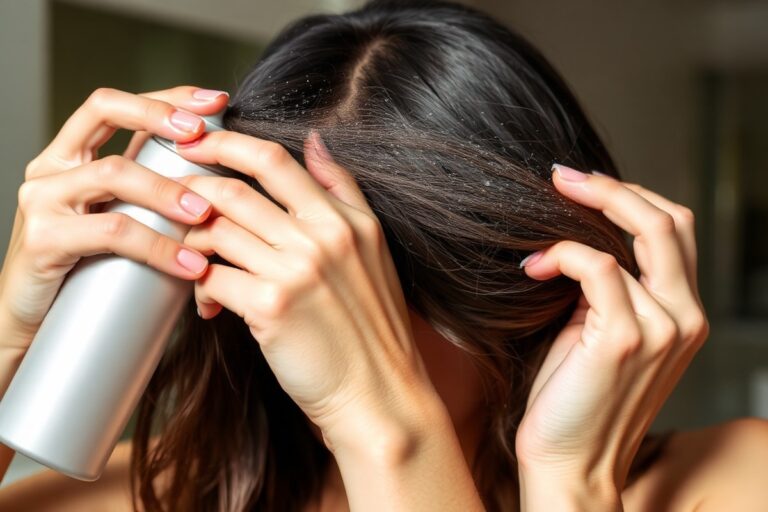
Before using your straightening comb, apply a heat protectant product evenly. Spray or brush it onto clean, dry hair about an inch away from each section. This creates a shield that reduces heat damage from the tool’s high temperature.
Heat protectants work by coating hair strands to prevent moisture loss. They also lower the chance of breakage, split ends, and dullness. Using a light pressing oil after smoothing your hair adds extra softness without weighing it down.
Natural alternatives like argan oil or coconut oil can offer mild protection. Use just a small amount to avoid greasy buildup. These oils seal in moisture and protect hair a bit from heat.
They work well when you don’t have a commercial product. Use them sparingly for the best effect.
- Start with clean, dry hair and remove any knots.
- Apply a heat protectant spray or serum about 1 inch from hair.
- Work the product through hair with a wide-tooth comb.
- Use a light pressing oil on hair lengths if needed.
- Allow the product to dry fully before heating.
Taking these steps takes only a few extra minutes but protects your strands. Skipping heat protection risks frizz, dryness, and damaged ends. Choose products made for your specific hair type.
Avoid heavy layers that weigh hair down. This helps keep your hair light and natural.
How to Section Hair for Best Straightening Results
Sectioning your hair properly makes straightening faster and smoother. The number and size of sections depend on your hair’s thickness and length. Using the right clips helps keep sections tidy for even heat distribution.
Choosing the Right Number of Sections
Divide your hair into 4 to 6 medium sections for best results. This amount works well for most hair volumes and lengths. Too few sections make straightening slower, and too many can be hard to manage.
Start by parting your hair down the middle from front to back. Then split each side into 2 or 3 sections depending on hair thickness. Keep a 1-inch section free at the nape so you can reach lower strands easily.
Tools for Sectioning
Use alligator clips or butterfly clips to hold sections firmly in place. These clips grip well without slipping, even with thick or curly hair. Avoid flimsy clips that may release hair mid-straightening and cause uneven heat.
Choose clips wide enough to hold the whole section securely. For thicker hair, sturdy clips reduce tugging and save time. Smaller clips work better for fine hair sections but might need more clips overall.
Adapting Section Size by Hair Type
Make smaller sections when you have thick, coarse, or curly hair. Sections about ½ inch wide help the comb glide smoothly and heat evenly. Larger sections, around 1 inch, suit fine, straight hair and speed up the process.
For thick hair, use wider combs with ball-tipped bristles to prevent pulling. Fine hair works best with straight-tipped combs for gentle, slip-through styling. Adjust your section sizes and comb type to avoid damage and achieve sleek results.
Follow these steps to section your hair perfectly every time:
- Start with dry, detangled hair for easier sectioning.
- Part hair down the middle from forehead to nape.
- Divide each side into 2 or 3 sections depending on thickness.
- Secure each section with an alligator or butterfly clip.
- Leave about 1 inch free at the nape for last.
- Choose section width based on hair type: ½ inch for thick, 1 inch for fine.
- Use a comb type suited to your hair texture.
How to Care for and Maintain Your Straightening Comb
Unplug your straightening comb right after use and let it cool fully. Place it on its built-in safety stand if it has one. Storing it while hot risks damage to the comb and nearby items.
Keep your comb clean to maintain good performance and extend its lifespan. Use a soft, damp cloth to wipe the heated plates or teeth. Make sure no water drips into the electrical parts during cleaning.
- Unplug and allow the comb to cool on a safety stand for 15-20 minutes.
- Gently wipe heated surfaces with a damp cloth after each use.
- Use a dry cloth to remove any leftover hair strands or product buildup.
- Avoid harsh chemicals that can erode the comb’s finish or heating elements.
- Store in a dry place, away from water and out of reach of children.
- Replace your straightening comb every 1 to 3 years depending on use and wear.
- Check cords and housing for damage before each use to stay safe.
Regular cleaning prevents residue build-up that reduces heat efficiency. You may notice uneven heating or snagging if buildup occurs. Gently removing the buildup keeps hair straightening smooth and damage-free.
Never store your straightening comb while it’s still hot. Wait until it’s completely cool to avoid damage or fire hazards.
Look over your comb every few months. Frayed cords, loose parts, or cracks mean it’s time for a new comb.
Spending about $30 to $100 on a replacement is common for quality models. Using a damaged tool risks electrical shock and poor styling results.
Step-by-Step Action Plan to Straighten Your Hair Today
Follow these easy steps and you’ll see smoother hair after your first try. Each one shows what to do and how to tell you got it right.
- Before you start: Wash and towel-dry your hair until it’s slightly damp. Your hair should feel warm, not cold or wet.
- Ten minutes before: Apply a heat protectant evenly through your hair. Your hair should look coated but not greasy.
- Right now: Set your straightening comb to the right temperature for your hair type. The comb should reach your chosen heat quickly.
- Next 15 minutes: Divide hair into small sections using clips. Sections should be easy to manage without tangling.
- During straightening: Run the comb slowly down each section from root to tip once or twice. Your hair should feel warm but not hot to the touch.
- After straightening: Let your hair cool before touching it. It stays straight and smooth instead of frizzy.
- Later today: Avoid water and heavy products to keep your hair straight longer. Hair will stay silky and less frizzy all day.
Frequently Asked Questions
Can You Use a Straightening Comb on Wet Hair?
No, you should never use a straightening comb on wet hair. The heat can burn the moisture, damaging both your hair and the tool. Always dry your hair completely before straightening to avoid sizzling and breakage.
Is Straightening Comb Good for Hair?
A straightening comb can be good if used correctly with heat protection. It gently detangles while smoothing hair, which helps minimize damage compared to flat irons alone. Always keep the temperature right for your hair type to prevent overheating strands.
Does the Comb Go Before or After the Flat Iron?
The straightening comb is used before the flat iron to guide and detangle hair. It sections your hair to keep it organized. It smooths strands for easier flat iron movement.
This helps the iron straighten your hair evenly. Use the comb first for better results.
Is a Straightening Comb Better Than a Flat Iron?
A straightening comb is not always better but works well for detangling and prepping hair. Flat irons provide more intense heat and sharper straightening.
Combining both tools often delivers sleeker, longer-lasting styles. The choice depends on hair texture and desired finish.
Can I Use a Straightening Comb on All Hair Types?
The straightening comb suits most hair types but fits coarse and curly hair best. Adjustable temperatures help protect fine or damaged hair. Test a small section first for heat tolerance to avoid burns or dryness.
How Often Should I Clean My Straightening Comb?
Clean your straightening comb after every few uses to remove product buildup. Use a damp cloth or gentle cleaner on the teeth and body. Keeping it clean helps it work efficiently and prevents hair damage or smells.
Final Thoughts
You can get straight, smooth hair by using a straightening comb carefully. Practice with small sections and the right temperature first. Try it tonight so you see how easy it is to get great results at home.