Is Leave in Conditioner Good for Hair? What Actually Works (and What Doesn’t)
Is leave in conditioner good for hair? Yes, it can really help keep hair soft and manageable.
It works by adding moisture and protecting hair through the day without rinsing out. You want to pick a formula that fits your hair type to get the best results.
Start by applying leave-in conditioner to towel-dried hair, focusing on the ends. Avoid using too much; a little goes a long way to prevent weighed-down strands. Look for gentle, nourishing ingredients that won’t cause buildup or irritation.
Leave-in conditioners not only soften hair but also protect it from heat and humidity. Using the right product regularly can make hair stronger and reduce breakage over time.
Keep in mind, not all leave-ins are the same. So choose carefully based on your hair’s needs.
Key Takeaways
- Apply leave-in conditioner on damp hair, mainly focusing on mid-lengths and ends.
- Use only a small amount to avoid making hair feel greasy or heavy.
- Pick leave-in products designed for your specific hair type and concerns.
- Look for sulfate-free and paraben-free formulas to protect hair health.
- Leave-in conditioner can shield hair from heat styling and frizz.
- Using leave-in regularly helps prevent breakage and dryness over time.
Is Leave-In Conditioner Actually Good for Hair?

Leave-in conditioner is good for hair when you need extra moisture and protection. It adds hydration right after washing and stays until your next shampoo. This helps detangle, soften, and shield hair from heat or pollution, making hair easier to manage.
People with dry, damaged, or color-treated hair gain the most. For example, damaged hair benefits from products like Olaplex No.5L, which repairs strands using keratin.
Fine hair users might prefer Ouai Leave In Conditioner to avoid heaviness. Thick or frizzy hair needs richer formulas like Briogeo or Act + Acre for smoothness.
Using leave-in conditioner involves applying it on clean, damp hair after towel drying. Spray or cream formats work well.
Spray spreads quickly and light, while cream offers more nourishment. Don’t put on too much conditioner or your hair feels greasy.
How Leave-In Conditioner Works to Nourish Hair
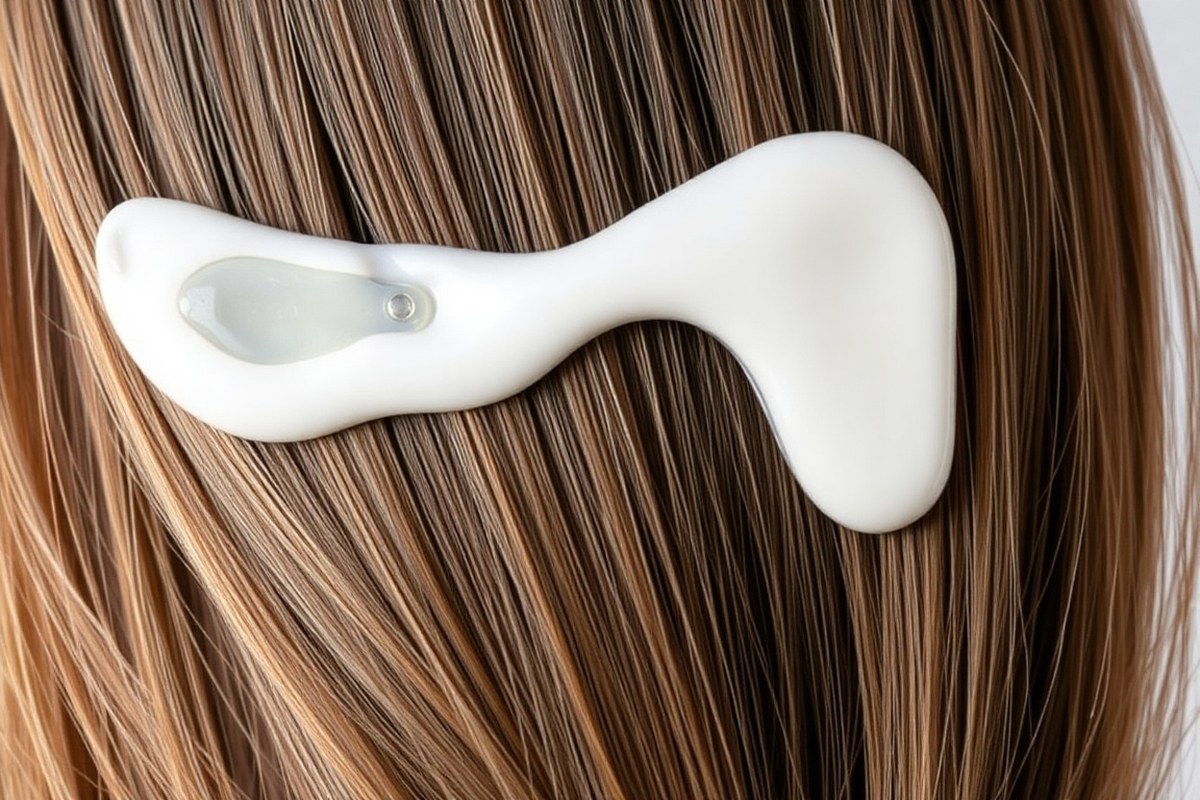
Leave-in conditioners work by lightly coating your hair strands with moisture and protective ingredients. They keep hair hydrated throughout the day without weighing it down. Rinse-out conditioners wash away after a few minutes.
Leave-ins stay in your hair. They keep caring and protecting your strands longer.
The key ingredients in leave-in conditioners include silicones like dimethicone and humectants such as glycerin. Silicones form a thin, breathable layer that seals in moisture and protects from damage. Glycerin draws moisture from the air into your hair, helping to keep it soft and flexible.
Many leave-ins contain heat protectants. They shield hair from blow dryers and irons. This helps keep hair safe from heat damage.
Rinse-out conditioners focus on deep hydration and repair during washing. They contain heavier moisturizing agents meant to be washed away to avoid buildup. Leave-in conditioners are lighter and designed for daily use after washing.
They smooth the hair cuticle so strands slide past each other, reducing breakage and frizz. GK Hair Leave-In Conditioner offers light hydration.
It feels airy on fine or curly hair. It keeps hair moisturized without weighing it down.
Use leave-in conditioner on damp hair. Apply a small amount after washing and towel drying. Spread it evenly for best results.
Focus on mid-lengths and ends, where hair is driest. The product keeps working as your hair dries, protecting it from environmental damage and styling heat. This ongoing protection is why leave-ins are a favorite for color-treated or damaged hair.
Avoid skipping your rinse-out conditioner. Leave-in products work best as a second step after washing.
How to Properly Apply Leave-In Conditioner for Best Results
Apply leave-in conditioner to damp, towel-dried hair for best results. Use a small amount to avoid buildup and focus on dry or damaged areas. You can reapply a little to dry hair to tame frizz or refresh your style.
Preparing Hair Before Application
Start with clean hair washed using your regular shampoo and conditioner. Gently towel dry your hair so it is damp, not soaking wet. Avoid using leave-in conditioner on hair that is dripping wet.
Don’t apply it to completely dry hair either. This can make the conditioner less effective.
Your hair feels very dry. Apply leave-in conditioner only to the ends before braiding or tying it up at night.
This helps lock moisture in without weighing the roots down. For oily hair, skip leave-in conditioner or use it very sparingly to avoid buildup.
Applying the Conditioner Correctly
Using too much product leads to greasy hair and buildup, so start small. Follow the bottle’s suggested amount.
Usually, a dime to nickel size is enough for most hair lengths. Focus on the mid-lengths and ends, which need the most moisture and help prevent split ends.
Work the conditioner evenly through your hair by finger-combing or using a wide-tooth comb. This detangles hair and spreads the product nicely. Avoid applying directly to the scalp unless the product states it’s suitable for scalp use.
Here’s a simple step-by-step routine:
- Wash your hair with shampoo and rinse thoroughly.
- Apply regular rinse-out conditioner and rinse as usual.
- Towel dry hair lightly until damp.
- Dispense a small amount of leave-in conditioner into your palm.
- Rub hands together to spread the product evenly.
- Finger-comb or use a wide-tooth comb to apply from mid-length to ends.
- Let hair air dry or style as usual.
Post-Application Styling Tips
After applying leave-in conditioner, you can air dry or use a blow dryer on low heat. The conditioner helps protect your hair from heat damage and keeps it smooth.
Reapply a small amount on dry hair during the day. Use it when you see frizz or your style needs a refresh.
For thick or curly hair, layering leave-in conditioner over other styling products works well. But avoid overloading to prevent heaviness. Notice buildup or stiffness?
Use leave-in conditioner less often. Try a clarifying shampoo once a week.
Choosing the Right Leave-In Conditioner for Your Hair Type
Choosing the right leave-in conditioner depends on your hair texture, condition, and goals. Different formulas suit fine, curly, or damaged hair better. Knowing which ingredients and textures work best helps your hair.
It stops your hair from feeling heavy or dry. This keeps your hair healthy and manageable.
Formulas for Fine or Thin Hair
Fine or thin hair usually needs a lightweight spray or a light cream. These products moisturize without making your hair look flat or greasy. Look for formulas with glycerin, hyaluronic acid, or panthenol to add strength while keeping hair bouncy.
Choose a spray with heat protectant if you use heat tools. It helps shield your hair from damage. This also keeps your style longer.
Use just a small amount, focusing on the ends and avoiding your scalp. This prevents buildup and keeps your hair light and natural-looking.
Options for Curly and Coarse Hair
Curly and coarse hair often benefits from thicker creams or oils that lock in moisture. Shea butter, argan oil, and jojoba oil help improve curls. They reduce frizz and make hair smoother.
These ingredients work well on rough strands. Applying leave-in conditioner after every wash helps maintain softness and bounce.
Coarser hair may need a heavier product to tame dryness and damage. Applying more product to the ends can prevent breakage. Because this hair type is naturally drier, richer formulas work better than sprays.
Best Picks for Color-Treated or Damaged Hair
Color-treated or damaged hair requires leave-in conditioners with strengthening ingredients like keratin and amino acids. Products such as the Nécessaire Rosemary Leave-In Hair Mask help restore health and protect color. Use these conditioners more often, sometimes after every wash, because damaged hair needs extra care.
Look for creamy or rich textures that smooth and seal the hair cuticles. Apply from mid-lengths to ends to avoid oily roots. Regular use of a quality formula improves softness and shine over time.
Use this simple guide to pick the best leave-in. Match your hair type to the right ingredients and features. This helps your hair look and feel great.
| Hair Type | What to Look For | Key Ingredients |
|---|---|---|
| Fine, Straight, Wavy | Lightweight to medium-weight, strengthens without heaviness | Glycerin, hyaluronic acid, keratin, amino acids, panthenol |
| Curly, Coily | Long-lasting moisture, curl definition, frizz control | Oils like shea, argan, jojoba, and coconut are top choices. Glycerin and hemp seed oil add moisture and shine. These ingredients help hair stay soft and healthy. |
| Coarse, Thick, Dry, Damaged | Thick, creamy or oily product that strengthens and smooths | Keratin, argan oil, shea butter, jojoba oil |
| Thinning | Lightweight with added strength and heat protection | Keratin, panthenol, glycerin, heat protectants |
Picking a leave-in suited to your hair texture improves moisture. It also shapes your hair better and adds strength. This keeps your hair looking its best.
Using too heavy a product on fine hair can cause limpness. Too light a product on coarse hair won’t provide enough moisture. Match the formula to your needs for the best results.
Benefits of Leave-In Conditioner Beyond Moisturizing
Leave-in conditioners do more than just moisturize your hair. They make detangling simpler, which cuts down on breakage caused by knots and pulling. A smooth comb-through makes hair more flexible.
It also stops snapping. This is true for dry or brittle hair.
Using leave-in conditioner also gives your hair a shield against heat damage. It’s smart to apply a product with heat protection before using curling irons or straighteners. This layer can stop your hair’s natural oils from burning off, helping maintain strength and shine.
Frizz control is another key benefit. These products lock in moisture, smooth the hair cuticle, and reduce flyaways. That means less fluff and an easier time keeping styles neat throughout the day.
- Detangles hair gently to reduce breakage during combing
- Protects strands from heat tools at temperatures above 300°F
- Tames frizz by sealing in moisture and smoothing cuticles
- Adds shine that makes hair look healthy and polished
- Supports styling by improving hair manageability and hold
- Boosts elasticity so hair bends without snapping
- Helps defend hair from environmental damage like sun and pollution
To get these benefits, apply leave-in conditioner on damp hair right after washing. Focus on mid-lengths to ends where damage and dryness show up most. Comb through your hair gently to help spread the product evenly and untangle stubborn knots.
Products with ingredients like avocado oil and biotin improve strength and reduce split ends. You might pay $15 to $35 for a good leave-in that covers these needs. Using it every day helps keep hair soft.
Styling days need it most. This reduces damage over time.
Don’t skip applying leave-in conditioner on hair before heat styling. It can prevent lasting damage.
Can Leave-In Conditioner Damage Hair? Understanding the Risks
Using too much leave-in conditioner can cause buildup on your hair. This buildup may make hair heavy, greasy, and harder to style. You might use too much product or apply it too often.
Leave-in conditioner residue can also attract dirt and environmental debris. This dirt can stick to your hair and scalp, increasing your chance of irritation or damage.
Some people might confuse this irritation with hair loss. But no research shows leave-in conditioners clog hair follicles or cause hair to fall out.
To avoid buildup, apply leave-in conditioner sparingly. For fine or flat hair, focus only on the ends, where dryness or breakage happens most. Try using a small amount, about a pea-sized drop, and add more only if needed.
Choose a leave-in conditioner that suits your hair type. Lightweight formulas work well for fine hair.
Thicker creams suit coarse or curly strands. You can also rotate products to prevent buildup, switching to a lighter option after heavier treatments.
Washing your hair regularly helps prevent residue from building up on your scalp and strands. Use a gentle clarifying shampoo once a week to remove leftover product safely.
This step keeps your hair fresh. It helps your leave-in conditioner work better next time.
How Often Should You Use Leave-In Conditioner?
Use leave-in conditioner as often as your hair needs moisture and care. For most hair types, use it once a week.
This keeps hair soft and healthy. Very dry or frizzy hair can benefit from daily use to maintain hydration and reduce flyaways.
You can apply leave-in conditioner on dry hair between washes to refresh moisture and smooth texture. Just use a small amount, about a dime size, and focus on the mid-lengths and ends. Avoid the roots to prevent greasy buildup and maintain volume.
Apply leave-in conditioner when your hair feels dry or rough. It helps especially in dry climates. Also, use it after heat styling.
For daily users, a light mist or serum-style leave-in works best to avoid heaviness. It’s fine to add more product as needed. But always start with less and build up.
Comparing Leave-In Conditioner with Hair Oils and Serums
Leave-in conditioners, hair oils, and serums all help hair but work differently. Leave-in conditioners focus on moisture and light conditioning without weighing hair down.
Hair oils add extra shine and smooth frizz with richer nourishment. Serums mostly protect and smooth the surface for shine and frizz control.
Choosing between them depends on your hair type and goal. For fine hair, leave-in conditioners are best since they’re lighter and won’t cause limpness.
Heavier hair or very dry curls benefit more from oils or creamy leave-ins with natural oils. Serums suit those who need surface shine and flyaway control, especially in dry or humid climates.
| Product | Main Purpose | Texture | Best Hair Type | How to Use | Typical Cost Range |
|---|---|---|---|---|---|
| Leave-In Conditioner | Moisturizes and light detangles | Creamy or spray mist | Fine to wavy, curly | Apply on towel-dried hair, mid-length to ends | $10 – $25 |
| Hair Oil | Deep nourishment, shine, frizz control | Light oil | Dry, thick, curly, coarse | Use sparingly on dry or damp hair from ends up | $12 – $30 |
| Hair Serum | Smooths surface and adds shine | Silicone-based liquid | All hair types, great for frizz | Apply a small amount from mid-length to ends on dry hair | $15 – $40 |
You can combine leave-in conditioner with oils or serums for better results. Start with leave-in conditioner on damp hair to add moisture. Once your hair is dry, use oil or serum to tame frizz.
Creamy leave-in conditioners with keratin and natural oils deeply strengthen curls. For lighter hold and moisture, spray leave-in conditioners work well when you air-dry your hair. Serums and oils are better after styling, especially in dry or humid weather.
Use only a pea-sized amount of oil or serum to avoid greasy roots or buildup.
Common Mistakes with Leave-In Conditioner and How to Fix Them
Greasy or heavy hair often comes from using too much leave-in conditioner. It can also happen if the conditioner is too rich for your hair type. Fine or oily hair feels weighed down with a thick formula.
Applying it near the scalp makes it worse. Use a small amount, about a dime size for short hair.
For medium or long hair, use a nickel size. Focus on the ends and mid-lengths.
Too much leave-in conditioner causes buildup and residue. This makes hair look flat and dull. Skipping regular washing or deep cleaning can let product layers stack up.
Try to use leave-in conditioner after washing on damp hair for better absorption. Clarify your hair once every two weeks to remove extra product.
- Measure out leave-in conditioner before application to avoid excess.
- Apply mainly from mid-shaft to ends, not the scalp.
- Use a leave-in conditioner designed for your hair type; lightweight for fine hair.
- Comb hair gently after applying to spread it evenly.
- Wash or clarify hair regularly to prevent residue buildup.
- Do a patch test to check for sensitivity or scalp reaction.
- Use deep moisturizing treatments weekly if hair is dry or damaged.
Patch testing helps avoid scalp irritation. Focus on damp hair because it soaks up the product better and prevents greasy spots. Dry or damaged hair needs leave-in every wash day.
Add a deep mask once a week for extra care. Lightweight leave-in conditioners let fine hair breathe well. They keep hair fresh and naturally shiny without heaviness.
Safe Ingredients to Look for and What to Avoid
Look for leave-in conditioners with ingredients that hydrate and protect hair. Nutrients like biotin and vitamins B and E help strengthen strands and lock in moisture. Hydrolyzed silk adds softness without weighing hair down, making it easier to manage.
Natural components frequently moisturize hair and soothe the scalp. Aloe vera, oat kernel extract, apple extract, and coconut water provide antioxidants. These natural elements are common in many plant-based formulas for fresh, soft hair.
- Hydrolyzed silk for lightweight moisture and softness
- Biotin and ginseng to nourish and strengthen hair
- Vitamins B and E to support elasticity and moisture
- Organic aloe vera and coconut water for hydration and antioxidants
- Plant extracts like oat kernel and apple for scalp health
- Purple pigments in formulas for blonde hair to reduce brassiness
- Creamy bases rich in nutrients for coarse and dry hair types
Avoid ingredients that may cause buildup or irritate your scalp. Silicones can build up over time and make hair feel heavy or greasy. Some alcohols dry hair out quickly, especially on curly or textured hair.
Not all natural leave-in conditioners suit every hair type. They tend to be gentle and good for hydration. But very damaged hair might need stronger treatments.
Check if the product suits your hair texture and color. Formulas vary for coarse, fine, or color-treated hair. Use the right one for your hair type.
When Leave-In Conditioner Isn’t Enough: Alternatives and Add-Ons
Leave-in conditioner is not a good substitute for your regular rinse-out conditioner. Rinse-out conditioners apply deeper moisture quickly but wash out after a few minutes. Leave-in conditioner adds softness and detangles your hair.
It helps mild repair but doesn’t replace rinse-out moisture. Rinse-out conditioners give a stronger moisture boost than leave-ins.
Hair masks and deep conditioners work best when your hair feels dry, brittle, or especially damaged. Use a hair mask once a week for 10 to 20 minutes after shampooing.
These treatments use thicker formulas with proteins or oils that deeply nourish and help repair strands. For example, keratin-based masks can rebuild damaged hair with repeated use.
Look for proteins like keratin or amino acids for stronger hair repair. These ingredients support weakened strands and boost elasticity.
You can apply a protein-rich leave-in conditioner or combine it with weekly masks. For severe breakage, a salon treatment or a professional’s advice might be needed.
Using leave-in conditioner every time you wash is fine. But always pair it with a rinse-out conditioner. This keeps hair soft without feeling weighed down.
Skip leave-ins if your hair gets greasy or heavy quickly. Lighter serums or sprays can help instead.
Use a hair mask once a week for best results. Leave it on your hair for 15 to 20 minutes. This helps repair damage better than shorter times.
How to Remove Buildup from Leave-In Conditioner and Detox Hair
Leave-in conditioner can cause buildup if you use too much or don’t wash your hair enough. You might notice heaviness, dullness, or limp hair. Regularly cleansing with a clarifying shampoo clears residue and refreshes hair effectively.
Identifying Product Buildup Symptoms
Buildup shows up as dull, flat hair that feels sticky or greasy. Your scalp might become itchy or flaky from leftover product. Hair can feel heavy and be tough to style.
This often happens from using too much leave-in conditioner. The leftover product builds up and causes residue.
Testing hair by running your fingers through it helps spot buildup. Strands that stick or lack bounce often result from residue.
This leftover product can cause styling problems you notice. Over time, buildup can block moisture, making hair dry despite using conditioning products.
Clarifying Shampoo Techniques
Clarifying shampoos remove buildup better than regular shampoos. Use one every one to two weeks, depending on how often you use leave-in conditioner. These shampoos clean hair deeply, restoring shine and volume.
Follow these steps to get rid of buildup safely:
- Wet hair thoroughly with warm water to open cuticles.
- Apply a small amount of clarifying shampoo to your scalp.
- Massage shampoo gently for 1 to 2 minutes to break down residue.
- Rinse hair completely with warm water.
- Repeat shampoo if hair feels very coated or heavy.
- Follow with a regular conditioner or light leave-in conditioner if needed.
- Use cool water for the final rinse to close cuticles and add shine.
Some clarifying shampoos cost about $10 to $20 per bottle and last a few months. Choose one that matches your hair type to avoid over-drying. Avoid using clarifying shampoo too often because it can strip natural oils, causing dryness or frizz.
Preventing Future Buildup
To keep buildup away, apply leave-in conditioner sparingly. Use a small amount focusing mainly on the ends instead of the scalp. Washing your hair regularly with a gentle or clarifying shampoo helps keep residue in check.
Changing your hair routine slightly, like alternating leave-in conditioner with lighter products, can also help. Monitoring how your hair feels after applying product lets you adjust amounts before buildup starts. You don’t have to skip leave-in conditioner but balancing usage prevents oily or limp hair.
Your First Week: Step-by-Step Action Plan
Follow these steps to start using leave-in conditioner right and see real benefits fast.
- Day 1: Pick a leave-in conditioner that fits your hair type. Use lightweight for fine hair. Choose richer formulas if your hair feels dry. You’ll know it fits when your hair feels soft without heaviness.
- Days 2, 3: Apply leave-in conditioner to damp hair after washing. Use a small amount and spread it evenly from mid-lengths to ends. Your hair should feel smoother, not greasy.
- Day 4: Observe your hair’s texture and shine before washing again. You should notice less frizz and easier styling.
- Day 5: Try leaving hair to air dry after applying the leave-in conditioner. Your hair feels soft and easy to manage. This means you’re doing it right.
- Day 6: Use a gentle clarifying shampoo to remove any buildup. This step keeps your scalp healthy and aids product absorption.
- Day 7: Repeat leave-in conditioner application after washing. Adjust the amount slightly if your hair feels weighed down or dry. Your hair should feel balanced and nourished.
Frequently Asked Questions
Can Leave-In Conditioner Help Protect Hair from Heat Damage?
Yes, leave-in conditioner forms a barrier on hair strands. This barrier reduces damage from heat styling tools like flat irons and blow dryers. Use one with heat protection ingredients before styling your hair.
Does Leave-In Conditioner Work Well on Color-Treated Hair?
Leave-in conditioner can help maintain moisture and color vibrancy. It protects colored hair from fading and dryness. Choose a formula made for color-treated hair for best results.
Can Men Use Leave-In Conditioner, or Is It Just for Women?
Men can definitely use leave-in conditioner too. It helps keep hair soft, manageable, and hydrated regardless of gender. Spray or apply a light amount after washing for best effect.
Is Leave-In Conditioner Suitable for Oily Scalp Types?
Leave-in conditioner is fine for oily scalps if used lightly and on ends. Avoid applying it directly to the scalp to prevent extra oiliness or buildup.
Will Leave-In Conditioner Weigh Down Thin or Fine Hair?
Yes, some leave-in conditioners can weigh down fine hair. Pick a lightweight, spray formula designed for fine hair to keep volume and bounce. Start with a small amount and add more if needed.
How Long Does the Moisture from Leave-In Conditioner Last?
Moisture can last all day when using the right leave-in conditioner. Factors like humidity and hair type affect how long it stays effective. Reapply on dry hair as needed to refresh hydration.
Key Points to Remember
Leave-in conditioner can be good for your hair when you choose and use it properly. Start by picking a product for your hair type and apply it carefully. Notice how your hair reacts and adjust as needed to keep it healthy and soft.