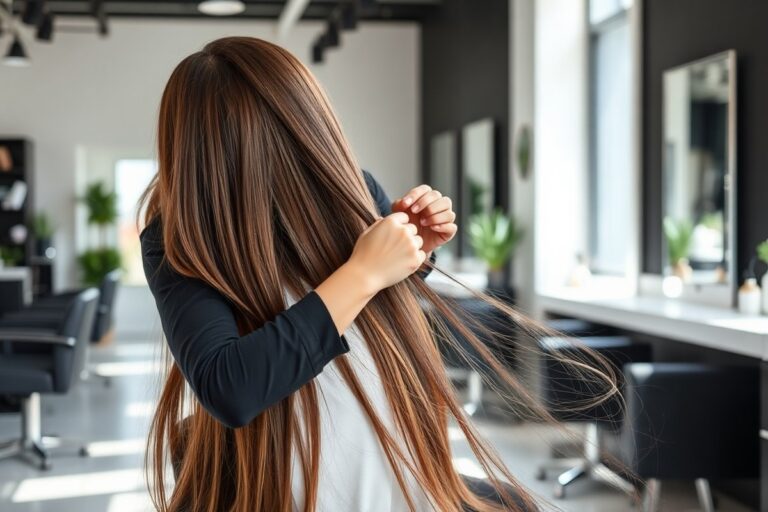
How to Strengthen Hair: 8 Proven Ways for Stronger, Healthier Strands
How to strengthen hair starts with good daily habits that protect and nourish strands. Focus on gentle cleansing and deep conditioning to boost resilience. Avoid harsh products or overwashing, which can weaken your hair over time.
Use conditioner or masks after shampooing to lock in moisture and reduce breakage. Leave-in treatments can help repair damage from heat styling. Trim your hair regularly to get rid of split ends and keep strands strong.
Choose a shampoo designed for your hair type and health needs. Washing your hair two to three times a week usually works well. Rinse with cool water to help close the cuticle and add shine.
Limit heat styling tools and use a heat protectant when styling. Also, protect your hair from sun exposure and harsh weather to prevent damage. Healthy hair grows stronger with care and patience over time.
Key Takeaways
- Shampoo gently, only as often as your hair needs to avoid drying it out.
- Apply conditioner or a hair mask after every wash for added strength and softness.
- Use leave-in treatments that reduce breakage by repairing hair from inside strands.
- Trim hair every 6 to 8 weeks to remove split ends and prevent further damage.
- Rinse hair with cool water after conditioning to close hair cuticles and lock in moisture.
- Avoid harsh chemicals and heat styling whenever possible to maintain hair’s natural strength.
1. How to Strengthen Hair: Essential Daily Steps

Building stronger hair comes from simple daily habits and thoughtful treatments. Using the right products helps cut down hair breakage. Caring for your hair gently also boosts its resilience.
These steps keep your hair stronger over time. You don’t need fancy tools or long hours, just consistent care that fits your routine.
- Wash hair with a mild shampoo that suits your hair type. Use lukewarm water to protect your hair’s natural oils. Hot water can make hair dry and brittle.
- Apply a nourishing conditioner after every wash. Leave it on for at least two minutes before rinsing. Look for conditioners with protein and moisturizing ingredients for softness and strength.
- Use a leave-in treatment daily to lock in moisture and protect strands. Bond-repairing products like TYPEBEA’s R•4 Intense Repair reduce breakage. They work by strengthening hair from the inside out. This helps your hair stay healthy and strong.
- Condition deeply once a week with a hair mask or intense conditioner. Spend 5 to 10 minutes with the mask on, then rinse thoroughly. This adds extra moisture and repair that’s key for dry or damaged hair.
- Massage your scalp for a few minutes daily to boost blood flow. A 4-minute scalp massage may increase hair thickness and strength over time. Use gentle pressure with your fingertips for best results.
- Avoid rough towel drying by gently squeezing hair instead. Rough rubbing can increase hair breakage and frizz. Use a soft microfiber towel or an old cotton T-shirt to pat hair dry.
- Protect hair during heat styling by always applying a heat protectant spray or serum. Look for products containing coconut oil to help minimize damage and add shine.
Strong hair shows fewer split ends, less breakage when brushing, and a smooth, soft feel. Neglecting these steps can leave hair dry and fragile, causing breakage and slow growth. Sticking with this simple routine builds strength and keeps your hair healthier day by day.
2. Nutrients and Vitamins That Promote Strong Hair Growth

Strong hair needs a mix of vitamins and minerals to grow well. These nutrients help hair cells grow and keep hair roots healthy. Eating the right foods or taking supplements can boost your hair strength over time.
Key Vitamins and Their Hair Benefits
Biotin is well-known for supporting hair growth by helping produce keratin, a main protein in hair. Vitamin C helps create collagen, which strengthens hair structure and protects follicles from damage.
Vitamins A and D promote healthy cell growth, which includes hair cells. Vitamin E improves circulation to the scalp.
Minerals like iron and zinc also matter. Iron helps red blood cells carry oxygen to hair follicles, supporting growth.
Zinc regulates oil production in the scalp and aids repair. These nutrients work together, so missing one can slow hair strength improvements.
Best Foods to Support Hair Strength
Eating a balanced diet with certain foods helps hair get what it needs. Eggs bring biotin, vitamin A, D, and folate, all linked to hair health.
Bananas add vitamins and minerals that keep hair elastic and shiny. Honey moisturizes strands naturally.
Fenugreek seeds help make hair roots stronger. They also reduce hair fall. Use them in meals or as a rinse on your scalp.
Adding citrus fruits provides vitamin C, boosting collagen production. Protein-rich foods matter since hair is mostly protein. Good sources include lean meats, beans, and nuts.
| Nutrient | Food Source | Hair Benefit |
|---|---|---|
| Biotin | Egg yolks | Supports keratin production for hair strength |
| Vitamin C | Citrus fruits, berries | Helps collagen creation and scalp protection |
| Vitamin A | Carrots, spinach | Promotes healthy cell growth in hair follicles |
| Iron | Red meat, beans | Delivers oxygen to hair roots |
| Zinc | Pumpkin seeds, nuts | Regulates scalp oil and supports hair repair |
| Protein | Chicken, lentils | Provides building blocks for hair strands |
| Fenugreek seeds | Seeds, powder | Strengthens roots and combats hair fall |
Balancing these foods daily helps keep hair strong. Missing key nutrients slows hair growth and makes strands weak. Hydration also plays a role by supporting overall scalp health.
Recommended Supplement Options and Dosages
Supplements can help when diet alone isn’t enough, especially if hair is thinning. A popular choice contains biotin paired with vitamin C, keratin, collagen, zinc, iron, and selenium. These work better together than by themselves for stronger hair.
Many hair gummies offer 100% of your daily biotin needs plus other vitamins and minerals. Typical biotin doses range from 30 to 100 micrograms daily. It may take 3 to 6 months of consistent use to see hair strength improve.
Check labels carefully and avoid taking high doses without advice. Overuse of supplements can cause side effects. Talk to a healthcare provider before starting new vitamins, especially if you have health conditions.
Too much vitamin A can lead to hair loss. So stick to recommended doses for safety.
3. How Scalp Care and Massage Boost Hair Strength
Massaging your scalp regularly helps boost blood flow to hair follicles. This increased circulation supports hair strength and retention. Taking a few minutes daily for scalp care can make your hair healthier over time.
Benefits of Regular Scalp Massage
Scalp massages improve blood circulation that delivers nutrients to your hair roots. This helps keep hair follicles healthy and encourages stronger strands.
One small study found hair got thicker after four minutes of daily scalp massage. The study lasted 24 weeks.
Besides stimulating growth, massage can reduce scalp inflammation. A healthy scalp prevents dryness and irritation that often leads to weak hair. Combining massage with proper nutrition creates conditions where hair grows thicker and more resilient.
How to Perform an Effective Scalp Massage
A good scalp massage takes about five minutes. It works well in your hair wash routine.
You can do it while shampooing, conditioning, or waiting for a hair mask to absorb. Use your fingertips to apply gentle pressure in small circles all over your scalp.
Follow these steps for daily scalp massage to improve your hair strength:
- Wet your hair slightly or keep it dry for better grip.
- Place your fingertips at the front hairline.
- Apply gentle circular pressure with your fingertips.
- Move slowly from front to back across your entire scalp.
- Include the sides and base of your skull for full coverage.
- Massage for about four to five minutes consistently each day.
- Finish by gently running fingers through your hair to relax it.
Use firm but not harsh pressure to avoid scalp irritation. When your scalp feels sore, use less pressure or massage less often.
Keep doing this until it gets better. Regular, gentle stimulation is key.
Scalp Care Products That Support Strength
Use products designed to nourish and clean your scalp without stripping natural oils. Yogurt-based treatments can condition the scalp while lemon juice helps cleanse and strengthen roots naturally. Look for options with soothing ingredients that reduce inflammation.
Many Ayurvedic hair care products improve scalp health and fortify weak strands when used consistently. Clean, balanced scalp and proper hydration keep hair follicles active and strong. Multi-nutrient supplements like biotin gummies also support scalp and hair health from within.
4. Protecting Hair During Styling and Heat Use
Heat styling tools like blow dryers harm hair by weakening proteins. Straighteners and curling irons can also damage your hair. This damage makes your hair weak and brittle.
Using them at high temperatures damages the cuticle, causing breakage and frizz. Keep your heat at 300°F or below to reduce damage.
Don’t hold the tool in one spot for long. Move it quickly to protect your hair.
Tight hairstyles like ponytails or braids pull on your hair roots. This pulling stresses and weakens the hair shafts. Over time, this can lead to breakage.
This tension can cause hair to break or fall out over time. Choose loose hairstyles or use gentle hair ties to avoid pulling.
Soft hair ties don’t tug on your scalp. This helps protect your hair strands.
Using a heat protectant spray or serum before styling creates a protective barrier to reduce damage. Applying coconut oil about an hour before heat exposure can also shield hair from harsh effects. Try air-drying your hair to avoid heat damage on some days.
Style your hair without heat sometimes for healthier strands. Giving your hair breaks helps it stay strong.
- Set styling tools to medium or low heat (below 300°F)
- Keep blow dryer 6 inches away and move it continuously
- Use heat protectant sprays or lightweight oils like coconut oil
- Avoid hairstyles that pull tightly on roots
- Choose soft fabric scrunchies over elastic bands
- Try no-heat styling methods like braids or twists
- Limit heat styling to 2, 3 times a week
Heavy styling products can weigh down fine hair. Use only light serums or oils to avoid greasiness. Switching to no-heat styles cuts breakage if your hair is fragile.
This helps your hair stay healthier and avoid further damage. It’s a simple step to protect your hair.
Ayurvedic herbs like cassia gently strengthen hair without stiffness. Over time, small steps help your hair stay healthier and stronger during daily styling.
5. Choosing Products That Strengthen Hair and Prevent Breakage
Switching your shampoo and conditioner can improve hair strength if you pick the right ones. Look for products designed to repair damage and fortify weak strands. Ingredients like amino peptides, omega fatty acids, and plant oils help reduce breakage and dryness.
Some shampoos, like L’Oreal Paris’s strengthening set, combine a shampoo and conditioner that work well together. For thinning hair, Nioxin shampoo adds nutrients that may help thicken and strengthen. Deeply damaged hair needs products with AHAs and Omega-9 fatty acids.
These ingredients help repair hair effectively. ULTIMATE REPAIR Shampoo contains both for best results.
Natural ingredients in Ayurvedic products can also help. Henna, amla, and brahmi nourish hair, while aloe vera soothes scalp and adds moisture.
For weak, fragile hair, conditioner with Bringadi Oil strengthens and hydrates strands. These choices depend on your hair type and damage level.
| Product Type | Key Ingredients | Hair Type/Issue | Effect |
|---|---|---|---|
| L’Oreal Paris Set | Amino peptides, repair agents | Weak, damaged hair | Helps repair and fortify hair |
| Nioxin Shampoo | Thickening agents | Starting to thin hair | Strengthens; supports hair thickness |
| ULTIMATE REPAIR Shampoo | AHA, Omega-9 fatty acids | Deeply damaged hair | Repairs damage, nourishes strands |
| Ayurvedic Products | Henna, amla, brahmi, aloe vera | Natural care; all types | Strengthens and hydrates hair |
| Conditioner with Bringadi Oil | Bringadi Oil | Weak, fragile hair | Hydrates and strengthens strands |
Choose shampoos with gentle formulas if your hair is dry or textured. Washing once every two to three weeks helps keep natural oils intact. Avoid harsh sulfates and alcohols that dry hair and lead to more breakage.
Stronger hair starts with controlling moisture and reducing mechanical stress. Products rich in proteins and moisturizing oils protect hair. You can use aloe vera gel directly on scalp to soothe dryness and brittleness.
Avoid washing hair too often; overwashing dries hair and increases breakage risk.
6. Hair Strengthening Variations by Hair Type and Condition
Fine hair needs gentler care to avoid weighing it down or breaking. Use lightweight conditioners and weekly hair masks that add moisture but don’t leave grease. For coarse or curly hair, stronger moisture and protein treatments help reduce dryness and breakage.
Chemically treated hair, like dyed or permed hair, demands special attention. It often feels dry and fragile. So avoid harsh shampoos and use rich conditioners or oils.
Limit heat styling to keep your hair strong and shiny. Use a deep conditioning treatment once a week. This helps restore lost moisture and shine.
How often you wash your hair depends on your hair’s texture and your scalp’s natural oil. Fine or oily hair might need washing every day or every other day to prevent limpness.
Curly or coarse hair usually stays drier. So washing twice or three times a week helps keep natural oils intact without causing buildup.
- Use a mild, sulfate-free shampoo for all hair types.
- Apply conditioner mainly on ends for fine hair, entire length for coarse hair.
- Deep condition weekly if you have dry, damaged, or chemically treated hair.
- Try hair masks with keratin or ceramides for extra strength.
- Limit heat styling to 1, 2 times per week and always use heat protectant.
- Use a wide-tooth comb on wet curly or coarse hair to reduce breakage.
- Adjust washing frequency based on scalp oiliness and hair texture.
Kama Ayurveda’s Kesini Herbal Hair Wash Powder suits many hair types. It offers a natural cleaning option. Many people find it gentle and effective.
Avoid rubbing wet hair with rough towels. Instead, pat dry with a soft towel or a T-shirt to protect strands. Good results include hair that feels stronger, looks shinier, and breaks less often.
Keep in mind damaged hair takes time to repair. It can take several months of consistent care to see thicker, healthier strands.
Overdoing treatments or shampooing too often may cause dryness and more breakage instead of strength. Adjust your routine if your hair becomes brittle or loses volume.
7. Common Mistakes That Weaken Hair and How to Fix Them
Many people unknowingly weaken hair by following daily habits that cause damage. Over-washing strips natural oils, which protect hair strength and shine. Washing hair 2 to 3 times a week usually keeps it clean without drying it out.
Split ends don’t just look bad. They cause strands to break and thin out your hair.
Trimming hair every 6 to 8 weeks removes split ends before they travel up the shaft. Regular deep conditioning also helps repair damaged hair and reduces brittleness over time.
Heat styling tools like straighteners and curling irons can harm hair. Using them often and at high heat weakens hair fibers. This damage makes hair weak and can lead to breakage.
Keep flat irons and curling wands below 350°F to limit damage. Using heat protectant sprays adds an extra layer of defense against breakage.
- Slowly comb hair starting from the ends to detangle safely
- Pat hair dry with a towel or soft T-shirt instead of rubbing
- Use gentle shampoos without harsh sulfates to avoid stripping oils
- Sleep on silk or satin pillowcases to reduce friction and breakage
- Trim hair every 6-8 weeks to prevent split ends from worsening
- Limit heat styling and always apply heat protectants before use
- Wash hair 2-3 times per week to maintain natural moisture balance
Wet hair is more fragile since keratin bonds are weaker when damp. Avoid brushing wet hair roughly; wait until it’s mostly air-dried to comb gently.
Also, consider shower water temperature. Very hot water dries hair and causes breakage, especially thin or brittle types.
Switching cotton pillowcases for satin or silk helps reduce hair friction at night. This change cuts down on split ends and frizz, keeping your hair stronger longer. These small habits make a routine that protects your hair.
They stop damage and help your hair grow stronger. Over time, your hair looks healthier and feels better.
8. When to See a Specialist for Hair Strength Issues
Signs You Need Medical Evaluation
Check your scalp and hair regularly for unusual changes. Notice if your hair sheds more than 100 strands daily or if bald patches appear. Sudden thinning that happens in just a few weeks needs attention.
Hair that breaks easily or feels brittle also needs care. Both signs suggest you should check your hair health soon.
Persistent itching, redness, or scaling on your scalp can signal skin conditions. These symptoms do not improve with gentle washing or over-the-counter products. Use this quick rule: Weak hair symptoms lasting more than a month need a professional visit.
Keep caring for your hair during this time. Seeing a specialist helps if you don’t improve.
Common Conditions Causing Weak Hair
Hormonal issues, especially thyroid problems like hyperthyroidism or hypothyroidism, can make hair fragile quickly. Nutritional gaps, often in protein, iron, or certain vitamins, cause brittle hair prone to breakage. Stress and some medications may also worsen hair strength.
Skin conditions such as dandruff or psoriasis make scalp health poor, leading to weak hair. Female and male pattern hair loss is common and requires different treatment approaches. Identifying the specific cause is key to preventing permanent damage.
Types of Specialists and Treatments Available
A dermatologist specializes in scalp and hair conditions, able to diagnose causes of hair weakness accurately. They can tell if your issue is from shedding, breakage, or pattern hair loss. General practitioners may screen for hormonal or nutritional problems before referral.
Treatments vary from prescription shampoos and topical medications to hormone therapy or supplements. Advanced care can involve light therapy or platelet-rich plasma injections. But initial steps usually begin with a basic medical assessment.
Prices change by where you live and the treatment type. You can expect to pay at least $100 for the first visit. This covers seeing a hair specialist initially.
Track hair loss daily using simple photos or a hair shedding journal before your appointment.
Step-by-Step Action Plan to Strengthen Your Hair
Start with simple daily changes to see steady hair improvement.
- Day 1: Switch to a mild, sulfate-free shampoo. Look for less scalp irritation and softer strands after washing.
- Week 1: Add a balanced multivitamin with biotin and zinc. Notice if your hair feels less brittle within two weeks.
- Week 2: Begin gentle scalp massages with natural oils, like jojoba or coconut. Expect a soothing scalp and improved scalp circulation.
- Week 3: Reduce heat styling to no more than twice a week. See less breakage and split ends over the following weeks.
- Week 4: Try a hair-strengthening deep conditioner once a week. Feel stronger, smoother hair strands after use.
- After 6 weeks: Assess your hair health. Hair should be shinier, thicker, and less prone to breakage.
- Ongoing: Protect hair with a heat protectant when styling. Maintain gentle care habits to keep hair resilient.
Frequently Asked Questions
How Can I Strengthen My Hair Naturally?
You can strengthen hair by eating protein-rich foods like eggs and fish. Using nourishing oils and gentle care also helps reduce breakage and improve hair strength.
What Vitamin Am I Lacking If My Hair Is Falling Out?
Hair loss can be linked to low levels of vitamins like D, biotin, or iron. Making sure you get enough of these nutrients supports healthy hair growth and reduces shedding.
What Are the Big 3 Nutrients for Thinning Hair?
The main nutrients for thinning hair are vitamin D, biotin, and iron. Each plays a key role in supporting strong hair roots and preventing further thinning.
Why Is Gen Z Losing Hair More Often?
Stress, poor diet, and excessive heat styling cause hair loss in Gen Z. Lifestyle and environmental factors affect younger people’s hair health today.
Can Scalp Massage Really Help Hair Grow?
Yes, scalp massage boosts blood flow to hair follicles, encouraging growth. Using oils during massage can add nutrients and improve scalp health.
Does Reducing Heat Styling Improve Hair Strength?
Cutting back on heat tools reduces damage and breakage. Letting hair air dry and using heat protectants keeps strands stronger over time.
Wrapping Up
Strengthening hair takes steady steps, patience, and good care habits. Start by choosing one change that feels easy today. Keep it up and you’ll notice stronger hair over time.