How Do Hair Extensions Work: A Complete Guide to Types, Care, and Results
How do hair extensions work to add length and volume? They attach extra hair strands to your natural hair, creating fuller and longer locks instantly. The extensions blend with your own hair, matching color and texture for a natural look.
Most extensions connect with small bonds, clips, or beads that hold them securely. Your hair should be at least 3 inches long for extensions. Keep it between 3 and 5 inches to hide attachment points well.
Shorter hair may show where extensions attach. Good blending keeps the extensions looking like part of your hair.
Extensions can be made with human hair or synthetic fibers. Human hair extensions look the most natural. Synthetic fibers often don’t blend as well.
Keeping the extensions clean and conditioned helps them last longer and remain soft. Proper care and regular maintenance improve how they work and feel.
Key Takeaways
- Extensions add length by attaching extra hair strands to your natural hair.
- Your hair should be at least 3 to 5 inches to hide attachment points properly.
- Good blending is key to making extensions look natural and smooth.
- Choose 100% human hair extensions for a more natural look and feel.
- Extensions attach using clips, beads, or keratin bonds depending on the type.
- Regular washing with sulfate-free shampoo keeps extensions soft and lasting longer.
How Hair Extensions Work to Add Length and Volume

Hair extensions add length and volume by attaching extra hair strands to your natural hair. They can clip in, tape on, bead on, or be sewn into your existing hair. Each method blends the new hair with yours to create a fuller, longer look.
The attachment steps depend on the extension type you choose. Usually, they involve securing small wefts or strands near your scalp. This helps keep your extensions in place.
Clip-ins use tiny clips that snap open and closed for easy removal. Tape-ins have double-sided tape that sticks around your natural hair. Bead or micro-link extensions thread strands inside tiny metal beads.
Then, the beads get clamped shut to hold each strand. This locks the extensions securely.
These hairpieces add volume by filling gaps and thickening areas where your hair looks thin. Length comes from the extra strands being longer than your natural hair. Clip-in extensions add inches fast and come off the same day.
They don’t cause damage since you can easily remove them. That makes them good for quick changes.
Good attachment keeps extensions hidden and comfortable. Stylists fix extensions close to your roots under natural hair layers. This placement helps the extensions blend well with your hair.
It creates a natural look. Attachments that show too much or are too heavy might slip or break your hair.
Proper placement helps keep extensions secure and safe. It also protects your natural hair.
Your hair usually needs to be about 3 to 4 inches long. This length helps cover up where the extensions attach. It hides the attachment points well.
This coverage avoids revealing clips, tapes, or beads and helps the extensions blend naturally. Wavy hair matches well with weft or microbead extensions.
These add volume without messing up your natural waves. They work nicely with wavy hair texture.
Extensions stay secure for weeks or months depending on the method. Micro-link extensions can last up to four months when properly cared for.
Tape-ins last about 6 to 8 weeks before needing a re-tape. Clip-ins stay in as long as you wear them and can be reused.
Common Types of Hair Extensions and How They Attach
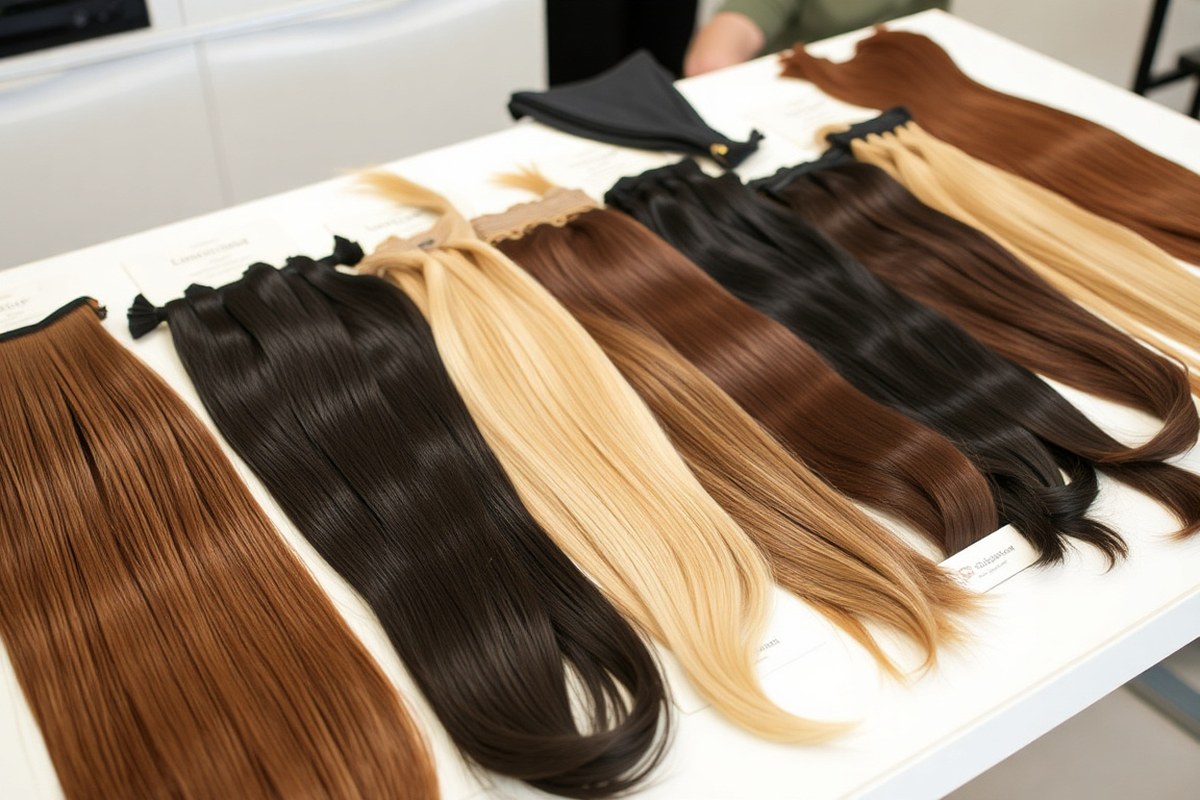
Hair extensions come in several common types, each attaching differently and lasting various lengths. They include clip-in, tape-in, sew-in, fusion, and micro-link extensions. Knowing how they attach helps you pick the right option for your hair needs and routine.
Clip-In Extensions: Quick and Temporary
Clip-in extensions attach to your hair with tiny pressure clips. They are simple to put on and take off. You don’t need a stylist to add or remove them quickly.
Clip-ins usually last a day of wear and can be reused many times. Those made from 100% human hair appear more natural and hold up well. They cost less than permanent options, often starting around $50.
Since clip-ins attach only temporarily, they don’t damage your hair. They work well for adding volume on special occasions but aren’t suited for daily wear. You can style and wash them separately from your own hair.
Tape-In Extensions: Semi-Permanent with Adhesive
Tape-in extensions attach with thin adhesive strips that sandwich your natural hair. A stylist places them close to your scalp, creating a flat, lightweight look. The tape holds securely but allows easy removal with solvent.
These extensions typically last between 4 to 8 weeks before needing repositioning. Their semi-permanent nature means they blend better and stay in place longer than clip-ins. Proper care keeps the adhesive strong and the hair healthy.
One downside is tape-ins don’t handle heat styling or dyeing without damage. Their lifespan is shorter than sew-in or fusion extensions, averaging 1 to 3 months. They suit those wanting a semi-permanent change without the commitment of bonds or beads.
Fusion and Micro-Link Methods: Long-Lasting Bonds
Fusion extensions use a heat gun to melt keratin bonds, attaching individual strands of extension hair. This method can last up to 6 months with proper care. It creates a very natural look because the bonds blend well with your hair.
Micro-link or I-tip extensions use small metal or silicone beads clamped to your natural hair. These are installed without heat, reducing some damage risk. Both methods attach strands close to the scalp for long-lasting volume.
Maintenance involves gentle brushing and avoiding oils near the bonds or beads. Both fusion and micro-link extensions require a professional for removal and refitting every few months. They are best for those looking for a durable, everyday solution.
Here’s a quick comparison of how these extensions attach and last:
| Method | How It Works | Typical Duration |
|---|---|---|
| Clip-in | Pressure clips snap onto sections of natural hair | Day of wear; reusable many times |
| Tape-in | Adhesive strips sandwich natural hair layers | 4-8 weeks before repositioning |
| Sew-in (Weave) | Hair braided into rows; extensions sewn in | 6-8 weeks before redo |
| Fusion (Keratin bond) | Heat-softened keratin bonds attach individual strands | Up to 6 months |
| Micro-link (I-tip) | Metal or silicone beads clamp extension strands | 2-4 months with maintenance |
Always have a professional install or remove semi-permanent extensions to avoid hair damage.
Each type requires different care and styling methods. Pick the right extensions based on how long you want to wear them. Also, think about how much care you can manage.
Choose what works best for your daily routine. Clip-ins offer quick change, while fusion and sew-ins provide longer-lasting results.
Materials Used in Hair Extensions and Quality Differences
Hair extensions come from human hair or synthetic fibers. The source affects how natural they look and feel.
How you can style them. Human hair types vary, with virgin and Remy hair offering the top quality and styling flexibility.
Human Hair Extensions: Natural Look and Feel
Human hair extensions come from real people, usually collecting strands without damaging the donor. These strands match natural hair in texture and color, blending better than synthetic fibers. You can wash, style, and heat-treat them almost like your own hair.
Premium brands like Govihair offer raw and virgin Vietnamese human hair. This hair lasts longer and behaves more like real hair when styled. Expect to pay over $100 for a good pack of extensions.
You also have to pay a styling fee. This depends on how you apply the extensions.
Understanding Virgin Hair and Why It Matters
Virgin hair hasn’t been processed or chemically treated in any way. This means its cuticles stay intact and aligned, preventing tangling and damage. Extensions made from virgin hair hold curls better.
They keep styles longer. They are ideal if you heat-style often.
Unprocessed virgin hair costs more but lasts longer and blends naturally. Treat it gently with sulfate-free shampoo every 2 to 3 days and keep it conditioned. This care helps maintain softness and shine over time.
Remy Hair: A Step Below Virgin Hair
Remy hair also comes from humans but undergoes minimal processing. The key is that the cuticles stay aligned and face the same direction. This alignment reduces tangling and makes the extensions smoother and easier to manage.
Choose 100% Remy human hair for the best styling experience. It handles heat better, allowing you to curl, straighten, or color it safely. Remy hair is common in clip-in extensions that need to blend smooth with your natural hair.
Synthetic Hair Extensions: Affordable but Limited
Synthetic extensions are made from nylon or other manufactured fibers. These extensions often look shiny and unnatural. They don’t blend well with natural hair.
This texture mismatch is noticeable. You should avoid heat styling synthetic hair since it can melt or become damaged.
Synthetic options cost less and can work if you want temporary length or volume. Just expect to replace them sooner and skip curling irons or straighteners. Be sure to check product labels on heat safety to avoid ruining the fibers.
Choosing Materials Based on Styling Needs
Human hair extensions allow washing and styling flexibility. So they fit daily wear and special occasions. Virgin hair offers the best damage resistance.
This helps if you want to curl hair often. It also works well for blow-drying. Remy hair gives smooth results with less price but still offers heat styling.
Synthetic hair suits a quick fix for a one-day look or costume events. It’s cheaper but less durable and can’t handle heat tools. For synthetic extensions, wash them by hand gently.
Avoid using hot water. This helps keep their shape.
How to Choose the Right Hair Extensions for Your Hair and Lifestyle
Your natural hair length and thickness set the foundation for picking extensions. Extensions need some base hair for secure attachment. So extremely short or thin hair may limit your options.
Aim for at least 4 inches of natural hair for most extension types. Think about your hair’s thickness when you want volume.
Thin hair needs more extension strands to blend well. This helps the extensions look natural and full.
Active lifestyles demand extension types that withstand movement and sweat without damage. Clip-in extensions offer flexibility because you can remove them easily before sports or swimming. Tape-in or keratin bond extensions work for semi-permanent styles.
Avoid heavy sweating or washing hair too often with these extensions. Doing that helps them last longer.
Matching color and texture is key to invisible blending. Pick extensions that exactly match your hair’s natural shade and feel. Match your extensions to your hair’s wave or curl pattern.
You can have extensions styled before putting them in. This keeps your curls looking natural. You can also style both your hair and the extensions together to create a smooth look.
- Check your natural hair length – at least 4 inches works best.
- Assess hair thickness for volume needs.
- Choose clip-ins for active, flexible wear.
- Consider tape-in or bond extensions for semi-permanent looks.
- Match extension color closely to your hair shade.
- Match extension texture to your hair’s natural wave or curl.
- Plan to style hair and extensions together for better blending.
The exact match of texture and color helps avoid harsh lines where extensions start. Maintaining your extensions with gentle styling tools and scheduled touch-ups keeps the look natural longer. High-quality Remy hair costs more but feels softer.
These extensions last longer than cheaper ones. It’s worth the cost if you wear them a lot.
What to Expect During Hair Extension Installation and Maintenance
Hair extension installation can take from one to several hours depending on the type. After installation, you’ll need ongoing care to keep them looking fresh and protect your natural hair. Plan to visit your stylist every 6 to 8 weeks for maintenance and adjustments.
Consultation and Hair Assessment
Your stylist begins by looking at your hair’s texture, health, and length. This step helps pick the best extension type and color match for your hair.
They also check your scalp to ensure it can hold extensions without damage. This evaluation prevents problems like pulling or irritation later.
Discuss your lifestyle and how much styling you’d like to do. Your stylist can suggest options that fit your daily routine and goals.
Installation Process Step-by-Step
Most installations follow a clear set of steps to attach and blend the extensions properly. Here’s a general process that fits common types like tape-ins, micro links, or keratin bonds.
- Wash and dry your hair to remove oils and dirt.
- Section your hair into thin, even layers for easier attachment.
- Attach the extensions with the chosen method: tape, beads, or bonds.
- Secure the extensions close to the scalp but avoid tight pulling.
- Trim and layer extensions to match your natural hair shape.
- Style the hair to blend extensions smoothly into your own strands.
Installation usually takes 1.5 to 4 hours based on hair volume and method. Tape-ins are faster, often done in 90 minutes. Keratin bonds can take up to 3 or 4 hours.
Tip: Pick a skilled stylist who matches your hair color well. Make sure they also blend layers properly. This helps your extensions look natural.
Ongoing Care and Maintenance Routines
Daily care means gentle washing with sulfate-free shampoo and careful brushing. Use a soft brush or comb starting from the tips to avoid tugging the extensions.
To keep extensions healthy, avoid heat settings above 350°F and limit styling with hot tools. This prevents melting bonds or weakening attachment points.
Visit your stylist every 6 to 8 weeks for maintenance. They will check for any slippage, removal of grown-out extensions, and reattachment. Regular appointments avoid tangling and buildup, keeping your hair and extensions healthy over time.
Warning: Skipping maintenance can cause damage to your natural hair and shorten extension lifespan.
How Hair Extensions Blend and Stay Hidden Naturally
Matching hair extensions with your natural hair starts at the ends. Stylist look for the same color and texture in the extension as on your hair tips. This helps make the connection smooth and less noticeable.
For example, your ends are caramel balayage. They have slight waves too. Extensions should match that exact look.
Clip-in extensions often give you control over layering. Begin with lower sections, clipping in layers close to the scalp first. Then add more extensions higher up.
This builds volume gradually and avoids clumps or chunky spots. A stylist trims extensions to match your haircut, carefully shaping layers to blend.
Natural movement comes from layering and picking extensions that mimic your hair’s movement. Straight hair extensions lay flat and blend well. Curly extensions should follow your curl pattern.
Restrict heat styling to avoid stiff, unnatural hair. Gentle brushing and washing protect both your hair and extensions from damage.
Styling tools can help, but should be used with care. Use a low heat setting to smooth the joins between your hair and the extension. Light waves or curls help soften the lines where the two sets meet.
This makes the extensions flow like your own hair. Avoid heavy product buildup which can weigh hair down and reveal clips or bonds.
These steps matter because they keep extensions hidden. They let you move freely. You can even run your fingers through your hair.
Poor blending can show bumps, lumps, or color mismatches that stand out. The perfect match combined with smart layering works best. Careful styling helps extensions look grown from your scalp.
Common Hair Extension Mistakes and How to Fix Them
One common mistake is overloading your natural hair with too many extensions. This puts stress on your scalp and strands, causing breakage or hair loss. Choose a lighter set of extensions if your hair is fine or thin to avoid damage.
Extensions that slip or tangle often mean they weren’t secured well. Clip-in types should snap firmly onto clean, dry hair.
Fusion extensions need precise bonding with heated keratin tips. Loose bonds lead to movement and knots, which can ruin the look and damage hair.
Neglecting proper care also ruins extensions fast. Extensions require gentle brushing and specific shampoos that won’t break down bonds.
Skip rough towel drying to prevent tangling or loosening. Use a wide-tooth comb and hold the extension at the root while brushing.
- Don’t attach too many extensions; spread the weight evenly
- Secure clips firmly on small, clean hair sections
- Avoid heat styling near taped or bonded areas
- Brush gently daily using a soft bristle or wide-tooth comb
- Clean extensions with sulfate-free shampoo and conditioner
- Separate tangled spots with fingers before brushing
- Remove extensions before swimming or sleeping to avoid damage
Notice your extensions snagging or slipping? Start by gently untangling them with your fingers.
Apply a leave-in conditioner to smooth the strands if allowed by the type. For fusion or tape-in extensions, consult a professional for adjustment or reapplication when necessary.
Picking the right extension style makes a big difference. Tape-in extensions go on faster and hurt your hair less. Fusion bonds stay put longer though.
Proper use can shield your natural hair from heat damage like curling or flat irons cause. Spending time on careful application and daily care helps keep your hair healthy and your extensions looking natural for months.
When to Seek Professional Help with Hair Extensions
Hair extensions often need professional help for safe application and best results. Semi-permanent extensions like sew-in or fusion need a stylist. They use stitching or heat bonding to attach hair.
You can’t do this on your own safely. These methods need skill to avoid damaging your natural hair or causing discomfort.
You can use clip-in extensions on your own since they simply snap into your hair. Removing or fixing clip-ins is easy and safe at home. However, never try to remove semi-permanent extensions yourself.
Pulling them out can damage your scalp and hair. Book a pro for removal or repairs on extensions.
This prevents hair breakage and loss. Don’t try to fix them yourself.
A stylist must check if you feel tightness or pain. They help if your scalp hurts or hair thins. Acting fast can save your natural hair.
These signs mean your extensions might be applied too tightly or require adjustment. Professionals check your hair health, fix the fit, and replace damaged bonds or threads. It usually costs $100 to $300, depending on the service and hair quality.
Choosing the right shade to match your hair is another reason to visit a salon. Stylists mix colors to get a natural look, especially when your hair has multiple tones. Picking wrong shades yourself may make extensions stand out and look fake.
A stylist’s opinion helps blend your extensions naturally. It may seem small but really matters. They match your new hair just right.
Only let a professional remove semi-permanent extensions; DIY removal risks serious hair damage.
Fine or thinning hair needs special extension methods that a professional can recommend. Using the wrong type on fragile hair may cause more thinning or breakage.
Pay attention to your stylist’s advice about extensions best suited for your hair type. Doing so will keep your hair healthy while getting the volume or length you want.
Your First Steps: A Simple Plan for New Hair Extensions
Follow this plan to protect your hair and keep your extensions looking great.
- Before installation: Wash your hair with a gentle, residue-free shampoo. This creates a clean base and ensures better grip for the extensions.
- Day 1 after installation: Avoid washing your hair. This lets the bonds or tape settle properly without weakening.
- After 2 days: Gently brush your hair with a soft-bristle or loop brush. Smooth, knot-free hair means less tension on your extensions.
- Week 1: Use a heat protectant whenever styling with heat tools. This stops damage to both your natural hair and extensions.
- Every week: Wash your hair using sulfate-free shampoo and conditioner. Sulfate-free products keep the extensions soft and prevent drying out.
- Every 4 to 6 weeks: Schedule a professional check-up for your extensions. A stylist can fix any slipping bonds or tangles early.
- Daily: Avoid sleeping with wet hair and tie your hair in a loose braid or ponytail. This cuts down on tangling and stress on the extensions.
- As needed: Use a deep conditioning treatment designed for extensions. It keeps both your hair and extensions hydrated and shiny.
Frequently Asked Questions
Can You Wear Hair Extensions If Your Hair Is Very Short?
Yes, but you need at least 3 to 4 inches of natural hair for good blending. This length hides attachment points and keeps the extensions looking natural.
How Do Heat Bond Hair Extensions Attach to Natural Hair?
They use a heat-activated adhesive that bonds extension strands to your hair. This method lets the extensions blend well and match your hair texture and color.
What Makes 100% Remy Human Hair Extensions Different?
Remy hair means the cuticles are intact and aligned, avoiding tangling. This keeps the extensions smoother and easier to maintain than non-Remy or synthetic hair.
Are Clip-In Hair Extensions Damaging to Your Natural Hair?
Clip-ins cause less damage since they don’t use glue or heat. Still, avoid clipping too tightly, which can pull on your roots and cause stress.
How Should You Layer Extensions for a Natural Look?
Release your natural hair in sections, then add extensions layer by layer from bottom to top. This ensures the extensions blend and the style lasts longer.
Can You Color Hair Extensions at Home Safely?
Yes, but only with 100% human hair extensions and gentle dyes. Synthetic or low-quality hair won’t take color well and may be damaged.
Key Points to Remember
Hair extensions add length and volume by blending with your natural hair. Treat them gently and follow care tips to avoid damage. Start your extension journey by booking a consultation with a trusted stylist today.