How Often Can You Use Clarifying Shampoo: A Complete Guide for Healthy Hair
How often can you use clarifying shampoo? Most people safely use it every 2 to 4 weeks.
This timeline clears buildup without overstripping your hair’s natural oils. Going more often than every 1 or 2 weeks risks dryness and damage.
Your hair type and daily routine change how often you can clarify. Thick hair can handle clarifying every 2 to 3 weeks. People with fine hair or an oily scalp should clarify every 1 to 2 weeks, especially when they sweat or use dry shampoo.
Start by checking your scalp and hair feel. Your hair needs clarifying when it feels heavy or looks dull. Just remember to replace lost oils with a nourishing shampoo and deep condition after each use.
Key Takeaways
- Use clarifying shampoo every 2 to 4 weeks as a general rule.
- Clarify hair every 1 to 2 weeks if it’s fine, oily, or styled heavily.
- Thick or medium hair can go 2 to 3 weeks between clarifying.
- Replace natural oils stripped by clarifying with oil-based shampoos.
- Always deep condition for 15 to 30 minutes after clarifying.
- Wait at least 2 weeks after coloring before using clarifying shampoo.
How Often Can You Use Clarifying Shampoo Safely?

Clarifying shampoo is safe to use as often as once a week for most hair types. You should not use it daily because it strips natural oils that keep your hair healthy. For oily hair or heavy product use, weekly clarifying helps remove buildup without causing damage.
Dry, curly, or color-treated hair needs clarifying less often, about once a month. Using clarifying shampoo too often on these hair types can cause dryness and make hair brittle.
Color-treated hair requires special care since clarifying shampoo can fade color. Spacing your sessions every 4 to 6 weeks helps protect your shade.
Think of clarifying shampoo as a deep reset, not an everyday cleanser. Overuse leads to dry scalp, frizz, and more breakage. Your hair feels tight, dry, or frizzy after washing.
You’re likely clarifying too often. Use clarifying shampoo based on your hair type’s schedule.
Always apply conditioner after. Conditioner helps lock in needed moisture.
How Hair Type and Scalp Condition Affect Clarifying Shampoo Frequency
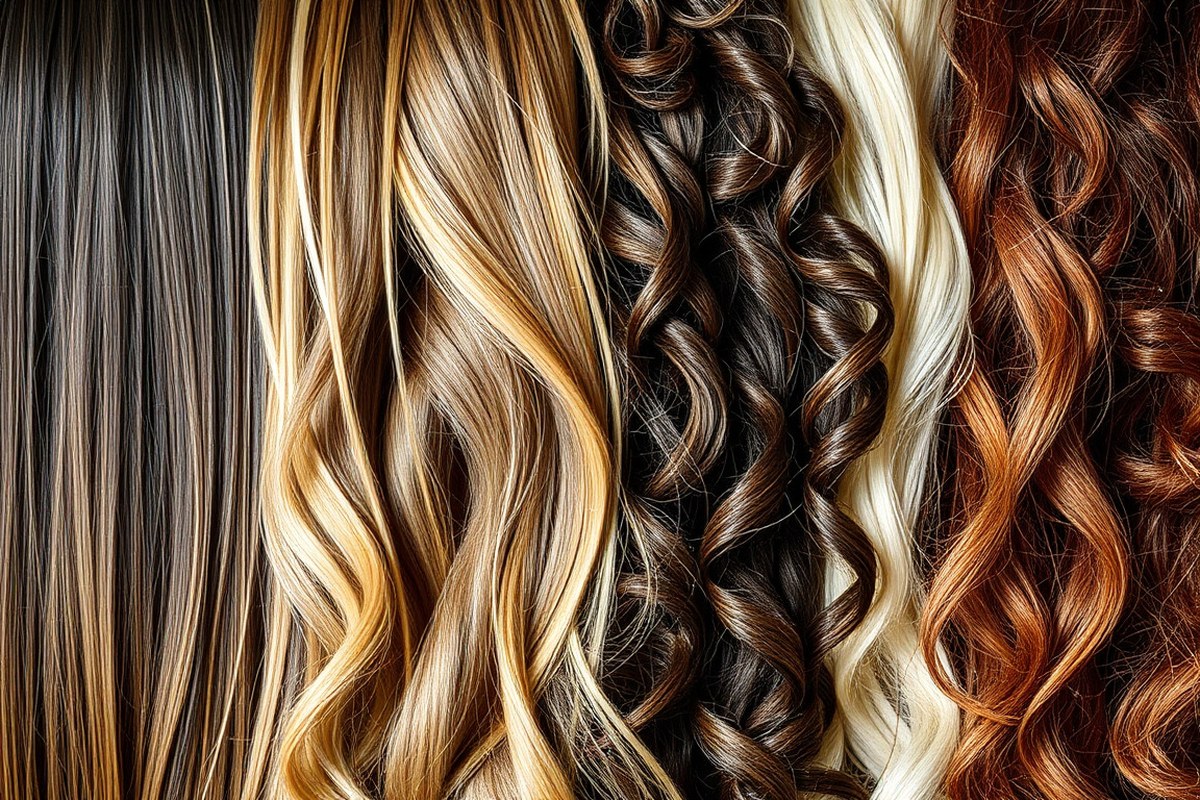
Hair type and scalp condition affect how often you should use clarifying shampoo. Dry or curly hair should clear buildup less often. The shampoo can dry out or roughen the hair.
So, use it only when needed to avoid damage. Oily scalps need clarifying shampoo more often.
Heavy product users also require frequent use. This helps stop buildup that can cause irritation or dullness.
Scalp issues also change how often to use clarifying shampoo. Use clarifying shampoo less if your scalp feels dry or sensitive. You want to protect your scalp’s natural oils.
Avoid stripping them out with harsh washing. Normal scalps with average product use can follow a regular schedule.
They should change it depending on how their hair feels. Listen to your scalp and adjust as needed.
| Hair Type/Situation | Frequency | Notes |
|---|---|---|
| Oily scalp + heavy product user | Every 2 weeks | More frequent prevents chronic buildup |
| Normal scalp + moderate products | Every 3-4 weeks | Standard maintenance schedule |
| Dry scalp + minimal products | Every 6-8 weeks | Less frequent to avoid over-stripping |
| Color-treated hair | Every 4-6 weeks | Use color-safe clarifying shampoo only |
| Hard water area | Every 2-3 weeks | Minerals accumulate faster, need more cleansing |
| Low porosity hair | Every 2-3 weeks | Buildup happens quickly, needs regular clarifying |
Curly or coily hair should use sulfate-free clarifying shampoo to avoid stripping moisture. Thick or coarse hair tends to be drier.
So clarify less often to keep it soft. Straight or fine hair may need clarifying more often due to oil buildup.
Use a clarifying shampoo sparingly on color-treated hair to prevent fading and dryness.
Adjust how often you clarify by paying attention to your scalp and hair feel. Overusing can cause dryness or damage, especially on dry or treated hair. Underusing lets buildup stay, leading to dullness and scalp irritation.
Signs You Need to Use Clarifying Shampoo
You’ll need clarifying shampoo when your hair feels heavy. It looks greasy even after washing.
This means buildup is trapping oils and dirt. This deep-clean product tackles leftover oils, hard water residue, and buildup that regular shampoo can’t remove.
Visual Signs of Buildup
Your hair may look dull and lifeless, lacking usual shine. Greasy roots or strands that seem coated are classic signs. You might see flakes or tiny white specs on your scalp.
These aren’t dandruff but leftover product residue. This happens when products don’t wash out fully.
Limp or flat hair that loses volume can signal buildup. This happens even if you style your hair. Buildup makes hair heavy and lifeless.
This happens when oils and styling products weigh your hair down. Color-treated hair can appear faded or uneven if buildup hasn’t been cleared.
- Dull, lifeless hair lacking natural shine
- Greasy or oily roots despite recent washing
- Visible flakes or white specks on scalp or strands
- Limp, flat hair with little volume or bounce
- Faded or uneven color on treated hair
- Hard water residue making hair feel rough
Hard water leaves mineral deposits that trap dirt and cause buildup. These can make hair look cloudy and feel rough. Clarifying shampoo helps restore your hair’s brightness and smoothness by removing these deposits.
Tactile and Feel Indicators
Sticky or slimy hair after washing means oils or products remain. These leftovers didn’t rinse out completely. It can make hair feel greasy and weighed down.
Hair that’s difficult to style or stays flat despite using mousse or spray could need clarifying. Scalp itchiness or flakiness without visible dandruff may also suggest buildup affecting skin balance.
Clarifying shampoos break down excess oils and product film. So your hair feels lighter and cleaner after use. Sometimes, your shampoo may not suds as much when buildup is heavy.
That’s normal and doesn’t mean it’s not working. You should feel a clean, refreshed scalp and strands after rinsing thoroughly.
- Sticky, slimy feel after washing hair
- Hair that won’t hold styles or stay voluminous
- Scalp itchiness or flakiness without dandruff
- Hair feels coated or weighed down to touch
- Shampoo lathers less but hair still feels cleaner
- Frizz or flyaways increasing despite treatments
Proper rinsing is key. Rinse your hair until the water runs clear with no suds or residue left. This ensures buildup and clarifying shampoo are fully removed, preventing dryness or irritation later.
When to Wait or Skip Clarifying
Don’t use a clarifying shampoo too soon after your last deep clean. Overuse can strip natural oils and cause dry, brittle hair. Dry, brittle, or color-treated hair needs time to recover.
Don’t use clarifying shampoo too often. Give your hair breaks between washes to stay healthy.
Your hair probably doesn’t need clarifying if it feels soft. If it looks shiny and styles easily, you can wait. No need for clarifying yet.
Skip clarifying shampoo if your scalp is irritated or flaking. Conditions like psoriasis need a dermatologist’s care. Clarifying can make these problems worse.
Overusing clarifying shampoo on oily hair can strip oils. This can cause your scalp to produce more oil. Using it too much can backfire.
- Avoid clarifying too often to prevent dryness
- Wait 2 to 3 weeks, especially with thick or colored hair
- Don’t clarify if scalp is irritated or flaky due to skin issues
- Skip if hair feels clean, soft, and manageable
- One clarifying wash is enough for oily hair
- Use moisturizing shampoos afterward to replace natural oils
Using clarifying shampoo wisely helps keep your hair clean and healthy. Watch for signs that your hair needs clarifying.
Use it only when your hair truly needs a reset. This keeps your hair balanced and healthy.
How to Use Clarifying Shampoo Correctly Step-by-Step
Clarifying shampoo removes buildup deeply but can dry hair out. Use it carefully to clean without damage. Follow clear steps to get the best effect.
Preparation Before Clarifying
Start with dry hair that hasn’t had styling products added lately. Products left on hair can react and make your hair look worse after washing. Rinse your hair with warm water to open the cuticles and prep the scalp.
Check your hair condition first. If your hair is very dry or damaged, skip clarifying shampoo or use it only once a month. Oily hair can handle clarifying shampoo up to once a week.
Application and Timing
Apply clarifying shampoo evenly to wet hair, focusing on the scalp first. Scrub gently with your fingertips, not nails. This helps dissolve buildup without harming your scalp or strands.
Let the shampoo sit for 1 to 3 minutes. This short wait allows it to fully break down oils and residue. Rinse thoroughly with cool water to close cuticles and lock moisture.
- Wet hair with warm water
- Apply a quarter-sized amount of clarifying shampoo
- Massage scalp gently for 30 seconds
- Work shampoo through lengths and ends lightly
- Let sit for 1 to 3 minutes
- Rinse completely with cool water
- Repeat only if hair is very oily or has heavy buildup
Post-Shampoo Care
Clarifying shampoo strips natural oils, so follow with a deep conditioner or hair mask. This step restores hydration and prevents dryness or breakage.
Use products made for your hair type to lock in moisture. For curly or dry hair, choose rich, emollient conditioners. For oily hair, a lightweight conditioner is best to avoid weighing hair down.
Common Mistakes with Clarifying Shampoo and How to Fix Them
Using clarifying shampoo too often is the most common mistake. It can strip natural oils, leaving your hair dry and brittle. Cut back on how often you use it.
Add a deep moisture routine if hair feels damaged. This helps repair and soften dry strands.
Another error is jumping into clarifying shampoo right after coloring your hair. This can cause color to fade prematurely. Wait at least a week before using it on fresh color.
This avoids washing out your dye. Give your hair time to settle.
People sometimes try DIY clarifying mixes instead of a dedicated product. Homemade remedies can be harsh and unpredictable. Choosing a trusted clarifying shampoo is safer and more effective at removing buildup without added damage.
- Don’t use clarifying shampoo more than once every 3 to 4 weeks.
- Skip clarifying shampoo right after coloring; wait at least a week.
- Add protein treatments if hair is weak or breaking after use.
- Use clarifying shampoo once a week only if you sweat a lot or swim often.
- Follow with a rich conditioner or a deep moisture mask.
- Avoid daily or frequent use to prevent dryness and scalp irritation.
Dry or damaged hair after clarifying needs special care. Begin a 2 to 3 week deep moisture treatment. Include protein treatments to help restore strength.
Use gentle, hydrating shampoos in between clarifying sessions. This repair helps rebuild strength and restores softness.
Use clarifying shampoo only when you notice buildup or dullness, not as a regular cleanser.
People with scalp issues like seborrheic dermatitis find clarifying shampoo helpful but should still limit use. Overuse can worsen scalp dryness. Stick to recommended intervals and watch how your scalp responds.
Clarifying Shampoo for Color-Treated and Chemically Processed Hair
Clarifying shampoo can strip hair color if used too often. It removes buildup and deposits that dull your hair.
But this cleansing action may also wash away color molecules. To protect treated hair, choose a clarifying shampoo labeled color-safe or formulated for processed hair.
You can use clarifying shampoo on color-treated or chemically processed hair. But only about once a week.
This frequency helps remove grime and styling product without overly drying or fading your color. Always follow with a deep conditioner or leave-in treatment to keep moisture locked in after clarifying.
Avoid using clarifying shampoo during your first week after coloring or chemical treatments. Your hair color is still settling then. Clarifying too soon can cause your dye to fade fast.
Skip clarifying shampoo if your scalp feels irritated. Also avoid it if your hair is very dry or fragile.
Colored or chemically treated hair needs clarifying shampoo when it feels oily or limp. It also helps if residue makes hair look clogged. Using a color-safe formula like Paul Mitchell Shampoo Two reduces color stripping.
Massage the shampoo gently into your scalp. Rinse it out with cool water. Cool water closes the cuticle and boosts shine.
Overusing clarifying shampoo can cause roughness and weaken chemically treated hair. It also raises the risk of scalp irritation. Stick to once a week or less.
Keep an eye on how your hair feels. Cut back on clarifying shampoo if your hair gets dry or brittle. Use moisturizing masks to help restore softness.
Choosing the Right Clarifying Shampoo for Your Hair Needs
Choosing the right clarifying shampoo depends on your hair type. Your scalp condition also matters. The water you use daily affects your choice too.
Clarifying shampoos vary in strength and ingredients to match different needs. People with hard water should choose shampoos with chelating agents.
EDTA is one such agent. It helps remove mineral deposits well.
Shampoos with chelating ingredients break down hard water minerals better than regular clarifying shampoos. Those designed for oily scalps focus on removing excess sebum without stripping too much moisture. Gentle clarifying shampoos suit dry or color-treated hair.
They clean without harsh effects. You can find these shampoos easily.
Hard water, which contains high mineral content, can make hair feel rough and look dull. Use a clarifying shampoo with EDTA or phytic acid every two to six weeks. This helps stop buildup.
It keeps your hair cleaner. These ingredients target stubborn mineral salts that regular shampoos can’t remove.
| Hair/Water Condition | Best Clarifying Shampoo Type | Key Ingredient(s) | Frequency |
|---|---|---|---|
| Hard Water | Chelating Shampoo | EDTA, Phytic Acid | Every 2, 6 weeks |
| Oily Scalp | Deep Cleanse Clarifying | Surfactants removing sebum | Every 2, 4 weeks |
| Dry or Color-Treated Hair | Gentle Clarifying | Mild surfactants, hydrating additives | Every 4, 6 weeks |
| Normal Hair with Product Build-up | Standard Clarifying | Strong surfactants | Every 3, 6 weeks |
To pick the right one, match your main issue with its ingredient profile from the table. You can pick a chelating shampoo if you can’t install a filter.
This helps reduce mineral buildup on your hair. Check the label for EDTA or phytic acid when you live in hard water areas.
Using too strong a shampoo too often can dry or damage hair. You want a good balance between cleaning and preserving moisture. Start by clarifying your hair once a month.
Then change how often based on hair feel. Watch your hair’s look after washes.
Incorporating Clarifying Shampoo into Your Hair Care Routine
Use clarifying shampoo once or twice a month alongside your regular shampoo. How often depends on styling habits and product buildup. Follow clarifying shampoo with proper conditioning for best results.
Scheduling for Different Lifestyles
Styling your hair every day or using many products causes buildup. Clarifying shampoo removes this extra residue from your hair and scalp.
You might need it every two weeks to keep hair light and clean. For less frequent styling, once a month works well.
Regular shampoo fits into your weekly wash days, while clarifying treatments don’t replace them. Use your regular shampoo two or three times each week.
Add clarifying shampoo once or twice a month for best results. This keeps your hair clean without over-drying.
Best Practices for Follow-Up Care
Clarifying shampoo strips away residue but can make hair dry or brittle. Immediately use a moisturizing conditioner to restore softness, focusing on mid-lengths and ends. Leave conditioner on for 3 to 5 minutes for better absorption.
After rinsing, avoid heat styling for a day or two to prevent extra dryness. Using a leave-in conditioner or lightweight oil can seal moisture and keep hair smooth. This follow-up care helps balance clarifying’s strong cleansing effect.
Integrating with Deep Conditioning
Deep conditioning should come after clarifying shampoo to replenish lost moisture and strengthen hair. Apply a deep conditioner once a week if you clarify monthly.
Use it twice a month if you clarify more often. This prevents dry, brittle hair.
Apply deep treatment to clean, damp hair and leave it on for 15 to 30 minutes. Use a warm towel for better penetration if possible. Avoid using deep conditioners on the same day as clarifying shampoo if your hair feels fragile.
Clarifying shampoo works best when followed by rich conditioning. Skipping this step risks dryness and breakage.
Step-by-Step Action Plan for Using Clarifying Shampoo
Follow these steps to use clarifying shampoo safely and effectively. This plan helps you avoid damage and buildup.
- Before you start: Check your hair type and scalp condition. Know if your hair is dry, oily, or color-treated to pick the right shampoo.
- Week 1: Use clarifying shampoo once. Watch for squeaky-clean hair without dryness or irritation. This shows it worked well.
- Week 2: Observe your hair’s feel. Hair feels heavy, so plan another wash next week. Hair is dry. Wait longer before using clarifying shampoo again.
- Week 3: Adjust frequency based on scalp oiliness. Use clarifying shampoo weekly if oily, every 2-4 weeks if dry or color-treated.
- Week 4: Combine with your regular shampoo routine. Use clarifying shampoo only when you notice buildup, dullness, or heavy residue.
- After 1 month: Monitor hair for shine and softness. Hair feels brittle. Cut back on clarifying shampoo or try a gentler brand.
- Ongoing: Use clarifying shampoo before special events or after heavy product use. Use it after swimming in chlorine or hard water, too.
Frequently Asked Questions
Can Using Clarifying Shampoo Too Often Damage My Hair?
Yes, overuse can dry out your hair by stripping natural oils. Use it no more than once a week for healthy hair.
Is It Okay to Use Clarifying Shampoo on Curly Hair?
Yes, but limit it to once every 2-3 weeks. Curly hair is more prone to dryness.
Can Clarifying Shampoo Remove Hard Water Buildup from Hair?
Yes, it effectively removes minerals left by hard water. Use it regularly if you have hard water issues.
Will Clarifying Shampoo Fade Hair Color Faster?
It can fade color if used too often. Keep usage to once a month for color-treated hair.
Can Men Use Clarifying Shampoo Differently Than Women?
Men generally use the same frequency, about once every 1-4 weeks. Adjust based on product buildup and scalp condition.
Should I Use Conditioner After Clarifying Shampoo?
Always use conditioner to restore moisture. Clarifying shampoo strips oils, so conditioner helps balance your hair.
Wrapping Up
Clarifying shampoo keeps your hair clean without over-stripping when used right. Start slow, listen to your scalp’s signs, and adjust. Try your first clarifying wash this week and see how your hair feels after.