What Oil Helps Hair Grow: 9 Proven Oils and How to Use Them Effectively
Several natural oils can boost hair growth by improving scalp health. Rosemary oil works well and matches 2% minoxidil after six months. Using the right oil regularly helps nourish follicles and reduce hair fall.
Oils like pumpkin seed, castor, and saw palmetto block hormones causing thinning. They also improve blood flow, supporting thicker, healthier hair. Carrier oils such as coconut and jojoba protect your scalp and add moisture without clogging pores.
Choose oils that fit your scalp and hair type for best results. Testing a small amount first helps avoid irritation. Apply oils gently and consistently to stimulate follicles.
Oils take weeks to months to show results and don’t work overnight. Using them with a healthy diet improves your hair growth efforts.
Key Takeaways
- Rosemary oil matches minoxidil’s hair growth results after six months of use.
- Use carrier oils like coconut or jojoba to moisturize without clogging pores.
- Apply oils gently on your scalp to promote healthy follicles and blood flow.
- Test oils on a small patch to check for irritation before full use.
- Combine hair oils with a balanced diet for the best hair growth support.
- Consistent oil use over weeks is key; no oil works overnight.
Which Oils Help Hair Grow Faster and Thicker?
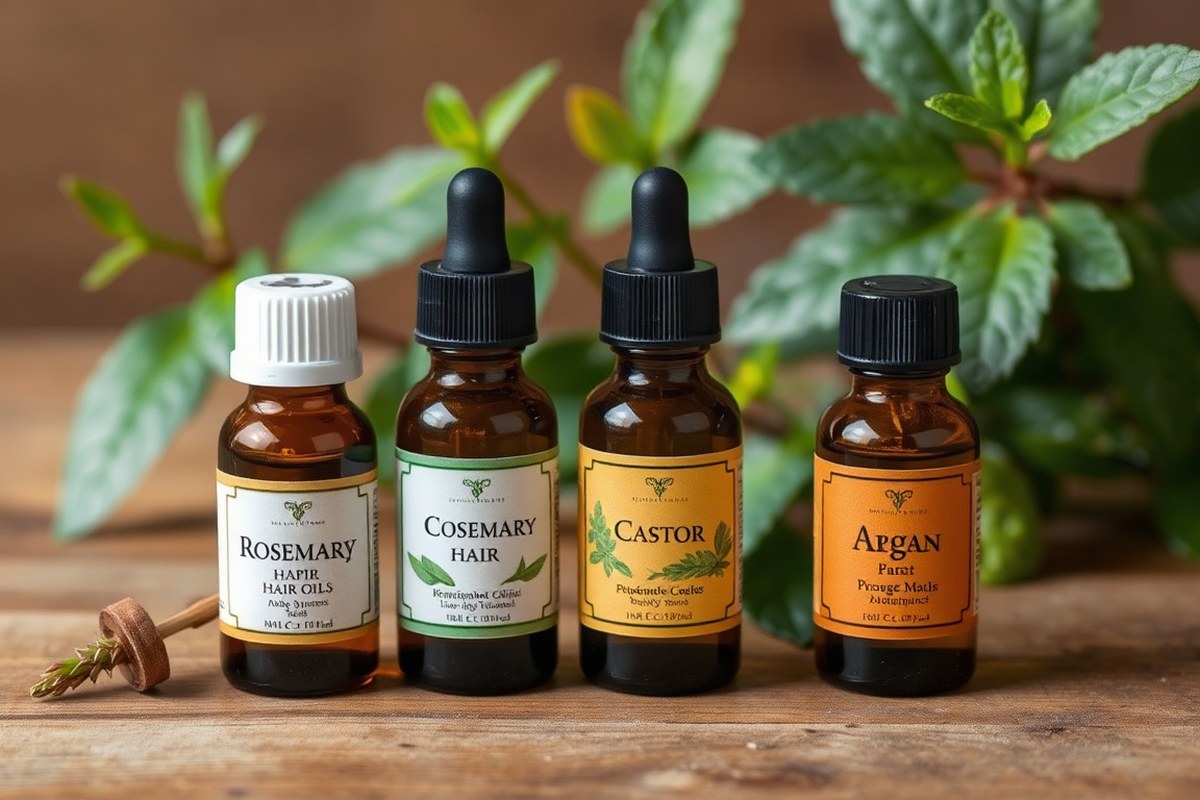
Rosemary oil stands out as the most effective oil for faster, thicker hair growth. Research shows it can match 2% minoxidil, a common hair growth drug, in encouraging new hair. It improves scalp health by reducing inflammation and boosting cell generation, which supports stronger hair follicles.
Peppermint oil shows promise for hair growth. A 2014 study tested mice. It increased their hair follicle count and depth over four weeks.
Its cooling effect may boost blood flow, helping nourish hair roots. Cedarwood extract often mixes with other oils.
It helped reduce hair loss in alopecia areata. It also encouraged thicker hair growth.
Other natural oils like jojoba and chia seed contain niacinamide (vitamin B3). These oils reduce scalp inflammation. They balance oil levels and improve moisture.
This creates a better base for hair to grow. Castor oil suits all hair types.
People use it to support thickness and shine. It has less clear data on hair regrowth.
| Oil | Key Benefit | Evidence | Usage Tips |
|---|---|---|---|
| Rosemary Oil | Boosts cell growth and reduces scalp inflammation | May equal 2% minoxidil in hair growth | Mix with carrier oil, massage for 4-6 weeks |
| Peppermint Oil | Increases follicle size and number | Animal study showed hair growth in 4 weeks | Dilute before applying; monthly use recommended |
| Cedarwood Extract | Reduces hair loss, promotes thickness | Small studies support alopecia hair regrowth | Use in blends; apply regularly for months |
| Jojoba/Chia Seed Oil | Balances scalp oils, improves hydration | Contains niacinamide that improves scalp health | Use as a carrier oil daily or after washing |
| Castor Oil | Strengthens hair strands, adds thickness | Traditional use; lacks clinical hair regrowth data | Apply as needed; good for coarse or normal hair |
Regular use is key. Applying these oils consistently over several weeks can reduce shedding and support regrowth. Massage helps boost blood flow, making oil absorption more effective.
Some oils may cause irritation if not diluted. So always mix essential oils with a carrier oil.
Hair oils mainly help hair look fuller by strengthening hair strands. They rarely cause new hair to sprout quickly. For visible results, expect to use oils like rosemary for at least 4 to 6 weeks.
Using these oils with good diet helps. Keeping your scalp healthy also improves results. This raises your chances of thicker, healthier hair.
How Hair Growth Oils Work on Follicles and Scalp Health

Hair growth oils mainly improve scalp health and strengthen hair strands. They don’t directly cause new hair growth but create a better environment for follicles. This helps reduce hair loss and keeps hair stronger and thicker over time.
How Oils Improve Scalp Environment
Healthy scalp skin supports hair follicles and encourages growth. Oils like cedarwood balance scalp oil production, reducing dryness or excess oil. Balanced oil glands mean less irritation or buildup, which keeps follicles clear and healthy.
Some essential oils, such as peppermint, boost blood flow to the scalp. More blood brings oxygen and nutrients to hair follicles, helping maintain their function. Greater circulation can support hair during its natural growth phase.
Strengthening Hair to Prevent Breakage
Certain oils mainly protect hair strands rather than follicles. Coconut and olive oils hydrate hair shafts and prevent breakage from dryness or damage. Stronger hair looks fuller and thicker because fewer strands break off prematurely.
Castor oil, known for its ricinoleic acid, locks moisture into strands. This helps hair grow longer by reducing split ends and breakage. You’ll notice less hair shedding when hair strands don’t break easily.
Scalp Nourishment Versus Hair Shaft Care
Some oils focus on the scalp, while others mainly nourish hair strands. Rosemary and cedarwood oils support follicle health and reduce scalp inflammation. Oils like grapeseed and olive oil mainly moisturize and protect the hair itself.
For best results, use a mix of essential oils and carrier oils. Essential oils improve circulation and balance, while carrier oils hydrate and shield hair fibers. This combination supports both scalp and hair from root to tip.
Applying Oils to Boost Follicle Health
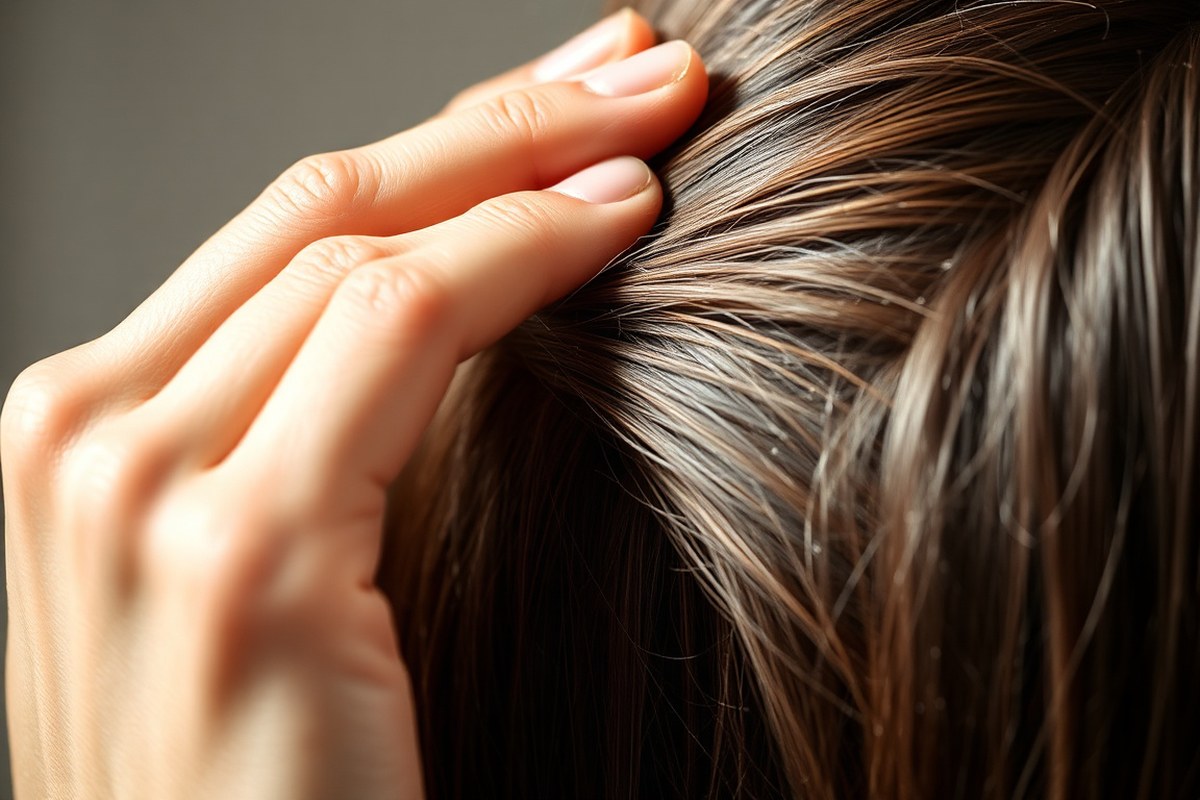
Massaging oils into your scalp stimulates blood flow and removes buildup. Start with detangling and use a scalp brush to clean and awaken the follicles. Then apply a few drops of oil and gently massage for 5 to 10 minutes.
Leave oils on your scalp for 30 to 90 minutes before washing to deepen nourishment. This timeline lets oils penetrate skin and hair follicles, improving scalp condition. Avoid heavy oils that might clog follicles if you’re prone to scalp acne or buildup.
Use gentle circular motions when massaging oils into your scalp to boost circulation without irritating skin.
Top Essential Oils for Stimulating Hair Growth and How to Use Them
Rosemary, peppermint, and lavender oils each support hair growth in unique ways. You should never use them directly on your scalp without dilution. Mixing them with carrier oils helps avoid irritation and improves safety and effectiveness.
Rosemary Oil Benefits and Application Methods
Rosemary oil promotes scalp circulation and activates hair follicles. Studies show it can improve hair count similar to 2% minoxidil over six months. Its anti-inflammatory properties also help reduce dandruff and scalp irritation.
Mix a few drops with coconut or jojoba oil. Rub it gently onto your scalp and leave for two hours or more. Don’t leave it on overnight to avoid clogged pores or irritation.
- Add 3 to 5 drops rosemary oil to 1 tablespoon carrier oil
- Massage gently into the scalp for 5 to 10 minutes
- Leave it on for 2 to 4 hours before washing
- Apply 2 to 3 times weekly for best results
- Stop use if irritation or redness occurs
This routine fits all hair types and slow-growing areas. Use less frequently if your scalp is very sensitive.
Peppermint Oil Effects and Dilution Tips
Peppermint oil contains menthol, which stimulates scalp follicles and blocks DHT, a hormone linked to thinning. Research shows it can increase hair follicle number and depth. It’s especially helpful for oily scalp and thinning edges.
Always dilute peppermint oil before applying it to avoid burning sensations. Mix 2 to 3 drops with a tablespoon of carrier oil like sweet almond or grapeseed. Limit use to twice a week to reduce irritation risk.
- Use 2 to 3 drops peppermint oil per tablespoon carrier oil
- Apply to targeted thinning areas with a cotton ball
- Leave on for 20 to 30 minutes, then rinse thoroughly
- Reduce frequency if you experience scalp sensitivity
- Do not leave on overnight to prevent clogged pores
Peppermint oil’s cooling effect feels refreshing and can calm mild inflammation. Avoid it if you have eczema or broken skin on your scalp.
Lavender Oil for Follicle Stimulation and Scalp Calming
Lavender oil helps stimulate hair growth by increasing follicle size and has soothing, antimicrobial properties. It’s useful for calming an irritated or dry scalp. Some people mix it with olive or melted coconut oil to make a nourishing hair mask.
You can add 5 to 7 drops of lavender oil to 2 tablespoons of carrier oil. Apply the blend evenly to your scalp and hair. Let it sit for 30 minutes to an hour before washing out.
- Mix 5 to 7 drops lavender oil with 2 tablespoons carrier oil
- Massage gently into scalp and hair strands
- Cover hair with a shower cap to boost absorption
- Leave on 30 to 60 minutes, then shampoo and condition
- Repeat 1 to 2 times weekly as needed
This treatment suits dry and sensitive scalps. Stop use if allergic reactions occur, such as redness or itching.
Carrier Oils That Nourish and Protect Scalp and Hair Strands
Carrier oils like castor, jojoba, and argan nourish your scalp and strengthen hair strands. They improve scalp health, which supports hair growth over time. Choosing the right one depends on your hair type and scalp needs.
Popular Carrier Oils and Their Benefits
Castor oil contains ricinoleic acid, which may boost scalp circulation and hair strength. It’s thick, so a little goes a long way. Jojoba oil closely resembles your scalp’s natural oils and helps moisturize without leaving a greasy feel.
Argan oil has antioxidants and fatty acids. It protects hair from damage. It also adds shine and softness.
You can use these oils alone or in blends to suit your needs. For example, castor oil works well for thicker hair types. Jojoba suits oily or sensitive scalps better.
Choosing the Right Oil for Your Hair Type
Match your oil to your hair texture and scalp condition. Dry, coarse hair often benefits from heavier oils like castor or argan for moisture and strength. Fine or oily hair likes lighter oils.
Jojoba or grapeseed oils work well. They don’t weigh hair down.
Your dry or flaky scalp needs oils with anti-inflammatory effects. Jojoba and olive oil can soothe it.
Test a small amount before full application to avoid clogged pores or buildup. Oils vary in cost: jojoba runs around $10 to $20 per 4 ounces. Argan oil can be $15 to $40 depending on purity.
Mixing Oils to Boost Hair Growth Benefits
You can combine 2 or 3 carrier oils for balanced benefits. Mixing helps blend hydration, nourishment, and scalp health properties. Mix one tablespoon of castor oil with jojoba.
Add half a tablespoon of argan oil. Stir it well. Add 2 or 3 drops of essential oils for added stimulation if desired.
Mix only what you’ll use in a session to keep the oils fresh. Store blends in a dark bottle at room temperature for up to a month.
- Castor oil: thick and promotes scalp circulation
- Jojoba oil: lightweight, mimics natural scalp oil
- Argan oil: antioxidant-rich and strengthens hair
- Olive oil: moisturizing, good for dry scalps
- Grapeseed oil: light and non-greasy for fine hair
- Vitamin E oil: supports scalp health and repair
Oils to Avoid That Can Stall Hair Growth
Steer clear of mineral oil and heavy petroleum-based oils. These block pores and trap dirt, causing scalp irritation and buildup.
Avoid oils with added fragrances or harsh chemicals that can cause allergic reactions. Some essential oils need mixing with carrier oils and can dry the scalp if applied directly.
Don’t overapply oils. Using too much oil weighs hair down and causes greasy buildup.
That can hurt hair growth. Stick to about a tablespoon per application and rinse or shampoo regularly.
Step-By-Step Guide to Applying Hair Growth Oils Safely and Effectively
Applying hair growth oils correctly helps improve scalp health and encourages hair to grow. You should dilute essential oils well because they are very strong. Carrier oils like jojoba or coconut oil carry essential oils safely.
They help the oils reach your scalp without causing irritation. Use carrier oils to protect your scalp when applying essential oils.
For best results, apply diluted oils at night and wash them out in the morning. Use your fingertips to gently massage the oil into your scalp.
This wakes up hair follicles and improves blood flow, which supports growth. Avoid using too much oil, which can clog pores and cause buildup.
- Mix oils: Combine 3 to 5 drops of essential oil with 1 tablespoon of carrier oil. This creates a safe dilution ratio of about 2%. A few drops of rosemary, peppermint, or lavender oil work well.
- Section your hair: Divide your hair into parts to reach the scalp easily. This helps you apply the oil evenly everywhere.
- Apply oil: Use just a small amount of the oil blend. Put it directly on your scalp with your fingertips. Massage gently to spread the oil evenly. Focus on thinning areas or spots with hair loss.
- Massage gently: Use small circular motions for 4 to 5 minutes. This improves oil absorption and stimulates blood circulation.
- Leave overnight: Keep the oil on your scalp for 6 to 8 hours. It lets your scalp absorb the nutrients fully.
- Wash out: Use a gentle shampoo to rinse your hair in the morning. Avoid harsh shampoos that strip natural oils.
- Repeat often: Apply the oil blend 3 to 4 times a week. Regular use shows results in 4 to 6 weeks.
Mixing a few oils lets you target different scalp and hair needs at once. You can add oils for dryness, itchiness, or thinning hair in one blend. Just keep the total drops of essential oils low to avoid irritation.
Always dilute essential oils properly. Pure oils can irritate your scalp and damage your skin.
Realistic Timeline and Signs That Hair Oils Are Working
Hair oils usually take at least six weeks to show visible results. A 2022 study found rosemary oil boosted hair growth in six weeks, similar to minoxidil. Real changes show up around three months.
It can take up to six months. This depends on your hair type and the oil used.
You’ll notice your scalp feeling healthier with less dryness or flaking first. Then new hair strands might look thicker or fill in thinning spots. Hair breaking less and feeling softer also signals improvement.
Check your progress by taking photos every four weeks under similar lighting. Track how your hairline or thinning parts change visually. Keep a simple diary of the days you use the oil.
Note any scalp reactions too. This helps you find the best option for your hair.
Signs your oil isn’t working include increased hair shedding beyond normal or scalp irritation. Don’t see better texture or regrowth after six months?
Talk to a specialist. They can rule out underlying conditions or suggest other treatments.
Using oils consistently is key. Apply treatments one to three times a week, massaging gently into your scalp.
Avoid overuse, which can cause buildup or greasy hair. Lighter oils like grapeseed suit oily scalps, while thicker oils fit drier scalps better.
Expect some tradeoffs: oils support hair growth but don’t replace medical options like minoxidil completely. Pumpkin seed oil helped over three months but was less effective than minoxidil in a study. Still, oils often cost under $10 and come with few side effects.
Common Mistakes and Myths About Using Oils for Hair Growth
Applying oil to your scalp won’t make hair grow overnight. Oils mainly improve scalp health and hair moisture, which helps growth over time. Expecting quick regrowth is a common mistake that leads to disappointment.
Using too much oil can cause build-up that clogs hair follicles. This can lead to scalp irritation and even slow hair growth. Choose a small amount and spread it evenly to avoid heavy, greasy patches.
Applying undiluted essential oils directly to the scalp can cause burns and redness. These oils are highly concentrated and need to be mixed with carrier oils first. Always do a patch test before full use to check for allergic reactions.
- Don’t use more oil than your scalp can absorb, about 1-2 teaspoons per treatment.
- Always dilute essential oils with a carrier oil, like jojoba or coconut oil.
- Stop using oils immediately if you notice itching, redness, or burning.
- Avoid leaving heavy oils on your scalp for more than a few hours to prevent build-up.
- Don’t expect visible new hair strands in less than a few weeks.
- Use oils 1-2 times a week. Daily use may weigh hair down or irritate the scalp.
Some oils contain heavy molecules that don’t penetrate hair or scalp well. These oils lock in moisture but don’t hydrate deeply by themselves. Using only heavy oils can leave your scalp dry and your hair feeling greasy.
Real improvement takes time, you might see healthier hair in six to eight weeks. Hair grows about half an inch per month on average, so patience is key. Combine oils with a gentle scalp massage to improve blood flow and comfort.
Safety Precautions and When to Consult a Professional
Hair growth oils can irritate your scalp or skin. This often happens if you use essential oils without diluting them. Always dilute before applying.
Common side effects include redness, itchiness, or a rash. To avoid this, always mix essential oils with carrier oils like coconut or jojoba before applying.
Pregnant or breastfeeding women should be careful with hair oils. Some essential oils can affect hormone levels. They can also cause allergic reactions.
Oils like rosemary might not be safe during pregnancy. Check with your doctor before using hair growth oils if you are pregnant.
Also ask if you are nursing. Safety first for you and baby.
Stop using hair oils immediately if you notice swelling, severe redness, or burning sensations. These can be signs of an allergic reaction. Keeping an eye on your skin’s response helps avoid worsening problems.
See a dermatologist if hair loss worsens after using oils for a few months. They can help find the cause. Don’t wait too long.
Sudden or patchy hair loss also needs medical attention. A doctor can diagnose underlying conditions, which oils alone cannot fix.
Before applying hair oils, do this checklist. First, do a patch test on your inner arm. Wait 24 hours to check for reactions.
Dilute essential oils with carrier oils. Use about 2 drops of essential oil per teaspoon of carrier oil. This prevents irritation.
3) Avoid applying oils to broken or irritated skin. 4) If pregnant, consult your healthcare provider. 5) Stop use at any sign of scalp irritation.
Always do a patch test first and stop at the first sign of irritation.
Some hair oils cost $10 to $30 per bottle and take minutes to apply properly. Good results usually appear after 3 months of consistent use. Pumpkin seed oil trials showed this timeline.
Be patient and steady. However, oils work best for mild hair thinning or early-stage loss, not severe conditions.
Dermatologists can suggest treatments like minoxidil. They also test for causes like hormone problems or scalp infections. They provide tailored care.
Don’t wait if you see no improvement after 4 to 6 months. Also, get help if you have heavy shedding, bald spots, or scalp pain.
How Hair Growth Oils Compare with Medical Treatments Like Minoxidil
Hair oils and minoxidil serve different roles in hair growth treatment. Oils mainly hydrate and nourish the scalp and hair. Minoxidil actively stimulates follicles to regrow hair.
Oils generally carry fewer side effects. They rarely cause irritation beyond mild scalp sensitivity. Minoxidil can cause redness, dryness, and sometimes unwanted hair growth outside the target area.
Minoxidil usually shows noticeable results in 4 to 6 months. Oils take longer to improve hair condition and encourage growth, often 6 months or more. Using both can combine their strengths.
| Feature | Hair Growth Oils | Minoxidil |
|---|---|---|
| Efficacy | Lower; improves scalp health, some growth support | Higher; clinically proven to regrow hair |
| Side Effects | Minimal; mostly mild scalp irritation | Common; redness, dryness, possible unwanted hair |
| Timeline for Results | 6+ months; gradual improvements | 4-6 months; visible regrowth |
| Cost | Varies; often inexpensive natural oils | Moderate; branded topical treatments |
| Hair Type Suitability | Excellent for dry, curly, coily hair | Works broadly on various hair types |
| Use with Other Treatments | Can safely complement minoxidil | Can be used alone or with oils |
Rosemary oil stands out among oils. Research shows it matches minoxidil’s effectiveness in some studies. It offers a natural alternative without minoxidil’s common side effects.
Applying oils with minoxidil can boost hydration and reduce irritation. Oils rich in shea butter, castor oil, and biotin also improve hair texture. Use oils before or after minoxidil, but avoid mixing them directly.
Oils won’t fully replace minoxidil for severe hair loss. But they serve well for mild thinning or sensitive scalps. People with dry, curly, or coily hair may find oils especially helpful alongside standard treatments.
Your First 30 Days: A Quick-Start Plan for Using Hair Growth Oils
Follow this easy plan to apply hair growth oils safely. Check your scalp daily for early signs of growth. This helps you track progress clearly and avoid problems.
- Day 1: Choose your essential and carrier oils based on your scalp type. Patch test a small area to avoid irritation.
- Week 1: Mix a few drops of essential oil with carrier oil. Apply gently to your scalp 2 to 3 times this week.
- Week 2: Increase application to every other day if no irritation occurs. Massage the scalp for 5 minutes each time.
- Week 3: Notice any scalp improvement, like less dryness or flaking. These changes mean better scalp health for growth.
- Week 4: Check for new baby hairs or thicker strands. These signs show your hair is responding well.
- After 4 Weeks: Adjust oil types or frequency if no results appear or irritation begins. Consult a professional if issues persist.
- Ongoing: Keep using oils 2 to 3 times weekly to maintain scalp nourishment. Healthy scalp condition supports ongoing growth.
Frequently Asked Questions
Can Using Hair Growth Oils Cause Scalp Irritation?
Yes, some oils can irritate sensitive scalps. Always do a patch test before regular use to avoid redness or itching.
Does Massaging with Oil Help Hair Grow Faster?
Massaging boosts blood flow to hair follicles. This can support healthy growth but won’t make hair grow overnight.
Can Hair Oils Block Hair Follicles?
Thick oils might clog follicles if not washed out. Use light oils and rinse hair regularly to prevent buildup.
Are Homemade Hair Oils as Effective as Store-Bought?
Homemade oils may work but lack standardized ingredients. Store-bought oils often contain proven blends for better results.
How Often Should I Apply Hair Growth Oil?
Applying 2-3 times weekly is enough to nourish scalp and strands. Overuse can cause buildup and greasy hair.
Is It Okay to Leave Hair Oil on Overnight?
Leaving oil overnight can deeply hydrate hair. Wash hair the next morning to avoid scalp clogging.
Wrapping Up
Oils like rosemary and castor oil can help your hair grow when used right. Start with small amounts and watch how your scalp feels. Try them today and see the changes over the next month.