What Is Pomade? A Complete Guide to Types, Use, and Styling Benefits
What is pomade? Pomade is a hair styling product that adds shine and hold.
It helps you shape your hair and keeps it in place during the day. Unlike gels, it doesn’t dry hard or flake.
Pomade works by coating hair strands to create a slick, shiny look. It usually contains oils or waxes that make hair feel smooth and soft. Because it’s not water-soluble, some pomades need special care to wash out fully.
Start with a small amount and warm it between your palms before applying. This prevention helps avoid greasy buildup or uneven spots. Using pomade is ideal if you want styles like classic side parts or slick backs.
Key Takeaways
- Pomade offers flexible hold with a shiny finish, unlike stiff gels.
- Oil-based pomades need stronger shampoo or oil to wash out completely.
- Use a little pomade first, then add more to control shine and hold.
- It’s best for medium to thick hair and styles requiring slick looks.
- Pomade keeps hair soft and prevents flakes common with drying products.
- Choose water-based pomades for easier washout if you prefer less residue.
What Is Pomade and How Does It Work on Hair?
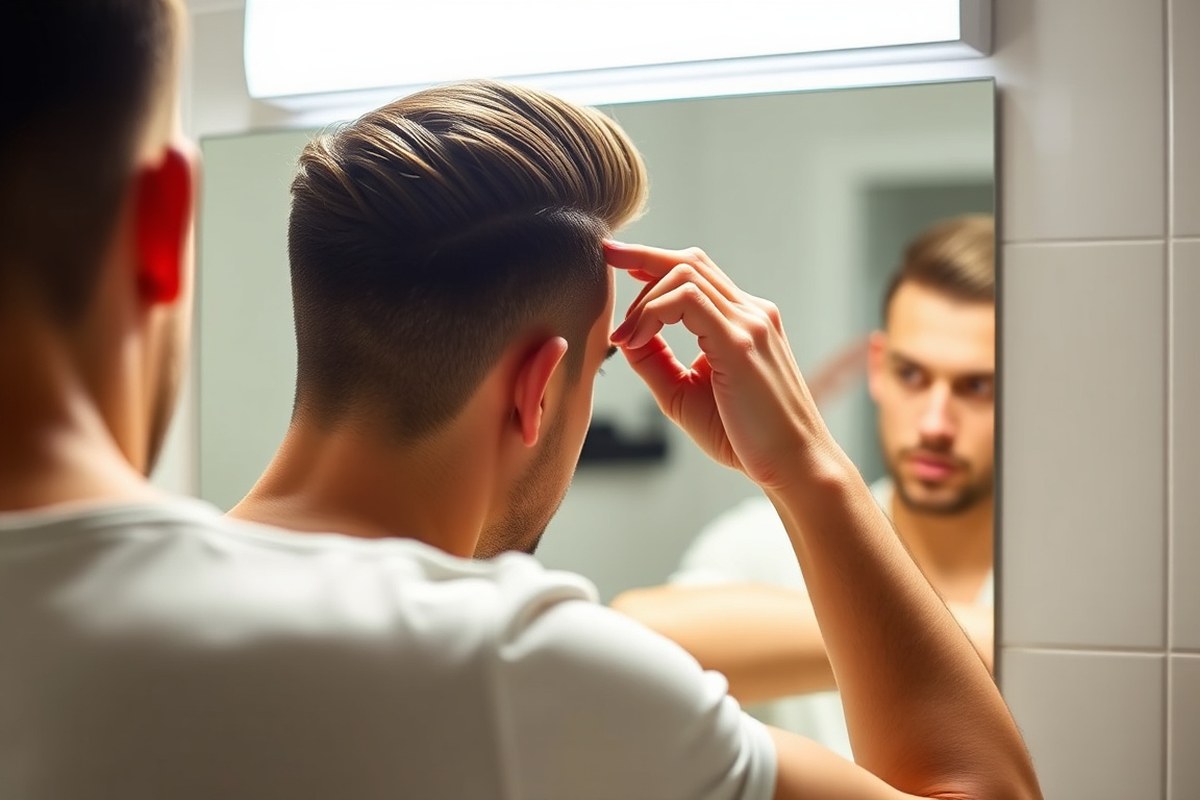
Pomade is a hair styling product made to give your hair hold, texture, and control. It works differently than gel by keeping hair flexible without making it hard or crunchy. Pomade helps you create polished looks with shine.
It also works for softer, textured styles. The finish depends on the pomade formula you choose.
How pomade affects hair depends on its type. Water-based pomades give medium hold and a shiny finish. They look natural and wash out easily.
You can remove them after one day of use. Oil-based pomades provide stronger hold and a glossy finish but need more effort to remove. Some pomades balance these with moderate hold and shine, allowing you to restyle during the day.
Pomade works well for slicked-back, classic hairstyles. It holds your hair firmly all day. You can also use it for messy, tousled haircuts.
For example, a strong matte pomade adds texture and height to straight hair. A gel pomade with shine defines curly hair.
Using too much or a very strong hold pomade can make fixing hair mistakes tricky. So start with a small amount and add more as needed.
What Are the Different Types of Pomade and Their Key Features?
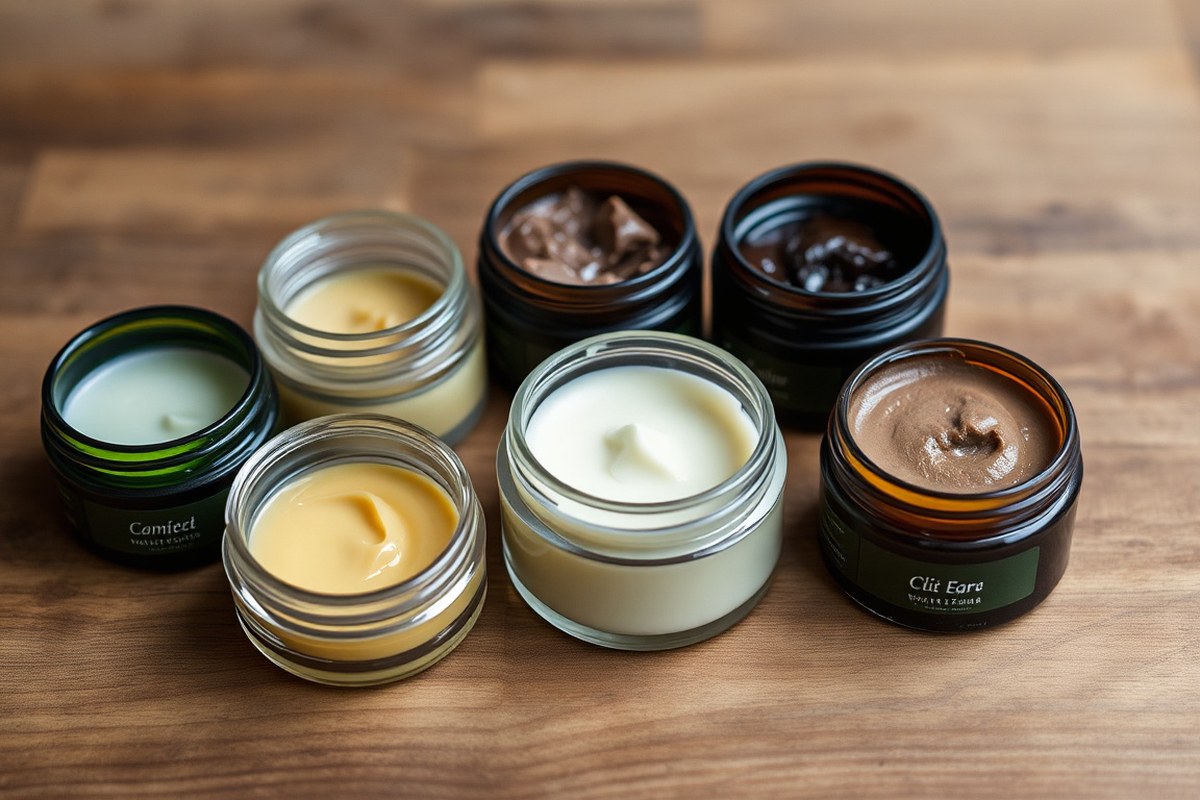
Oil-based pomade is the oldest type, popular from the 1930s to the 1950s. It typically contains beeswax or petroleum and offers a strong hold with a shiny finish. These pomades last all day.
They can be hard to wash out. You often need shampoo and warm water.
Water-based pomade breaks down when wet, making it much easier to rinse out after use. It offers medium hold. You can get a glossy or matte finish.
The finish depends on the formula. This type lets you reshape your hair all day. It usually holds less firmly than oil-based ones.
Wax-based and clay pomades provide different styling benefits. Wax pomades tend to have less shine and are great for textured or voluminous looks. Clay pomades, often matte, work well for natural styles and can add thickness to thin hair.
| Pomade Type | Key Ingredients | Hold Strength | Finish | Washability | Best For |
|---|---|---|---|---|---|
| Oil-based | Beeswax, petroleum | Strong | Shiny | Difficult to wash out | Classic slick styles, lasting hold |
| Water-based | Water, ceteareth-20, PVP | Medium | Glossy or matte | Easy to rinse with water | Re-style during the day, easier clean-up |
| Wax-based | Natural waxes | Variable | Less shiny | Moderately easy to wash | Volume, texture, matte finish |
| Clay pomade | Clay, wax | Medium to strong | Matte | Fairly easy to wash | Thickening, natural matte look |
Choosing depends on your hair type and style goals. Oil-based pomades suit thick or curly hair needing strong hold.
Water-based pomades are good for fine hair or quick styling changes. Wax and clay pomades help add texture or volume, especially for shorter cuts.
Try a small amount first. Too much pomade can weigh hair down or create unwanted shine.
Packing travel-size jars around 2oz makes it easy to carry your favorite pomade everywhere. Some modern formulas combine oil-based hold with water-soluble clean-up for convenience. That way, you get lasting style without the tough washing.
How to Choose the Right Pomade for Your Hair Type and Style
Pick a pomade that works with your hair type and style goals. The right pomade balances hold, finish, and ease of use. Your choice shapes how natural or polished your hair looks and how long your style lasts.
Pomade for Straight and Fine Hair
Fine or straight hair needs lighter pomades to avoid weighing it down. Water-based pomades with a matte finish work well to keep hair looking natural. They provide enough hold without adding greasy shine or heaviness.
Using too much or a heavy pomade can make fine hair flat and oily. A small amount of pomade like clay or matte paste works well. It helps define your style with no stiffness.
Use just a little for best results. This kind also controls flyaways and adds texture for a casual, flexible look.
Pomade for Thick and Curly Hair
Thick or curly hair calls for stronger hold pomades to keep shape all day. Oil-based or firm water-based pomades provide the control needed to tame frizz and maintain curls. Applying just a little pomade spreads through hair better and avoids buildup.
Pomades with some shine lend curls a healthy, polished look without weighing them down. For curls, about a pea-sized amount covers short to medium length hair comfortably. This stops your hair from feeling crunchy or sticky while locking down edges.
Choosing Pomade Based on Finish and Hold Needs
The finish matters: shiny pomades give a slick look. Matte pomades offer a natural, textured result.
For formal slick-back hairstyles, choose a high-hold, shiny pomade to keep hair tight and polished. Matte pomades suit messy, textured, or casual styles.
Hold strength affects how rigid your style will be. Firm hold pomades keep complex styles, like a slick back with volume, in place all day. Light hold options let you restyle during the day but may not tame thick hair.
Try this simple rule: for thick or curly hair, pick a pomade with firm hold. For fine or straight hair, aim for a lighter, flexible hold product. Then match the pomade’s shine level to how glossy or natural you want your hair.
How to Apply Pomade Properly for Best Results
Use about a dime-sized amount of pomade for medium-length hair. Rub it between your hands to warm it. Apply evenly from roots to tips, then comb through for a neat look.
Preparing Your Hair Before Application
Your hair should be clean and slightly damp before you apply pomade. Washing your hair removes buildup that blocks the pomade. Damp hair lets the product spread evenly and hold better.
Use a towel to dry your hair lightly after showering. Avoid soaking wet or completely dry hair. This balance gives pomade the best grip and shine.
Applying Pomade: Hands and Comb Techniques
Start by scooping a small amount, about the size of a dime or nickel. Warm it by rubbing it between your palms until it softens and spreads easily. This step helps avoid clumps.
Begin at the roots and work the pomade down to the tips. Use your fingers to finger-comb through your hair evenly. Keep adding pomade bit by bit; avoid applying too much at once.
Once your hands apply the pomade, use a comb to style. This helps spread the pomade smoothly and forms your look. Move the comb toward where you want your hair positioned.
- Scoop a dime-sized amount of pomade from the container.
- Rub the pomade between your palms to warm it up.
- Apply the pomade starting at your hair roots.
- Work your fingers through the hair to the tips.
- Add small amounts if needed but avoid overusing.
- Use a comb to evenly distribute and style your hair.
Maintaining the Style Throughout the Day
Pomade allows you to restyle your hair without adding more product. Use a comb or your fingers to adjust your hair as needed. This flexibility keeps your look fresh all day.
Your hair may feel stiff; try wetting your fingertips before fixing your style. Avoid applying more pomade throughout the day; too much weight can ruin your style. Keeping pomade limited prevents buildup and greasy hair.
What Ingredients Are Common in Pomades and Their Impact?
Pomades mix natural oils like jojoba, apricot, and shea butter. They also include waxes such as beeswax or candelilla. These ingredients help hold your style.
These oils nourish hair and add moisture while waxes provide structure and hold. Natural ingredients help your hair stay healthy by conditioning your scalp and strands during styling.
Synthetic components like petroleum jelly and silicone give pomades extra shine and longer-lasting hold. Petroleum jelly gives hair a rich, shiny finish. It can be harder to wash out when used a lot.
Use it sparingly to avoid buildup. Silicone improves smoothness and frizz control while still allowing relatively easy washout compared to older products.
The balance of ingredients impacts how much hold and shine you get. Heavy wax pomades hold strong but may feel stiffer. Oils boost shine but might reduce firm hold.
Pomades with synthetic ingredients wash out easier than oil-based ones. They might not offer the same natural hair benefits. Choose based on your hair needs.
Choosing natural or vegan pomades usually benefits your hair health over time. Natural oils supply vitamins and moisture that reduce dryness and breakage. Vegan formulas use plant-based oils and waxes.
They tend to be gentler on sensitive scalps and colored hair. Many are also cruelty-free.
Pomades with added essential oils like peppermint or rosemary can stimulate hair growth and scalp health. Such ingredients give you styling and hair care in one product.
Look for extras like biotin or caffeine on the label. These ingredients can help if you want thicker hair or more growth.
Use a small amount of pomade. Warm it between your palms before applying. This spreads it evenly and reduces greasy buildup.
How to Wash Out Pomade Without Damaging Hair
Pomades that use oil are hard to wash out using just water. You need stronger cleaners like dish soap, olive oil, or special shampoo. Water-based pomades rinse out more easily, so they cause less buildup and scalp trouble.
Heavy pomades need several washes to remove completely. Using them often can dry out your scalp. This can lead to discomfort or irritation.
Use moisturizing shampoos or conditioners after washing out pomade. Try something like Aussie 3 Minute Miracle to add moisture.
This helps keep your scalp and hair healthy. These can help restore moisture and keep your hair soft.
Getting pomade out the right way will prevent product residue and scalp issues. Follow this step-by-step to wash pomade without damaging your hair:
- Apply a small amount of olive oil to your dry hair. This helps loosen the pomade’s grease.
- Massage your scalp and hair gently for 3 to 5 minutes to break down the product.
- Rinse thoroughly with warm water to remove the olive oil and loosened pomade.
- Use a degreasing shampoo, lathering the entire scalp and hair well.
- Rinse and repeat shampooing once or twice, especially for oil-based pomades.
- Condition your hair with a hydrating conditioner or treatment to prevent dryness.
- Dry gently with a towel without rubbing to avoid hair damage.
For lighter water-based pomades, you might need only shampoo and rinse, cutting down on washing time. Avoid using hot water.
Lukewarm water works best because it cleans without stripping natural oils. Extra washes can dry your scalp, so stick to what’s needed.
Some pomades work best when applied to damp hair. Damp hair also makes it easier to wash pomade out. Try applying the product right after towel-drying your hair.
Notice any buildup? Switch to a different pomade or wash better every few days.
Doing this helps prevent scalp irritation and discomfort. Using a clarifying shampoo once a week can also help keep hair clear and healthy.
The Evolution of Pomade: From 18th-Century Origins to Today
Pomade started as a greasy ointment used centuries ago and has changed a lot since. Its ingredients shifted from natural fats to petroleum-based substances. Today, modern formulas focus on easier use and varied finishes, fitting today’s hair trends.
18th and 19th Century Origins
Pomade started in the 1700s, originally using bear fat. The term “pomade” comes from French for ointment, linked to apples. In the 1800s, oil-based pomades became popular for shiny, slick hair.
Men used pomade to keep hair neat and shiny before gels existed. Early pomades were thick and oily, making hair appear glossy but hard to wash out. They helped style the elaborate looks of the time, including side parts and slick backs.
20th Century Popularity and Ingredients Shift
By the 1900s, animal fats were swapped for petroleum jelly. This change made pomades easier to store. Mixing scents also became simpler with this switch.
Pomades were popular with American teens from WWII to the 1960s. They helped create classic styles like pomps and ducktails.
Pomade was essential for those vintage looks. Brands shifted to lard, beeswax, and petroleum jelly, improving texture and hold.
After the 1960s, longer hair trends led to less pomade use. But the product remained popular for retro looks.
Traditional pomades offered strong shine but were greasy and hard to rinse without shampooing multiple times. Their richness made them excellent for defined styles but less suited for daily washing routines.
Modern Pomade Innovations
Water-based pomades emerged to address washing difficulties. They offer similar style control without heavy greasiness and rinse out with water quickly. Today’s pomades offer matte or natural shine finishes.
This gives you more styling choices beyond just glossy hair. You can pick a finish that fits your style.
Today, pomades come in small jars, like 1.5 oz sizes, perfect for beginners testing styles. These newer formulas fit casual or formal looks and suit various hair types. They allow easy re-styling throughout the day, a big advantage over traditional grease pomades.
How to Maintain Healthy Hair While Using Pomade Regularly
Pomade won’t harm your hair if you use it right. Its main job is styling, not drying or stripping hair. You only risk damage if buildup stays too long or you wash it out harshly.
Wash your hair every two to three days with a gentle shampoo. Avoid daily shampooing unless your scalp feels oily or itchy. Too much washing removes natural oils, making hair dry and brittle.
Use a sulfate-free shampoo or a clarifying shampoo once a week. Clarifying shampoos remove buildup but can strip your hair’s protective lipids if used too often. After washing, apply a conditioner with nourishing oils like castor or shea butter to restore moisture.
Daily pomade users should incorporate a scalp care routine. Massage your scalp for a few minutes while washing your hair. This helps blood flow and clears away old product residue.
Your scalp feels dry. Try a light leave-in oil or scalp serum before styling.
Choose pomades with natural ingredients like castor seed oil and shea butter. These keep your hair healthy.
These add moisture and soften strands while styling. Avoid heavy, petroleum-based pomades if your scalp is sensitive or prone to buildup.
Adjust your washing and conditioning based on hair type. Curly hair may need more moisture, so apply conditioner every time you wash. Fine hair might benefit from lighter products and less conditioning to avoid weighing hair down.
Use a clarifying shampoo once a week to prevent pomade buildup. But don’t overdo it, you want to protect your hair’s natural oils.
Step-by-Step Action Plan for Using Pomade
Follow this plan to get the best look from your pomade and keep your hair healthy. Each step guides you on timing and results to watch for.
- Before you start: Pick a pomade that suits your hair type and style. You’ll know it’s right if your hair feels manageable, not heavy.
- Day 1: Apply a small amount of pomade to dry or damp hair. Check for even shine and hold without greasiness.
- Week 1: Experiment with different amounts to find your ideal hold. Your hair should stay styled all day without flaking.
- After 2 weeks: Wash your hair thoroughly with a gentle shampoo. Your scalp and hair should feel clean, not itchy or greasy.
- After 1 month: Adjust your routine to include regular deep conditioning. Your hair will stay soft and avoid buildup.
- Ongoing: Rinse pomade out nightly if you use it daily to prevent clogging pores and dullness. Healthy hair feels lighter and looks brighter.
Frequently Asked Questions
What Makes Pomade Different from Gel or Wax?
Pomade offers a shiny, flexible hold, unlike gel’s stiff or wax’s matte effect. It lets you restyle hair throughout the day without cracking or flaking. That’s why pomade works well for classic looks needing softness and hold.
Can Pomade Damage Your Scalp or Cause Dandruff?
Pomade can clog pores if applied too thickly or rarely washed out. This buildup may irritate scalp or cause dandruff over time. Wash hair regularly and use gentle cleansers to keep scalp healthy while using pomade.
What Is the Best Way to Store Pomade to Keep It Fresh?
Store pomade in a cool, dry place away from direct sunlight and heat. Heat can change consistency and reduce hold. Keeping the lid tightly closed also stops it from drying out or gathering dust.
Do You Need Special Tools to Apply Pomade Evenly?
No special tools are needed; your hands are enough to spread pomade well. Warming it by rubbing between your palms helps it spread smoothly through hair. A comb can shape and refine the style once applied.
How Long Does Pomade Typically Last on Hair?
Pomade usually holds hair for 8 to 12 hours, depending on type and weather. Water-based pomades tend to fade sooner than oil-based ones.
You can restyle without reapplying. But heavy sweat or rain may weaken the hold faster.
Is Pomade Suitable for All Hair Lengths?
Pomade works best on short to medium hair, helping shape styles like pomps or slick backs. Very long hair might feel weighed down or greasy with pomade. For longer hair, lighter styling products might be more comfortable.
Before You Go
Pomade helps you shape your style and keep control over your hair’s look. Try one method today to see how easily you can manage your hair. Keep your routine simple.
Your hair will look great every day. It will also stay strong and healthy.