How to Get Knots Out of Hair: 8 Effective Steps for Painless Detangling
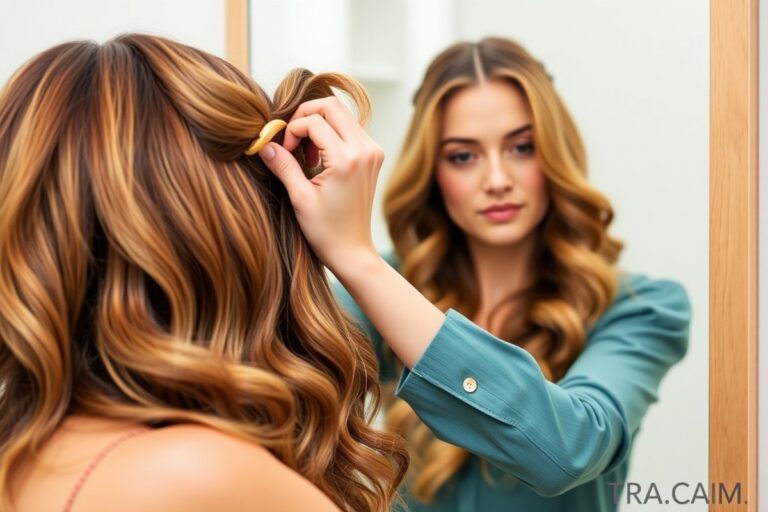
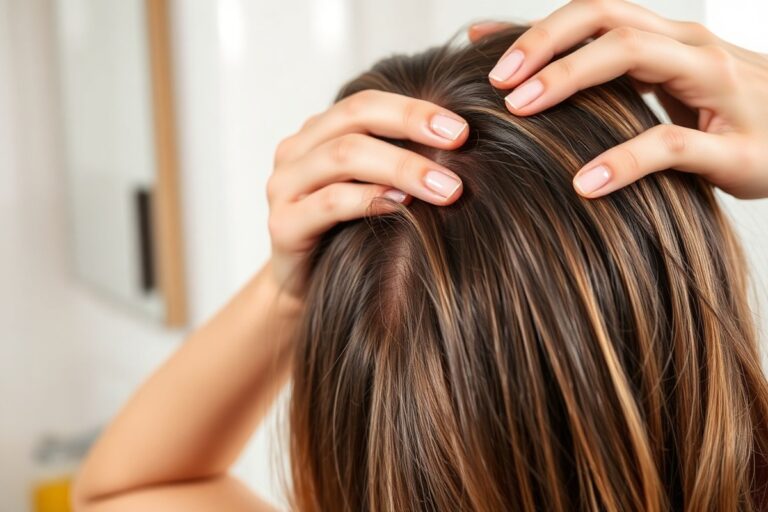
How to get knots out of hair without causing damage starts with being gentle. Using fingers or a wide-tooth comb, work through knots slowly from the ends upward. Rushing or yanking can break strands and make knots worse.
Start detangling by spraying a leave-in conditioner or detangler to soften hair. This helps reduce friction when brushing and makes knots easier to slip apart. Focus on smaller sections to keep control and avoid tugging.
Keep your hair hydrated before trying to remove knots. Well-moisturized hair is more flexible and less prone to breakage. Using a deep conditioner gives your hair the moisture it needs.
Overnight hydration treatments work well to boost moisture even more. These nourish your strands for better softness and shine.
Key Takeaways
- Wet hair with conditioner before detangling for easier knot removal.
- Use a wide-tooth comb or fingers to gently loosen knots from ends upward.
- Work in small sections for better control and less damage.
- Leave in detangler or moisturizing spray to soften hair before brushing.
- Avoid yanking or rushing to prevent hair breakage.
- Hydrate hair regularly to keep it flexible and less tangled.
1. How to Get Knots Out of Hair Without Damage
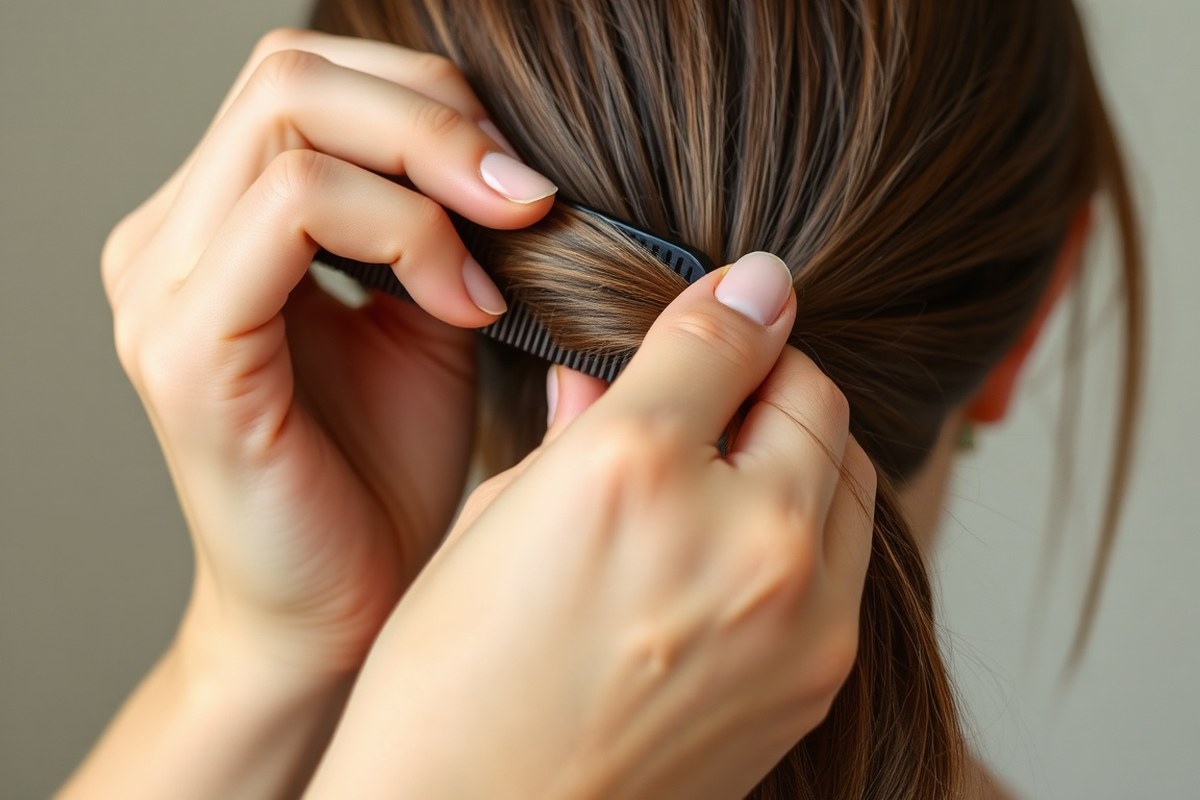
Knots can cause breakage if you pull or tug too hard. Using the right gentle steps makes removing knots less painful and saves your hair. Applying a moisturizing product first helps soften the hair and reduce friction.
Try breaking your hair into smaller sections before you start. It’s easier to work on one part at a time without making knots worse.
When hair is damp, detangling is easier because the strands are more relaxed. But be gentle, as wet hair is fragile.
- Apply a nourishing oil or leave-in conditioner. This adds moisture and slip, helping your combs or fingers gently glide through knots.
- Divide your hair into small sections.Use clips or hair ties to divide the hair into sections. Focus on one small area at a time. This helps keep tangles from becoming too overwhelming.
- Start detangling from the ends. Work out small knots near the tips before moving toward the roots. This prevents pulling on the scalp and reduces breakage.
- Use your fingers first. Gently separate each knot with your fingertips to loosen it without damage or pain.
- Use a soft wide-toothed comb or boar bristle brush when needed. For fine or fragile hair, a boar bristle brush minimizes pulling. Always comb gently, starting at the ends and moving up slowly.
- Take your time. Slow, steady work reduces pain and breakage. Avoid rushing, which can make knots worse.
- Finish with a gentle rinse or touch of conditioner if hair feels dry. Keeping hair smooth after detangling helps prevent new knots.
Some hair, especially if weak or damaged, needs extra care during detangling. Avoid rubbing hair harshly with towels afterward, as this can cause breakage. Instead, gently squeeze excess water and pat with a soft cloth.
Kids’ hair or very matted hair can benefit from more finger detangling before using tools. Applying conditioner during bath time can make detangling easier. Avoid pulling harshly, or you may cause discomfort or breakage.
2. Should You Detangle Hair Wet or Dry?

Detangling hair wet or dry depends on your hair type and how tight the knots are. Thick, curly, or natural hair detangles better when wet. Water softens strands.
It helps ease knots. Fine or straight hair detangles well dry or slightly damp. This avoids stretching weak strands.
Wet detangling carries some risks. Hair swells when wet. So it’s more fragile and prone to breakage if pulled too hard.
For that reason, always be gentle and use a wide-tooth comb or your fingers first. Keep hair damp during detangling using water or spray.
Dry hair adds friction. That causes snagging.
Dry hair feels brittle and Tugging knots hurts strands. This may cause breakage or split ends. Avoid detangling very dry hair without lotion.
Apply moisturizer to add slip first. Finger comb dry hair if it’s slightly knotted and fine. It usually works well.
Dry detangling thick or curly hair takes longer. It can cause damage. Use leave-in conditioner carefully.
Wet your hair or mist it frequently while detangling to prevent added breakage on stubborn knots.
Start by sectioning hair and running your fingers through knots as you wet each section. This loosens tangles before you comb gently from the ends upward. Work slow and stop if you feel resistance, adding moisture again if needed.
Harsh brushing wet hair breaks strands easily. This is worse for damaged or colored hair.
Quick rule: go wet for thick or curly hair. Also for tight or severe knots. Use dry detangling for fine, straight hair with looser knots.
But always add some slip with product or water. The goal is reducing breakage while making knots easier to remove. So pay attention to how your hair responds during your routine.
3. Choosing the Best Tools to Detangle Knots
Choose your detangling tool based on your hair type and knot strength. Wide-tooth combs work best on thick, curly hair or strong knots. Detangling brushes suit fine or straight hair and can minimize pain and breakage.
Wide-Tooth Combs for Thick and Curly Hair
Wide-tooth combs have large, evenly spaced teeth that gently pull apart dense knots. They help reduce hair breakage and pain by separating strands without too much force. Thick and curly hair tangles more because of friction.
Wide-tooth combs work well for this hair type. They slide through knots without pulling too hard.
Start at the ends and comb down slowly, working through small sections. Use while the hair is wet or damp with conditioner to improve slip and reduce pulling. Hold each section to prevent tugging at the roots, which can hurt and damage your hair.
Detangling Brushes for Fine or Straight Hair
Detangling brushes have flexible bristles that slide through knots smoothly on fine or straight hair. These brushes reduce pain by bending with the hair rather than pulling it.
They perform well on wet or dry hair. But work best when combined with leave-in conditioner or detangling spray.
People dealing with daily tangles find special brushes useful. Using tools like the Super Detangling Brush speeds up detangling.
Brush from the ends up to the scalp gently. Switch to a wide-tooth comb to ease stubborn tangles.
Specialty Tools for Severely Matted Hair
Strong knots or very matted hair need special detangling tools. These tools are designed to get through tough tangles smoothly. Using them can prevent breakage and pain.
Look for scalp-friendly brushes with soft, widely spaced bristles to prevent damage. Some detangling tools offer vibrating or massaging options that loosen mats without harsh pulling.
Work patiently, section by section, using conditioner or detangling sprays to add slip. Begin by gently loosening big knots with fingers or a wide-tooth comb. Take your time before switching to a brush.
This method helps avoid pulling or breaking hair. This method helps prevent breakage and reduces pain during detangling.
Cleaning and Maintaining Your Tools
Clean your hair tools regularly to keep them working smoothly and avoid product buildup. Rinse combs and brushes in warm water every 1 to 2 weeks. Use mild soap or shampoo to remove oils, dirt, and loose hair.
Check the bristles or teeth for damage often. Replace tools with bent or broken parts that could snag hair. Keeping your tools clean and undamaged makes detangling easier and safer for your hair.
Here’s a simple comparison of detangling tools by hair texture and knot severity:
| Tool | Best Hair Texture | Knot Severity | Key Feature | When to Use | Minimizes Breakage? |
|---|---|---|---|---|---|
| Wide-Tooth Comb | Thick, Curly, Coily | Moderate to Severe | Large spaced teeth | Wet or conditioner-treated hair | Yes |
| Detangling Brush | Fine, Straight, Wavy | Light to Moderate | Flexible bristles | Wet or dry hair with detangler spray | Yes |
| Specialty Detangling Tools | All, especially damaged hair | Severe matting | Soft, widely spaced bristles; massage options | Severely knotted or matted hair | Yes |
Choosing the right tool helps avoid pain and hair damage. Using wide-tooth combs or brushes with slip from conditioner or sprays lets tools glide through tangles. Using sharp or damaged tools can cause breakage and more knots.
4. Best Products to Help Remove Hair Knots
Conditioners, detangling sprays, and oils help remove hair knots by softening and smoothing strands. Leave-in conditioners coat hair, reduce friction, and make detangling easier. Sprays with shea butter add slip to the hair.
This helps combs or fingers glide through knots easily. It makes detangling smoother and less damaging.
Look for ingredients like glycerin, panthenol, and natural oils. These lock in moisture and reduce static. Products with silicones can help smooth rough cuticles.
But avoid those with drying alcohols or harsh sulfates that strip oils. Natural oils like argan, jojoba, or coconut work well.
They are especially good on dry or curly hair. These oils add moisture and softness.
Applying leave-in conditioners or detanglers is best after towel-drying hair gently. Spray or rake the product evenly through your hair in sections. Let the product sit for a few minutes first.
This helps it soak into the hair strands. Then gently detangle from the ends upward. Using oils can add extra slip when needed during detangling.
- For thin or fine hair, use lightweight leave-in sprays to avoid weighing hair down.
- Curly or thick hair benefits from richer creams or oils for better slip and moisture.
- Skip heavy oils near roots to prevent greasiness and scalp buildup.
- On dry or damaged hair, use products with extra hydration like shea butter or aloe vera.
- Section hair before applying product to ensure even coverage in tangled areas.
- Natural or homemade remedies can work but may lack slip compared to commercial ones.
- Products cost from $10 to $30 depending on brand and ingredients quality.
Homemade sprays with water, conditioner, and some oil hydrate well. They don’t detangle as quickly as store-bought sprays. But they are gentle and hydrating.
Heavy oils like coconut might weigh down thin hair, so use sparingly. Oils applied during detangling add slide but don’t replace moisturizing conditioners. Divide your hair into sections before applying product.
Spray or apply it fully and wait a few minutes. Then use fingers or a wide-tooth comb to detangle gently.
5. Step-by-Step Routine for Detangling Severely Matted Hair
Preparing Hair with Deep Conditioning
Start by applying a rich deep conditioner or conditioning spray. This softens the hair and adds slip.
It helps your fingers and comb slide through mats more easily. Apply the product generously on dry or damp hair, focusing on the thickest matted areas.
Let the conditioner sit for about 15 to 30 minutes to soften tough knots. Cover the hair with a plastic cap.
This traps heat and speeds up the process. Heat opens the hair cuticles, allowing the conditioner to penetrate the strands better.
Sectioning Hair to Manage Large Mats
Divide the hair into small sections using clips or hair ties. Work with smaller sections of hair. This lets you focus on one mat at a time.
It also stops new tangles from forming. Sectioning length depends on hair thickness, but aim for about 2-inch-wide parts to start.
This method keeps the other hair clean and untangled. You can focus on the hardest spots.
It’s easier to control shorter sections when using your fingers and comb. Patience during this step will save time overall.
Using Finger Detangling Before Combing
Begin by gently running your fingers through each section to loosen knots. Use slow, careful motions to pull the knots apart without tearing or breaking hair. Finger detangling reduces stress on hair and lowers risk of pain or damage.
Only after finger detangling feels effective, start using a wide-tooth comb at the section ends. Work the comb upward to the roots, going slowly through smaller tangles. Repeat finger detangling and combing multiple times on tough mats.
When to Take Breaks and Avoid Damage
Take breaks whenever you feel resistance or hair starts to hurt. Stopping prevents accidental tears or combing out chunks of hair. Detangling severe mats can take 30 minutes or longer, depending on hair type and mat size.
Use more conditioner or oil if the hair feels dry or stiff during breaks. Avoid rushing the process, as yanking will lead to breakage. Consistency and gentleness are key for safely clearing mats without scissors.
- Apply a deep conditioner or conditioning spray to dry or slightly damp hair.
- Cover hair with a plastic cap and wait 15 to 30 minutes to soften knots.
- Divide hair into 2-inch sections, securing with clips or ties.
- Use fingers to gently separate and loosen tangles in each section.
- Comb from the ends upward with a wide-tooth comb after finger detangling.
- Repeat finger detangling and combing until mats loosen completely.
- Take regular breaks to avoid tugging and hair breakage.
- Reapply conditioner or oil on dry spots during breaks.
Never yank or force knots apart; gentle patience prevents damage.
6. How to Prevent Knots and Tangles in Hair
Trimming your hair every 6 to 8 weeks helps stop split ends. Split ends tangle easily and make hair look dry and damaged. Keeping your ends healthy reduces knots and keeps your hair smooth.
Sleeping habits affect tangles a lot. Wrapping hair in a silk or satin scarf or using a silk pillowcase helps reduce friction. Braiding your hair before bed is another simple way to keep strands from tangling overnight.
Hydration and diet also play roles. Drinking enough water supports shiny, strong hair less prone to tangles. Eating balanced meals with vitamins like biotin and omega-3s keeps hair healthy and resistant to damage.
- Brush hair gently every day to stop tough tangles from forming.
- Apply conditioner mainly to mid-lengths and ends to keep strands smooth.
- Trim regularly every 6, 8 weeks to prevent split ends.
- Use silk or satin pillowcases or scarves for less friction during sleep.
- Braid hair loosely at night to limit knots and tangles.
- Stay hydrated and eat nutrient-rich foods to strengthen hair.
By following these habits, your hair will stay healthier and less knotted. Strong, moisturized strands are easier to comb and less likely to break. You’ll spend less time fixing tangles and more time enjoying softer hair.
7. Common Mistakes When Detangling Hair and How to Fix Them
Pulling too hard on knots can tear your hair shaft. This causes breakage and split ends, making hair look frizzy and damaged. Instead, use gentle strokes and work through knots slowly with your fingers or a wide-tooth comb.
Detangling dry hair with a fine comb often causes pain and breaks hair. Fine combs catch on strands, especially if hair is thick or curly. Soften knots first with water or detangling spray.
Then use a wide-tooth comb. Gently ease through tangles without tugging hard.
Your hair breaks or frays when you use too much force. It also happens if your strands are dry. Using conditioning products helps reduce friction and strengthen hair fibers.
Apply a leave-in conditioner or hydrating serum on hair. Then comb gently to spread it evenly. Don’t rush this step.
- Start detangling from the ends, not the roots, to avoid pulling on knots
- Use your fingers to loosen large tangles before combing
- Apply a moisturizing product to damp hair for easier combing
- Avoid detangling when hair is completely dry and brittle
- Choose wide-tooth combs or brushes designed for your hair type
- Work in small sections to control knots better
- Take breaks if the process becomes painful or causes hair to snap
Coarse or curly hair needs extra moisture during detangling to prevent damage. Dilute conditioner with water in a spray bottle. Mist your hair lightly before working through knots.
This helps soften tangles more. For fine or thin hair, avoid heavy products that weigh hair down. Pick light sprays instead.
Breaking and fraying show your routine is too harsh or your hair lacks moisture. Trim split ends regularly, and use gentle, sulfate-free shampoos to protect strands. Over time, your hair detangling will become easier and less painful with these steps.
8. How to Tailor Detangling for Different Hair Types
Detangling works best when you adjust your methods and products to your hair type. Curly and coily hair needs gentle handling and moisture. Thin hair breaks easily and needs gentle care.
Thick hair needs stronger creams or oils. Use the right products for your hair type.
Detangling Curly and Coily Hair
Curly and coily hair tangles easily because of its bends and twists. Use a wide-tooth comb or your fingers to separate knots gently. Start at the ends and slowly work up toward the roots to avoid breakage.
Keep your hair wet or damp with conditioner to soften curls. This helps slide through knots without yanking or causing splits. Avoid brushing dry curly hair; it can lead to frizz and damage.
Handling Fine or Thin Hair
Fine or thin hair breaks easily under pressure, so be gentle. Use light conditioners or detangling sprays to provide slip without weighing hair down. Spray on damp hair and wait a few minutes before detangling.
Choose soft-bristle brushes or a wide-tooth comb to minimize pulling. Detangle carefully from the tips, holding small sections steady while working knots loose. Avoid vigorous tugging or harsh chemicals that weaken strands.
Approach for Thick and Coarse Hair
Thick or coarse hair needs heavier products to soften tough tangles. Apply a rich conditioner or deep treatment and let it sit for at least five minutes. This softens your hair’s cuticle, making knots easier to slip apart.
Use wide-tooth combs, and separate your hair into manageable sections. Work through one section at a time, starting at the ends. Thick hair can handle more pressure but avoid ripping through snarls to prevent damage.
Recommended Products by Hair Type
Curly hair deserves moisturizing creams and leave-in conditioners with ingredients like shea butter or coconut oil. These keep strands hydrated and reduce fuzz, aiding detangling. Lightweight sprays suit fine hair better, providing slip without build-up.
Thick and dry hair benefits from oil-based serums or heavier creams. These seal moisture and smooth the surface for easy combing. Avoid products with harsh alcohol or sulfates that strip natural oils, which causes more tangling.
Always start detangling from the ends before working up to the roots to reduce breakage.
Step-by-Step Action Plan for Detangling Knots Today
Follow this plan to get knots out of your hair without damage. It breaks the process into easy steps you can do now.
- Before you start: Apply a detangling spray or conditioner to your hair. It should feel softer and slippery.
- Right before detangling: Use a wide-tooth comb or detangling brush on wet or damp hair. Test a small locked section; if it combs easily, continue.
- First pass: Start combing from the ends, gradually moving up toward the roots. You should see knots loosening without pulling or breaking.
- If stubborn knots remain: Use your fingers to gently separate those sections after applying more conditioner. Knots should start loosening with minimal tugging.
- After detangling: Rinse your hair gently if you used conditioner. Your hair should feel smooth and knot-free to touch.
- Daily care: Use a satin pillowcase and avoid tight hairstyles. Check your hair at night for any new tangles.
- Weekly routine: Deep condition your hair once a week. Notice how easier it becomes to comb through knots.
- Ongoing: Keep trimming split ends every 6-8 weeks. Healthy ends help prevent future knots.
Frequently Asked Questions
How Do I Untangle Severely Matted Hair?
Start by applying a deep conditioner or detangling spray. Start detangling at the ends to prevent hair breakage.
Move your way up gently. Use a wide-toothed comb once most knots are gone.
Is It Better to Untangle Hair When It’s Wet or Dry?
Detangling works better on dry or slightly damp hair. Hair gets weaker and breaks easily when soaking wet. Avoid combing wet strands too soon.
How to Get a Really Bad Rats Nest Out of Hair?
Apply plenty of conditioner or a detangling spray on hair. Work knots out carefully with your fingers before combing.
Take your time to be gentle. Then carefully use a wide-toothed comb to finish untangling.
Why Is My Hair so Full of Knots?
Hair knots happen from friction, dryness, or not regularly brushing. Hair that tangles easily may also lack moisture or protective styling.
Can Oil Help Remove Knots from Hair?
Yes, applying a small amount of oil can smooth hair and loosen knots before combing. Use lightweight oils to avoid greasiness.
Should I Cut Out Hair Knots or Try to Comb Them Out?
You should try combing knots out gently before cutting. Cutting should be the last option to avoid shortening your hair.
Final Thoughts
Knots come out best when you’re gentle and patient. Start with the right tools and products to avoid damage. Try detangling once a week and watch your hair get smoother and healthier over time.