How to Clean Blow Dryer Filter: Simple Steps for Fast, Safe Results
Knowing how to clean blow dryer filter can keep your dryer working well longer. Start by unplugging the dryer and letting it cool completely. Then remove the filter carefully, usually located at the back or bottom of your device.
Use a soft brush or cloth to get rid of dust and hair buildup. You can vacuum the filter gently if it’s very clogged. Gently washing the filter with warm, soapy water helps remove stubborn dirt.
Make sure to dry the filter fully before putting it back to prevent damage. Avoid using harsh chemicals or scrubbing too hard to keep the filter intact. Regularly cleaning the filter every few weeks keeps your dryer running smoothly.
Cleaning your blow dryer filter prevents overheating and improves airflow. It also helps your hair dry faster without pulling or snagging. Regular care means your dryer lasts closer to its full lifespan.
Key Takeaways
- Unplug your blow dryer and cool it before removing the filter.
- Clean the filter every 2-3 months, or more often if used daily.
- Use a soft brush or cloth to gently remove dirt and hair.
- Wash filters with warm, soapy water only if the manual allows.
- Always let the filter dry completely before reattaching it.
- Check the vents and clean them regularly to maintain airflow.
How to Clean Your Blow Dryer Filter Step-by-Step
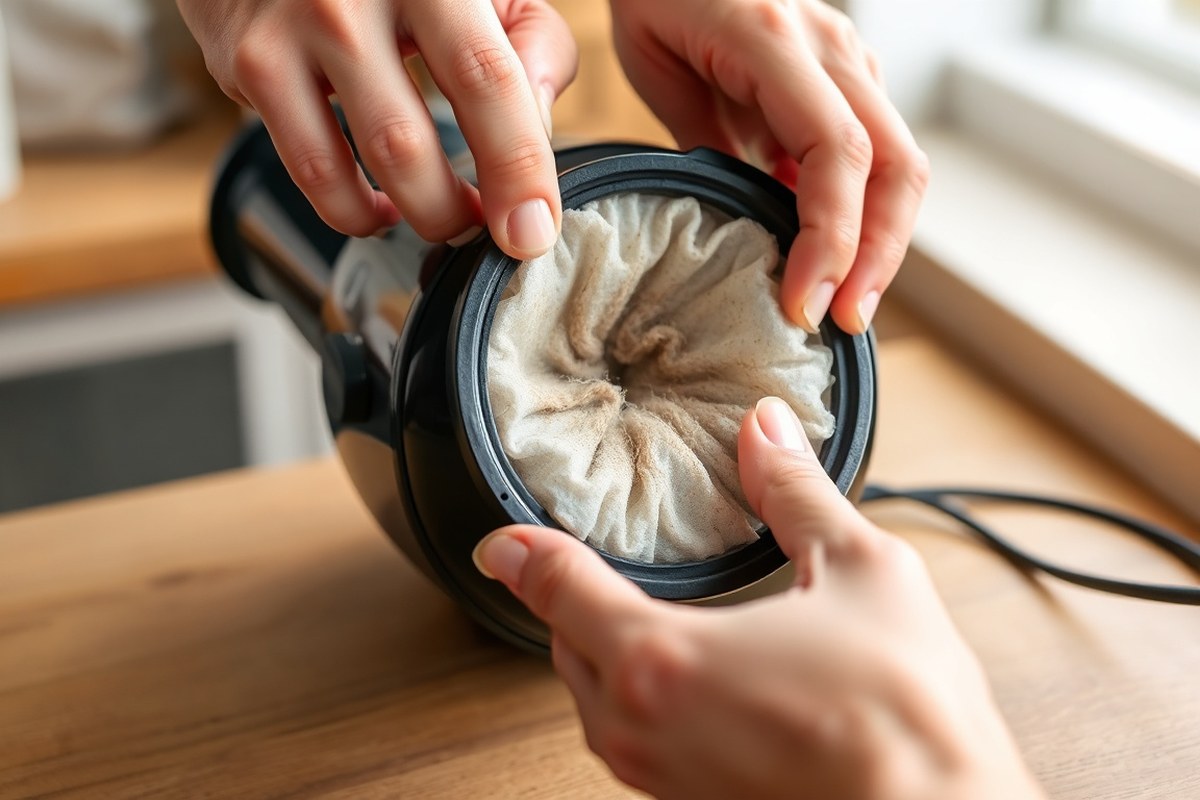
Cleaning your blow dryer filter helps keep airflow strong and your dryer working well. The filter sits at the back where air comes in. Remove it carefully, clean with the right tools, dry, and put it back properly.
Removing the Filter Safely
The filter usually lives on the back of your blow dryer. It may twist off or snap off depending on the model. Be gentle to avoid breaking plastic tabs or screws during removal.
Before you start, unplug the dryer to stay safe. Check your owner’s manual if you have it to spot the filter location and removal method.
For a Dyson, the filter is a round part at the back. You can pull it off from there.
- Unplug the blow dryer and let it cool down.
- Look at the back of the dryer to find the filter cover.
- Use your fingers to twist or gently pry the filter cover off.
- Use a small screwdriver to take out screws holding the filter. Do this carefully.
- Pull the filter out from its housing, avoiding damage to any clips or seals.
Cleaning Methods for Different Filter Types
Filters can be either metal mesh or plastic screens. Metal ones work well with vacuum cleaning.
Plastic filters need careful washing with mild detergent. A soft brush helps remove lint from both.
Use warm water and mild soap to soak plastic or washable filters. Avoid harsh soaps or bleach that could damage the screen. Vacuum models do better with hose attachments to suck out dust and hair.
- Brush off loose lint from the filter using a soft brush or cloth.
- Use a vacuum hose attachment to clean your metal filter. This removes debris easily.
- Put warm water in a bowl. Add a few drops of mild detergent. Soak the plastic filter there.
- Submerge the filter and gently swish it for 5 to 10 minutes.
- Rinse the filter under running water to remove soap.
Drying and Reinstalling the Filter
Make sure the filter dries fully before putting it back to avoid mold or damage. Use a clean towel to pat the filter dry. Leave it to air dry in a warm place.
This usually takes about an hour. Avoid using direct heat or sunlight.
Reinstalling takes just a few steps. Fit the filter back into the dryer carefully, aligning it with screws or snaps.
Tighten screws evenly if used, but don’t overtighten. Plug in and test for airflow.
- Pat the filter dry with a clean towel. Then let it air dry for at least one hour.
- Place the dry filter back into its slot on the blow dryer.
- Secure the filter by snapping it in place or screwing it back on carefully.
- Check the fit to make sure it’s snug and flush with the dryer body.
- Plug in the dryer and run it briefly to confirm smooth airflow.
Why Regularly Cleaning the Filter Matters
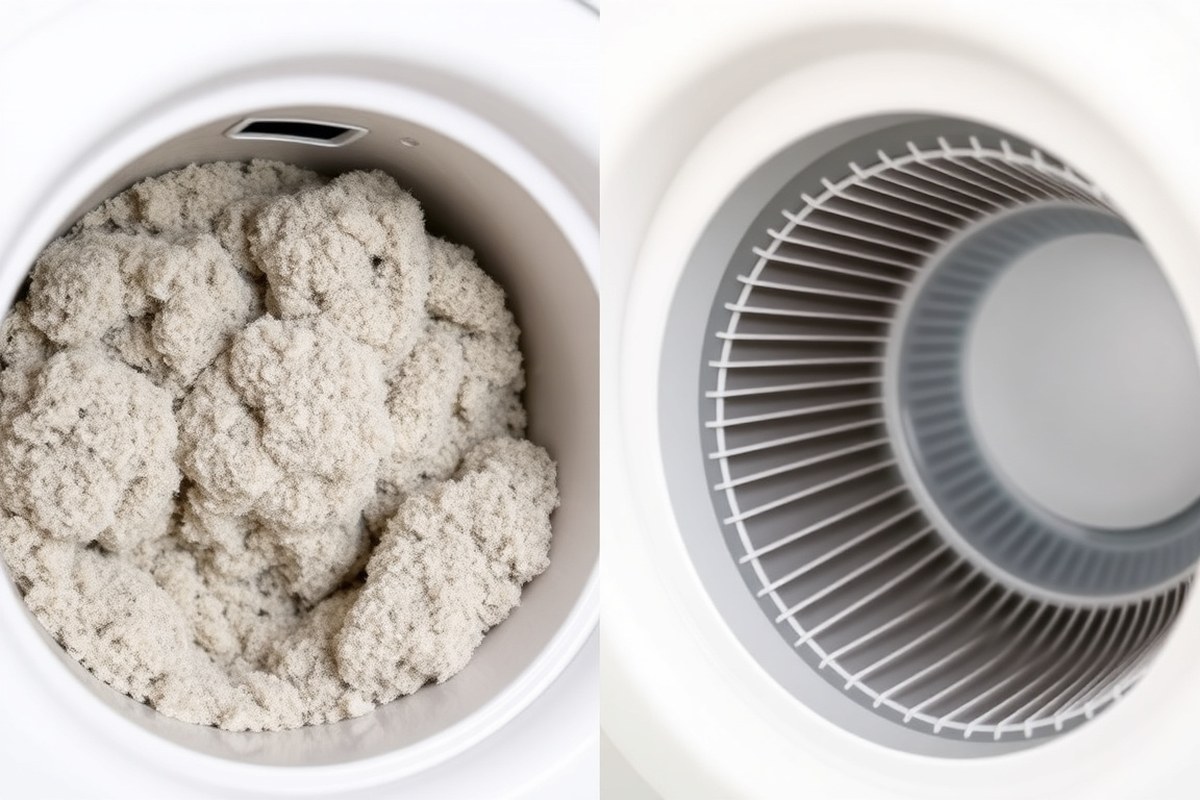
Dirty filters block airflow, making your blow dryer overheat and work harder. This harms the motor and reduces drying power. Your hair suffers too, because less airflow means longer drying time and uneven heat.
How a Clogged Filter Blocks Airflow
The filter catches dust, hair, and product flakes. These build up over time and form a thick layer. That layer stops air from flowing freely through the dryer’s motor and heating element.
When airflow drops, the heat inside rises fast. The motor strains to keep up with the heat and slowed air. This forces it to run hotter than usual, causing damage sooner than you expect.
Signs Your Blow Dryer Needs Cleaning
Your dryer’s airflow might be weak because it’s clogged. You might also smell burning or see the dryer getting hotter than before. These are red flags that dust and debris block the filter.
Visible lint and hair on the filter or vents also mean it’s time to clean. Your hair may take longer to dry.
It could look frizzier. This happens due to uneven heat flow.
Effects on Your Blow Dryer’s Motor and Lifespan
Overheating shortens the life of the motor by damaging its parts. This can lead to costly repairs or the need for a full replacement. Regular cleaning stops buildup that causes overheating in the first place.
Keeping the filter clean lets air flow normally, which keeps heat down and protects the motor. This saves you money by extending the dryer’s useful life and keeping it running efficiently.
How a Dirty Filter Affects Your Hair
Blocked airflow causes longer drying times, which heats your hair unevenly. This can make hair dry out and become brittle or frizzy. Better airflow means more even heat and less damage.
Your hair might also get caught in the filter’s mess or the dryer’s back vents. This adds extra wear and stress on strands and increases breakage risk.
Cost and Effort of Keeping the Filter Clean
Cleaning the filter is simple and takes just a few minutes once you know how. It doesn’t cost anything beyond your time if you use a soft brush or cloth. Avoid metal tools, which can damage the filter and dryer.
Regular cleaning avoids bigger expenses later, like replacing burnt-out motors. It also keeps your drying routine quick and easy, saving energy and protecting your hair.
Keep a small soft brush nearby. You can clear your blow dryer filter fast. This keeps it safe.
How Often Should You Clean Your Blow Dryer Filter?
Cleaning your blow dryer filter depends on how often you use the device. Clean the filter and vents every two weeks for daily use. This stops build-up and keeps the dryer working well.
Use the dryer less often? Clean it carefully once a month.
Cleaning only the filter often keeps the hair dryer running smoothly. But every few months, wipe the exterior and check vents too. This helps avoid dust and lint blocking airflow, which can cause overheating or lower drying power.
| Usage Frequency | Cleaning Schedule | What to Clean |
|---|---|---|
| Daily use | Every 2 weeks | Filter and vents |
| Frequent but not daily | Once a month | Filter primarily |
| Occasional use | Every 1 to 2 months | Filter and check vents |
Between cleanings, remove loose hair and lint gently. Use a soft brush or your fingers to clear the filter.
Avoid using water unless the user manual says it’s safe. This quick cleanup stops clogs and keeps your dryer ready for action.
Not following these schedules risks clogging the filter and vents. Your blow dryer may take longer to dry hair and could overheat, shortening its life.
Cleaning takes only a few minutes. You just need a soft brush or cloth.
Safety Precautions Before and During Cleaning
Always unplug your blow dryer before cleaning the filter. This prevents electric shock and keeps you safe.
Let the dryer cool down completely. The parts get hot and can burn your fingers.
Using water or harsh cleaners on the filter can damage it. Never spray water directly on the dryer or soak the filter. These actions can hurt the motor or cause rust inside.
Compressed air is safe for cleaning your blow dryer filter if used right. Keep the air blasts short and hold the nozzle several inches away from the filter. This avoids damaging the filter mesh or electronic parts.
- Unplug the blow dryer before cleaning
- Wait at least 10 minutes for it to cool down
- Remove the filter carefully, following your model’s instructions
- Use short bursts of compressed air from about 6 inches away
- Avoid water or chemical cleaners directly on the filter
- Ensure the filter is fully dry before putting it back
- Check the manual for any model-specific precautions
Cleaning the filter safely keeps the blow dryer working well longer. Damaged filters or motors reduce heat and airflow, causing noisy operation. Proper care avoids costly repairs or replacements later on.
Choosing the Right Tools and Cleaning Agents
You need the right tools to clean your blow dryer filter well. Most filters come off easily, but the method varies by brand and model. Avoid harsh chemicals that can damage filters or cause skin irritation.
You can use simple tools like a soft brush and cloth. A microfiber cloth works well. Mild dish soap handles most types easily.
For Dyson blow dryers, gently remove the filter cover first. Use a soft brush or compressed air to clear dust without taking the unit apart.
- Soft-bristled brush for dust and hair removal
- Microfiber cloth for wiping the filter surface
- Mild dish soap mixed with lukewarm water
- Compressed air canister for delicate filters
- Gloves if you have sensitive skin or allergies
For sensitive skin or allergies, avoid cleaning products with fragrances or bleach. Mild soap and water clean well without causing reactions.
Dyson filters often have mesh or magnetic covers. So never use sharp tools to pry them open.
Other premium blow dryers may have filters secured differently. Check your user manual for exact removal instructions. Cleaning harshly or incorrectly can damage the filter or void the warranty.
Never submerge your blow dryer or use strong chemical cleaners on the filter. This can cause electrical damage or skin irritation.
Cleaning Techniques by Blow Dryer Model and Filter Type
Removable filters are easier to clean because you can take them out and wash them directly. Non-removable filters need gentle methods to avoid damage and keep dirt from going inside. Some parts, like diffusers or concentrators, can be cleaned separately.
Wash them in warm, soapy water. Let them dry before use.
Removable Filter Cleaning Process
You can remove the filter carefully from the blower side. Rinse it under warm running water and use dish soap if there’s buildup. Let it air dry completely before putting it back to prevent moisture inside the dryer.
Some removable filters are dishwasher-safe. But check your blow dryer’s manual before placing them in the dishwasher.
Using a dishwasher may seem easier but could weaken the mesh or plastic over time. Using a soft brush or cotton swab with rubbing alcohol works well for stuck-on grime too.
Non-Removable Filter Maintenance Tips
For non-removable filters, use a vacuum with a soft brush attachment to suck out dust. Avoid pushing dirt deeper by not poking inside the vents with sharp tools. A clean, dry cotton swab can help reach smaller vent openings with gentle swipes.
Keeping non-removable filters clean slows dust buildup, which can block airflow and overheat the motor. Cleaning the focusing nozzle and attachments regularly adds to your dryer’s lifespan. Wipe these parts with a damp cloth or wash removable attachments in warm, soapy water.
Special Considerations for Dyson Filters
Dyson Supersonic filters are removable but need careful handling. Pull the filter out gently. Tap it over a trash can to remove dust.
Wash it if needed. Use a soft brush to clean the mesh and surrounding vent area without damaging the parts.
Dyson recommends washing the filter under running water if it’s visibly dirty. Let it dry fully, which can take 24 hours, before reinstalling to avoid motor damage. Regular cleaning helps maintain the powerful airflow that Dyson dryers are known for.
Common Cleaning Mistakes and How to Avoid Them
One big mistake is using sharp tools to clean the filter. Scratching the mesh or plastic can ruin its shape and let dust slip through. Stick to soft brushes or cloths to keep the filter intact and fully functional.
Another error is wetting parts that aren’t waterproof. Water inside the blow dryer can cause electrical damage or rust.
Remove the filter only if the manufacturer says it’s safe. Rinse it well and dry it completely before you put it back on.
- Never use sharp objects like pins or knives on the filter
- Avoid spraying water inside the blow dryer body
- Don’t rush drying after cleaning, let the filter air dry fully
- Ignore signs of a heavily clogged or damaged filter
- Use a soft brush or cloth for gentle cleaning
- Stop using the blow dryer if it overheats or smells burnt
Skipping the drying step can cause moisture to stay inside the filter. That leads to mold or corrosion, which harms performance.
Let the filter dry on a flat surface for several hours. Don’t put it back while damp.
Trying to clean an overly clogged or damaged filter can backfire. It might break or reduce airflow more than before. Your filter may need replacing if it looks torn or misshapen.
Also replace it if it still blocks air after cleaning. Continuing with a bad filter makes the blow dryer work harder and could cause overheating.
Stop using your blow dryer if it makes strange noises. If it runs hot, get a professional to check it out.
Trying to fix serious problems yourself might cause more damage or void warranties. A technician can safely clean or replace parts to keep your device working well.
When to Seek Professional Cleaning or Replacement
Check your blow dryer if it feels hot to touch or shuts off suddenly. These signs mean it might be overheating or malfunctioning. A clogged filter often causes this by blocking airflow and stressing the motor.
Try cleaning the filter first. But if problems continue after a thorough cleaning, consider professional help.
A licensed technician can safely inspect and fix internal damage. Repair costs range from $40 to $125, depending on the issue and your location.
Replace the filter when it’s torn, warped, or won’t fit right anymore. Using a damaged filter lets dust in and reduces performance. Buying a new filter costs about $10 to $30, often cheaper and easier than repairs.
A practical rule is to clean your filter regularly and watch for unusual sounds or smells. If your blow dryer makes rattling noises or burns your hair, stop using it.
These are signs that dirt or a broken part is causing harm. A professional should check it first.
Never ignore persistent overheating or strange smells; these can cause fires or electrical hazards.
Remember, even if cleaning fixes most problems, don’t skip professional checks if issues linger. A clean filter helps, but internal wear or wiring issues need a pro. Consult a certified technician if you feel unsure about safety or repairs.
Ignoring filter cleaning for months makes your blow dryer inefficient and risky. Dust buildup forces the motor to work harder, shortening its life span. Regular care is cheaper and safer than replacing the whole unit.
Step-by-Step Action Plan to Keep Your Blow Dryer Filter Clean
Follow these easy steps to keep your blow dryer running smoothly. They help you clean the filter at the right times and check it works well.
- Before You Start: Unplug your blow dryer and let it cool. This keeps you safe and protects the device.
- Week 1: Remove the filter gently and wipe off dust with a dry brush or cloth. See dust gone and airflow normal.
- Every 2 Weeks: Wash the filter with warm water and mild soap if it looks grimy. Dry fully before putting it back.
- Month 1: Inspect the filter for damage like cracks or tears. Replace it if you find any problems.
- Every 3 Months: Use a vacuum or soft brush to clean air vents. Check if air blows stronger.
- After 6 Months: Consider professional cleaning if you notice burning smells or longer drying times.
- Ongoing: Store the blow dryer in a clean, dry place to reduce dust buildup.
Frequently Asked Questions
How Do I Know If My Blow Dryer Filter Needs Cleaning?
Check if your blow dryer feels hot or takes longer to dry. These signs often mean the filter is clogged and needs cleaning soon. Regular checks can prevent damage and keep it working well.
Can I Use Water to Clean a Metal Blow Dryer Filter?
No, water can cause rust on metal filters. Instead, use a vacuum cleaner or a brush to remove dust and lint. Avoid liquids to keep the filter in good shape.
Is It Okay to Clean My Blow Dryer Filter While It’s Plugged In?
Never clean your blow dryer filter while it’s plugged in. Unplugging it first keeps you safe and prevents electric shock. Always follow safety rules before cleaning.
What Should I Do If My Blow Dryer Filter Is Damaged?
Replace a damaged filter immediately. A broken filter lets dust and hair into the motor, causing damage. Contact the manufacturer or a professional for a new one.
Can Blow Dryer Filters Be Cleaned in a Dishwasher?
No, dishwashers are too harsh and can damage the filter. Use gentle hand cleaning instead. Avoid heat and strong detergents to extend the filter’s life.
Will Cleaning the Blow Dryer Filter Improve Drying Time?
Yes, a clean filter lets air flow freely, speeding up drying. Dust blocks airflow and makes the motor work harder. Clean filters save time and protect your device.
The Bottom Line
Keeping the filter clean keeps your blow dryer working well. Start by checking the filter after each few uses. This small step saves you time and money later.