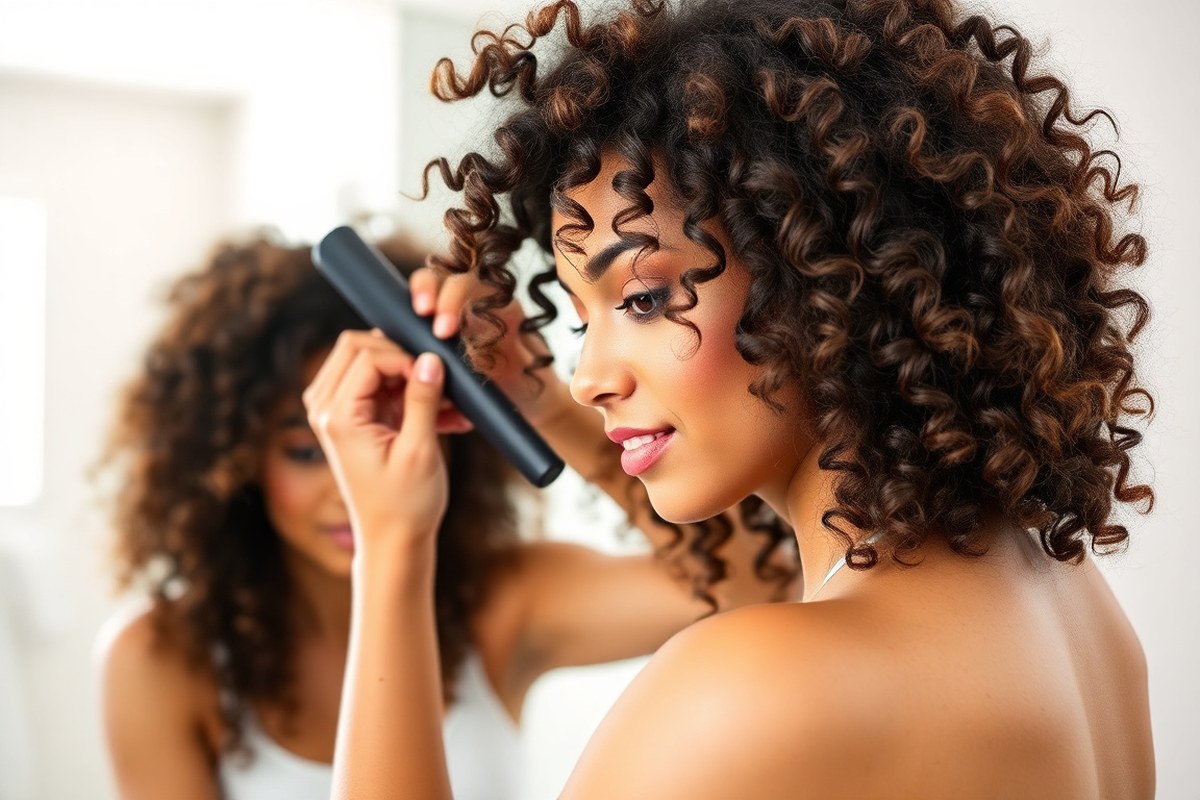
How to Brush Curly Hair Safely: A Complete Guide with Tips and Techniques
Knowing how to brush curly hair safely makes all the difference. You can brush curls without damage if you use the right tools and do it gently.
Avoid brushing dry curls to prevent frizz and breakage. Dry brushing often leads to split ends and rough texture.
Start brushing on wet or damp hair after applying conditioner to ease detangling. Use wide-tooth combs or Denman brushes; they help keep curls clumped and defined.
Work in sections to keep the process manageable and prevent pulling. Detangle from the ends upward to minimize pain and damage.
Brushing curly hair doesn’t mean overdoing it either. One to two passes are usually enough to detangle or style your curls without causing harm.
Waiting until curls are fully dry before fluffing or breaking them up protects their natural shape. Lightly scrunch curls once dry to revive bounce without undoing the pattern.
Key Takeaways
- Brush curly hair only when it’s wet or damp, never dry, to reduce breakage.
- Apply conditioner generously before brushing to soften strands and ease detangling.
- Use a wide-tooth comb or Denman brush to maintain curl definition and clumps.
- Divide hair into 2 to 4 sections for gentle, manageable brushing.
- Limit brushing to one or two passes to avoid damaging your curls.
- Wait until curls are completely dry before fluffing or breaking them up.
Can You Safely Brush Curly Hair and When?
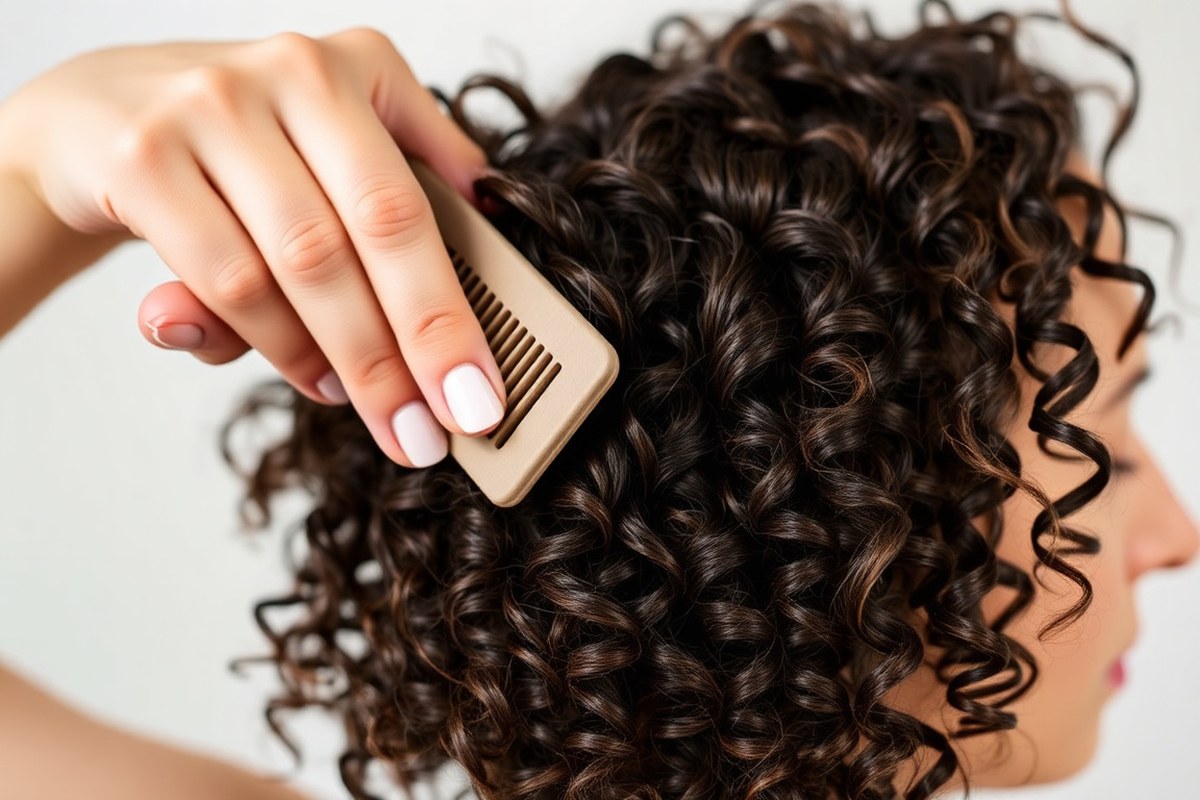
You can safely brush curly hair, but only when it’s wet. Brushing dry curls breaks strands and creates frizz quickly. Always wait until after you wash and condition your hair to brush.
The best time to brush is on wash day. Brush when your hair is fully wet. Make sure your hair has conditioner on it.
Conditioner loosens tangles and protects curls during brushing. For very tight curls, brush when hair is soaking wet, not just damp.
Brushing curly hair too often can dry it out and mess up your curl shape. Aim to brush just once or twice a week, on wash days. Daily brushing isn’t necessary and can cause damage.
After your hair is dry and curls have set, avoid brushing. Brushing dried curls breaks their pattern and causes frizz. Instead, use your fingers or a wide-tooth comb to refresh curls on no-wash days.
When brushing, divide your hair into sections to limit breakage and keep curls intact. Start from the bottom and work upward gently. Use a brush made for curly hair that glides smoothly through wet strands.
Cleaning your brush is key since repeated use with conditioner and styling products builds up residue. Rinse your brush thoroughly after every use to keep hair healthy and fresh. Dirty brushes can reduce the brush’s effectiveness and cause scalp issues.
Brushing wet curls with the right technique improves curl definition and prevents knots. It takes about 10 to 15 minutes on wash day, depending on hair thickness. Stop brushing once your hair feels detangled and soft.
Brushing curly hair is not for everyday grooming. It helps to detangle safely. Do this once or twice a week.
Stick to wet hair brushing and gentle tools for healthier, bouncier curls over time. Your curls will stay vibrant and less prone to breakage this way.
Choosing the Best Brushes and Tools for Curly Hair

You want tools that match your curl type and your hair goals. A wide-tooth comb is great for detangling thick, tight curls while keeping breakage low.
Detangling brushes with flexible bristles and movable comb arms work well for looser curls and knots. Avoid fine-tooth combs since they can cause breakage and ruin your curl pattern.
Brushing curly hair right after washing makes a big difference. Hair is coated in conditioner and damp, which reduces frizz and helps slip through tangles. After detangling with a wide-tooth comb or detangling brush, use a Denman brush.
It helps clump your curls and gives good curl definition. Use the Denman brush carefully to keep your curls looking nice.
Brushing dry curls often leads to frizz and stretched-out curls. So keep your curls wet for brushing.
| Brush/Comb Type | Best For | Why It Works | When to Use |
|---|---|---|---|
| Wide-Tooth Comb | Tight, thick curls | Widely spaced teeth reduce breakage | Damp hair with conditioner, on wash day |
| Detangling Brush | Loose to medium curls | Flexible bristles gently remove knots | Damp hair with conditioner, for gentle detangling |
| Denman Brush | All curl types for styling | Defines curls by clumping strands together | After detangling, on damp hair |
| Fine-Tooth Comb | Not recommended | Causes breakage and scrambles curl pattern | Avoid on curly hair |
Different brushes cause less breakage depending on how they interact with your hair. Detangling brushes have movable teeth that bend to release knots without pulling. Wide-tooth combs avoid tight tangling by spacing out strands.
Denman brushes help form ringlets but work best on damp hair after detangling. Picking the right tool minimizes frizz and curl damage.
Brushing dry curly hair often leads to frizz and curl loss. So only brush when damp with conditioner.
Sometimes a comb works better for your curls, especially wide-tooth ones for thick hair. Other times, a detangling brush is best for loosening knots without tugging. Denman brushes are great for styling and shaping curls after detangling.
Use the right tool at the right time for your curls. This keeps curls healthy and well-defined. It helps you avoid limp or frizzy hair.
How to Prepare Curly Hair Before Brushing
Start by wetting your hair and applying conditioner or a leave-in product for slip. Section your hair into manageable parts before brushing to prevent breakage. Use oils or creams after to lock in moisture and reduce frizz.
Applying Conditioner for Slip and Moisture
Apply conditioner to wet hair to soften strands and add slip. Conditioner lubricates curls, making combing and brushing smoother. Without it, dry curls snag and break easily.
Focus on the ends when applying conditioner since they tend to be the driest. Using 2 to 3 tablespoons works well for medium-length hair. Leave it on for a minute or two before starting to detangle.
Wash out any excess conditioner lightly but keep enough moisture to avoid dryness. This helps brushes glide without pulling or breakage.
Sectioning Hair: How and Why
Divide your hair into 4 to 6 small sections before brushing. Sectioning limits pulling and reduces pain during detangling. It also helps you focus on one spot at a time and avoids uneven brushing.
Use clips or hair ties to keep sections separated. Start brushing at the ends, then gently move upward. This method reduces tight knots and breaks less hair.
Working on smaller sections takes more time but reduces damage and frizz significantly.
Using Leave-In Products and Oils
Apply a leave-in conditioner or curl cream after rinsing out regular conditioner. Leave-in products provide lasting moisture and improve curl definition. They also create a slick base for easier brushing.
Follow with a lightweight oil or hair serum to seal moisture. Using a dime-sized amount helps reduce static and frizz after brushing. Oils like argan or jojoba cost $10 to $25 and add shine without weighing curls down.
Applying a gel or curl cream after brushing tames flyaways and locks the curl pattern.
- Start with wet hair straight out of the shower for better elasticity.
- Apply a generous amount of rinse-out conditioner, focusing on your hair ends.
- Divide your hair into 4 to 6 manageable sections using clips or hair ties.
- Use a wide-tooth comb or detangling brush for detangling. Start gently at the ends of each section. Work your way upward slowly and carefully.
- Rinse out conditioner lightly, leaving some slip in the hair.
- Apply a leave-in conditioner or curl cream evenly through each section.
- Add a lightweight oil or serum to lock in moisture and reduce frizz.
- Brush gently through each section, avoiding fast or harsh strokes.
Step-by-Step Guide to Brushing Curly Hair Without Damage
Brushing curly hair without damage means working slowly and carefully. You want to detangle gently and keep frizz low. Start at the ends and move upward, using soft strokes and the right brushes.
Start from the Ends and Work Upwards
Starting at the ends prevents pulling and breakage. Those strands knot first, so loosen them gently before moving up. Ignoring this can cause pain and split ends.
Begin by sectioning your hair into parts that feel manageable. Hold the top of each section to avoid strain as you work through the tangles. This helps keep your scalp comfortable and your hair intact.
Use Gentle, Slow Strokes
Fast brushing or harsh motions cause frizz and breakage. Use slow, gentle strokes that glide through curls. This reduces snagging and prevents frizz from appearing.
Keep your hair wet or coated with conditioner when possible. This creates slip for the brush to move easily. Brushing dry curly hair usually increases breakage and damage.
Clump Curls with Curl-Defining Brushes
After detangling, a curl-defining brush helps clump curls nicely. It smooths strands and creates shiny curls that hold shape. Denman brushes work well for this step, especially on wet hair.
Use these brushes with a light touch to avoid fluffing the curls. Let curls dry naturally or with a diffuser for best results. Overbrushing can cause frizz, so brush just enough to define.
Follow these steps to brush your curls gently and reduce frizz:
- Section your hair into manageable parts.
- Start brushing from the ends, holding the top of each section.
- Use a wide-tooth comb or fingers to detangle first.
- Keep hair wet or coated with conditioner for slip.
- Brush slowly with gentle strokes upward to the roots.
- Finish by smoothing curls with a curl-defining brush like a Denman.
- Let your hair air dry or diffuse with low heat.
Common Mistakes When Brushing Curls and How to Fix Them
Brushing curly hair too fast or rough can cause frizz and breakage. Dry curls are especially sensitive. So brushing them pulls apart curl clumps and causes frizz.
Using a fine-toothed comb can hurt the hair’s outer layer. Brushing too hard can stretch curls and make them limp. Both can damage your curls’ natural look.
Some common brushing mistakes include over-brushing and brushing dry curls without conditioner or water. Brushing your curls too much removes natural oils from hair. This breaks the curl pattern and reduces curl definition.
It also causes more flyaways to appear. Fix damaged curls by misting your hair with water.
Add leave-in conditioner for extra moisture. Then gently detangle with fingers or a wide-tooth comb.
- Never brush dry curls, moisture keeps curls intact.
- Use gentle, slow strokes to avoid pulling hair too hard.
- Choose a wide-tooth comb or a special detangling brush for curly hair.
- Detangle curls in sections, starting from the ends up to the roots.
- Avoid brushing curls daily; aim for 1, 2 times a week.
- Apply a leave-in conditioner or light oil to reduce friction.
- Skip harsh brushes and fine combs that disrupt curl shape.
Stretching curls or limp curls often come from brushing wet hair roughly or over-brushing during styling. Let your curls air dry partially, then gently detangle. Watch how your curls bounce back after brushing them.
If they don’t spring up quickly, you brushed too much. Brushing too hard or long can harm your curls.
Avoid brushing dry curls, always wet or dampen before detangling to protect the curl shape.
How Hair Type and Curl Pattern Affect Brushing Techniques
Curly hair varies a lot depending on the curl pattern and thickness. Tight curls need a wide-tooth comb or a brush with widely spaced bristles. Loose curls or wavy hair do well with soft brushes.
They have flexible bristles that smooth the hair. These brushes help prevent breakage.
Fine curly hair breaks easier and needs gentler tools. Brushes with soft nylon bristles or fingers work best. Coarse hair has more strength but can get rough if brushed too hard.
A firm brush like the Denman is popular with curl lovers. It helps shape curls when you use it properly. Using it right avoids damage.
Brushing frequency depends on your curl type. Tight curls don’t need daily brushing and often get frizzy if brushed too much. Brush them only when wet and conditioned to avoid breakage.
Wavy or loose curls can be brushed more often. But still not as much as straight hair, to keep them defined.
You should always brush curly hair when it’s damp and conditioned to reduce friction. Start at the ends and work your way up slowly. This prevents knots and damage.
Using the wrong tool or brushing dry curls often leads to frizz and breakage. Active care means choosing the right brush and timing for your specific curls.
When and How to Refresh Curly Hair Between Washes
You can freshen your curls on day 2 or 3 without washing. Lightly mist them with water. Use your fingers or a wide-tooth comb.
Avoid brushing dry curls since it can cause frizz and breakage. Products like leave-in conditioners or curl refresh sprays help reshape curls without heavy buildup.
Using Water and Leave-In Conditioners to Refresh
Spritzing curls with water softens your hair. A leave-in conditioner also helps. Both reactivate the product already in your hair.
This helps curls regain their shape. Use a spray bottle for an even mist without soaking your hair.
Start with a light mist and add more only if curls feel dry. Too much water can loosen your curl pattern and create frizz. After spraying, scrunch your curls gently to encourage bounce.
- Fill a spray bottle with water or a water-leave-in mix.
- Spray curls lightly starting from the ends moving up.
- Apply a small amount of leave-in conditioner on your palms.
- Scrunch the curls inward using your palms.
- Allow hair to air dry or diffuse on low heat.
Gentle Finger Detangling Techniques
Between washes, finger combing is better than brushing for curly hair. Your fingers work like a natural brush that separates curls without pulling or causing breakage. You’ll remove knots carefully and keep your curl shape intact.
Start detangling at the ends, then work your way up. Spray a bit of water or leave-in conditioner before finger combing.
This helps when curls resist. Avoid tugging hard or running fingers through hair too often.
Lightweight Products for Curl Definition
Lightweight curl refreshers like curl creams or sprays can redefine curls without weighing them down. These products boost moisture and reduce frizz. Choose formulas meant for your curl type to avoid buildup.
Apply a small amount to your hands, then scrunch it into damp curls. Avoid heavy oils or thick gels if your hair feels greasy. Refreshers with natural ingredients often smell pleasant and keep curls soft between washes.
Protecting and Caring for Curly Hair After Brushing
Lock in moisture on your curls right after brushing. Use a lightweight leave-in conditioner or curl cream. This keeps your curls hydrated and soft throughout the day.
These products create a barrier that seals moisture, reduces frizz, and keeps curls defined longer. Avoid heavy or alcohol-based products, as they can dry out curls and cause breakage.
Protect your curls overnight with a silk or satin pillowcase. You can also wrap your hair in a silk scarf. These methods reduce friction that causes frizz and breakage.
Cotton materials can absorb moisture and cause friction, which leads to frizz and breakage. Try the “pineapple” method to protect curls while you sleep.
Gather your curls loosely at the top of your head. Use a soft scrunchie to keep curl shape without crushing them.
- Apply leave-in conditioner or curl cream evenly after brushing
- Use a silk or satin pillowcase or hair wrap overnight
- Try the “pineapple” method to protect curl shape
- Avoid tight hair ties that pull or crease curls
- Refresh curls in the morning with water or curl refresher spray
- Limit heat styling to prevent damage
Hair that feels dry, brittle, or breaks easily may need professional care. Visit a stylist who knows curly hair for better care. They can spot damage and suggest treatments like deep conditioning.
Getting trims can also help keep your curls healthy. Doing so timely keeps curls healthy and avoids further harm.
Never brush dry curls without wetting them first. It causes breakage and frizz.
Sealing in moisture and protecting curls overnight lets your hair repair itself and hold its shape. You’ll notice softer, shinier curls and less frizz by morning. Skipping these steps often causes tangled, dull-looking hair that’s harder to manage throughout the day.
Step-by-Step Action Plan for Brushing Your Curly Hair
Start brushing curly hair the right way with these simple steps. Follow this plan to protect your curls and reduce frizz.
- Before washing: Detangle hair gently with fingers to remove surface knots. You’ll feel less resistance when brushing.
- After washing: Apply leave-in conditioner or detangler while hair is damp. Your curls will feel softer and easier to brush.
- Right after conditioning: Use a wide-tooth comb or detangling brush. If curls glide without pulling, you’re doing it right.
- During brushing: Start at the ends and work up toward roots. You’ll avoid breakage by not tugging on tangles near the scalp.
- After brushing: Use your fingers to reshape curls gently. The curls will stay bouncy and less frizzy.
- Daily routine: Refresh curls with water or curl refresher spray on non-wash days. You’ll keep curls looking fresh without extra brushing.
- Weekly check: Assess your brush condition. Replace any tool with rough edges to protect your hair from damage.
Frequently Asked Questions
Is It Bad to Brush Curly Hair Every Day?
Brushing curls daily often leads to breakage and more frizz. Brush only on wet, conditioned hair to maintain curl shape and health.
Can Brushing Curly Hair Make Frizz Worse?
Yes, brushing dry curly hair often causes frizz and breaks strands. Use a wide-tooth comb or Denman brush on wet hair with conditioner to reduce frizz.
Should You Use Conditioner Before Brushing Curly Hair?
Always apply conditioner before brushing wet curly hair. It moisturizes and detangles, making brushing gentler and preventing breakage.
Is Finger Detangling Better Than Brushing Curly Hair?
Finger detangling is gentler and helps keep curls intact. You can use fingers alongside brushes to carefully separate knots without damage.
Can Brushing Curls Redefine Them After Sleep?
Yes, brushing wet or damp curls lightly can refresh their shape. Always use fingers or a wide-tooth comb instead of brushing dry curls.
How Long Does It Usually Take to Brush Curly Hair Properly?
It typically takes 5 to 10 minutes, depending on hair length and thickness. Taking your time prevents damage and keeps curls looking their best.
Before You Go
Brushing curly hair safely protects your curls and keeps them healthy. Try brushing with fingers or a wide-tooth comb first to avoid damage. Take a small step today by detangling gently after your next wash.