What Does Purple Shampoo Do? How It Works + Best Use Tips
What does purple shampoo do? It neutralizes brassiness and yellow tones in lightened or gray hair.
Purple shampoo deposits a violet pigment that cancels out warm colors on your hair. This keeps your blonde, silver, or white hair looking fresh and cool-toned.
Yellow and orange tones show up after you bleach your hair. Purple shampoo helps balance these colors. It keeps your hair looking bright and fresh.
It works best when applied to damp hair and left on for a few minutes. Don’t leave the purple shampoo on for too long.
Using it too often can cause a purple tint. Apply it just enough to neutralize brassiness.
Porosity matters, too. Hair that’s dry or damaged absorbs purple pigments faster.
So space out your use to once every 1, 2 weeks. Low-porosity hair can handle purple shampoo about once a week without issues.
Key Takeaways
- Use purple shampoo to cancel yellow and brassy tones in light hair colors.
- Apply purple shampoo evenly to damp hair, leaving it on 2, 5 minutes.
- Hair porosity affects how often you should use purple shampoo to avoid over-toning.
- Highly porous or damaged hair should only get purple shampoo every 1, 2 weeks.
- Lightest hair shades like platinum and gray need just 1, 3 minutes of purple shampoo.
- Avoid leaving purple shampoo on too long to prevent unwanted purple stains.
What Purple Shampoo Does to Your Hair

Purple shampoo works by depositing violet pigments onto your hair. These pigments counteract and neutralize yellow or brassy tones in blonde, gray, or lightened hair. The violet color acts like a canceling agent against warm, unwanted hues.
This shampoo doesn’t lighten or darken your hair. Instead, it adds a small, temporary tint that balances out dull yellow or golden shades. You’ll notice your hair looks cooler and brighter after a wash with purple shampoo.
When you lather purple shampoo, the violet pigments cling to the hair shaft. They neutralize the warm tones that build up from sun exposure, hard water, or styling tools. Use it for 2 to 5 minutes per wash to see the effect without staining.
Using purple shampoo regularly keeps your hair tone fresh between color appointments. Purple shampoo works best for blonde or gray hair that yellows or looks brassy over time. It helps balance out those unwanted tones.
Use it regularly to keep your hair looking fresh. Don’t leave purple shampoo on too long.
Avoid using it daily. Too much can make your hair dull or slightly purple.
Your purple shampoo can tone down uneven lightened spots or stubborn brassiness. It won’t change your original hair color. Use it to brighten dull areas only.
For best results, look for sulfate-free formulas that cleanse gently while toning. Expect to spend around $10 to $20 for a bottle that lasts several months.
How Purple Shampoo Neutralizes Brassiness and Yellow Tones
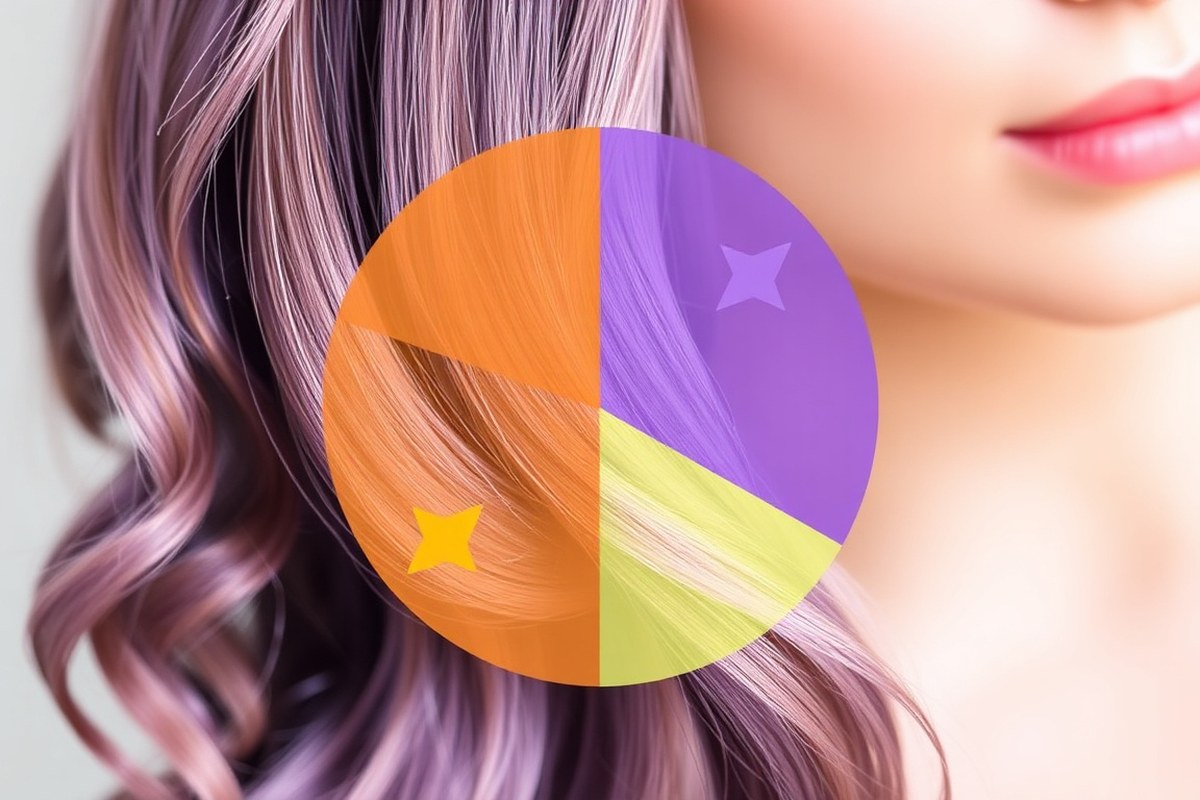
Purple shampoo contains purple pigment that works by depositing color onto your hair. This purple pigment fights yellow and brassy tones in hair. Purple and yellow sit opposite each other on the color wheel.
That’s why purple cancels out yellow shades effectively. These opposite colors cancel each other out, so the yellow tones look less intense.
The purple dye in the shampoo clings to your hair strands during washing. It doesn’t change your hair’s natural color but temporarily masks the unwanted yellow. This pigment deposition corrects your hair’s hue without bleaching or coloring it permanently.
Always shampoo your hair before using purple shampoo. This removes oils that can stop the purple pigment from sticking. Clean hair lets the purple work better on your hair tones.
Since the purple pigment cancels yellow, using purple shampoo gives your hair a cooler, softer look. It helps keep blonde hair looking fresh and less brassy between salon visits. However, purple shampoo mainly targets yellow tones, not orange ones.
For orange brassiness, like on some darker blondes or brunettes, purple shampoo isn’t as effective. It’s important to know your hair’s undertones before using it.
Regular purple shampoo is a temporary fix. So you’ll need occasional color treatments for lasting brightness.
Choosing the Right Purple Shampoo for Your Hair Tone
Choosing the right purple shampoo depends on your hair color, tone, and scalp sensitivity. Platinum and silver shades need formulas with quicker pigment action. Natural and bleached blondes benefit from different moisture levels and pigment strengths.
Your scalp is sensitive. Choose sulfate-free shampoos with soothing ingredients.
Best Purple Shampoos for Platinum and Silver Hair
Platinum, silver, and white hair absorb purple pigment quickly. Use a shampoo that lets you rinse after 1 to 3 minutes to avoid over-toning. These shampoos often have a lighter, more concentrated purple formula to cancel yellowness effectively.
Some brands specialize in silver hair care with gentle, color-depositing pigments. They also usually add moisture to protect fragile strands. You want a product that refreshes brightness without making hair feel harsh or dry.
Formulas for Natural Versus Bleached Blonde Hair
Natural blondes usually need a milder purple shampoo or use it less often. Bleached or platinum hair needs stronger pigments. It also needs more hydration.
That hair is fragile and shows brassiness easily. Applying the shampoo for 3 to 5 minutes works well for bleached hair.
Look for shampoos that combine toning pigments with vitamins or oils to nourish blondes. A sulfate-free option prevents extra dryness, especially for damaged or bleached hair.
- Use purple shampoo once to twice weekly on bleached hair.
- Avoid overuse to prevent a dull or purple tint.
- Natural blondes can apply once a week or less as needed.
- Opt for shampoos with hydrating ingredients like Vitamin B5.
- Check for formulas that protect hair cuticles while toning.
- Sulfate-free options reduce scalp irritation.
Following these tips ensures your blonde stays cool and shiny. A good shampoo will tone brassiness without stripping your hair’s natural shine.
Considerations for Sensitive Scalps and Allergies
Sulfate-free purple shampoos are better if you have a sensitive scalp or allergies. Sulfates can cause dryness and irritation in some cases. These shampoos use gentler cleansing agents that are less likely to upset your skin.
Look for products with calming ingredients like glycine or aloe vera. Avoid shampoos with strong fragrances or harsh chemicals if your scalp reacts easily. Testing a small patch before full use can prevent unwanted reactions.
How Often to Use Purple Shampoo Based on Hair Type
Your hair’s porosity shows how well it absorbs moisture and products. Higher porosity means your hair soaks up shampoo quickly but can lose color faster. Lower porosity hair holds onto moisture and color longer but may resist absorbing some products.
Using purple shampoo too much can cause purple tones. Leaving it on too long also gives ashy tones. Watch both to keep your hair color balanced.
Frequency depends on your hair’s porosity and condition. Color-treated hair tolerates purple shampoo well if used properly. But brittle or damaged hair needs gentler attention.
| Hair Porosity & Condition | Use Frequency | Contact Time | Notes |
|---|---|---|---|
| High porosity (bleached, damaged, dry) | Once every 1, 2 weeks | 2, 3 minutes | Avoid too frequent use to prevent dryness |
| Low porosity (healthy, resistant hair) | Once a week | 3, 5 minutes | Longer contact needed for pigment absorption |
| Color-treated, thick & healthy | Once a week | 2, 5 minutes, based on brassiness | Can alternate with color-safe shampoo |
| Using purple conditioner bar too | Shorter shampoo contact time | 1, 2 minutes shampoo + conditioner | Creates second pigment layer; less shampoo time |
| Extremely brittle hair needing moisture | Use less often; focus on conditioning | Short contact; avoid over-toning | Prefer soft formulas and conditioners |
Count on 2 to 5 minutes to leave purple shampoo in your hair. For darker blonde or stubborn hair, use longer time. It helps the shampoo work better on your hair.
Hair that has low porosity gets tinted stronger with longer use. It must be shampooed less often to avoid buildup. That keeps your hair healthy and clean.
Apply enough product based on hair length and thickness, usually several capfuls. Rinse well after use to avoid irritation or color buildup. Notice purple or gray tint?
Stop washing hair so much. Or shorten the time you leave shampoo on.
How to Use Purple Shampoo for Best Results
Use purple shampoo like your normal shampoo but with care. Apply it to damp hair. Leave it on for 1 to 3 minutes.
Rinse well with cool water. Follow with conditioner, preferably a purple one, to keep hair soft and toned without damage.
Step 1: Wet Hair and Apply Evenly
Start by wetting your hair with warm water to open the cuticles for better pigment absorption. Squeeze out excess water until hair feels damp but not dripping.
Next, apply a generous amount of purple shampoo to your scalp and hair. Work it through evenly by massaging gently, covering all areas with brassiness.
Step 2: Leave on Based on Hair Color and Brassiness
Leave the shampoo on for 1 to 3 minutes. Adjust time by your hair tone.
Longer if you want less brassiness. For light blonde hair, 1 to 2 minutes is usually enough.
Darker blondes or hair with stronger brassy tones might benefit from 3 minutes. Avoid leaving it on longer than 5 minutes to prevent purple tinting.
Step 3: Rinse Thoroughly with Cool Water
Rinse your hair thoroughly using cool or lukewarm water. Cooler water helps close the hair cuticles, locking in tone and keeping hair shiny.
Make sure to remove all shampoo residue to avoid dryness. Rinsing well also prevents purple staining and unwanted build-up.
Optional Step 4: Follow with Purple Conditioner
Apply a small amount of purple conditioner after rinsing shampoo out. This step can improve toning but don’t overuse both regularly, as it may dry hair.
Let the conditioner sit for 1 to 2 minutes before rinsing. You can also use a deep conditioning treatment once a week to keep hair smooth.
- Wet your hair with warm water until damp but not soaking.
- Apply purple shampoo evenly throughout hair, focusing on brassy areas.
- Massage gently to spread shampoo and distribute pigment.
- Leave it on for 1 to 3 minutes based on hair tone and brassiness.
- Rinse thoroughly with cool or lukewarm water until all shampoo is gone.
- Optionally, apply purple conditioner and wait 1 to 2 minutes before rinsing.
- Use leave-in conditioner if hair feels dry after washing.
Avoid using purple shampoo on dry hair. It won’t tone evenly and can cause patchiness.
Common Mistakes and How to Avoid Over-Toning
Using purple shampoo too often can cause unwanted color buildup. It can tint hair purple, pink, or blue. Avoid leaving it on too long.
Most people only need it once or twice a week to keep brassy tones in check. Daily use often causes over-toning and gives your hair a weird, patchy color.
Leaving purple shampoo on too long is another common problem. Usually, 2 to 5 minutes is enough for toning. Letting purple shampoo sit longer deposits extra pigment.
Dry, porous hair absorbs it more. This can cause uneven purple patches. Rinsing too slowly or using hot water can make the color stick more.
Your hair can turn too purple or dry out. There are ways to fix this easily. You don’t have to wait it out.
Wash your hair with a gentle clarifying shampoo to strip some of the pigment out. A deep conditioner after will help bring moisture back, which purple shampoo often dries out.
- Use purple shampoo no more than twice a week for best results.
- Leave the shampoo on your hair for 2 to 5 minutes only.
- Apply it to wet, towel-dried hair to keep pigment even.
- Rinse with cool water to avoid sealing extra color in.
- Use a clarifying shampoo once or twice to remove excess purple. This helps balance the tone quickly. Don’t overuse clarifiers, though.
- Always follow with a good conditioner for moisture.
- Avoid purple shampoo on pastel-colored hair to prevent weird tones.
Some people think purple shampoo should be used every time they wash. That makes the color buildup faster and dulls the natural shine. Use purple shampoo less often to avoid buildup.
Stick to recommended timing for best results. This keeps your hair bright and fresh.
When Purple Shampoo Isn’t Enough: Professional Toners & Alternatives
Purple shampoo helps reduce brassiness but doesn’t work for all hair issues. For deep or stubborn brassiness, a professional toner can give better, longer-lasting results. Toners are made by colorists to fit your exact hair shade.
They fix tones that purple shampoo can’t handle. These are special mixes for specific hair colors.
Think about professional color correction if your hair looks orange. Also consider it if your hair is dull or uneven after purple shampoo. It can fix these issues better than over-the-counter products.
Purple shampoo mainly cancels yellow tones. So it won’t fully control red or orange brassiness. Strong brassiness or heavily bleached hair calls for a salon toner.
Purple shampoo might not work well enough in these cases. A professional color fix can give better results.
Toners are different from purple shampoo because they deposit color that lasts several weeks. Purple shampoo washes out with every shampoo, so you need to use it regularly.
Toners cost more upfront, usually starting around $50 to $100 at a salon. But can keep unwanted tones away longer and smooth your hair’s overall color.
Purple shampoo can’t work well if oils, dirt, or buildup block it. Use a clarifying wash every one or two months before shampooing with purple shampoo.
Strong stains still need professional care. Very damaged hair might turn violet from excess purple.
When applying toner at home or in a salon, timing matters a lot. Stylists mix and watch the time carefully to prevent over-toning. This keeps your hair color just right.
It usually takes 10 to 20 minutes to apply, then they rinse and condition your hair. Time and attention to your hair type matter.
Overuse of purple shampoo can lead to dryness or a purple tint. Toners are controlled by professionals to create the perfect shade.
Purple Shampoo for Different Hair Colors and Conditions
Purple shampoo works best on light hair like blonde, gray, or silver. It tones down yellow and orange shades in those colors only. Using it on brown or orange-streaked hair usually won’t help much and can leave uneven results.
Effectiveness on Platinum, Silver, and Gray Hair
Platinum, silver, and gray hair often develop yellow or brassy tones with time. Purple shampoo fights these tones by depositing violet pigments that cancel yellowness.
It’s a quick fix for cool shades. Use it once or twice a week.
Since gray or silver hair is porous, purple shampoo can cause dryness if used too often. Avoid this by leaving shampoo on 1 to 3 minutes.
Then use a deep conditioner. This keeps hair smooth while toning unwanted warmth.
Use on Natural Blonde vs. Color-Treated Hair
Natural blonde hair with some yellow tones can benefit from purple shampoo. But results may be less intense than on bleached hair. Color-treated blonde hair usually holds shading longer.
So purple shampoo plays a stronger role in keeping it fresh. You can use it once a week or as needed.
Bleached, damaged hair soaks up purple shampoo fast. This can cause over-toning. You might get a slight purple tint.
For this, reduce shampoo time to 30 seconds or dilute it with water before applying. That helps tone without drying or staining your hair.
Limitations for Brown and Orange Hair Tones
Brown hair lacks the light base needed for purple shampoo to neutralize warm tones effectively. Using it on brown hair usually won’t show much difference and might cause patchy color.
Purple shampoo works on orange hues if hair is light enough. It may not help darker shades.
Orange-streaked hair often needs professional toners or masks to correct uneven brassiness better. Purple shampoo alone can’t fully fix dark or intense brass tones.
Overuse can also dry out hair. So use moisturizing products and avoid leaving shampoo on too long.
Keep purple shampoo on dry porous hair less than 2 minutes. This stops dryness and uneven color.
Step-by-Step Action Plan to Use Purple Shampoo
This simple plan helps you get rid of brassiness and keep your light hair fresh. Follow these steps to see real change.
- Before You Start: Check your hair type and brassiness level to pick the right purple shampoo. Choose one with extra moisture when your hair feels dry.
- First Wash: Apply purple shampoo on damp hair, leave it for 3 minutes, then rinse. Look for a slight cool tone, not purple patches.
- After One Week: Use purple shampoo 1-2 times a week, depending on how fast brassiness returns. Notice if your hair feels clean but not dry.
- Weekly Care: Add a moisturizing conditioner after purple shampoo to avoid dryness. Your hair should feel soft and smell fresh.
- After Two Weeks: Check if yellow or brassy tints have faded. Leave the shampoo on an extra minute next time for strong brassiness.
- Monthly Review: Assess your hair condition and color. Reduce purple shampoo if hair looks too ashy or feels brittle.
- Before Special Events: Use purple shampoo a day before to brighten your tone. Avoid using it the day of an event to prevent purple stains.
- When Results Stall: Use a professional toner or see a stylist. Purple shampoo works best as maintenance, not a fix-all.
Frequently Asked Questions
What Does Purple Shampoo Do to Damaged Hair?
Purple shampoo tones damaged hair by neutralizing yellow tones. Use it once every 1 to 2 weeks.
This keeps over-toning away. It also helps avoid dryness in damaged hair.
Can Purple Shampoo Darken My Hair?
Yes, purple shampoo can slightly darken hair due to its pigments. It’s a color-correcting toner, not a brightener.
It reduces brassiness in hair. It does not lighten hair.
How Long Should I Leave Purple Shampoo on Platinum Hair?
Leave purple shampoo on platinum, gray, silver, or white hair for 1 to 3 minutes. These lightest shades absorb pigment quickly, so shorter times prevent over-toning.
Does Purple Shampoo Work on Natural Blonde Hair?
Purple shampoo helps natural blonde hair by toning any yellow or brassy hues. It works best if used weekly or as needed depending on your hair’s state and color.
Can I Use Purple Shampoo Every Day?
Avoid daily use as purple shampoo can dry your hair or cause over-toning. Using it 1 to 3 times per week is enough for most hair types.
Is Purple Shampoo Suitable for Gray Hair?
Purple shampoo is great for gray hair because it neutralizes yellow tones. Let it sit a bit longer for better pigment absorption, about 2 to 3 minutes.
Before You Go
Purple shampoo tones your hair by canceling yellow and orange hues. Use it carefully to avoid over-toning or dryness. Start with one wash per week and adjust to keep your hair bright and healthy.