

Will Purple Shampoo Lighten Brown Hair? What Actually Happens & How to Use It
Will purple shampoo lighten brown hair? Not exactly. Purple shampoo won’t actually bleach or lighten your brown hair.
It works by neutralizing yellow and brassy tones in your hair. This makes your hair look fresher and brighter.
The purple pigments show up only on very light or damaged hair. This happens if you leave the shampoo on too long. For normal brown hair, purple shampoo helps keep your color balanced without changing its natural shade.
Start with applying purple shampoo for just 2 to 3 minutes, then rinse well. Leaving it on longer can cause a purple tint on lightened parts. Use it only every few washes to avoid buildup and maintain your hair’s richness.
Key Takeaways
- Purple shampoo neutralizes brassy tones; it doesn’t lighten your natural brown shade.
- Use purple shampoo on damp hair, leaving it for only 2 to 3 minutes before rinsing.
- Only leave purple shampoo on longer than 20 minutes for very light or damaged hair. Otherwise, keep it shorter.
- Wait 48 to 72 hours after any bleaching before using purple shampoo on your hair.
- Use purple shampoo every 2 to 3 washes to keep brown hair looking fresh and bright.
- Overuse can cause a slight purple tint on lighter or porous brown hair strands.
Can Purple Shampoo Lighten Brown Hair?
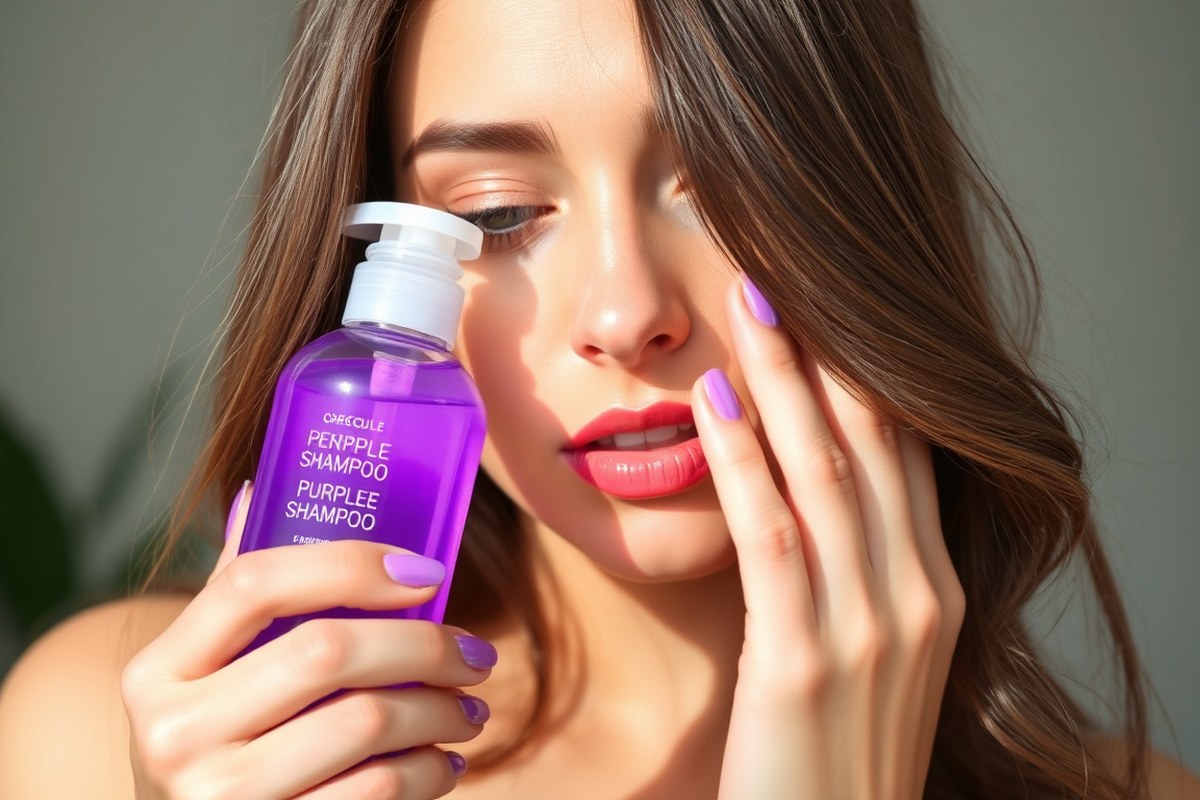
Purple shampoo does not actually lighten brown hair. It works by neutralizing brassiness, especially yellow or golden tones in lighter brown or highlighted hair. This means it tones your hair to look cooler or ashier, not lighter in color.
Your brown hair highlights or balayage can get brighter with purple shampoo. It cancels warm tones that you don’t want in lightened parts.
For natural, dark brown hair without lightening, it mainly improves shine and reduces dullness. But you won’t see a color change.
Use purple shampoo a few times weekly for best results. Leave it on for 3 to 5 minutes. This helps correct your hair tone well.
Rinse with warm water to open hair cuticles so the pigment settles evenly. Using purple shampoo too often can leave a violet tint.
Leaving it too long makes this worse. Porous or damaged hair shows this more.
Blue shampoo works better for medium to dark brunettes without highlights. It reduces orange and red tones more than purple shampoo. Purple suits lighter hair better.
However, purple shampoo still helps soften brassiness on light brown or bronde shades. Your brown hair can look less brassy and dull with purple shampoo. It brightens the tone without changing your natural color.
Rinse purple shampoo with a clarifying shampoo to avoid violet residue. This step helps keep your hair from looking too cool-toned. That removes leftover pigment and restores balance.
Purple shampoo is best as a regular toner, not a lightener. Purple shampoo is good for keeping your hair tone fresh.
It won’t lighten hair like bleaching or dyeing does. You still need other treatments for lighter brown hair.
How Purple Shampoo Works on Brown Hair: Color Theory Explained

Purple shampoo works by using violet pigments to cancel out yellow tones in hair. On the color wheel, purple is opposite yellow, so the violet tones neutralize brassiness. This is why purple shampoo leaves your hair looking cooler and less yellow.
The effect works best on lighter parts of brown hair, like caramel or mushroom brown highlights. These areas turn yellow more easily when lightened. So the purple pigment can mask the unwanted warmth.
Purple shampoo won’t change darker brown hair much. The violet color can’t show well on dark strands. This makes it less effective for deep brown tones.
When you lighten brown hair, natural pigments are stripped away. That exposes warm, yellow tones underneath. Purple shampoo adds a sheer violet tint to your hair.
It helps balance out yellow tones. This keeps your brown color looking cooler. It doesn’t lighten hair but makes it look less brassy and more toned.
Applying purple shampoo is simple. Use purple shampoo when washing your hair. Leave it on for 2 to 5 minutes.
Adjust timing based on how much brassiness you see. Keep it shorter on darker hair to avoid an unwanted purple tint. For lighter, highlighted brown hair, longer leave times can give better neutralizing results.
Purple shampoo adds cool tones to your brown hair. This mutes warm or orangey shades. It gives your hair a softer brown look.
Your warm brown hair looks cooler with purple shampoo. It cuts down the warm base color.
This makes your brown shade look smoother. This keeps your highlights or bronde looking fresh, rather than brassy or sunkissed.
Avoid leaving purple shampoo on too long. It can cause a slight purple tint. This is especially true for darker brown hair.
How Long Should You Leave Purple Shampoo on Brown Hair?
Leaving purple shampoo on brown hair should depend on your hair’s shade. The usual safe timing ranges between 2 and 10 minutes. Going past this window risks unwanted purple or gray tints on your strands.
Recommended Timing for Light Brown Hair
Light brown hair can pick up purple tones faster. You should rinse purple shampoo out after 2 to 3 minutes. This short time prevents the shampoo from leaving any visible purple cast.
Try starting with a 2-minute application if you’ve never used purple shampoo before. This gives you control over how much tone your hair absorbs. Avoid letting it sit beyond 3 minutes to keep a natural look.
Recommended Timing for Medium Brown Hair
Medium brown hair usually handles purple shampoo between 3 and 5 minutes. The deeper natural color needs more time to see any toning effect. Start in the middle of this range to avoid over-toning.
This timing helps neutralize unwanted brassy or warm shades without altering your brown base. Do not leave shampoo on longer than 5 minutes. Only apply longer on lightened sections or highlights.
Recommended Timing for Dark Brown Hair
Dark brown hair can stay with purple shampoo a bit longer, usually up to 10 minutes. This is especially true if your hair has balayage or highlights. These lighter areas absorb tone more than the dark base.
The dark hair itself won’t change color much. But the shampoo helps prevent brassiness on lighter strands.
Keep the shampoo on for about 10 minutes only if parts of your hair are lighter. Do not exceed this time on natural dark brown hair.
Risks of Leaving Purple Shampoo Too Long
Leaving purple shampoo on longer than recommended can cause a temporary purple tint. This is more common on porous, lightened, or gray hair. The purple pigment sticks to damaged hair or very light sections.
Overapplication might also leave your hair with a grayish or dull cast. Too much purple shampoo use or longer times increase this risk. Always rinse within the suggested time for your shade.
- Temporary purple or gray discoloration
- Dryness or increased hair porosity
- Uneven tone, especially on highlights
- Hair becoming dull instead of shiny
- More frequent shampoo use needed to fix over-toning
You can correct over-toning by washing with regular shampoo or conditioner. Purple shampoo stains can stay.
Use a deep conditioning treatment to restore your hair balance. Avoid using purple shampoo daily; two to three times per week is better.
Which Brown Hair Types Benefit Most from Purple Shampoo?
Purple shampoo works best on brown hair that has some lightness or warmth. Natural brown hair with no bleach or highlights may see little change. Color-treated brown hair, especially with highlights, shows the most benefit from purple shampoo.
Light Brown Hair Results
Light brown hair often has natural warm tones or occasional sun damage. Purple shampoo can reduce golden or brassy hues for a cooler, cleaner look. It doesn’t lighten hair but neutralizes warm shades that appear dull over time.
You might use purple shampoo once or twice a week. Leave it on for 1 to 3 minutes before rinsing. This routine helps keep light brown natural-looking without unwanted yellows.
Medium Brown Hair Results
Medium brown hair can have more pronounced warm or red undertones. Purple shampoo can tone these hues, especially if the hair is color-treated. Using it regularly maintains a fresh, vibrant color that avoids looking too warm or orange.
A key note is medium brown hair with lightened sections responds well. The purple pigment targets those warmer areas without changing your natural base. It’s safe to use twice weekly for maintenance.
Dark Brown Hair Results
Dark brown hair often shows less impact from purple shampoo. The rich base color masks slight tone changes. Purple shampoo mostly affects untreated lighter tips or sun-exposed spots on natural dark brown hair.
Those parts may change color more than the darker areas. The shampoo targets these lighter sections to reduce brassy tones.
For dark brown hair with no highlights, you might not notice much difference. But if the hair has some lightening, purple shampoo helps keep those sections from turning orange. Limit use to avoid any slight purple tint buildup.
Special Cases: Highlights and Balayage
Balayage, bronde, or ombré styles have lighter strands that tend to turn brassy quickly. Purple shampoo targets those warm tones and keeps the lightened parts looking smooth and natural. It doesn’t remove color but maintains tone.
Apply purple shampoo once or twice weekly, then rinse and use conditioner. Keep the shampoo on your lightened tips for 2 to 3 minutes to avoid dulling your main color. This method helps your highlights stay bright longer.
Here’s a handy table showing purple shampoo effects across brown hair types:
| Hair Type | Effect of Purple Shampoo | Recommended Use |
|---|---|---|
| Natural Light Brown | Neutralizes warm/yellow tones | 1-2 times per week, 1-3 min |
| Color-treated Medium Brown | Tones warmth, maintains vibrancy | 2 times per week, 2-3 min |
| Natural Dark Brown | Minimal change unless lightened ends | Use occasionally on lighter parts |
| Colored Dark Brown with Highlights | Neutralizes brassiness in highlights | 1-2 times per week, focus on highlights |
| Balayage / Bronde / Ombré | Keeps lightened pieces cool toned | Once or twice weekly, 2-3 min on light pieces |
This table helps you match your brown hair type with purple shampoo use. Highlighted or lightened brown hair gains the most from using purple shampoo. Natural dark brown hair usually needs it only on the lighter parts or not at all.
Step-by-Step Guide to Using Purple Shampoo on Brown Hair
Purple shampoo can keep your brown hair looking fresh by reducing unwanted brassiness. Use it carefully to avoid dull or unnatural tones. Follow a clear routine to get the best results without overdoing it.
Pre-Wash Preparation
Start with dry or slightly damp hair before applying purple shampoo. Avoid using regular shampoo first. It can strip your hair’s natural oils.
These oils help the toner work well. Brush your hair gently to remove any knots and spread your hair out for even coverage.
Check your hair condition. Dry or damaged hair can benefit from a purple shampoo with moisturizing ingredients. The Biolage Color Last Purple Shampoo is good for dry hair.
It has a low pH. It hydrates while toning. Conditioned hair helps prevent uneven colour results.
Applying Purple Shampoo Correctly
Use a quarter-size amount for medium-length hair. Apply it evenly from roots to ends, concentrating more on areas with brassiness or warmth.
You don’t need too much because purple pigments are strong. Too much can leave a slight tint.
Here’s a simple step-by-step process for applying purple shampoo correctly:
- Start with damp, detangled hair to spread the shampoo well.
- Squirt a quarter-sized amount into your palm.
- Rub the shampoo between your hands to activate the color.
- Apply shampoo evenly, focusing on the brassy areas.
- Massage your scalp gently to spread the shampoo evenly.
- Leave the shampoo on for 2 to 5 minutes, watching for color change.
- Rinse with lukewarm water to remove all shampoo residue.
Don’t leave purple shampoo on longer than 5 minutes or your hair may look slightly purple.
Ideal Frequency of Use
Use purple shampoo once or twice a week to keep brunettes looking vibrant. How often depends on your hair’s porosity and how much brassiness you see. Your hair may feel dry or stiff.
Cut back on purple shampoo. Or use one that moisturizes more.
Adding purple shampoo too often can dry out your hair. Use it alongside your regular shampoo and conditioner routine for the best balance. Adjust frequency based on how your hair looks after use.
Proper Rinsing and Follow-Up Care
Rinse your hair thoroughly with cool or lukewarm water after using purple shampoo. Hot water can open the hair cuticle, making it harder to keep tone. Make sure no purple residue remains to avoid dull or sticky spots.
After rinsing, apply a conditioner suited for colored hair to replenish moisture. This step helps keep hair soft and shiny. Use a deep conditioner once a week.
Do this if your hair feels dry or damaged. It helps repair and hydrate.
Common Mistakes and How to Fix Them with Purple Shampoo
Purple shampoo can stain your brown hair purple or blue. This happens when you use it too much. Use it less often to avoid stains.
The violet pigments in the shampoo are strong. They work by canceling out warm yellow or orange tones. But using the shampoo too often or leaving it too long can cause unwanted violet hints.
Dryness happens when you shampoo too often or use a formula that is too harsh. This makes your hair feel rough and look dull. Your purple shampoo might not be working well.
You could be using it the wrong way. It also might not be strong enough for your hair.
Here’s how to avoid these troubles and get the best tone from purple shampoo:
- Use the shampoo only once or twice a week to prevent overtoning.
- Apply it for 2 to 5 minutes; check your hair often.
- Rinse thoroughly to remove all violet pigments.
- Follow up with a good conditioner to stop dryness.
- Switch to a stronger formula if brassiness stays.
- Spot test on a small hair section before full use.
- Avoid mixing purple shampoo with other color products.
When you see purple stains, wash your hair right away. Use regular shampoo and warm water to fade the color. Repeat if needed.
Deep conditioning will help restore moisture after purple shampoo use. For stubborn brassiness, a toner or professional color correction might be needed.
Don’t keep applying purple shampoo if it doesn’t reduce warmth after a few uses. It might not be the right product for your hair.
You want your brown hair to look natural and balanced, not dull or purple-tinged. Following these tips helps maintain your color and protect your hair’s health without surprises.
Keep track of how your hair responds to each use. So you adjust timing or frequency easily.
Purple Shampoo vs Blue Shampoo: Which Is Better for Brown Hair?
Both purple and blue shampoos neutralize unwanted warm tones in brown hair. Purple shampoo targets yellow tones, while blue shampoo tackles orange tones. Picking the right one depends on the undertones you want to cancel.
Brunettes with brassiness that leans more yellow should use purple shampoo. Use blue shampoo to balance strong orange tones in your hair.
Blue shampoo works better for these warm, brassy shades. Keep in mind, neither shampoo lightens hair but neutralizes brassy shades.
Here’s a table that compares purple and blue shampoo. It helps you pick based on your hair needs. You can see effects and usage easily.
| Feature | Purple Shampoo | Blue Shampoo |
|---|---|---|
| Neutralizes | Yellow tones | Orange tones |
| Best for | Light brown to ash brown hair with yellow brassiness | Medium to dark brown hair with orange brassiness |
| Effect duration | Few washes, fades after 1-2 shampoos | Similar fading in 1-2 washes |
| Side effects | Can cause purple tint if left too long or used too often | May leave slight blues if overused |
| Usage frequency | Once or twice weekly | Once or twice weekly |
| Additional needs | Toner if brassiness is strong | Toner if brassiness is strong |
Both shampoos act as maintenance, not permanent fixes. Use them once or twice a week to avoid buildup. Leaving them on more than 5 minutes might cause unwanted tones or dryness.
Blue shampoo is sometimes less common but very effective on orange tones. Cut back or rinse sooner when your hair feels dry or tinted too much.
Using less shampoo helps keep your hair healthy. You can also switch between the two if your tint changes.
Safety Tips and When to Consult a Professional
Purple shampoo can cause hair dryness or slight damage if used too often. The pigments are meant to tone, not lighten.
But frequent use may weaken hair strands. Using it once or twice a week usually keeps hair healthy while toning unwanted brassy tones.
Allergic reactions to purple shampoo can happen but are rare. Some people get itching, redness, or a rash on the scalp.
Rinse your hair right away to remove all purple shampoo residue. Stop using the product and watch if symptoms improve within a day or two.
Call a doctor right away if swelling or blisters develop. A professional can help prevent further damage and recommend treatments if needed.
Test a small amount on your skin 24 hours before use. This may lower allergy risks.
See a hair pro if purple shampoo doesn’t fix color issues. Also, consult if your hair feels brittle.
Hairdressers can suggest gentler or more targeted toning products like purple drops. They also know how to balance your brown shade without hurting your hair.
Using products as directed is the safest way to keep hair in good shape. Choose brands that combine purple pigments with hair care ingredients to reduce dryness or fading. Leave shampoo on only for the recommended time, usually 3 to 5 minutes.
Always do a patch test before using purple shampoo to avoid unexpected skin reactions.
Step-by-Step Action Plan for Using Purple Shampoo on Brown Hair
Follow these steps to get the best results from purple shampoo. Track the changes to avoid unwanted tones.
- Before you start: Choose a purple shampoo made for brown hair. Check to avoid harsh sulfates.
- Week 1: Use purple shampoo once a week in place of your regular shampoo. Leave it on for 3 minutes, then rinse.
- Week 2: Increase application time to 5 minutes if you notice warm tones. Watch for any purple staining.
- After 3 weeks: Assess your hair color in daylight. Look for reduced brassiness without dullness.
- Week 4: Adjust use to every 7 to 10 days if hair starts feeling dry. Add a hydrating conditioner.
- After 6 weeks: Decide if you want a stronger effect or are happy with the tone. Repeat use accordingly.
- During the process: Avoid mixing purple shampoo with blue shampoo. Use each on days spaced apart.
- Anytime: Stop use and consult a professional if irritation occurs or color shifts oddly.
Frequently Asked Questions
Can Purple Shampoo Remove Brassiness from Brown Hair?
Yes, purple shampoo neutralizes yellow and orange tones in brown hair. It keeps your hair looking cooler and less brassy without changing its base color.
Will Purple Shampoo Make Brown Hair Shinier?
Purple shampoo can boost shine by reducing dull brassiness. It helps brown hair look fresher and more vibrant without adding shine directly.
Is Purple Shampoo Safe for Natural Dark Brown Hair?
Yes, purple shampoo is safe for natural brown hair if used as directed. Overuse may cause a slight purple tint. So limit use to once or twice a week.
Can Purple Shampoo Help Brown Hair with Red Undertones?
Purple shampoo is less effective on red undertones because it targets yellow tones. Brown hair with red highlights might need a different toner for balancing warmth.
Will Purple Shampoo Fade Brown Hair Dye Faster?
Purple shampoo won’t fade brown dye faster but can tone down brassiness. Using a mild formula protects your color while keeping unwanted warm tones away.
Does Purple Shampoo Protect Brown Hair from Sunlight Damage?
Purple shampoo does not protect against sun damage. Use UV protection products instead to prevent color fading and dryness from sun exposure.
Final Thoughts
Purple shampoo won’t lighten brown hair much but can reduce unwanted brassiness. Use it carefully with timed applications. Try it once a week and watch how your tone improves over time.


