Is Kitsch Good for Your Hair? What Actually Works and How to Use It
Is Kitsch good for your hair? Yes, it can be, but results depend on your hair type and routine.
The shampoo bars nourish hair while boosting volume, thanks to the rice protein ingredient. Expect more hydration and thicker-looking hair after a few washes, especially with consistent use.
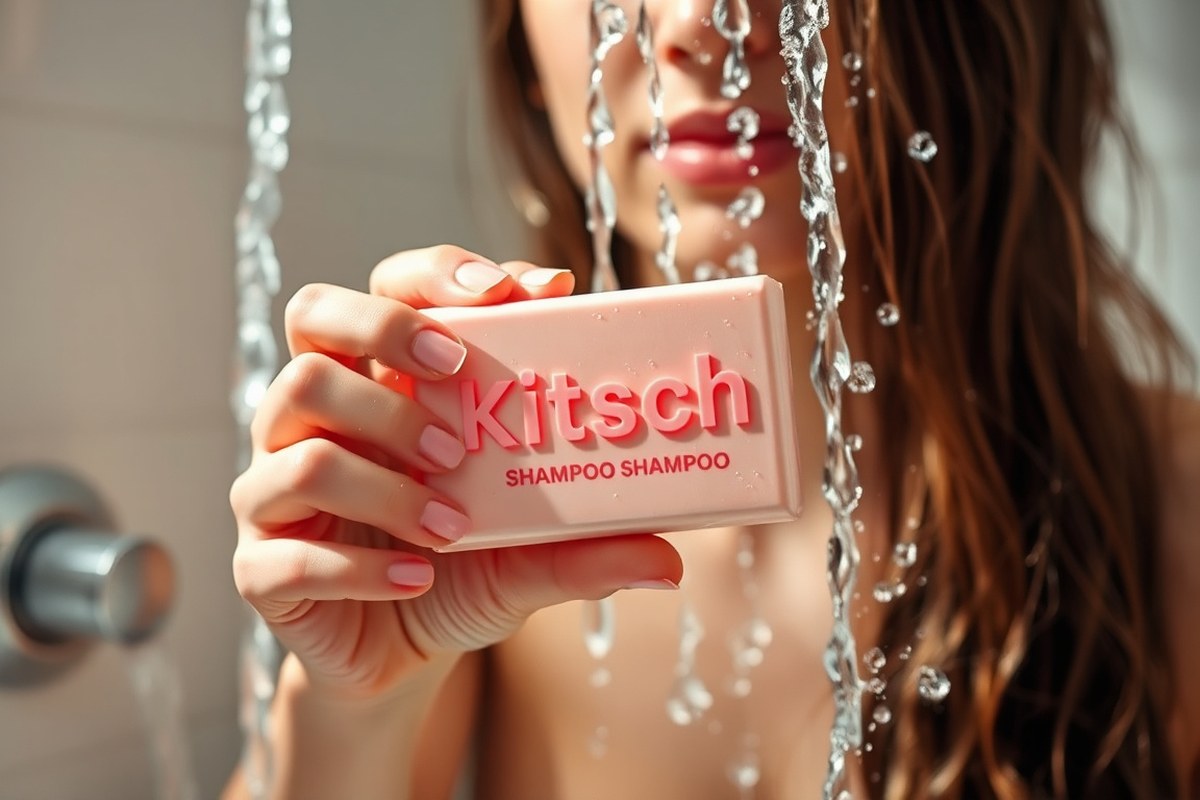
Start by adjusting how you shampoo. Kitsch bars need slightly different techniques compared to liquid shampoo. Work up a good lather and don’t rush the process to see the best effects.
Also, mind your hair’s condition before switching. If you have chemically treated or fragile hair, space out treatments and watch for dryness. Kitsch’s gentle formula suits most, but give your hair time to adapt.
Key Takeaways
- Kitsch shampoo bars contain rice protein to boost hair volume by 20% after five uses.
- Most users need two to three weeks to adapt fully from liquid shampoo to bars.
- A bar can last through 20 to 30 washes depending on hair length and thickness.
- Using the bar properly means creating a rich lather and not rushing the wash.
- Keep chemical treatments like coloring 8 to 10 weeks apart when using Kitsch bars.
- Hydration from Kitsch bars can last two to three days between washes.
Is Kitsch Good for Your Hair? The Basic Answer

Kitsch shampoo bars contain ingredients that can improve scalp health and strengthen hair. This boost may help with hair growth by supporting healthier hair roots. Many users notice their hair looks better and feels stronger after regular use.
The shampoo bars include elements backed by research to clean gently and nurture hair. Using them as directed helps maintain clean, nourished scalp skin. That promotes an ideal environment for hair growth and reduces breakage.
People dealing with hair thinning or postpartum hair loss often find Kitsch products helpful. The Rosemary &.
Biotin Shampoo and Conditioner Bars are especially popular for strengthening fine or fragile hair. Those with specific scalp concerns seem to benefit the most from the focused ingredients.
It’s normal to see mixed reactions at first. You might get slimy hair. This can happen with any new shampoo bar.
Rinsing thoroughly and adjusting how much product you use can fix this common issue. Switching from regular shampoos to shampoo bars sometimes requires a short transition period.
Kitsch bars cost about $14 each, or $28 for a set with conditioner. This price places them in a mid-range option that balances quality and sustainability.
The bars also reduce plastic waste. So you support the environment while caring for your hair.
Good results show as softer, shinier hair that feels clean without stripping natural oils. You shouldn’t expect instant regrowth or major hair loss prevention. These changes take weeks and consistent use.
Stop using the product when hair fall increases. Talk with a hair specialist for advice.
What Key Ingredients in Kitsch Bars Mean for Your Hair
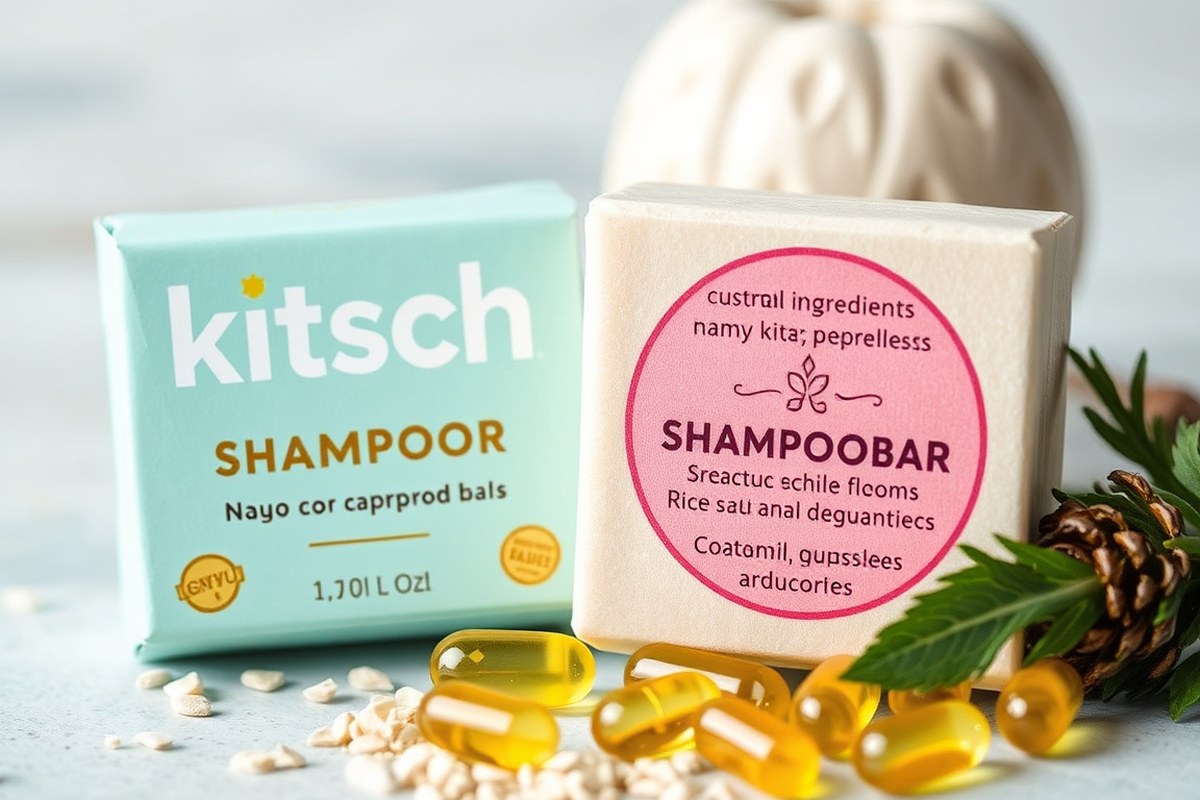
Kitsch shampoo bars commonly include rice protein, castor oil, and biotin as key ingredients. Rice protein can increase hair volume by about 20% after five uses.
It makes your hair look fuller and thicker. It also supports hair strength during washing when hair loses the most protein.
Castor oil nourishes dry and frizzy hair by penetrating the hair shaft. It reduces protein loss, which is especially helpful for dry, damaged, or coily hair types. This natural oil also adds softness and shine without weighing hair down when used correctly.
Biotin in Kitsch bars contributes to healthier hair growth by supporting scalp nourishment. Although biotin supplements work internally, in shampoo bars it helps maintain scalp health through topical application. These bars contain soothing ingredients like niacinamide and ashwagandha.
They calm your scalp. They also help promote hair density.
Some Kitsch shampoos include ingredients that might not help your hair. For example, the old castor oil bar had dimethicone. This ingredient could cause buildup and worsen hair falling out for some users.
So it’s best to avoid that version. Most current Kitsch shampoo bars focus on natural oils and protein without harsh chemicals.
Always check ingredient lists carefully. Avoid bars with dimethicone if you have scalp irritation or hair loss.
How to Use Kitsch Shampoo Bars Properly for Best Results
Preparing Hair and Scalp Properly
Wet your hair thoroughly with warm water before applying the shampoo bar. This softens the strands and opens the cuticles to absorb the cleansing ingredients. Warm water also helps loosen any dirt and oils on your scalp.
Make sure your scalp feels fully damp to let the shampoo bar work evenly. Avoid using hot water, which can dry out your scalp and hair. Lukewarm water is best to maintain moisture balance and comfort.
Lathering and Rinsing Techniques
For better lather, rub the shampoo bar between your wet hands or directly on your scalp. Focus on circular motions across the scalp to spread the soap evenly. This technique helps create rich foam without overusing the bar.
Rinse thoroughly with warm water to remove all shampoo residue. Leftover soap can cause buildup and dryness. Take your time rinsing, especially at roots and hairline areas where shampoo tends to collect.
Conditioner Bar Application Tips
After rinsing shampoo, apply the conditioner bar mainly on your hair ends, avoiding the scalp. Concentrate on mid-lengths and tips to prevent weighing down fine or straight hair. Conditioners can sometimes leave residue if applied too close to roots.
Rub the conditioner bar on your damp hair. Or rub it between your hands. This softens the bar before you use it.
Leave it on for 1 to 3 minutes to allow the moisturizing ingredients to penetrate. Finish with a cool water rinse to seal cuticles and boost shine.
Managing the Shampoo Bar Adjustment Period
Your hair and scalp might feel different. This can happen in the first 2 to 3 weeks. It’s normal after switching to shampoo bars.
Your scalp adjusts during this time. It gets used to fewer harsh detergents.
Shampoo bars have fewer preservatives than liquid shampoos. Give your hair time to rebalance natural oils.
Expect some dryness or oiliness temporarily. Avoid washing your hair too often during this period to support the adjustment. Using a gentle Kitsch conditioner bar can help soothe your hair and scalp as they adapt.
- Wet hair thoroughly with lukewarm water.
- Rub shampoo bar between hands or on scalp in small circles.
- Work lather across the scalp and roots evenly.
- Rinse shampoo completely with warm water.
- Apply conditioner bar to damp mid-lengths and ends.
- Leave conditioner on for 1 to 3 minutes.
- Rinse hair with cool water to seal cuticles.
- Limit hair washing frequency during the first 2 to 3 weeks.
How Long Does It Take for Kitsch to Show Effects?
You may notice changes in hair texture after two weeks. Strength might improve by week three. Keep using Kitsch shampoo bars to see results.
This timeline depends on how often you wash your hair and your hair’s initial condition. People with fine or straight hair may notice changes faster.
Dry or coily hair takes more time. Hair type matters for how fast results show.
The first week usually serves as an adjustment period. Your hair might feel different after rinsing the shampoo. Fine hair can feel a bit squeaky.
This feeling usually goes away after drying. This happens because you’re switching to a new product without harsh chemicals. Your scalp is getting used to it.
Thicker or longer hair uses shampoo bars more slowly. One bar normally costs about $13 to $15. It lasts longer if your hair is thick or long.
Consistent use over several weeks helps your hair feel cleaner and healthier. You won’t see overnight repair, especially if your hair is brittle or damaged. So be patient with the gradual improvements.
Expect to notice your hair becoming smoother and less frizzy over a month of regular use. Hair loss reduction and improved density take more time and often need other treatments. Dry hair may need more than just a shampoo bar.
You should add a conditioner or treatment for moisture. Shampoo alone might not fix dryness fully.
Remember, Kitsch shampoo bars don’t include ingredients specifically for hair repair. Serious hair loss or brittleness needs a specialist’s advice. Talk to a hair expert for the right treatment.
Don’t rely on shampoo bars alone for major issues. They can offer treatments tailored to your needs beyond what a shampoo bar can do.
Which Hair Types and Conditions Suit Kitsch Shampoo Bars?
Kitsch shampoo bars work best for fine and oily hair types. They gently cleanse without harsh sulfates, which helps oily scalps stay fresh longer.
Dry hair or curly textures might find Kitsch bars less hydrating. So be ready to add a leave-in conditioner or hair oils after washing.
Color-treated hair benefits from Kitsch bars since they are sulfate-free and silicone-free. These bars help maintain your hair’s vibrancy while avoiding stripping color.
Use a bar with moisturizing ingredients for chemically processed hair. Rinse with lukewarm water to help avoid dryness.
Sensitive scalps respond well to Kitsch bars that include soothing ingredients like rosemary extract. The activated charcoal types help remove buildup without irritation. Still, testing a small patch before full use is wise for extra-sensitive skin.
- Fine, oily hair: Use Kitsch bars daily or every other day for a clean feel.
- Dry or curly hair: Follow shampoo bar with a strong moisturizer to avoid frizz.
- Color-treated hair: Choose sulfate-free bars and cold rinse to lock color.
- Sensitive scalps: Look for bars with natural extracts and avoid harsh scrubbing.
- Coily hair: Use bars sparingly and combine with a hydrating leave-in cream.
- Normal hair: Kitsch bars suit regular use with standard water temperature (around 70°F to 85°F).
Rub the bar between wet hands or directly on your hair. This creates a lather to clean your scalp. Massage your scalp for 1 to 2 minutes during washing.
This helps circulation and removes dirt better. Rinse thoroughly to avoid residue that may irritate sensitive scalps.
Avoid hot water as it dries your scalp. Hot water also makes hair color fade faster with shampoo bars.
It may take a few washes to see cleaner, bouncier hair. This is common when switching from liquid shampoo. Some users don’t see hair thickening after 5 washes.
But scalp health often improves over time with gentle cleansing. Reduce use if your scalp becomes irritated or dry. Add conditioning steps to help soothe your scalp.
Comparing Kitsch Shampoo Bars to Other Brands
Kitsch shampoo bars offer a balance of cost, ingredients, and eco-friendliness compared to other shampoo bars. They often cost less per use than liquid shampoos and use natural oils and caffeine. These bars avoid plastic packaging, making them a good option for eco-conscious users.
Price Range and Cost per Wash
Kitsch shampoo bars generally cost between $0.17 and $0.28 per wash. This is lower than many premium liquid shampoos, which run about $0.30 to $0.50 per use. Considering that liquid shampoos cost $8 to $12 per bottle, Kitsch offers savings over time.
For regular users, Kitsch bars last much longer than liquid shampoo. They last about 2 to 3 times longer than a typical bottle. This saves you money and bathroom space.
This means you don’t just pay less per wash. But also get a longer-lasting product. It suits people who want affordable daily hair care without frequent repurchases.
Key Ingredient Comparison
Kitsch includes biotin, caffeine infusion, and natural oils in their formula. These ingredients support improved hair quality and scalp health. Some competitors lack caffeine or have limited natural oils, which affects how well they nourish hair.
Not all brands are dermatologist tested; Kitsch does not claim that status. Still, the ingredients like biotin and caffeine can help reduce hair thinning and boost scalp stimulation. Knowing what each bar contains helps you pick the best fit for your hair needs.
| Feature | Kitsch Shampoo | Brand A | Brand B |
|---|---|---|---|
| Biotin Content | Yes | Yes | No |
| Caffeine Infusion | Yes | No | Yes |
| Natural Oils | Yes | Limited | Yes |
| Dermatologist Tested | No | Yes | No |
| Price Range | Affordable | Premium | Mid-range |
This table shows how Kitsch stacks up on key features against other brands. It highlights where Kitsch excels or lacks, helping you choose a product suited to your priorities. The pricing reflects both ingredient quality and testing claims.
Environmental Impact and Packaging
Kitsch shampoo bars come in plastic-free packaging. This helps reduce single-use plastic waste, unlike many liquid shampoos that rely on plastic bottles. Bars also last longer than a bottle of liquid shampoo.
Using Kitsch bars can cut down your environmental footprint by lowering packaging waste. All shampoo bars in this group are vegan and cruelty-free, which fits ethical buying preferences. These bars fit well if you want eco-friendly, travel-friendly hair care.
Common Issues and How to Fix Them When Using Kitsch
Kitsch shampoo bars can cause waxy buildup. They may also cause hair shedding or scalp irritation. These are the most common issues reported by users.
You can fix these issues with simple steps or stop using the bars if problems persist. Adjusting your routine helps control most side effects and keeps your hair healthy.
Waxy or Heavy Feeling on Hair
Some users notice their hair feels waxy or heavy after using Kitsch bars. This often happens if you don’t rinse thoroughly or if your hair needs conditioner afterward. The bars clean well but usually don’t provide enough moisture for some hair types.
To avoid waxy buildup, rinse your hair with warm water for at least 30 seconds. Follow up with a lightweight conditioner or one from Kitsch’s product line. You can also try a clarifying rinse once a week to remove residue.
Increased Hair Shedding Complaints
People sometimes report more hair shedding at first when switching to a Kitsch bar. This can happen as your scalp adjusts to new ingredients like wheat oil extract.
According to a 2024 trial, wheat lipid complex may reduce shedding over weeks. But you might see more fall initially.
To reduce shedding, use the bar gently and avoid rubbing hard on your scalp. Shedding that lasts more than 4 to 6 weeks needs attention. Stop using the bar if it gets worse.
Visit a trichologist to check your hair health. Maintaining a nourishing hair routine can also support growth and reduce loss.
Scalp Irritation and Sensitivity
Some users experience scalp irritation or sensitivity when they start using Kitsch bars. This is common with new products, especially if your scalp is prone to dryness or dandruff. Kitsch’s Tea Tree & Mint bars are better choices for those with scalp issues.
Your scalp might get itchy or red from the bar. Rinse your hair with cool water to ease the irritation. This helps calm your scalp quickly.
Limit bar use to 2 to 3 times a week initially, then increase as tolerated. Stop using the bar if irritation does not improve within one week or worsens.
Adjusting Frequency and Combinations with Other Products
Change how often you use Kitsch bars to fix issues. Mix them with conditioner or treatments for better results. These steps solve many common problems.
You might start washing your hair every other day instead of daily. This helps prevent dryness or irritation.
Try these tips to get the best from Kitsch bars:
- Use a conditioner after every shampoo session for dry hair
- Rinse hair outside the shower to flush out bar residue
- Alternate Kitsch bars targeting different concerns, like hydration or scalp care
- Avoid applying too much pressure on the scalp when washing
- Limit use to 3 to 4 times weekly if you notice dryness
Adjusting your routine based on hair type and scalp health will help maintain balance. Side effects that keep happening need a closer look.
Check your products again for anything that causes issues. Ask a hair specialist for advice if needed.
When to Consult a Hair Specialist Regarding Kitsch Use
Stop using Kitsch bars if your scalp feels itchy, red, or flaky. These could be signs of irritation or an allergic reaction that needs a professional’s attention.
Hair loss or thinning that gets worse with Kitsch means see a doctor. Book a visit with a hair specialist or dermatologist soon.
Scalp issues like psoriasis, seborrheic dermatitis, or alopecia need a doctor’s care. They require diagnosis and treatment by a professional. Kitsch bars work best within their pH range of 4.5-5.5.
But they cannot fix medical scalp problems. Book a specialist if hair feels brittle or breaks easily after months of Kitsch. Patchy hair loss is also a sign to see a doctor.
Give Kitsch about three months to show results under normal use. Stop using Kitsch if scalp oiliness, dryness, or hair strength don’t improve over time.
Ask a professional for advice about your hair health. They can check for underlying causes like hormonal imbalance or scalp infections that Kitsch can’t handle.
Regular clarifying treatments can help oily scalps when using Kitsch. But persistent greasiness despite this means a specialist’s input is needed.
A dermatologist or trichologist might suggest tailored treatments beyond shampoo bars. Expect to spend around $100-$300 for an initial consultation depending on your location and specialist.
Tell your specialist about your Kitsch routine and how long you’ve used it. Also share other hair care habits for better diagnosis.
This helps them understand if Kitsch is suitable or if you need prescription solutions. They may recommend lab tests or topical treatments.
Stop using Kitsch if scalp irritation or hair loss worsens. Get a professional evaluation promptly.
Your First Month with Kitsch Shampoo Bars: A Simple Plan
Try this plan to see if Kitsch shampoo bars suit your hair and scalp. Watch for changes in shine, softness, and scalp comfort.
- Before you start: Check your hair type and note any scalp issues. This helps track how Kitsch affects you.
- Day 1: Use the Kitsch shampoo bar as the instructions say. Watch for easy lather and no harsh smells.
- Week 1: Use the bar every shampoo day (2-3 times). Notice if your hair feels clean but not dry or greasy.
- Week 2: Add the matching Kitsch conditioner if you notice dryness. See if your hair feels smoother and softer.
- After 3 weeks: Use only the shampoo bar. Your hair may feel heavy. Cut back if needed. Look for bounce and lightness.
- After 4 weeks: Compare your hair’s shine and scalp comfort to before. Decide if Kitsch fits your routine.
Frequently Asked Questions
Does Kitsch Shampoo Bar Help with Thinning Hair?
Kitsch shampoo bars are designed to strengthen hair, not reverse thinning. For thinning, consider products with minoxidil or see a specialist.
Can I Use Kitsch Shampoo Bars on Color-Treated Hair?
Yes, Kitsch bars are sulfate-free, helping color-treated hair stay vibrant. They clean gently without stripping color.
Are Kitsch Shampoo Bars Safe for Sensitive Scalp?
Kitsch shampoo bars use mostly natural oils and mild ingredients, making them generally safe. Patch-test if you have a highly sensitive scalp.
How Often Should I Switch Between Kitsch and Regular Shampoo?
You can alternate based on your hair’s needs. Switching may prevent buildup, especially if your water is hard.
Will Kitsch Shampoo Bars Work Better on Oily Hair?
Kitsch bars clean well and remove oil without harsh chemicals. Oily hair types often find them balancing and refreshing.
Can Kitsch Shampoo Bars Replace Conditioner?
Kitsch bars focus on cleansing and strengthening hair, but they don’t replace conditioner. Use a separate conditioner for extra softness.
Final Thoughts
Kitsch shampoo bars can benefit many hair types when used right. Give your hair time to adjust and watch for gentle cleaning. Try Kitsch now and see how your hair responds in the next month.