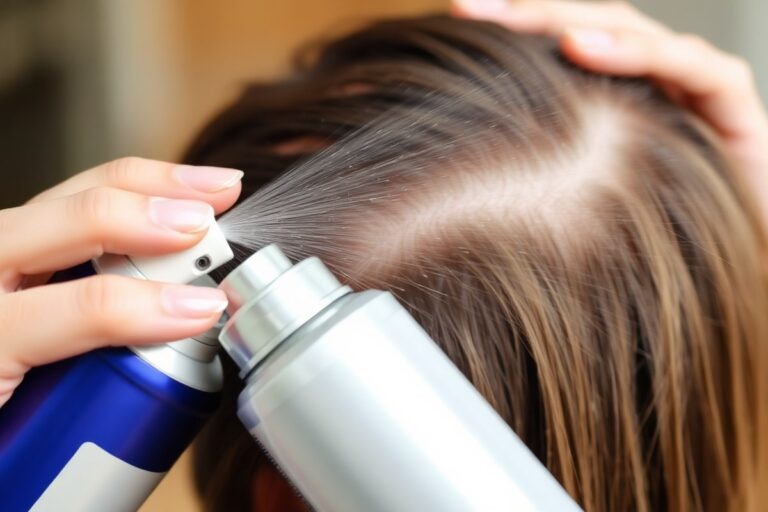
What Does Hair Oil Do? A Complete Guide with Proven Benefits and Tips
What does hair oil do for your hair and scalp? Hair oil nourishes, moisturizes, and protects your hair from damage. It also helps soothe your scalp and can reduce dryness and irritation.
Applying hair oil improves hair softness and shine by sealing moisture in the strands. It can support scalp health by calming flakes and itchiness.
Use it regularly to see these effects over time. Hair oil also creates a barrier that shields hair from environmental damage like sun and pollution.
Start by massaging oil gently with your fingertips in circular motions for 5 to 10 minutes. Leave the oil on for at least 20 minutes before washing to boost hydration. Some oils work well as overnight treatments when covered with a shower cap for deeper conditioning.
Key Takeaways
- Massage hair oil into your scalp with fingertips for better absorption.
- Leave hair oil on for 20 minutes to an hour before washing out.
- Choose oils that match your hair type for the best results.
- Use hair oil regularly to see improvements in shine and scalp health.
- Be cautious of scalp irritation when using new oils and test first.
- Put oil on your hair half an hour before shampooing to cut dryness and protect strands.
What Does Hair Oil Do for Hair and Scalp?

Hair oil adds moisture to dry hair and scalp, helping to reduce brittleness and flaking. Oils like coconut deeply enter the hair shaft, cutting protein loss and making strands softer. Regular use can lock in moisture.
This helps improve shine and controls frizz. Oils like argan work especially well for this.
Oiling your scalp boosts blood flow when you massage it in, which might stimulate hair follicles. Castor oil, rich in ricinoleic acid, is popular for this and may promote thicker, faster growth. Oils mainly condition dead hair strands.
They protect hair from damage too. They don’t directly change hair texture or grow new hair.
Applying oil about 30 minutes before washing protects your hair from drying out during shampooing. This pre-shampoo treatment reduces damage and keeps your hair manageable longer. Some oils, like jojoba, help balance oily scalps.
They don’t weigh hair down. This makes them good for fine or greasy hair.
How to Choose the Right Hair Oil for Your Hair Type
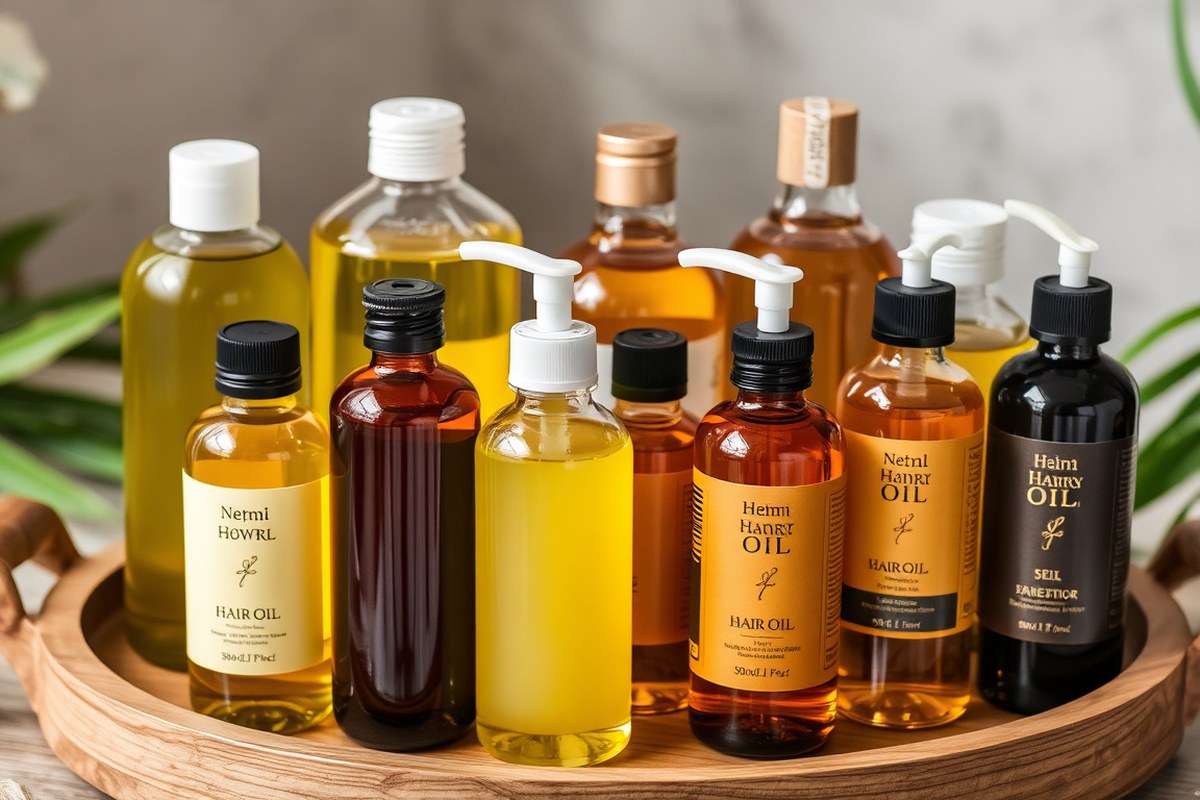
Choosing the right hair oil depends on your hair type. It also depends on what you want to fix or improve. Fine hair needs light oils that won’t weigh it down.
Thick and curly hair does better with heavy oils. Oils that help the scalp often feel different than those best for the hair shaft itself.
Oils like argan and camellia are light. They coat the hair shaft. This smooths hair and adds shine.
Heavy oils like castor and coconut suit thick or curly hair. They give strong conditioning.
They add moisture too. For oily hair, avoid heavy oils since they can make the scalp greasy and itchy.
| Hair Type | Best Oil | Use Focus | Why |
|---|---|---|---|
| Fine Hair | Argan Oil | Hair Shaft | Light, low weight; softens without heaviness |
| Dry, Thick, Curly Hair | Castor or Coconut Oil | Hair Shaft & Scalp | Heavy oils seal moisture and condition deeply |
| Oily Hair | Light oils, Tea Tree Oil | Scalp | Controls oil, calms itch without buildup |
| Dry Scalp or Flakiness | Olive, Sesame, Amla Oil | Scalp | Nourishes, reduces dandruff and dryness |
Start with a small amount and spread it evenly to avoid greasiness or irritation. Feeling heavy or itchy hair means too much oil or the wrong kind.
Try using less or switch oils. Adjust the amount or switch to a lighter oil to see if it helps.
A good rule: massage oil into the scalp first, then work it down to the ends.
Light oils absorb quickly and suit quick touch-ups or fine hair. Heavy oils work best for deep conditioning. Remember that scalp care and hair shaft care may need different oils.
So you can use more than one. Experimenting with small amounts helps you find the right balance without waste or discomfort.
When and How Often Should You Apply Hair Oil?
Apply hair oil based on your hair type and specific needs. Use it one to three times weekly or more for dry hair. Choose pre-shampoo oiling, leave-in use, or overnight treatments to fit your routine.
Frequency Guidelines by Hair Type
Dry or coarse hair benefits from oiling two to three times a week. This keeps moisture locked in and reduces breakage over time. Fine or oily hair only needs oil once a week or less to avoid greasiness.
Curly hair often responds well to more frequent oiling because it tends to be drier. Normal hair types can adjust oil application around weekly, depending on weather and styling habits. Pay attention to how your hair feels and add or reduce oiling accordingly.
Here’s a simple list to help you decide how often to oil your hair:
- Dry hair: 2-3 times per week
- Curly hair: 2-3 times per week
- Normal hair: once a week or as needed
- Fine hair: once a week or less
- Oily hair: once every 1-2 weeks
Adjust frequency based on scalp oiliness and how your hair reacts.
Benefits of Pre-Shampoo Oiling
Applying oil before shampoo shields hair strands during washing. It creates a barrier that reduces protein loss from hair shafts. This step is helpful if shampoo feels harsh or dries your hair out.
Put oil mainly on mid-lengths and ends, where damage shows most. Leave it on for at least 30 minutes; overnight is fine for deeper nourishment. Then wash your hair thoroughly to avoid any oily residue.
Using Hair Oil as Leave-In Treatment
Use light amounts of oil on damp hair to tame frizz and add shine. Apply small drops to mid-lengths and ends, not the scalp, to avoid build-up. This method works best for healthier hair needing extra smoothness.
Warming oil in your palms before application helps spread it evenly. Avoid using too much oil, or hair can look greasy and feel heavy. Focus on sections that tend to be driest or most tangled.
Overnight Oil Application Tips
Overnight oil treatments support repair for brittle, thinning hair. Put a generous layer of oil on your scalp and hair ends. Cover your hair with a silk cap or towel to keep it in place.
This helps the oil soak in better. This keeps oil from staining bedding and helps absorption overnight.
Wash hair the next morning as usual to rinse out excess oil. Use this method once a week or timed for your main washday to maximize benefits. It softens hair, reduces breakage, and improves scalp health over time.
The Correct Way to Apply Hair Oil for Maximum Effectiveness
Use just a small amount of hair oil, about a dime-sized drop to start. Warm the oil between your palms to help it spread evenly. Start at the scalp, massage gently, then work the oil along the hair strands.
Preparing Hair Before Oiling
For best results, apply hair oil on damp hair after washing. This locks in moisture and prevents dryness.
Using too much oil can make your hair look greasy or heavy. Try applying less oil next time to avoid that look.
Make sure your hair is towel-dried but not dripping wet. Very wet hair dilutes the oil, making it less effective.
A dry scalp with frizzy lengths means you should oil just the ends. This targets the dry parts without overloading your scalp.
Scalp Application Techniques
Use your fingertips to apply oil in small dots across your scalp. This spreads oil evenly without wasting product. Massage using gentle, circular motions with light pressure to stimulate circulation.
Move your fingers slowly so you cover the entire scalp without pulling hair. Avoid heavy or rough rubbing, which might irritate sensitive skin. Massaging this way can also help reduce dandruff by exfoliating scalp flakes.
Stretching Oil Through Hair Lengths
After massaging your scalp, use your palms and fingers to spread oil down the hair shafts. Focus on mid-lengths and ends where hair tends to be driest. Avoid piling too much oil near roots to prevent greasiness.
A common mistake is applying too much oil on the scalp and roots. Use mineral oil only on the lengths and ends if your scalp is oily or sensitive. Coconut oil works best on the hair shaft because it penetrates well.
Timing Recommendations and Washing Tips
Leave oil on your hair for at least 30 minutes before washing to see good results. For dry scalps, you can leave oil on overnight.
But shampoo well in the morning. Use a gentle shampoo to avoid stripping the oil.
Put a small dab of hair oil on towel-dried or dry hair for shine. Using too much can make your hair heavy and oily. This helps nourish your hair and scalp, keeping them fresh without greasiness.
- Pour a dime-sized amount of hair oil onto your palm.
- Rub your hands together to warm and spread the oil evenly.
- Dot the oil evenly across your scalp with your fingertips.
- Massage your scalp gently in circular motions for 3 to 5 minutes.
- Use your palms to smooth oil down from mid-lengths to ends.
- Leave the oil on for 30 minutes or longer, depending on dryness.
- Wash hair gently with a mild shampoo, rinsing well.
- Optionally, apply a small amount of oil to dry or damp hair for shine.
Common Hair Oils and Their Specific Benefits
Popular hair oils target different needs based on their unique components. Coconut oil penetrates the hair cuticle, reducing protein loss and conditioning strands deeply. Argan oil mostly seals in moisture and smooths flyaways without heavy buildup.
Castor oil is known for helping thicker hair growth. But it can take 6 to 8 weeks to show results. Rosemary oil helps improve blood flow in your scalp.
It also blocks DHT, which can help keep hair longer. Plus, it may reduce inflammation on your scalp. It’s usually diluted in a carrier oil before use to avoid irritation.
Mineral oil smooths hair and stops moisture from leaving. It doesn’t feed or help hair grow like plant oils do.
Some oils like rosemary, onion, and bakuchiol also calm scalp irritation and reduce dandruff. They contain ingredients that rebuild keratin or prevent inflammation.
| Benefit | Best Oil | Example Product |
|---|---|---|
| Scalp microcirculation | Rosemary extract | Rosemary Oil Shots |
| DHT inhibition | Rosemary extract | Rosemary Oil Shots |
| Protein loss prevention | Coconut and castor oil | Rosemary Hair Oil |
| Scalp inflammation | Rosemary, onion, bakuchiol | Onion and Bakuchiol Oil Shots |
| Keratin rebuilding | Onion oil, castor | Onion and Bakuchiol Oil Shots |
To reduce dandruff or calm irritation, look for oils with rosemary or onion extracts. These oils soothe the scalp while also promoting healthy hair growth. Coconut and castor oils also nourish hair from within the cuticle, improving strength.
Always dilute essential oils like rosemary before applying to the scalp to avoid irritation.
Making your own oil blend can work well for styling. Try adding water and spraying it as a mist. This makes it easy to use on your hair.
Focus oil on dry ends or frizzy sections rather than roots to avoid heaviness. High-quality natural oils avoid synthetic fragrances and mineral oil fillers.
How Hair Oils Impact Hair Growth and Thickness: What Science Says
Rosemary oil has the strongest scientific backing for promoting hair growth and thickness. Studies show it can encourage new hair growth over 3 to 6 months of regular use. Its effects seem like minoxidil, a popular hair-loss treatment.
Both help increase blood flow to hair follicles. This boost may support hair growth over time.
Castor oil, despite its popularity, lacks solid evidence to support its hair growth claims. Research has not found reliable proof that it stimulates growth or treats scalp issues. Its main benefit may be making hair look shinier rather than actually increasing thickness.
Seeing results from hair oils varies by product and individual. But noticeable changes, like shinier hair, appear in about 2 to 4 weeks.
Real growth and thickness improvements take a longer time, usually 3 to 6 months. Consistent application is key for visible effects.
Natural oils like rosemary oil have a gentle impact compared to stronger, drug-based options like minoxidil. Minoxidil is a medically approved treatment for hair loss. Rosemary oil offers a plant-based option with fewer side effects.
It may suit those wanting natural care. Many users prefer it for mild hair thinning or as a complement to other treatments.
Mix a few drops of rosemary oil with a carrier oil. Use jojoba or coconut oil as the base. Stir well before applying to your scalp.
Massage this mix into your scalp every day or a few times weekly. Focus on parts where your hair looks thin.
This helps the oil reach hair roots. Keep this routine going for at least 3 months before judging its effects.
Not every head responds the same way to hair oil. Factors like hair type, scalp health, and genetics affect outcomes. Some oils, such as camellia or amla, offer extra nourishment but don’t necessarily boost growth.
Mistakes to Avoid and Safety Tips for Hair Oiling
Hair oil can bring great benefits. But too much or wrong use causes issues like greasy hair or scalp trouble.
Avoid applying oil on dirty hair or before heat styling. Always wash oil out properly to stop buildup and irritation.
Over-Oiling and Product Buildup
Applying too much oil makes your hair heavy and greasy quickly. Use only a small amount, especially if your hair is fine or thin.
Leaving oil on for less than 30 minutes won’t nourish hair well. But leaving it too long without proper washing causes buildup. Clean hair absorbs oil better, so wash hair before oiling whenever possible.
- Start with a few drops; avoid the roots if hair is fine
- Apply oil to hair ends, not your scalp, unless product says so
- Don’t pile oil over other heavy hair products
- Wash hair before oiling to boost oil absorption
- Let your hair oil sit for a minimum of 30 minutes or all night for top effects
- Rinse thoroughly to remove all excess oil and avoid buildup
Too much oil on the scalp traps dirt and sweat. That can irritate your scalp and cause dryness or dandruff. A clean scalp absorbs oil but also lets it breathe.
Choosing Non-Comedogenic Oils
Some oils can clog pores, causing scalp irritation or pimples. Non-comedogenic oils are less likely to cause these problems.
Coconut and argan oils penetrate hair well and suit many hair types. Mineral oil may build up without good washing but doesn’t directly cause hair loss.
- Pick light oils like argan or grapeseed for oily scalps
- Use heavier oils like coconut on dry scalp or ends
- Avoid mineral oil if you don’t shampoo thoroughly afterward
- Look for “non-comedogenic” labels for prone scalps
- Test a small patch of skin before full use
Matching the oil to your hair and scalp type lowers risks of irritation. Avoid applying oil directly on your scalp unless the product is made for scalp use.
Recognizing Scalp Reactions
Itching, redness, or bumps mean your scalp is reacting to the oil or buildup. Stop oiling and check your scalp condition.
Scalp irritation might come from excess oil, product ingredients, or not washing enough. Switching oils or using less often can help.
- Look for redness, itching, or flaky patches
- Cut back on the amount or frequency of oiling
- Try different oils to find a better match
- Avoid oiling if scalp is sore or infected
- Consult a dermatologist if irritation persists
Scalp health improves with balance. Too much oil or buildup creates a breeding ground for irritants or infections. So watch your scalp’s signals closely.
Washing Techniques to Remove Oil
Proper washing is important to avoid buildup and keep hair light. Use a mild shampoo, and wash hair thoroughly to remove all oil.
Rinsing well prevents residue that causes greasy hair and scalp irritation. You might need two shampoo rounds especially with thick or heavy oils.
- Use lukewarm water, not hot, to protect hair and scalp
- Massage shampoo gently into scalp and hair shaft
- Rinse completely to remove all shampoo and oil traces
- Consider a second shampoo if hair feels oily after first wash
- Use conditioner only on hair ends after shampooing
Washing helps keep hair clean and balanced, making hair oiling more effective and safe. Avoid using oil before blow-drying, because heat can damage oiled strands.
How to Tell If Hair Oil Is Working for You
Hair oil usually shows effects in two to four weeks. You might notice shinier, softer hair and less dryness. These early changes mean the oil is hydrating and smoothing your strands well.
After using oil for about four to six months, look for long-term improvements. Your hair should feel stronger, have less breakage, and appear healthier. You should ask a professional for advice when these results don’t appear.
- Hair feels noticeably softer and less frizzy
- Shine increases, making hair look healthier
- Dryness reduces, especially at ends
- Less breakage or split ends visible
- Scalp feels less itchy or flaky
- Hair growth seems slower or stops
- Any irritation or unusual hair loss occurs
Watch your hair and scalp closely. Stop using the oil when you notice irritation, redness, or more hair loss. These signs mean you should consult a dermatologist or hair specialist quickly.
Some oils can weigh down fine hair if you use too much. For example, argan oil can make hair shiny without greasiness if used carefully. Use a small amount like a dime-sized amount for medium hair, less for fine hair.
Be patient with hair oil. Give it at least 4 months before judging its effect.
Using oils like lavender or avocado oil can also improve scalp health and hair softness. Oils with antimicrobial properties may speed up growth but expect subtle changes over time. Avoid switching oils too often to let your hair adjust and improve.
Consistent use and proper application matter more than the oil brand. Apply oil mainly on ends or dry areas to reduce frizz and dryness. Applying too often or leaving too much oil can cause buildup and dullness.
Step-by-Step Action Plan for Using Hair Oil Effectively
Follow this simple plan to start using hair oil the right way. Track your hair’s response each step of the way.
- Before you start: Choose a hair oil that suits your hair type. Check for any allergies by testing a small skin patch first.
- Day 1: Apply a small amount of oil to your scalp and ends. Massage gently for 5 minutes. Your scalp should feel nourished, not itchy or greasy.
- Week 1: Use hair oil twice a week before washing. Notice if your hair feels softer and less frizzy after shampooing.
- After 2 weeks: Adjust the frequency if your hair feels too oily or dry. Aim for a balance where your scalp feels healthy and your hair shines.
- Week 3: Try overnight oiling once to boost moisture. Rinse well in the morning to avoid buildup.
- After 4 weeks: Evaluate hair growth and thickness changes. Look for fewer split ends and stronger strands.
- Ongoing: Keep a regular routine but skip oiling on days your hair feels clean and light. Keep your hair oil fresh to avoid irritation.
Frequently Asked Questions
Can Hair Oil Prevent Split Ends?
Hair oil can help reduce split ends by moisturizing and protecting hair strands. Using it regularly seals the hair cuticle.
This stops dryness and brittleness. It also helps prevent split ends.
Does Hair Oil Make Hair Look Greasy?
Hair oil can look greasy if used in excess or not mixed well with hair type. Applying a small amount and focusing on hair ends can give shine without heaviness.
Can Hair Oil Protect Hair from Heat Damage?
Yes, some hair oils act as heat protectants when applied before styling tools. They create a barrier, reducing moisture loss and breakage caused by heat exposure.
Will Hair Oil Help with Dandruff?
Massaging oil into the scalp can soothe dryness and flakiness that cause dandruff. Oils like olive or coconut have mild antifungal properties supporting scalp health for dandruff relief.
Is It Okay to Leave Hair Oil on Overnight?
Leaving hair oil on overnight is generally safe and can deepen conditioning. Use a light oil to avoid greasy hair.
Cover your pillow to stop stains. These steps help keep hair fresh.
Does Hair Oil Change Hair Texture over Time?
Hair oil won’t change your natural texture but improves softness and manageability. Consistent use can reduce frizz and make hair feel smoother without altering curl or wave patterns.
Key Points to Remember
Hair oil helps protect and nourish your scalp and hair when used right. Start small and watch for changes to find what suits you. Begin your oiling routine today and treat your hair gently for the best results.