How to Make Hair Not Oily: 8 Effective Strategies That Actually Work
How to make hair not oily is a question many ask daily. The best method is to wash your hair regularly but not too often. Washing every 1 to 2 days helps reduce excess grease without stripping natural oils.
Use a gentle shampoo suited for oily hair and rinse thoroughly. Avoid hot water because it can stimulate more oil production. Also, focus shampoo on your scalp and rinse your hair well to prevent buildup.
After washing, let your hair air dry or use a cool setting on your dryer. Overwashing or harsh scrubbing can backfire and cause the scalp to produce even more oil. Proper washing balances oil levels and keeps hair looking fresh longer.
Key Takeaways
- Wash oily hair every 1 to 2 days to control grease without drying out.
- Use a gentle shampoo focused on your scalp, not just the ends.
- Rinse with cool or lukewarm water, avoiding hot water that triggers oil.
- Avoid harsh scrubbing to stop stimulating extra oil production.
- Let hair air dry or use a cool dryer setting after washing.
- Consider using a clarifying shampoo every 1 to 2 weeks if needed.
1. How to Wash Oily Hair Properly to Reduce Greasiness
- Choose a shampoo made for oily hair. It helps reduce excess oil without drying out your scalp.
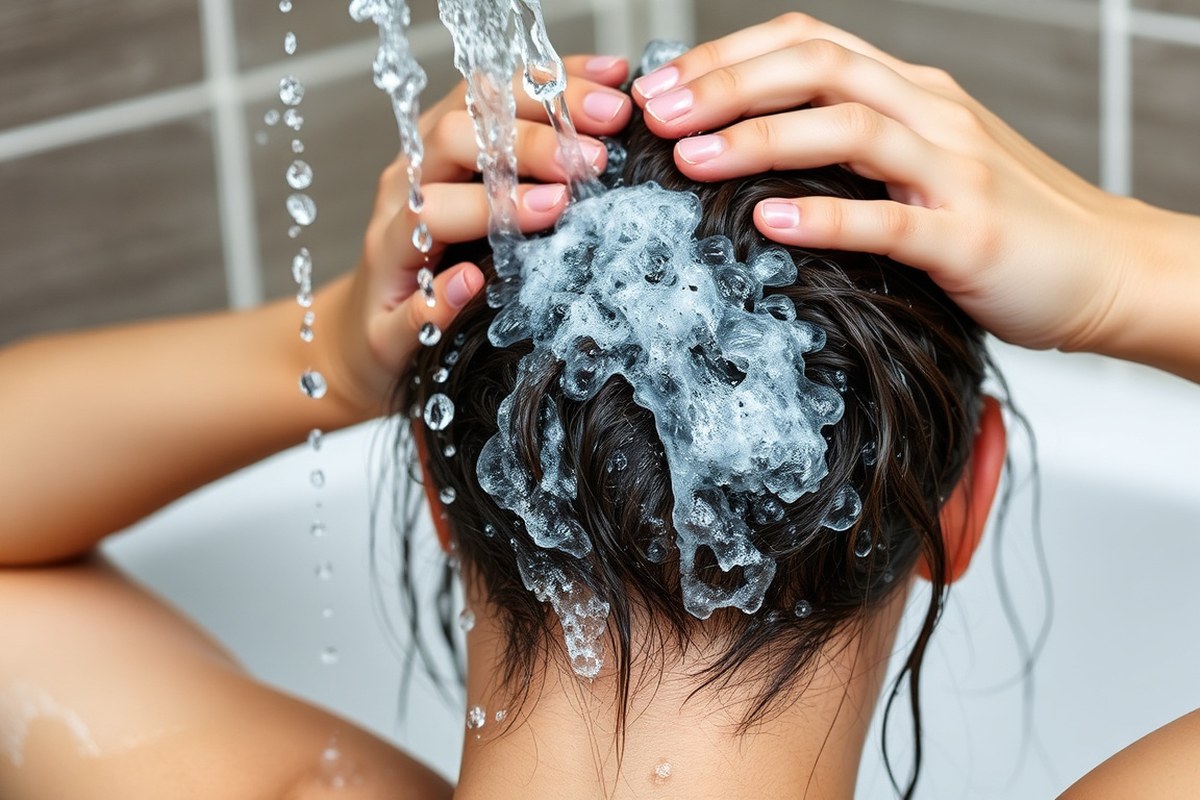
- Wet your hair with lukewarm water. Avoid hot water because it can make your scalp produce more oil.
- Apply a small amount of shampoo to your scalp and roots. Focus on these areas, not the ends.
- Massage your scalp gently for about 1 to 2 minutes. This breaks down the oil and dirt without irritating your skin.
- Leave the shampoo on your scalp for 3 to 5 minutes. This allows the ingredients to work on removing buildup.
- Rinse your hair thoroughly with lukewarm or cool water. Make sure no shampoo residue remains, or it can make hair look greasy.
- Repeat washing every other day or every two days to control oil. Daily washing can dry your scalp and cause more oil production.
Oily hair often gets greasier if you wash it too often or too little. Using the right shampoo and water temperature helps. Lukewarm water opens your pores to remove oil well.
Cool water then closes the pores. This helps limit new oil from coming out.
Some shampoos made for oily hair contain clarifying ingredients. These remove buildup from styling products that regular shampoos may leave behind. Use a clarifying shampoo once a week to keep residue from causing greasiness.
Leaving shampoo on your scalp allows its active ingredients time to work. Rinsing well prevents leftover shampoo that builds up and triggers oiliness. Avoid harsh scrubbing or hot water, which can upset oil balance and boost grease.
2. Best Hair Care Products to Control Oil Without Drying Out

Use shampoos made for oily hair to stop oily hair. Clarifying shampoos help clean oily hair deeply. Avoid shampoos that dry out your hair.
Conditioners should be used lightly, only on the ends. Avoid heavy silicone, oil-based, or shine-adding products that weigh hair down.
Top Shampoos and Clarifying Options
Shampoos labeled for oily hair target excess oil without stripping your scalp. Clarifying shampoos remove product buildup and hard water minerals that cause greasiness. Using a clarifying shampoo every 1 to 2 weeks keeps your scalp fresh but prevents over-drying.
Look for lightweight formulas that refresh your hair and balance oil production. These shampoos clean well but don’t leave your hair feeling harsh or brittle.
| Type | Main Function | Use Frequency | Effect on Hair |
|---|---|---|---|
| Oily Hair Shampoo | Reduces excess oil | Every wash | Cleans without drying |
| Clarifying Shampoo | Removes buildup and minerals | Every 1-2 weeks | Deep cleans, can dry if overused |
Choose your shampoo based on how oily your hair feels daily. Use clarifying shampoos less often to avoid dryness. Regular shampoos for oily hair work well between clarifying washes.
Conditioner Use Guidelines for Oily Hair
Conditioners help keep hair soft but can make oily hair greasy if misused. Apply conditioner only from mid-length to ends, avoiding the scalp entirely. Choose lightweight conditioners made for oily hair or as leave-ins, used sparingly.
Heavy conditioners or thick leave-ins add weight and can increase oil buildup. A thin, hydrating formula stops dryness without causing more grease. Use conditioner after shampooing but rinse well to avoid residue.
Products and Ingredients to Avoid
Silicone-based products coat hair and can trap oil, leading to a weighed-down look. Avoid styling creams, serums, and conditioners heavy with silicone or oil. These often add unwanted shine and weight, making oily hair appear worse.
Avoid oil-based products on oily hair. Light oils like tea tree or coconut work well.
They balance scalp oil without feeling heavy. Also, skip products that promise extra shine, since shiny hair often looks greasy when oil-prone.
Don’t use clarifying shampoo more than twice a month. It can dry out your scalp and trigger more oil production.
3. How to Use Dry Shampoo and Styling Tricks to Hide Oil Fast
Dry shampoo soaks up oil to quickly reduce greasiness. Use it right and pair it with styling tricks for best results. It’s not a shampoo replacement but a handy fix between washes.
Proper Dry Shampoo Application Technique
Applying dry shampoo the right way helps it absorb oil well and avoid white residue. Spray the product onto dry hair from a good distance for even coverage.
- Section your hair to expose oily spots, especially around the roots.
- Hold the can 6 to 10 inches away from your scalp.
- Sweep the spray across oily areas in short bursts, not one long spray.
- Wait about one minute to let it soak up the oil.
- Massage or gently brush through your hair to remove excess product and distribute it evenly.
- Style as usual, adding volume to the roots if needed.
Applying in sections avoids chunky patches and helps dry shampoo do its job well. Avoid spraying too close or too much product, which leads to visible residue.
Styling Tips: Changing Part, Root Volume Tricks
Changing your hair part can instantly hide greasy roots. Try flipping your part to the opposite side to make oil less obvious.
Create volume at the roots by lifting hair with your fingers. Use a round brush while blow-drying to add more lift.
This helps hair look fuller and less flat. This adds body and reduces the flat look caused by oil.
Use gentle teasing or a texturizing spray at the roots to create fullness. Avoid over-touching your hair, as this spreads oil and crushes volume quickly.
When to Refresh or Reapply Dry Shampoo
Dry shampoo works best if you apply it before hair looks too greasy. It absorbs oil better when it’s just starting to build up on the scalp.
One application usually lasts most of the day. It stays effective for about 8 to 12 hours.
How long depends on your activity and hair type. You can refresh with a small amount at night to extend its effect.
Do not rely on dry shampoo instead of washing. Washing every 1 to 2 days keeps your scalp healthy and avoid long-term build-up.
4. Natural Remedies That Help Reduce Scalp Oil Production
Apple cider vinegar helps reduce oily hair by balancing scalp pH and removing product buildup. Mix 2 tablespoons of apple cider vinegar with 2 cups of water.
After shampooing, pour this mix on your scalp, let sit for a minute, then rinse. Use it once or twice a week to avoid irritation or dryness.
Aloe vera soothes the scalp and controls sebum production. Mix 2 tablespoons of fresh aloe vera gel with 1 teaspoon lemon juice. This adds extra astringent effect to the blend.
Use it for oily hair care. Put the mix on your scalp evenly. Leave it there for 15 minutes.
Then wash your hair as usual. This treatment can soften your hair and reduce grease without stripping natural oils.
Green tea contains antioxidants that may lower oil production. Brew a strong cup of green tea and let it cool.
Use it as a final rinse after shampooing or spray it on your scalp daily. Studies show consistent use over about 4 weeks can reduce scalp greasiness without irritation.
Each remedy has pros and cons. Apple cider vinegar is good for clearing buildup but can burn if not diluted. Aloe vera is gentle and moisturizing but may not work fast.
Green tea is mild and safe for daily use but needs patience for visible effects. Avoid leaving any remedy on too long to prevent scalp dryness or irritation.
Use these tips to stay safe: always dilute vinegar and test aloe vera first. Do a skin patch test before green tea rinses to check allergies. Avoid these treatments if your scalp is broken or highly sensitive.
Results usually appear in 2 to 4 weeks. Stop using them when your hair gets worse. Try a different way to manage oily scalp.
5. How Lifestyle and Habits Affect Hair Oiliness and What to Change
Touching your hair a lot spreads oil from your fingers to your scalp. This makes hair look greasy faster and can irritate the scalp. Avoid running your hands through your hair during the day to keep it cleaner.
Some habits make your scalp produce more oil. Overwashing strips natural oils, causing your scalp to overcompensate with extra oil. Using heavy styling products builds up residue, trapping oil near the scalp and weighing hair down.
Your diet also plays a role. Eating fried foods and trans fats can increase oil production. Stress raises hormone levels that stimulate scalp oil glands.
So managing stress helps reduce greasiness. Hormonal changes can cause surges in oil, too.
- Stop touching your hair often; keep hands busy or use a hair tie.
- Wash oily hair every 1 to 3 days for fine hair. Up to 3 to 7 days for thick hair.
- Pick lightweight, non-comedogenic styling products to avoid buildup.
- Cut down on fried foods and processed fats to reduce oil levels.
- Practice stress relief like deep breathing or short walks daily.
- Use lukewarm water instead of hot to avoid scalp irritation.
- Try blow-drying with cool air to help remove excess oil gently.
Slow changes matter most when reducing oil. Stop bad habits, and be patient while your scalp adapts. Your oil levels can shift over time.
So keep adjusting your care routine as needed. Switching hair styles can also keep you feeling better when oiliness persists.
Consistently touching or brushing your hair can increase oiliness. Keep your hands away as much as possible.
6. Training Your Scalp to Produce Less Oil over Time
Your scalp makes oil to protect your hair, but washing too often can backfire. When you wash daily, the scalp senses dryness and pumps out extra oil. Cutting back shampooing to every two or three days can help your scalp calm down.
Start by delaying your wash by one day each week. For example, if you wash every day now, shift to every other day for one week. Then try every third day the next week.
This slow change teaches your scalp to balance oil production. It usually takes around four to six weeks for oils to adjust noticeably.
While stretching time between washes, use dry shampoo to soak up any early greasiness. Avoid heavy styling products that clog pores.
Honey hair masks twice a week help, too. Honey cleans the scalp gently and reduces excess oil without over-drying.
Some days your hair might still feel glossy. Don’t rush to wash it again. That resets your progress and trains your scalp to keep overproducing oil.
Stay patient, even if it feels weird at first. The scalp needs a few weeks for real change.
Everyone’s oil production varies with hormones, climate, and hair type. You might find two or three washes weekly works best long term.
If your scalp gets itchy or flaky, adjust with a mild shampoo or visit a pro. Balanced oil means healthier hair and less daily fuss over greasy roots.
7. Exfoliating Your Scalp to Prevent Oil Buildup and Improve Health
Exfoliating your scalp helps remove oil buildup and flakes that cause greasy hair. It clears away excess sebum and product residue that regular washing misses. This step supports a healthier scalp and less oily hair over time.
Choosing Scalp Exfoliating Products
Select exfoliating scalp products designed to clean deeply without irritation. Look for gentle scrubs with small natural beads or chemical exfoliants like salicylic acid. Avoid harsh scrubs that can scratch or dry out the scalp.
Some scalp masks have aloe, which helps remove extra oil. Aloe also soothes the skin. You can find these masks at many stores.
Pick products free of heavy oils and silicones so they don’t add buildup. A lightweight formula works best for oily hair.
Many exfoliating shampoos include tea tree oil or charcoal for added cleansing power. These help break down grease and dead skin. Try a few options to find what feels clean but comfortable for you.
Safe Exfoliation Techniques
Scalp exfoliation needs a gentle touch to avoid irritation. Use your fingertips, not nails, to massage the scrub or product in small, circular motions. Focus on the scalp, not the hair strands, to reach buildup at the roots.
Rinse thoroughly with warm water to remove all residue. Leaving exfoliant on can cause dryness or flakiness. Avoid daily exfoliation since that could overstimulate your scalp’s oil glands and make greasiness worse.
Keep your brush clean too. A dirty brush spreads oil and product back onto your scalp. Clean it once a week with soap and hot water to prevent buildup transfer.
Recommended Exfoliation Schedule
Exfoliate your scalp about once a week to control oil and buildup effectively. Weekly sessions keep your scalp clear without stripping natural oils. Adjust frequency if your scalp feels dry or irritated.
Exercising a lot or using many styling products calls for care. Try exfoliating your scalp twice a week at most. This helps keep your scalp healthy.
Too often can lead to scalp sensitivity and increased oil. For sensitive scalps, one session every two weeks may be better.
Keep track of how your scalp reacts and reduce exfoliation if scalp redness or flaking occurs. A balanced schedule helps train your scalp to stay clean and less oily over time. Try this step-by-step scalp exfoliation process for oily hair:
- Wet your hair and scalp with warm water to open pores.
- Apply a small amount of exfoliating product directly on your scalp.
- Use fingertips to gently massage in circular motions for 2 to 3 minutes.
- Focus on areas prone to oil buildup, like the crown and hairline.
- Rinse your scalp thoroughly with warm water to remove all product.
- Follow with a mild shampoo to clean any leftover residue.
- Condition only the hair ends to avoid adding oil near roots.
- Pat hair dry gently and style as usual, avoiding heavy products afterward.
8. When to See a Professional for Persistent Oily Hair Problems
Seek help if your oily scalp comes with sudden hair loss or scalp pain. Persistent flakes, redness, itching, or open sores also call for a dermatologist visit. These signs might show an underlying scalp condition, like seborrheic dermatitis or fungal infections.
A dermatologist checks your scalp to find causes like hormonal imbalances or skin diseases. They may take a scalp scraping or blood test to diagnose the problem. Knowing the cause helps them pick the right treatment to control oil and improve scalp health.
Medical options include prescription shampoos with ingredients like ketoconazole or selenium sulfide. Dermatologists might also suggest topical steroids for inflammation or oral medications for severe cases. Consistent use over weeks often reduces oil and clears symptoms but requires follow-up visits.
Some people’s oily hair comes from health issues. Hormonal changes in puberty cause this. Thyroid problems also lead to greasy hair.
Others might have scalp acne caused by clogged pores and excess sebum. Professional treatment can balance oil production and prevent damage like hair thinning.
Check your scalp weekly for redness, flakes, or hair shedding to catch problems early.
Step-by-Step Action Plan to Cut Down Hair Oiliness
Follow these easy steps over the next weeks. Manage your oily scalp well. Keep your hair fresher for longer.
- Day 1: Start washing hair with a gentle, oil-control shampoo. Check if hair feels less greasy after drying.
- Week 1: Add scalp exfoliation once a week to reduce buildup. Notice if scalp feels less heavy or itchy.
- Week 2: Use dry shampoo on mornings when hair looks oily. See how well it refreshes without washing.
- Week 3: Cut down shampoo frequency if hair looks dry. Observe if oiliness balances better.
- Week 4: Start applying natural remedies like diluted apple cider vinegar rinses. Watch for reduced scalp shine.
- Month 2: Avoid heavy styling products and heat styling. Hair should feel lighter and less oily.
- Month 3: Keep lifestyle habits like diet and hydration steady. Track oiliness changes over time.
- After 3 months: If oiliness persists, book a dermatologist or trichologist visit for tailored care.
Frequently Asked Questions
Can Washing My Hair Too Often Make It Oilier?
Yes, washing hair more than every 1-2 days can strip oils. This makes your scalp produce even more oil to compensate.
Does Diet Affect How Oily My Hair Gets?
Yes, greasy and sugary foods can increase scalp oil production. Eating balanced meals may help control oiliness.
Can Certain Hairstyles Cause Oily Hair?
Tight hairstyles can trap oil and sweat, worsening greasiness. Looser styles let your scalp breathe better.
Is It Bad to Brush Oily Hair a Lot?
Brushing spreads your scalp’s oil through your hair. Too much brushing can make oily hair look worse.
Do Vitamins Help Reduce Oily Hair?
Some say vitamins like B and zinc support scalp health. However, no vitamin will stop oil production completely.
Can Stress Make My Hair Oilier?
Stress can increase hormone levels that boost oil production. Managing stress might reduce how oily your scalp feels.
Final Thoughts
Controlling oily hair takes steady changes, but it works. The key is using the right products and habits. Start with one simple step today to see your hair improve.