How to Care for Wavy Hair: 8 Essential Steps for Defined, Frizz-Free Waves
Caring for wavy hair means using a gentle, steady routine. This helps keep your waves healthy. It also keeps them looking well-defined.
Start by knowing your wave type and choosing the right shampoo and conditioner. Avoid harsh products that strip natural oils.
Use a microfiber towel to gently blot out excess water without rough rubbing. This reduces frizz and cuts drying time by up to 90%. After about 30% dry, let your hair air dry to keep waves intact.
Trimming every 8 to 10 weeks helps prevent split ends and keeps waves looking fresh. Using a hair dryer with a diffuser can help your waves.
It controls frizz and makes waves stand out. This is a good choice if you dry your hair by blow-drying.
Key Takeaways
- Identify your wavy hair type to pick suitable care products and routines.
- Wash fine 2A waves more often; thicker 2C waves can skip days between washes.
- Use sulfate-free shampoo and a moisturizing conditioner to maintain hydration.
- Blot your hair with a microfiber towel instead of rough drying for less frizz.
- Let hair air dry once about 30% dry to preserve natural wave shape.
- Trim waves every 8 to 10 weeks to avoid split ends and keep bounce.
1. How to Care for Wavy Hair for Healthy, Defined Waves

Wavy hair needs daily care that keeps it hydrated and bouncy without weighing it down. You want to maintain your natural wave pattern while avoiding frizz and stiffness. This means using gentle cleansing, light moisture, and styling that defines your waves.
Follow these steps every day to keep your waves healthy and looking their best. Adjust the moisture based on your hair’s thickness, thicker waves need more hydration. Avoid heavy products that flatten waves or make them stiff.
- Use a gentle, lightweight cleanser or co-wash. This cleans your hair without stripping natural oils. Washing 2-3 times a week is enough to prevent dryness and keep waves intact.
- Apply a lightweight conditioner from mid-length to ends. Focus here to avoid greasy roots. This keeps your hair hydrated but still light and bouncy.
- Detangle gently with your fingers or a wide-tooth comb. Do this while your hair is wet and conditioned to avoid breakage and help define waves.
- Use a leave-in product designed for wavy hair. Choose one that adds light moisture and holds the wave shape without stiffness. Avoid heavy cream or gel.
- Scrunch your hair gently to encourage wave formation. This step boosts natural wave patterns without flattening volume or causing crunchiness.
- Air-dry or use a diffuser on low heat. Avoid rough towel drying. Instead, blot hair with a soft microfiber towel or old T-shirt to reduce frizz.
- Refresh waves between washes with a light mist or curl activating spray. This revives the wave shape and controls frizz without adding weight.
Healthy waves shine with natural bounce and light reflection, not heaviness or dullness. If your waves lose volume or look flat, you might be using too much product. Frizz often means your hair needs more hydration but still light care to avoid drooping.
2. Identifying Your Wavy Hair Type and Its Care Needs
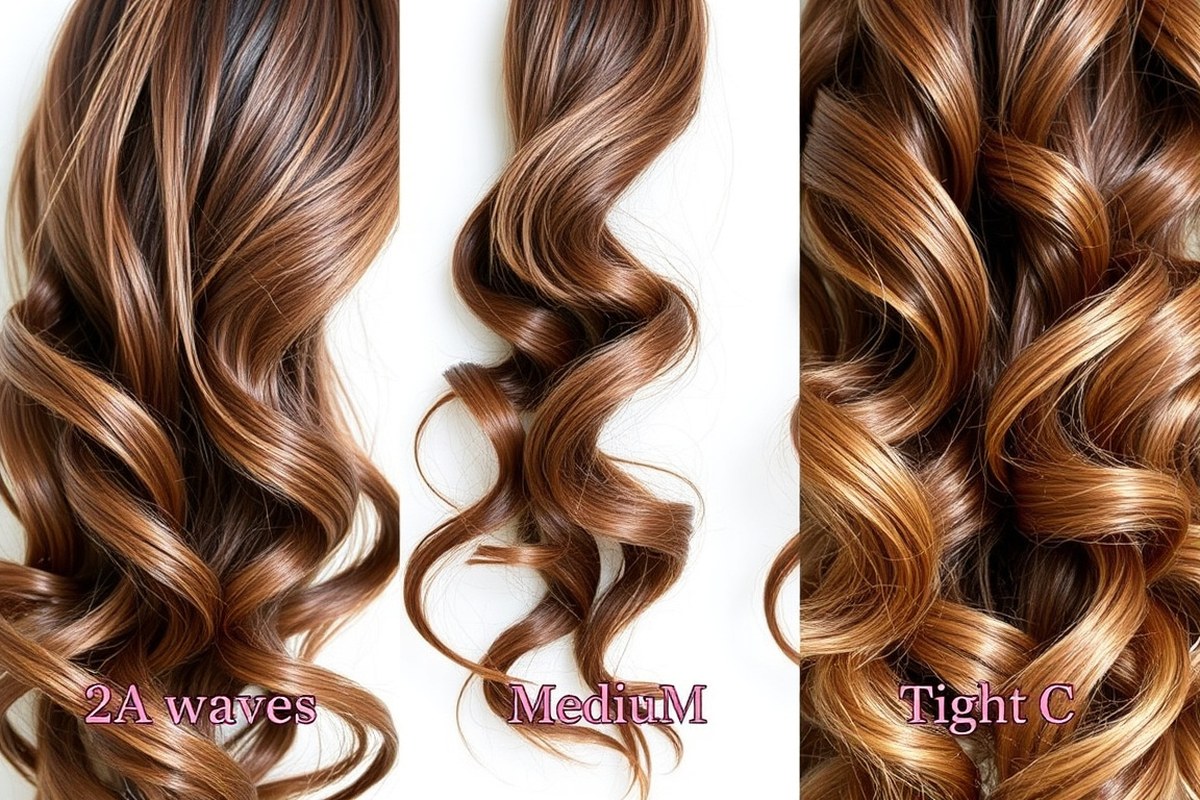
Wavy hair comes in three types: 2A, 2B, and 2C. Each has different wave patterns, textures, and care needs. Knowing your type helps you pick the right washing, styling, and product choices for your waves.
Type 2A: Loose, Fine Waves
Type 2A features loose, flat S-shaped waves with mostly straight roots. The texture is fine to medium, so waves can flatten or go limp easily. This type often struggles with waves falling out and getting weighed down.
You’ll want ultra-lightweight products like mousses or hair mists to keep waves from losing volume. Fine 2A hair often gets oily quickly. You need to wash it more often.
This prevents oil buildup that weighs hair down. Use light styling methods like scrunching.
Diffuse on low heat to keep waves soft. These ways show waves without damaging hair.
Overloading 2A hair with heavy products smothers waves and reduces bounce.
Type 2B: Defined S-Shaped Waves
This type has more defined waves starting around mid-lengths, forming a clear S shape. Texture is medium, sometimes smooth but with frizz-prone sections near the crown. 2B hair balances volume between the roots and the wave part.
Use light-to-medium weight products like light gels or foams to tame frizz and improve wave shape. Washing every 2 to 3 days keeps hair fresh without stripping natural oils. Styling with fingers or a diffuser encourages consistent, defined waves without crunchy buildup.
Try applying product when hair is damp, working from mid-lengths to ends.
Type 2C: Thick, Tighter Waves
Type 2C has thick, tightly defined S-shaped or loose spiral waves starting near the roots. This type is more prone to dryness and frizz due to wave density. The texture is medium to coarse, which means heavier products work better here.
Heavy creams or styling butters help keep waves moisturized and defined. Thicker waves hold shape for 3 to 4 days. You can wash less often.
They don’t get oily as fast. Air-drying with minimal handling or gentle diffusing preserves wave tightness and reduces frizz.
Using too-light products on 2C waves leaves hair dry and frizzy.
3. Washing Wavy Hair: Frequency, Shampoo, and Conditioning Tips
Washing wavy hair every two or three days works well to keep it fresh and healthy. Use a gentle, sulfate-free shampoo to avoid stripping moisture. Follow with a lightweight conditioner to keep waves soft without weighing them down.
Recommended Washing Frequency by Wave Type
For 2A and 2B wavy hair, washing every other day usually fits best. This routine helps maintain natural oils without making hair greasy. Washing less often, around two to three times weekly, suits thicker or more textured waves better.
On non-wash days, refresh your waves with dry shampoo or a light spray. Avoid overwashing as it can dry out your strands and flatten your waves. Letting waves rest between washes lets their shape settle and look more defined.
Choosing Sulfate-Free and Hydrating Shampoos
Sulfate-free shampoos gently clean without harsh detergents that dry hair. Choose products meant for wavy hair. For example, try the Pacifica Salty Waves set.
It works well for fine waves. These shampoos keep your hair’s moisture balance, preventing frizz and brittleness.
Hydrating ingredients like aloe, glycerin, and natural oils lock moisture in your waves. Avoid shampoos with heavy silicones or sulfates, which can weigh down waves or strip oils. A mild cleansing shampoo preserves your hair’s natural texture and softness.
Applying Conditioner for Lightweight Moisture
Always use conditioner after shampooing to keep waves hydrated. Pick a light, moisturizing conditioner that won’t flatten your hair. Apply conditioner mainly to mid-lengths and ends, avoiding roots to prevent heaviness.
Leave the conditioner on for about one to three minutes before rinsing with cool water. Cool rinses close the cuticle and add shine without disturbing your wave pattern. For extra hydration, try a leave-in conditioner spray that won’t add weight.
4. Styling Techniques to improve and Define Wavy Hair
To get the best out of your wavy hair, try scrunching, plopping, and diffusing. These techniques boost wave definition while cutting down frizz. Each method fits different hair textures and drying preferences.
Scrunching Techniques for Defined Waves
Scrunching brings out your natural waves without flattening them. It works best when your hair is damp and you use the right product. Scrunching helps waves spring up, giving your hair bounce and shape.
Start with a lightweight, hydrating styling product. It adds moisture and smooths the hair cuticle. Avoid heavy products that weigh waves down or cause buildup.
- After washing, gently towel-dry your hair to keep it damp, not soaking.
- Apply a small amount of lightweight wave-improving mousse or curl cream evenly from roots to ends.
- Bend forward and cup small sections of your hair in your hands.
- Scrunch each section upward toward your scalp, squeezing gently to boost wave shape.
- Repeat scrunching every few seconds until your hair feels lightly set but not wet.
- Let hair air dry or follow with diffuser drying for more volume.
Step-by-Step Guide to Plopping Wavy Hair
Plopping helps waves form by using a soft fabric to hold curls in place while drying. It reduces frizz because hair dries gently without rubbing against rough towels. This method is great if you want defined waves without heat.
You’ll need a clean cotton t-shirt or microfiber towel. These materials cause less friction than regular towels and won’t disturb your wave pattern.
- After washing and applying your styling product, flip your damp hair forward.
- Put the center of the t-shirt on the back of your neck. Let your hair fall gently onto the t-shirt.
- Bring the edges of the t-shirt up and around your head, covering your hair.
- Twist the sleeves or sides loosely to secure the fabric at the top.
- Leave your hair wrapped for 20 to 30 minutes to set your waves.
- Take off the t-shirt when your hair feels less wet. Let your hair air dry or use a diffuser.
Using a Diffuser to Improve Waves
A diffuser speeds drying while reducing frizz and keeping wave patterns intact. It works well on Type 2B and 2C waves, which often need volume and bounce. Use low heat settings to avoid drying out your hair or causing frizz.
Position the diffuser close to your scalp with your head tilted for better wave definition. Keep the dryer moving to prevent heat damage and to distribute air evenly.
- Apply a leave-in conditioner or light styling product to damp hair.
- Attach the diffuser to your hairdryer and set it to low or medium heat.
- Flip your head upside down or tilt it to one side.
- Place sections of hair into the diffuser bowl rather than aiming it directly at hair.
- Move the diffuser in circular motions for even drying, focusing on roots first.
- Keep drying until hair feels about 80 to 90 percent dry to avoid overdrying.
- Finish with a cool air blast or let hair air dry completely for less frizz.
5. Reducing Frizz and Maintaining Moisture Balance
Frizz shows up when your waves lose moisture or get rough. Natural oils take longer to move through wavy strands.
So they can dry out easily. Over-brushing dry hair breaks up wave clumps and makes frizz worse.
Hydration keeps your waves soft and shiny without weighing them down. Use a light leave-in conditioner or curl cream with water-based ingredients. Apply these products when your hair is wet.
Let it air dry about 30%. Then gently touch-dry with a microfiber towel.
Seal moisture with frizz-fighting natural oils like argan or jojoba. But use just a few drops on dry hair ends. Avoid heavy products that can clog waves and flatten texture.
Choose sulfate-free shampoos and conditioners made for your wave type and porosity. This helps keep moisture balanced.
Avoid rough towel drying, over-washing, and using heat tools without protection. These habits strip moisture and damage the cuticle, which leads to more frizz.
Detangle gently using your fingers or a wide-tooth comb. Do this while your hair is damp, not dry.
Brush wet hair with a wide-tooth comb, not when dry, to keep waves defined and frizz-free.
You can tame frizz by building a routine that fits your hair’s needs. For example, if your waves feel dry but limp, focus on lightweight hydration. Your hair frizzes in humidity.
Use anti-frizz serums with silicone to create a moisture barrier. Adjust your approach based on how your waves react.
Soft, shiny waves that hold shape without roughness or poofiness show good results. When your routine dries your hair out, you’ll get more flyaways and uneven waves. Keeping a balance of hydration and gentle care means less frizz and easier styling.
6. Trimming and Scalp Care for Long-Term Wave Health
Trimming wavy hair every 8 to 10 weeks helps keep ends healthy and prevents breakage. Fresh trims stop damage from moving up the hair shaft, which keeps waves bouncy. Regular trims also stop thick waves from getting weighed down and losing their shape.
Trims refresh the wave pattern, so your hair looks lively and defined longer. Wavy hair’s looser curls can lose shape fast.
So trimming helps your waves keep their natural bounce. Without trims, ends split and frizz more, which breaks the wave pattern and causes uneven texture.
Scalp care supports healthy hair growth and prevents dryness or irritation. Start by gently massaging your scalp for 2 to 3 minutes during shampooing to boost circulation. Use a mild shampoo made for your scalp type.
Rinse with lukewarm water. This helps stop your scalp from drying out.
Try a scalp treatment once a week using oils like jojoba or tea tree. These oils calm irritation. They also help keep moisture balanced.
Avoid harsh scrubs or over-washing, as they can strip oils and cause flakiness. Healthy scalp skin leads to stronger, shinier waves and less breakage.
Trim your hair every 8 to 10 weeks to keep your waves healthy. Take care of your scalp regularly. This supports long-lasting hair health.
Check your ends for dryness or split tips before your next trim. When your scalp feels tight or itchy, do gentle massages more often. Use treatments that soothe your scalp.
7. Choosing and Layering Products for Your Waves
Choosing the right products for your waves depends on your hair’s thickness and porosity. Fine or thin wavy hair tends to get weighed down easily. Choose lightweight mousses or light gels that add hold and lift without stiffness.
Thick wavy hair benefits from heavier creams or leave-in conditioners. These provide more hydration and help define waves from mid-length to ends. Avoid heavy oils or thick creams if your hair feels limp or greasy fast.
Look for water-soluble ingredients that rinse out well. This helps prevent buildup, which weighs waves down and causes dullness. Use clarifying shampoos once every 2 to 4 weeks depending on product use and water hardness.
Apply leave-in product first to damp hair. Next, use cream or lotion. Add a light oil last if you want extra shine.
Start with a small amount of each to avoid heaviness. For example, use a quarter-sized dollop of leave-in and half that size for cream.
Always apply products on damp hair after washing or refreshing your waves. This helps distribute them evenly without clumps or stiffness.
Avoid mixing too many products. One leave-in and one styling cream usually work best.
| Hair Type | Recommended Products | How to Layer |
|---|---|---|
| Fine or Thin Waves (2A) | Light mousse, light gel, lightweight leave-in | Leave-in → mousse or gel → no oil or cream |
| Medium/Thick Waves (2B and up) | Leave-in conditioner, light cream, light oil | Leave-in → light cream → light oil if needed |
Products for wavy hair usually cost between $10 and $25 per bottle on average. Use sparingly to stretch the product and avoid buildup. Heavy creams feel greasy on fine waves but can hydrate thick, dry waves well.
When your hair feels stiff or weighed down, you’re using too much or the wrong products. Soft, defined waves should bounce with light shine and no crunchy feel. Adjust amounts and layering if your hair loses bounce or feels sticky.
8. Overnight and Between-Wash Care to Preserve Waves
Protecting your waves overnight helps keep their shape and reduces frizz. Sleeping on satin or silk pillowcases prevents friction that breaks hair and causes fuzziness. Avoid sleeping with wet hair to stop waves from flattening or tangling while you rest.
You can freshen up your waves without washing every day. Lightly spritz water or use a leave-in spray to bring back bounce. Use your fingers or a wide-tooth comb to reshape waves.
Avoid brushing because it causes frizz and breakages. Handle your hair gently to keep waves smooth.
Try loose braids or a pineapple style to keep your waves intact during sleep. These styles prevent tangling and maintain wave pattern, especially if you deal with humidity. Keeping products light between washes helps avoid build-up that weighs waves down.
- Switch to a satin or silk pillowcase before bedtime to reduce friction.
- Gather your hair into a loose braid or a high pineapple bun to protect wave shape.
- Apply a small amount of leave-in conditioner or anti-frizz spray before sleep if hair feels dry.
- Allow hair to dry completely before hitting the pillow to avoid flattening and frizz.
- On non-wash days, spray hair lightly with water or a wave refresher spray to reactivate waves.
- Use your fingers or a wide-tooth comb to gently reshape waves and separate clumps.
- Skip heavy styling products between washes to prevent residue build-up and limp waves.
Never sleep with wet hair. Wet hair messes up wave patterns. It also causes extra frizz the next morning.
Step-by-Step Action Plan for Healthy, Defined Waves
Follow this plan to bring out your best waves. You’ll see smoother, more defined curls in just a few weeks.
- Day 1: Use a gentle, sulfate-free shampoo and conditioner made for wavy hair. Notice how your hair feels cleaner but not stripped.
- End of Week 1: Try the “plopping” method after washing to improve waves. Your hair should dry with more shape and less frizz.
- Week 2: Apply a lightweight curl cream or mousse when damp. See if your waves hold without feeling crunchy or heavy.
- Week 3: Trim only the ends if you notice split or dry tips. Healthier ends reduce frizz and make waves look better.
- Week 4: Use a satin pillowcase or wrap your hair in a silk scarf at night. You’ll wake up with fewer tangles and softer waves.
- Ongoing: Wash your hair every 2 to 3 days. Watch how oily your scalp feels. See how bouncy your waves stay. Less shampoo can keep moisture in longer.
- After 1 Month: Try layering products after a month. Start with curl cream, then add light oil. Find what works best for your waves.
Frequently Asked Questions
Can Men Use the Same Hair Care Products for Wavy Hair?
Yes, men can use the same products but typically in smaller amounts. Their routines are often shorter but use the same core principles for care and styling.
What Is a Common Mistake When Brushing Wavy Hair?
Brushing wavy hair when it’s dry is a common mistake. It breaks wave clumps and causes frizz, ruining the natural wave pattern.
How Often Should Wavy Hair Be Trimmed to Stay Healthy?
Wavy hair should be trimmed every 8 to 12 weeks. Regular trims prevent split ends and keep waves looking fresh and defined.
Can Wearing Hats Damage Wavy Hair?
Wearing hats occasionally won’t usually damage wavy hair. But tight hats worn often can cause breakage or flatten waves over time.
Is It Safe to Use Heat Tools on Wavy Hair Daily?
Using heat tools daily can dry out and damage wavy hair. Limit heat styling and always use heat protectant sprays to prevent harm.
How Can I Refresh My Waves on Non-Wash Days?
Lightly mist your hair with water or a leave-in conditioner spray. Then scrunch to bring waves back without washing or heavy styling.
The Bottom Line
Your wavy hair reacts well to consistent care and right products. Keep tweaking your routine to fit your waves’ natural rhythm. Start today by choosing a gentle shampoo and see the difference tomorrow.