How to Have Healthy Hair: 12 Proven Methods That Actually Work
How to have healthy hair is a question many people ask daily. Healthy hair looks shiny, feels soft, and breaks less. To get there, focus on gentle care, good nutrition, and smart styling habits.
Wash your hair just enough to keep it clean without stripping natural oils. Using the right products for your hair type also makes a big difference. Avoid harsh chemicals like sulfates and over-washing, as they cause dryness and damage.
Healthy hair starts with a healthy scalp. Removing buildup and increasing blood flow helps your hair grow stronger. Use a scalp scrub two times a week to clear flakes and boost circulation.
Protect your hair from heat and sun damage by using heat protectants and wearing hats. Trim your hair every 6 to 8 weeks to prevent split ends. These simple steps improve your hair’s appearance and boost its strength over time.
Key Takeaways
- Wash finer hair types every 1-2 days, thicker hair every 4-5 days.
- Use scalp scrubs to gently clear buildup and promote healthy growth.
- Choose shampoos and conditioners that match your hair texture and needs.
- Include nourishing hair masks once a week to repair and hydrate hair.
- Eat foods rich in vitamins A, B, D, and E for hair health.
- Limit heat styling and always use the lowest heat setting possible.
1. What Defines Healthy Hair and How to Recognize It

Healthy hair looks shiny, feels smooth, and has no rough patches. It’s strong enough to stretch a bit without breaking. You’ll notice good hair volume during brushing or washing.
It won’t shed more than usual. That shows your hair is healthy.
Watch for signs like excessive dryness, brittleness, and split ends. Your hair might feel rough or appear dull if it lacks moisture. Scalp irritation or persistent flakes can also mean your hair isn’t in great shape.
Here’s a quick checklist for healthy hair. Strands bounce back when stretched. The scalp feels comfy without itching.
Hair holds styles without much breakage. You can test elasticity by gently pulling a strand. It should stretch a little, then return to shape.
Your hair might need extra care if it breaks easily. It could feel rough too.
Dryness and dullness often come from overexposure to heat or harsh products. Damaged hair also tangles more and looks lifeless because the cuticle layer gets compromised.
Healthy hair also adapts to your hair type and texture. For example, curly hair that’s well-moisturized feels soft and springy. Fine hair shouldn’t look flat or lifeless, but should appear full and bouncy.
Keep in mind that diet plays a role. Nutrient shortages can make your hair weak or thin, even with good care routines.
You can check your nutrient levels with a healthcare provider. This helps if signs stay bad despite your efforts.
Good hair health means you don’t need heavy conditioners. Your hair already looks smooth without extra fixes.
When damage builds up, conditioners and masks can improve appearance but won’t fully restore strength. Watching for these signs helps you adjust routines before problems get worse.
2. How Often and How to Wash Hair for Optimal Health
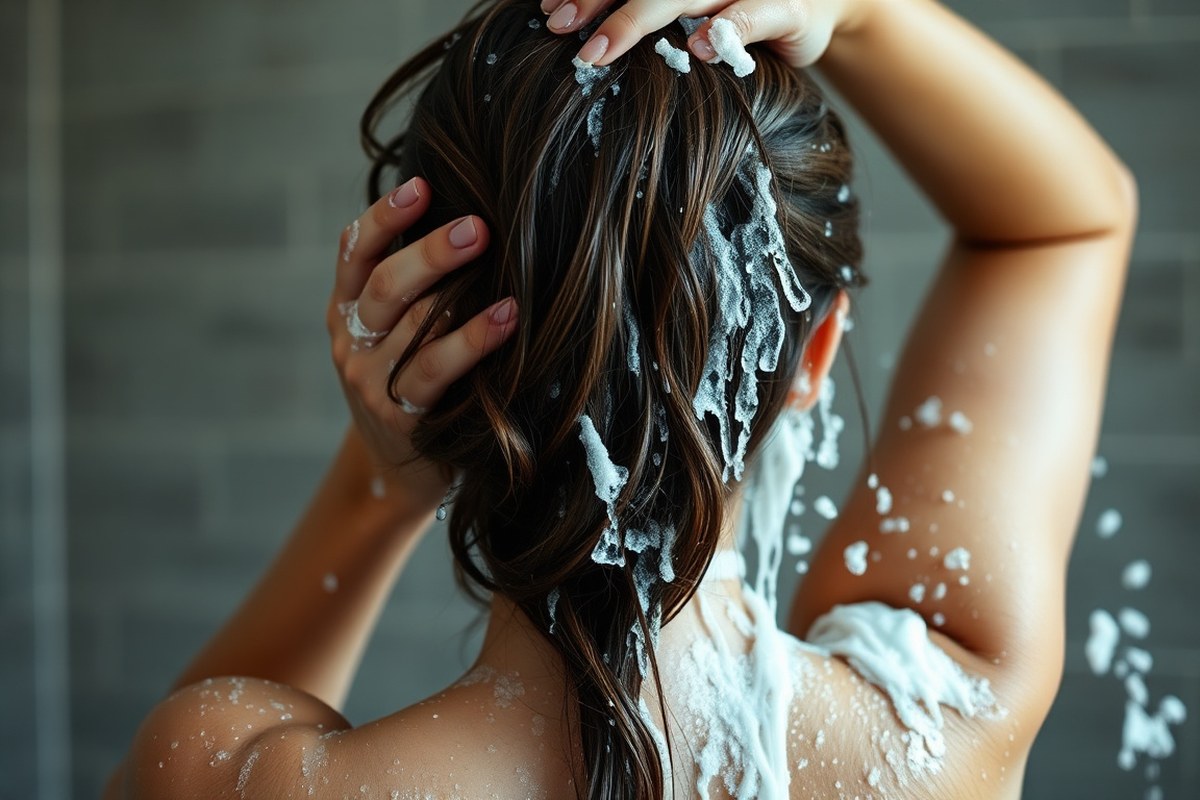
Your hair washing frequency depends mainly on your hair type and scalp condition. Fine or oily hair might need washing every day or every other day to avoid buildup. Thick, dry, or curly hair can skip washing 3 to 4 days.
This helps keep natural oils from stripping away. It prevents dryness and maintains softness.
Using the right technique when washing helps keep hair moist and clean without damage. Focus shampoo on your scalp to clear oil and buildup. Avoid scrubbing too hard because it dries your scalp.
Be gentle but thorough with cleaning. Put conditioner on your hair shaft and ends only.
Avoid the scalp to lock in moisture better. This helps reduce hair breakage and dryness.
Leave-in conditioners or hair masks are good for adding moisture between washes. Leave-in conditioner works well daily on damp hair to keep it soft and manageable.
Hair masks, used once weekly, deeply nourish dry or damaged hair and restore strength. Decide based on your hair’s dryness and styling needs.
Follow these steps to wash your hair the right way:
- Wet your hair thoroughly with lukewarm water to open the cuticle and loosen dirt.
- Use a small amount of shampoo on your scalp. Massage gently with fingertips for about 30 seconds. This cleans without irritating your skin.
- Rinse shampoo completely to avoid residue that causes buildup and itching.
- Apply conditioner from mid-lengths to ends, leaving it in for 2 to 5 minutes.
- Rinse conditioner with cool water to close the cuticle and add shine.
- Pat your hair dry with a soft towel. Don’t rub or wring, which can lead to breakage.
- Apply leave-in conditioner or hair oil if your hair feels dry. This helps seal in moisture after drying. Use sparingly to avoid buildup.
Overwashing can dry out your scalp and hair. Match washing to your hair’s oiliness and dirt level.
3. Choosing the Right Shampoo and Conditioner for Your Hair Type
Choosing shampoo and conditioner that match your hair type helps keep hair healthy and strong. You want products designed for your specific texture and scalp condition. Matching ingredients to your needs can prevent dryness, flakes, or limp hair.
Hair Type Categories and Characteristics
Hair types fall into four main categories: straight, wavy, curly, and tightly curled. Each type has different needs for moisture and cleansing.
For example, straight hair can get oily quickly. Curly hair often needs extra hydration.
Your scalp condition matters too. A dry scalp may flake if you don’t use enough moisturizing products. An oily scalp might need more frequent washing with a gentle, balancing shampoo.
Recommended Ingredients for Each Hair Type
Look for shampoos and conditioners with ingredients that suit your specific hair texture. Sulfate-free cleansers help maintain natural scalp oils while cleaning. Coconut oil and panthenol add moisture and softness, especially for curly or coily hair.
Using the right product boosts hair’s natural shine and health. For example, jojoba oil nourishes dry scalps and tight curls without heaviness. Products with natural oils and vitamins support strong hair growth and texture definition.
| Hair Type | Key Ingredients to Look For | Why They Help |
|---|---|---|
| Straight (Type 1) | Sulfate-free cleansers, lightweight moisturizers | Prevents greasiness without stripping natural oils |
| Wavy (Type 2) | Panthenol, light oils like argan or jojoba | Defines waves and adds hydration without weigh down |
| Curly (Type 3) | Coconut oil, panthenol, deep conditioners | Hydrates curls, reduces frizz, improves elasticity |
| Tightly Curled (Type 4) | Jojoba oil, rich moisturizing masks | Softens coils, adds bounce, prevents breakage |
| Dry Scalp | Moisturizing oils, gentle cleansers | Soothes flaking and dryness |
| Oily Scalp | Clarifying, sulfate-free shampoos | Balances oil without over-drying |
Choose shampoos and conditioners based on your hair’s natural needs and scalp condition. Adjust products if your scalp feels too dry or oily over time to keep results steady.
Ingredients to Avoid for Hair and Scalp Health
Avoid products with harsh sulfates, which can strip natural oils and irritate the scalp. These often cause dryness and flaking if used too much. Instead, pick sulfate-free formulas that clean gently.
Stay away from heavy silicones if your hair feels weighed down. Avoid parabens too, especially if your scalp is sensitive. These ingredients can bother your scalp and hair feel.
These ingredients can build up and block moisture. Watch out for products with lots of synthetic chemicals.
They can irritate your scalp, especially if it flakes easily. Choose simpler formulas with fewer ingredients instead.
4. How to Include Hair Masks and Treatments Effectively
Hair masks help repair damage and boost hair moisture. Use them about once a week to keep dry or damaged hair healthy. If your hair feels extra dry or rough, you can apply a mask twice a week.
Choose your mask based on your hair needs. For example, use deep conditioning masks rich in amino acids to rebuild fragile hair.
For heat-damaged strands, a leave-in treatment promises faster repair and smoother hair. Applying masks correctly makes all the difference.
Follow these steps to get the most from your hair mask. Treat your hair gently and focus on the ends, where damage shows most clearly.
- Wet your hair with clean, cool water to avoid chemical buildup.
- Squeeze out excess water until your hair feels damp but not dripping.
- Apply the mask generously from mid-length to ends, avoiding the scalp.
- Distribute the product evenly using your fingers or a wide-tooth comb.
- Leave the mask on for the time shown on the product label (usually 5, 20 minutes).
- Rinse thoroughly with cool water to seal the cuticles and lock in moisture.
- Use a leave-in conditioner or serum for extra protection, especially before heat styling.
Hair treatment costs vary widely. You can find effective drugstore masks for under $20 and salon-quality products for $50 or more. What matters is how well the mask suits your hair type and damage level.
Signs your mask is working include softer texture and less breakage after styling. Watch for mask build-up if your hair feels heavy or greasy.
Rinse well or reduce use. Always follow product instructions, and test first if your scalp is sensitive.
5. Eating for Healthy Hair: Nutrients and Foods That Matter
Your hair needs a mix of nutrients to grow strong and shiny. Protein is key since hair mostly consists of it. Eating foods like salmon, chicken, eggs, and beans provides the protein your hair needs.
Omega-3 fatty acids help keep your scalp healthy and hair shiny. Fish like mackerel, sardines, and salmon offer plenty of these good fats. Including healthy fats in your diet also prevents dry, brittle hair.
Vitamin C supports collagen, which strengthens hair structure. Citrus fruits, bell peppers, and spinach deliver vitamin C in tasty ways. These foods also help your body absorb iron, another nutrient important for hair growth.
Biotin, a B vitamin, strengthens hair and supports steady growth. You can get biotin from nuts, eggs, and whole grains. Some people take supplements, but a balanced diet usually covers your needs.
Iron and selenium are minerals that help your hair stay healthy. They boost blood flow to your scalp. These minerals also protect your hair cells from damage.
Red meat, spinach, and lentils are good iron sources. Brazil nuts and eggs provide selenium to guard against damage.
Honey contains vitamins and minerals that aid hair growth and help keep strands soft. Use a teaspoon of honey in your diet for hair health. You can also add it to homemade hair masks.
Honey helps improve hair condition both ways. Remember to keep hydration in mind, as water helps transport all these nutrients to your scalp.
Hair growth from a better diet won’t show overnight. You may notice improvements in hair texture and shine within 6 to 8 weeks. Full effects on growth take about 3 to 6 months, so patience is important.
Skipping key nutrients can slow hair growth and cause dull, brittle strands. Eating varied and balanced meals is the best way to avoid gaps.
6. Essential Scalp Care for Strong Hair Growth
Taking care of your scalp is key to strong, healthy hair. Clean, well-stimulated skin on your scalp supports hair growth by keeping follicles clear and nourished. Regular massage and gentle exfoliation help remove buildup and improve blood flow, which promotes healthier hair.
Benefits of Scalp Massage
Scalp massage increases blood circulation, delivering more oxygen and nutrients to hair follicles. This improved flow can stimulate dormant follicles and encourage new growth. It also relieves tension, reducing stress that might contribute to hair thinning.
Massaging your scalp daily can increase hair thickness and reduce shedding. It promotes natural oil production, which keeps hair moisturized and less prone to breakage. Plus, it feels relaxing and freshens your scalp without any extra cost or products.
How to Perform a Scalp Massage
You only need your fingertips to do a good scalp massage at home. The motion should be gentle but firm enough to create movement on your skin. Avoid using nails to prevent irritation or scratches that might cause redness or infection.
Follow these steps for a basic scalp massage that takes 5 to 10 minutes:
- Sit comfortably with your hair dry or damp.
- Place your fingertips on your scalp, starting at the front around the hairline.
- Use small circular motions with gentle pressure, moving slowly backward.
- Cover all scalp areas, front, sides, crown, and back of your head.
- Spend 1 to 2 minutes on each section. The total should be 5 to 10 minutes. Take your time but avoid rushing through the process.
- Finish by lightly tapping the scalp to stimulate nerve endings.
- Repeat daily or at least 3 times a week for best results.
Try using a bit of natural oil, like coconut or jojoba, if your scalp feels dry. It helps your fingers move smoothly and nourishes the scalp skin at the same time.
Using Scalp Scrubs Safely
Scalp scrubs help remove dead skin cells, excess oil, and product buildup that can clog follicles. Cleaning the scalp gently clears the way for new hair and prevents dandruff or itchiness. Pick scrubs with fine particles for gentle exfoliation.
Look for soothing ingredients like tea tree or salicylic acid. These help provide a mild, calming cleanse.
Use a scalp scrub once a week to avoid irritation. Over-scrubbing dries out your scalp and can cause inflammation, slowing hair growth. Always follow the product instructions and rinse well with lukewarm water.
Start your scalp exfoliation like this:
- Damp your hair thoroughly with warm water.
- Scoop a small amount of scrub into your fingertips.
- Apply gently on the scalp, avoiding scrubbing hard.
- Massage in circular motions for 1 to 2 minutes.
- Rinse completely with warm water.
- Follow with your usual shampoo and conditioner routine.
Consult a dermatologist for scalp sensitivity or conditions. This includes psoriasis or eczema.
They can advise whether scrubs are safe for you. Some conditions worsen with physical exfoliation, so a pro can suggest safer options.
7. How to Protect Hair from Heat and Environmental Damage
Heat styling tools can damage hair by drying it out and causing breakage. Use a heat protectant spray like Kenra Platinum Blow Dry Heat Tamer Spray before styling. Set your tools to low or medium heat, avoiding extreme temperatures above 350°F.
Blow-dry only when hair is about 70-80% dry. Keep the dryer on the coolest setting.
Moving the dryer constantly and holding it a few inches away prevents burning strands. Air drying is gentler but takes longer, especially with long hair.
Sun exposure and chemicals like chlorine strip moisture and weaken hair. Use products with UV protection, such as Coola Organic Scalp and Hair Mist SPF 30.
Rinse hair immediately after swimming to remove chlorine and salt. Wearing a swim cap can add extra protection.
Frequent chemical treatments, including coloring and relaxing, risk over-processing. Space these treatments at least six weeks apart.
Avoid overlapping chemical services on the same day or on damaged hair. Repair damaged hair with deep conditioning before any treatment.
- Use ionic hot tools to keep hair moist while styling
- Apply heat protectant spray every time before using heat
- Choose UV-protectant hair products when outdoors
- Rinse hair after swimming to remove pool chemicals
- Limit chemical treatments to prevent breakage and dryness
- Give hair rest periods between color or relaxer sessions
Protecting your hair starts with gentle washing and conditioning. Hydrated hair handles heat and sun better.
Using products designed for color-treated or fragile hair prevents fading and brittleness. Avoid piling on styling products since buildup can dry out hair.
Taking these steps helps keep hair strong and shiny. Skipping protections risks dryness, frizz, split ends, and hair loss.
Pay attention to how your hair feels after styling to catch damage early. Adjust your routine if you notice consistent dryness or breakage.
8. Drying and Styling Techniques That Minimize Hair Damage
Both air-drying and blow-drying can suit different hair types and styles. Air-drying avoids heat but takes longer.
Blow-drying is faster but risks damage if not done right. How you detangle and style also affects hair breakage.
Air-Drying Pros and Cons
Air-drying means letting your hair dry naturally without heat. It reduces heat damage and moisture loss, which helps keep hair strong.
However, air-drying takes longer, which might leave your hair vulnerable to friction and tangles when wet. Wet hair is weaker and more prone to breakage.
Air-drying works best if you gently blot with a towel and detangle before fully dry. Allow your hair to dry in a loose style to avoid tension or knots.
Blow-Drying Best Practices
Blow-drying speeds up drying but needs care to avoid damage. Use a heat protectant spray and a cooler setting, ideally below 350°F. This lowers the risk of moisture loss and breakage.
Blow-dry your hair in sections, pointing the dryer downward to smooth the cuticle. Keep the dryer moving about 6 to 8 inches from your head.
This helps avoid hot spots. Hot spots can damage your hair.
Let hair air-dry partially for 10 to 15 minutes before blow-drying to reduce heat exposure. This simple step helps protect hair integrity over time.
Safe Detangling Techniques
Wet hair is fragile, so detangle it with care. Start combing from the ends and work your way up slowly to minimize breakage.
Use a wide-tooth comb or a detangling brush designed for wet hair. Avoid vigorous rubbing or pulling when detangling.
Keep hair conditioned and moisturized to prevent tangles and reduce friction when styling or sleeping. Switch to gentler hair ties that don’t tug or cause tension.
Here is a quick comparison to remember. It helps when drying hair. It also guides how to handle your hair.
| Method | Advantages | Disadvantages | Best For |
|---|---|---|---|
| Air-Drying | No heat damage, retains moisture | Longer drying time, risk of tangles if not careful | Thick, curly, or fragile hair |
| Blow-Drying | Quick drying, styling control | Potential heat damage without protection | Fine, straight hair or quick styling needs |
| Detangling Wet Hair | Prevents breakage, smooths strands | Rushing can cause snapping and split ends. Take your time drying hair. This helps keep hair healthy. | All hair types, especially prone to tangles |
| Hair Ties & Styling | Gentle holds reduce tension | Tight styles cause breakage and follicle damage | Daily hairstyles requiring ponytails or braids |
Choosing the right drying and detangling techniques balances speed, convenience, and hair health. Adjust your routine to your hair’s unique needs to keep your strands strong and glossy.
Always avoid tight hairstyles and harsh pulling, which can cause lasting hair and scalp damage.
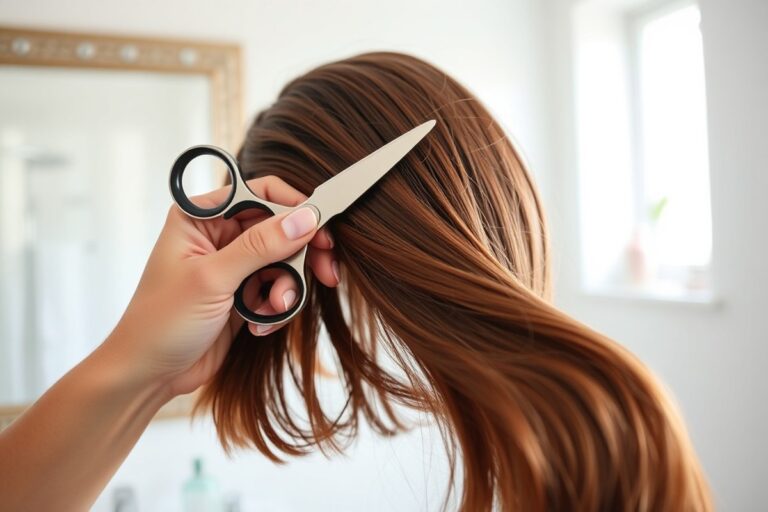
9. When and How to Trim Hair to Keep It Healthy
Trim your hair every 8 to 12 weeks to keep it healthy. This usually means every season or when you notice split ends. Regular trims stop damage from spreading up your hair shaft, which can cause breakage and frizz.
Trimming doesn’t make your hair grow faster from the roots. Growth happens at the scalp and trimming only removes damaged ends.
Cutting off brittle ends makes hair look thicker and healthier. This can give the impression your hair grows faster.
To avoid breakage, use sharp shears designed for hair instead of scissors. Dull blades crush or tear hair and cause split ends. Trim dry or slightly damp hair for more accuracy.
Cut small sections at a time. Snip just 1/4 to 1/2 inch to keep hair neat. This won’t make your hair look shorter.
Watch for signs like uneven ends, tangles, or frayed tips when deciding to trim. These are clues your hair needs a cut.
Trim before damage gets worse to prevent breakage and slow growth. Don’t wait until your ends are fuzzy or split wide open.
Going to a trusted barber or stylist ensures you get the right technique. Ask for a dusting trim to gently remove surface damage.
Choose a blunt cut if you want thick, sharp ends. Avoid cutting with razors or thinning shears if you want less frizz and more fullness.
At home, use clean, sharp haircutting scissors only. Comb your hair gently before cutting sections straight across. Take small snips and check the evenness often.
Do a dusting trim every month if you feel nervous. Avoid big trims that happen less often. This keeps ends fresh without losing length.
When you trim regularly, hair feels softer, looks shinier, and tangles less. Healthy ends lower breakage when styling.
They also reduce the need to cut big damaged chunks later. It also makes your hair easier to manage daily.
Use a silk pillowcase or hair wrap at night. This helps protect ends and keeps them healthy longer.
These materials reduce friction that causes breakage. Combine these habits with your trims to maintain strong, smooth hair over time.
10. Adjusting Hair Care for Different Textures and Conditions
Hair textures range from straight to coily, and each needs a unique care plan. Straight hair often gets oily faster, so washing every 2 days works well.
Curly and coily hair tends to be drier. Washing once or twice a week helps keep moisture without stripping oils.
Choosing the right products helps a lot. For curly or coarse hair, choose creams with shea butter. Add conditioners that contain natural oils too.
These help moisturize and soften your hair well. These ingredients lock in moisture and soften tight curls. Silicone-based ingredients like dimethicone make hair shinier.
They also make it easier to comb. Be careful using them if your hair is fine or builds up product easily.
Moisture is key to textured hair. Use leave-in conditioners after washing to keep curls hydrated throughout the day.
Avoid products with heavy alcohols, which dry hair out. Deep conditioning treatments once a week boost strength and prevent breakage, especially for coarse textures.
| Hair Texture | Washing Frequency | Recommended Products | Moisture Tips |
|---|---|---|---|
| Straight | Every 1-2 days | Mild shampoo, light conditioner | Use lightweight leave-in sprays |
| Wavy (2C) | Every 2-3 days | Hydrating shampoo, curl cream | Apply curl-defining creams on damp hair |
| Curly | 1-2 times per week | Rich conditioner, shea butter products | Use leave-in conditioners, avoid heating tools |
| Coily | Every 10 days to 2 weeks | Deep conditioners, natural oils | Seal moisture with oils after applying conditioner |
Notice that curly and coily hair needs less frequent washing. Overwashing dries out curls, causing frizz and breakage.
Pat hair gently with a towel after washing to avoid damaging fragile curls. You can refresh curls between washes with water or a light mist.
Changing your hair routine needs some trial and error. This process helps your hair feel softer. It also makes your hair look shinier over time.
Notice your hair’s needs for moisture and gentle care. Detangling hair softly keeps your natural texture healthy.
This also helps your hair look brighter. Using the right products regularly means less breakage and healthier strands long term.
11. Common Hair Care Mistakes and How to Fix Them
Many people damage hair without realizing it by using harsh brushes or washing with hot water. Brushing wet hair roughly can cause breakage. Hot water strips natural oils, leading to dryness and frizz.
Sticking to gentle habits helps your hair stay strong and shiny. Use a wide-tooth comb on damp hair and rinse with lukewarm water instead.
Another mistake is overwashing. Shampooing too often removes protective sebum, making hair brittle. Most hair types do well washing two to three times a week.
But this depends on your scalp oiliness. Overusing styling tools without heat protection also damages hair cuticles. Always apply a heat protectant spray and keep tools below 350°F to avoid damage.
- Using a dense brush on wet hair
- Washing with water hotter than 100°F (38°C)
- Shampooing daily without scalp oil issues
- Skipping heat protectants before styling
- Sleeping on rough cotton pillowcases
- Neglecting regular trims to remove split ends
- Applying too much conditioner at the roots
Switch to a silk or satin pillowcase to reduce hair friction while you sleep. These fabrics cause less damage, helping prevent breakage and frizz. Lightweight overnight gels or serums protect your hair gently.
They also nourish your strands. By morning, hair can be up to six times smoother. You can fix many hair mistakes by handling hair gently.
Cut back on harsh treatment. Add protective steps in your routine.
Reduce hair damage by switching to lukewarm water and using a silk pillowcase nightly.
Trims keep your ends healthy and prevent splitting that travels up the hair shaft. Aim to trim every 8 to 12 weeks, depending on hair condition.
Avoid piling conditioner on the scalp, as it can make hair greasy and weigh it down. Apply conditioner mainly from mid-lengths to ends for smooth, balanced hydration.
12. Lifestyle Factors That Influence Hair Health Long Term
Stress can cause hair to become dry and brittle before causing loss. It messes with your body’s normal hair growth cycle, pushing hairs into shedding phases. Try managing stress by adding activities like meditation or short walks into your daily routine.
Sleep plays a big role in hair health. Lack of sleep reduces your body’s ability to repair hair follicles. Choose a silk pillowcase before bed to protect your hair.
Tie your hair loosely with a silk scrunchie to reduce breakage. Both help lower friction while you sleep.
Thick or textured hair benefits from a low loose braid. This style keeps your strands safe overnight.
Hydration affects hair too. Drinking enough water keeps your scalp hydrated, which supports hair growth.
Aim for about 64 ounces (half a gallon) of water daily. Drier hair and flaky scalp may signal the need for more fluids in your diet.
Habits like crash dieting or extreme weight changes can harm your hair’s texture and growth rate. Nutrient imbalances, especially low iron or anemia, lead to slower growth and shedding. Notice these signs?
Consider getting a blood test for iron. Then change your diet or supplements as needed.
For best hair health over time, avoid harsh chemical treatments too often. Experts suggest lengthening the time between color touch-ups to 8 to 10 weeks during colder months. This reduces damage and helps hair maintain its natural strength and shine.
Manage stress with relaxation techniques each day. Sleep on silk pillowcases and stay hydrated. Eat a balanced diet rich in iron.
Protect your hair during sleep with loose knots or braids using silk ties. Avoid quick, drastic diets and watch for signs of hormone or nutrient issues.
Step-by-Step Action Plan for Healthier Hair
Follow this plan to start improving your hair health today. Each step includes how to check if it’s working for you.
- Day 1: Choose a shampoo and conditioner suited for your hair type. Look for softer, shinier hair after your first wash.
- Week 1: Wash your hair only as often as needed, usually 2-3 times a week. Your scalp should feel clean but not dry or itchy.
- Week 2: Apply a hair mask once a week. Notice if your hair feels smoother and less tangled after treatment.
- Week 3: Start drying hair gently with a microfiber towel or cotton t-shirt. Avoid rough rubbing to prevent frizz and breakage.
- Week 4: Trim your hair if you see split ends or unevenness. Your hair should look neater and feel stronger at the tips.
- Month 2: Protect your hair with a heat protectant before using styling tools. Check if the hair feels less dry after styling sessions.
- Month 3: Adjust your diet by adding foods rich in vitamins A, C, E, and protein. Healthy hair should start looking thicker and more vibrant.
- Month 4 and beyond: Maintain scalp care by massaging gently daily. You may notice improved hair growth and less flaking.
Frequently Asked Questions
How Can I Tell If My Hair Is Truly Healthy?
Healthy hair looks shiny, feels smooth, and doesn’t break easily. New hair growth and no scalp discomfort are good signs too.
What’s the Best Way to Prevent Hair Buildup on the Scalp?
Using a gentle scalp scrub once or twice a week removes buildup well. It improves blood flow and helps stop dandruff and breakouts too.
How Long Does It Take for Hair to Adjust After Switching to Natural Products?
Expect about 2 to 4 weeks for your hair to adapt. During this time, it might look different before settling into a healthy state.
Can Stress Affect Hair Health, and How?
Yes, stress can lead to hair shedding and slow growth. Managing stress supports your hair and overall well-being.
Is It Safe to Use Heat Styling Daily?
Using heat styling daily can damage hair over time. Try to limit heat or always apply a heat protectant beforehand.
How Do Essential Vitamins Support Hair Growth?
Vitamins like iron, zinc, and B vitamins are key. They strengthen hair and help keep it growing strong and healthy.
Wrapping Up
Healthy hair needs care tailored to your unique needs. Start by picking the right products and routine today. Keep paying attention to your hair’s response and adjust as you go.