Does Biolage Have Sulfates? Clear Answers + Best Sulfate-Free Choices
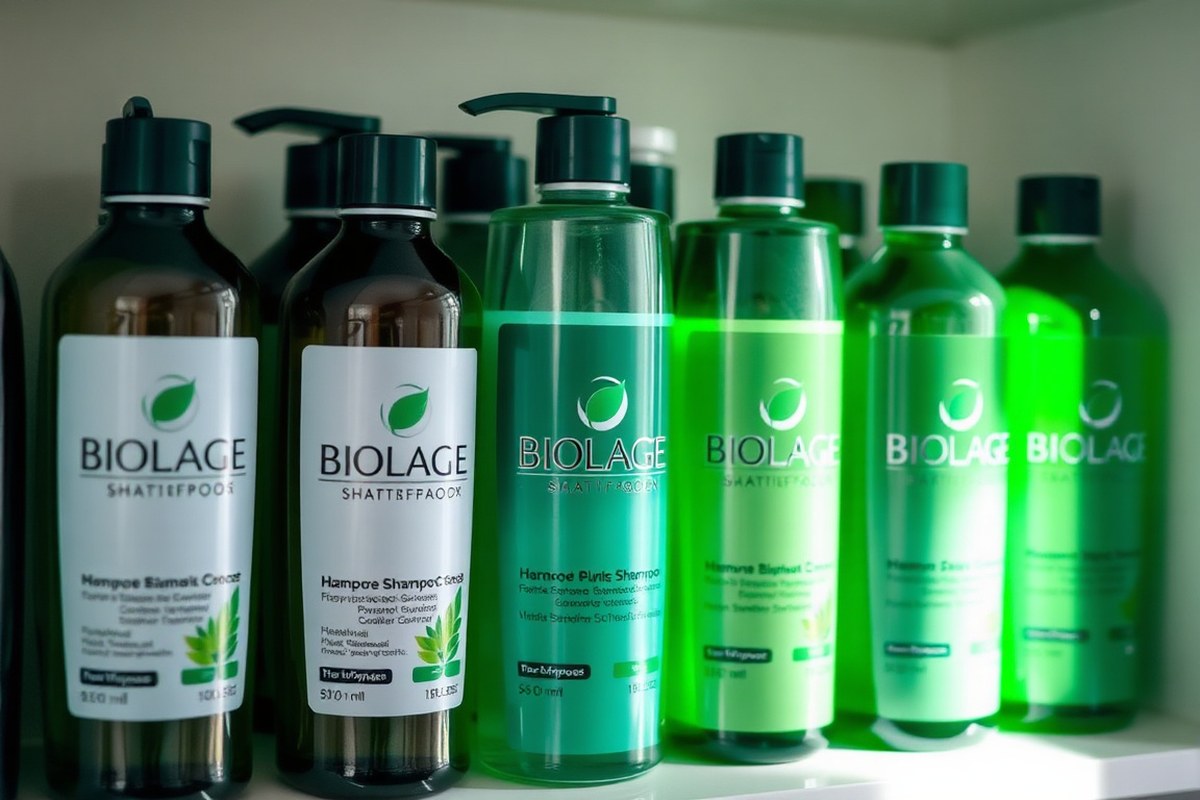
Does Biolage have sulfates? The short answer is mostly no.
Most Biolage shampoos today are sulfate-free, focusing on gentle cleansing without harsh chemicals. Some exceptions like the Colorlast Shampoo still use mild sulfates for color protection.
Sulfates can strip natural oils and fade hair color faster. That’s why Biolage uses alternative cleansers like cocamidopropyl betaine and sodium cocoyl isethionate in many formulas. These ingredients clean hair softly, keeping it hydrated and shiny.
These mild cleansers create a creamy lather that feels gentle on your scalp. They avoid the dryness and irritation that sulfates often cause. This helps maintain hair’s natural moisture balance after washing.
Before buying, check the label or product details online. Biolage clearly marks sulfate-free shampoos in their current lineup. Choosing sulfate-free Biolage helps protect sensitive or color-treated hair from damage.
Key Takeaways
- Biolage mostly offers sulfate-free shampoos today, with few exceptions.
- Sulfates can dry out hair and strip color, causing damage.
- Look for Cocamidopropyl Betaine or Sodium Cocoyl Isethionate as gentle alternatives.
- Biolage labels their shampoos as sulfate-free on most product pages.
- Colorlast Shampoo contains mild sulfates but protects color well.
- Sulfate-free Biolage products suit sensitive scalp and color-treated hair.
Does Biolage Shampoo Contain Sulfates?
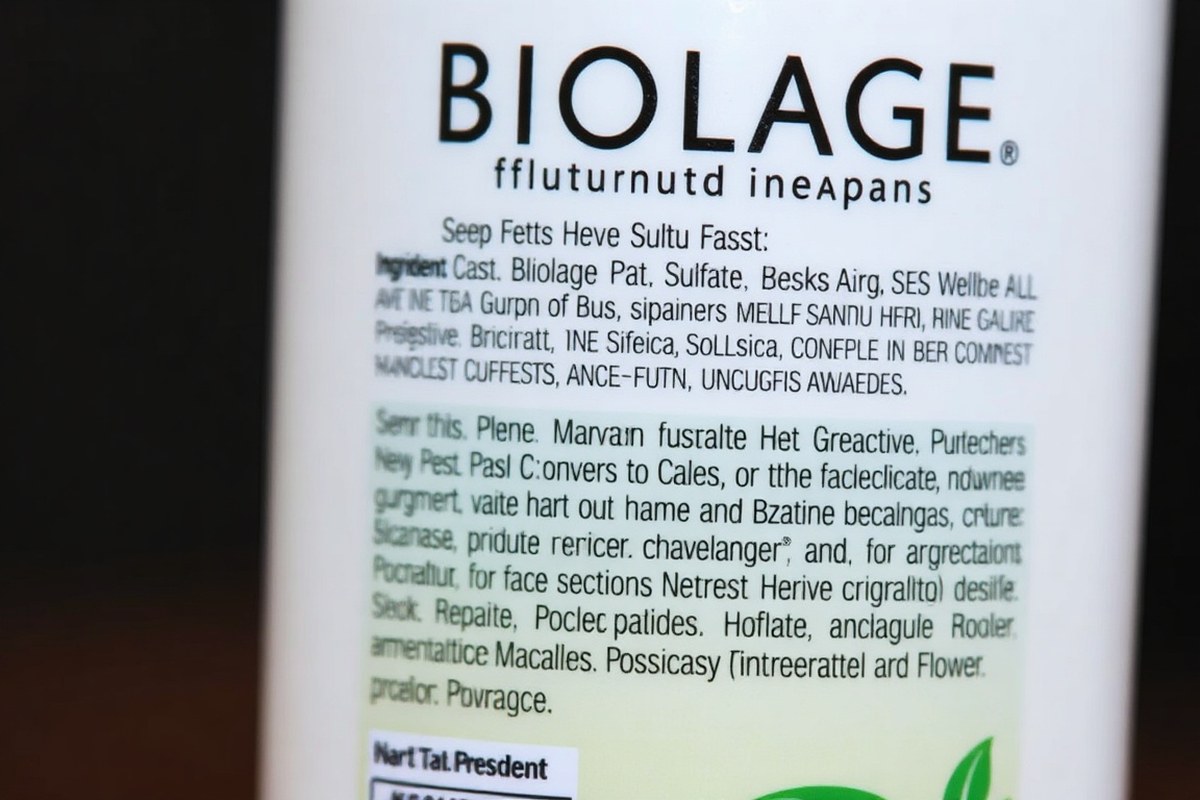
Not all Biolage shampoos contain sulfates. Some formulas include mild sulfates for a stronger clean. Others are sulfate-free, designed for gentle care and moisture balance.
Checking labels ensures you know which shampoo fits your hair needs. Sulfate-free options suit color-treated, dry, or sensitive hair best. Sulfate-containing shampoos may work well for oily or hard-to-clean hair types.
| Product Name | Sulfate-Free Status | Key Ingredients | Suitable Hair Types |
|---|---|---|---|
| Biolage R.A.W. Nourish Shampoo | Yes | Aloe vera, coconut oil, natural cleansers | Dry, sensitive, color-treated hair |
| Biolage Ultra Hydrasource Shampoo | No (Contains mild sulfates) | Quinoa husk extract, glycerin | Dry, dehydrated hair |
| Biolage Smoothproof Shampoo | No | Acacia extract, silk amino acids | Frizzy, unruly hair |
| Biolage Colorlast Shampoo | Varies by formulation; check label | Sunflower seed extract | Color-treated hair |
| Biolage Hydrasource Shampoo | Yes | Botanical extracts | Normal to dry hair |
| Biolage Volume Bloom Shampoo | Yes | Neem flower extract | Fine, flat hair |
| Biolage ScalpSync Shampoo | Yes | Mint extract, salicylic acid | Oily scalp, dandruff-prone |
Look at the product label to confirm if the shampoo contains sulfates. Formulas can vary even within the same product line, like Biolage Colorlast. Some versions have sulfates while others don’t.
Here’s a quick rule: If you have color-treated or sensitive hair, choose Biolage shampoos labeled sulfate-free. These are gentler and safer for your hair type.
For stronger cleaning, try shampoos with mild sulfates in Ultra Hydrasource or Smoothproof. They can handle tougher dirt but may be harsher on sensitive hair.
What Are Sulfates and Why Do They Matter in Shampoo?

Sulfates are a group of chemical compounds often used as cleaning agents. They’re known as surfactants, which means they help water mix with oil and dirt. This action makes sulfates effective at removing buildup from hair and scalp.
Common sulfate ingredients include sodium lauryl sulfate and sodium laureth sulfate. They create the foamy lather you expect from shampoo. This foam helps spread the shampoo evenly and loosen oils and impurities.
While sulfates clean well, they can strip your hair’s natural oils. This can leave your scalp dry and your strands feeling brittle. People with sensitive skin or chemically treated hair might find sulfates too harsh.
Stripping away too much oil affects the scalp’s balance, sometimes causing irritation. Hair color can fade faster if sulfate shampoos are used regularly. This is because sulfates can open the hair cuticle, allowing color molecules to escape.
For hair prone to dryness, using sulfate-free shampoos helps preserve moisture. These milder cleansers use gentler surfactants like cocamidopropyl betaine. They still clean, but they keep natural oils intact and protect fragile hair.
Sulfate shampoos suit oily hair or heavy product use. But they may dry out sensitive scalps over time.
Choosing shampoo with or without sulfates depends on your hair type and scalp needs. If your scalp feels tight or itchy after washing, check if your shampoo contains sulfates. Switching to gentler formulas can improve scalp comfort.
Understanding what sulfates do helps you pick the right shampoo for healthy hair. This knowledge lets you balance deep cleaning and protecting your scalp’s natural oils. That way, your hair feels clean but not stripped or dry.
How Does Biolage Replace Sulfates for Gentle Cleansing?
Biolage replaces sulfates with gentle surfactants that clean hair without stripping natural oils. These alternatives create enough lather while being less harsh on sensitive scalps and color-treated hair. They rely on plant-based and mild cleansing agents to keep hair healthy and hydrated.
Common Sulfate Alternatives in Biolage Formulations
Biolage shampoos often use mild surfactants derived from natural sources. These include coconut-based cleansers and glucosides, which offer gentle yet effective cleaning. Aloe vera and other plant extracts also support scalp comfort and moisture balance.
- Cocamidopropyl betaine, a coconut-based surfactant
- Decyl glucoside, a sugar-derived mild cleanser
- Sodium cocoyl isethionate, gentle, cleansing agent from coconut oil
- Aloe vera extract, soothes scalp and hydrates hair
- Coconut oil derivatives, nourish and clean without dryness
This type of ingredient cleans away dirt and oil without stripping moisture from hair.
Benefits of Mild Surfactants for Hair and Scalp
Mild surfactants don’t strip your hair’s natural oils or irritate the scalp. They keep the hair cuticle smooth, reducing frizz and breakage. This is especially useful if your hair is color-treated or sensitive.
These gentle cleansers maintain hydration better than sulfates. They cause less dryness and itching, so your scalp feels healthier. Using them regularly can improve your hair’s softness and manageability.
Addressing Lather and Cleaning Effectiveness
Mild surfactants in Biolage shampoos can create a good lather without sulfates. The foam might not be as dense or fast-forming.
But it still spreads well and cleans thoroughly. That’s enough for daily cleansing without harsh effects.
Cleaning power depends on the surfactant blend, not just lather amount. Biolage formulas carefully balance cleansing with conditioning to avoid over-drying. Your hair may feel dry when the shampoo removes too much oil or is used often.
Which Biolage Shampoos Are Best for Color-Treated and Sensitive Hair?
Biolage offers several sulfate-free shampoos perfect for color-treated and sensitive hair. These formulas clean gently without stripping color or moisture. They also calm dry, itchy, or sensitive scalps while supporting long-lasting color vibrancy.
For color-treated hair, Biolage’s EverPure and Hydrasource lines stand out. They focus on moisture balance and color protection. They avoid harsh sulfates that fade color quickly.
2 | For sensitive scalps, Hydrasource offers a soothing clean. It doesn’t strip oils or dry your skin. 3 | Deep Nourish repairs brittle hair from damage.
It works well for chemical or heat effects. Softness and shine show up quickly. Meanwhile, Volume Bloom suits sensitive scalps with gentle cleansing that won’t cause irritation.
| Biolage Shampoo | Target Hair Type | Sulfate-Free | Key Benefit |
|---|---|---|---|
| EverPure Moisture Shampoo & Conditioner | Dry, Color-treated | Yes | 2X more moisture, soft and luminous hair |
| Hydrasource Shampoo | Dry, Sensitive Scalp | Yes | Restores moisture, gentle on scalp |
| Volume Bloom Shampoo | Fine, Sensitive Hair | Yes | Gentle cleansing, adds body without irritation |
| EverPure Deep Nourish Shampoo | Dry, Brittle | Yes | Deep moisture, silky-soft texture after first use |
| Hydrate Shampoo | Dry, Damaged, Color-treated | Yes | Maintains color and hydration |
Use EverPure Moisture if your hair feels dry or dull from color treatments. The extra moisture prevents breakage and adds shine without heaviness. For scalps prone to irritation, Hydrasource offers a soothing clean that doesn’t strip oils or dry sensitive skin.
Volume Bloom fits if you want light, gentle care for fine hair without scalp discomfort. It lifts roots but keeps your scalp calm. Deep Nourish repairs brittle hair deeply, good for chemical or heat damage, with results showing as softness and shine quickly.
Expect to spend about $15 to $25 per 8.5-ounce bottle. Using sulfate-free shampoos regularly helps your color stay fresh and your scalp healthy. Avoiding sulfates can prevent dryness and fading, making your color last weeks longer with less damage.
How to Choose the Right Biolage Shampoo for Your Hair Type
Picking a Biolage shampoo depends on your hair type and what your hair needs most. You want a formula that cleans gently but still protects your hair’s health and appearance. Choosing the right Biolage product makes styling easier.
It also keeps your hair strong. Matching your goals helps get the best results.
Assessing Hair Type and Scalp Condition
Fine hair needs gentle cleansing to avoid weighing it down. Sulfate-free Biolage shampoos work well here since they keep moisture without harsh stripping. Thick or frizzy hair benefits from shampoos that add moisture and help smooth texture.
Check your scalp for dryness or oiliness before picking a product. A dry scalp may need a moisturizing shampoo.
An oily scalp can handle more cleansing power. You can switch products if your scalp condition changes with seasons or treatments.
Matching Biolage Products to Hair Goals
Use Biolage Bond Therapy Conditioning Foam after shampoo for fine hair. It keeps strands light. It also hydrates without weighing hair down.
Medium to coarse hair needs extra moisture and strength. Pair shampoo with Bond Therapy Conditioner.
This combo helps maintain healthy hair. Color-treated hair benefits most from sulfate-free formulas that protect color and shine.
Look for these Biolage options:
- Sulfate-free shampoo for all hair types, especially color-treated
- Bond Therapy Conditioner for medium to coarse hair
- Bond Therapy Conditioning Foam for fine hair
- More moisturizing formulas for thick, frizzy hair
- Clarifying shampoos only when buildup is heavy
Pick a shampoo that fits your main hair goals, such as shine, moisture, or frizz control. This helps keep your routine simple and effective.
Adjusting Washing Frequency with Sulfate-Free Formulas
Sulfate-free shampoos don’t strip your hair as much, letting you wash more often without dryness. You can shampoo every other day or daily if needed, depending on scalp oiliness. Use conditioner wisely, focusing on mid-lengths to ends to avoid greasiness at roots.
Changing how often you wash can improve your scalp health and hair texture too. Watch how your hair reacts and adjust shampoo use if dryness or buildup occurs.
Try to avoid shampooing your hair more than twice a day, even with sulfate-free products.
Common Myths and Facts About Sulfates and Hair Health
Sulfate-free shampoo does not clean less effectively for most people. Many sulfate alternatives in shampoos, like those from Biolage, still remove dirt and oil gently. They don’t create as much foam, which some confuse with cleaning power.
Sulfates aren’t always bad for hair either. They are strong detergents that strip oils well, which helps remove heavy buildup. On oily scalps or very oily hair, sulfates clean deeply.
Some people need this weekly or every two weeks. This helps avoid greasy buildup.
Switching to sulfate-free shampoo will not reduce frizz immediately for everyone. It often takes several washes for hair to adjust and benefit from gentler cleansing. Results also depend on your hair type, damage level, and environmental factors like humidity.
Sulfate-free shampoos help dry or treated hair feel less frizzy. This happens over several weeks of regular use. They reduce moisture loss.
On the other hand, thick or curly hair might see subtle changes at first. Conditioning and styling habits play a role too.
To see clear frizz reduction, use sulfate-free shampoos consistently for 3 to 4 weeks. Pair with a good conditioner to lock in moisture. Avoid over-washing since that can dry hair out, causing more frizz, even with gentle shampoos.
Some people mistakenly believe all sulfate-free shampoos are the same. But brands like Biolage focus formulas on specific needs, such as hydration or damage repair. This targeted approach helps match shampoo to your hair’s condition better than a one-size-fits-all product.
How to Verify If a Biolage Product Is Sulfate-Free Before Buying
Check the product label or ingredient list to verify if a Biolage shampoo is sulfate-free. Look for common sulfate names on packaging or consult Biolage’s official website to confirm the formula. Buying from trusted sources ensures you get authentic, sulfate-free products.
Ingredients That Signal Sulfate Content
Scan the ingredient list for names that indicate sulfates. Common sulfate ingredients include sodium lauryl sulfate and sodium laureth sulfate. These surfactants create foam but can be harsh on color-treated or sensitive hair.
Other less obvious sulfate names include ammonium lauryl sulfate and ammonium laureth sulfate. Seeing these terms means the shampoo is likely not sulfate-free.
Recognized Certifications for Clean Formulas
Some Biolage products label themselves as “Sulfate-Free” right on the bottle or box. These clear markings help you identify gentle shampoo formulas quickly. Look for certifications like cruelty-free or natural ingredient seals, too.
Biolage often highlights natural or paraben-free claims alongside sulfate-free notes. These labels give extra confidence the product fits your gentle hair care needs. Always verify that the label matches your shampoo’s actual ingredients.
Trusted Retailers and Official Biolage Sources
Buying from authorized salons and professional retailers lowers counterfeit risk. You can also buy from the official Biolage website. These sources are more trustworthy for genuine products.
These sources list up-to-date information on whether a shampoo contains sulfates. Avoid third-party sellers that may not guarantee authentic formulas.
Here’s a quick checklist to make sure you get a genuine sulfate-free Biolage shampoo:
- Read the ingredient list carefully for sulfate names
- Look for “Sulfate-Free” printed on packaging
- Check for clean beauty or natural ingredient certifications
- Buy from Biolage’s official website or authorized salons
- Avoid buying from unknown third-party online sellers
- Ask a professional stylist about recommended sulfate-free options
Following these steps protects your hair and your purchase investment. It also helps you enjoy the benefits of gentle cleansing without harsh sulfates.
Benefits of Switching to Sulfate-Free Biolage Shampoos
Switching to sulfate-free Biolage shampoos helps keep your hair healthy and vibrant. These shampoos avoid harsh detergents that can strip natural oils and dry out your scalp. You’ll notice less irritation and fewer bad hair days caused by dryness or itchiness.
Using Biolage Color Last Shampoo can extend your hair color’s vibrancy. It gently cleans without fading your dye, so your shade stays richer longer. This means fewer touch-ups and less damage from frequent coloring.
Scalp comfort also improves significantly with sulfate-free options. A calmer scalp means less redness, flaking, and discomfort. This change makes your daily hair routine more pleasant and less stripping.
- Use lukewarm water for washing to prevent extra dryness.
- Apply shampoo twice for a gentle but effective cleanse.
- Follow with a matching conditioner to lock in moisture.
- Limit washing to 2, 3 times a week to maintain natural oils.
- Use leave-in products to boost hydration and smoothness.
- For oily scalps, select a lightweight sulfate-free formula to balance oils.
- Color-treated hair benefits from the smoother, less abrasive cleansing action.
Keep in mind, sulfate-free shampoos may not lather as much as regular ones. This is normal and does not mean your hair is less clean. Waiting about 30 seconds on your scalp before rinsing helps the gentle ingredients work well.
Don’t switch suddenly. Give your hair a week or two to adjust to sulfate-free shampoo for best results.
Step-by-Step Action Plan
Use this plan to switch to the best sulfate-free Biolage shampoo for your hair type. Check how your scalp and hair respond to confirm the fit.
- Before you buy: Read the ingredient label carefully. Choose a sulfate-free Biolage shampoo. Make sure it suits your hair type. Look for no SLS or SLES in the list.
- Day 1: Start using the new shampoo on clean, dry hair. Notice how it feels, the scalp should feel clean without tightness.
- Week 1: Shampoo every 2-3 days and watch for less dryness or irritation. Your hair should feel softer and less frizzy.
- Week 2: Evaluate color-treated hair for shine and vibrancy. The color should stay fresh longer without dullness.
- After 3 weeks: Check scalp comfort and hair texture. Dryness or buildup may happen. Use a clarifying shampoo once in a while.
- Month 1: Decide if the shampoo suits your scalp sensitivity. Keep using if your hair is healthier and your scalp feels calm.
- Ongoing: Match your Biolage shampoo with conditioners and treatments from the same line to boost benefits.
Frequently Asked Questions
Are Biolage Shampoos Safe for Sensitive Scalps?
Yes, many Biolage shampoos are sulfate-free and paraben-free, which helps reduce irritation. These gentle formulas suit sensitive scalps and dry hair well.
Can Biolage Sulfate-Free Shampoos Remove Buildup Effectively?
Yes, they use mild natural cleansers to clean without harsh sulfates. You might need to clarify occasionally depending on hair type.
Do Biolage Shampoos Affect Hair Color Longevity?
Some Biolage shampoos are sulfate-free and protect color better. Check the label since some formulas do contain sulfates.
How Often Should I Shampoo with Biolage Sulfate-Free Products?
You can shampoo daily if needed since formulas are gentle. Avoid over-washing if hair feels dry or brittle.
Are Biolage Sulfate-Free Shampoos Suitable for Curly Hair?
Yes, their gentle cleansers help maintain moisture and reduce frizz. Look for specific lines targeting curls for best results.
Will Biolage Sulfate-Free Shampoos Lather Well Compared to Regular Shampoos?
They create less foam than sulfate shampoos but still clean effectively. The gentler lather helps prevent scalp dryness.
Wrapping Up
Most Biolage shampoos either have gentle sulfates or none at all. Choosing the right sulfate-free option helps protect your hair and scalp health. Start by checking those labels closely before your next shampoo run.