Does Dry Shampoo Ruin Your Hair? What Actually Works to Keep It Healthy
Does dry shampoo ruin your hair? Using it too often can cause buildup and dryness. The good news is, dry shampoo doesn’t automatically harm your hair if used right.
Using dry shampoo only one to two days each week keeps hair healthy. It avoids buildup on your scalp and strands. This helps prevent damage and irritation.
Spray dry shampoo about six inches from your hair for best results. This stops heavy buildup and white patches from forming. Avoid using it more than two days straight to let your scalp rest.
Overuse can lead to clogged follicles and brittle hair, but occasional use is safe. Pay close attention to how your scalp feels and if your hair becomes dull or flaky. These signs tell you to cut back or switch to gentler methods.
Key Takeaways
- Limit dry shampoo use to 1 or 2 days per week to protect your scalp.
- Hold the can about six inches away to avoid heavy buildup.
- Do not apply dry shampoo on consecutive days beyond two times. Giving your scalp a break prevents dryness and clogging. This keeps your hair in better condition.
- Look out for signs like itchiness or dryness after using dry shampoo.
- Use dry shampoo sparingly on sensitive or oily scalps.
- Try homemade dry shampoo using cornstarch mixed with cocoa or cinnamon.
Does Dry Shampoo Actually Ruin Your Hair?

Dry shampoo does not directly damage hair strands or cause hair loss. The main concern is how it affects your scalp when you use it too often. Overuse can lead to buildup that clogs hair follicles and causes scalp irritation.
This buildup comes from starch, talc, or silica in dry shampoo. These ingredients can block openings where your hair grows. This may cause scalp and hair issues.
Regular clogging of follicles can make your scalp inflamed or infected. Such problems can weaken the roots, making hair more likely to thin or break over time.
Using dry shampoo instead of washing your hair regularly increases this risk. Washing removes residue and oils that dry shampoo leaves behind. Experts say use dry shampoo only one or two days a week.
This helps keep your scalp healthy. Overuse can cause problems.
Dry shampoo by itself won’t make you lose your hair permanently. Issues only arise when it’s overused without proper cleansing.
Scalp irritation or buildup means you should wash hair more often. Cut back on dry shampoo use.
Hair types and scalp sensitivity can affect how your skin reacts. People with oily scalps may notice faster buildup. So they might need to wash more often.
Dry scalps can get extra dry or itchy from too much dry shampoo. Watch for these signs.
There are no clear cases proving direct hair damage from dry shampoo’s ingredients. Rather, damage comes from neglecting the scalp’s needs. Keeping your scalp clean lets it breathe better.
This helps your hair stay strong. Avoid buildup.
For healthy hair, use dry shampoo sparingly and avoid applying it on wet scalp. Give your hair a full wash every few days to remove leftover product and oil.
A good routine lowers clogged follicles and scalp problems. This helps prevent hair thinning.
How Dry Shampoo Works and What’s Inside
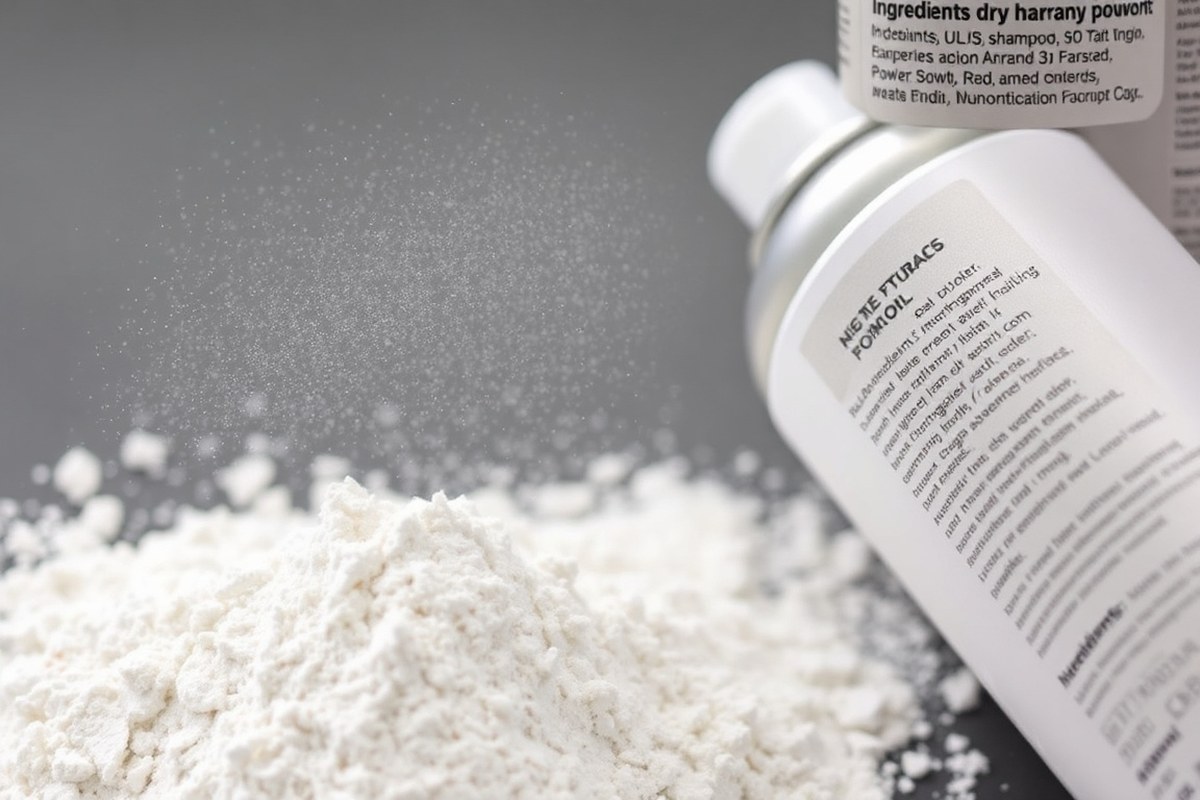
Dry shampoo soaks up extra oil on your hair and scalp. It uses ingredients that pull grease away from your hair. This helps your hair look cleaner and fresher.
Dry shampoo often contains starches like cornstarch or rice starch. These stick to oily spots and make hair less shiny. They help your hair look cleaner without washing.
Alcohol-based parts make dry shampoo work fast. They dry out moisture along with oil. This makes your hair feel less greasy quickly.
Most dry shampoos include powders or aerosols. Powder types usually have starches and sometimes natural additives like cocoa or cinnamon for color matching. Aerosols mix similar oil-absorbing ingredients with propellants to spray a fine mist.
Powders can feel heavier and may leave more residue. Aerosols spread more evenly but sometimes contain alcohols that dry out hair if overused.
Some dry shampoos add fragrance or preservatives. But watch for those with harsh alcohols or silicone. These can build up and cause dryness or block hair follicles if used too often.
Using dry shampoo no more than twice a week helps avoid clogging or scalp irritation. Many hairdressers say dry shampoo is a temporary fix, not a replacement for washing with water.
Spray only the oily areas with dry shampoo. Rub your scalp gently to spread it well. Avoid putting on too much to stop buildup.
Mix cornstarch with cocoa or cinnamon for dark hair at home. Add a few drops of essential oils for a nice scent. These ingredients help your dry shampoo work and smell good.
Homemade shampoos skip some chemicals in store sprays. You must apply it carefully to avoid white patches. This keeps your hair color natural-looking.
Both powder and aerosol dry shampoos serve the same oil-absorbing role. But your hair type and sensitivity influence which is better for you.
Signs You May Be Overusing Dry Shampoo
Dry shampoo can cause trouble if you use it too often. You might notice your scalp feels itchy or irritated. That’s a sign buildup is clogging your hair follicles and causing inflammation.
Your hair might look dull or feel heavy if oil and product build up. This happens when dry shampoo masks oil but gets left in too long. Over time, this can slow hair growth or make shedding worse.
Hair shedding is normal. But extra breaking or thinning can mean dry shampoo is harming your scalp.
You should see softer, fewer strands falling off during brushing or washing. More than usual can mean irritation is causing damage.
- Scalp feels itchy or irritated after dry shampoo use
- Visible white flakes or powder buildup on scalp and hair
- Hair looks dull, lifeless, or feels heavier than normal
- Increased hair shedding or strands breaking easily
- Scalp has red or inflamed areas
- Dry shampoo is used more than two days in a row without washing
Check your scalp and hair after using dry shampoo. When you see these signs, stop using dry shampoo for a while. Let your scalp breathe and recover with regular shampoos for at least a few days.
Limit dry shampoo use to two days max without washing your hair. Apply it evenly to prevent clumps. Don’t add more if your scalp feels oily or heavy.
How to Use Dry Shampoo Safely and Effectively
Use dry shampoo carefully to keep your hair fresh without hurting it. Apply from about 6 inches away and use only a small amount. Avoid using it every day and wash your hair regularly to stop buildup and scalp problems.
Step 1: Shake and Distance
Shake the dry shampoo can well before spraying. This mixes the powder or spray inside for even coverage.
Keep the can roughly 6 inches from your hair while spraying. That spacing prevents clumps and avoids a chalky look in hair.
Step 2: Apply Moderately
Spray a light mist on the roots where your hair gets the most oily. Avoid soaking any area; the goal is just to absorb oil.
One or two quick sprays per section is enough. Using too much leaves thick powder that’s hard to remove and looks unnatural.
Step 3: Massage or Brush Distribution
After spraying, gently massage the product into your scalp with your fingertips. This spreads it evenly and helps absorb oil.
For a cleaner finish, brush through your hair using a natural bristle brush. This pulls out any leftover powder and blends it in better.
Step 4: Frequency Guidelines
Use dry shampoo only when you really need it, like a day or two after washing. Avoid applying it daily to prevent buildup.
For most hair types, limit dry shampoo use to two or three times a week. Those with dry or coily hair may need to use it less.
Step 5: Scalp Care and Washing
Don’t leave dry shampoo in overnight often. Sleeping with it can trap dirt and oils, causing irritation or flakes.
Wash your hair regularly to wash away any product buildup. Use a clarifying shampoo once a week to reset your scalp health.
- Shake the dry shampoo can well.
- Hold the can 6 inches from your roots.
- Spray a light amount on oily areas.
- Gently massage the product into the scalp.
- Brush through hair to remove excess powder.
- Use dry shampoo no more than 2, 3 times weekly.
- Wash hair regularly with shampoo to remove buildup.
- Consider a clarifying shampoo weekly for scalp health.
Dry Shampoo’s Impact on Different Hair Types
Dry shampoo affects hair differently depending on your hair type and how often you use it. Oily hair can benefit from it more.
Dry or curly hair needs extra care. Texture and scalp sensitivity also change how dry shampoo interacts with your hair.
Oily and Straight Hair Care Tips
Oily and straight hair gets greasy faster, so dry shampoo can help between washes. Use it up to two or three times a week to control oil without buildup. Aim sprays at the roots, then brush through gently to avoid powdery spots.
Be cautious not to apply too much, or your hair can look dull and feel crunchy. Try spraying the dry shampoo from 6 to 8 inches away for even coverage.
Curly and Coily Hair Considerations
Curly and coily hair does not usually need daily washing. Dry shampoo can help stretch the time between washes. It’s a useful tool for these hair types.
It can absorb excess oil while preserving natural curls. Use it sparingly to avoid drying out your hair, which can make curls frizzy or brittle.
Apply dry shampoo mostly at the scalp instead of on the curls themselves. Waiting 3 to 5 days between applications is usually better for natural hair textures.
Fine vs Thick Hair Differences
Fine hair gets weighed down easily. So use a light dry shampoo formula to add volume and avoid buildup.
Thick hair can handle more product but needs thorough brushing to remove residue. Using too much dry shampoo on thick hair can cause a powdery or flaky scalp appearance.
Both types benefit from balancing use with regular shampooing to keep hair clean and fresh.
Scalp Sensitivity Factors
People with sensitive scalps might react to ingredients in dry shampoo, leading to itching or irritation. Choose products labeled for sensitive skin or fragrance-free options. Applying dry shampoo too often can clog pores and worsen scalp problems.
Test dry shampoo on a small patch first. Use it once or twice a week if your scalp is sensitive. This helps avoid irritation.
| Hair Type | Recommended Dry Shampoo Use | Key Tip |
|---|---|---|
| Oily and Straight | 2-3 times per week | Spray 6-8 inches from scalp |
| Curly and Coily | Once every 3-5 days | Apply at scalp, avoid curls |
| Fine Hair | Light formulas only | Use sparingly to add volume |
| Thick Hair | Moderate use, brush well | Prevent visible powder buildup |
| Sensitive Scalp | Once or twice a week max | Test patch, choose gentle formulas |
Dry shampoo leaves residue and absorbs oils differently. This affects how your hair looks and your scalp’s health. These differences matter for your routine.
Match dry shampoo use to your hair and scalp type. This prevents dryness and buildup. It also keeps your hair cleaner for longer.
Keep track of how your hair feels after using dry shampoo to avoid overuse or irritation.
Health Concerns and Ingredient Safety in Dry Shampoo
Some dry shampoos have raised concerns due to harmful chemicals like benzene.-Benzene is a carcinogen. The FDA issued a voluntary recall for certain Unilever dry shampoo products. This recall means the company found possible benzene traces above safe levels.
Check if your dry shampoo brand is part of the recall. Visit the FDA website or the brand’s official page to be sure.
Stop using your product immediately. Look for safer dry shampoo options.
Alcohol is another ingredient common in dry shampoos that can harm your hair. It dries out hair strands by stripping moisture, leading to brittleness and breakage. Choose dry shampoos with low alcohol content.
Pick formulas made for dry or brittle hair. Check ingredient lists before buying. Watch for harsh ingredients that dry out or irritate your scalp.
Natural and organic dry shampoos often seem safer, but that’s not always true. They can still contain irritants or cause allergic reactions depending on your skin type. Look for products labeled hypoallergenic or tested by dermatologists if you have sensitive skin.
Checking user reviews and ingredient lists helps. But patch testing on a small area before full use is best to avoid surprises.
Don’t use dry shampoo every day. Avoid using it as a full shampoo replacement. Experts say spraying it every few days is fine.
But regular shampooing with water and moisturizing products keeps hair healthy. Cut back on dry shampoo if you see hair loss, itching, or flakes.
Talk to a hair care professional. Removing styling product residue by washing your hair thoroughly is key to avoiding scalp problems.
Effective Alternatives to Dry Shampoo for Fresh Hair
Making your own dry shampoo is simple and uses everyday ingredients. Mix 2 tablespoons of cornstarch with 1 tablespoon of cocoa powder. Use this for dark hair.
For lighter shades, use just cornstarch. Use a makeup brush to apply a little powder to roots.
Let it sit for 5 minutes. Then brush it out gently to freshen hair.
Scalp scrubs help remove buildup that dry shampoo can leave behind. Mix 1 tablespoon of fine sugar or salt with 1 tablespoon of olive oil. This will make a scrub.
Massage it on your scalp in circular motions for 2 to 3 minutes, then rinse well. This clears dead skin and product residue, helping your scalp breathe.
Cleansing oils do more than add moisture; they dissolve oily grime on your scalp. Put about 1 teaspoon of jojoba or coconut oil on your dry scalp. Massage it for 5 minutes.
Then shampoo your hair like usual. This routine can balance scalp oils without stripping your hair, leaving it clean and hydrated.
Clarifying shampoos are best when hair feels heavy or dull from product use. Use one once every 1 to 2 weeks, depending on your styling habits. These clean residues normal shampoos don’t catch.
They give hair a fresh start. That also helps shine.
Here’s a look at dry shampoo alternatives. It shows their uses, costs, and when to use them. It helps you choose based on your hair needs and budget.
| Alternative | Use | How Often | Cost | Results |
|---|---|---|---|---|
| DIY Dry Shampoo | Absorbs oil, refreshes roots | As needed, daily fine | Under $1 per batch | Less buildup, natural look |
| Scalp Scrub | Removes flakes and residue | Once a week | Under $2 per use | Clearer scalp, less itching |
| Cleansing Oil | Dissolves grime and oils | 1-2 times per week | $5-$15 per bottle (lasts months) | Hydrated scalp, less dryness |
| Clarifying Shampoo | Deep cleans buildup | Every 1-2 weeks | $8-$20 per bottle | Refreshed hair, improved shine |
Use a homemade dry shampoo instead of sprays for a gentle and cheap option. Try scalp scrubs and cleansing oils to keep your scalp healthy while controlling oil.
Rotate in clarifying shampoos if your hair loses volume or feels weighed down. Mixing these methods helps you avoid overusing any one product.
How to Restore Hair and Scalp Health After Dry Shampoo Overuse
Fixing hair and scalp after dry shampoo overuse needs a clear plan. You have to remove buildup, add moisture, treat your scalp, and know when to get help. A step-by-step approach works best to restore health and comfort.
Step 1: Deep Cleanse and Clarify
Dry shampoo doesn’t really clean your scalp or remove dirt. Overusing it leads to buildup that clogs hair follicles and dulls your hair. A deep cleanse with the right products helps remove this buildup and refresh your scalp.
Here’s a simple routine for a thorough cleanse:
- Wet your hair with warm water around 90°F to open up pores.
- Apply a clarifying shampoo suited for your hair type, focusing on the scalp. Use one with gentle ingredients if your scalp is sensitive.
- Massage the shampoo gently for at least two minutes to break down residue.
- Rinse completely with lukewarm water to avoid tightness or dryness.
- Repeat once a week if you use dry shampoo multiple times per week.
- Follow with a gentle shampoo on other wash days to avoid stripping natural oils.
Do not over-clarify; more than once a week can make hair dry or brittle.
Step 2: Moisturize and Condition
Clarifying shampoos can remove oils along with buildup. Rehydrating your hair is key for softness and strength. Choose conditioners with nourishing oils or proteins suited for your hair’s texture.
Apply conditioner mainly to mid-lengths and ends to avoid weighing down roots. Leave it on for 3, 5 minutes, then rinse well. For extra moisture, use a weekly hair mask or deep conditioner.
Hair with dry, brittle ends needs more attention. After washing, apply a small amount of leave-in conditioner or oil.
This helps lock in moisture. Use just a little to avoid weighing your hair down.
Step 3: Scalp Treatments and Massage
Healthy hair starts with a healthy scalp. Using scalp treatments can help reduce irritation or dryness caused by dry shampoo buildup. Look for treatments with ingredients like tea tree oil, salicylic acid, or aloe vera.
Massage your scalp with your fingertips for 3 to 5 minutes daily. This increases blood flow.
It can also help loosen flakes or clogs. Do this before or during shampooing for the best effect.
Notice redness, itching, or flakes? Switch to soothing scalp treatments instead. Use less dry shampoo until your scalp feels better.
Be gentle when massaging; too much pressure can irritate your scalp further.
Step 4: Professional Help Indicators
Seeing a dermatologist or trichologist is smart when symptoms worsen or last over two weeks. Severe scalp inflammation, hair thinning, or persistent dandruff might need expert care. A professional can diagnose conditions like seborrheic dermatitis or scalp infections.
Home care doesn’t help after two weeks? Schedule a consultation with a specialist.
They can recommend better options for your scalp and hair. They can recommend medicated shampoos or treatments customized to your scalp’s needs.
Professional advice helps if you have a scalp condition or allergies. They can guide you before you try new products. This is especially important for sensitive skin.
Step-by-Step Action Plan for Healthy Dry Shampoo Use
Follow these steps to use dry shampoo without harming your hair. Watch for clear signs that your hair feels fresh and clean.
- Before You Start: Choose a dry shampoo suited for your hair type. Check the label for gentle ingredients and avoid ones with harsh alcohols.
- Day 1: Apply dry shampoo only to your roots, using short bursts. Avoid over-spraying to prevent residue buildup.
- Day 2: Style your hair as usual. If it feels weighed down or itchy, reduce your dry shampoo use.
- After 3 Days: Wash your hair thoroughly with a gentle shampoo. This clears any dry shampoo residue and refreshes your scalp.
- Week 1: Use dry shampoo no more than twice a week. Track how your scalp and hair respond to make changes.
- After 2 Weeks: Check your scalp for dryness or irritation. Add a moisturizing scalp treatment if needed.
- Ongoing: Alternate dry shampoo with natural freshening methods, like scalp massages or water rinses. This reduces buildup risks.
Frequently Asked Questions
How Often Should I Use Dry Shampoo to Avoid Damage?
Limit dry shampoo use to 1 or 2 days a week. Using it more often can irritate your scalp and build up product residue.
Can Dry Shampoo Cause Hair Loss or Thinning?
Dry shampoo doesn’t directly cause hair loss or thinning. Problems arise when it clogs hair follicles and irritates the scalp through overuse.
Is Dry Shampoo Safe for Children’s Hair?
Dry shampoo is generally safe for kids if used sparingly. Avoid daily use and check ingredients for sensitivity or allergies.
What Are Signs My Scalp Is Reacting Badly to Dry Shampoo?
Redness, itching, and flaking can show your scalp is irritated by dry shampoo. These signs mean you should cut back or stop use.
Can Dry Shampoo Affect Colored or Chemically Treated Hair?
Dry shampoo can be safe for color-treated hair if not overused. Some formulas may cause buildup or dullness on processed hair.
How Can I Avoid Build-Up When Using Dry Shampoo Regularly?
Use dry shampoo only on days you don’t wash your hair. Rinse your hair at least two times a week.
This helps keep your scalp clean and healthy. Regular shampooing clears buildup and keeps scalp healthy.
Before You Go
Dry shampoo does not ruin your hair when used carefully. Stick to gentle products and don’t overuse them. Start by choosing a dry shampoo made for your hair type today.