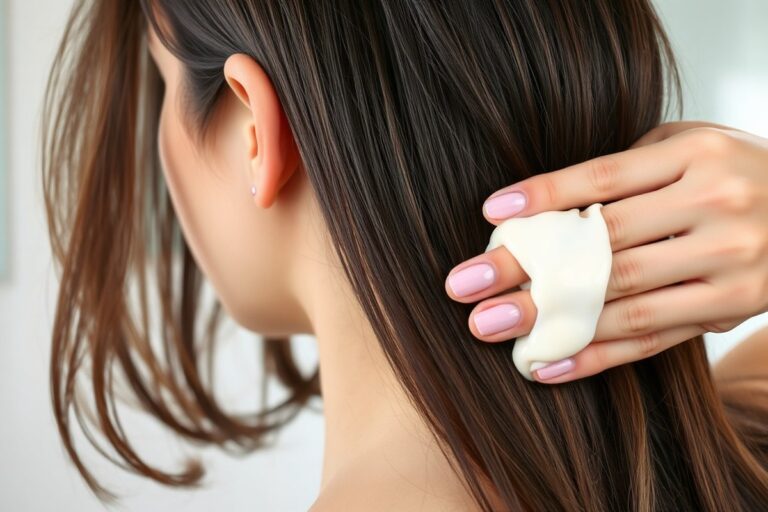
Do I Need a Clarifying Shampoo? A Complete Guide to Clear Hair Care
Do I need a clarifying shampoo? Your hair probably needs it when it feels heavy or looks dull.
Clarifying shampoo clears away buildup from styling products and oils that regular shampoos miss. This deep clean helps your hair look fresh and shiny again.
Be gentle when using a clarifying shampoo because it removes natural oils. Apply it only once every two to four weeks for best results. Using it too often can harm your hair’s natural balance.
Adjust how often based on oiliness or product buildup. Follow up with a deep conditioner to avoid dryness after washing.
Wait at least two weeks after coloring before using a clarifying shampoo on damaged or color-treated hair. Picking a gentle formula made for your hair type can make a big difference.
Key Takeaways
- Clarifying shampoo removes buildup that regular shampoos leave behind.
- Apply clarifying shampoo every 2 to 4 weeks. The timing depends on your hair type and surroundings.
- Follow clarifying shampoo with deep conditioning for at least 15 minutes.
- Wait two weeks after hair coloring before using clarifying shampoo.
- Choose a clarifying shampoo with gentle ingredients if you have damaged hair.
- Clarifying shampoo strips oils, so follow with shampoo containing natural oils.
Do You Need a Clarifying Shampoo? How to Know

Clarifying shampoo is a powerful cleanser made to remove buildup from your hair and scalp. It tackles extra oil, product residue, and mineral deposits that regular shampoos often leave behind.
This shampoo has strong surfactants and low conditioning agents. So it leaves your hair feeling very clean but not soft or moisturized.
You might need clarifying shampoo if your hair looks dull or feels greasy even after washing. Sticky or heavy buildup can make your hair lifeless and hard to style. A quick test is to see if your hair feels rough.
Notice if it gets heavy or weighed down during the day. These signs hint at buildup in your hair. Also, note if your scalp feels itchy or coated with residue.
Look for signs like flat hair that won’t hold volume or a greasy, weighed-down scalp. Using many styling products can create buildup on your hair. Living in an area with hard water also causes this extra residue.
Both factors make your hair feel less clean. Another hint is when your regular shampoo no longer leaves your hair feeling clean.
Your hair likely needs clarifying shampoo if it lacks bounce after washing. Use it once every 2 to 4 weeks based on hair type.
Oily hair often needs treatment about twice a month. Dry hair benefits from less frequent use.
The clarifying shampoo resets your hair’s feeling, removing layers of residue that dull your natural shine. After use, your hair may feel squeaky clean but also stripped.
So follow up with a conditioner. Good results show as lighter, shiny hair that styles better and feels healthier.
Don’t use clarifying shampoo too often. It can dry out hair if overused, especially if your hair is fragile or color-treated. Choose a clarifying shampoo free of harsh sulfates to avoid damage.
A mild yet powerful formula can clear 99 percent of buildup. It refreshes your hair without making it feel stiff. This leaves your hair feeling clean and light.
What Is Clarifying Shampoo and How Does It Work?

Clarifying shampoo has stronger cleaning agents than regular shampoo. These agents remove tough buildup like oils, minerals, and chlorine. It gives a deeper clean by removing layers normal shampoo misses.
Regular shampoo focuses on removing light dirt and sweat. It uses mild surfactants to clean surface oils without stripping natural moisture. Clarifying shampoo uses strong cleansers that mix with oils and buildup.
These cleansers break the oils and residue apart. Then you can easily rinse everything away.
| Regular Shampoo | Clarifying Shampoo | |
|---|---|---|
| Purpose | Gentle cleaning for daily use | Deep cleaning to remove buildup |
| Main Ingredients | Mild surfactants and moisturizers | Stronger surfactants + chelating agents like EDTA |
| Targets | Surface dirt, light oils | Excess oils, product residue, hard water minerals, chlorine |
| Effect on Hair | Maintains natural oils, gentle cleansing | Removes natural oils, requires follow-up conditioning |
Clarifying shampoo removes tough buildup from styling products and mineral deposits. Minerals such as calcium and magnesium come from hard water. These minerals stick to your hair, making it dry and dull.
Over time, they make your hair feel rough. Regular shampoos don’t fully remove these minerals. But clarifying shampoos contain chelating agents that grab those particles and wash them away.
Clarifying shampoo removes your hair’s natural oils. Use a moisturizing shampoo or deep conditioner after this. This helps keep your hair soft and hydrated.
Ingredients like argan oil or coconut oil help restore moisture and smooth the hair shaft. This two-step routine keeps hair clean yet soft and shiny.
Use clarifying shampoo occasionally; frequent use can dry out hair and scalp. So always follow with a rich conditioner or hair mask.
How Often Should You Use Clarifying Shampoo by Hair Type
Clarifying shampoo works like a reset for your hair and scalp. How much you use depends on your hair type. It also depends on how many styling products you use daily.
Use the right amount to avoid buildup or dryness. Too often can dry out your scalp and hair while too little won’t clear buildup well.
| Hair Type/Situation | Frequency | Notes |
|---|---|---|
| Oily scalp + heavy product user | Every 2 weeks | More frequent use stops chronic buildup |
| Normal scalp + moderate products | Every 3-4 weeks | Standard maintenance schedule |
| Dry scalp + minimal products | Every 6-8 weeks | Less frequent to avoid over-stripping |
| Color-treated hair | Every 4-6 weeks | Use color-safe clarifying shampoo only |
| Hard water area | Every 2-3 weeks | Minerals build up faster |
| Low porosity hair | Every 2-3 weeks | Buildup happens more quickly |
Fine or oily hair often needs a clarifying shampoo weekly or bi-weekly. This prevents oil and product buildup that weighs hair down. Dry or curly hair only needs it every 4 to 6 weeks to protect natural moisture.
Color-treated hair can lose color faster if clarifying shampoo is overused. Choose one labeled color-safe and use it every 4 to 6 weeks. Your regular routine and styling habits also change how often you need it.
Using sprays, dry shampoo, or heavy products calls for clarifying shampoo more often. Skylines with hard water should also clarify frequently to remove mineral deposits. Skip it if your hair feels brittle or your scalp is irritated.
How to Use Clarifying Shampoo for Best Results: Step-by-Step
Using clarifying shampoo right helps cleanse and refresh hair without drying it out. Use lukewarm water and massage gently, then follow with good conditioning. This routine removes buildup while protecting your hair’s moisture.
Step 1: Preparing Hair and Scalp
Start with damp hair, not dripping wet, so the shampoo spreads evenly. Use lukewarm water between 90°F and 105°F to open cuticles just enough for cleansing. Avoid hot water to prevent scalp irritation and dryness.
Comb through your hair gently before washing to remove tangles. This makes it easier to apply shampoo thoroughly and avoids unnecessary breakage during washing.
Step 2: Applying and Lathering the Shampoo
Squeeze a small amount, about a nickel-sized dollop, into your palm. Focus on your scalp where buildup tends to gather. Use your fingertips to gently massage.
Do this for one to two minutes. This timing helps the shampoo break down oils and residue effectively.
Work the lather down through the lengths lightly but don’t scrub hard. Clarifying shampoo isn’t conditioning; its job is to clean deeply.
Wait until the first rinse. Then wash again if hair is very oily or heavy with product.
Step 3: Rinsing and Conditioning Properly
Rinse hair thoroughly with lukewarm water to wash away all shampoo and buildup. Avoid leaving any residue, which can cause scalp irritation or leave hair dull. Then apply a moisturizing conditioner focused on mid-lengths to ends.
Leave the conditioner on for 2 to 3 minutes to restore moisture stripped by the shampoo. Use cool water to rinse conditioner. This helps close the hair cuticles and adds shine.
Step 4: Deep Conditioning and Repair
Use a deep conditioning mask weekly for dry or treated hair. Do this after using clarifying shampoo. It helps prevent damage.
Put the mask on after rinsing your shampoo. Do this before your regular conditioner. Leave it on for ten to fifteen minutes.
This step helps rebalance moisture and repair the hair’s structure. Without it, clarifying shampoo can leave strands feeling stripped and brittle.
- Wet your hair with lukewarm water, avoiding hot water.
- Comb through gently to remove tangles before washing.
- Apply a small amount of clarifying shampoo to your scalp.
- Massage scalp gently for 1 to 2 minutes to break down buildup.
- Rinse thoroughly with lukewarm water until all shampoo is gone.
- Apply moisturizing conditioner from mid-lengths to ends, leave 2 to 3 minutes.
- Rinse conditioner with cool water to seal cuticles and boost shine.
- Optionally, use a deep conditioning mask once a week for extra repair.
Common Mistakes with Clarifying Shampoo and How to Avoid Them
Using clarifying shampoo too frequently may dry out your hair. It removes natural oils, making hair fragile and likely to break. Limit use to once a week or less if your hair feels dry.
Some people make the mistake of applying clarifying shampoo on dry hair. This can be harsh and irritating to your scalp. Wet your hair completely before applying the shampoo.
This helps the shampoo clean more evenly. It also stops the shampoo from removing too much oil.
Your hair feels dry or brittle after clarifying shampoo. This means you need to change how often you use it or your routine. Check for dryness and adjust accordingly.
Follow up immediately with a rich leave-in conditioner or a hydrating mask. This helps restore moisture and protect your hair fiber from damage.
- Apply clarifying shampoo only to wet hair, not dry.
- Limit use to 1, 4 times a month depending on hair type.
- Always use a leave-in conditioner or treatment after rinsing.
- Avoid clarifying shampoo if your hair is very damaged or brittle.
- Choose formulas with protective ingredients like Juvexin V2 for treated hair.
- Reduce frequency if your color starts fading or hair dries out.
- Skip clarifying shampoo during colder months if your scalp feels dry.
Use a clarifying shampoo once a week at most and always lock in moisture afterward.
Clarifying shampoos clean deeper than regular shampoos, removing buildup from styling products, chlorine, or pollution. But they also remove natural oils that keep hair soft and shiny. Using one without follow-up care can leave hair feeling rough or straw-like.
Choose shampoos made for color-treated or chemically processed hair. These protect the hair fibers better. They help keep your color and hair strength.
Some shampoos include ingredients that guard your strands while still removing buildup. Listening closely to how your hair feels helps you decide how often to clarify.
Clarifying Shampoo vs. Chelating and DIY Alternatives
You can pick clarifying shampoo, chelating shampoo, or DIY ways. Each option works to clear buildup from your hair. Choose what fits your hair needs best.
Clarifying shampoo gently cleans surface deposits, while chelating targets heavier mineral buildup. DIY options work in a pinch but may vary in safety and effectiveness.
Differences Between Clarifying and Chelating Shampoos
Clarifying shampoos use stronger surfactants than regular shampoos to remove oils and product buildup. They are great for oily hair and brighten natural or lightened hair. Chelating shampoos clean like clarifying ones but target minerals.
They remove buildup from hard water and swimming pools. Use them to get rid of those stubborn minerals.
Chelating shampoos work best if your water has high mineral content. Clarifying shampoos work well for everyday buildup but might not fully remove minerals. Using either shampoo once a week or less avoids overdrying your hair.
| Feature | Clarifying Shampoo | Chelating Shampoo | DIY Alternatives |
|---|---|---|---|
| Primary Use | Removes oils and product residue | Removes mineral buildup from hard water | Light buildup or quick clean |
| Effectiveness | Good for general buildup | Best for mineral buildup | Less consistent |
| Surfactant Strength | Stronger than daily shampoo | Similar or stronger than clarifying | Depends on ingredients |
| Usage Frequency | Up to once a week | Up to once a week | Occasionally; avoid frequent use |
| Hair Types Best For | Oily, normal, natural blonde | Hard water exposed, swimmer’s hair | All, but less reliable |
| Typical Cost | $8 to $20 per bottle | $10 to $25 per bottle | Low cost (household items) |
The right shampoo depends on your buildup type and hair needs. Chelating shampoos often cost a bit more than clarifying types. DIY methods cost almost nothing but need caution to avoid damage.
Common DIY Alternatives and Their Safety
DIY clarifying often involves baking soda, apple cider vinegar, or diluted lemon juice. Household items can clear surface buildup from your hair. Using them too often might dry your hair or irritate your scalp.
Be careful not to overuse these methods. Baking soda has a high pH, which can strip natural oils excessively.
Apple cider vinegar rinses restore shine but may leave some odor and sting sensitive skin. Lemon juice lightens hair naturally but can make it brittle or dry with sun exposure. Always rinse these treatments thoroughly and limit use to once a month or less.
Choosing the Right Option for Your Hair
Pick clarifying shampoo if your hair feels greasy or weighed down by styling products. Choose chelating shampoo if you swim regularly or live in an area with hard water. Use either type no more than once a week to protect hair moisture and prevent dryness.
Reserve DIY solutions for occasional use or if you don’t have specialist shampoos handy. Avoid frequent DIY treatments on fragile or color-treated hair to reduce damage risk. Buying a dedicated clarifying or chelating shampoo is safer and more reliable long term.
Is Clarifying Shampoo Safe for Color-Treated, Curly, and Delicate Hair?
Yes, you can use clarifying shampoo on color-treated, curly, or delicate hair, but with care. Choosing a gentle formula and adjusting how often you use it prevents damage. Your hair’s condition guides how you apply these shampoos safely.
Precautions for Color-Treated Hair
Clarifying shampoo can fade color if it’s too harsh or used too often. Use one designed for color protection, like INVIGO Color Brilliance or ColorMotion+. Limit use to once a month to help maintain your dye’s brightness without stripping.
Look for pH-balanced shampoos with moisturizing ingredients to protect your hair’s cuticle. Avoid sulfates, which dry out fragile colored hair. Rinse with cool water to lock in color after washing.
Considerations for Curly and Dry Hair
Curly and dry hair needs extra moisture when using clarifying shampoo. Pick products with hydrating ingredients to prevent frizz and brittleness. Applying a deep conditioner after clarifying shampoo helps keep curls soft and defined.
A gentle formula without sulfates works best for curly hair. Sulfates can strip away natural oils your hair needs. This can dry your curls and cause frizz.
Use clarifying shampoos no more than once every two weeks to keep hair healthy and hydrated. Swimmers or oily hair might need it more often but watch for dryness.
Ingredients That Promote Hair Health
Choose shampoos with chelating agents like Disodium EDTA for effective buildup removal without harshness. Moisturizers like panthenol or natural oils balance out cleansing effects and reduce scalp irritation. Avoid alcohol and strong sulfates that cause dryness or flaking.
Look for lightweight, clean formulas that clarify while protecting the scalp’s balance. Products with gentle surfactants and a balanced pH help keep your hair and scalp comfortable. This selection helps make clarifying safe for all sensitive hair types.
What to Expect After Using Clarifying Shampoo and How to Maintain Results
You’ll usually see results right after using a clarifying shampoo. Your hair feels lighter, less weighed down by oils or buildup. Shine might return, making hair look fresher and more vibrant than before.
Texture changes too. Hair can feel a bit rougher at first because natural oils are stripped away. This is normal and means the shampoo did its job removing residue and impurities.
Your hair feels too dry. Use a moisturizing conditioner right after washing.
Wait at least two weeks between clarifying shampoo uses. This helps avoid a squeaky, stripped feeling.
For hard water buildup or heavy product use, once a month may be enough. Keep a regular routine to maintain clarity without stressing your scalp or hair.
After each wash with clarifying shampoo, rinse thoroughly in cool water. Cool water helps seal the hair cuticle and lock in moisture. Applying a leave-in conditioner or serum on damp hair can boost softness and shine.
To keep hair buildup-free longer, avoid heavy styling products with silicone or wax. Rinse hair well after swimming or sweating. Using a gentle daily shampoo between clarifying washes prevents buildup from returning fast.
Don’t use clarifying shampoo more than once every two weeks to protect your hair’s moisture balance.
Adjust your follow-up routine if your hair is curly or color-treated. Use a hydrating conditioner matched to your hair type. Limit heat styling to prevent dryness and breakage after the clarifying process.
Checking the scalp for signs of irritation helps. You notice dryness or itchiness.
Use the shampoo less often or try a milder one. Healthy hair feels soft, manageable, and has a subtle shine without buildup dullness.
Step-by-Step Action Plan
Follow these steps to use clarifying shampoo effectively and safely. You’ll know it worked by how clean and light your hair feels afterward.
- Before you start: Check your hair type and condition to see if clarifying shampoo suits you. It’s best if you notice buildup or dullness.
- Day 1: Use clarifying shampoo once. Wet hair fully, apply a small amount, and rinse well. Your hair should feel noticeably cleaner, not dry.
- Week 1: Avoid using any heavy styling products. This helps keep your hair fresh longer and shows if buildup returns quickly.
- Week 2: Assess your hair’s shine and scalp feel. When buildup comes back, use clarifying shampoo every 1-2 weeks.
- Before washing: Apply conditioner on ends first when you wash with clarifying shampoo again. It prevents dryness and keeps curls defined.
- After 3 uses: Watch for signs of dryness or color fading. Spot these signs? Use it once a month or try gentler products.
- Ongoing: Keep your regular shampoo for most washes. Use clarifying shampoo as needed to clear buildup and reset hair health.
Frequently Asked Questions
Can Clarifying Shampoo Damage My Hair If Used Too Often?
Yes, too much clarifying shampoo can dry and damage hair. Stick to once every 2 to 4 weeks to avoid stripping natural oils.
Is Clarifying Shampoo Effective Against Hard Water Buildup?
Yes, it removes mineral buildup from hard water that makes hair stiff. Use a clarifying shampoo with chelating agents like EDTA for best results.
Can I Use Clarifying Shampoo on Oily Scalp Only?
You can, but it’s best to apply it to all hair for even cleaning. Concentrate on roots if oiliness is your main issue.
Will Clarifying Shampoo Remove My Hair Color Faster?
It can fade color if used too often because it strips coatings. Limit use to once a month to protect color-treated hair.
Does Clarifying Shampoo Help with Dandruff or Scalp Issues?
It can help clear buildup that worsens dandruff but isn’t a treatment. Use it alongside medicated shampoos recommended by your doctor.
Can Men and Women Use the Same Clarifying Shampoo?
Yes, clarifying shampoo works the same for all genders. Pick one based on your hair type and scalp needs.
The Bottom Line
Clarifying shampoo helps clear buildup and refresh your hair’s feel. Use it carefully and not too often to avoid dryness. Try it gently this week and watch how your hair responds.