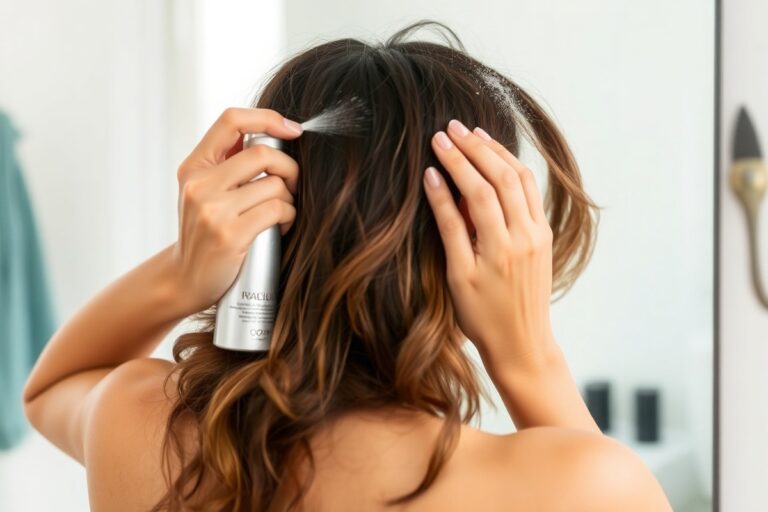
Will Purple Shampoo Work on Brown Hair? What Actually Works and How to Use It
Purple shampoo only helps brown hair with lighter sections like highlights. It works best on bleached areas at level 8 or higher. Dark brown hair without lightening shows little change.
This shampoo deposits violet pigment that cancels out yellow tones. It mainly cuts brassiness on lighter strands. Use it only where your hair shows warm, brassy gold or orange shades.
Choose a gentle purple shampoo with 0.5 to 1.5% violet pigment if you have lightened parts. Leave the shampoo on your hair for 2 minutes at first. You can increase to 3 minutes later if needed.
Wait 2 to 3 days after bleaching your hair before applying purple shampoo. Overuse may cause your lightened brown hair to appear dull or have a faint purple tinge. Apply the shampoo cautiously to maintain a fresh and natural hair color.
Key Takeaways
- Purple shampoo works best on lightened brown hair, not virgin dark strands.
- Look for formulas with 0.5, 1.5% violet pigment for gentle brassiness control.
- Leave purple shampoo on for 2 to 3 minutes when starting out.
- Avoid using purple shampoo within two to three days after bleaching your hair. Let your hair rest 48 to 72 hours first.
- Avoid leaving purple shampoo on longer than 5 minutes to prevent purple tint.
- Use purple shampoo only on brassy or yellowed parts, not on all brown hair.
Does Purple Shampoo Actually Work on Brown Hair?

Purple shampoo works on brown hair mainly if the hair is lightened. Lightened strands at level 8 or higher react to the violet pigment in the shampoo.
This pigment helps cut brassiness by about 24%, according to tests. Dark brown or virgin hair won’t show much change since the pigment can’t grab on well.
The key is the hair’s existing color and undertones. Purple shampoo neutralizes brassiness by depositing purple pigments, which counteract yellow tones. Yellow is opposite purple on the color wheel.
This makes purple shampoo good for canceling warm, golden hues. It helps balance out unwanted yellow tones in brown hair. This effect works best on lighter sections like highlights, balayage, or bronde bits on brown hair.
Using purple shampoo on lightly colored brown hair helps keep it cool-toned. The shampoo tones hair instead of lightening it. It changes warm hues without bleaching your strands.
This keeps your brown hair safe while reducing brassiness. Letting the shampoo sit for a few minutes allows the violet pigments to absorb better.
For darker brown hair without lightened parts, purple shampoo won’t remove brassiness well. So results may be subtle.
For brown hair with some brassiness, purple shampoo can brighten and prevent dullness. Just use it about once a week, especially around your highlights. It won’t lighten your hair but keeps tones even and vibrant.
You won’t see much brassiness change without lightened sections. Purple shampoo works best on hair with highlights or bleached parts. Solid brown hair will not react much to it.
How Hair Color and Undertones Affect Purple Shampoo Results

Brown hair shades and undertones shape how purple or blue shampoo works. Purple shampoo targets yellow or brassy tones.
So it suits light brown or highlighted hair best. Blue shampoo handles orange or copper undertones better, which often appear in darker brown hair.
Choosing the right shampoo depends on your hair’s undertones. Cool-toned brunettes with lighter hair can use purple shampoo to get a softer, ashier finish. Darker brunettes with warm orange hues should try blue shampoo.
It works well to cancel out those orange colors. This helps your hair look cooler and fresher.
| Feature | Purple Shampoo | Blue Shampoo |
|---|---|---|
| Best for | Yellow/brassy tones | Orange/red undertones |
| Works on | Light brown, caramel, highlighted, bronde | Medium to dark brunettes, dyed brown hair |
| Main pigments | Violet | Blue |
| Effect | Cools down golden/yellow highlights | Neutralizes orangey/copper warmth |
| Ideal users | Brunettes with balayage, highlights, or lighter brown shades | Some dark brunettes notice their hair turns too warm over time. This shift can dull their natural rich tones. Using color-correcting products can help restore balance. |
| Results | Softer, ashier, glossier finish | Richer, cooler brown tones |
It’s key to match your shampoo to your undertones for best results. Purple shampoo removes yellow brass but won’t fully fix orange or copper tones. Blue shampoo works roughly 31% better at correcting orange hues in darker brown hair.
Orange hues left after shampooing call for a toner. Toners can fix stubborn warmth. They bring back a neutral shade to your hair.
Brunettes with highlighted or lighter hair can expect purple shampoo to keep brassiness away gently. Darker brunettes should lean toward blue shampoo for stronger neutralizing effects. Using the wrong shampoo color can leave your hair looking dull or uneven.
For orange tones, pick blue shampoo; purple cancels yellow, not orange.
Choosing the Right Purple Shampoo for Your Brown Hair
Pick a purple shampoo based on your brown hair’s shade and condition. Choose pigment strength carefully, then look at the formula to suit your hair type. Avoid harsh chemicals that could dry or irritate your scalp.
Pigment Strength Levels Explained
Most purple shampoos have between 0.5% and 3% violet pigment. For dark or virgin brown hair, 0.5% to 1.5% violet pigment works best. Stronger pigments may leave a slight lilac tint, especially if you have lightened or porous hair.
Shorten how long you leave shampoo on porous or damaged hair. This prevents your hair from turning purple or drying out. For example, rinse after 2 minutes if your hair feels fragile.
Usually, rinse after 3 to 5 minutes. Adjust time to suit your hair’s condition.
Ideal Shampoo Ingredients for Brown Hair
Look for purple shampoos with moisturizing and strengthening ingredients. These help protect your hair as the violet pigment works. Ingredients like hydrolyzed keratin, glycerin, and natural oils improve softness and reduce breakage.
Here’s what to seek in your purple shampoo:
- Hydrating agents such as aloe vera or glycerin
- Protein like keratin to strengthen strands
- Mild cleansing agents that do not strip natural oils
- UV filters to protect color in sunlight
- Fragrance-free or lightly scented versions for sensitive scalps
These components keep hair healthy and balanced while neutralizing unwanted brassy tones. They also help prevent dryness from the violet pigments.
Avoiding Harsh Chemicals and Irritants
Stay away from purple shampoos with sulfates, parabens, or strong alcohols. These can strip oils and dry out brown hair. Over time, hair may feel brittle or lose shine.
Also skip products with heavy synthetic dyes beyond violet pigment. They sometimes cause scalp irritation or unwanted color buildup.
Rinse your hair right away if you notice itching or redness. Stop using the shampoo to avoid further irritation.
How to Use Purple Shampoo on Brown Hair for Best Results
Purple shampoo can work on brown hair if you use it right. You need to apply it carefully to avoid purple or grayish tones. Timing and hair shade affect how long you leave it on.
Step 1: Prepare Your Hair
Start with clean hair. Wash your hair with a regular shampoo to remove dirt and oils.
Use warm water to open your hair cuticles. This helps the purple pigments work better.
Step 2: Application Tips and Timing
Use a small amount of purple shampoo on damp hair. Focus on lightened or highlighted sections if you have them.
Leave the shampoo on for 2 to 5 minutes. For very light or heavily highlighted brown hair, 3 to 5 minutes works best.
For darker brown hair with little lightening, keep it short. Use it for about 1 to 2 minutes only. This helps avoid purple tint on your hair.
Step 3: Rinse and Condition Properly
Rinse your hair well with cool water to seal the cuticles and lock in color. Avoid leaving any purple shampoo residue.
Apply a conditioner or hair mask after rinsing. It helps keep hair soft and prevents dryness.
Step 4: Frequency and Routine
Use purple shampoo once or twice a week. It depends on how often you wash your hair.
Also, consider your hair’s porosity. Overuse can cause unwanted silver or purple hues.
Wait at least 48 hours after coloring before using purple shampoo. This prevents interfering with the dye’s setting.
Adjust frequency based on your hair’s response. Cut back use or rinse sooner next time.
This helps if your hair turns too gray or purple. Adjusting use can prevent unwanted colors.
- Wash hair with regular shampoo and rinse with warm water.
- Apply a small amount of purple shampoo to damp hair.
- Massage shampoo focusing on light areas and roots.
- Leave shampoo on for 2 to 5 minutes based on hair shade.
- Rinse hair thoroughly with cool water to remove all shampoo.
- Apply conditioner or hair mask and rinse after a few minutes.
- Use purple shampoo 1-2 times weekly and adjust as needed.
- Wait 48 hours after coloring before your first purple shampoo use.
What Results to Expect with Purple Shampoo on Brown Hair
Purple shampoo helps cut brassiness in brown hair but won’t change your base color. It works best on lightened strands like caramel highlights or mushroom brown. You’ll notice less yellow and warmer tones in those areas after a few uses.
For virgin dark brown hair, purple shampoo’s effect is subtle. Tests show brassiness drops by about 24% in lightened brown hair.
But dark brown strands barely shift. Your mostly natural brown hair without highlights might show little change.
Applying purple shampoo mainly to mid-lengths and ends makes a difference. Brassiness tends to settle in these spots, especially if you color-treated your hair.
Leaving the shampoo on for about 3 to 5 minutes each wash can help. But avoid longer to prevent any unwanted dullness.
Some people wonder if purple shampoo can make brown hair look darker. It doesn’t darken your hair color but might tone down warm, brassy hues. This can cool down your brown hair tone.
It makes the color look softer. Some people may see it as a deeper brown.
Lightened brown hair shows results faster. The changes are easier to see. Pure brown hair takes longer for visible shifts.
After coloring, use purple shampoo up to twice a week. Stop about two weeks before your next color appointment to avoid interfering with the dye.
Apply purple shampoo only where you need it most. This stops a washed-out look. Use it on targeted sections, not your whole head.
Common Mistakes and How to Fix Purple Shampoo Issues
Purple shampoo can leave brown hair looking odd if used too often. Over-toning happens when you leave the shampoo on too long or use it daily. It may cause a dull or slightly purple tint, which most don’t want.
Another common mistake is not using enough shampoo or rinsing too fast. Scrub and rinse slowly.
This helps purple pigments balance brassiness out. Brown hair with uneven highlights may also show inconsistent results.
Here are the most frequent errors and what you can do about them:
- Using purple shampoo too often, limit to one or two times a week.
- Leaving shampoo on the hair longer than 3-5 minutes, stick to the timer.
- Not shampooing enough to spread the pigment evenly, apply a generous amount.
- Rinsing too quickly, give the shampoo enough time to work before rinsing.
- Skipping conditioner, purple shampoo can be drying, so follow up with conditioner.
- Expecting major color change, purple shampoo is for toning, not dyeing.
- Ignoring hair condition, damaged or very dark hair may not absorb toner well.
Your brown hair might look purple or grey sometimes. Wash once or twice with clear clarifying shampoo to fix it.
This usually removes excess purple pigments without stripping your hair’s natural color. Avoid using purple shampoo daily if you want to prevent over-toning.
Sometimes, purple shampoo may not show any change. Your hair’s undertones or darkness might be too strong for toner. It won’t change much if they are.
You may need a different approach. You could be rinsing toner off too soon.
Or you might use one that’s too gentle for your shade. Either way, it won’t work well.
Try leaving the shampoo on for 3 to 5 minutes on damp hair for better effect. Then rinse and condition well. Use purple shampoo only 1-2 times a week.
Too much causes buildup. This buildup can make hair feel dull, not fresh.
Is Purple Shampoo Safe for Virgin and Damaged Brown Hair?
Purple shampoo is safe to use on virgin brown hair. It doesn’t contain harsh bleach or strong chemicals that strip color. You can use it occasionally to brighten dull tones without harming your natural hair pigment.
Damaged brown hair needs more care when using purple shampoo. This type usually feels dry or brittle.
Purple shampoo’s purple pigments won’t cause damage. But the shampoo’s cleaning agents can dry out hair further if used too often.
Use purple shampoo only once or twice a week for dry hair. Too much use can make hair more damaged. Keep it gentle if your hair feels fragile.
Follow with a deep conditioner or hair mask. These treatments help return moisture and protect strands from breakage after washing.
Virgin hair means it hasn’t been colored or treated. This type usually stays more moisturized. It’s less likely to get dry quickly.
You can rinse purple shampoo out after 3 to 5 minutes to avoid buildup. Longer exposure isn’t necessary and might make your hair look slightly ashy or dull.
Damaged hair might also show uneven color after purple shampoo if left too long. Test on a small section first by leaving shampoo in for 2 minutes. You can leave purple shampoo on healthier hair for 5 minutes.
Be careful not to cause extra dryness. Find a good balance for your hair.
Healthy hair benefits from purple shampoo but still needs protection. Use a sulfate-free formula to reduce stripping natural oils. These shampoos cost around $10 to $30 per bottle, depending on brand and size.
Always check your hair’s condition before using purple shampoo. Look for signs like split ends, frizz, or scalp irritation.
Overuse on sensitive or damaged hair can cause more dryness. So adjust how often you wash with it.
When to Choose Purple Shampoo vs Blue Shampoo for Brunettes
Purple shampoo is your go-to for neutralizing yellow tones in brown hair. Blue shampoo works best if your brown hair leans orange or brassy. Your choice depends on your hair’s undertones and color depth.
Purple Shampoo Targets Yellow Brass
Purple shampoo is made to fight yellow and brassy shades in hair. It suits cool-toned brunettes with lighter highlights or balayage. This shampoo adds a violet pigment that cancels out unwanted yellow hues.
If your brown hair shows gold tones after washing, purple shampoo helps. It keeps your hair color cooler and less brassy.
Use it regularly for best results. Use it once or twice a week to avoid over-toning your natural color.
Blue Shampoo Corrects Orange and Copper
Blue shampoo targets orange and copper tones, making it better for medium to dark brunettes. These tones usually appear warmer and deeper than yellow brass. Blue pigments in the shampoo neutralize those warmer shades effectively.
Blue shampoo can reduce orange tones about 31% better than purple shampoo. It’s a good choice if your hair has strong orange hues. Check your hair tone to decide which works best.
Use blue shampoo just like purple shampoo. Leave it in hair for three to five minutes once a week. This gives the color time to work.
Choosing by Hair Color Level and Undertones
Begin with your hair level and undertones before picking a shampoo. Cool or ash brown hair with yellowing calls for purple shampoo. Warm brown hair showing orange needs blue shampoo.
Here’s a quick guide to deciding between them based on your hair tone and issues:
| Hair Color & Undertones | Problem Tone | Best Shampoo |
|---|---|---|
| Light Brown, Cool or Ash Tones | Yellow or Brassy | Purple Shampoo |
| Medium Brown, Warm Undertones | Orange or Copper | Blue Shampoo |
| Dark Brown with Orange Brassy Pull | Orange or Brassy | Blue Shampoo (31% better correction) |
| Brown with Blonde Highlights | Yellow Brass | Purple Shampoo |
Check your hair’s undertones before choosing shampoo. This helps you pick the best shampoo to neutralize unwanted tones.
It prevents mistakes and gives better results. Using the wrong one can leave dull or muddy shades in your hair.
Don’t leave purple or blue shampoo on longer than recommended. Overuse can cause a purple or blue tint.
Step-by-Step Action Plan for Using Purple Shampoo on Brown Hair
Follow this quick plan to see if purple shampoo suits your brown hair. Watch your hair’s tone change and adjust your routine depending on the results.
- Before You Start: Check your hair’s current tone and porosity. Use purple shampoo only if you notice unwanted warm or brassy hues.
- Day 1: Apply purple shampoo to damp hair for 2 minutes. Rinse thoroughly and check for slight neutralizing of brassiness.
- After 3 Days: Use the purple shampoo again. Leave it on up to 5 minutes this time. Notice if your hair looks cooler or duller.
- Week 1: Continue using the shampoo once or twice a week depending on brassiness. Switch to regular shampoo if your hair looks ashy or too gray.
- After 2 Weeks: Assess hair health and tone. When your hair feels dry, add a deep conditioner after each use.
- Week 3: Experiment with the shampoo’s timing, reducing it if you see any unwanted purple tint. Keep use moderate to protect your hair.
- Monthly Check: Evaluate if your hair maintains the desired tone and shine. Stop using purple shampoo if your brown hair becomes too dull or purple-tinged.
Frequently Asked Questions
Can Purple Shampoo Lighten Brown Hair?
Purple shampoo doesn’t lighten brown hair. It brightens brassiness only on lightened or highlighted areas. On virgin brown hair, it won’t change the color visibly.
How Often Should I Use Purple Shampoo on Brown Hair?
Use purple shampoo once a week to maintain cool tones. Overuse can cause purple or bluish tints, especially on darker natural hair.
Will Purple Shampoo Remove Orange Tones from Brown Hair?
Purple shampoo helps reduce orange tones mainly on lightened brown hair. Dark brown hair usually needs a different toner or professional treatment.
Can I Mix Purple Shampoo with Conditioner for Brown Hair?
Mixing purple shampoo with conditioner can lessen its strength. For best results, use purple shampoo alone first then follow with conditioner.
Does Purple Shampoo Protect Brown Hair Color from Fading?
Purple shampoo doesn’t protect color but neutralizes brassiness. Use it alongside proper color-safe products to keep brown hair vibrant longer.
Will Purple Shampoo Work on All Shades of Brown Hair?
Purple shampoo works best on lightened brown or brown with highlights. It barely affects dark, non-lightened brown hair with no brassiness.
Before You Go
Purple shampoo can gently reduce brassiness on brown hair without drastic fading. Start slow and watch how your hair reacts before making it a habit. Try applying it lightly this week and see if you like the cooler tone you get.