How to Use a Claw Clip: Essential Tips and Styles for All Hair Types
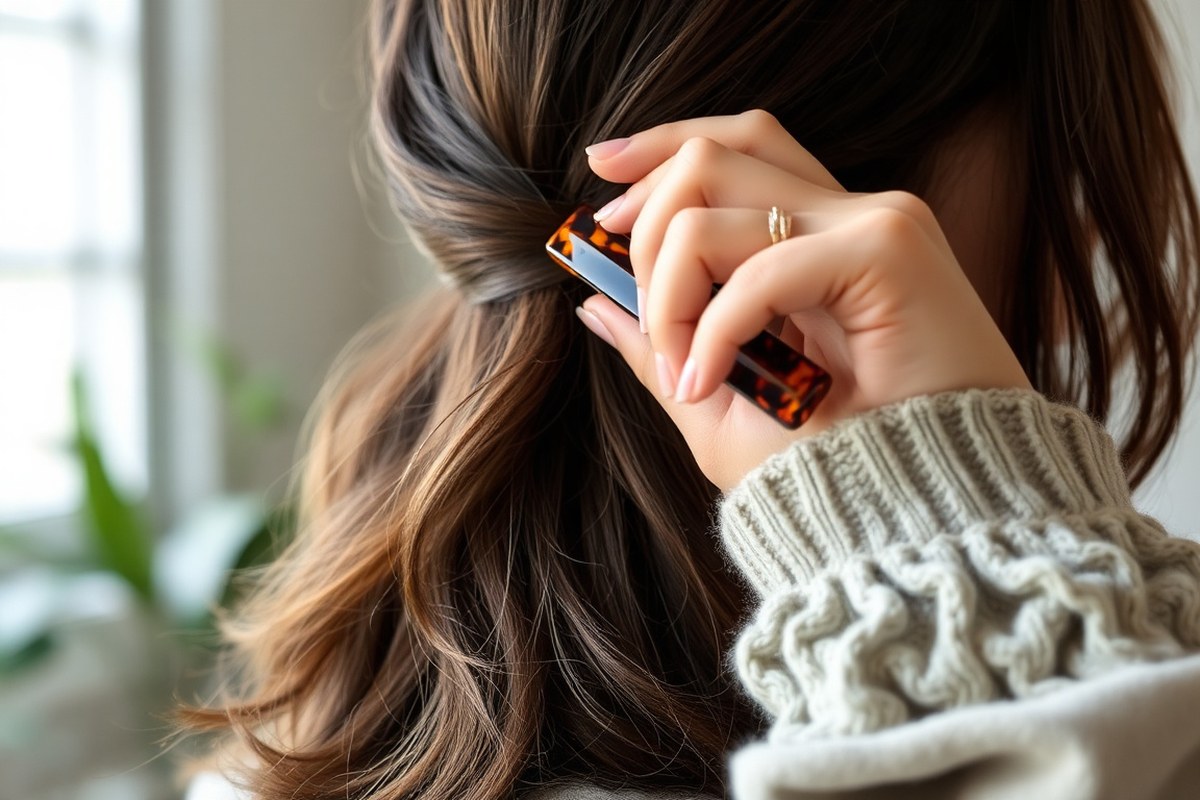
Start by gathering your hair where you want the clip to sit. Twist or fold your hair to prepare it. Snap the clip firmly over your hair to hold your style securely.
Claw clips work best when your hair isn’t too slippery or freshly washed. Spray dry shampoo or hairspray to add grip. This helps keep the clip from slipping out during the day.
Be mindful of how much hair you grab with the clip. Too little or too much affects how well it holds. Adjust the amount to match your hair’s thickness and texture.
Placement changes your hair’s look. Put the clip at “12 o’clock” for one style.
Try “6 o’clock” for a different hold and appearance. Find the spot that feels most secure and comfortable for you.
Key Takeaways
- Choose a claw clip size that matches your hair thickness and length.
- Start with slightly textured hair for better grip and hold.
- Gather your hair fully before twisting to avoid loose strands.
- Snap the clip closed firmly but avoid pulling hair too tight.
- Place the clip at the top or nape (12 or 6 o’clock) for different looks.
- Use multiple smaller clips for thick or heavy hair instead of one big clip.
What Is a Claw Clip and How Does It Work?

A claw clip is a hinged hair accessory used to hold hair in place. It has two curved sections with teeth that interlock like claws.
These teeth hold your hair tightly when the clip closes. This keeps your style neat without the need for pins or elastics.
Each claw clip has several key parts: the two jaws, the hinge, and the spring mechanism. The jaws open wide to collect hair inside.
Then the spring snaps the clip closed tight. The teeth on each jaw bite into your hair to hold it firmly without slipping.
Most claw clips are made from plastic or metal. Plastic clips often have a smooth or matte finish and come in many colors and sizes. Metal clips tend to be stronger and longer-lasting.
But can feel heavier in thick hair. The materials affect durability and grip. So pick what suits your hair’s weight and texture best.
The way a claw clip works is simple but effective. You twist or gather your hair, then place it between the clip’s jaws. When you let go, the spring pulls the jaws shut.
Their teeth lock firmly into your hair. This tension keeps your twist, bun, or half-up style firmly held.
The size and tooth shape matter. Large clips with wide-spaced teeth work better on thick or dense hair. Small or medium clips fit fine or thin hair well.
But might slip if your hair is too silky. If your hair is fine, try a light plastic clip. Add some texturizing spray to help it hold better.
Some clips have a flat design with straight jaws, good for sleek, simple styles. Curved claw clips follow your head’s shape closely. This gives a stronger grip for thicker hair styles.
Knowing these types helps you choose the right clip. It will hold your hair tight and reduce pain or damage.
How to Choose the Right Claw Clip Size for Your Hair

Claw clips come in several sizes. So pick one based on your hair length and thickness. Small clips suit short or fine hair.
Large clips hold long, thick hair better. Medium clips fit most shoulder-length or medium-thickness hair.
Hair thickness changes how well a clip holds. Thick hair needs clips with wider openings and stronger springs.
Fine or slippery hair does better with clips having closely spaced teeth and lighter springs. This gives your clip a firm yet gentle grip.
| Hair Type | Clip Size Recommended | Key Features to Look For |
|---|---|---|
| Short or Fine Hair | Small to Medium | Strong springs, internal teeth for grip |
| Medium Length or Thickness | Medium to Large | Arched shape, wide-set teeth |
| Long or Thick Hair | Extra Large (XL) | Extra-wide opening, long sturdy prongs |
Look for claw clips that match how much hair you want to hold. Smaller clips work well for half-up styles or short side sections. Large clips grab lots of hair, perfect for buns or full updos.
Another important factor is tension. If the spring is too loose, your hair slips out easily.
Springs that are too tight can pull or create dents. Find clips with moderate tension so they hold well without damage.
Try opening the clip fully before placing hair to avoid pinching or breakage.
Preparing Your Hair for Styling with a Claw Clip
Prepare your hair well before clipping to keep your style secure and neat. Brush out tangles first. Add texture for better grip.
This helps especially with fine or silky hair. Make sure your hair is dry or just a bit damp. This helps the clip stay in place better.
Brush and Detangle Thoroughly
Start with brushing your hair to remove all knots and tangles. This step keeps your hair smooth, so the claw clip can hold evenly.
Use a wide-tooth comb or a detangling brush gently from the ends up. This prevents breakage and makes sure your style looks tidy and lasts longer.
Add Texture for Grip
Hair that’s too smooth can let the claw clip slip out easily. Adding texture creates a better grip for the clip to hold on to.
Try applying a small amount of hair powder to your roots or use a texturizing spray. These products increase friction so the clip stays put without pulling at your hair.
For very slippery hair, lightly spritz the claw clip itself with hairspray before clipping. This gives it extra hold when you wear it.
Dry Hair Fully or Leave Slightly Damp
Hair needs to be mostly dry for the best clip hold. Water makes hair heavy and slip-prone, which makes the style unstable.
You can leave your hair slightly damp if you want a softer finish. But make sure it’s not soaking wet. Styles with half-up clips often keep volume better when the hair is dry.
Clipping damp hair may cause your style to loosen quickly. Hair shrinks as it dries. Follow these steps to prepare your hair nicely before using a claw clip:
- Brush your hair fully from roots to ends to remove tangles.
- Apply hair powder or texture spray on the roots for grip.
- Blow dry wet hair until mostly dry. You can also leave it slightly damp before clipping.
- Optional: Spray hairspray on the claw clip for extra hold.
- Choose the right clip size based on your hair volume.
- Gather hair carefully without slipping to prepare for clipping.
Classic and Easy Hairstyles Using a Claw Clip
A claw clip works great for quick and stylish hairdos. Try a messy bun, a French twist, or a half-up twist. These styles take just minutes to make.
Use a flat or classic medium-sized claw clip for the French twist and messy bun. Choose a smaller claw clip for the half-up style to hold less hair comfortably and neatly.
Step 1: Create a French Twist
The French twist offers an elegant, neat updo great for work or events. A flat claw clip holds this style well. You’ll need medium to long hair for the best twist effect.
- Pull your hair back low near your neck like a ponytail. Hold it tightly in one hand before clipping. This gives a neat base for your style.
- Twist your hair upwards tightly from the bottom to create a vertical roll.
- Tuck the ends of your hair into the twist to hide them.
- Secure the twist by placing a flat medium-sized claw clip vertically along the seam.
- Adjust any loose strands and smooth the sides with a comb or fingers.
This method keeps your hair secure all day long. Avoid a loose twist or the clip slipping out.
Step 2: Make a Messy Bun
The messy bun adds a relaxed, casual vibe that’s quick and easy. Use a larger claw clip if your hair is thick or very long. This style works well for medium-length hair too.
- Gather your hair loosely at the back of your head with your hands.
- Twist the hair a few times until it starts to coil into a bun shape.
- Hold the bun against your scalp and clip it vertically with a large claw clip.
- Let some pieces fall out naturally around your face for softness.
This hairstyle looks best when it’s a bit untidy, so don’t overfix. Too neat reduces charm.
Step 3: Style a Half-Up Twist
A half-up twist is perfect for daily wear or when you want hair partly down. Pick a small claw clip because you only clip half your hair.
This makes your hair feel lighter and the clip holds better. It’s easier to manage for half-up styles.
- Separate the top half of your hair from your ears upwards with your fingers.
- Twist this hair section from the front back towards the crown slowly.
- Hold the twist in place and clip it with a small claw clip at the back.
- Adjust the twist slightly for volume or looseness as you like.
Keep this style soft and casual. A too-tight twist can feel uncomfortable or look stiff.
Tips for Using Claw Clips on Different Hair Types
Different hair types need different claw clips and holding tricks. Fine hair tends to slip, while thick and curly hair needs bigger, stronger clips.
Layered or freshly washed hair might feel slippery or uneven. So the right clip and method can help you keep it looking neat.
Fine or Slippery Hair Strategies
Smaller claw clips work best for fine hair because they grip better without sliding. Using clips made with rubberized or matte finishes helps prevent slipping on smooth hair. Before clipping, adding a little dry shampoo or texturizing spray gives your hair some grip.
Place the clip where your hair twists naturally to avoid slippage. Avoid opening the clip too wide; a tighter grip holds fine hair more securely.
Try clipping only half your hair instead of all of it at once. If it still slips, this might help hold your hair better.
Adding texture spray to fine hair creates the grip claw clips need to hold tight.
Clips and Techniques for Thick Hair
Big claw clips with wide spacing between teeth are best for thick or dense hair. Plastic clips may bend or break under heavy hair. So choose metal or sturdy composite clips.
When securing thick hair, try not to cram it. Use a larger clip to avoid pulling and discomfort.
Gather your hair fully, then push it back before closing the clip. This distributes the weight evenly and keeps the clip secure all day. Using two clips can add extra hold if one doesn’t feel strong enough.
Bigger clips prevent pulling and breakage, especially for dense thick hair.
Working with Curly and Coily Hair
Claw clips with smooth, rounded teeth are better for curly hair. They help avoid snags. They also prevent breakage on coily hair.
You can clip your curls up in a loose bun. Try a twist or a half updo. These styles keep your texture from flattening.
Swap hair elastics for a claw clip for a looser look. This works well with a high ponytail style. Claw clips create a freer feel.
For a strong hold, open the clip wide first. Gather your curls into a twist or fold. Then place the clip over the twist.
Secure the clip over your head with its teeth gripping the roots. Avoid just clipping the hair ends for better hold. Adjust the clip’s position if it feels too tight to avoid tugging.
Using smooth claws protects curls from damage and keeps styles soft.
Handling Layers and Freshly Washed Hair
Freshly washed or layered hair can be slippery because it’s smooth and lighter. Try using a dry shampoo or texturizer before clipping to add texture and grip. Put the clip near the crown or base of the twist.
This spot lets layers tuck in and stay secure. It holds your style well.
Layered hair may slip out of small clips. So pick medium to large clips for better hold. Anchor shorter layers that fall loose with bobby pins.
Place them under the claw clip for extra hold. This keeps hair in place longer. Avoid overloading clips; work with smaller sections if needed.
Hold layers in place by combining a claw clip with bobby pins underneath.
Common Mistakes with Claw Clips and How to Fix Them
Claw clips often slip because they don’t fit your hair type or size. Using a clip too small for thick hair will cause it to slide or pop open. The clip needs to hold all your hair tightly inside.
It should not squeeze or break the strands. Leave enough space inside the clip for your hair to fit.
When the clip is too tight, it can pull and cause breakage or headaches. A clip that pinches your scalp or causes discomfort is the wrong fit. A clip that isn’t tight enough won’t keep hair secure.
It may let your hair slip during movement or wind. You need a clip that holds your hair firmly.
Hair sticking out or looking messy happens if the clip is not positioned well. Claw clips work best when placed a little above the bun or twist, catching hair evenly.
Pinching hair while it’s wet increases damage. So wait until your hair is mostly dry before clipping.
- Choose clip size based on hair thickness and length
- Place the clip firmly but gently above your bun or twist
- Avoid clipping soaking wet hair to prevent strand damage
- Use smaller clips for finer or shorter hair styles
- Smooth stray strands before clipping to avoid mess
- Adjust your bun for even hair distribution under the clip
Try a bigger clip with wider teeth if your hair slips. It can give your hair a better hold. Check if the spacing fits your hair thickness.
The Original Small Hair Claw Clip is good for thick hair. It holds more hair volume without crushing it. This clip keeps your hair secure all day.
For short or fine hair, use small claw clips one to two inches wide. These clips keep bulk low and hold hair neatly. This size fits best for thinner or shorter hair.
Claw clip placement affects style neatness and hold. Spread your hair evenly in a bun or twist, then slide the clip in place.
Stretch and adjust the bun before clipping to keep it even and tidy. With these steps, you get a secure hold and avoid that messy, uneven look.
Comparing Flat Versus Curved Claw Clips for Styling
Flat claw clips have jaws that lie closer to your head when clipped in. They usually have a straight, square, or round shape. These clips hold hair tightly against your scalp, giving a neat, controlled look.
They’re perfect for sleek styles like French pleats. They keep hair flat and aligned inside. This holds your style neatly.
Curved claw clips have a rounded shape that cups your hair gently. They open wide to hold thick or heavy hair. They spread out pressure evenly.
This avoids strain on one spot. This design spreads out your hair’s weight. So it feels lighter and lasts longer in the clip.
Curved clips work best with medium to thick hair. They give a fuller hold. They add volume to your style.
Flat or curved clips depend on your hair thickness. Your style choice matters too. Both affect how the clip fits.
Flat clips suit shorter or thinner hair. They keep styles neat and close to your head. They work well for tidy looks.
Curved clips hold bigger sections of thick hair. They create a natural, bouncy look.
Perfect for fuller styles. Using two medium flat clips can help hold dense hair firmly when one clip isn’t enough.
| Feature | Flat Claw Clip | Curved Claw Clip |
|---|---|---|
| Design | Flat, square or round jaws lying close to the scalp | Rounded, wider jaws that cup the hair |
| Hold | Tight hold, best for smaller sections or neat styles | Even weight distribution, ideal for thick or heavy hair |
| Style Versatility | Great for sleek, controlled looks like French pleats | Works well for voluminous, loose, or full styles |
| Best Hair Type | Thin to medium hair, or those with shorter lengths | Medium to thick or long hair |
| Typical Use | Use one large flat clip or two medium clips for dense hair | Use one curved clip that opens wide for heavy hair |
To use a flat clip, position it right down the middle of your gathered hair. This technique holds everything securely without gaps. Open curved clips wide and grab your hair quickly.
Let the clip surround your hair’s bulk evenly. It holds hair naturally. That keeps heavy hair from slipping or feeling tight.
Try flat clips if you want a polished, controlled style for work or formal events. Curved clips shine on casual days when you want volume and a loose feel. Both clip types cost about $5 to $15.
They last long if you handle springs carefully. Avoid dropping or bending them.
Maintaining and Removing Claw Clips Safely
Cleaning and storing your claw clips right keeps them working well and protects hair. Dirt, hair products, and oils can build up in the claws. This can make clips slippery or cause snags in your hair.
Removing clips safely helps avoid breakage or pulling at the roots. Caring for your clips also means they last longer without breaking. Follow these steps to clean and remove your claw clips carefully while keeping your hair safe:
- Remove hair gently: Hold the clip open and slowly pull it away from your scalp. Avoid yanking or twisting to stop hair from snagging or breaking.
- Brush loose hair out: Use a small comb or your fingers. Clear strands caught between the claws carefully. This prevents buildup and jams in the clip’s mechanism.
- Wash with mild soap: Soak the clip in warm water mixed with gentle shampoo. Use a soft toothbrush to scrub around the claws and teeth to remove oil and dirt.
- Rinse thoroughly: Run the clip under clean, warm water to clear all soap. Soap residue can make the clip sticky and catch hair.
- Dry completely: Let clips air dry in a well-ventilated area for several hours. Avoid high heat which can warp plastic claws.
- Store properly: Put clips in a small box or drawer. This keeps dust away and stops drops. Separate clips so claws don’t snap or tangle together.
- Check for damage: Look over the clip for cracks or loose springs before using. Replace clips that are broken or bent to prevent hair damage.
Always open claw clips gently. Pull them straight out from your scalp. This prevents hair pulling.
Step-by-Step Action Plan for Using Your Claw Clip
Follow these easy steps to master claw clip styles. You’ll know you’re ready when your hair feels secure and looks polished.
- Before you start: Choose a claw clip that suits your hair thickness. It should hold your hair without slipping or pinching.
- Day 1: Practice the classic twist-secure method. Gather hair, twist it, then close the clip firmly. Your hair should stay put for hours.
- Day 2: Try the half-up style on damp or dry hair. Use a smaller clip for light hold. Check if it stays stable without looseness.
- Week 1: Experiment with curved claw clips for thicker hair. Clip near the scalp for a comfortable fit that keeps volume.
- Week 2: Use a flat claw clip for sleek styles like a low twist. Your look should stay neat through daily activities.
- After 2 weeks: Assess your clipping technique. Adjust clip size or hair prep if you notice slipping or discomfort.
- Ongoing: Remove clips carefully by releasing the clasp slowly. Avoid pulling to prevent hair breakage.
Frequently Asked Questions
How Do You Secure a Claw Clip for Thick Hair?
Use a claw clip with wider teeth for thick hair. It grips better and prevents slippage for a secure hold.
Can I Use a Claw Clip on Wet Hair Safely?
It’s best to use a claw clip on dry or slightly damp hair. Wet hair is weaker and more likely to break or slip out of the clip.
What Is the Best Position on the Scalp for a Claw Clip?
Put the claw clip at the top center of your head. Think of it as 12 o’clock on a clock face.
Adjust it so it feels secure but comfortable. This position helps balance the hair weight and keeps the style secure.
How Do You Prevent Dents from a Claw Clip in Fine Hair?
Gently place the claw clip without squeezing too hard. Using a smaller clip for thin hair avoids dents and damage.
Can You Use a Claw Clip to Create a French Twist?
Yes, you can twist your hair and secure it with a claw clip. Use a medium or large clip to hold all the hair firmly in place.
How Often Should You Clean Your Claw Clip?
Clean your claw clip every few weeks with mild soap and water. This removes buildup and keeps the clip looking new and working well.
Wrapping Up
Using a claw clip is a quick and stylish way to control your hair. Practice different styles with the right clip size often. Start with a simple twist today and build your confidence from there.