How to Use a Dry Shampoo Spray: Simple Steps for Fast, Fresh Hair
Wondering how to use a dry shampoo spray to get fast, fresh hair? Shake the bottle well first. Hold the spray about 6 inches from your hair.
Spray the roots evenly. Stop when you see some product buildup.
Focus on the greasiest parts and spray evenly. Let the spray sit for 2 to 5 minutes so it absorbs oil. After that, massage your scalp and brush your hair to spread the product and remove residue.
Dry shampoo works by soaking up excess oil so your hair feels cleaner without washing. Avoid spraying too close to your scalp to prevent white spots or heavy buildup. Give it a little time before styling to see the best results.
Key Takeaways
- Shake the dry shampoo can before each use to mix the product well.
- Spray from 6 to 8 inches away, focusing on oily roots only.
- Let dry shampoo sit for at least 2 minutes, up to 5 minutes.
- Massage spray into your scalp to boost oil absorption and avoid clumps.
- Brush through your hair to blend the product and remove flakes.
- Avoid using dry shampoo two days in a row to prevent buildup.
How to Apply Dry Shampoo Spray Correctly

Applying dry shampoo spray right makes a big difference. It helps absorb oil without leaving your hair dull or chalky.
Focus on your roots and section your hair well. Then, give the product some time to work.
Hold the spray about 6 inches away from your hair. Six inches means roughly the length of an average adult palm.
Too close, and the product piles up unevenly. Too far, and it won’t reach your roots well.
- Shake the can vigorously. This mixes the ingredients for even spraying. Always use on dry hair since wet strands prevent the powder from absorbing oil.
- Divide your hair into sections. Use your fingers or a comb. Lift each chunk and spray the roots, where oil gathers most. This targets refreshment where you need it.
- Hold the spray 6 inches from your scalp. Spray directly on roots in each section. Avoid spraying too close or you’ll get white spots, especially on dark hair.
- Spray liberally on oily areas. Focus on your crown, part lines, and behind ears. You want visible product on roots, but not thick layers.
- Wait 2 to 5 minutes. Let the dry shampoo absorb excess oil properly. Rushing this step leaves residue that looks chalky or greasy.
- Massage the product into your scalp. Use your fingertips to break up the powder and spread it evenly. This blends the shampoo and refreshes your scalp.
- Brush through your hair. This removes any extra powder and smooths strands. It also adds volume by lifting roots.
- Style as usual. Your hair feels cleaner and easier to manage. Dry shampoo works best when you don’t wait until your hair is very oily.
Sectioning improves coverage and targets oilier spots specifically. Allowing time for the product to sit lets it fully absorb grease. Avoid spraying too close, as white flakes show up more on dark or fine hair.
Good application results in fresher roots, less oily shine, and noticeable volume. Skip sectioning or spraying too close causes uneven coverage or visible powder. Patience and proper distance make your dry shampoo work best.
What Is Dry Shampoo and How Does It Work?

Dry shampoo spray is a product that cleans your hair without water. It usually has starch or alcohol. These soak up oil, sweat, and dirt.
They work on your scalp and hair roots. These ingredients catch extra sebum from your scalp.
Sebum is the natural oil you make. This helps your hair look fresh and less greasy.
This spray works by sitting on your hair for several minutes. The starch absorbs the oil, helping remove the oily shine and odor. Let dry shampoo sit for at least 5 minutes.
This time lets it soak up oil. Then you can brush or style your hair.
Unlike regular shampoo, dry shampoo doesn’t wash away dirt or buildup. It removes oil but leaves other grime and residue behind. Wash your hair regularly with shampoo and water.
This cleans your scalp well. It’s important if you use styling products or sweat a lot.
Powder-based dry shampoos often absorb oil better than sprays and add volume and texture. However, they might leave a white or chalky residue if applied too heavily. Aerosol sprays blend in more easily.
But they may absorb less oil or volume. Choose based on what you prefer.
Apply dry shampoo where your hair is oily. Focus on your roots and back of the neck. This spots need the most care.
Spraying just a little at a time helps avoid a dusty look. Rub the dry shampoo gently with your fingertips.
Spreading it evenly helps it work better. After that, brush your hair through.
Don’t put on too much dry shampoo or you might see white flakes in your hair.
Choosing the Right Dry Shampoo for Your Hair Type
Dry shampoo comes in sprays, powders, and foams. Your hair type, color, and oiliness guide the best pick.
Some forms work better for thin or thick hair. Others suit specific colors or oily roots.
Dry Shampoo Sprays: Convenience and Coverage
Spray dry shampoos are easy and fast to use. They spread evenly over roots, which helps absorb oil quickly. Most sprays add volume and give a matte finish.
Sprays like 4D Clean Volume Detox suit all hair colors and types. They are good for people who want a quick touch-up and light oil control. Sprays often cost between $10 and $20, depending on the brand.
Powder Dry Shampoos: Oil Absorption and Texture
Powder dry shampoos soak up oil well. They can add texture, which helps style limp or fine hair. Powders may leave white residue on dark hair if not rubbed in thoroughly.
They are best for normal to oily hair. A typical powder costs about $8 to $15. Thick or curly hair can make powders less easy to use.
Foam Dry Shampoos: Hydration and Volume Support
Foam dry shampoos moisturize while cleaning oil, ideal for dry or damaged hair. They provide volume and manageability without drying out the scalp. Foam types need rubbing in and take extra time to dry.
These work well for hair needing volume plus light cleansing. Foam dry shampoos often cost around $15 to $25. They aren’t as fast as sprays, so they suit slower routines.
Here is a simple table to compare dry shampoo types by hair needs and attributes.
| Type | Best For | Oil Control | Texture Added | Ease of Use | Price Range |
|---|---|---|---|---|---|
| Spray | All hair types, all colors | Medium | Supports volume | Very easy | $10, $20 |
| Powder | Normal to oily, fine hair | Strong | Adds texture | Moderate | $8, $15 |
| Foam | Dry, damaged, volume-hungry hair | Light to medium | Adds volume | Moderate to slow | $15, $25 |
Choosing the right dry shampoo depends on your hair’s oil level and texture. A spray is best for fast fixes on all hair types.
Powders fit oily or fine hair needing more grip. Foam suits dry hair that needs volume plus moisture.
How to Avoid Common Dry Shampoo Mistakes
One common dry shampoo mistake is spraying too close. Holding the spray about an arm’s length away prevents heavy, powdery spots.
When you spray too close, product builds up in one spot. This makes your hair look dull and chalky.
Overusing dry shampoo can weigh hair down and leave a residue. Use a light spray burst.
Spread it evenly with fingers or brush. Using too much also makes hair feel greasy instead of fresh.
White residue often appears on darker hair shades. Use a dark-tinted dry shampoo made for your hair color to avoid this.
Some brands have formulas that leave no white powder. So choosing the right product really matters.
- Spray from at least 8 to 12 inches away.
- Limit use to every other day to prevent buildup.
- Apply in short bursts, not a long continuous spray.
- Focus on the roots where oil collects most.
- Shake tinted dry shampoos well before use.
- Distribute product by massaging or brushing gently.
- Stop adding product once your hair feels clean and dry.
Applying dry shampoo before workouts stops sweat from making hair oily. A quick spray can keep your look fresh all day long. Always follow usage directions and avoid layering sprays without brushing between coats.
Avoiding residue and heaviness means patience and practice. Spray lightly and let the dry shampoo absorb oil for a few minutes. Then gently massage or brush out any remaining powder for clean, natural results.
How Often Can You Use Dry Shampoo Safely?
Using dry shampoo spray can save time between washes, but avoid overusing it. Apply dry shampoo for no more than two days in a row to stop residue buildup. This buildup can clog hair follicles and dry out your scalp, causing irritation.
Keep washing your hair regularly based on your hair type and activity level. Washing your hair two to three times weekly removes sweat, oil, and dirt. This schedule fits many people’s needs.
It keeps hair clean without over-washing. Relying on dry shampoo alone won’t cleanse your scalp fully or remove dead skin cells.
Dry shampoo freshens your hair’s look and feel. It cannot replace washing with water. You still need regular shampooing.
Using too much dry shampoo can irritate your scalp. It might weaken hair over time. Use it sparingly for best results.
Your scalp may itch or dry out. Switch back to regular shampooing quicker. This helps soothe your scalp.
Some users find a scalp scrub or detox serum helpful for clearing buildup from dry shampoo. Make sure to read product labels to avoid scalp sensitivity. Taking care of your scalp with occasional gentle cleansing supports healthy hair.
Avoid using dry shampoo on your scalp longer than two days. Washing stops buildup and keeps your scalp healthy. Change your routine often.
Tips for Styling with Dry Shampoo Spray
Dry shampoo spray can boost your hair’s volume, add texture, and freshen your style quickly. It works well on dry hair and pairs nicely with other styling products. You can layer it before or after styling to get the look you want.
Adding Volume and Freshness
Spritz dry shampoo onto your roots when your hair feels flat or greasy. It absorbs oil and adds lift at the roots. This gives your hair more body without washing.
Wait a few minutes after spraying to let it soak up oil. Then, massage your scalp or gently tousle your hair with your fingers. This helps distribute the product well and boost volume.
Do not apply dry shampoo on wet hair. Always use it on completely dry hair to avoid clumping or residue.
Combining with Styling Products
Use dry shampoo before styling for extra grip and texture. It can help make styling your hair with tools easier.
Curling irons and straighteners work better on treated hair. This makes styling less tricky and more effective.
Layer dry shampoo under light hold sprays or texturizing powders for body that lasts all day. Avoid heavy gels or creams right before dry shampoo. They can cause white cast and buildup.
After styling, apply a small amount of dry shampoo if your roots start getting oily. Just spray lightly to refresh volume without ruining your style.
Refreshing Hair Midday or Post-Workout
Dry shampoo is perfect for a quick refresh after a workout or during a busy day. Spray on oily roots to absorb sweat and grease, making hair look cleaner.
Let the dry shampoo sit for 2 to 3 minutes. Then gently shake out or tousle your hair with your fingers to reactivate volume and texture.
Use in moderation to avoid heavy buildup. Your hair feels stiff or chalky when it needs washing.
Wash it with regular shampoo to fix this. Don’t wait too long before washing.
Follow these steps to style your hair using dry shampoo spray:
- Shake the dry shampoo can well before use to mix ingredients properly.
- Hold the spray 6 to 8 inches from your roots for even coverage.
- Spray 2 to 3 short bursts on oily or flat root areas.
- Wait 2 to 3 minutes to let the product absorb oil and sweat.
- Massage your scalp gently with fingers or use a clean brush to spread product evenly.
- Style your hair as desired using fingers or hot styling tools if preferred.
- Apply additional dry shampoo sparingly during the day if hair needs refreshing.
Special Considerations for Hair Color and Texture
Dark and colored hair can show dry shampoo residue more easily. For dark hair, use sprays with a hint of color like Batiste Dry Shampoo Divine Dark.
These blend better with your hair. They reduce the white powder look often seen on black or brown hair.
Textured hair tends to be drier. So dry shampoo can build up or make strands feel rough. Choose a dry shampoo made for textured or curly hair, which helps maintain moisture balance.
Apply dry shampoo only on clean roots. Make sure roots are dry. This stops sweat or oil from getting trapped.
To avoid residue and dryness, apply dry shampoo spray in these ways:
- Hold the can 6 to 8 inches from your roots for a light mist
- Spray in short bursts, focusing only on oily spots
- Use a tinted dry shampoo if you have dark or colored hair
- Wait 2 to 3 minutes before brushing through to let it absorb oil
- Brush gently with a wide-tooth comb or hairbrush to spread product evenly
- Don’t spray on wet or damp hair to prevent buildup
- Use dry shampoo no more than 2 to 3 times a week to avoid clogging pores
Some people find dry shampoo can dull hair if sprayed on too much or all over. Applying only at the roots stops this.
Choose a dry shampoo that fits your hair type. This helps keep your hair looking natural and feeling clean.
Good dry shampoo use leaves hair looking fresh, not chalky or stiff. The hair should feel light, not sticky or rough after brushing. Not rinsing or overusing might cause flakes or residue, especially in dark or textured hair.
Adjust product and technique to avoid any visible white cast. The right spray, distance, and brush keep your hair color vibrant and scalp comfortable.
How to Properly Remove Dry Shampoo from Hair
After you spray dry shampoo, gently massage it into your scalp with your fingers. This helps break up the powder and spread it evenly. Then use a brush to remove any leftover residue and distribute the product through your hair.
Using Fingers to Massage the Scalp
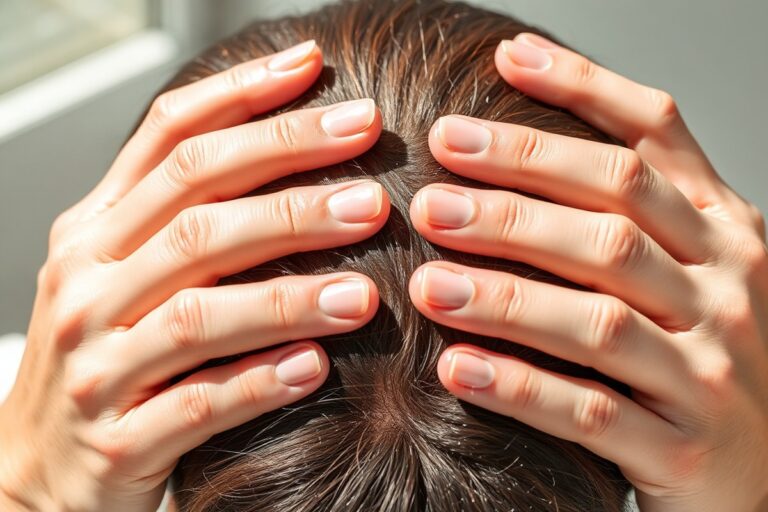
Use your fingertips to lightly massage the dry shampoo into your roots. This moves the powder into the scalp and stops white patches from showing. Massage for about 30 seconds, focusing on areas that feel oily or greasy.
Do not scratch with your nails, as this can irritate your scalp. Soft, circular motions work best to spread the product and refresh your hair’s look.
Brushing Techniques for Even Distribution
A paddle brush is a great tool to use after massaging with your fingers. It helps remove excess powder and spreads the dry shampoo from roots to ends. Brush gently to avoid disrupting your hair style.
Brush through your hair slowly and evenly. This prevents build-up in one area and makes your hair look natural. When your hair looks powdery, blow dry on cool low for a few minutes.
Don’t overbrush. Too much brushing can make your hair frizzy or thin out your style.
When to Wash Hair After Using Dry Shampoo
Dry shampoo is not a replacement for washing. You should wash your hair every two to three days to avoid build-up and scalp issues. Use dry shampoo on in-between days to keep your hair fresh without excess washing.
Too much dry shampoo can clog hair follicles and make hair look dull over time. Washing regularly stops this and keeps your scalp healthy.
- Spray dry shampoo onto dry roots, parting hair in sections.
- Let the product settle for about 30 seconds.
- Massage the product into your scalp with fingertips using circular motions.
- Use a paddle brush to distribute the shampoo through your hair from roots to tips.
- Powder left in hair can be removed by blow drying cool and low.
- Avoid daily dry shampoo use; wash hair every two to three days.
- Repeat this routine when hair feels greasy or flat between washes.
Step-by-Step Action Plan for Using Dry Shampoo Spray
Follow these simple steps to refresh your hair fast. Use your dry shampoo spray correctly. This way, you’ll get the best results every time.
- Before starting: Shake the dry shampoo can well to mix the ingredients. Shake for about 10 seconds until you hear the rattle clearly.
- At the roots: Hold the spray 6 to 8 inches away from your scalp. Spray lightly on oily areas, usually the roots, in short bursts.
- Wait 2 minutes: Let the dry shampoo absorb oils before touching your hair. You’ll notice your scalp feeling less greasy.
- Massage: Use your fingers to gently rub the product into your scalp. This helps distribute it evenly and boosts volume.
- Brush out: Combing your hair removes any leftover powder or residue. Do this step until you don’t see white flakes.
- Style as usual: Finish your look by blow-drying or arranging your hair. You’ll see added freshness and lift.
- After 1 or 2 days: Use dry shampoo again to extend time between washes. Watch for buildup or scalp irritation.
- Every 3 to 4 days: Wash your hair with water. Use shampoo to keep your scalp clean and healthy. Avoid relying on dry shampoo alone.
Frequently Asked Questions
How Do I Prepare My Hair Before Using Dry Shampoo Spray?
Always apply dry shampoo on dry hair to get the best oil absorption. Avoid spraying onto wet hair since it won’t absorb grease well or freshen your look properly.
Can Dry Shampoo Damage My Scalp If Used Daily?
Using dry shampoo daily can cause buildup that clogs hair follicles. This may lead to scalp irritation. Leave at least one day without dry shampoo weekly to let your scalp breathe.
What’s the Best Way to Blend Dry Shampoo After Spraying?
Let the product sit for 2 to 5 minutes first to soak up oil. Then, use your fingertips to massage and brush it throughout your roots. This evens out the product and removes flakes.
Can I Use Dry Shampoo Spray on Curly Hair Without Ruining Curls?
Yes, apply dry shampoo carefully only at the roots in sections. Avoid heavy spraying that could stiffen curls. Massage lightly to keep your natural texture intact.
Should I Avoid Using Dry Shampoo on Color-Treated Hair?
No, some dry shampoos are made for color-treated hair. Choose one with color-safe formulas to prevent fading. Test a small spot if unsure about compatibility.
How Can I Fix White Residue from Dry Shampoo on Dark Hair?
Use a clean brush or cloth to gently remove white flakes after application. You can rub a tiny bit of hair oil on the roots.
This helps the product blend better. Use just a small amount for best results.
The Bottom Line
Dry shampoo spray is a quick fix to tame oily hair and give more volume. Use it carefully to avoid buildup or dullness. Start by spraying lightly at your hair roots.
Then work upward. This will give you fresh, styled hair.