

How to Make Hair Less Frizzy: 8 Proven Methods That Actually Work
How to make hair less frizzy starts with managing moisture and damage. Frizz happens when dry hair soaks up water unevenly, causing strands to swell. Keeping hair hydrated and protected reduces frizz significantly.
Start by using gentle shampoos and conditioners that add moisture without weighing hair down. Avoid rubbing hair harshly with towels.
Instead, pat dry with a microfiber towel to cut frizz. Also, try not to overwash your hair since it strips natural oils that fight frizz.
Using the right products like hydrating creams and serums can smooth the hair cuticle. These help seal in moisture and prevent hair from puffing up in humidity. Applying styling cream to damp hair before drying works best to control frizz all day.
Key Takeaways
- Pat hair dry with a microfiber towel instead of rubbing it harshly.
- Use hydrating shampoos and conditioners designed to fight frizz.
- Limit washing hair to avoid stripping natural oils that protect hair.
- Apply styling cream to damp hair to lock in moisture and smooth strands.
- Let hair air dry or rough dry it before using a blow-dryer and brush.
- Avoid heat styling on completely wet hair to reduce damage and frizz.
1. How to Make Hair Less Frizzy with Daily Care Habits
Reducing hair frizz starts with simple daily care habits you can easily follow. Wash your hair often enough to keep your scalp clean. But not so much that it dries out your strands.
Most people find washing every two to three days works well. But you can adjust based on your hair’s oiliness and how dry it feels after washing.
Conditioning every time you shampoo is key for frizz control. Use a rinse-out conditioner and leave it on for two to five minutes before rinsing. This restores moisture and smooths the hair cuticle, which stops strands from puffing out.
Comb leave-in conditioner through your wet hair to add a barrier. This step helps lock in hydration.
It fights frizz effectively. Doing this right after a shower protects hair from humidity and dryness.
- Wash hair every 2-3 days, or as needed
- Apply rinse-out conditioner after shampooing, wait 2-5 minutes
- Use leave-in conditioner daily on damp hair
- Comb through hair gently, avoid rough towel drying
- Minimize heat styling to prevent dryness
- Get trims every 8-10 weeks to prevent split ends
- Use a soft brush or wide-tooth comb to detangle
Trimming your hair regularly helps keep split ends away. Split ends lose moisture faster and create more frizz. Getting a trim every 8 to 10 weeks makes your hair look healthier and smoother.
For very dry or thick hair, use leave-in conditioners daily. Choose those with oils like jojoba or avocado. They add moisture and softness.
These add fatty acids that calm the strands and make hair easier to manage. On the other hand, fine hair may need lighter products to avoid weighing it down. Change your hair products depending on your hair type.
Notice how your scalp feels. Adjust to what suits you best.
2. Which Ingredients and Products Best Combat Frizz?
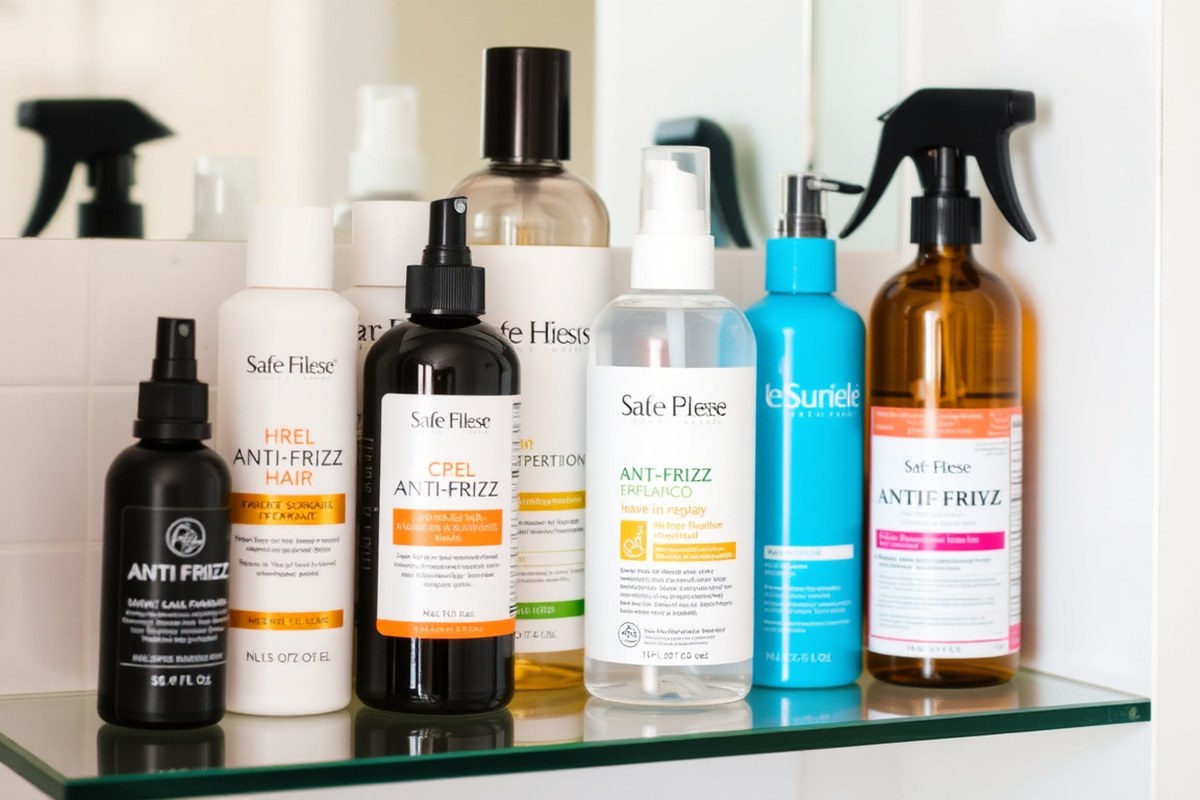
Products designed to fight frizz often contain glycerin and silicone. These ingredients smooth the hair cuticle, which reduces the fuzzy look. Glycerin draws moisture to your hair, helping it stay hydrated in dry areas.
Avoid shampoos that contain harsh sulfates like sodium lauryl sulfate. These cleansers strip natural oils and dry out your hair, worsening frizz. Instead, pick gentle shampoos without sulfates for daily use.
Silicones are common in styling products to create a smooth finish. They coat the hair, blocking humidity that causes frizz.
However, too much silicone buildup can weigh hair down. So balance your use with regular cleansing.
| Frizz Concern | What Your Hair Needs | Recommended Product |
|---|---|---|
| Dry, frizzy hair | Nourishment and smoothing | ULTIMATE SMOOTH Mask |
| Curly or wavy frizz | Nourishment and definition | Nutricurls Curlixir Defining Balm |
| Frizz from heat styling | Heat protection and smoothing | EIMI Smooth Thermal Image |
| Humidity-induced frizz | Protective barrier against moisture | ULTIMATE SMOOTH Miracle Oil Serum |
Choose hair masks and balms that lock in moisture for dry, frizzy hair. Curly and wavy textures benefit from balms that also define curls. Use heat protectants before styling tools to prevent extra frizz.
On humid days, styling oils or serums add a layer that fights moisture from the air. Essential oils in some products also help tame frizz naturally. Experiment with a few products to find the best match for your hair type.
Skip styling products with alcohol since they dry hair and make frizz worse.
3. How to Adjust Your Washing and Conditioning Routine for Frizz
Washing hair less often helps prevent dryness that causes frizz. Conditioning is essential to lock in moisture and smooth cuticles. Use cool or lukewarm water to rinse and seal the hair, keeping frizz down.
Ideal Washing Frequency for Different Hair Types
Washing your hair daily strips natural oils, which leads to dry, frizzy strands. Dry or curly hair benefits from washing only 1 or 2 times per week.
Oily hair or fine hair may need washing every other day to remove buildup. Adjust based on how your scalp feels and your activity level.
Proper Conditioning Steps to Lock Moisture
Conditioning after shampoo keeps hair hydrated and smooth, reducing frizz. Focus on applying conditioner from the mid-lengths to the ends, not the scalp.
Use a deep-conditioning mask once a week to boost moisture and strengthen hair. Leave regular conditioner on for 2 to 5 minutes before rinsing. Follow this routine to condition effectively:
- Apply shampoo to wet hair and massage the scalp gently.
- Rinse hair completely with lukewarm water.
- Apply conditioner from mid-lengths to ends, avoiding roots.
- Comb hair with fingers or a wide-tooth comb to distribute.
- Leave conditioner on for 2 to 5 minutes.
- Rinse out thoroughly with cool or lukewarm water.
- Use a deep-conditioning mask once weekly after shampooing.
Using Cool Water Rinses to Seal the Cuticle
Rinsing hair with cool water helps close the cuticle, locking in moisture. This smooths the hair surface, making your hair less prone to frizz.
Warm water opens the cuticle to clean hair but can leave it rough and dry afterward. Final rinses with cool water reduce moisture loss and add shine.
After conditioning, finish with a cool water rinse lasting 30 seconds. This simple step makes hair feel smoother and more manageable.
4. Why Regular Haircuts Reduce Frizz and How Often to Trim
Trimming your hair regularly stops split ends from traveling up the hair shaft. Those split ends cause more breakage and frizz over time. A simple trim every 6 to 8 weeks removes damaged tips before they worsen.
How often you trim depends on your hair type. Fine or straight hair usually lasts 8 to 12 weeks between cuts. Thick, curly, or coarse hair should be trimmed every 6 weeks.
This helps control frizz and reduce split ends. Regular trims keep hair looking healthier. Watch for fraying edges or rough textures as signs you need a trim sooner.
Not all trims reduce frizz equally. A well-done haircut removes just the damaged ends without cutting too much length.
Tell your stylist to focus on cleaning split ends, rather than a big style change. Light trims that keep shape keep hair healthier and less frizzy over time.
Here’s a quick checklist to tell if you need a trim. Your ends feel rough or dry. Frizz shows up mostly near the tips or hair tangles easily.
You can use a comb to gently check for split ends. When you see tiny splits or fraying, book a haircut.
Getting regular trims costs $30 to $70 depending on your salon. However, less frequent cuts often lead to more damage that requires expensive fixes or styling products. Frequent trims save money and time by keeping hair smooth and manageable.
Trimming every 6 to 8 weeks works for most hair types. For thicker or curly hair, every 6 weeks helps keep frizz and split ends in check. Aim to trim before damage spreads instead of waiting for a serious split end problem.
5. Best Ways to Dry Hair Without Increasing Frizz
Dry your hair gently to reduce frizz. Use a microfiber towel or cotton T-shirt instead of a regular terry cloth towel. Air-drying and blow-drying both work, but each needs the right method to avoid frizz.
Using Microfiber Towels or Cotton T-Shirts
Regular towels have rough surfaces that cause friction. This roughness damages the hair cuticle and makes hair frizzy and dry. Microfiber towels or soft cotton T-shirts are smooth and reduce this friction.
Instead of rubbing your hair, gently press or squeeze out the water. Microfiber towels absorb water fast without roughing up strands. A cotton T-shirt works well too and is often cheaper than specialized towels.
Both choices protect fragile wet hair and help maintain smooth cuticles. The cost of a good microfiber towel is usually around $15 to $25.
Rough Drying vs Complete Air-Drying
Leaving hair to air dry can reduce heat damage but takes longer. Rough drying shortens wet time but adds friction if done with the wrong towel or technique. You can combine both for the best results.
Use a microfiber towel or cotton T-shirt to gently blot excess water. Blot by pressing, not rubbing, to avoid disrupting the hair cuticle. Once 80 to 90 percent dry, let hair air dry the rest of the way.
Avoid brushing hair when it’s soaking wet to prevent breakage. Instead, detangle gently with fingers or a wide-tooth comb when hair is damp, not dripping.
Proper Blow-Drying Methods and Ideal Tools
Blow-drying can cause frizz if you use high heat or rough handling. Use a blow-dryer with ionic technology, which reduces static and smooths hair. Apply a heat-protecting spray before drying to protect hair cuticles.
Set the blow-dryer to low or medium heat. Keep it 6 to 8 inches from your hair.
This distance helps avoid heat damage. Dry hair in sections, pointing the airflow down from roots to tips to minimize frizz.
Use a round or paddle brush gently to style while blow-drying. Finish by giving your hair a cool shot with the dryer.
This seals the hair cuticle. It also locks in smoothness.
Follow these steps for drying your hair without increasing frizz:
- After washing, gently blot hair with a microfiber towel or cotton T-shirt to remove excess water.
- Do not rub or twist hair when drying. Instead, squeeze sections of hair to absorb moisture.
- Comb hair gently with fingers or a wide-tooth comb while damp, avoiding harsh brushes.
- Let your hair dry naturally after you remove most moisture with a towel.
- Spray heat protectant evenly through damp hair before blow-drying.
- Use an ionic blow-dryer on low to medium heat, holding it 6-8 inches away.
- Dry hair in sections, brushing gently and directing air downward from roots to ends.
- Finish with a cool shot of air to close the cuticles and reduce frizz.
Never rub your hair with a rough towel. Always blot or squeeze gently to prevent frizz and damage.
6. How Home Remedies Can Help Reduce Hair Frizz
Home remedies can help reduce hair frizz by adding moisture and sealing strands naturally. Oils like argan and coconut smooth hair cuticles and lower frizz. You can make simple masks using kitchen ingredients to improve hair texture without harsh chemicals.
Preparing Effective Natural Masks
Nourishing your hair with masks soon after washing can lock in moisture. Ingredients like honey, yogurt, and avocado hydrate hair and reduce dryness. Mixing oils such as olive or argan with these ingredients intensifies softness and shine.
Here’s how to prepare a basic moisturizing mask at home with common ingredients. It takes about 5 minutes and costs little. But the hydration is noticeable after one use.
- Mash half a ripe avocado until smooth in a bowl.
- Add 2 tablespoons of yogurt and 1 tablespoon of honey.
- Stir in 1 tablespoon of coconut or argan oil for extra sealing.
- Mix until the consistency is creamy and easy to apply.
Application and Timing for Best Results
Apply the mask on clean, damp hair starting at the ends. Avoid the scalp if your hair tends to get oily quickly. Cover your hair with a shower cap to trap heat and boost absorption.
Leave the mask on for at least 20 to 30 minutes to deeply nourish and hydrate. Rinsing with lukewarm water keeps hair cuticles smooth and reduces frizz after drying. Use these masks once or twice a week for continuous frizz control.
Precautions and Suitability by Hair Type
Some natural ingredients may not suit very fine or oily hair. Oils can weigh down thin hair or make oily hair look greasy faster. Always do a patch test on a small skin area first.
This checks for any allergic reaction. Only apply the mask fully if the test is clear.
Change mask ingredients based on your hair type. Use lighter oils like jojoba for fine hair.
Choose richer oils like coconut for thick, dry hair. Avoid masks with heavy oils if your hair feels limp or gets greasy quickly.
7. How Environment and Lifestyle Impact Hair Frizz
Humidity makes hair absorb extra moisture from the air. This causes the hair cuticles to swell and lift, leading to frizz and flyaways. On humid days, use a lightweight anti-frizz serum.
You can also try a leave-in conditioner. These products help form a barrier against moisture.
Heat styling tools like flat irons and curling irons cause frizz. They break down hair’s natural proteins. This makes frizz worse over time.
Try to air dry your hair or use a professional dryer with a diffuser attachment. It costs more initially but prevents damage and keeps your hair smoother.
Your diet and hydration affect hair texture too. Drinking enough water daily, about 64 ounces, helps maintain hair moisture from inside out. Eat omega-3 rich foods like salmon or flaxseeds.
These help improve hair strength and reduce dryness. Dry hair often leads to frizz.
Stress triggers hormonal changes that impact your hair’s health and texture. When stressed, your scalp’s oil production might drop, causing dryness and frizz. Taking time for relaxing activities and managing stress regularly can keep your hair healthier over time.
Sun exposure, pollution, and hard water can damage hair by drying it out and roughening cuticles. Wearing hats or using hair products with UV protection reduces damage. Filtering hard water or rinsing hair with distilled water lowers mineral buildup and frizz risk.
To calm frizz caused by lifestyle or environment, avoid tight hairstyles that stress your hair. Loose styles reduce breakage and frizz.
Also, be gentle when towel-drying. Pat hair with a microfiber towel instead of rubbing vigorously to prevent rough cuticles.
8. When to See a Professional for Persistent Frizzy Hair
Persistent frizzy hair that doesn’t improve with home care may need a professional’s help. Your hair is dry, damaged, or breaks despite good care. Visit a stylist for an expert opinion.
Visit your stylist if frizz gets worse after washing or styling. Also, check if your hair reacts badly to over-the-counter products.
Salon treatments like keratin smoothing, protein treatments and deep conditioning provide longer-term frizz control. These options hydrate hair, seal cuticles and reduce flyaways. Keratin smoothing lasts 3 to 5 months.
It costs $150 to $400. Price varies by salon and hair length. Protein treatments can be cheaper, around $50 to $100, and strengthen weak strands.
Choose treatments for your hair type. Fine hair needs lighter protein treatments.
This stops stiffness. Thick or curly hair benefits from richer smoothing processes.
Ask your stylist specific questions before a treatment. Ask how long results last. Confirm the treatment suits your hair texture.
Check if it fits your damage level. Find out the time commitment. Some treatments take 2 to 4 hours, so plan accordingly.
Check if products have formaldehyde or harsh chemicals. Avoid them if you have sensitive scalp or breathing problems. Confirm aftercare tips and product recommendations to maintain smooth hair at home.
Ask your stylist for a haircut that cuts damaged ends. It should match your natural hair shape. This helps reduce frizz.
Also, get advice on the best shampoos, conditioners and styling tools for your hair’s needs. A good stylist will combine salon treatments, trims, and home care.
This keeps frizz under control. Severe frizz with scalp issues or sudden hair changes may need a dermatologist to check for problems.
Trust a stylist’s advice on treatment choice and always disclose allergies or sensitivities beforehand.
Step-by-Step Action Plan to Tame Frizz Fast
Follow this plan to start reducing frizz in the next month. Each step builds on the last for the best results.
- Day 1: Switch to a sulfate-free shampoo and a conditioner with natural oils. Check your hair feels softer after washing.
- Week 1: Use a microfiber towel or cotton t-shirt to dry your hair gently. Notice less roughness and breakage.
- Week 2: Apply a leave-in conditioner or anti-frizz serum every morning. Your hair should feel smoother and less flyaway.
- Week 3: Schedule a trim to cut off dry, split ends. The ends should look cleaner and less frizzy.
- Week 4: Try a weekly deep conditioning mask with ingredients like shea butter or argan oil. Your hair will feel nourished and easier to manage.
- Every day: Protect hair from sun and wind using a hat or UV hair spray. See if your hair stays shinier outside.
- Ongoing: Avoid heat styling or use a heat protectant. Watch for less heat damage and fewer frizz spikes.
Frequently Asked Questions
Can Mayonnaise and Egg Masks Really Reduce Hair Frizz?
Yes, mayonnaise and egg masks can help reduce frizz. They have fatty acids that deeply condition your hair.
These acids tame frizz, making your hair softer. Your hair feels less dry after using them.
How Does Sebum Loss Cause Hair to Become Frizzy?
Sebum loss makes hair dry and frizzy because sebum softens hair naturally. When the outer hair layer is damaged, sebum can’t protect it, leading to dryness and frizz.
Is Frizzy Hair Always Caused by Humidity?
No, frizzy hair isn’t only caused by humidity. Other factors include hair damage, genetics, and dry scalp, which all increase frizz.
How Often Should I Trim My Hair to Reduce Frizz?
Trimming every 6 to 8 weeks helps reduce frizz by removing damaged ends. Regular trims stop split ends from causing more frizz.
Can Brushing Technique Affect How Frizzy My Hair Gets?
Yes, brushing can increase frizz if done too harshly. Use a wide-tooth comb or a brush made for wet hair to avoid tangles and frizz.
Do Hair Dryers Make Frizz Worse?
Using a professional-grade dryer with heat protection is best to avoid more frizz. Air-drying or gentle drying reduces frizz better than rough towel drying.
Wrapping Up
Frizz can be controlled with simple changes to your care and routine. Start with the easiest steps like gentle drying and product switches. Keep at it, and your hair will look smoother soon.


