How Long Should U Leave Bleach in Your Hair: Safe Timing and Best Results
How long should u leave bleach in your hair? The safe answer is usually between 20 and 45 minutes.
Bleach left on too long risks major damage. So staying within this time frame helps protect your strands.
You should start checking your hair after 20 minutes. Watch for signs like scalp irritation or your hair feeling brittle. These signs mean the bleach is working but could be too harsh if left too long.
Darker hair, like jet black, often needs the full 45 minutes to reach visible lightening. Lighter hair lifts faster. So you may not need to wait as long before rinsing out the bleach.
Don’t exceed 45 minutes even if you want very light or platinum hair. Over-processing can cause breakage and dryness that takes weeks to recover from.
Key Takeaways
- Check your hair every 10 minutes after applying bleach to avoid over-processing.
- For 20 volume developer, aim to leave bleach on hair 30 to 45 minutes.
- Darker hair usually needs more time to reach the desired lift level.
- Stop bleaching early if your scalp feels irritated or your hair becomes very dry.
- Never leave bleach on longer than 45 minutes to prevent serious hair damage.
- Light brown or medium hair typically lifts well within 20 to 30 minutes.
How Long Can You Safely Leave Bleach in Your Hair?
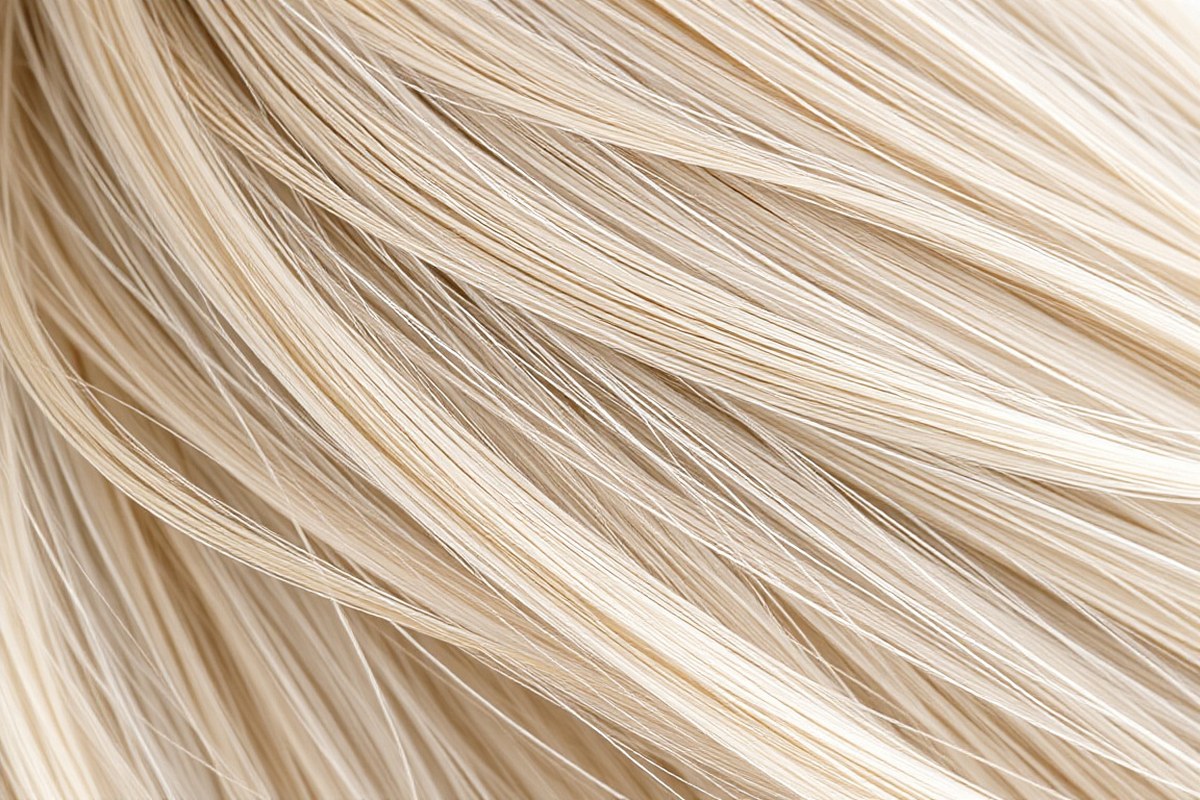
You should leave bleach in your hair for about 15 to 30 minutes. This range depends on your hair color and the look you want. For medium-toned hair, 30 minutes is usually enough to lighten hair safely.
Dark black hair often needs closer to 30 minutes because it lifts slower. Going beyond 30 minutes increases the risk of damaging hair and your scalp. Leaving bleach on for around 45 minutes is the absolute max.
Most hair types can’t safely handle that long. Stick to less time to protect your hair.
Bleach left on hair for an hour can burn your scalp and cause permanent damage. Hair may become brittle, breaking off easily. Notice itching, burning, or discomfort?
Rinse bleach out right away. This helps avoid damage and irritation.
Stop the timer once your hair reaches the desired level of lightness. Check your hair every 5 to 10 minutes while bleaching. This is very important if your hair is fine or damaged.
Close monitoring helps prevent over-processing. Higher volume developers and stronger bleach speed up damage.
Watch your hair carefully to avoid over-processing. Adjust time based on how your hair reacts.
To decide when to rinse, look for a pale yellow shade if you want blonde hair. Bleaching too long may cause over-bleaching with a white look. This icy style is hard to keep looking good.
Stop before your hair reaches this point. Unsure about timing?
Stick to the shortest bleaching time. You can bleach again later if you want a lighter color.
How Developer Volume Affects Bleach Processing Time

Developer volume affects how fast bleach lifts your hair color. Lower volumes work slower but cause less damage. Higher volumes lift color faster but can harm your hair if left too long.
Here’s a quick comparison for bleach processing times with different developer volumes. It shows how many levels of lift you get.
It also tells you how long to leave bleach on your hair. This helps avoid over-processing.
| Developer Volume | Lift Levels | Recommended Processing Time | Hair Type or Use |
|---|---|---|---|
| 10 Volume | 1-2 levels | Up to 50 minutes | Very fine or fragile hair |
| 20 Volume | 2-3 levels | 30, 45 minutes | Standard dark hair |
| 30 Volume | 3-4 levels | 30, 40 minutes | Brown/dark brown hair |
| 40 Volume | 4-6 levels | 15, 30 minutes | Strong lift, light hair or quick lift needed |
For example, when using 40 volume developer, leave bleach on for 30 minutes max. Don’t go longer than that. That prevents too much damage.
This developer lifts hair up to six levels quickly but can dry your hair fast. Check your hair every 5-10 minutes to avoid damage.
Use a lower volume developer or shorter time if your hair is fragile. This protects it from extra damage.
With 30 volume, the bleach usually processes in 30 to 40 minutes. You get a strong lift, but leaving it longer risks breakage.
Adding fresh bleach during the process helps maintain effectiveness. 20 volume developer suits most brown hair, needing about 30 to 45 minutes.
Always do a strand test before applying bleach with high volume developers to avoid unexpected damage.
The developer volume you pick depends on your hair’s health. It also depends on your natural color and how light you want to go. Choose carefully for the best results.
Using 10 or 20 volume takes longer but is gentler, great for fragile hair. Higher volumes like 30 or 40 speed up lightening but require close monitoring. Never leave bleach on longer than the suggested times for your developer volume.
How Your Hair Color and Texture Influence Bleaching Time
Your hair color and texture strongly affect how long to leave bleach on. Darker hair needs more time to reach lightness.
Coarse hair resists bleaching and takes longer than fine hair. Adjust the timing based on what you start with and the look you want.
Bleaching Dark and Black Hair Safely
Dark or black hair usually takes 30 to 45 minutes to lighten well. It’s best to split bleaching into sessions instead of doing it all at once. This reduces damage while reaching the right level of lift over time.
Use powder bleach for thick, dark strands; it works better than cream types. Keep a close eye on the hair every 5 to 10 minutes to avoid overprocessing. Never leave bleach on longer than 50 minutes total, or you risk serious damage.
Dark, coarse hair usually takes longer to lift than lighter hair. You might need multiple short bleach sessions spaced over weeks. This helps keep your hair healthy while achieving the lightness you want.
Timing Adjustments for Fine vs. Coarse Hair
Fine hair absorbs bleach fast and needs less time, usually 10 to 20 minutes. Leaving bleach on fine hair too long causes breakage and dryness. Check your hair often to stop the process once you see lightening.
Coarse hair can handle bleach for 25 to 35 minutes safely. Sometimes it can stay on up to 45 minutes without damage. It resists bleach.
So give it more time but never push beyond 50 minutes total. Use a lower developer volume if you notice scalp irritation.
Medium-textured hair usually needs 20 to 30 minutes of bleaching. Treat this as your standard guide but adjust if your hair is damaged or recently dyed. Always do a strand test to see how fast your hair lifts.
Bleaching Medium to Light Hair Colors
Starting with blonde or light brown hair means 15 to 20 minutes is okay. Because these colors lift quickly, shorter bleach times reduce damage risk. Check your hair every 5 minutes for the most control.
Light hair with fine texture might only need 10 to 15 minutes under bleach. Stop once a pale yellow or almost white tone appears. Leaving bleach too long on light hair causes unnecessary dryness.
Those with light hair but coarse texture can push timing to 20 or even 30 minutes. The extra time helps get even lift since coarse hair resists processing. Still, watch your hair closely and rinse at the first sign of damage.
Step-by-Step Guide to Timely Bleach Application and Removal
Use a strand test to find the right bleach time for your hair. Apply bleach in sections, checking color and texture every 10 minutes. Rinse your hair once you get the lift you want.
Do it right away if your hair feels weak. This helps avoid damage.
Preparing Hair and Mixing Bleach
Start with clean, dry hair. Avoid washing your hair right before bleaching to keep natural oils that protect your scalp.
Mix the bleach powder with the appropriate developer according to package instructions. Usually, a 20 or 30 volume developer works for most hair types. Mixing needs to be thorough and smooth to avoid patchy results.
Application and Periodic Strand Checks
Apply bleach starting at the back of your head. Hair there tends to be darker and thicker, so it needs more processing time.
Work in half-inch sections, spreading bleach evenly from roots to ends. Different parts of your hair may bleach at different speeds, so check them separately.
Every 10 minutes, check a small strand to see how the color is changing. Feel the strand too; it should be strong, not rubbery or overly soft.
Final Rinse Timing to Avoid Damage
Rinse the bleach when your hair is light enough. Don’t leave it on longer than 45 minutes.
The usual time is 20 to 45 minutes. Do not leave bleach longer if your hair still looks orange after 30 minutes.
Overprocessing can cause breakage and scalp irritation. Rinse immediately when your hair feels weak or looks flaky. Use cool water to rinse thoroughly and follow up with a deep conditioner.
- Choose and mix your bleach with the correct developer volume.
- Perform a strand test on a small hair section to time your bleach.
- Part hair into half-inch sections for even application.
- Apply bleach starting from the back, moving toward the front.
- Check hair color and texture every 10 minutes during processing.
- Watch for signs of damage: softness, breakage, or scalp discomfort.
- Rinse hair once desired color is reached or 45 minutes have passed.
- Use cool water and condition deeply to restore moisture post-bleach.
Common Timing Mistakes and How to Fix Them
Rinsing bleach too early usually stops the lightening process. Your hair won’t reach the shade you want, forcing another round soon. This only adds damage, since repeated bleaching weakens hair fibers.
Some hair types, like fine or delicate strands, bleach faster. Watch for signs of damage before the clock runs out. Rinse the bleach right away if your scalp itches badly.
Rinse immediately if your hair feels crispy or damaged. These are early damage signals you shouldn’t ignore.
Over-processing means your hair gets dry, brittle, and may break off. The International Journal of Trichology reports frequent bleaching cuts hair strength by about 50%.
The key is balancing timing without pushing bleach too far. Checking every 5 to 10 minutes helps.
- Test a small hidden strand before the full application
- Set a timer for the max recommended time on your product label
- Stop if hair feels rough or scalp feels irritated
- Adjust timing based on hair texture, less time for fine hair
- Use protective oils or pre-treatments to reduce damage
- Don’t exceed 45 minutes except under professional supervision
Bleach can look chalky or powdery when it’s ready to rinse. Waiting too long makes hair brittle and unsafe to handle.
Using a toner right after can help fix brassiness. Toner won’t fix damage caused by leaving bleach too long.
Prevent breakage by spacing out bleaching sessions. Don’t bleach more than twice a year if you want to keep hair strong. Deep conditioning between sessions also helps hair rebuild and withstand chemicals better.
Always test your hair’s reaction early in the bleach process to avoid irreversible damage.
Post-Bleach Care to Protect and Strengthen Hair
After bleaching, your hair needs deep conditioning to heal and regain strength. Use a rich conditioner or a hair mask designed for damaged hair. Apply it once a week.
Leave it on for 20 to 30 minutes. Use heat if you can.
Avoid washing your hair daily after bleaching. Washing too often strips natural oils, making hair brittle. Instead, wash every two to three days using a gentle shampoo for color-treated hair.
Wait at least four to six weeks before bleaching again. This gives your scalp and hair time to recover. Frequent bleaching without breaks can cause severe breakage and dryness.
Use leave-in conditioners or oils to keep your hair hydrated daily. These products help seal moisture and reduce split ends. Look for ingredients like argan oil, shea butter, or keratin for best results.
Try to minimize heat styling and sun exposure in the weeks after bleaching. Excess heat and UV rays dry out hair further, increasing damage risks. When outside, wear a hat or apply UV-protective sprays.
Check your hair’s condition regularly. Healthy bleached hair feels soft and elastic, not coarse or straw-like. Notice too much breakage or dryness?
Stop bleaching. Focus on repair treatments.
Wash your hair gently every 2 to 3 days. Deep condition once a week.
Use leave-in products every day. This routine supports strength and shine post-bleach.
For deep conditioning, expect to spend 30 to 40 minutes once a week. Quality conditioners or masks cost about $10 to $30, depending on brands and ingredients. The investment helps your hair stay healthy longer.
Remember, patience is key. Trying to speed up lightening by bleaching too soon can ruin your hair. Instead, keep up with nourishing treatments and allow full recovery before the next bleach session.
Should You DIY or Hire a Professional for Bleaching?
Choosing to bleach at home or seeing a pro depends on your hair’s health. It also depends on how comfortable you feel handling bleach. Think about what works best for you and your hair condition.
Professionals can handle complex color changes safely, while DIY might work for simple touch-ups. Knowing the risks and limits helps you avoid damage.
Benefits of Professional Bleach Services
A colorist knows the right bleach timing well. They usually don’t leave bleach on for over 30 to 45 minutes. This careful timing helps avoid damage.
They adjust the process based on your hair texture and condition, reducing damage risks. Professionals also use products suited for your hair type, which can improve results and hair health.
Stylists monitor your hair during bleaching to catch signs of damage early. They apply protective treatments before and after bleaching to keep hair strong.
Professional services cost around $100 to $250. But you get expert care and safer results.
Risks of DIY Bleaching Sessions
Trying to bleach hair at home can lead to uneven color and over-processing. Bleach kits warn not to keep bleach on too long. Usually, it shouldn’t stay on your hair past 30 to 45 minutes.
This helps prevent hair breakage caused by over-processing. Waiting beyond 45 minutes risks serious damage like dryness, scalp irritation, and hair thinning.
Without training, you might miss signs your hair needs the bleach rinsed sooner. You could also apply bleach unevenly, causing patchy or brassy tones.
Bleach used incorrectly can burn your scalp or cause allergic reactions. So read all instructions carefully.
When DIY Bleach Is Acceptable
DIY bleaching is best for simple lifts or root touch-ups. Your hair should be healthy before trying it yourself. This keeps your hair from getting badly damaged.
Use a high-quality kit, follow timing guidelines exactly, and test a small hair strand first. Limit bleach exposure to no more than 30 minutes without professional help.
Avoid DIY if your hair is fragile, dark, or heavily processed already. Stick to dry, unwashed hair and apply the product evenly. Have a professional check your hair history if you’re unsure about bleaching at home.
How Bleach Types Impact How Long to Leave on Hair
Bleach comes in different forms, and each affects how fast hair lightens. Powder bleach tends to act faster but can be harsher. Cream or paste bleach works slower but feels gentler on the scalp.
For coarse or very dark hair, powder bleach works best. It lifts hair color faster. Usually, this happens within 15 to 30 minutes.
Cream bleach suits fine or fragile hair better since it stays moist and reduces damage risk. Knowing your hair type helps pick the right bleach and timing.
| Bleach Type | Best For | Usual Processing Time | Key Benefit |
|---|---|---|---|
| Powder Bleach | Thick, dark hair | 15 to 25 minutes | Stronger lift, faster reaction |
| Cream or Paste Bleach | Fine or damaged hair | 20 to 30 minutes | Gentle, less dryness |
| Gel Bleach | Root touch-ups | 10 to 20 minutes | Precise application, less mess |
Powder bleach can dry out hair quickly if left too long. Cream formulas keep hair hydrated during processing. Gel types offer better control for small areas or delicate scalp spots.
When bleaching hair, check every 5 to 10 minutes to watch color changes. Leave powder bleach on no longer than 25 minutes to avoid breakage. Cream bleach can stay the full 30 minutes if your hair feels okay.
Stop the process early if hair or scalp burns, even if the time isn’t up yet.
Different bleach types also need the right developer to work properly. But that affects speed separately.
Knowing what type you have matters as much as timing. Each formula needs careful observation to get the best color without damage.
Step-by-Step Action Plan for Safe Hair Bleaching
Follow these steps to bleach your hair safely and get the lightening results you want. Watch your hair carefully during each step to avoid damage.
- Before you start: Do a strand test to check how your hair reacts to bleach. This helps you set the right time to leave it on.
- Mixing time: Prepare your bleach with the recommended developer volume for your hair type. Use a lower volume for fine or fragile hair.
- Application: Apply bleach evenly, starting from the ends to the roots. Check the color every 5 to 10 minutes to monitor lightening.
- Midpoint check: After 15 minutes, check if your hair has reached the desired lightness. Don’t go beyond 45 minutes total when bleaching your hair.
- Rinse immediately. Wash out the bleach fully with cool water. Stop rinsing once all the bleach is gone.
- Post-bleach treatment: Use a deep conditioner or bond-repair treatment right after rinsing. This helps restore your hair’s strength and moisture.
- Recovery phase: Avoid heat styling and harsh shampoos for at least one week. Gentle care keeps your hair healthy after bleaching.
Frequently Asked Questions
How Long Should You Leave Bleach in Your Hair to Avoid Damage?
Usually, leave bleach on for a maximum of 30 to 45 minutes. Going too long can cause serious hair damage and breakage.
Timing matters for all hair types to stay safe. Avoid leaving bleach on longer than recommended.
Can You Leave Bleach on Hair for Less Than 20 Minutes?
Yes, but less time means less lift and less lightening. Short bleach times can lighten roots or refresh shades.
But they won’t give you a big color change. You need more time for dramatic lightening.
Does Damaged Hair Need Less Bleaching Time?
Absolutely, damaged hair can’t handle full bleaching time. You should cut time short or skip bleaching to prevent more harm.
How Do You Know When to Stop the Bleaching Process?
Watch your hair color change every 5 to 10 minutes. Stop once you reach the desired lightness or before the 45-minute mark.
Can Bleach Be Left on Overnight?
No, bleach should never stay on hair overnight. That will cause extreme damage and possible hair loss.
What Happens If Bleach Sits Too Long on Dark Hair?
It often results in breakage, extreme dryness, or scalp irritation. Dark hair needs careful timing to avoid damage and get the right shade.
Wrapping Up
Leaving bleach on hair longer than recommended risks serious damage and breakage. Check your hair regularly and rinse as soon as it reaches your desired lightness. Start with a strand test before your next bleach session to find your perfect timing.