
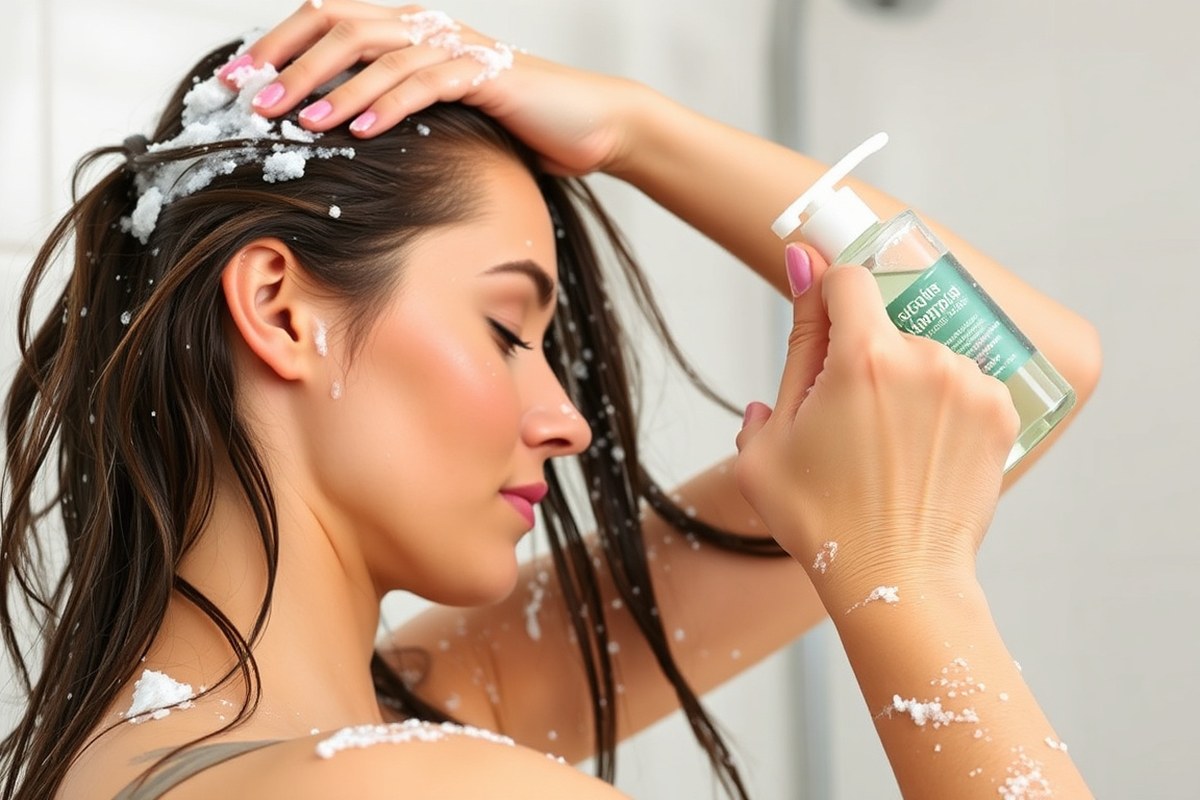
How to Use Clarifying Shampoo: Simple Steps and Hair Type Tips for Best Results
Knowing how to use clarifying shampoo helps you deeply clean hair and remove buildup. Start by wetting your hair thoroughly before applying the shampoo. Gently massage it into your scalp to lift dirt and oil without over-scrubbing.
Leave the shampoo on for 1 to 2 minutes for best results. Rinse well and repeat if your hair feels heavy or greasy. Avoid daily use to prevent drying out your hair.
Clarifying shampoo cuts through residue from styling products, oils, and hard water minerals. It resets your scalp and hair. Use it before deep conditioning to restore shine and bounce.
You can use clarifying shampoo once a week or every two weeks, based on your hair type. If your scalp feels itchy or hair looks dull, it may be time for a wash. Always follow with a good conditioner to keep strands hydrated.
Key Takeaways
- Wet hair completely before applying clarifying shampoo for even coverage.
- Massage shampoo into your scalp gently, avoiding harsh scrubbing.
- Let the shampoo sit for 1 to 2 minutes before rinsing fully.
- Repeat shampoo once if hair feels very greasy or weighted down.
- Use clarifying shampoo no more than once per week to avoid dryness.
- Deep condition for 15 to 30 minutes after clarifying, with heat when possible.
How to Use Clarifying Shampoo Step-by-Step
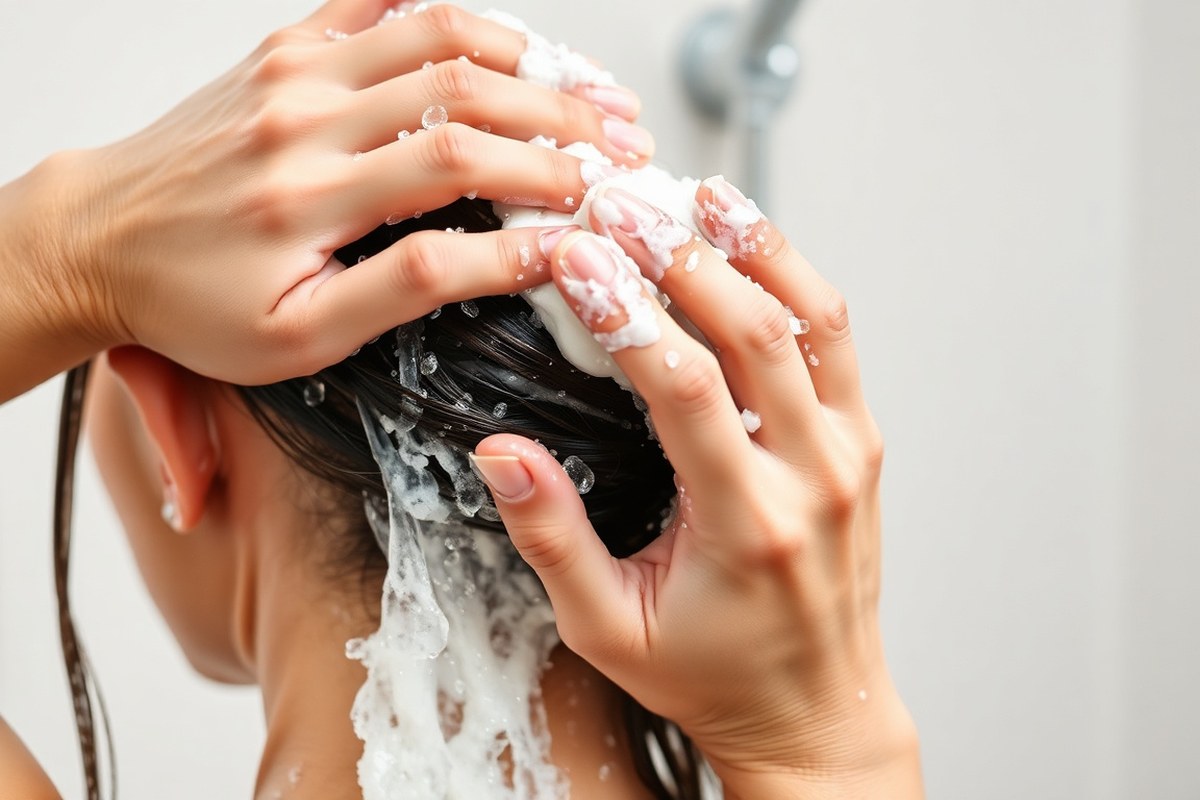
Wet your hair well before using clarifying shampoo. Apply a little shampoo. Let it sit on your scalp for a short time.
Wash thoroughly with lukewarm water until all suds are gone. Finish by restoring moisture with a deep conditioner or hair mask for healthy hair.
Preparing Hair for Clarifying
First, wet your hair thoroughly with warm water. Warm water opens hair strands and loosens buildup better than cold or hot water.
Have very heavy product buildup? Apply plain coconut oil to dry hair first.
Leave it on for about 30 minutes before washing. This helps soften residue for easier removal.
Applying and Massaging Shampoo
Squeeze a dime-sized amount of clarifying shampoo into your hand. Use just enough to lather your scalp and hair without overload.
Gently massage the shampoo into your scalp for 1 to 2 minutes. Focus on areas with the most buildup to lift oils and residue.
Rinsing and Repeating If Needed
Rinse your hair thoroughly with lukewarm water. Make sure no shampoo or suds remain, and the water runs completely clear.
For very stubborn buildup, repeat the shampooing 1 or 2 times. But do not overuse clarifying shampoo. Use no more than once every 1, 2 weeks depending on hair type.
Post-Wash Conditioning and Protection
After rinsing, apply a deep conditioner, leave-in conditioner, or a rich hair oil. These help restore moisture lost during clarifying.
Use heat and leave the conditioner in for 15 to 30 minutes for better absorption. This step prevents dryness and keeps your hair soft and manageable.
- Wet hair thoroughly with warm water for 1, 2 minutes.
- Optionally apply coconut oil to dry hair for 30 minutes if buildup is heavy.
- Squeeze a dime-sized amount of clarifying shampoo into your hand.
- Massage shampoo gently into scalp and hair for 1 to 2 minutes.
- Rinse completely with lukewarm water until the water runs clear.
- Repeat shampooing only if buildup persists, no more than twice.
- Apply deep conditioner or hair mask, leave on 15, 30 minutes with heat.
- Rinse and style hair as usual.
How Often to Use Clarifying Shampoo by Hair Type
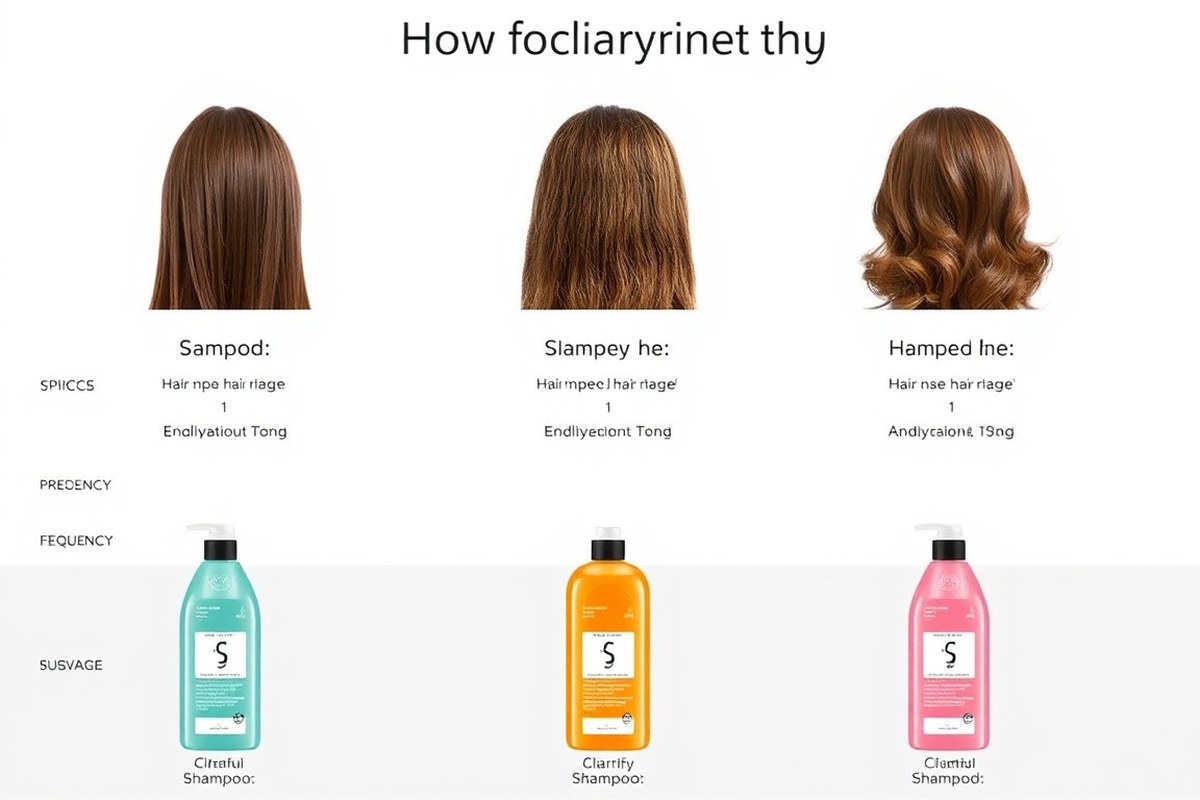
Clarifying shampoo works best when used according to your hair type and habits. Overusing it can strip away too much natural oil and cause dryness or color fading. Underusing it means buildup won’t clear, leaving your hair dull and heavy.
| Hair Type | Recommended Frequency |
|---|---|
| Oily hair | Weekly |
| Normal hair | Every 10-14 days |
| Dry or color-treated hair | Every 14 days (bi-weekly) |
| Sensitive scalp | Every 14-21 days |
Oily hair can handle weekly clarifying because oils build up faster. Normal hair usually needs it once or twice a month. Dry, curly, or color-treated hair benefits from less frequent clarifying to avoid damage or fading.
Check if your hair feels rough or brittle. These signs mean you might be using clarifying shampoo too often.
If your scalp still feels oily or hair looks dull, add clarifying shampoo more often. Adjust based on how your hair reacts after a few uses.
Use clarifying shampoo like a reset button, not a regular cleaning step.
People who style with many products or sweat a lot might need clarifying more often. Applying clarifying shampoo more than once a week is risky for dry or color-treated hair. It could cause breakage or make color fade faster.
What Clarifying Shampoo Does and How It Works
Clarifying shampoo removes buildup from your hair and scalp using stronger cleansers than regular shampoo. It tackles oils, residue, and product layers that everyday shampoos can’t fully clean. This deep cleansing helps restore shine and makes hair feel lighter and fresher.
What Types of Buildup Clarifying Shampoo Removes
Clarifying shampoo breaks down excess sebum, oils, and dead skin cells that cover your scalp. It also dissolves styling product residues like gels, mousses, and hairspray that regular shampoos leave behind. Minerals from hard water that can dull your hair also wash away with a clarifying treatment.
Over time, these substances build up and weigh hair down, making it look lifeless. Removing this buildup allows your hair to regain natural bounce and shine. So using clarifying shampoo a few times a month can help refresh your hair.
How Surfactants in Clarifying Shampoo Work
The key ingredients in clarifying shampoos are powerful surfactants, which act as deep cleansers. They surround oils and dirt on your hair and scalp. Then, water rinses them away.
This leaves your hair clean. These surfactants have stronger cleaning action than those in everyday shampoos.
This strength helps clear out stubborn residues that normal shampoo can’t break down. However, this can also remove some natural oils. So clarifying shampoos are meant for occasional use rather than daily washing.
Difference Between Clarifying and Regular or Moisturizing Shampoos
Regular shampoo gently cleans your hair. It removes daily dirt and sweat. It doesn’t strip away heavy buildup.
Moisturizing shampoos focus on adding hydration and softness, often leaving a light coating that protects hair. Clarifying shampoos, in contrast, remove this coating and any other sticky residues.
Think of clarifying shampoo as a deep reset for your scalp and strands. It cleans your hair to prepare it for treatments. It creates a base without residue.
This helps products work better. Using it too often can dry out your scalp and hair.
Its cleansing agents are stronger. That can cause dryness.
Why Clarifying Ingredients Matter for Different Hair Types
Good clarifying shampoos balance strong surfactants with gentle ingredients and moisturizing agents. Ingredients like Disodium EDTA help remove mineral buildup without harsh stripping. Some formulas include exfoliating scalp scrubs or acids for better removal of flakes and dead skin.
This balance matters if you have dry or color-treated hair. A clarifying shampoo with moisturizing elements keeps hair from feeling brittle after use.
Many products range from $10 to $20. More advanced formulas may cost slightly more.
Choosing the Best Clarifying Shampoo for Your Hair
Picking the right clarifying shampoo depends on your hair type. It also depends on your scalp needs. Your hair treatments matter too.
For hard water, look for formulas with chelating agents that remove minerals leaving your hair rough. Oily roots need stronger cleansers to remove sebum.
These cleansers should not dry out hair ends. This keeps hair balanced and clean.
Color-treated or chemically processed hair requires gentler shampoos. These avoid stripping color or weakening keratin treatments. Choose clarifying shampoos with moisture or soothing ingredients.
They’re best for sensitive scalps or damaged hair. This helps protect and calm your scalp. They help clean without causing irritation or breaking fragile strands.
Here’s a simple table showing options based on your specific needs, prices, and special features. It can guide you to the shampoo that fits your situation best.
| Hair/Scalp Type | Best Clarifying Shampoo | Key Features | Price (approx.) |
|---|---|---|---|
| Hard Water | Act+Acre Clarifying Hard Water Shampoo | Includes chelating agents and gentle cleansers | $32 |
| Oily Hair | Any Clarifying Shampoo with Deep Cleansing Surfactants | Removes excess oils and product buildup effectively | $10-$20 |
| Color-Treated or Chemically Processed | Gentle Clarifying Shampoos Safe for Treated Hair | Protects color and keratin bonds without stripping | $15-$30 |
| Sensitive Scalp or Damaged Hair | Cécred Clarifying Shampoo & Scalp Scrub | Exfoliates and soothes scalp, supports hair health | $25-$35 |
Find shampoos made for your specific needs. Look for labels about hard water or sensitive scalp. These shampoos target your exact problems.
Avoid harsh surfactants if your hair feels brittle or your scalp is sore. You can use these shampoos once a week to clear buildup without overdrying.
Using a shampoo with matching benefits preserves your hair’s health and improves your scalp’s condition. Harsh clarifying shampoos may strip oils you need or fade color faster. Choose carefully based on what your hair and scalp really need.
Common Mistakes When Using Clarifying Shampoo—and How to Fix Them
Using clarifying shampoo too often is a common mistake that dries hair out. Avoid using it more than once a week to prevent your hair feeling brittle or lifeless. Overuse strips natural oils, leading to frizz and flyaways instead of smooth, shiny hair.
Another error is leaving the shampoo on your scalp too long. Clarifying shampoos have strong surfactants that clean deeply. They can harm your hair if you leave them on more than three minutes.
Use them carefully to avoid damage. Rinse promptly and follow with a conditioner to restore moisture and protect hair from dryness.
Some people skip conditioning after clarifying. That can leave hair dry and vulnerable.
Always use a good leave-in conditioner or moisturizing treatment right after washing. Conditioning helps seal the hair cuticles and keep strands soft and manageable.
- Do not clarify more than once a week or hair dries out.
- Only lather and massage for 1, 2 minutes before rinsing out.
- Use a moisturizing conditioner immediately after clarifying shampoo.
- Try leave-in treatments if your hair feels brittle or rough.
- Avoid clarifying shampoo right after coloring or chemical treatments.
- Adjust frequency for hard water or heavy dry shampoo use. But no more than once weekly.
Your hair might feel dry or brittle after clarifying. Add a deep conditioning mask once a week to help restore moisture.
Choose products with ingredients like shea butter or oils that replenish moisture. Avoid harsh drugstore brands with industrial surfactants that may cause more damage.
Here’s a simple test to see if you overuse clarifying shampoo. If your hair feels limp, dull, or hard to style, use it less.
Cutting back helps your hair stay healthy. Give your scalp time to regain natural oils by spacing out clarifying washes.
Use clarifying shampoo only when your hair feels weighed down by buildup. Avoid using it on a daily or regular schedule. This keeps your hair from drying out.
Using Clarifying Shampoo on Color-Treated or Chemically Treated Hair
Clarifying shampoo can strip color or weaken hair treatments if used too often or too soon. For color-treated hair, wait at least two weeks after coloring before clarifying. This timing helps the color set fully and avoids quicker fading.
Choose a clarifying shampoo made for colored or chemically treated hair. These formulas remove buildup without stripping pigment. Products like GK Hair pH+ Shampoo protect your hair fiber.
They are safe to use with keratin treatments. You can use them without worry.
Use clarifying shampoo sparingly, once every two to four weeks is enough. Daily use will dry out and damage treated hair. Follow the instructions on how long to leave the shampoo on.
Usually, leave it on for one to two minutes. Rinse your hair well after.
After clarifying, use a deep conditioner or a mask made for treated hair. These restore moisture and shine, preventing dryness and breakage. Avoid harsh sulfates in your clarifying shampoo, especially if your hair is curly or textured.
Clarifying removes oils, residue, and pollution that dull treated hair. This helps boost shine and bring out your color’s vibrancy. Be gentle with how long you leave products on your hair.
Choose products carefully and do follow-up care. This helps keep your color and treatment longer.
What to Expect After Using Clarifying Shampoo
Right after using clarifying shampoo, your hair will feel noticeably clean and lighter. The shampoo removes buildup from styling products and oils, making strands less weighed down. Your scalp may feel refreshed but also a bit dry or tight.
This happens especially when you leave the shampoo on for 1 to 2 minutes. That time is the full recommended duration for the shampoo’s best effect.
Dryness and scalp tightness are common because clarifying shampoo strips away residue, including natural oils. This feeling does not mean your scalp is damaged. Your scalp can feel sensitive if your skin is already dry.
That sensitivity is normal with dry skin. To help, rinse with lukewarm water and use a conditioner or scalp serum after washing.
It usually takes a few days to notice the full benefits. As buildup clears, your hair will regain natural bounce and shine. Your scalp may feel less itchy or inflamed if oils and residue were causing irritation before.
Using clarifying shampoo once a week or every two weeks keeps your scalp fresh longer. This routine usually maintains that clean feeling well. It works for most people.
People with very dry or sensitive scalps may have more dryness or flakes. This can happen after using clarifying shampoo. Monitor your scalp after washing.
Stop using the shampoo if dryness or flaking lasts more than a few days. See a dermatologist or hair expert for advice.
They can suggest what to do next. They can check for scalp conditions like dermatitis or advise a gentler cleansing product.
Keep in mind, clarifying shampoo works like a reset for your hair and scalp. It’s normal for hair to feel different at first, especially if buildup was heavy. Seek professional advice if your hair looks dull or scalp problems appear after several uses.
A specialist can provide the safest treatment options. Don’t ignore ongoing scalp issues.
Safe Practices and Haircare Tips Post-Clarifying
After using clarifying shampoo, your hair needs special care. Deep conditioning helps restore moisture and protein lost during cleansing. Avoid heavy styling right away to let your hair recover fully.
Deep Conditioning Techniques
Clarifying shampoo strips away buildup but also removes natural oils. Deep conditioning immediately afterward rehydrates and strengthens hair. Use a mask made for your hair type.
Leave it on for 20 to 30 minutes. Add mild heat to help it work better.
Treatments that combine moisture and protein work best. Look for products containing ingredients like keratin, argan oil, or shea butter. This helps rebuild your strands and prevents breakage or dryness.
- Choose masks labeled for hydration or protein rebuilding
- Apply on damp hair after rinsing clarifying shampoo
- Heat packs or a warm towel speed absorption
- Leave conditioner on for at least 20 minutes
- Rinse with cool water to seal hair cuticles
- Condition from mid-lengths to ends, avoiding roots
- Use a wide-tooth comb to spread the mask evenly
Deep conditioning helps your hair absorb other products better. Skipping this step might leave hair feeling brittle or frizzy.
Protective Styling Post-Clearing
Avoid heat styling like blow drying or flat ironing right after clarifying shampoo. Hair is more vulnerable and can dry out quickly. Let your hair dry naturally.
You can use a cool setting to speed drying. Avoid heat to protect your hair.
Skip heavy styling gels or sprays immediately after clarifying. These can cause buildup again and reduce shine. Choose lightweight products to maintain your hair’s fresh, clean feel.
Using heat styling tools immediately after clarifying can weaken hair and cause breakage.
Protect your hair by following these simple steps:
- Air dry or use a cool blow dryer
- Apply heat protectant sprays if you must style with heat
- Limit use of gels and heavy sprays for 24-48 hours
- Wear loose hairstyles to prevent tension
- Choose leave-in conditioners with light formulas
Scheduling Your Haircare Routine
Clarifying shampoo is powerful, so don’t use it more than once a week. Overuse can dry out hair and scalp. On non-clarifying days, use a gentle shampoo that maintains moisture.
Adjust how often you clarify based on your lifestyle and season. Regular swimming or lots of styling products mean weekly use works best. In dry winter months, add more deep conditioning to your routine.
Wait at least a week between each clarifying shampoo session to avoid scalp irritation.
A balanced schedule might look like this:
- Clarify once a week or as needed
- Use hydrating shampoo on other wash days
- Deep condition right after clarifying shampoo use
- Apply light leave-in conditioners daily or as needed
- Increase conditioning treatments in dry or cold weather
- Reduce styling products to minimize buildup
Step-by-Step Action Plan for Using Clarifying Shampoo
This quick plan helps you deep clean your hair without damage. Follow these steps to refresh your scalp and hair effectively.
- Before You Start: Check your hair type and color treatment status. Choose a clarifying shampoo that suits your needs.
- Day 1: Apply the clarifying shampoo to wet hair. Massage gently and leave for 1-2 minutes, then rinse. Your hair should feel cleaner and less weighed down.
- Week 1: Use the shampoo once this week if you have oily hair or heavy buildup. Notice if your scalp feels less itchy or greasy.
- Week 2: For dry or color-treated hair, use clarifying shampoo once every two weeks. Watch for any dryness or color fading, and adjust as needed.
- After Each Wash: Apply a moisturizing conditioner to restore hair softness. This helps prevent dryness after clarifying.
- Week 4: Assess your hair’s condition and shine. If buildup returns, repeat the clarifying shampoo once.
- Monthly Check: Avoid using clarifying shampoo more than once a week. Overuse can strip natural oils and cause damage.
Frequently Asked Questions
Can I Use Clarifying Shampoo Every Time I Wash My Hair?
No, use clarifying shampoo about once or twice a month. Too much can dry your hair because the formula is very strong and removes natural oils.
How Long Should I Leave Clarifying Shampoo on My Hair?
Follow the product instructions for timing, usually 1 to 3 minutes. Leaving it too long can dry out your ends. So don’t exceed the recommended time.
Can I Use Clarifying Shampoo If I Have a Keratin Treatment?
Yes, choose a clarifying shampoo like GK Hair pH+ with Juvexin V2. It helps protect your keratin treatment during cleansing without stripping it.
What Should I Do If My Hair Is Heavily Soiled Before Clarifying?
You might need two rounds of clarifying shampoo to remove all buildup. Just rinse well between washes to avoid over-drying your scalp.
Does Clarifying Shampoo Strip Hair Color If Used Often?
It can fade color if used too frequently since it removes residue deeply. Limit use to avoid dulling your color-treated hair’s vibrancy.
Will Clarifying Shampoo Help with Oily Scalp Better Than Regular Shampoo?
Yes, clarifying shampoo removes excess oils and buildup more effectively. Look for products made for oily hair, like Dae Desert Detox.
Final Thoughts
Using clarifying shampoo properly clears buildup and refreshes your hair. Start with one wash and adjust how often you use it. Watch your hair’s response to keep it healthy and clean.


