How to Use Dyson Airstrait Straightener: Complete Guide for All Hair Types
Figuring out how to use Dyson Airstrait means getting the best straightening results fast. Start by setting your Airstrait to Wet mode at 140°C (284°F) to pre-dry your roots. This step helps you avoid over-drying and damage while speeding up your styling.
Section your hair after pre-drying to make straightening easier and neater. The machine projects two jets of air at a 45° angle.
They meet to smooth hair without pulling. This technology stretches hair naturally, so you get a sleek finish without excessive heat.
Dry mode offers higher heat settings to finish styling once your hair is mostly dry. Use the Boost mode for quick heat surges on stubborn areas. Remember to start slow with the Dyson Airstrait hair straightener.
Adjust the temperature based on your hair’s texture and thickness. This helps protect your hair during styling.
Key Takeaways
- Set the Dyson Airstrait to Wet mode at 140°C to pre-dry roots efficiently.
- Section your hair before straightening to ensure even heat and airflow coverage.
- Use the natural airflow jets by positioning the Airstrait at a 45° angle.
- Finish with Dry mode’s higher heat to smooth hair after pre-drying.
- Try the Boost mode for quick heat bursts on difficult-to-straighten sections.
- Adjust temperature carefully to your hair type to avoid heat damage.
Step-By-Step Guide to Using the Dyson Airstrait

The Dyson Airstrait straightener uses hot air instead of plates to style hair. It works well on wet or damp hair, drying and smoothing at once. Knowing how to set it up and section hair helps you get the best results.
Start with slightly damp hair, not soaked or wet. Use the Airstrait on Wet mode at 284°F (140°C) for drying and straightening at once. Divide your hair into small sections to style each part well and faster.
- Plug in and turn on. Connect the Dyson Airstrait to power and switch it on. Set it to Wet mode at 284°F (140°C) if your hair is wet or damp.
- Pre-dry your roots. Use the Airstrait near the scalp to dry your roots first. This avoids damp patches hiding under smooth ends later.
- Section your hair. Divide hair into 1 to 2-inch wide sections using hair clips. Smaller sections get straighter results and quicker styling.
- Straighten one section at a time. Place each section between the two arms. Slowly glide the Airstrait down hair, from roots to ends.
- Repeat on all sections. Work around the head until all hair feels dry and smooth. It usually takes under 10 minutes.
- Switch modes for dry hair option. Some users like to use dry hair mode instead. They treat the Airstrait like a normal straightener. This can give a smoother finish.
- Finish styling by shaping. Use your fingers or brush to add volume or control at the crown and ends. The airflow helps keep full body.
Good sectioning prevents uneven dryness or missed spots. Avoid large chunks; thick areas take longer and may not straighten fully. Move slowly and steadily as you straighten each section.
This method keeps your hair looking neat and natural. It also helps keep volume and shine.
Choosing the Right Temperature and Mode for Your Hair Type
Your hair type shapes what temperature and airflow you should use. Straight and wavy hair needs less heat. Use gentler airflow to keep hair smooth.
This keeps hair looking natural. Curly and coily hair needs higher heat.
Sometimes you finish with a flat iron. This helps make it sleek.
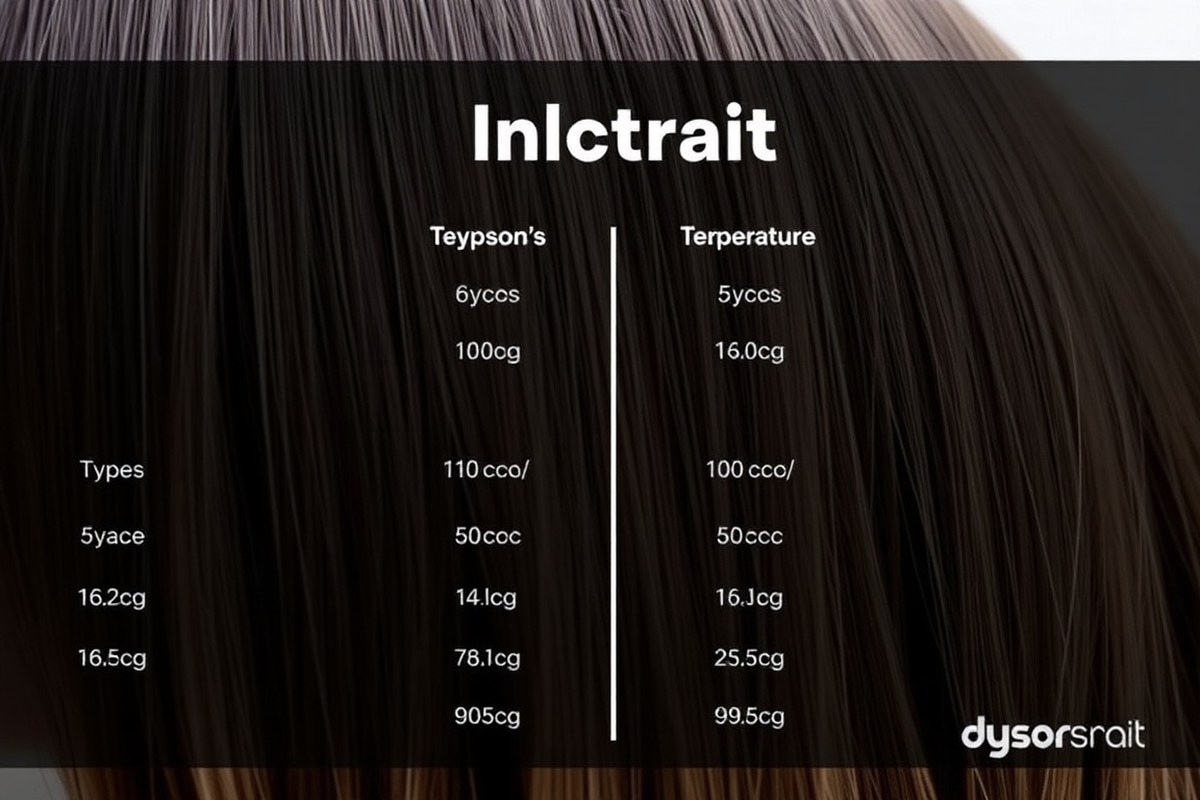
The Dyson Airstrait has different modes and heat settings to match your hair. Wet mode works best on towel-dried hair and has three heat levels: 175°F, 230°F, and 285°F. Dry mode is for fully dry hair. It has two heat settings: 250°F and 285°F. There’s also a Boost mode for quick heat bursts.
| Hair Texture | Mode | Heat Setting (°F) | Notes |
|---|---|---|---|
| Straight (Type 1) | Wet or Dry | 175°F to 250°F | Lower heat keeps hair smooth and natural-looking |
| Wavy (Type 2) | Wet or Dry | 175°F to 250°F | Works like straight hair; aim for natural blowout look |
| Curly (Type 3) | Wet, then Dry | 230°F to 285°F | Start wet mode then finish with dry mode or flat iron |
| Coily (Type 4) | Wet, then Dry + Flat Iron | 285°F (max) | Needs highest heat and extra straightening for sleek style |
Hair texture affects heat choice. Curly and coily strands are thicker. They hold moisture tighter than straight hair.
They need higher heat to straighten fully and longer styling time. Straighter hair risks damage if the heat is too high since it’s thinner and less resistant.
You can use wet mode only on towel-dried hair, not soaking wet. This mode softens hair with steam and airflow, which is gentle for all types.
Dry mode is for styling dry hair or finishing the look after wet mode. Choosing the right setting avoids damage and keeps hair healthy.
Set wet mode heat lower for fine or straight hair and higher for thick, curly hair. Never use wet mode on completely dry hair.
How you apply heat matters too. Pre-dry roots on wet mode at 285°F for thick hair. Then dry completely on dry mode.
Use 250°F or 285°F for full drying. For thin or wavy hair, use lower heat.
Keep it between 175°F and 230°F. This keeps hair soft and reduces breakage. Fine tuning this balance is key to smooth, lasting results.
How Dyson Airstrait’s Airflow Technology Straightens Hair
The Dyson Airstrait straightens hair by shooting hot air instead of pressing hair between heated plates. This airflow method dries and smooths hair gently, cutting down on heat damage. Its technology uses controlled air to style hair without the harsh contact typical of flat irons.
The Design of Air Jets and Heat Control
The Airstrait replaces traditional hot plates with air jets that blow hot air at high speed. The air moves through narrow arms on the device to focus heat evenly along the hair. This design spreads heat gently rather than applying direct, intense heat from metal plates.
Instead of burning hot plates, the air jets remain at safe temperatures. The device heats air just enough to style hair, typically around 175 to 210 degrees Fahrenheit. This lower heat level protects hair from overheating and breakage.
How the 45° Angle Airflow Straightens Hair
The hot air blasts downward at a 45-degree angle onto your hair shaft. This angle lets air slide smoothly along your hair. It stretches curls while drying at the same time.
This makes styling easier and faster. It reduces frizz by sealing the hair cuticle rather than flattening hair with direct pressure.
You clamp the Airstrait near the roots and glide it down like a flat iron. The high-speed air dries wet hair as it moves down. It styles hair straight without crunching or marks.
This keeps your hair soft and smooth. This airflow helps curly or textured hair stay smooth.
It keeps your hair shaped, not flat or lifeless. You get natural-looking hair with better hold.
Temperature Sensors and Safety Features
The Airstrait features built-in sensors that monitor airflow temperature constantly. These sensors keep heat inside a safe range to avoid hot spots that damage hair. The device adjusts heat automatically as needed during use.
Using air instead of hot plates lowers burn risk. It protects both your hair and your scalp. This makes it safer to style your hair.
Intelligent heat control helps preserve natural hair shine and strength even with frequent styling. The safety features also reduce worries about overheating.
Time Needed and Best Practices for Efficient Styling
Styling with the Dyson Airstrait usually takes about 6 to 10 minutes for medium-length hair. Thicker or longer hair may need up to 15 minutes. For example, someone with shoulder-length thick hair might spend more time sectioning and straightening each part.
This timing depends a lot on your hair’s wetness and thickness. Starting with towel-dried hair speeds things up.
Towel-drying removes most moisture. So your hair won’t soak up as much air pressure, making the straightener work faster.
To save time, divide your hair into small, even sections. Work from the bottom layers upwards.
Glide the Airstrait slowly but steadily through each section, letting the 3.5kPa air pressure do its job. Covering all sections once usually suffices.
Using the Cool mode at the end helps set your style. It locks your hair in place without heat damage.
Spending 30 to 60 seconds on this step lowers your chance of touch-ups. You’ll save time overall.
For fine or short hair, pass the tool through sections two or three times. Do it quickly, not slowly.
This method straightens hair well without extra heat or time. Avoid rushing too fast, or the tool won’t smooth hair properly.
Keep the arms of the Airstrait open when styling. The tool enters auto-standby five minutes after inactivity with open arms.
It activates after three minutes when locked. This feature saves battery but means you shouldn’t pause too long during your styling.
Tracking your process helps spot time savers. Drying your hair first can cut straightening time in half.
This simple step speeds things up. The MyDyson app offers personalized tips and can guide you to style faster.
Trying to style soaking wet hair lengthens your session and risks uneven results. Dry hair or blow-dry it a little if you’re in a rush. Wet hair styling works but expects it to last 15 to 20 minutes instead.
Speeding up Airstrait styling mostly comes down to better prep and sectioning. Spend a minute detangling hair if you have thick spots or tangles. That effort saves time spent on repeating straightening passes later.
Preparing and Protecting Your Hair Before Styling
Your hair should be mostly dry before using the Dyson Airstrait. Towel-dry to remove excess water but leave it damp. This helps the Airstrait’s airflow technology work without frying your hair with direct heat.
Apply a heat protectant once your hair is towel-dried. Pick a leave-in product made for heat styling.
Use a serum or spray with silicone or thermal shields to protect your hair. These create a shield to reduce heat damage and keep your hair smooth while styling.
- Towel-dry hair until it’s damp, not dripping wet
- Apply a heat protectant spray or serum evenly through hair
- Section hair based on length: small sections for short, bigger for thick or long
- Divide curly or coarse hair into more sections for better control
- Comb through each section gently to detangle before styling
The Dyson Airstrait has two modes: wet and dry. Start with the wet mode for damp hair.
You can switch to dry mode later for touch-ups on dry hair. This flexibility lets you refresh your style without washing every day.
Sectioning matters a lot to get an even, smooth result. For fine or short hair, four to six sections usually work.
Longer or thicker hair benefits from six to eight smaller sections. These sizes help the airflow evenly straighten without missing spots or overworking one area.
Don’t use the Airstrait on soaking wet hair. It slows drying and may cause uneven styling.
Maintenance and Cleaning for Optimal Performance
Cleaning and maintaining your Dyson Airstrait helps it run smoothly and last longer. Clean dirt and dust from the filter and nozzle often. This keeps the airflow strong.
It also helps keep your hair healthy. Knowing the exact steps makes cleaning safe and effective.
Turning Off and Unplugging Before Cleaning
Always turn off your Dyson Airstrait before cleaning. Unplug it from the outlet to avoid any electric shock. This step makes handling the device safer and helps prevent electrical damage.
Don’t start any cleaning or filter removal without disconnecting power. This prevents accidental activation. It also protects the internal parts while you work on the device.
Removing and Rinsing the Filter
The filter traps dust and hair to protect your Airstrait’s motor. Cleaning it regularly keeps airflow steady. Rinsing the filter with water removes buildup without damaging the part.
Follow these steps to clean the filter safely:
- Turn off and unplug your Dyson Airstrait.
- Locate the filter behind the handle or near the nozzle.
- Gently twist or slide the filter out according to your model’s design.
- Rinse the filter under lukewarm running water.
- Let the filter dry completely before reinserting it.
- Replace the filter by sliding or twisting it back into place.
Drying fully can take several hours. Don’t use heat or direct sunlight, which can damage the filter. Cleaning frequency depends on use, but check the filter at least once a month.
Cleaning the Air Nozzles and Exterior
Removing buildup from the nozzle improves airflow and styling performance. Wiping the outside keeps the device looking good and hygienic. Avoid using harsh chemicals that can damage the plastic and metal parts.
Clean the nozzle and casing like this:
- Make sure the device is off and unplugged.
- Use a soft, dry cloth to wipe external parts.
- For the nozzle, remove debris with a dry brush or soft cloth.
- Deeper cleaning means you should follow your user guide. It shows how to take it apart safely.
- After cleaning, reassemble parts securely before the next use.
Taking care with the nozzle prevents airflow blockage. Deep cleaning only needs doing occasionally unless your environment is dusty. Don’t force or use sharp tools that can scratch or break the nozzle.
When to Replace Filters
Filters wear out with time and reduce performance. Signs it’s time to replace include tears, discoloration, and loss of shape. Using a damaged filter can strain the motor and shorten your device’s lifespan.
A good rule is to check filters every few months. Replace filters every 6 to 12 months depending on your usage. Buying official Dyson filters ensures a proper fit and protects your device.
Common User Mistakes and How to Avoid Them
Using the Dyson Airstrait incorrectly can harm your hair and ruin your style. A common mistake is choosing the wrong temperature. Too high a heat setting can dry your hair out.
Too low keeps it from straightening well. Pick a temperature suited to your hair type for the best results.
Improper sectioning also causes uneven straightening. You need to work in small, neat sections.
Trying to style big chunks leads to missed spots or repeated passes that damage hair. Take your time and part your hair carefully before starting.
- Set the temperature right for your hair: lower for fine hair, higher for thick
- Create small, uniform sections about 1 to 2 inches wide
- Don’t rush; moving slowly ensures even heat and smooth results
- Keep hair clean and dry for best airflow and straightening
- Regularly clean the tool’s air intakes to prevent clogs
- Avoid using too many straightening sessions daily to limit stress
- Condition hair often to repair or prevent heat damage signs
Skipping maintenance on the Dyson Airstrait can cause it to work poorly. Dust and hair build-up limit airflow and lower heat consistency. Cleaning removes blockages and keeps the air powerful for smooth styling.
If your hair feels dry or brittle, start adding nourishing treatments. Deep conditioners or protein masks help fix heat damage.
Also, lowering the heat and limiting daily use protect your hair better. Following these steps leads to more reliable results with less damage.
When and How to Seek Professional Help or Support
Stop using the Dyson Airstrait immediately when it stops heating or shows error lights. Unplug the device and switch off the mains power. Then, contact Dyson support for help and warranty claims.
Identifying Common Malfunction Indicators
The Airstrait may fail if it stops heating or takes too long to warm. Flashing or steady error lights on the handle mean the device detects a problem. A sudden loss of motor sound also points to malfunction.
Overheating warnings may show as blinking lights or the device shutting off by itself. These signs require prompt attention to avoid damage or risk. Unplug your straightener at once if you smell burnt odor or see smoke.
Steps to Troubleshoot Before Contacting Support
Begin by unplugging the Airstrait and waiting at least five minutes. This lets the electronics reset and cool down fully. Then plug it back in and turn it on to check if the problem remains.
Make sure the power outlet works well by testing another device in it. Avoid using extension cords or power strips that may cause voltage drops. Check that the plates are clean and free from residue as this can block heat.
Don’t open or fix the unit yourself if these steps don’t solve the problem. That can void your warranty and pose electrical risks. Instead, reach out to Dyson for professional support.
Always wait until all indicator lights dim before storing your Airstrait away.
How to Register Your Product for Warranty
You can register your Dyson Airstrait online within 30 days of purchase. Visit Dyson.com and enter the serial number found on the device or box. Registration activates your warranty and speeds up future claims.
Dyson typically offers a two-year limited warranty covering defects and faults. This does not cover damage caused by misuse or accidental drops. For repairs or replacements, keep your purchase receipt as proof.
To claim warranty or get repairs, call Dyson Helpline at 1800 3976674. The service runs Monday to Friday, 9am to 9pm, and Saturday, 9am to 5pm. Provide these details when you call: your name, purchase date, problem description, and serial number.
Step-by-Step Action Plan for Using Your Dyson Airstrait
Follow these steps to get smooth, straight hair and protect your strands. Each step has a clear goal and a way to tell you did it right.
- Before you start: Wash and dry your hair fully. Hair should feel dry and cool to the touch before styling.
- Day 1: Set the temperature to match your hair type. Fine hair needs lower heat (below 300°F), thick hair can go higher (up to 410°F).
- First use: Use the default airflow mode to get a feel for how the straightener works. Your hair should start looking smooth after the first pass.
- Week 1: Try the power mode on thicker sections or stubborn curls. Hair should straighten faster without extra passes.
- Ongoing: Protect your hair by applying heat protectant before every use. Your hair should feel soft, not dry or brittle.
- Weekly: Clean the plates and vents with a soft cloth to remove product buildup. The device should heat evenly without odd noises.
- Monthly: Check the cord and connections for damage. Unplug and store the tool safely when not in use.
- As needed: Contact Dyson support if the device fails to heat or shows error lights. Don’t keep using a malfunctioning tool to avoid damage.
Frequently Asked Questions
Does Your Hair Need to Be Wet to Use the Dyson Airwrap?
No, your hair does not need to be wet for the Dyson Airwrap. You can style damp or dry hair, but damp hair usually holds curls better. Choose based on your desired style and hair texture for best results.
How to Use a Straightener for the First Time?
Start with clean, dry hair and section it evenly. Use the lowest heat setting first to avoid damage. Slowly run the straightener through each section once or twice to see how your hair reacts.
What Are the Disadvantages of Using the Dyson Airwrap?
The Dyson Airwrap costs more than regular hair tools. It may also take longer to style your hair with it. Some people find this a drawback.
Some users find it tricky to master at first. It also works best on certain hair types, so results vary.
How to Use Dyson Vacuum on Rugs?
Use the vacuum’s brush head specially designed for rugs. Adjust to a higher setting if your vacuum has one. Clean slowly and in straight lines to pick up dirt deep in the rug fibers.
Can the Dyson Airstrait Straighten Thick, Curly Hair Effectively?
Yes, it can straighten thick, curly hair but may take longer. Use the highest heat mode and work in small sections for best results.
Does the Dyson Airstrait Damage Hair Less Than Traditional Straighteners?
It generally causes less damage since it uses hot air, not plates. It also features heat control to avoid overheating. Still, use heat protectant sprays to be safe.
Before You Go
Using the Dyson Airstrait correctly makes styling safer and faster for your hair. Start by setting the right heat and always protect your strands first. Keep your device clean and call for help if it acts up.