Which Straightener Is Best: 12 Essential Tips to Pick Your Ideal Tool
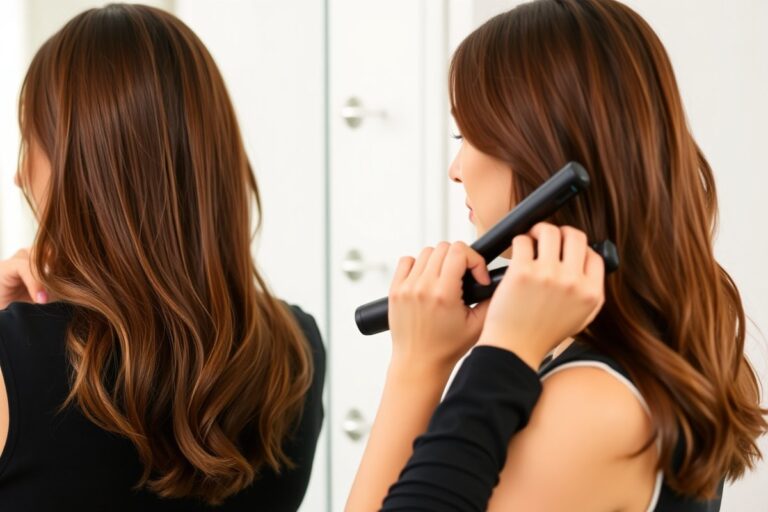
Which straightener is best depends a lot on your hair type and needs. A good straightener matches your hair’s texture and protects it from heat damage. Look for adjustable temperature settings to avoid frying fine or thin hair.
Plate material also affects how your hair looks and feels after straightening. Titanium heats up fast and works well on thick, textured hair. Ceramic spreads heat evenly, making it gentler for fine or wavy hair.
Picking the right plate width helps speed up styling. Narrow plates suit short hair or tight curls.
Wider plates work better for long or thick hair. Start with a mid-range heat setting and adjust based on your hair’s response.
Some straighteners come with extra features like ionic technology to reduce frizz. Others have floating plates that glide smoothly, lowering hair breakage. Always check if the straightener heats quickly and cools down fast for safety.
Key Takeaways
- Choose straighteners with adjustable heat for better control and less damage.
- Titanium plates heat quickly, ideal for thick or textured hair.
- Ceramic plates provide even heat, safer for fine or wavy hair.
- Narrow plates fit short or curly hair; wide plates suit long or thick hair.
- Start at a lower temperature and increase only if necessary.
- Cordless straighteners offer travel convenience but often have shorter runtime.
1. Which Hair Straightener Is Best for Different Hair Types?

Choosing a hair straightener depends on your hair type and condition. Fine hair needs a tool with adjustable, lower heat settings to avoid damage. Thick or coarse hair requires higher temperatures to straighten quickly and smoothly.
Curly hair needs straighteners that reach high heat. Look for special features like comb attachments. Curved plates also help smooth curls effectively.
Fragile or damaged hair needs very gentle heat. Use ceramic plates to protect your strands. These help avoid extra damage.
The table below shows hair straightener features. It guides you to pick the right tool.
Match it with your hair type. Look for temperature ranges, plate size, and materials suited for your needs.
| Hair Type | Recommended Temp Range | Plate Size | Plate Material | Special Features | Price Range |
|---|---|---|---|---|---|
| Fine/Damaged Hair | 240-350°F (115-175°C) | 1 – 1.5 inch | Ceramic or tourmaline | Adjustable temperature | $50 – $150 |
| Thick/Coarse Hair | 390-450°F (200-230°C) | 1.5 – 2 inch | Titanium | High max heat, wide plates | $80 – $250 |
| Curly Hair | 390-450°F (200-230°C) | 1.25 – 2 inch | Titanium or ceramic | Curved plates, comb attachments | $70 – $200 |
| Medium Hair | 340-375°F (170-190°C) | 1 – 1.5 inch | Ceramic or tourmaline | Adjustable temperature | $40 – $140 |
For fine or damaged hair, keep your heat between 240 and 350°F. Use slim ceramic plates to avoid extra breakage. Avoid straighteners with only high heat settings as they risk hair damage.
Your hair is thick or coarse. Choose a straightener with titanium plates.
It should heat up to 450°F. Wide plates up to 2 inches cut styling time on long hair. High heat will straighten faster and reduce multiple passes.
Curly hair needs a versatile iron. Look for straighteners with comb attachments and curved edges. These help you straighten without flattening curls too much, giving better styling control.
Damaged hair needs special care. Lower temperature and gentle materials such as ceramic or tourmaline help protect strands. You should use straighteners with precise adjustable heat and avoid repeatedly heating the same hair section.
2. How Plate Material Affects Hair Straightening Results

Choosing the right plate material matters because it affects hair health and styling results. Ceramic plates offer even heat and smooth hair with less damage. Titanium heats faster and suits thick or coarse hair.
Tourmaline reduces frizz and adds shine. Each has pros and cons depending on your hair type and styling goals.
Ceramic Plates: Even Heat for Smooth Hair
Ceramic plates heat evenly to avoid hot spots that can burn strands. They distribute heat gently, protecting hair from harsh damage.
With repeated passes, ceramic may cool slightly. So it’s best used on fine to medium hair types at temperatures between 260°F and 360°F.
These plates help seal hair cuticles, creating a sleek finish and soft feel. Ceramic is common in affordable to mid-range straighteners, often costing $30 to $100. Users notice less breakage and frizz with regular use.
Titanium Plates: Fast Heat for Thick, Coarse Hair
Titanium plates heat very fast and stay hot, perfect for coarse or thick hair. They reach temperatures up to 450°F quickly, reducing styling time and heat exposure. This helps prevent extra damage from holding the straightener on hair too long.
Because titanium is metal, it’s very durable but transfers a lot of heat. It’s best to use variable temperature controls and lower heat for thin hair to avoid burning. These straighteners typically cost more, around $150 to $200.
Tourmaline Plates: Frizz Reduction and Shine Boost
Tourmaline is a gemstone crushed into a coating and added to ceramic plates. It emits negative ions during heating, which helps smooth hair cuticles and fight static. This reduces frizz and leaves hair shiny, especially in humid or dry climates.
Tourmaline plates are common in mid to high-end straighteners and come with ionic technology. They work well on most hair types but are especially good for hair prone to frizz. Prices usually range from $80 to $180.
Plate Material Pros and Cons at a Glance
Here’s a quick look at the pros and cons of each plate type:
- Ceramic: Even heat, gentle on hair, best for thin to medium hair, slower heating
- Titanium: Very fast heating, great for thick/coarse hair, high heat retention, risk of overheating fine hair
- Tourmaline: Reduces frizz, adds shine, good for frizzy or dry hair, usually combined with ceramic
Choosing the right plate material depends on your hair’s texture and how you style it often. For example, titanium suits heavy styling of thick hair. Ceramic or tourmaline helps maintain health on finer hair.
Comparison Table of Plate Materials
| Feature | Ceramic | Titanium | Tourmaline |
|---|---|---|---|
| Heat Distribution | Even but slower to heat | Very fast and consistent | Even, smooths cuticle |
| Hair Type Best For | Fine to medium | Thick, coarse, curly | Frizzy, dry, or damaged |
| Damage Over Time | Low if temperature controlled | Higher risk if overheated | Low, frizz control helps |
| Price Range | $30, $100 | $150, $200 | $80, $180 |
| Styling Speed | Slower, needs multiple passes | Fast, fewer passes required | Moderate, smooth glide |
Always set your straightener’s heat for your hair type. This helps avoid damage. It works for all plate materials.
3. Why Adjustable Temperature Settings Matter for Hair Health
Adjustable temperature settings let you tailor heat to your hair type. They reduce damage by avoiding excess heat on fine or fragile hair. Thicker or coarser hair needs higher temperatures to straighten effectively without repeated passes.
Fixed temperature straighteners, like all GHD models, heat to about 365°F (185°C) and don’t allow changes. This temperature balances styling and hair health. It might be too hot for fine hair.
For very thick hair, it could be too low. Adjustable settings give more control to match your texture and styling goals.
Here’s a simple temperature guide to find the right heat level for your hair:
| Hair Type | Recommended Temperature Range (°F) | Recommended Temperature Range (°C) |
|---|---|---|
| Fine or damaged | 266, 320 | 130, 160 |
| Medium or normal | 320, 356 | 160, 180 |
| Thick or coarse | 356, 450 | 180, 232 |
Choose the lowest temperature that styles your hair with one or two passes. Test on a small section first. Using the minimum heat needed cuts down damage and dryness.
Lower heat usually means less damage, but styling may take longer. Overheating fine hair can cause breakage and split ends.
Coarse hair needs more heat for effective straightening. So avoid too-low settings that lead to multiple passes.
Choose a hair straightener with many heat levels. Look for models with 9 to 50 settings. This variety helps you find the right heat for your hair.
This helps adjust as your hair changes with season, treatments, or styling. Spray heat protectant before styling your hair.
It can reduce damage by up to half. Temperature control works better with this extra protection.
4. Corded vs Cordless Hair Straighteners: Pros and Cons
Corded hair straighteners generally offer better heat consistency and higher temperatures for salon-quality results. Cordless models provide great convenience and portability but often deliver lower heat and shorter styling time. Choosing either depends on your priorities like styling speed, travel needs, and hair thickness.
Performance and Heat Maintenance
Corded straighteners usually heat up fast and maintain a steady temperature. For example, many models reach 450°F and stay constant, ideal for thick or curly hair. They often have built-in technology that adjusts heat precisely, preventing damage and ensuring smooth styling.
Cordless straighteners tend to heat more gently, with temperatures around 365°F. They may use infrared heat, which warms hair from the inside to reduce heat exposure. This can be better for hair health but might require more passes on thick hair.
Battery Life and Styling Time
Most cordless models offer about 30 minutes of use after a full 70-minute charge. This works well for short styling sessions like quick touch-ups or travel. However, longer or thicker hair may require recharging or corded use to finish styling.
Corded straighteners can run indefinitely as long as you have power. They are better for detailed styling or full head straightening that takes 45 minutes or more. Cordless irons have a built-in battery that adds extra weight.
This can make your arm tired after long use. Keep sessions short to avoid fatigue.
Convenience and Portability
Cordless straighteners shine in portability, with no cords to manage or outlet needed during styling. They are perfect for on-the-go use, small bathrooms, or travel without dependable power sources. For traveling, models like the ghd Unplugged are designed to be lightweight and compact.
Corded irons can feel bulky to use. The cord limits where you can style. You depend on outlet placement too.
They may provide detachable cords but usually aren’t as neat or flexible for travel. Corded models tend to be lighter since they don’t carry batteries.
Pros and Cons by Situation
Knowing when to pick each type helps you get the best results:
- Corded: superior heat control and steady temperature for thick or coarse hair.
- Corded: unlimited styling time, better for detailed or full head straightening.
- Cordless: ideal for travel and quick styling without searching for outlets.
- Cordless: gentler heat reduces damage on fine or fragile hair.
- Corded: generally lighter and less bulky, easier for all-day use.
- Cordless: shorter use time and heavier due to battery weight.
- Cordless: may need multiple passes on thick or curly hair.
Tips for Choosing Based on Your Hair and Lifestyle
Choose corded straighteners if your hair is thick or coarse and you style daily. Their steady heat and unlimited use make styling faster and easier. Look for models with adjustable heat up to 450°F and quick heat-up features.
Cordless models fit better if you travel a lot or need styling flexibility. Choose a cordless iron with 30+ minutes of battery life. Look for several heat settings to match your hair type.
This helps protect your hair when styling. You can always plug it in if the battery runs out while styling.
5. How Plate Width Influences Styling Time and Hair Type
Plate width affects how quickly and easily you can style your hair. Narrow plates are about 1 inch wide. They work best on short hair.
They are good for detailed styles like bangs or waves. They help you get closer to the roots and control small sections more precisely.
Wider plates cover more hair at once. This speeds up straightening. It’s best for long or thick hair.
Plates between 1.5 and 2.5 inches are great if you have a lot of hair or curls. They let you style larger chunks at once, cutting down the time. However, wide plates do less well for detailed looks or short hair.
| Hair Length & Type | Recommended Plate Width | Why It Works |
|---|---|---|
| Short hair or bangs | 1 inch or less | Better control for small sections, detailed styling |
| Fine hair, all lengths | 1 to 1.25 inches | Narrow plates prevent too much heat on fine strands |
| Thick or curly hair | 1.5 to 2.5 inches | Wider plates style large sections faster |
| Long, thick hair | 2 inches or more | Quick coverage for long lengths reduces styling time |
Fine hair needs narrower plates because wide plates add risk of heat damage. A narrow iron offers better temperature control and less pressure per strand. Choose plates around 1 inch for sweet spots between styling speed and safety.
Thick or curly hair benefits from wider plates made of materials that heat evenly, like titanium. These plates heat fast and reach high temps, straightening tough hair with fewer passes. You’ll spend less time sectioning your hair and more time enjoying the smooth finish.
Wide plates make your routine faster. Don’t use too much heat on fine hair. It can cause damage.
6. Top Features to Look for When Choosing a Hair Straightener
Choose a hair straightener with good heat control, fast heating, and safety features. Flexible plates and modern technology also improve your styling experience. These features save time, protect your hair, and offer better results.
Precise Heat Control for Your Hair Type
Temperature settings let you adjust heat for your hair. Look for straighteners with multiple settings from about 100°C (212°F) to 200°C (392°F). This range covers most hair textures, from fine to coarse.
Precise control avoids damage while styling. For example, fine hair needs heat closer to 165°C (329°F).
Thick hair benefits from 210°C (410°F). Adjusting heat keeps hair healthy and smooth.
Technology That Improves Heat Distribution
Ceramic plates provide even heat distribution. They reduce hot spots that can burn your hair. Ionic and infrared technologies also help minimize frizz and lock in moisture.
The Dyson Corrale uses flexing manganese-copper plates that gently shape around hair. This design cuts down the number of passes needed and prevents overexposure to heat. Good heat distribution means less damage and shinier hair.
Fast Heating and Time-Saving Features
A straightener that heats up quickly saves you time. Models with rapid heat-up get ready in 15 to 30 seconds, letting you style right away. Slow heaters can take more than a minute.
Fast heating is especially handy for busy mornings or travel. Cord lengths of about 2.5 to 3 meters with a 360° swivel allow easy movement without tangling the cord.
Safety Shut-Off and Cord Flexibility
Look for automatic shut-off that kicks in after about 10 to 60 minutes. This feature prevents fire risks if you forget to turn off the straightener. Most models switch off after 10 or 30 minutes.
A long swivel cord lets you style at any angle. It stops the cord from twisting or damaging the wire. This flexibility also helps when curling or waving your hair, not just straightening.
Checklist: Features to Look For
- Adjustable heat settings from 100°C to 210°C (212-410°F)
- Ceramic, ionic, or infrared heat distribution technologies
- Fast heat-up time under 30 seconds
- Automatic shut-off after 10 to 60 minutes
- Long, 2.5 to 3 meters, 360° swivel cord
- Flexible or flexing plates for gentle hair grip
Not every feature suits everyone. If you travel often, consider cordless models with charging cables around 3.8 meters. For thicker hair, prioritize higher max heat and plate flexibility.
7. How to Use a Hair Straightener Safely Without Causing Damage
Using your hair straightener correctly helps avoid heat damage and breakage. Heat protectant sprays form a safe layer that reduces drying and splitting. Choose one made for heat styling with ingredients like silicones or oils for smooth protection.
Set the temperature to match your hair type. Fine or damaged hair needs lower heat around 300°F (150°C).
Thick or coarse hair may need 350°F to 375°F (175°C to 190°C). Avoid the highest settings unless your hair is very thick and healthy.
Limit straightening passes per section to one or two. Multiple passes increase damage risk by drying out strands more.
Good straighteners with ceramic plates and consistent heat work well in fewer passes. This keeps hair looking smooth without extra stress.
Avoid straightening when hair is wet or very dirty. Damp hair straighteners with special technology exist but drying first usually protects hair better.
Straightening hair daily or on split ends also risks more breakage. Give hair breaks between heat styling for recovery.
- Start with clean, dry hair to prevent steam damage.
- Apply a heat protectant spray evenly through hair.
- Set your straightener to the lowest effective heat for your hair type, around 300°F to 375°F.
- Divide hair into small sections about 1 inch wide for even heat.
- Smooth each section with the straightener in one or two passes only.
- Avoid going over the same spots repeatedly to prevent stress.
- Let hair cool naturally before touching or styling further.
- Give your hair heat-free days to maintain health.
8. How to Maintain and Clean Your Hair Straightener for Best Performance
Cleaning your hair straightener plates regularly keeps them working well and prevents buildup. You should clean the plates about once a week if you use your straightener often. This stops residue from heat-protectant sprays, oils, and styling products from building up on the plates.
Use a soft cloth dampened with warm water and a small amount of mild soap. Avoid harsh chemicals, alcohol, or abrasive cleaners. These can damage ceramic or titanium plates, reducing their effectiveness and lifespan.
Storing your straightener correctly also helps it last longer. Store it in a cool, dry spot. Avoid places where it gets banged.
Keep it away from tangling with the cord. Many straighteners come with a heat-resistant pouch or case for safe storage right after use.
- Unplug the straightener and let it cool completely before cleaning.
- Dampen a soft cloth with warm water mixed with a drop of mild dish soap.
- Wipe the plates gently to remove any product buildup or dirt.
- Use a cotton swab dipped in the same solution to clean plate edges or crevices.
- Dry the plates thoroughly with a dry microfiber cloth to avoid moisture damage.
- Check the cord for any signs of wear or damage before storing.
- Wrap the cord loosely, never tight, and store the straightener in its pouch.
- Repeat this cleaning once a week or after heavy product use.
Never clean your straightener plates while they are hot. You can burn yourself and damage the device.
9. Can Hair Straighteners Be Used to Curl and Style Hair?
Many hair straighteners work well for curling hair, especially those with rounded or beveled edges. These plates let you twist the flat iron without snagging your hair. Straighteners with slim, curved plates support creating different curl sizes, from loose waves to tighter curls.
The width of the plates also matters. Narrow plates around 1-inch wide are best for tight curls and detailed styling. Wider plates, like 1.Hair irons 25 inches or longer hold more hair at once.
They work better for soft waves and big curls. This helps create the styles you want. Some premium irons have floating plates for an even grip.
They also include heat sensors to keep temperature steady. These features improve styling results.
To curl hair safely, work at a moderate heat setting. About 350°F (175°C) is enough for most hair types to hold curls long without heavy damage.
Make sure to use a heat protectant product before styling to reduce harm. Avoid going over the same hair section multiple times, as extra heat can cause breakage.
Here’s a simple step-by-step to curl hair with your straightener:
- Start with dry hair. Apply heat protectant evenly to all strands.
- Divide hair into sections about 1 inch wide for narrow plates, 1.5 inches for wide plates.
- Clamp the straightener near the roots and twist your wrist 180 degrees away from your face.
- Slowly slide the straightener down the hair shaft while keeping the twist.
- Release the hair at the end. For tighter curls, twist more or use narrower sections.
- Let curls cool before touching or styling further to set the shape.
- Use light hairspray if you want longer-lasting hold without stiffness.
Some irons come with special settings for curling hair. They might adjust heat or add vibrations. These features help reduce friction on hair.
These options help the iron glide smoothly and can make styling faster and gentler on hair. Titanium plates heat evenly in professional tools.
They avoid hot spots that can damage thick or curly hair. This helps protect your hair while styling.
Curled hair with a straightener looks best when your hair feels smooth, shiny, and frizz-free. Try lowering the heat if your curls fall fast or hair feels brittle. Also, check your curling technique.
These steps can improve results. Using the right straightener with proper heat protects your hair.
This careful use creates flexible curls. It reduces extra damage during styling.
10. Common Mistakes When Choosing or Using Hair Straighteners
Overheating your hair is a common reason for damage. Many cheap straighteners claim to reach 390°F but actually swing between 340°F and 445°F. This uncontrolled heat can fry your strands and cause breakage. Setting your straightener too high can cause dryness.
Fine or color-treated hair is especially vulnerable. This also causes split ends.
Choosing the wrong plate material can ruin your results. Ceramic plates glide smoothly and work best for fine or color-treated hair.
Titanium plates heat up faster and last longer but might be too harsh for delicate strands. Match the plate type to your hair to avoid tugging or uneven heat.
Ignoring your hair type often causes poor styling and damage. Thick, coarse hair needs higher heat and wider plates.
Fine or thin hair prefers lower heat and smaller plates to prevent harm. Choosing a straightener not made for your hair type wastes money and risks health.
- Set temperature to 250°F, 350°F for fine or damaged hair. 350°F, 450°F for thick hair
- Pick ceramic plates for frizzy, delicate hair; titanium for thick, strong strands
- Check if your straightener’s heat stays steady; avoid models with wide temperature swings
- Invest $50 or more in a straightener; cheaper ones may damage your hair
- Look for rounded edges if you want to curl or style besides straightening
- Choose plate width between 1 inch and 1.5 inches for versatile styling
- Use a heat protector product before styling to reduce damage risk
Cheap tools costing $20, 40 usually trade quality for price. They often fail to hold a stable temperature, causing surprise overheating.
Spending extra from $50 up gets you better control and less hair damage. Straighteners are an investment, saving money in damage repairs later.
Don’t overlook small details like plate edges. Sharp edges can snag hair, adding breakage risk.
Rounded edges help glide through hair smoothly and allow curling. Always test the straightener on a low setting at first to see how your hair reacts.
11. How to Choose a Travel-Friendly Hair Straightener
Look for a hair straightener with dual voltage if you travel internationally. Many models switch between 110V and 220-240V automatically or with a button. This feature stops electrical damage.
It lets you use the appliance abroad. You don’t need a bulky converter.
Cordless straighteners can be handy for travel but come with trade-offs. Their batteries limit styling time to about 30 minutes. This may not fit thick or long hair.
It often lasts even less. Corded models offer unlimited use if outlets are available. But you’ll want a compact cord or a detachable one for easy packing.
Your travel straightener should fit comfortably in your hand and suitcase. Aim for a tool under 1 pound with plates about 1 inch wide or less. Wider plates take more space and can heat slower.
They are harder to use in tight spots. Airplane bathrooms are especially tough.
Look for sturdy construction, such as reinforced joints and a heat-resistant casing. So it lasts through frequent packing.
- Dual voltage (110-240V) for international use
- Weight under 1 pound for easy handling
- Plate width around 1 inch or less for compactness
- Short or detachable cord to save packing space
- Durable body that resists cracks and scratches
- A heat-resistant travel pouch or case
- Fast heat-up time to get ready quickly
A travel case is not just for keeping your straightener organized. It also protects it from drops and prevents cord tangling.
Some models include padded sleeves or hard cases, which are worth the extra few dollars. Without protection, chips or cracks in the plates may develop, affecting styling quality.
Check your straightener’s voltage label before packing to avoid damage at your destination.
12. How to Evaluate Value: Price, Warranty, and Longevity of Straighteners
Choosing a straightener means balancing price, warranty, and how long it lasts. Professional-grade tools, like the ghd Chronos Max, cost around $380. But can last over a decade with proper care.
Though pricey upfront, the cost per use lowers over time. It becomes a smart buy for frequent users.
Warranties show the maker’s confidence. Look for at least a one-year warranty that covers defects and heating issues. Some models come with extras like heat mats.
These mats also work as protective wraps. This adds value without extra cost. Avoid cheap, no-name brands; they often fail sooner, causing more hassle and expense later.
- Check the warranty length and what it protects. Make sure it suits your needs.
- Compare price versus years of reliable use
- Look for bonus features like heat-resistant mats
- Avoid models with poor reviews on durability
- Consider tools with longer power cords for ease
- Factor in charging or heat-up times
- Choose plate width based on your hair type and styling speed
Long-lasting straighteners work similarly by breaking hair’s hydrogen bonds temporarily with heat. Regular cleaning removes build-up, helping your tool last years longer. For example, one user shared their straightener has worked flawlessly for 11 years.
Costly tools often come with better heat safety and durability. So skipping them can mean replacing cheap models more often.
Step-by-Step Action Plan for Choosing and Using Your Hair Straightener
Follow these steps to find the right straightener for you. You will keep your hair healthy and stylish. Just pick the right one for your needs.
- Before You Buy: Identify your hair type and styling goals to narrow your options. Check if the straightener suits your hair texture and length.
- Day 1: Choose a straightener with adjustable temperature and the right plate material. Test it on a small hair section to ensure smooth results without damage.
- Week 1: Practice using the straightener safely with heat protectant and proper technique. Notice if your hair feels smoother and less frizzy after styling.
- Week 2: Clean your straightener’s plates using manufacturer-approved methods. See if it heats evenly and glides easily over your hair.
- Month 1: Try styling versatility like curls or waves to test the tool’s flexibility. Evaluate how long it takes and how your hair responds.
- Quarterly: Review your straightener’s condition and warranty status. Consider if you need upgrades or repairs based on performance and wear.
Frequently Asked Questions
What Is the Best Straightener for Fine, Damaged Hair?
Choose a straightener with low-heat settings under 350°F to avoid damage. Adjustable heat helps you protect fragile hair while styling it effectively.
Can a Straightener with Wider Plates Damage Short Hair?
Yes, wider plates can be bulky and less precise on short hair. Opt for plates around 1 inch wide for better control and less heat exposure.
Is a Corded Straightener More Reliable Than a Cordless One?
Corded straighteners provide constant power and heat, making them more reliable. Cordless models offer convenience but usually have shorter run times.
How Often Should I Replace My Hair Straightener for Best Results?
Replace your straightener every 3 to 5 years, depending on use. Worn plates or fluctuating heat can harm hair and reduce styling quality.
Do Higher Temperature Straighteners Always Give Better Results?
No, higher temperatures can cause damage if not needed. Many users find 365°F heats hair quickly without frying it.
Are Titanium Plates Really Better Than Ceramic for Straightening?
Titanium heats up faster and stays hotter longer, great for thick hair. Ceramic plates give more even heat, which is gentler on fine hair.
Before You Go
Choosing the best hair straightener depends on your hair type, features, and care habits. Start with a model that matches your needs and use it with proper heat settings. This helps you style confidently while keeping your hair healthy.