Does Dry Shampoo Give You Dandruff? What Actually Works for Your Scalp
Does dry shampoo give you dandruff? Not exactly.
Dry shampoo can leave powdery residue that looks like flakes but isn’t true dandruff. Real dandruff comes from scalp irritation or fungal overgrowth, which dry shampoo alone won’t cause.
Dry shampoo soaks up oils at your roots. This helps your hair look fresh. It works well between regular washes.
Using too much dry shampoo can cause buildup. It might make your scalp dry or itchy.
Proper application helps prevent these issues. This build-up might mimic dandruff symptoms.
Spray dry shampoo from 6 to 10 inches away. Let it sit for a couple of minutes. This helps avoid a dandruff-like appearance.
Brush your hair thoroughly after applying dry shampoo. Don’t skip washing for more than two days.
This keeps your scalp healthy and clean. That keeps your scalp healthy and flake-free.
Key Takeaways
- Use dry shampoo no more than two days in a row to prevent scalp buildup.
- Spray dry shampoo from 6 to 10 inches away from your roots.
- Let dry shampoo absorb oils for at least two minutes before brushing.
- Brush your hair well after applying dry shampoo to remove excess residue.
- True dandruff requires antifungal shampoos with zinc pyrithione or ketoconazole.
- Dry shampoo lacks antifungal agents, so it won’t treat dandruff.
Does Dry Shampoo Cause Dandruff or Just Look Like It?
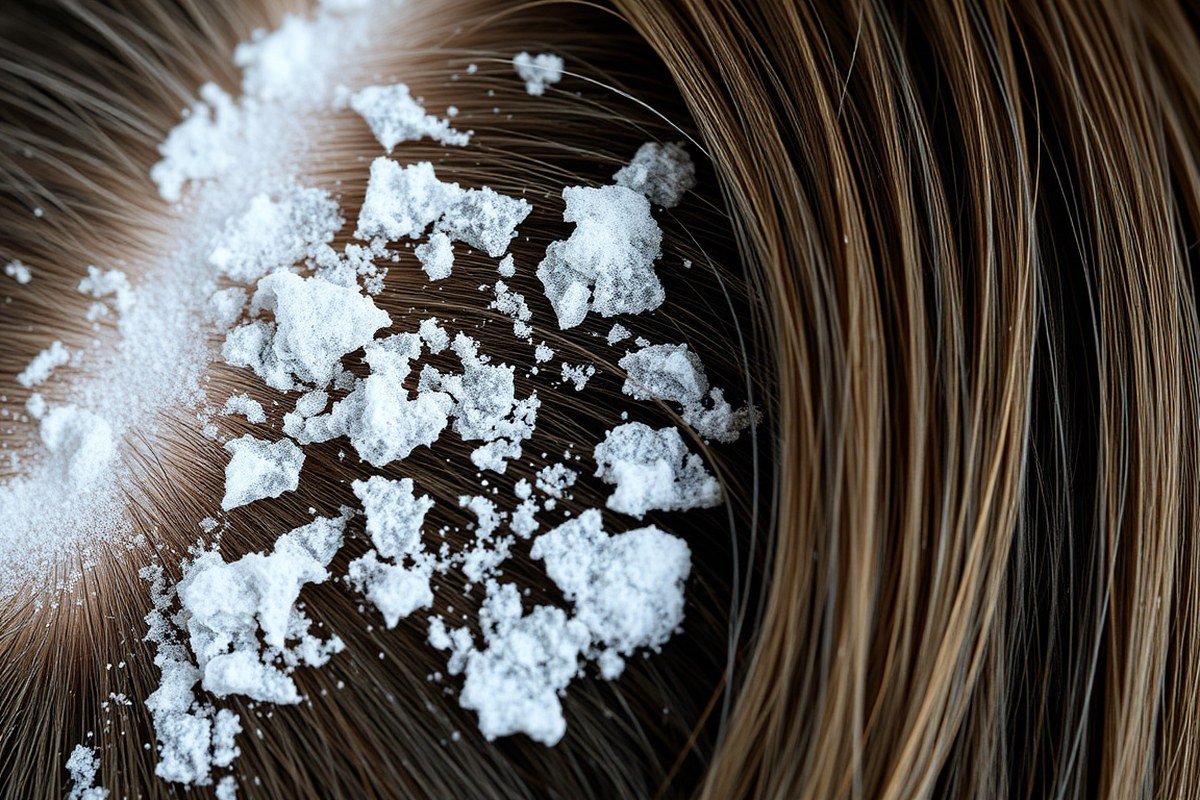
Dry shampoo does not cause dandruff directly. Dandruff happens from too much yeast called Malassezia on your scalp.
This yeast makes your scalp flake and itch. Dry shampoo simply absorbs oil but doesn’t address this biological cause.
Using dry shampoo too much or not washing it out causes buildup. This buildup looks like dandruff with flakes and irritation. Powder buildup blocks hair roots and traps dead skin.
Dandruff happens from a skin imbalance, not just dirt or oil. Dry shampoo only hides how oily your hair looks.
It could make flakes worse by irritating your scalp through buildup. That’s why skipping washes without cleaning the scalp leads to an unhealthy environment that favors dandruff.
Use dry shampoo only sometimes, not often. Wash your hair regularly with a cleansing shampoo.
This clears away any residue and helps your scalp stay balanced. Also, avoid spraying too close to the scalp or using heavy powders that don’t absorb cleanly.
Spray dry shampoo before bed and don’t wash it off. The powder builds up on your scalp all night. By morning, dryness and flakes show up from leftover product.
This feels like dandruff but is actually product residue. Washing in the morning removes this and refreshes your scalp.
People often mix up dandruff with a dry scalp or dry shampoo flakes. All three cause flakes and itchiness.
Dandruff, however, involves increased cell turnover and a reaction to yeast. Residue from dry shampoo is just leftover powder and oils trapped together.
How Dry Shampoo Works and Affects Your Scalp

Dry shampoo absorbs excess oil from your hair and scalp without water. It uses starch- or alcohol-based ingredients to soak up sebum that makes your hair look greasy. When you spray or apply dry shampoo, ingredients stick to oil.
They also cling to sweat. This refreshes your hair’s look.
The usual dry shampoo formulas include alcohol denat, starches, and sometimes powders like mineral-rich volcanic ash. Alcohol denat mixes ethanol with a denaturing agent. It pulls moisture fast from your scalp and hair.
Starches absorb oils. Powders help soak up sweat and improve hair texture between washes.
This product mainly sits on your scalp’s surface, not deeply cleansing it. Because of this, dry shampoo doesn’t treat dandruff or scalp issues directly. It controls oiliness only for a short time.
Some particles and oils stay on your scalp. You need regular washing to remove them.
Your scalp hosts a natural microbiome, tiny living things that keep it balanced. Applying dry shampoo often can upset this balance by drying out skin or trapping buildup. Using it too much can dry your scalp.
It might cause flaking and irritation. This happens because it removes too much moisture.
Let dry shampoo absorb oils for at least two minutes before brushing it out. This wait time helps the powder or spray soak up more oil for a cleaner look.
Avoid using dry shampoo more than two days straight. Try to limit use to one or two days a week to protect your scalp’s health.
Using dry shampoo too often without washing can lead to flakes and itchiness. Give your scalp a break by washing with a gentle shampoo regularly.
How to Tell the Difference: Dandruff, Dry Scalp, and Dry Shampoo Residue
Flakes on your scalp can come from dandruff, dry scalp, or dry shampoo residue. Each looks different and causes different symptoms. Knowing how to spot the difference helps you choose the right treatment.
Appearance of Flakes and Scalp Condition
Dandruff flakes tend to be oily, larger, and may appear white or yellow. Dry scalp flakes look smaller and drier, almost like fine dust. Dry shampoo residue often looks powdery or sticky on your hair.
It can sit visibly on your scalp or hair strands. This makes your hair look less clean and natural.
Dry shampoo residue usually occurs when too much is applied or it isn’t blended well. Dandruff and dry scalp flakes come from skin flaking off naturally or due to irritation. Checking your scalp and flakes carefully will help you identify the cause.
Common Symptoms Beside Flakes to Note
Itching is common both with dandruff and dry scalp but less so with dry shampoo residue. Dandruff often comes with oily, red, or scaly patches on your scalp. Dry scalp can also have dry skin on other body parts.
Dry shampoo buildup may cause itching, burning, or tenderness on the scalp. Usually, it does not lead to redness or scaly spots. These symptoms can be uncomfortable but mild.
Your scalp may feel itchy or tender after dry shampoo use. This can happen because clogged pores trap dirt and product.
Clogged pores irritate the scalp and cause discomfort. Stop using the product if irritation worsens.
Key Diagnostic Checklist for Self-Assessment
Use this checklist to figure out what’s causing your flakes or irritation at home. Examine your flakes, scalp, and symptoms carefully over a few days before changing treatments.
| Signs of Scalp Issues | Description |
|---|---|
| Product Buildup | A powdery or sticky substance on the scalp |
| Flakes | Small, less oily particles on the scalp |
| Dandruff | A condition with itching, redness, and oily flakes |
| Itchy scalp | Common with both dandruff and dry scalp |
| Oily, red, scaly skin | Typical of dandruff but not dry shampoo buildup |
| Dry skin on other parts of the body | Often shows with dry scalp |
Look for oily flakes and redness to spot dandruff. Check for powdery residue if you suspect dry shampoo buildup. Dry scalp often comes with dryness elsewhere on your body.
Use a light moisturizer on your scalp overnight. Relief usually means your scalp is dry, not dandruff.
Ingredients in Dry Shampoo That Can Irritate Your Scalp
Dry shampoo often contains ingredients that can irritate your scalp or worsen dryness. Harsh chemicals like alcohols and some synthetic fragrances strip natural oils and weaken the scalp’s barrier. Dry shampoo can make your scalp dry.
This dryness leads to flaking. Flaking looks like dandruff but it’s a different issue.
Some dry shampoos contain natural ingredients like tea tree oil. Tea tree oil has antifungal effects. That’s why it’s added.
However, studies show tea tree works best in rinse-out shampoos, not in dry formulas. Dry shampoo doesn’t stay long on your scalp.
It also doesn’t mix with water. This makes it hard to work well.
For sensitive scalps, avoiding certain ingredients can reduce irritation and dryness. Here’s what to watch out for in dry shampoos:
- Alcohols (like ethanol or isopropyl alcohol) dry out your scalp.
- Synthetic fragrances can cause itching or allergic reactions.
- Silica or starch absorbents are generally gentle but may build up if overused.
- Natural oils and extracts, like tea tree oil, may not be effective in dry formulas.
- Propellants or preservatives can sometimes irritate sensitive skin.
People with dry or sensitive scalps should avoid dry shampoos that have alcohol. They should also avoid heavy fragrances. These can cause irritation.
You can use scalp mists or tonics with witch hazel. Salicylic acid is another good option. These refresh your scalp without building up product.
Use clarifying shampoo once a week. It helps clean clogged follicles. Dry shampoo can make clogged follicles worse by trapping oil and dead skin.
Dry shampoo does not treat dandruff. It doesn’t fix the real causes of flaky scalp. It only masks the problem.
It mainly helps absorb oil and hides flakes temporarily. People with sensitive scalps should use dry shampoo carefully.
Choose gentle formulas to reduce irritation. This also helps avoid making dryness worse.
Safe Usage of Dry Shampoo: Tips and Application Steps
You can use dry shampoo safely by applying it the right way and not too often. Aim to refresh oily roots without letting residue build up on your scalp. Following certain steps keeps your hair looking fresh without harming your scalp or creating flakes.
Proper Spray Distance and Coverage
Keep the spray 6 to 10 inches from your scalp for even coverage. Holding it too close can cause clumping and irritate your skin. Spray lightly, focusing on the roots where oil builds up most.
Gently massage the product into your scalp to prevent powdery residue from sitting on the surface. This also helps absorb excess oils without layering buildup. Avoid spraying on already dry hair ends; dry shampoo works best on oily roots.
Recommended Frequency and ‘Two-Day Rule’
Limit dry shampoo use to once every one or two days. Using it more often risks clogging hair follicles and worsening scalp irritation. It’s best used between regular washes, not as a replacement for shampoo completely.
Give your scalp at least two days before reapplying dry shampoo. This lets your scalp breathe and reduces the chance of dandruff-like flakes forming. If you notice itchiness or flakes, try washing your hair more often with a gentle shampoo.
Brushing and Washing Timing Guidelines
After spraying, leave dry shampoo on your roots for about 10 minutes. This timing lets the product absorb oils effectively. Then, brush thoroughly to remove any leftover powder.
Always wash your hair within 24 to 48 hours of using dry shampoo. Regular washing prevents product buildup that can trap dead skin cells.
- Start with dry hair, not damp or freshly washed.
- Hold the dry shampoo can 6 to 10 inches away from your roots.
- Spray lightly on oily spots in short bursts, not a long spray.
- Massage your scalp gently to spread and absorb the powder.
- Wait 10 minutes to let the powder soak up oils.
- Use a brush to remove excess powder from your hair.
- Style as usual, avoiding extra sprays on your scalp until needed again.
- Wash hair within two days to clear any buildup and refresh your scalp.
Overuse or applying dry shampoo too close can cause flaky buildup and scalp irritation.
When Dry Shampoo Can Worsen Scalp Conditions
Dry shampoo can worsen scalp problems like eczema, seborrheic dermatitis, and psoriasis. These conditions involve inflammation and flaking, which dry shampoo may irritate further. Using dry shampoo too often or skipping water washing can feed fungal growth, making symptoms worse.
Eczema and seborrheic dermatitis are especially sensitive to dry shampoo. The product’s powders and alcohol can dry out or irritate the scalp’s already fragile skin. If you notice more redness, itching, or flakes after using dry shampoo, it’s safer to stop and consult a dermatologist.
Signs to avoid dry shampoo include increased redness, persistent itching, and heavy flaking that doesn’t improve. Also, if you feel dryness or tightness, the powder may be disrupting your scalp’s natural oils. These symptoms show your scalp needs water and medicated shampoos, not just dry products.
Try switching to gentle shampoos with ingredients like 1% zinc pyrithione, ketoconazole, or selenium sulfide. These help control fungal growth and reduce inflammation in eczema or seborrheic dermatitis. Apply shampoos for several minutes and rinse well, repeating as directed on the label.
Using dry shampoo occasionally between washes can work. But relying on it alone can lead to scalp problems.
Many people sweat during sleep, making washing hair with water important to remove sweat and buildup. Regular water washing keeps the scalp balanced and less likely to flare up.
When scalp issues keep getting worse despite using dry shampoo cautiously, see a doctor. A professional can recommend topical treatments or prescription shampoos. Avoid trying to mask symptoms with more dry shampoo, which may only delay proper healing.
How to Treat Dandruff While Using Dry Shampoo
Use shampoos with 1% zinc pyrithione, ketoconazole, or selenium sulfide. These ingredients treat dandruff well. Choose one and use as directed.
These ingredients fight the fungus that causes dandruff. Medicated shampoos with these ingredients cost $10 to $20 per bottle.
You can buy them without a prescription. They are widely available over the counter.
Use dry shampoo alongside your dandruff shampoo. Rinse your scalp well on wash days. This helps keep scalp clean and flakes away.
Use the medicated shampoo 2 to 3 times a week. Apply dry shampoo sparingly on the days between washes to control oiliness without building up residue.
Aloe vera, tea tree oil, and apple cider vinegar help soothe the scalp. They also reduce irritation. These natural remedies support dandruff care.
Use diluted apple cider vinegar or tea tree oil twice a week. Mix tea tree oil with a carrier oil before applying.
This keeps your scalp calm and healthy. Avoid overuse, as these can irritate sensitive skin.
Choose fragrance-free, gentle dry shampoos with natural ingredients to reduce scalp irritation. Avoid those with talc or harsh chemicals which may worsen flaking. Use dry shampoo only as needed, focusing on refreshing roots without covering your scalp regularly.
Track how your scalp responds over 2 to 4 weeks. Clearer skin, less itching, and reduced flakes indicate progress. See a dermatologist if dandruff doesn’t improve or gets worse.
They can offer stronger treatments or prescribe medicine. Don’t wait too long to get help.
Best Alternatives and When to See a Dermatologist for Scalp Health
You have options beyond dry shampoo to keep your hair fresh while protecting your scalp. Some alternatives offer gentle oil control without buildup. Knowing when to see a dermatologist helps prevent lasting scalp problems.
Common Dry Shampoo Alternatives with Pros and Cons
Switching from dry shampoo can help if you notice flakes or irritation. Consider other ways to refresh hair that avoid powder residues or harsh ingredients.
- Water rinse or co-washing with conditioner cleans without drying out your scalp
- Scalp exfoliating brushes stimulate flakes removal and boost circulation
- Light, oil-absorbing hair mists offer shine control without thick powders
- Natural powders like arrowroot or cornstarch can soak up oil but may leave residue
- Blotting papers gently remove oil but do not freshen hair’s feel or scent
- Regular shampooing with mild formulas suits most scalp types long-term
Each option has pros and cons. For example, oil-absorbing mists can refresh hair faster but won’t replace washing when buildup forms. Natural powders may require thorough brushing to avoid residue.
Warning Signs Warranting Professional Advice
Seeing a dermatologist is smart if scalp issues won’t clear up or worsen. They can identify conditions that need treatment beyond home care.
- Persistent itching or redness lasting more than two weeks
- Flakes that look oily, yellow, or crusty, rather than dry and white
- Hair thinning, sudden shedding, or painful scalp spots
- Scalp irritation from any hair products that does not improve
Doctors can prescribe medicated shampoos or treatments tailored to your scalp. They also rule out skin disorders that mimic dandruff.
Don’t delay seeing a dermatologist if your scalp pain or flaking worsens despite care.
Checklist for Sustainable Scalp Care Routines
Consistency matters more than quick fixes for your scalp health. You want to balance cleaning, moisturizing, and protecting from irritation.
- Wash your hair regularly with a gentle or medicated shampoo suited for your scalp
- Limit dry shampoo to 1-2 times weekly to avoid buildup
- Massage your scalp gently to promote blood flow and flake removal
- Use conditioner mainly on hair ends to avoid scalp oiliness
- Protect your scalp from sun exposure with hats or sprays
- Avoid scratching or using harsh tools on your scalp
Adopting these habits helps reduce flare-ups and supports natural scalp balance. Stick with routines that fit your schedule to avoid skipping care.
Step-by-Step Action Plan to Protect Your Scalp While Using Dry Shampoo
Follow these simple steps to keep your scalp healthy and avoid flakes from dry shampoo use.
- Before you start: Check your dry shampoo’s ingredients for irritants like alcohol or fragrances.
- Day 1: Apply dry shampoo only to the roots, avoiding the scalp when possible.
- After each use: Brush your hair thoroughly to remove excess product and prevent buildup.
- Week 1: Limit dry shampoo use to 2 or 3 times a week, not daily.
- Week 2: Add a gentle scalp massage with a moisturizing shampoo during your wash days.
- Week 3: Monitor your scalp for dryness or flakes and reduce dry shampoo use if needed.
- After 1 month: Check your scalp for flakes or irritation. If they persist, change to a sensitive dry shampoo. You can also see a dermatologist for advice.
- Ongoing: Maintain regular hair washing and keep scalp hydrated to avoid dandruff buildup.
Frequently Asked Questions
Why Do I Suddenly Have Dandruff After Washing My Hair?
Sudden dandruff after washing can happen if your scalp dries out. It may also react to ingredients in your shampoo.
Both can cause flakes to appear quickly. Using a gentler, sulfate-free shampoo might help ease the flakes and irritation.
Is It Bad to Use Dry Shampoo Every Day?
Using dry shampoo daily can block your hair follicles and worsen scalp health. Most dermatologists suggest limiting dry shampoo to no more than two days in a row.
What Actually Kills Dandruff?
Anti-dandruff shampoos with ingredients like zinc pyrithione or ketoconazole help kill dandruff-causing fungi. Regular washing with these shampoos controls flakes better than dry shampoo alone.
Do Dermatologists Recommend Dry Shampoo?
Dermatologists say dry shampoo can be useful for refreshing hair but only as a temporary fix. They recommend regular washing to keep your scalp clean and healthy.
Can Dry Shampoo Cause Scalp Irritation Without Flakes?
Yes, dry shampoo ingredients can irritate your scalp, causing redness or itching even without visible flakes. Patch-test new products and avoid overuse to reduce irritation.
Is There a Dry Shampoo Safe for Sensitive Scalps?
Some dry shampoos are designed for sensitive scalps using mild, fragrance-free ingredients. Look for labels stating they are gentle or formulated for sensitive skin.
Key Points to Remember
Dry shampoo doesn’t cause dandruff itself. It can worsen flakes if you use it wrong. People with sensitive skin should be extra careful.
Use it carefully and watch for irritation. Try other scalp treatments when flakes don’t go away.
Ask a dermatologist for help if needed. They can provide the right advice.