Are Steam Straighteners Better for Your Hair? The Complete Guide to Benefits and Best Use
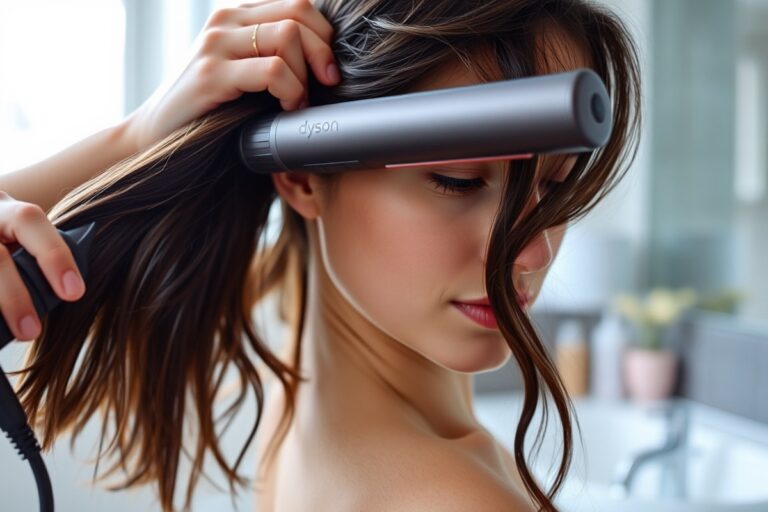
Are steam straighteners better for your hair? The short answer is yes, they usually cause less damage than traditional irons.
Steam adds moisture during styling, which helps protect your hair strands. This moisture also reduces frizz and keeps hair smoother for longer.
Steam straighteners work by combining gentle heat with bursts of steam, easing tension on your hair. This method works well for thick or curly hair types. It suits people who need higher heat settings.
The high temperature helps effectively straighten their hair. For finer or damaged hair, the steam prevents drying out and breakage when you style.
Before you buy, remember that not all steam straighteners are equal. Look for models with adjustable heat settings to match your hair type. Also, start with low heat and increase it slowly to avoid overdoing it and causing harm.
Key Takeaways
- Steam straighteners add moisture, which reduces heat damage during styling.
- Use lower temperatures with steam straighteners for fine or damaged hair.
- Steam straighteners handle thick or curly hair well at higher heat ranges.
- Adjustable temperature is a must for customizing heat to your hair type.
- Steam cuts down frizz better than traditional flat irons.
- Start with low heat and increase gradually to protect your strands.
Are Steam Straighteners Actually Better for Hair?

| Factor | Steam Straightener | Traditional Flat Iron |
|---|---|---|
| Heat Damage | Lower. Steam helps protect the cuticle by boosting moisture. | Higher. Dry heat strips moisture, raising damage risk. |
| Moisture Preservation | Maintains hydration. Steam opens hair to lock in moisture. | No moisture support. Can leave hair dry and brittle. |
| Speed | Often faster. Combines detangling and straightening. | May need multiple passes, increasing heat exposure. |
| Results on Thick or Curly Hair | Smoother and shinier. Steam relaxes tough curls well. | Effective but may cause dryness and frizz. |
| Results on Fine Hair | Less precise. Can tug or pull delicate strands. | More control for subtle straightening and style. |
| Shine & Smoothness | Higher shine, smoother finish reported by users. | May dry hair, reducing natural gloss over time. |
| Price Range | $30 to $60. Moderate cost for added moisture benefits. | $20 to $300+. Wide variety from budget to pro tools. |
Steam straighteners use vaporized water to add moisture while styling. This helps keep your hair hydrated and protects the cuticle from heat damage. They typically operate at lower temperatures than flat irons, which rely solely on dry heat to straighten hair.
The added moisture buffers the heat and reduces dryness. Because steam straighteners combine heat and water, they can smooth thick, curly, or frizzy hair more easily. The steam softens stubborn curls and makes hair shinier.
However, fine hair may not respond as well. Steam brushes can tug on delicate strands. So traditional flat irons might give you better control there.
A major benefit of steam straighteners is fewer passes over your hair. The steam opens the hair follicle, letting heat evenly relax the strands faster. Traditional irons often need repeated passes, raising the chance of damage.
Still, steam straighteners must be used correctly to avoid problems like frizz or dryness from too much heat or steam. Steam models usually cost between $30 and $60, making them more affordable than some pro flat irons.
Many users find they get smoother, glossier hair with steam, compared to the brittle look left by dry heat tools. Just remember, neither option is damage-free, using a heat protectant and keeping temperatures below 400°F helps most.
How Steam Straighteners Work to Protect Hair

Steam straighteners work by releasing a fine mist of steam during styling. This steam gently opens the hair cuticle to allow better heat distribution. It adds moisture while smoothing hair, which reduces dryness and breakage.
Steam Generation and Delivery Method
Steam straighteners usually have a small water tank inside. When you plug the device in, it heats the water to create steam.
This mist comes out through vents in the straightener’s plates. It glides down your hair as you use it.
Some models use infrared heat to warm both the water and hair gently. The steam sprays in a controlled amount with each pass. This method helps you avoid over-wetting or damaging your hair with excessive moisture.
Effect of Steam on Hair Cuticle and Cortex
The steam slightly opens the hair cuticle, the outer protective layer. This makes heat spread evenly without hot spots that cause damage. Meanwhile, steam helps maintain moisture in the hair cortex, the inner structure that keeps strands strong.
By locking in moisture and smoothing the cuticle, steam reduces static and flyaways. It can also make hair less prone to frizz in humid weather. This helps dry, brittle hair stay hydrated and resist breakage better than dry heat.
Steam Temperature Versus Plate Heat Interaction
Steam straighteners use steam at 212°F (100°C). Heated plates range from 250°F to 450°F. This mix means hair gets enough heat to style without extreme dryness. The steam cools the surface slightly while heat penetrates the hair shaft gently.
The infrared heating in some steam straighteners penetrates hair without harming the cuticle. Adjustable temperature settings let you pick the best heat level for your hair type. This reduces the need for repeated passes, cutting down more damage.
Don’t use a steam straightener on wet hair. Dry it fully first for safer, smoother results.
Which Hair Types Benefit Most from Steam Straighteners?
Steam straighteners work well across hair types, but they suit some textures better. Thick, curly hair and low-porosity hair especially benefit from the moisture steam adds. Fine or very damaged hair may need gentler, lower heat settings to avoid harm.
Fine and Damaged Hair Considerations
Fine hair is fragile and prone to breakage from high heat. Steam straighteners allow lower temperatures, around 250°F to 300°F, reducing damage risk. Using steam keeps moisture in, preventing dryness that can worsen weak strands.
Very damaged hair also fares better with the moist heat of steam straighteners. High heat without steam might dry out and break these strands faster. Still, avoid high temperatures even with steam; stick to the lowest effective heat settings.
Thick, Curly, or Coarse Hair Benefits
Thick and curly hair needs higher heat, between 350°F and 450°F, for effective straightening. Steam straighteners soften curls using moisture, making heat penetrate more evenly and reduce styling time. This moisture helps keep frizz down without extreme dryness or breakage.
For coarse or frizzy hair types, the steam’s moisture balance prevents strands from becoming brittle. Fewer passes with steam straighteners lower heat exposure, so hair stays healthier. Many users with curly or coarse hair notice better shine soon after switching.
Chemically Treated and Color-Treated Hair
Chemically treated hair is more fragile. So steam straighteners can help by adding moisture during styling.
They work at lower temperatures than dry irons, reducing heat stress on treated strands. Adjust heat to the gentlest effective range, usually near 300°F.
Color-treated hair benefits too, as steam straighteners reduce dryness that fades hair color faster. Steam keeps the protective oils intact, preserving vibrancy and smoothness longer. Just avoid very hot settings to protect your chemical treatments.
Optimal Temperature Settings for Different Hair Types
Different hair types need different heat settings on steam straighteners to avoid damage. Fine hair requires the lowest temperatures to prevent breakage. Thicker or coarse hair can handle higher temperatures but needs care to avoid frying the hair.
Most steam straighteners offer adjustable temperature settings. For example, the Steampod 4.0 has three options: 180ºC, 200ºC, and 210ºC.
Other models like the CHI adjust up to 392ºF (200ºC). This lets you pick the best heat level for your hair type and texture.
| Hair Type | Recommended Temperature | Why |
|---|---|---|
| Fine or fragile hair | 170-180ºC (338-356ºF) | Prevents heat damage and breakage |
| Medium or normal hair | 180-200ºC (356-392ºF) | Enough heat for smooth results without frying |
| Coarse or resistant hair | 200-230ºC (392-446ºF) | Uses max heat with steam for straightening |
| Chemically treated hair | 150-180ºC (302-356ºF) | Lower heat protects weakened hair fibers |
Set the straightener temperature based on the table. Use lower heat on fine or chemically treated hair to avoid damage.
Coarse hair may need 200°C or higher. Always start with the lowest setting to test how your hair reacts.
Temperature control is key for safe use. Avoid cranking heat too high or holding the straightener too long.
Use a heat protectant spray before styling to add a layer of defense. This helps keep your hair smooth without burning.
Steam straighteners combine heat and moisture, which lowers the risk of hot spots hurting your hair. Some models use titanium plates, which heat evenly and stay stable. You can get good results faster by properly adjusting the temperature and using steam combined.
How to Use Steam Straighteners Safely for Best Results
Start with clean, completely dry hair before using a steam straightener. Apply a heat protectant spray that suits your hair type. Use moderate heat settings and don’t steam your hair too often to avoid dryness or damage.
Prepping Hair Before Styling
Make sure you wash and dry your hair thoroughly. Water on hair can cause thermal shock with steam straighteners.
Most steam straighteners do not work well on damp hair. Only use steam straighteners that support damp hair styling.
Use a heat protectant spray specifically designed for steam styling. Products with silicones or natural oils help shield hair from heat.
They also lock in moisture to keep hair healthy. Use these products before styling to protect your hair.
Sectioning and Straightening Technique
Divide your hair into small, manageable sections. This helps the steam reach all strands evenly and reduces pass-over damage.
Keep an eye on the water tank in your steam straightener. Refill it often to maintain a steady flow of steam. Dry steaming can crack your hair.
- Fill the steam straightener’s tank with distilled water before use.
- Plug in and preheat your straightener before use. Set the temperature between 300°F and 380°F. Choose the right heat based on your hair type.
- Spray heat protectant on dry hair and comb through to distribute it evenly.
- Section your hair into 1- to 2-inch parts using clips or ties.
- Clamp the straightener near your roots carefully. Glide it down a section slowly in 2 to 3 seconds. Don’t rush to avoid heat damage.
- Repeat on each section, avoiding multiple passes to reduce heat exposure.
- Keep the water tank filled during the session to maintain a consistent steam output.
Never use the steam straightener on soaking wet hair unless the device specifically says it’s safe.
Post-Straightening Hair Care Tips
After styling, avoid brushing or combing hair immediately. Let your hair cool down to lock in the straightened shape.
Use a lightweight serum or leave-in conditioner to add moisture and shine. It helps replenish what steam and heat might have removed.
Limit steam straightener use to about two or three times per week. This reduces the risk of drying out your hair and heat damage over time.
Comparing Steam Straighteners with Traditional Flat Irons
Steam straighteners spread heat with water vapor, which helps gently hydrate your hair. Regular flat irons rely only on dry heat from heated plates. This difference matters because steam straighteners reduce the chance of excessive heat damage and breakage.
Flat irons usually style hair a little faster than other tools. They heat hair instantly without needing water refills. Steam straighteners can take longer to work.
They use moisture. Sometimes you must add water to keep the steam flowing.
Price-wise, steam straighteners often cost more than traditional flat irons. Steam straighteners have extra features like water tanks. They also use special plates.
This makes them more costly and complex. Durability varies with brand and care. But flat irons generally last longer because they have simpler mechanisms.
Portability is another factor. Steam straighteners tend to be bulkier and heavier. They also need access to water and take time to cool down before packing.
Flat irons weigh less and are easier to carry. They don’t need water or steam systems. This makes them more travel-friendly.
| Feature | Steam Straighteners | Traditional Flat Irons |
|---|---|---|
| Heat Distribution | Uses heat with steam vapor to hydrate hair | Uses direct dry heat from plates |
| Styling Speed | Usually slower; needs steam buildup | Faster; instant direct heat |
| Damage Risk | Lower risk; less breakage and split ends | Higher risk of heat damage |
| Price Range | Higher; includes steam tech | Lower; simpler build |
| Durability | Varies; can be less durable due to water parts | Generally longer-lasting; fewer parts |
| Portability | Heavier; needs water and cooldown time | Lightweight; easy to pack and use anywhere |
| User Experience | Gentle; hydrates hair; needs occasional water refills | Precise; good for lasting straight styles |
Your choice depends on what matters most to you. You want steam straighteners if you style gently every day.
They offer less hair damage. For quick styling or travel, traditional irons offer speed and simplicity.
Common Mistakes When Using Steam Straighteners and How to Fix Them
Common Mistakes When Using Steam Straighteners and How to Fix Them
Using too much heat with a steam straightener can harm your hair. It may dry out your strands and cause frizz. Keep the temperature moderate to avoid damage.
Many models let you set the temperature too high, which defeats the steam’s gentle effect. Aim for a max of about 210°C (410°F) to avoid damage.
Using a steam straightener on wet or damp hair causes issues. It can bring breakage or harm the hair cuticle. Make sure your hair is dry before straightening.
Steam helps when your hair is mostly dry, not soaking wet. Always towel dry your hair well before styling.
Skipping a heat protectant spray leaves your hair vulnerable to heat damage and split ends. Even though steam adds moisture, a protectant shields hair better during straightening. Use a heat protectant with silicone or natural oils.
- Set temperature below 210°C (410°F) to prevent drying out
- Towel dry hair thoroughly before using steam straightener
- Always apply a heat protectant spray before styling
- Fill the water reservoir as instructed and use clean water
- Don’t make repeated passes over the same hair section
- When your hair feels dry, turn down the heat on your straightener. Also, do a deep conditioning treatment after styling your hair. This helps restore moisture and softness.
Water reservoirs can cause frustration if they run dry mid-use or leak. Check water levels regularly and refill when needed. Use distilled water in the reservoir to prevent mineral buildup and clogs.
Dry or frizzy hair after steam straightening often means too much heat or too little moisture. Cut back on heat and add a conditioning treatment after styling to restore softness.
Daily use is safer with steam straighteners than with dry irons. But still give your hair breaks.
Choosing the Right Steam Straightener for Your Hair Needs
Look for steam straighteners with adjustable temperature controls and ceramic plates. Ceramic heats evenly and adds gentle hydration, great for dry or damaged hair.
Bigger water tanks hold more water but add weight. A 5 to 10 ml tank suits most needs and lasts through one full styling session.
The plate material affects heat distribution and hair protection. Ceramic plates offer smooth heat and reduce frizz by evenly spreading steam.
Tourmaline plates emit negative ions that combat static, best if your hair frizzes easily. Avoid metal plates as they can cause uneven heat and damage hair.
Your budget should match your styling habits and hair care priorities. Entry-level models start around $40 and work for light, occasional use. Mid-range options at $70 to $130 offer good temperature controls, better steam flow, and quality plates.
High-end steam straighteners can exceed $150. They come with features like fast heat-up and longer warranties.
Some also have digital displays. These extras might not be needed by everyone.
Pick a steam straightener with adjustable temperature from 250°F to 410°F. Look for ceramic or tourmaline plates and a 5 to 10 ml water tank. It should heat up quickly, in under 30 seconds. It’s helpful to match heat settings with your hair’s thickness and porosity.
Use distilled water in your steam straightener to prevent mineral buildup and ensure smooth steam flow.
Step-by-Step Action Plan for Using Steam Straighteners
Follow these steps to protect your hair while straightening with steam. You’ll see smoother, less damaged hair within a few weeks.
- Before You Start: Wash and towel-dry your hair until damp. Damp hair helps steam work best.
- Week 1: Choose a steam straightener with adjustable temperature. Set it between 300°F and 350°F for fine to medium hair.
- Week 1, Use: Divide hair into small sections. Straighten each section slowly until smooth but avoid overexposure to steam.
- After 1 Week: Assess hair’s shine and softness. If hair feels dry, lower the temperature or use a moisturizing spray before straightening.
- Week 2: Try a deep conditioning treatment once a week. This helps maintain hair hydration and repair any heat stress.
- Week 3: Clean your steam straightener to avoid mineral buildup. Follow the manufacturer’s guide for safe cleaning steps.
- Week 4 and Beyond: Adjust the steam and heat settings based on your hair’s response. Switch to a lower heat if you notice dryness or breakage.
- Ongoing: Limit straightening to 2-3 times per week to avoid damaging your hair.
Frequently Asked Questions
Is It Good to Steam Your Hair?
Yes, steaming your hair helps add moisture and softness. It can reduce dryness and improve manageability, especially for low porosity hair types prone to dryness.
Is a Steampod Better Than a GHD?
A Steampod is gentler and better for low porosity hair. GHD straighteners work well on many hair types.
Steampods use steam technology. They reduce heat damage when set right.
Is Straightening Hair Twice a Week Bad?
Straightening twice a week can cause damage if done without protection. Use heat protectants and keep temperature low to reduce damage, especially on fragile or fine hair.
What Is the Healthiest Hair Straightening Method?
Using steam straighteners with heat protectants is one of the healthiest methods. They add moisture and prevent hair from drying out compared to dry flat irons.
Can Steam Straighteners Be Used on Wet Hair?
No, steam straighteners work best on completely dry hair. Using them on wet hair can cause damage or uneven results.
Does Steam Straightening Last Longer Than Regular Straightening?
Steam straightening can last longer by keeping hair hydrated. The moisture helps maintain smoothness and prevents frizz better than dry heat alone.
Key Points to Remember
Steam straighteners can be gentler and help keep your hair hydrated compared to regular flat irons. Start slow and watch how your hair reacts to heat and steam settings. Pick your straightener carefully and adjust use to keep your hair healthy and smooth.