What Is Clarifying Shampoo? A Complete Guide to Benefits and Usage
What is clarifying shampoo? It’s a special cleanser made to remove buildup from your hair. This shampoo strips away residue from products, minerals, and oils that regular shampoos can’t fully clean.
Clarifying shampoos usually contain stronger cleansing agents that wash away impurities deeply. They usually contain 80 to 90 percent water.
They work hard to detox your hair and scalp. This helps clean your hair deeply.
Use clarifying shampoo when your hair feels weighed down or greasy despite washing. It works best every 4 to 5 shampoos on wet hair to avoid over-drying.
Make sure to follow clarifying with a deep conditioner. This step adds moisture back and prevents damage from the stronger cleaning ingredients.
Key Takeaways
- Clarifying shampoo removes product buildup and hard water minerals from hair.
- Use clarifying shampoo every 4 to 5 washes to avoid dryness.
- Apply on wet hair for the best cleansing effect.
- Follow immediately with a deep conditioner using heat for 15-30 minutes.
- Wait at least two weeks after coloring before using clarifying shampoo.
- People with oily or hard water-affected hair benefit most from clarifying shampoo.
What Is Clarifying Shampoo and How Does It Work?

Clarifying shampoo is a special type of shampoo designed to deep clean your hair. It removes buildup that regular shampoos often miss. This buildup can come from styling products, oils, dirt, and even minerals from hard water.
It works by breaking down layers of residue on the hair shaft and scalp. The cleansing agents in clarifying shampoo are stronger than normal ones. They remove grease and leftover product from your hair.
They also clear dirt and grime that make hair look dull. This helps your hair feel lighter and shinier.
By clearing this buildup, clarifying shampoo helps your hair regain its natural texture and volume. It also makes your scalp feel cleaner and fresher.
For example, swimmers use it to remove chlorine. People in hard water areas benefit from its ability to clear mineral deposits.
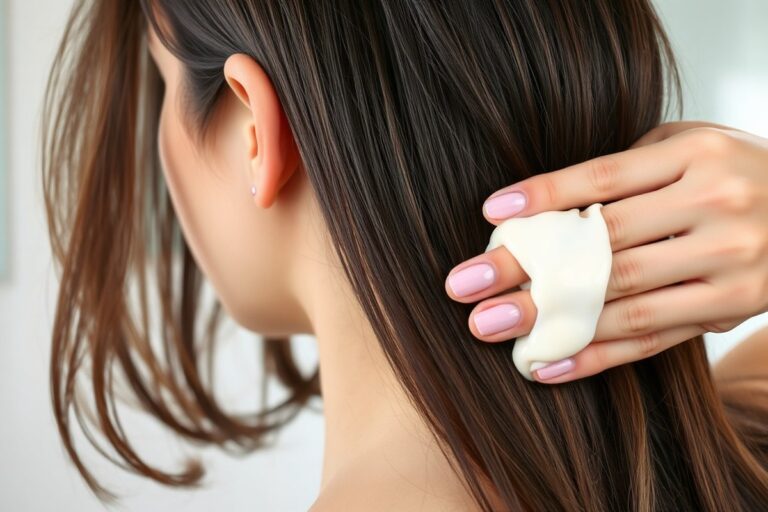
Apply clarifying shampoo gently to your scalp. Massage it slowly and carefully. Spread it through your hair down to the ends.
This process helps break up and wash away the layers of buildup. However, don’t overuse it because it can strip away natural oils and harm the hair’s health.
How Does Clarifying Shampoo Differ from Regular and Chelating Shampoos?

Clarifying shampoos have stronger cleansing agents than regular shampoos. They contain more surfactants designed to lift away heavy buildup, oils, and mineral residue. Regular shampoos clean daily dirt and oil from your hair.
They don’t remove deep buildup or hard water residue well. This leftover can make hair look dull over time.
Chelating shampoos go a step further by including special ingredients like EDTA or phytic acid. These chelating agents bind to minerals in hard water, making them easier to wash out. Chelating shampoos work well for people in hard water areas.
They help remove mineral buildup that regular shampoos miss. This keeps hair fresher and more manageable.
The key difference in ingredients lies in the strength and purpose. Clarifying shampoos usually have stronger detergents for deep cleansing.
Chelating shampoos combine those detergents with chelating agents targeting mineral deposits. Regular shampoos use gentler formulas suitable for everyday use.
| Type of Shampoo | Main Purpose | Key Ingredients | Cleansing Strength | Best Use Case |
|---|---|---|---|---|
| Regular Shampoo | Daily cleansing | Basic surfactants | Mild | Normal washing, light dirt removal |
| Clarifying Shampoo | Deep cleansing | Heavy surfactants | Strong | Removing buildup, oils, product residue |
| Chelating Shampoo | Mineral buildup removal | Heavy surfactants + chelating agents (e.g., EDTA) | Strongest | Hard water deposits, mineral residue |
Use a clarifying shampoo only when your hair feels weighed down or oily. Using it too often can dry your hair out. When your water has minerals that dull your hair, choose a chelating shampoo.
It removes mineral buildup better than regular shampoo. Your hair will look cleaner and softer.
Don’t treat clarifying shampoo like your daily shampoo; limit use to avoid dryness.
Who Should Use Clarifying Shampoo and How Often?
Clarifying shampoo suits people with oily scalp, heavy product buildup, or hard water issues. Use it less often if your hair is dry, curly, or color-treated to avoid dryness.
A good rule: oily hair benefits from weekly use. Dry or damaged hair needs it only monthly or less.
Hair Types and Recommended Frequency
Oily hair or fine hair can feel weighed down by excess oil and residue. Clearing these with clarifying shampoo once a week helps keep hair light and fresh. Dry, curly, or color-treated hair needs gentle care.
Use clarifying shampoo less often. Aim for once every 2 to 4 weeks.
Color-treated hair requires products labelled as color-safe to keep the color from fading. Curly hair may still benefit from clarifying shampoo as a detox.
But stick to monthly use. Regular use more than once a week can strip natural oils and cause brittleness.
Situations That Call for Clarifying Shampoo
Clarifying shampoo shines when you face stubborn buildup that regular shampoos miss. It handles product residue, excess oils, and minerals from hard water or chlorine. Swimmers may need clarifying shampoo more often to clear chlorine’s greenish tint from their hair.
- Use after using lots of hairspray, dry shampoo, or styling products
- Clear buildup from hard water minerals interfering with shine
- Remove chlorine residue for swimmers or pool-goers
- Refresh hair that feels dull, heavy, or greasy despite washing
- Restore volume to hair weighed down by residue
These factors make clarifying shampoo an effective deep cleanser that resets your hair’s feel and look.
Hair and Scalp Conditions to Avoid or Limit Use
Use caution if your scalp is sensitive or your hair is severely dry or damaged. Clarifying shampoos can worsen dryness and cause breakage if overused.
After coloring hair, wait at least a week. Check to see if your shampoo is color-safe.
Those with flaky scalp should consult a professional for the right clarifying product to avoid irritation. Use protein treatments and deep moisture for 2 to 3 weeks. Then try clarifying shampoo.
This helps protect damaged hair. Avoid daily use and stick to recommended timing to keep hair healthy.
Step-by-Step Guide: How to Use Clarifying Shampoo Properly
Use clarifying shampoo on wet hair to clean away buildup effectively. Wet your hair first, apply a small amount mainly on your scalp, and massage gently. Leave the shampoo on your hair for one to two minutes.
Rinse it out completely. Use a deep conditioner afterward to bring back moisture.
Prepping Hair and Scalp
Start with wetting your hair thoroughly using warm water. Avoid hot water to keep your scalp and hair from drying out. Spend one to two minutes under warm water in the shower.
The warmth helps open your hair cuticles. This allows for better cleaning.
Wet hair helps the shampoo to spread evenly and work well. This step removes loose dirt and prepares your scalp for the deep clean.
Shampoo Application and Timing
Use a small amount of clarifying shampoo, about a quarter-sized drop for medium hair. Focus on massaging the shampoo mainly on your scalp using fingertips. This is where buildup and oils gather the most.
Leave the shampoo on your scalp and hair for 1 to 2 minutes. This allows the surfactants to break down residues and styling product layers. Avoid leaving it longer to prevent dryness or frizz.
Rinsing and Deep Conditioning
Rinse your hair thoroughly with warm water to remove all shampoo residues. Make sure no product feels left behind as it can cause further buildup. After rinsing, use a rich leave-in or deep conditioner.
This is important for dry or color-treated hair. It helps protect and moisturize.
Deep conditioning after clarifying shampoo helps restore moisture. Apply conditioner mainly on the middle and ends of your hair. Let it sit for three to five minutes before rinsing.
This keeps hair soft. Then rinse with cool water to seal your hair cuticles and lock in hydration.
The steps for properly using clarifying shampoo include easy preparation, correct application, and post-wash care. Follow this step-by-step routine for balanced, clean hair:
- Wet your hair well using warm water, not hot, for about 1-2 minutes. This helps prepare your hair for shampoo without causing damage.
- Apply a small amount of clarifying shampoo to your scalp first.
- Massage gently with fingertips, avoiding harsh scrubbing.
- Spread the shampoo down the length of your hair.
- Leave the shampoo on for 1 to 2 minutes without overdoing it.
- Rinse completely with warm water until all shampoo is gone.
- Apply a deep conditioner or leave-in treatment from mid-lengths to ends.
- Leave conditioner on for 3 to 5 minutes, then rinse with cool water.
Benefits and Expected Results of Using Clarifying Shampoo
Clarifying shampoo removes buildup from oils, styling products, and hard water. This deep cleaning helps your scalp feel fresher and less irritated. It can remove dead skin cells from your scalp.
This may reduce flaking. It helps improve your scalp’s health overall.
After using clarifying shampoo, your hair feels lighter and less greasy. It often gains more shine because the residue that dims your hair is gone.
Your hair might feel a bit drier at first. So follow up with a good conditioner to restore moisture.
People with colored or highlighted hair should pick clarifying shampoos made for color-treated strands. These protect your tone while still taking away buildup that dulls color. Using the right shampoo refreshes your hair color.
It makes your hair look brighter. It won’t fade your color early.
Clarifying shampoo can boost manageability by removing the gunk that weighs hair down. This makes styling easier and curls springier if you have curly hair. For swimmers or those exposed to pollution, clarifying cleans deeply to eliminate chlorine and dirt residue.
Limit using clarifying shampoo to once weekly. This keeps your hair from drying out. You also protect your hair color.
Clarifying shampoos usually cost between $10 and $30. One bottle can last a few months. This makes them affordable long term.
You only need a small amount each use. Using too much clarifying shampoo dries your hair.
It strips away natural oils your scalp needs. This leaves your hair rough and dry.
Your hair should feel clean when using clarifying shampoo. It won’t feel stripped if you use it right. Your scalp also stays healthy.
Your hair might feel dry if you use it too often. You could also be skipping conditioner.
Straw-like hair means you need to cut back. The goal is fresh, shiny hair that moves easily with no greasy buildup weighing it down.
Common Mistakes When Using Clarifying Shampoo and How to Fix Them
Using clarifying shampoo the wrong way can dry out your hair or strip color. Overdoing it, skipping conditioner, or putting it directly on damaged strands causes problems. Fixing these common mistakes helps your hair stay healthy and clean.
Overusing Clarifying Shampoo
Use clarifying shampoo just once a week to protect your hair. Washing too often removes natural oils and dries out your hair. Using it too much can also cause color to fade faster on dyed hair.
Many people think frequent use clears buildup better. But it actually harms hair over time. Stick to weekly use or less to keep moisture balanced.
Skipping Deep Conditioning
Clarifying shampoo cleans deeply but leaves hair dry afterward. You need to add moisture back by applying a deep conditioner or leave-in mask. This step helps repair your hair and keeps it soft and shiny.
After washing with clarifying shampoo, spend 5 to 10 minutes on a deep treatment. Focus on mid-lengths and ends where damage happens most.
Wrong Application Techniques
Avoid using clarifying shampoo on dry or damaged hair. It works best when applied to a wet scalp and roots. This cleans oils and buildup effectively without stressing hair strands.
Push the shampoo gently into your scalp with fingertips. Let the suds rinse down hair instead of rubbing strands harshly.
Choosing Unsuitable Products
Not all clarifying shampoos fit every hair type or condition. Pick color-safe and gentle versions if your hair is fragile or dyed. Some formulas include repairing ingredients that help keep damage low.
Try these tips for better product choice:
- Check if the shampoo says “color-safe” or “non-stripping.”
- Look for formulas with nourishing ingredients like peptides.
- Avoid harsh sulfates if hair breaks easily or feels brittle.
- Test a patch to see how your hair reacts before full use.
- Consider shampoo brands designed for your hair type, like dry or damaged hair.
Using a product made for your hair condition leads to better results and less damage.
Using Clarifying Shampoo as a Daily Cleanser
Clarifying shampoo is not for daily use and shouldn’t replace your regular shampoo. It cleans too deeply for everyday wear and can dry out hair quickly. Use it only as an occasional reset for product buildup.
Daily shampooing with clarifying formulas often causes scalp irritation and frizz. Use gentle shampoos for daily washing.
Limit clarifying shampoos to once a week. Try them after using lots of styling products.
How to Choose the Right Clarifying Shampoo for Your Hair
Choose a clarifying shampoo based on your hair type and needs. For oily hair, pick one with stronger cleansing agents to remove extra oil. If your hair is color-treated, avoid harsh sulfates that can strip color and use gentler formulas instead.
Sensitive scalps call for shampoos with soothing ingredients like aloe or chamomile. Check the label for irritants such as parabens or synthetic fragrances, which can cause reactions. Natural clarifying shampoos without harsh chemicals can be a good choice here.
Price varies widely from about $7 to $30 per bottle. Higher-priced shampoos often add nourishing ingredients and eco-friendly packaging.
You don’t need to spend a lot. But reading reviews helps to find options that clean well without damage.
Sustainability matters if you want an eco-friendly option. Look for brands using biodegradable formulas and recyclable bottles. Some shampoos avoid harmful microbeads and use plant-derived surfactants instead of petrochemicals.
Below is a checklist to match your hair and scalp to the right clarifying shampoo. This table includes typical product features and advice on use frequency depending on hair needs.
| Hair or Scalp Type | Recommended Ingredients | Ingredients to Avoid | Use Frequency |
|---|---|---|---|
| Oily Hair | Stronger surfactants, tea tree oil | Heavy oils, silicones | Up to once per week |
| Color-Treated Hair | Sulfate-free surfactants, antioxidants | Sulfates, harsh detergents | Once every 2 to 4 weeks |
| Sensitive Scalp | Aloe, chamomile, gentle cleansers | Parabens, synthetic fragrance | Use sparingly, as needed |
| Eco-Friendly Choice | Biodegradable, plant-based surfactants | Microbeads, petrochemicals | Depends on hair type |
Using clarifying shampoo too often can dry out your hair and scalp. Stick to the recommended frequency for your type. Follow with conditioner to keep hair smooth and avoid damage.
Choose formulas that match your hair’s condition rather than the fanciest brand. Stick with weekly to monthly use depending on how much product buildup you have.
Some oilier scalps may tolerate weekly use. Drier hair needs less frequent washing with clarifiers.
Natural Alternatives and When to Consult a Professional
You can try natural alternatives to clarifying shampoo like apple cider vinegar rinses. Apple cider vinegar helps balance scalp pH and removes some buildup. Mix 1 part vinegar with 3 or 4 parts water.
Pour it over your hair after shampooing. Let it sit a few minutes, then rinse well.
Baking soda is another option but use it cautiously. It’s very alkaline and can dry out hair if used too often. Limit baking soda treatments to once a month maximum and always follow with a moisturizing conditioner.
- Mix 1 tablespoon apple cider vinegar with 3-4 tablespoons water for rinses
- Use baking soda only once a month, mixed with water to make a paste
- Rinse well after DIY treatments to avoid scalp dryness or irritation
- Avoid natural remedies if your scalp is irritated or sensitive
- Stop home treatments if you experience redness, itching, or burning
- Use clarifying shampoo every 4-5 washes unless scalp feels greasy fast
- Consult a professional if your scalp issues persist beyond home care
Apple cider vinegar rinses usually work fine but won’t clean as deeply as clarifying shampoo. Use shampoo if your hair remains greasy or heavy after rinsing.
Have skin conditions like psoriasis, eczema, or seborrheic dermatitis? Talk to a dermatologist before using clarifying products.
Stop using baking soda or vinegar treatments immediately if your scalp feels irritated or dry.
Signs you should get professional advice include persistent itching, flaking, or rash after using clarifying products. A dermatologist or trichologist can diagnose scalp conditions and suggest safe treatments. You might also need help if your scalp feels very dry or painful despite regular cleansing.
Your Step-by-Step Action Plan for Using Clarifying Shampoo
Follow this simple plan to clear product buildup safely. Watch for clean, fresh-feeling hair without dryness.
- Before you start: Check your hair type and product labels. Pick a clarifying shampoo for your needs.
- Day 1: Wet hair fully with warm water. Apply clarifying shampoo and massage gently. Rinse well and feel your hair’s cleanliness.
- After first use: Use a conditioner to restore moisture. Your hair should feel soft, not stripped.
- Week 1: Use clarifying shampoo once. Notice if your hair looks less dull and feels lighter.
- Week 2 to 4: Adjust frequency to every 1 or 2 weeks. Avoid using too often to stop dryness.
- After 1 month: Check for buildup return or dryness. If buildup returns quickly, consider more regular use.
- Ongoing care: Use a gentle shampoo between clarifying sessions. Keep hair hydrated with conditioner and treatments.
Frequently Asked Questions
Can Clarifying Shampoo Damage Your Hair?
Clarifying shampoo can dry out hair if used too often. Limit use to every 4-5 washes to avoid damage.
Does Clarifying Shampoo Remove Hair Color?
Some clarifying shampoos can fade color, especially harsh ones. Use color-safe formulas for dyed hair.
Can You Use Clarifying Shampoo on Curly Hair?
Yes, clarifying shampoo can help curls by removing buildup. Use it sparingly to keep curls hydrated.
Is Clarifying Shampoo Safe for Daily Use?
No, clarifying shampoo is meant for occasional use only. Using it daily can strip natural oils.
How Long Does Clarifying Shampoo Stay Effective After Washing?
Its effects last until your hair rebuilds buildup again. This varies with product use and water quality.
Can Clarifying Shampoo Help with Dandruff?
Clarifying shampoo can remove scalp buildup that worsens dandruff. It’s not a dandruff treatment by itself.
Before You Go
Clarifying shampoo removes buildup and refreshes your hair effectively. Use it carefully to avoid dryness. Start with one session and feel the difference today.