Does Toner Damage Hair? What You Need to Know to Protect Your Hair
Does toner damage hair? It can, but only if you overdo it or don’t care for your hair well.
Toner itself doesn’t damage hair much since it mostly sits on the surface. You get damage when you leave it on too long or tone too often.
Follow the instructions to protect your hair from damage. Never leave toner on for more than 20 minutes. This helps keep your hair healthy.
Also, wait at least 4 to 8 weeks between toning sessions to avoid dryness and brittleness. Using a deep conditioner after toning helps restore moisture too.
Choosing the right toner type and timing saves your hair from harm. Be careful with strong developers such as 20 volume.
They can make hair brittle, especially if it’s already processed. Always choose a gentler option if your hair needs it.
Key Takeaways
- Wait 4 to 8 weeks between toner applications to avoid over-processing your hair.
- Never leave toner on your hair longer than 20 minutes to prevent drying.
- Use gentle, demi-permanent toners rather than strong permanent colors for less damage.
- Apply a deep conditioning treatment after toning to maintain hair moisture.
- Avoid 20 volume developer if your hair feels brittle or already damaged.
- Follow the toner instructions exactly to minimize damage risk.
Does Toner Damage Hair or Not?

Hair toner itself does not directly damage hair when you use it correctly. It changes your hair’s tone and removes brassiness. It does not lighten hair strands or cause stress.
This helps keep your hair healthier. Problems occur if toner stays on too long.
Using it too often also harms hair. This can dry out and make hair brittle.
Hair that is already processed or weakened is more vulnerable to toner-related dryness and damage. For example, hair that’s been bleached recently may not tolerate toner well. Applying toner too often can cause damage.
This is especially true for colored hair. In such cases, toner can make the cuticles rougher, causing more breakage and dullness.
To avoid damage, follow the instructions on toner timing. Usually, leave toner in for 10 to 20 minutes. Do not go over this time.
Don’t tone your hair more than every few weeks. Also, many toners are demi-permanent and less harsh, helping protect the hair while improving your color.
Some toners actually strengthen the hair by sealing cuticles after coloring, reducing damage. These products include acidic demi-permanent toners designed to close the hair shaft gently. They help maintain hair health while refining the tone.
Scalp irritation can happen if toner stays too long. Applying toner too frequently can also cause irritation. Be careful with how you use it.
This might lead to hair fall in extreme cases. Pay attention to any discomfort during or after toning and rinse your hair thoroughly.
Dryness and brittleness from toner use come from overexposure rather than toner itself. Using a deep conditioner or a protective leave-in treatment after toning helps restore moisture. Products like lightweight thermal mists or repair leave-ins keep your hair smooth and shiny after coloring.
Some hair types are naturally more sensitive. Fine, thin, or fragile hair can be affected more by toner chemicals. People with strong, healthy hair tolerate toner better.
This is true when it’s done in moderation. Careful use is still very important.
How Hair Toner Works and Its Role in Hair Color
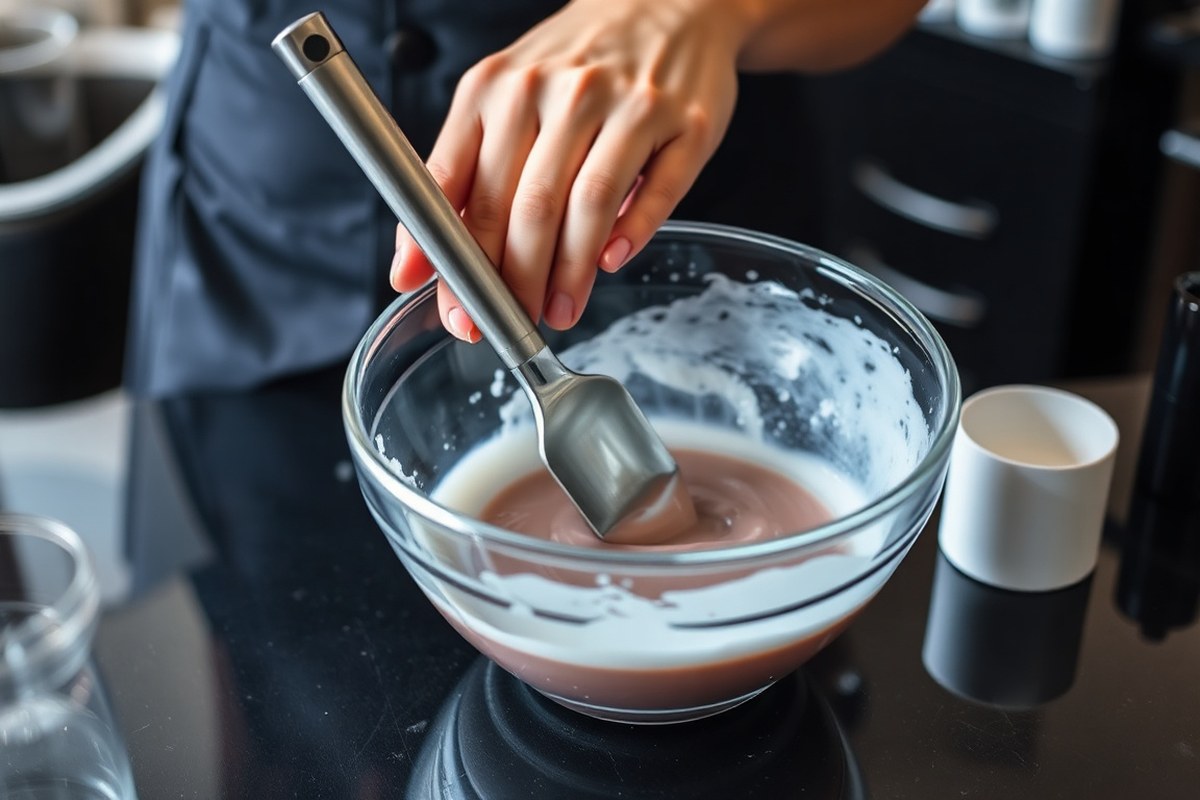
Hair toner is a product used after bleaching to fix unwanted tones. It removes yellow, orange, or brassy colors in your hair. Toners change hair color but do not lighten it much.
Toners chemically deposit color on the hair surface, rather than inside the hair shaft. Most toners are semi-permanent or demi-permanent, meaning they add tone but don’t lighten hair much.
Demi-permanent toners sometimes use a low-volume developer for a subtle lightening effect. But this lift is mild.
Applying toner involves spreading it evenly on dry or damp hair once it’s lightened. The processing time is usually between 10 and 30 minutes. It depends on the instructions and what results you want.
Follow the product directions for best timing. Leaving toner on longer than recommended can dry out hair or change your color too much.
Good results show neutralized brassy tones and a glossy finish without dryness. Toners don’t lighten hair like bleach or permanent dye but improve the overall shade after lightening. They keep hair looking fresh by refreshing faded color and adding shine.
Semi-permanent toners add color only and do not lighten hair. Demi-permanent toners use a developer to slightly lift your hair color. Both types help adjust your hair tone.
A demi-permanent glaze deposits tone but does not lighten hair. Pick a toner based on your needs for tone or brassiness.
Some help just refresh color, others reduce brassiness well. Lightening slightly requires a different toner choice.
Don’t leave toner on your hair longer than the product’s recommended time. It can cause dry, brittle hair and shift your color too far.
Types of Hair Toners and Their Potential for Damage
Hair toners come in three main types: semi-permanent, demi-permanent, and permanent. Their damage risk varies mainly by how deeply they penetrate hair and the developer strength used. Understanding these differences helps you choose a toner that fits your hair’s health and color goals.
Semi-Permanent Toner and Damage Risk
Semi-permanent toners coat the hair surface without penetrating deeply. This means they cause minimal damage since they don’t use developers that open the cuticle.
These toners usually last for just a few washes. So they are gentler for regular use.
You can use semi-permanent toners every 4 to 8 weeks. This keeps color vibrant without stressing your hair. It helps maintain your hair’s health over time.
They are ideal for gently adjusting tone without lifting or altering the hair’s natural pigment. Since no developer volume is involved, the risk of damage is very low.
Demi-Permanent Toner with Low-Volume Developer
Demi-permanent toners slightly penetrate the hair shaft using a low-volume developer, typically 9 or 10 volumes. These toners last longer than semi-permanent ones because they deposit color inside the hair. A 10 volume developer deposits color without lifting, which means less damage potential.
Choosing a high-quality toner and using just a 10 volume developer can help maintain hair health. Avoid using developers over 10 volume for demi-permanent toning. Higher volumes open the cuticle too much.
This raises the risk of hair damage. You might want a professional’s advice for best results if you are new to this.
Permanent Toner and Higher Developer Levels
Permanent toners mix with stronger developers, usually a 20 volume one, and often contain ammonia. Higher developers open the hair cuticle more. This lets toner change hair color more strongly.
It also makes the color last longer. However, they can be harsher, especially on already damaged hair.
You should be cautious with permanent toners if your hair is fragile or over-processed. Professionals recommend using permanent toners only after assessing your hair’s condition. Cheap drugstore toners with 20 volume developer can harm hair.
They may leave hair brittle and weak. This raises the chance of damage.
The table below summarizes the key differences and damage risks of various toner types.
| Toner Type | Developer Volume | Penetration | Damage Risk | Longevity |
|---|---|---|---|---|
| Semi-permanent | None | Surface coat only | Very low | Few washes (up to 4, 8 weeks) |
| Demi-permanent | 9-10 volumes | Light shaft penetration | Low | 4, 8 weeks |
| Permanent | 20 volumes | Deep shaft penetration | Higher, especially on damaged hair | Long-lasting |
Using a developer 10 volume or less helps limit damage. It avoids opening the hair cuticle too much. This protects the hair’s strength.
Using 20 volume developer causes stronger toning effects. It also increases the chance your hair breaks.
Be careful with higher developer volumes. Choosing toners from trusted brands also keeps your hair safer.
How Often Can You Safely Tone Hair?
Most stylists recommend waiting four to eight weeks before applying toner again. This break helps your hair recover moisture and avoid damage. Using toner too often can lead to dryness, breakage, and scalp problems.
Toner’s fade speed depends on how often you wash your hair and the products you use. That’s why toner usually lasts 2 to 6 weeks.
You will know it’s time to retone when your hair looks dull or shows unwanted colors. But be careful not to push it too early.
You should hold off on toning if your hair feels dry, brittle, or shows breakage. Hair that looks like this needs extra care with deep conditioners or oils. Retoning before hair recovers will usually make damage worse, including hair fall from scalp irritation.
| Aspect | Recommended Timeline |
|---|---|
| Time between toning sessions | 4 to 8 weeks |
| How long toner lasts on hair | 2 to 6 weeks |
| When to retone | When dullness or unwanted tones appear |
| When to wait | Treat dry or damaged hair with conditioner before using toner to avoid extra harm. |
| Variation factors | Hair type, washing frequency, hair care routine |
Your hair type and how you care for your hair change this timeline a bit. More frequent washing makes toner fade faster.
So you might need toning closer to every 4 weeks. Thicker or healthier hair can hold tone longer, pushing it toward 8 weeks.
Choose a toner made for your hair type. Cheap or wrong toners dry hair more and may lead to breakage or hair loss.
Following toner instructions exactly helps too. Never exceed the recommended processing time to avoid scalp irritation and damage.
Common Mistakes That Cause Hair Damage During Toning
Using toner improperly can dry out your hair and cause breakage. One common mistake is leaving toner on too long. The typical toner application time ranges from 5 to 20 minutes depending on the product instructions.
Going over this recommended time can strip natural oils and make hair brittle. Also, applying toner unevenly leads to patchy color and uneven fading. It’s best to section your hair and apply toner carefully from roots to ends.
- Follow the exact processing time on the toner package, no longer
- Use a wide-tooth comb to spread toner evenly through your hair
- Choose high-quality toners to reduce harsh chemicals that dry hair
- Limit toning sessions to every 4 to 6 weeks to avoid dryness
- Avoid toning hair with extreme damage or breakage already present
- Rinse toner out thoroughly with cool water to lock in moisture
- Reduce heat styling immediately after toning to protect hair health
Overusing toner can cause your hair to feel dry and look dull. Toners don’t add moisture, so repeated applications without care dry hair faster. If you tone too often or leave it on too long, you risk both damage and uneven color.
Even small timing errors make a difference. Follow product directions strictly and check coloring results often while toning. This keeps your hair vibrant and avoids damage caused by over-processing.
Read and follow the toner instructions exactly, especially how long to leave it on.
How to Care for and Protect Hair After Toning
Keeping your hair healthy after toning takes some care. Using the right products helps your color last longer. Cutting back on heat keeps your hair strong.
Proper conditioning also protects your hair from damage. Follow simple steps to protect your hair and keep it looking fresh.
Use Color-Safe Shampoos and Conditioners
Choose shampoos and conditioners made for color-treated hair. They help keep your toner from fading fast. These products clean gently and lock in moisture.
Look for labels that say “color-safe” or “for treated hair.” Avoid shampoos with harsh sulfates because they strip color and dry your hair. Use cool or lukewarm water when washing to keep the color intact.
Limit Heat Styling and Use Protection
Heat styling can weaken your hair, especially right after toning. Your hair cutsicles are more delicate then.
So high heat raises the chance of damage. Cut back on curling irons, straighteners, and blow dryers where you can.
Always use a heat protectant spray before styling with heat. Use the lowest heat setting that works. Keeping heat below 350°F (177°C) helps prevent drying and breakage.
Deep Conditioning and Moisturizing Tips
Deep condition your hair once or twice a week after toning. This helps lock in moisture and rebuild strength. Use treatments made for color-treated hair to keep strands soft and shiny.
Regular conditioners are good for daily use. But deep treatments provide intense hydration that simple conditioners can’t.
Applying them on damp hair helps the products absorb better. You can also leave a leave-in conditioner on for added moisture.
Here are care steps to keep your toned hair healthy:
- Wash with sulfate-free, color-safe shampoo twice a week
- Apply conditioner every wash focusing on your hair ends
- Use deep conditioning mask once or twice weekly
- Apply heat protectant spray before any heat styling
- Set styling tools to 350°F or lower
- Limit heat styling to a few times a week max
- Avoid washing hair daily to preserve natural oils and color
Following these simple steps keeps your hair looking fresh and feeling strong months after toning. Damage is less likely when you treat your hair gently and boost moisture often.
When to Choose Professional Toner Application Versus DIY
Professional toning is safer if your hair is fragile, damaged, or very lightened. Salon experts know how to pick the right toner and apply it for your hair type. They can adjust timing and formulas to prevent over-processing and reduce damage risks.
DIY toning fits best if your hair is healthy and you want a quick color refresh. Using a toner made for home use usually means less harsh chemicals and easier application. Stick to the product’s instructions carefully, especially timing, to avoid unexpected results or damage.
Choose professional help if you experience scalp irritation or hair fall after toning. A stylist can spot underlying issues and suggest safer alternatives. If you want a big color change, go to a salon.
They protect your hair better than home treatments. This keeps your hair healthy and strong.
Start by checking your hair condition honestly. Healthy hair can handle a mild DIY toner once a month. Dry, brittle, or chemically treated hair needs salon care to avoid breakage and worsen damage.
Make your decision based on how much color lifting or correction you require. A small tone adjustment after bleaching might be safe at home. However, complex color correction or brighteners need a pro’s skill and products.
Cost matters too. DIY toner kits usually cost $10 to $30.
A salon visit ranges from $40 to over $100 depending on your location and hair length. Paying more means expert service, quality product, and less damage risk.
Use conditioner and hydrating treatments after toning to keep hair strong. Professionals add treatments during coloring. These help protect dry hair.
That’s another reason to trust their work. Keep an eye on your scalp and hair health after any toning session.
Signs Toner Has Damaged Your Hair and How to Repair It
You can tell toner damaged your hair by dryness, brittleness, and dullness. Hair breakage or rough texture after toning also signals damage. Toner does not cause hair loss directly, but scalp irritation might lead to shedding.
Dryness and Brittleness
Toner formulas often contain chemicals that dry out hair if used too long. Over-processing with toner leaves strands rough and easy to break. Hair feels straw-like or brittle if toner strips natural oils.
Repair begins by cutting back on washing and skipping harsh shampoos. Use deep conditioners or hair masks weekly to restore moisture. Oils like argan or coconut help seal hydration and improve softness.
- Limit shampooing to 2, 3 times per week with a gentle shampoo
- Apply a deep conditioning mask once a week
- Use leave-in conditioners or hair oils daily
- Avoid heat styling tools for a few weeks
- Trim off split ends to prevent further breakage
Leaving toner on longer than 20 minutes can cause serious dryness and damage.
Consistent moisture rebuilds hair’s strength over 2 to 4 weeks. Avoid coloring or toning again until hair feels healthy.
Color Fading and Dullness
Toner can strip color if left on too long or used improperly. Hair may lose shine and brightness after toning mistake. Dull-looking hair often means the cuticle is damaged or raised.
Use color-safe, sulfate-free shampoos to protect tone and shine. Cold water rinses help close the cuticle and maintain gloss. Adding a toner-friendly purple shampoo slows unwanted brassiness and fading.
- Choose shampoos labeled “color safe” or “sulfate-free”
- Wash hair in lukewarm or cold water
- Use a purple shampoo once or twice a week
- Avoid over-washing to keep color longer
- Apply hair serums with shine enhancers
After corrective care, hair regains color depth in about 3 to 5 washes. Skip frequent heat or sun exposure to avoid dulling.
Scalp Irritation and Hair Loss Signs
Toner itself won’t cause hair loss, but scalp irritation can lead to shedding. Burning, itching, or redness after toning means an allergic reaction or over-processing. Persistent irritation may weaken hair follicles over time.
Rinse scalp thoroughly after toning and use a gentle, soothing shampoo. Applying aloe vera or calendula oil calms irritation. If irritation lasts more than a few days, see a dermatologist before the next toning.
- Rinse hair and scalp with cool water immediately after toning
- Use gentle, fragrance-free shampoos and conditioners
- Apply scalp-soothing treatments like aloe vera gel
- Avoid harsh chemical treatments until scalp heals
- Consult a professional if irritation persists
Never ignore scalp burning after toning, it could worsen with repeated treatments.
Step-by-Step Action Plan for Safe Hair Toning
Follow these steps to tone your hair without causing damage or drying out your strands.
- Before you start: Choose a toner suited for your hair type and color. Check for a product with mild ammonia or no ammonia to reduce damage.
- Day 1: Do a patch test 48 hours before toning. Apply toner on a small hair section to watch for irritation or breakage.
- Day 2: Apply toner to clean, damp hair. Follow the product’s timing instructions exactly and rinse thoroughly to stop the process.
- Week 1: Use a deep conditioning mask twice this week. This keeps hair hydrated and repairs any mild damage from toning.
- Every 3 to 4 weeks: Repeat toning only if needed. More frequent toning raises the risk of dryness and damage.
- Between toning sessions: Use sulfate-free shampoo and conditioner. These products help maintain color without stripping moisture.
- Whenever you notice dryness: Add leave-in conditioner or hair oil to restore softness and shine.
- After 6 weeks: Schedule a trim to cut off any damaged ends and keep hair healthy.
Frequently Asked Questions
Can Toner Cause Scalp Irritation?
Yes, toner can irritate the scalp, especially if it contacts skin. Use a protective layer like petroleum jelly and rinse promptly if irritation starts.
Does Hair Porosity Affect Toner Results?
Yes, porous hair absorbs toner unevenly, causing patchy color. Testing a small strand first helps check how your hair will take the toner.
Can Using the Wrong Toner Shade Harm Hair?
Using the wrong shade won’t damage hair but may cause unwanted color. Choose tones that suit your base color to avoid harsh results.
How Long Should Toner Stay on Hair?
Toner usually stays on for 5 to 20 minutes. Leaving it too long can dry out hair and dull the color.
Will Frequent Toning Make Hair Brittle?
Frequent toning can dry hair but not always make it brittle. Moisturize well to protect hair between toning sessions.
Is It Safe to Tone over Already Damaged Hair?
Toning damaged hair can worsen the problem since it adds more chemicals. Strengthen hair first before applying toner again.
Key Points to Remember
Toner can slightly damage hair if misused but staying gentle helps prevent most issues. Always pick the right toner and follow care steps. Next time you tone, watch for signs of dryness and act quickly with conditioner.