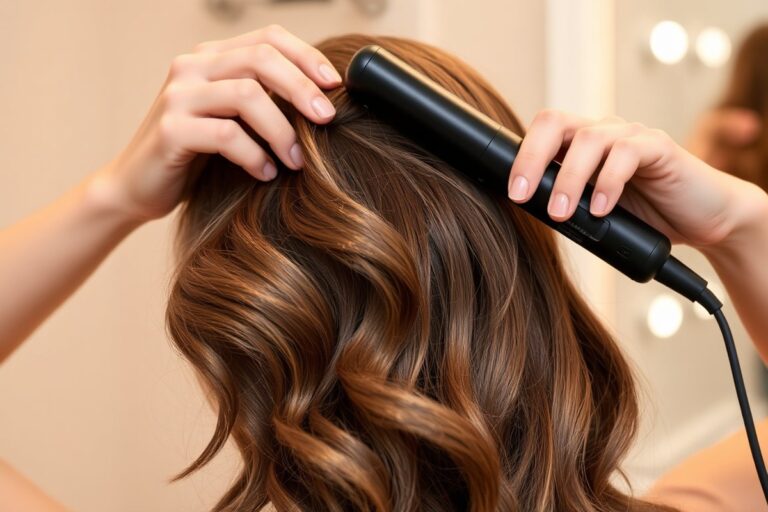
What Is a Pompadour Hairstyle? A Complete Guide with Styling Tips
The pompadour hairstyle features longer hair on top for volume. Usually, the top needs 4 to 6 inches of length to style. Sides are tapered or brushed back to show off the height.
This hairstyle makes you look sharper and can boost your confidence noticeably. Blow-dry your hair while lifting it at the roots. This helps create the classic shine and hold.
A good blow-dry sets the style in place for longer. The structure relies on good hair length upfront and neat sides.
Start by growing your hair out to the right length before trying to style it. Flat hair ruins the pompadour’s shape, so avoid limp strands.
Your hair needs proper volume to look right. Focus on lifting the roots to get fullness.
Key Takeaways
- Pompadours need 4 to 6 inches of top hair for volume and style.
- Keep sides long enough to comb back for a clean silhouette.
- Blow-drying while lifting hair at the roots creates signature height.
- A good pompadour improves your look and boosts confidence.
- Grow your hair before attempting the style to avoid flatness.
- Use styling products that add hold without weighing hair down.
What Is a Pompadour Hairstyle and Its Key Features
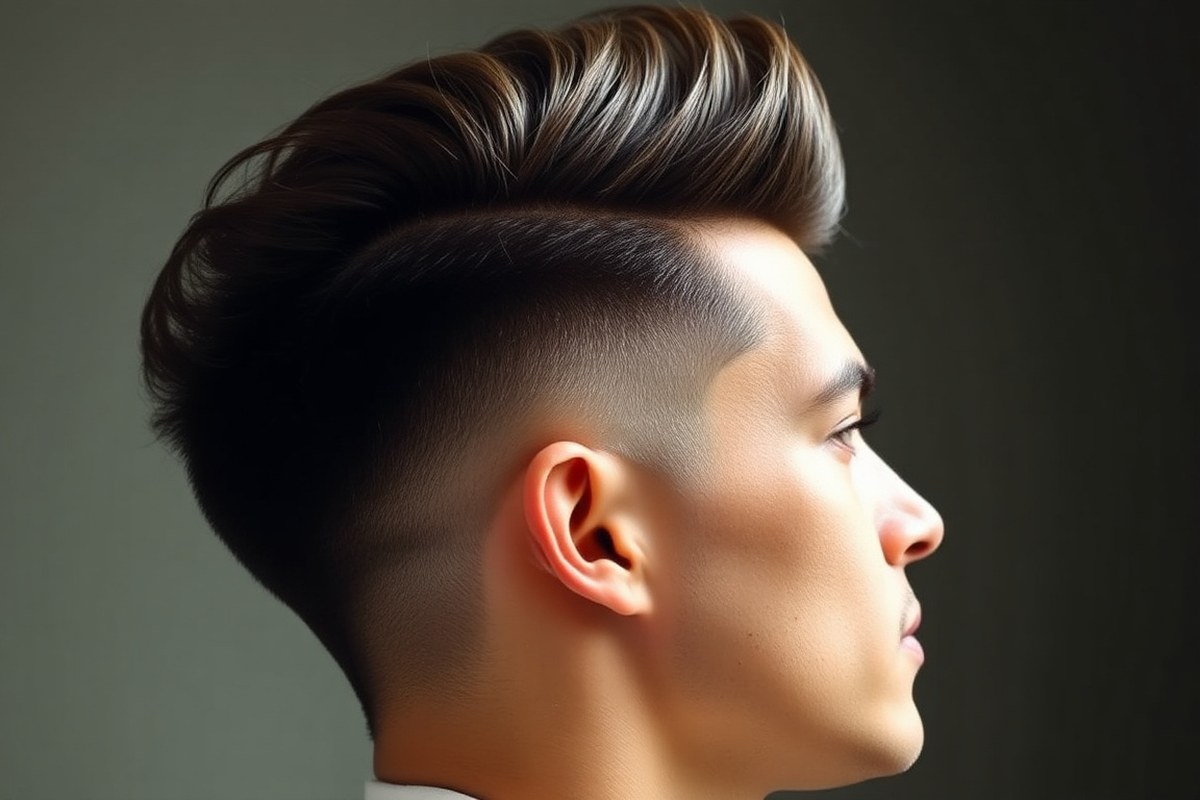
A pompadour hairstyle features high volume at the front that slopes smoothly back. The hair on top is usually 3 to 4 inches long or more. This length allows it to be blow-dried upward, creating a bold, rounded shape that stands out.
The sides and back are kept shorter. But long enough to comb back and blend with the top.
Traditionally, the sides taper gradually. This gives the style a clean, polished look while emphasizing the lifted front.
What sets the pompadour apart is the way hair is combed up and under itself. This method builds volume and a sleek curve from forehead to crown. Hair gel or pomade stiffens hair and keeps it in place.
They add shine too. This gives a polished, neat look.
The pompadour differs from similar looks like the quiff in its sleekness and height. Quiffs are more casual with loose, playful lifts.
Pompadours are tidier and more structured. That classic smooth slope is the easiest way to spot a true pompadour.
Because of its bold, improve front, the pompadour demands a bit more effort to style. Blow-drying and careful combing typically take five to ten minutes.
Using the right strong-hold product is key. Without it, the volume can fall flat or lose shape quickly.
Trying this hairstyle for the first time benefits from a skilled barber’s help. Barbers cut the top and sides to suit your hair type. They also shape it to fit your face.
This makes your style look balanced. This ensures the pompadour looks balanced and feels manageable for daily styling.
The History and Evolution of the Pompadour Hairstyle
The pompadour hairstyle traces back to 18th century France. Madame de Pompadour was King Louis XV’s mistress. She wore wigs with high volume hair in front.
These tall styles framed her face with curled ringlets. They set the basic shape of the pompadour.
The pompadour grew as a symbol of elegance for women. This happened in the 19th and early 20th centuries. In the 1950s, men adapted the style with shorter sides and emphasized volume on top.
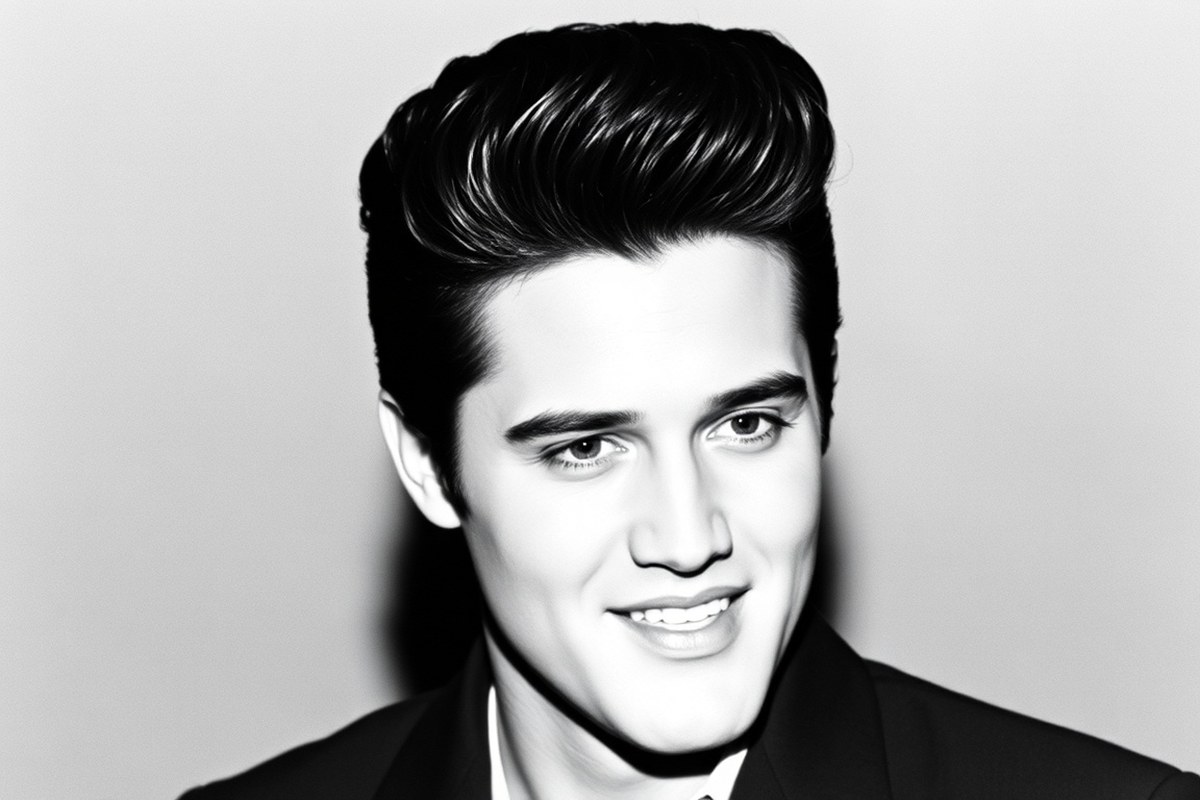
Icons like Elvis Presley made the mens’ pompadour popular. It mixed sleek backcombing with undercuts for sharpness.
Later 20th-century celebrities, including Madonna and David Bowie, added their own twists. They brought the pompadour into pop culture with bold colors and textures.
Modern barbers use fading and tapering to update it. This keeps the pompadour fresh for men of all ages.
Here’s a brief timeline: Madame de Pompadour first wore the look in the 1700s. The early 1900s saw women’s revival of the style. By the 1950s, men’s versions became mainstream thanks to Hollywood and music stars.
From the ’80s onward, pop icons put creative spins on it, leading to today’s diverse variations. These range from clean and classic to messy and textured.
Using too much product can weigh down the pompadour, killing its volume and shape.
The pompadour’s lasting appeal comes from its mix of volume and sleekness. You can adjust the height and texture to suit your hair and face. The style started as a royal look and turned rebellious.
Now it still stands for bold grooming choices. This flexibility keeps it popular among men and women alike.
Step-by-Step Guide: How to Style a Pompadour Hairstyle
Styling a pompadour requires good preparation, creating volume, and locking your shape in place. Start with clean, damp hair and use a blow dryer for height. Finish by applying pomade and hairspray to hold your look all day.
Washing and Conditioning for Volume
Begin with a volumizing shampoo and conditioner to add body to your hair. Avoid heavy conditioners that can weigh your hair down and make it look flat. Use cool water to rinse, which helps seal the hair cuticles and promotes shine.
Let your hair air-dry until damp or towel-dry gently. Hair that’s too wet can dilute styling products. Too dry hair won’t hold the style well.
Blow-Drying and Creating Height
Blow-dry your hair immediately after washing to shape the pompadour’s volume. Use a round brush to lift hair from the roots and direct it upwards and back.
You may struggle to keep height at the front. Place your hand in the middle of your scalp.
Gently push hair forward before sweeping it up. Also, use your blow dryer’s cold setting to lock in the volume.
Applying Pomade and Setting with Hairspray
Select a strong-hold pomade or molding paste to sculpt the style. Rub a small amount between your palms and evenly distribute it through the top hair.
Once shaped, spray a light layer of hairspray to keep everything in place. For thick or curly hair, apply pomade in sections.
Use a straightener before styling. This helps achieve a smooth finish.
Combing Techniques for Different Finishes
Use a wide-tooth comb for a textured, messy pompadour. Choose a fine-tooth comb for a sleek look.
Both tools change the style’s finish. Comb back and up to maintain the volume characteristic of this style.
The top hair should measure about 4 to 6 inches long. This length helps get the right height.
It also shapes the pompadour well. Avoid heavy combing after styling to prevent flattening.
Follow these steps to style your pompadour:
- Wash hair with volumizing shampoo and condition lightly.
- Towel dry hair until damp, not dripping.
- Use a round brush and blow dryer to lift hair upward and back.
- Put your hand on the scalp’s middle area. Push hair forward gently. Then sweep it up to add more height.
- Apply a small amount of pomade evenly through hair.
- Comb hair back and upward, using fine or wide-tooth comb depending on finish desired.
- Set style with a light mist of hairspray for hold.
Choosing the Right Pompadour Style for Your Hair Type
Pompadour styles generally suit straight, wavy, or thick hair best. Straight hair lets you shape a clean, sleek pompadour with smooth, defined lines. Thick or wavy hair shows natural volume and texture well.
It creates a tousled or matte look. This style still looks neat and sharp.
Curly or fine hair can wear a pompadour. But you will need to tweak your approach. Curly hair shines with a textured pompadour style.
Use a light styling cream to keep shape. It controls curls without making hair flat. Fine hair requires volume boosters and strong hold products to keep the style from falling flat.
The key is choosing the right pompadour type for your hair texture. A classic pompadour fits straight and silky hair. A textured or messy pompadour suits curly or wavy types.
Fine hair works best with a shorter pompadour. Lift is key here to add volume. Avoid heavy products; they can weigh hair down.
To make it easier, here is a quick comparison of pompadour styles by hair texture type:
| Hair Type | Best Pompadour Style | Key Styling Tips | Product Choice |
|---|---|---|---|
| Straight | Classic smooth and sculpted | Use a fine-tooth comb for precision | High shine pomade or gel |
| Wavy | Textured with natural movement | Blow dry gently, define waves with cream | Light styling cream or matte clay |
| Curly | Tousled, soft textured pompadour | Improve curls, avoid flattening | Light cream or curl-defining product |
| Thick | Voluminous and matte finish | Use strong hold, add texture | Matte paste or clay |
| Fine | Shorter with volume at roots | Blow dry with lift, avoid heavy products | Volumizing mousse or light pomade |
Good pompadour results mean the hair holds its shape without feeling stiff or weighed down. For curly and wavy hair, keeping texture visible gives a relaxed but stylish finish. Straight hair needs more precision and shine to create that iconic look.
A common issue is using the wrong product. Heavy waxes or clays can flatten fine hair.
Straight hair styled with matte clays can look messy rather than sleek. Adjust your products and maintenance based on your hair’s natural feel and hold.
Pompadour Hairstyles That Suit Different Face Shapes
Pompadour hairstyles work best with oval, square, and round faces. Adjusting the height and length of the pompadour complements different facial structures. The right style can improve your natural features or create balance where needed.
Pompadour for Round Faces
Pompadours with extra height suit round faces by adding length. This makes the face look thinner and less circular.
A high fade on the sides paired with a voluminous top works well. Keep the length on top longer, around 3 to 4 inches, to avoid emphasizing roundness.
Avoid keeping your pompadour too flat, which can make your face look wider.
Pompadour for Square and Angular Faces
Square and angular faces suit pompadours with moderate height and clean sharp edges. A pompadour with some length helps soften the strong jawline.
Try keeping the sides short with a fade or taper that blends into the longer top. This balances width without making the face look boxy.
- Use pompadours with slightly rounded edges for a softer look
- Keep the top length medium, about 2 to 3 inches, for proportion
- Side fades or undercuts reduce bulk on the sides
- Beard combination can create more definition
- Matte styling products add texture and reduce shine
The goal is to soften angles and maintain length without excessive volume.
Pompadour for Oval and Long Faces
Oval faces can carry almost any pompadour style thanks to balanced proportions. A shorter pompadour keeps the look neat without elongating the face too much.
For long faces, avoid very tall pompadours. Instead, focus on volume width rather than height.
Too much height on top can make long faces look even longer.
Try a pompadour with some side volume or textured waves to add horizontal balance. Keep the length on top around 1.5 to 2.5 inches for best results.
Pompadour for Heart-Shaped Faces
Heart-shaped faces need pompadours that add volume to the lower part of the face. Avoid excessive top height that emphasizes a narrow chin.
Style with layered sides or a fade that keeps some length around the ears. This gives more balance between the upper head and jawline.
- Medium-length pompadour with softer edges
- Side-swept or textured styling adds fullness
- Avoid extreme fades that cut too high on the sides
- Pair with light facial hair to balance the chin
Adding horizontal width near the jaw can reduce the pointed look of heart shaped faces.
Popular Pompadour Variations and Modern Trends
Pompadour hairstyles come in several popular types. The classic pompadour features medium sides with a neat, slick top. Modern pompadours often have undercuts, fades, or tapers on the sides.
These styles create sharp contrasts. They also add a personal touch to your look.
The Pompadour Undercut combines a skin fade with a tall, brushed-back top. This style delivers a bold look that fits casual and formal occasions. Adding texture to the top changes the pompadour’s style.
Letting the hair separate slightly creates a messy look. This gives you options for different events.
Choosing between a fade, taper, or undercut depends on how sharp you want the sides. These changes also affect maintenance. Skin fades usually need a barber visit every two to four weeks.
This keeps the style clean and fresh. Regular trims prevent the hair from looking rough.
| Pompadour Style | Side Length | Top Style | Event Suitability |
|---|---|---|---|
| Classic Pompadour | Medium sides, often with a high or medium fade | Neat, slicked back with medium hold pomade | Formal and professional |
| Pompadour Undercut | Skin fade, short to the scalp | Tall, disconnected, brushed back for boldness | Casual to semi-formal |
| Modern Textured Pompadour | Short sides with taper or fade | Separated sections, more volume and texture | Casual and creative settings |
Classic pompadours call for medium hold pomade to keep shine and control. Modern twists let parts separate and add volume. This variation fits well with a lighter, matte product for a natural finish.
Trying the modern pompadour means balancing height with texture. Styling your pompadour takes about 5 to 10 minutes. You may need a blow dryer to add volume.
This routine helps lift the hair properly. Using too much product can weigh hair down or make it greasy.
Ignoring your hair type can ruin the pompadour’s height. Aim for just enough product to hold the style well.
Maintenance and Upkeep: How Often to Cut and Style
To keep your pompadour sharp, visit your barber every 2 to 4 weeks. Regular trims keep the sides and back from getting bushy. They also maintain the top length.
This helps your pompadour keep good volume. A short pompadour makes daily styling quicker and easier, fitting busy schedules better.
Daily styling takes 5 to 15 minutes. It depends on your hair type. Larger pompadours may take slightly more time.
Use a styling wax to shape and hold the volume, working it from the roots upward. Starting with clean, towel-dried hair helps products work better and prevents clumps.
Keeping volume can be tricky as hair tends to fall flat as the day goes on. Avoid touching your hair too much once styled, since oils and pressure weigh it down. Use a blow dryer on low heat to set the height.
This locks the style early in the day. It helps keep your pompadour looking sharp.
- Wash hair every 2-3 days to avoid losing natural oils but keep styling effective
- Apply a small amount of styling wax, about a dime size, to towel-dried hair
- Use a comb or fingers to sweep hair back or to the side while blow-drying
- Blow dry on low heat to finish shaping and add volume without drying out hair
- Keep your pompadour trimmed every 2-4 weeks for lasting shape and balance
- Resist running hands through your hair to maintain volume throughout the day
Learning from videos and common styling mistakes helps adjust your technique. Your barber also adjusts cuts to suit your hair type and growth, improving upkeep. The pompadour takes patience to style well.
It rewards you with a clean look. This stylish look lasts all day long.
How to Communicate Your Pompadour Style to a Barber
Explaining Desired Length and Volume
Tell your barber how long you want the top to stay. You can say, “Keep about 3 to 4 inches on top for good volume.” This helps keep the classic pompadour look with enough room to style up.
Mention how much volume you want. You might add, “I’d like it full and rounded, nothing too flat.” Barbers know pompadours need height and body to look right.
Requesting Fade or Undercut Options
Be clear about your sides if you want a fade. You could say, “Give me a low fade that blends smoothly into the top.” This makes the sides neat and contrasts well with the top volume.
You want an undercut? Say, “Cut sides short, leave sharp line top.””
It keeps the idea of a pompadour but adds an edgy style. Avoid vague words like “short sides” to prevent surprises.
Confirming Final Shape and Maintenance Tips
Before your barber finishes, ask to see the shape. Say, “Show me the pompadour from the front.” Then add, “Can you also show it from the sides?””
This catches issues early. It’s easier to fix shape problems in the chair.
Ask how often you should trim to keep the style. You might say, “How often should I get a cut to maintain this pompadour?” Most need a cut every 3 to 5 weeks for sharpness and volume.
Be specific about the length and fade; vague requests waste time and cause dissatisfaction.
Step-by-Step Action Plan to Rock Your Pompadour
Follow these steps to style and maintain your pompadour confidently. Check your progress at every phase to keep it sharp.
- Day 1: Get a fresh cut with clean lines at the sides and length on top. Make sure your barber understands you want volume on top for styling.
- Day 2: Wash and towel-dry your hair until it’s damp. Apply a strong-hold pomade or wax to your hair’s roots and length.
- Day 3: Use a round brush and a blow dryer on medium heat. Lift the front section upward and backward to build height and shape.
- Week 1: Practice combing your hair back into the pompadour shape every morning. Your style should hold all day without losing height.
- Week 2: Experiment with hair products if your current one feels too greasy or weak. Look for matte or shiny finishes based on your preference.
- After 3 Weeks: Schedule a trim to maintain clean sides and shape on top. Avoid overcutting the top to retain styling length.
- Ongoing: Daily, rinse your hair with cold water after styling to set the style. Use a soft brush or comb to smooth and keep volume controlled.
Frequently Asked Questions
What Is the Minimum Hair Length Needed for a Pompadour Hairstyle?
You need at least 3 to 4 inches of hair on top for volume. The sides also need enough length to be combed back smoothly.
Why Is the Pompadour Hairstyle Named After Madame De Pompadour?
The hairstyle is named after the 18th-century French mistress of King Louis XV. She popularized the tall, swept-back look that inspired the name.
How Did Elvis Presley Influence the Pompadour Hairstyle?
Elvis made the pompadour popular for men in the 1950s rockabilly scene. His greasy, voluminous style boosted the hairstyle’s male appeal.
Can a Pompadour Hairstyle Work for Different Hair Textures?
Yes, it suits many hair types but styling varies by texture. Use products that help hold volume on your specific hair type.
What Is the Main Difference Between a Classic and Modern Pompadour?
Classic pompadours have more volume and height, often slicked back. Modern styles may be lower in volume, with fades or more texture.
How Often Should I Get a Haircut to Maintain a Pompadour?
Trim every 3 to 4 weeks to keep the shape and length neat. Frequent styling helps maintain the volume and sharp silhouette.
Key Points to Remember
The pompadour is a timeless style that suits many hair types and face shapes. Start with a good cut and daily care to keep it looking sharp. Try styling it today to feel the difference yourself.