What Does Purple Shampoo Do to Blonde Hair? A Complete Guide for Vibrant Locks
What does purple shampoo do to blonde hair? It neutralizes yellow and brassy tones, making your blonde brighter and fresher. Purple shampoo deposits violet pigments that cancel out warm hues, balancing your hair’s color.
This shampoo works best when left on for a few minutes. The time depends on your hair shade. Adjust the time for your color.
For natural blondes, 2 to 5 minutes is enough. But platinum or silver hair needs only 1 to 3 minutes. Overusing or leaving it too long can cause a dull, purplish tint.
You should also wait about 72 hours after coloring before applying purple shampoo. This helps the color settle and lets the shampoo work more effectively. Using it the right way keeps your blonde hair vibrant and avoids damage or unwanted tones.
Key Takeaways
- Use purple shampoo once a week if your hair has low porosity.
- Use purple shampoo every one to two weeks with damaged hair. Porous hair also needs this schedule. Stick with this routine for best care.
- Leave purple shampoo on for 2, 5 minutes for natural blonde hair.
- For platinum, gray, silver, or white hair, limit purple shampoo to 1, 3 minutes.
- Wait at least 72 hours after coloring before using purple shampoo.
- Do not leave purple shampoo on too long to avoid purple or dull tones.
What Purple Shampoo Does to Blonde Hair Explained

Purple shampoo deposits violet pigments onto blonde hair to cancel out yellow and brassy tones. Yellow is opposite purple on the color wheel.
So the violet pigment balances unwanted warmth. This makes blonde hair look cooler and brighter without changing its natural color.
When you wash your hair with purple shampoo, the pigments temporarily coat the strands. The effect lasts until your next wash because it does not lighten or bleach your hair. Instead, it refreshes your blonde by neutralizing dull yellow shades that develop from sun or products.
You can use purple shampoo on bleached, natural blonde, gray, or silver hair. It is especially helpful when your blonde starts to look brassy or yellowish. Using it regularly keeps your hair’s cool tone without harsh chemicals, unlike lightening treatments.
The shampoo only adds color, it doesn’t bleach your hair. This makes it gentle on your strands. You can use it often without damage.
You generally leave it on for 1 to 3 minutes to avoid a purple tint. Rinsing well helps prevent any violet residue and keeps your blonde natural-looking.
A common mistake is leaving purple shampoo on too long or using it on darker hair. Dark hair won’t change color much.
Overuse on blonde hair can cause a slight purple cast. Sticking to the recommended time keeps your hair looking fresh and not over-toned.
Waiting about 72 hours after bleaching before using purple shampoo allows the hair cuticle to close. This helps the purple pigments sit better on the hair surface. Your blonde will look cleaner and less yellow after one wash.
Purple shampoo helps tone down brassiness fast. It gives a fresh, polished look quickly.
How Purple Shampoo Works with Different Blonde Shades

Impact on Platinum Blonde Hair
Platinum blonde hair often looks cool and icy but can pick up yellow undertones easily. Purple shampoo cancels these warm tones by using violet pigments that neutralize brassiness. Use purple shampoo once or twice a week.
Leave it on for 3 to 5 minutes. This helps keep platinum shades bright without drying hair.
Using purple shampoo too long or too often can cause a purple tint. The tint isn’t harmful but may look odd. Watch how much you use.
Rinse your hair well with cool water. This stops product buildup. Then apply a conditioner made for color-treated hair.
Quality purple shampoos like Joico or John Frieda cost about $20 to $30 per bottle. Prices vary by store. Check online for deals.
Effect on Natural Blonde Hair
Natural blonde hair varies widely but often picks up some brassy warmth from sun and pollution. Purple shampoo gently removes these yellow tones while brightening your natural color.
Use purple shampoo every one or two weeks when you notice dull or brassy tones. Don’t overuse it to avoid dryness.
Natural blonde hair is less processed and can dry out with too much purple shampoo. It might also darken the hair a bit. Mixing it with a regular gentle shampoo can keep the effect mild.
Products made for natural blondes, like Joico Color Balance, provide a good mix of toning and care. They protect hair while balancing color.
Interaction with Golden Blonde Hair
Golden blonde hair has warm, yellow or honey tones that purple shampoo will neutralize more strongly. This can cool down your golden hue, leaning it toward ashier shades if used often.
Too much purple shampoo on golden blondes can remove warm tones. This makes hair look dull or muted instead of shiny.
Apply purple shampoo sparingly. Once a month for 2 to 3 minutes works well. This avoids washing out your natural warm tones.
Use a conditioner for blonde hair after purple shampoo to keep golden tones. You can also use a color-protecting hair treatment. Monitoring your hair color in good light helps you adjust use properly.
Using Purple Shampoo Safely on Different Blondes
Anyone with blonde hair, natural or treated, can generally use purple shampoo safely. But frequency and duration matter.
Start with a short 2-minute wash once a week to see how your hair reacts. Adjust time or frequency based on how cool or brassy your hair looks afterward.
First time using purple shampoo? Test a small hair piece first. This checks if it causes dullness or dryness.
Follow shampoo use with deep conditioning to protect hair health. Your hair is very fragile or heavily bleached? Talk to a hair pro before using purple shampoo regularly.
Too much purple shampoo can dry hair or add a faint purple tint. Always start slow and watch your hair’s response.
How Often and How Long to Use Purple Shampoo on Blonde Hair
Determining Hair Porosity for Timing
Hair porosity tells you how well your hair absorbs moisture and products. Low-porosity hair repels water, so it holds products on the surface longer. High-porosity hair absorbs fast but loses moisture quickly, so products penetrate deeply.
Knowing your porosity helps you choose how long to leave shampoo on. It also helps decide how often to wash your hair. This makes using purple shampoo safer and more effective.
Highly porous hair absorbs purple pigment quicker and needs less frequent washes to avoid over-toning. Low-porosity hair allows more frequent use without staining.
Recommended Frequency by Hair Type and Damage
For highly porous, damaged, or bleached hair, use purple shampoo once every 1 to 2 weeks. This prevents the purple pigment from building up and causing a dull or gray cast. Thinning or fragile hair also benefits from less frequent use.
Your hair can be naturally blonde and healthy. Use purple shampoo once a week safely. This works best with low porosity hair types.
Avoid using purple shampoo daily or every other day. Using it too often may cause dryness or purple tones.
Limit your shampoo use to prevent unwanted effects. You should watch your hair for signs of over-toning.
Timing Guidelines for Various Blonde Shades
Leave purple shampoo on naturally blonde hair for 2 to 5 minutes. This time range avoids over-toning while neutralizing brassiness. Check your hair as it processes to prevent any purple tint.
For platinum, silver, gray, or white hair, leave the shampoo on 1 to 3 minutes. These light shades absorb purple pigment quickly.
So short timing prevents a faded purple discoloration. Avoid going over 5 minutes on any blonde shade.
Follow these steps to use purple shampoo properly and avoid over-toning your blonde hair:
- Determine your hair porosity by doing a float test or consulting a professional.
- Choose frequency based on porosity: 1-2 weeks for high porosity, weekly for low porosity.
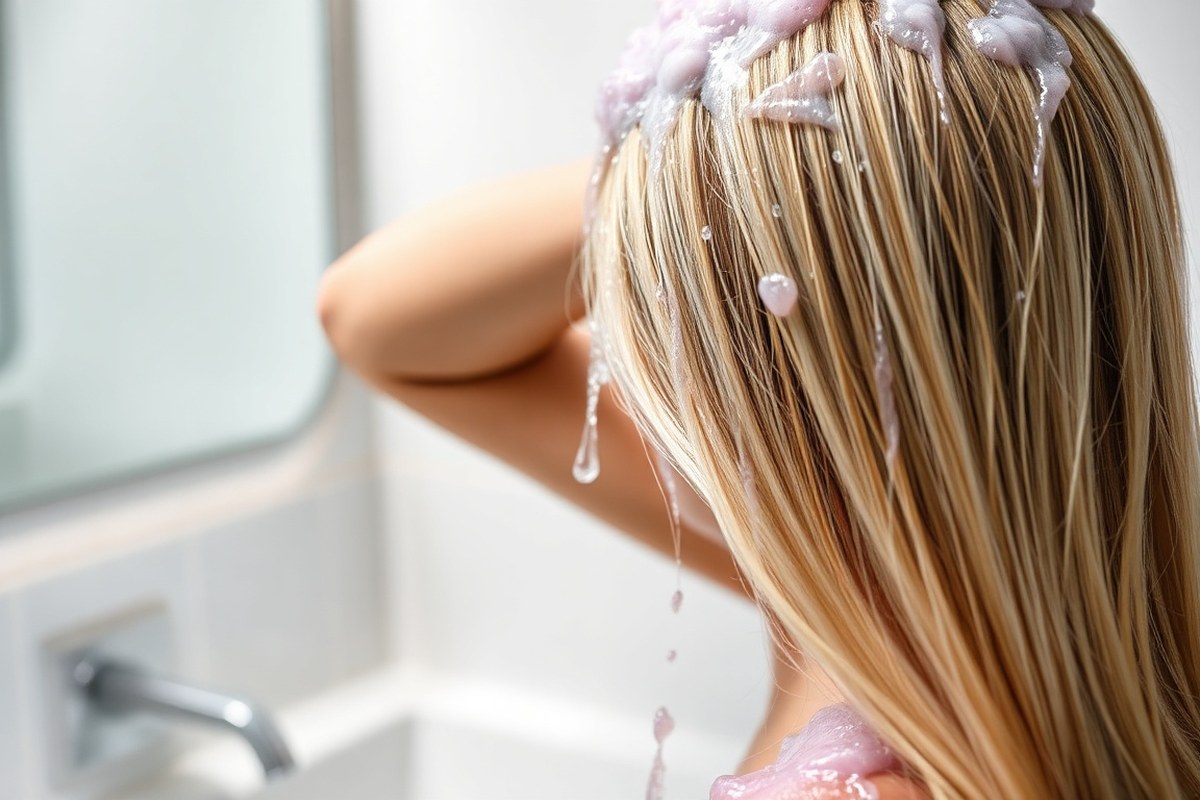
- Apply purple shampoo to wet hair, focusing on brassy areas.
- Leave shampoo on for 1-3 minutes if platinum or silver blonde.
- Leave shampoo on for 2-5 minutes if naturally blonde or darker blonde shades.
- Rinse thoroughly with cool water to seal the hair cuticle.
- Use conditioner after shampooing to restore moisture.
- Adjust timing and frequency if your hair looks dull, purple, or feels dry.
Correct Steps to Apply Purple Shampoo for Best Results
Use purple shampoo on damp hair for best tone control. Start with regular shampoo if it’s your usual wash. Follow with purple shampoo carefully, then rinse well to avoid staining.
Pre-Washing Hair Preparation
Wet your hair completely before applying any shampoo. This helps the purple shampoo spread evenly. Space out purple shampoo use to once every 1 or 2 weeks when hair feels very dry.
Brush your hair gently to remove tangles. This prevents uneven application. Avoid using purple shampoo on dry hair because it won’t spread correctly and might leave patches.
Applying and Timing the Shampoo
Start with regular shampoo if you wash daily. Use a gentle, sulfate-free shampoo to protect your blonde hair. Then apply purple shampoo, focusing on the brassier spots.
Use about a pea-sized amount or enough to cover your hair lightly. Massage it evenly from roots to ends for uniform toning. Leave it on for 1 to 3 minutes, depending on your hair’s sensitivity and color level.
Stop timing exactly if your hair seems too purple or dry. Adjust the time next use or use it less often to avoid unwanted tones or dryness.
Rinsing and Aftercare Tips
Start by washing out purple shampoo with lukewarm water. Then rinse with cold water to lock moisture and smooth hair.
Follow with a moisturizer or conditioner designed for blonde hair. This step replaces oils and softens hair after pigment use. Pause purple shampoo for a few washes when hair looks brassy or dry after rinse.
- Wet hair thoroughly with warm water.
- Shampoo hair first with your regular gentle shampoo before using purple shampoo often.
- Apply a pea-sized amount of purple shampoo to your hair.
- Massage the shampoo evenly from roots to the tips.
- Focus on the areas with yellow or brassy tones.
- Leave the shampoo in for 1 to 3 minutes, adjusting time if needed.
- Rinse hair thoroughly with lukewarm water, then finish with cold water rinse.
- Apply conditioner to nourish and moisturize your hair after rinsing.
Common Purple Shampoo Mistakes and How to Fix Them
Purple shampoo can easily shift from helpful to harmful if misused. One common error is leaving purple shampoo on too long. It can tint blonde hair purple.
This happens instead of neutralizing brassiness. Using purple shampoo every day causes over-toning and dryness.
Hair looks dull, not vibrant. Avoid overuse to keep hair healthy.
People sometimes expect quick fixes, so they apply thick layers or skip rinsing well. This leaves visible purple stains, especially on wet hair. Rinse hair well with cool water after purple shampoo.
This locks in pigment and closes cuticles. It helps keep hair color fresh. Use purple shampoo only once or twice a week.
Apply it on dry hair each time. This helps maintain natural color balance.
- Apply a small amount of shampoo evenly, no more than a quarter-sized dollop
- Leave it on for 1 to 3 minutes depending on your hair’s lightness and brassiness
- Rinse thoroughly with cool water to prevent purple staining
- Limit use to once or twice a week, not daily
- Use a nourishing conditioner after shampoo to combat dryness
- Wash hair with regular shampoo right away when purple tones develop. This removes unwanted color quickly.
- Test on a small hair section before full use to gauge timing
Rinse with water and shampoo again if you leave purple shampoo too long. Use your regular shampoo for best results. This usually removes unwanted purple tones within one wash.
Avoid scrubbing hard, as this can damage fragile blonde hair. Deep conditioning treatments help restore natural hair vibrancy if purple tint stays. They repair dryness and color damage.
Leaving purple shampoo on longer than 5 minutes often causes unwanted purple staining, so timing matters.
Knowing whether purple shampoo is working or over-toning comes down to timing and looking closely. Your blonde should lose yellow tones and look brighter, not purple. Cooling effects and hair shine show you’re using purple shampoo right.
These signs mean your routine works. Reduce how long you leave purple shampoo on if there’s violet haze. Lower shampoo frequency too if needed.
Differences Between Purple Shampoo and Blue Shampoo for Blonde Hair
Purple shampoo and blue shampoo use different pigments to fight brassiness. Purple shampoo targets yellow tones, which are common in blonde hair. Blue shampoo is better for orange tones, often found in brunettes and darker hair with highlights.
You can use purple shampoo on blonde highlights and balayage. It softens unwanted yellow tint and keeps blondes looking fresh. Blue shampoo works best for orange or very brassy blonde hair.
It cancels out warm, orange hues. This helps your blonde look cooler.
| Feature | Purple Shampoo | Blue Shampoo |
|---|---|---|
| Target Tint | Yellow tones typical in blonde hair | Orange tones common in brunettes or darker colors |
| Best Hair Types | Blonde, silver, highlighted blonde | Brunette, brown with highlights, darker balayage |
| Effect | Neutralizes yellow, cools blonde shades | Neutralizes orange, tones down brassy warmth |
| How to Use | Apply 2-3 times a week for 2-5 minutes | Use as needed if orange tones appear, same timing |
| Combination Tips | Use clarifying shampoo first if hair is yellow-brassy | Blue usually follows regular shampoo in routine |
Purple shampoo comes from the color wheel, where purple cancels yellow. That means any yellow on your blonde hair fades to a cooler tone. Blue shampoo works the same way but cancels orange, which explains why it suits brunettes better.
When your blonde hair looks orange or brassy, try blue shampoo after clarifying. Removing yellow buildup first helps purple shampoo work better too. But if you mostly see yellow tinges, stick with purple shampoo to keep your blonde cool.
How to Choose the Right Purple Shampoo for Your Hair Type
Purple shampoos come in formulas for dry, curly, natural, and color-treated blondes. Each type suits different hair needs. Choose one that fits your hair type best.
Look for purple shampoo with moisturizing ingredients if your hair is dry or curly. These versions help keep your hair soft and avoid extra dryness from the purple dye.
Natural blondes can use a simple purple shampoo. Its main job is to refresh tone. It also neutralizes brassiness well.
Color-treated blondes often need a more nourishing formula to protect hair that’s already processed. Those usually cost a bit more, around $15 to $25 for a 10-ounce bottle.
Using purple conditioner after shampoo is optional. According to Kell and Brown, purple conditioner offers about the same toning effect as the shampoo. But using both together can dry your hair out faster.
Choose purple shampoo or deep conditioner, not both every time. Use deep conditioner now and then to keep softness.
You don’t usually need to mix purple shampoo with regular shampoo. Mixing might dilute its color-correcting power, so it won’t fight yellowness effectively.
Use purple shampoo less often if your hair feels dry or rough afterward. Try a hydrating conditioner after shampoo instead.
Gray hair can also benefit from purple shampoo by neutralizing yellow tones. The same advice for dry or color-treated hair applies here because gray strands can get brittle.
Match your purple shampoo’s strength to how faded or brassy your blonde looks. Warm and cool tones both need this.
Most people use purple shampoo with regular or deep conditioner. They pick conditioners made for their hair type. This approach helps avoid over-drying while keeping the hair tone fresh.
Leave purple shampoo on your hair from 1 to 3 minutes. Adjust time based on your scalp sensitivity and hair porosity.
Safety Tips and When to Consult a Professional
Purple shampoo can damage blonde hair if used too often. Leaving it on too long can cause damage too. Use it carefully to protect your hair.
The violet pigments are strong and can dry out hair or cause a purple tint. Overuse might weaken fragile bleached strands and lead to breakage.
Side effects like dryness or mild scalp irritation may happen with regular use. Stop using purple shampoo right away at signs of irritation. Watch for itching, redness, or burning feelings on your scalp.
These can mean your skin is reacting badly. Wash your hair thoroughly to remove any leftover shampoo.
Here’s what to watch for to keep purple shampoo safe and effective:
- Limit use to 1-2 times per week on bleached hair.
- Keep it on for no more than 3-5 minutes each time.
- Rinse thoroughly to avoid pigment build-up.
- Choose formulas with nourishing ingredients like oils or proteins.
- Avoid using on broken or irritated scalp.
- Do a patch test before first use to check for allergies.
- Use a deep conditioner after purple shampoo for softness.
Consult a professional if your hair feels unusually brittle or looks dull despite treatment. A colorist can suggest alternatives or adjust your routine to keep hair healthy. Also, get expert advice if irritation worsens or you’re unsure about the right product to use.
Stop using purple shampoo immediately if you notice scalp irritation or hair damage.
Step-by-Step Action Plan for Using Purple Shampoo on Blonde Hair
Follow these steps to keep your blonde hair bright and brass-free with purple shampoo.
- Before your first use: Choose a purple shampoo suited for your hair type and blonde shade. Check the label for gentle ingredients.
- Week 1: Apply purple shampoo once a week. Leave on for 3-5 minutes, then rinse well. Look for less yellow tones after washing.
- Week 2: Use purple shampoo twice this week if brassiness persists. Limit each use to 5 minutes to avoid over-toning.
- Week 3 and beyond: Adjust frequency based on your hair’s brightness. Some need it once every 7-10 days, others twice weekly.
- After each shampoo: Use a moisturizing conditioner to prevent dryness. Your hair should feel soft, not brittle.
- Monthly check-in: Assess your hair color in natural light. Reduce purple shampoo if your hair turns too ashy or dull.
- Ongoing care: Avoid daily use to prevent buildup. Stop if scalp irritation occurs and try a milder formula.
Frequently Asked Questions
Can Purple Shampoo Damage Blonde Hair?
Purple shampoo is generally safe when used correctly. Overuse or leaving it on too long can cause dryness or a purple tint. Always follow the instructions and try a patch test first.
Does Purple Shampoo Work on Natural Blonde Hair?
Yes, purple shampoo tones natural blonde hair by reducing yellow tones. It keeps your natural blonde looking fresh and less brassy between salon visits.
Can Purple Shampoo Lighten My Blonde Hair?
Purple shampoo doesn’t lighten hair. It neutralizes yellow and brassy tones to maintain a cooler blonde shade. For lightening, a bleach or toner is needed.
Should I Use Purple Shampoo If I Have Highlights?
Purple shampoo can help maintain highlights by reducing brassiness. Use it only now and then to avoid drying out your hair.
Can Purple Shampoo Help with Oily Blonde Hair?
Purple shampoo mainly tones hair but may not control oil. Use a gentle, clarifying shampoo designed for oily hair alongside to keep your scalp balanced.
Is Purple Shampoo Suitable for All Blonde Shades?
Most blonde shades benefit, especially cooler blondes like platinum and ash. Warm blondes may find purple shampoo alters their tone, so use it sparingly.
Before You Go
Purple shampoo fades yellow tones and refreshes your blonde color effectively. Start with careful timing and the right amount each use. Keep an eye on your hair’s condition and adjust as needed for best results.